REVIEW · HUARAZ
Ancash: Lagoon Route 69 – trekking guide |Full day|
Book on GetYourGuide →Operated by Uyuni Experience EIRL · Bookable on GetYourGuide
Laguna 69 looks unreal. This full-day trek from Huaraz is built for jaw-dropping glacial scenery with a smart, paced route inside Huascarán National Park. You get panoramic stops in the Llanganuco Valley before the main hike, then a classic out-and-back day centered on the famous turquoise water.
I like the way this trip balances transport comfort with time on the trail. The small group size (up to 15) keeps things easier when conditions get steep, windy, or just plain cold up high. I also love the focus on key waypoints like Chinancocha for quick photos and Cebollapampa as a clear starting point for the ascent.
One thing to consider: the tour is listed with an English/Spanish live guide, and there can be uneven English support in practice. Also, timing can run later than promised, especially on return to Huaraz—so plan your next day with a bit of slack.
In This Review
- Key Highlights to Know Before You Go
- From Huaraz at 5:00 a.m. to Huascarán National Park
- Llanganuco Valley Stops: Chinancocha and the Photo Window
- Cebollapampa: The Trek Starts Where Work Begins
- Laguna 69 Viewpoint: The Turquoise Moment and Chacraraju in Frame
- The Descent Back to Cebollapampa: Legs, Safety, and Timing
- Group Size, Guide Languages, and What That Means for You
- Pacing, Altitude, and How to Prepare for a Big Day
- Is This the Right Fit? Who Should Book Laguna 69
- Should You Book This Laguna 69 Full-Day Trek?
- FAQ
- What time does the Laguna 69 full-day tour leave Huaraz?
- What time do we return to Huaraz?
- How long is the trek to Laguna 69, uphill and downhill?
- Where does the hike begin?
- What lakes do you pass by before reaching Laguna 69?
- What will I see at Laguna 69?
- What languages are available with the guide?
- What group size is this tour limited to?
- Is there free cancellation and a reserve-pay-later option?
Key Highlights to Know Before You Go
- Llanganuco Valley warm-up: you drive through the valley and stop at Chinancocha for photos before the climb
- Cebollapampa start: a straightforward beginning point for the uphill grind
- Big effort, clear timing: about 3 hours up and 2 hours down on the trek portion
- Laguna 69’s turquoise payoff: you’ll pause to take in the color and the view
- Chacraraju at 6,108 meters: the snow-capped peak frames the lake from the viewpoint area
- Tight group size: limited to 15 people for a more personal feel on the hike
From Huaraz at 5:00 a.m. to Huascarán National Park
The day starts early—5:00 a.m. departure from Huaraz. You’ll ride north in tourist transportation, either shared or private, passing through Yungay on the way into the Huascarán National Park area. Early starts aren’t just for romance. In the Andes, morning light tends to be steadier, and you’re more likely to get clearer views before clouds roll in.
A practical beat comes next: breakfast at a tourist restaurant in Huashao, near the park. This matters because the trek portion is front-loaded. If you arrive hungry, you feel it fast when the trail starts climbing. If you eat well here, you’ll have the fuel to keep a steady pace up.
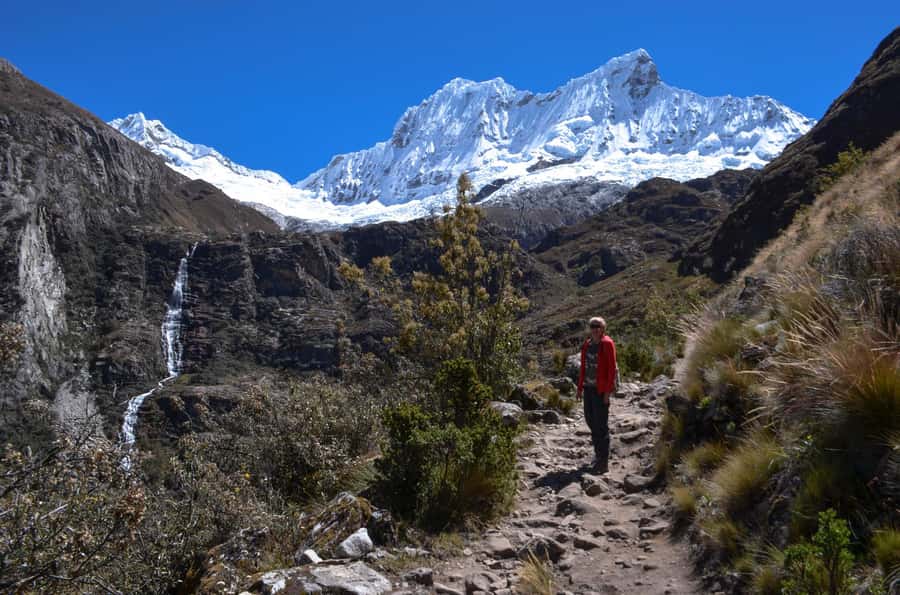
Once inside the park, the route targets the Llanganuco Valley and the lakes around it. You’re not thrown straight into hiking. Instead, you’ll see how the terrain changes as you approach the trailhead zone—mountain valleys, high passes, and that distinct Cordillera Blanca vibe where the air feels sharp even if you’re just sitting in the bus.
You can also read our reviews of more tours and experiences in Huaraz.
Llanganuco Valley Stops: Chinancocha and the Photo Window
Before the hike, there’s a short stop sequence that sets expectations for what’s coming. You’ll head toward Chinancocha and Orconcocha lakes as part of the drive. Chinancocha gets a brief pause—about 10 minutes—so you can grab photos.
Ten minutes sounds short, but it’s enough for quick views and a couple of angles. The key is to treat it like a photo window, not a hangout. Once the trek begins at Cebollapampa, you’ll be trading cameras for legs.
This stop is valuable for two reasons. First, it gives you a chance to notice the color and scale of the glacial lakes. Laguna 69’s famous look won’t come as a shock later. Second, it’s your last easy moment for small logistics: water top-up, hat check, and making sure your layers are working before you start sweating uphill.
Cebollapampa: The Trek Starts Where Work Begins
The hike starts at Cebollapampa. This is where the day shifts from scenic sightseeing to the main event: walking with altitude in the background and steep terrain in front of you.
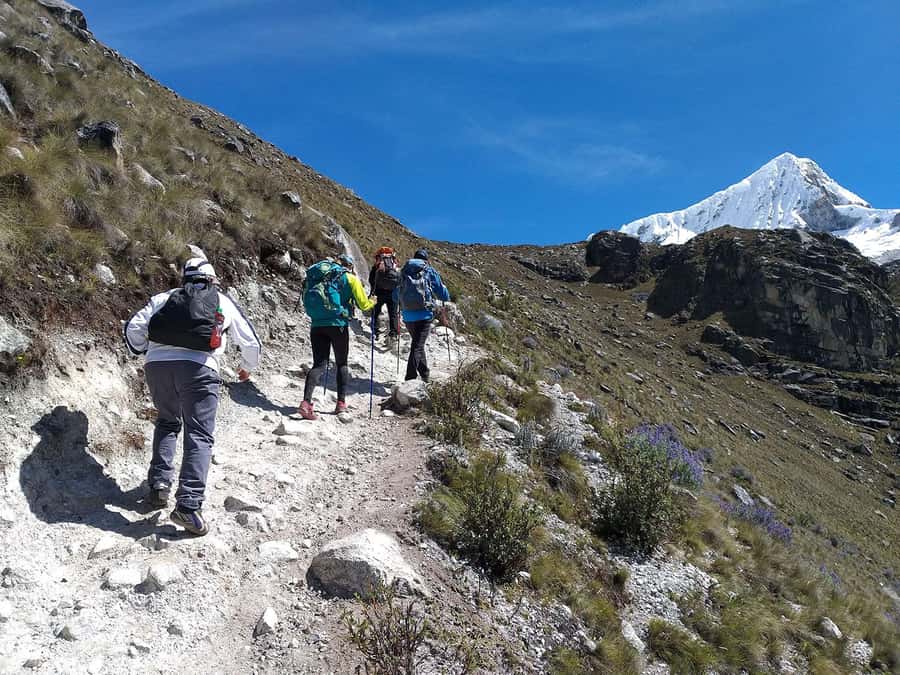
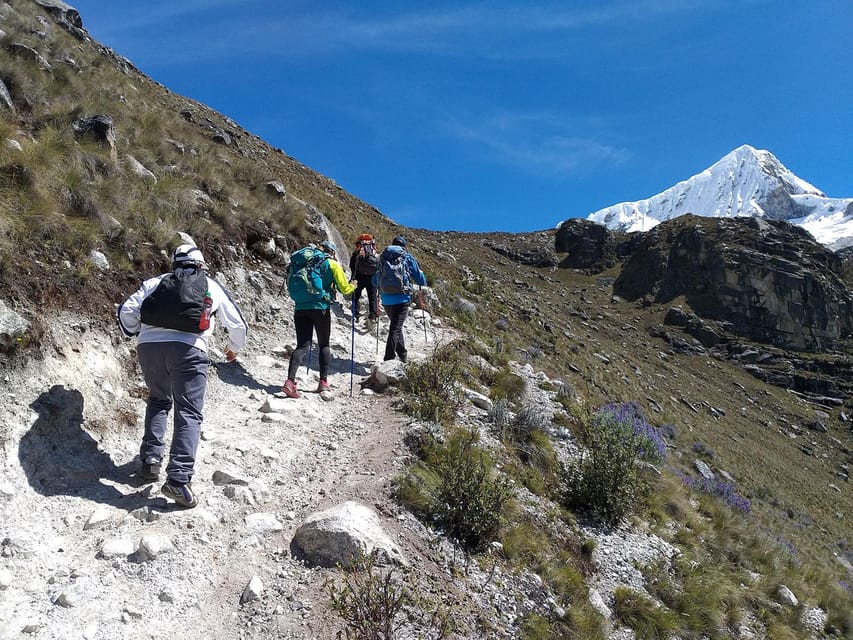
From here, the plan is clear and fairly standard for Laguna 69: roughly 3 hours of ascent followed by about 2 hours of descent. That uphill portion is the part you should respect. Even if you’re an experienced hiker, the Andes can slow you down just because breathing takes more effort at elevation. Your best move is a steady pace, not a sprint-and-suffer pace.
During the climb, you’ll be in the kind of mountain corridor that rewards constant looking. The route builds in big sightlines rather than hiding views behind switchbacks. The more you focus on pacing, the more you’ll enjoy the scenery instead of fighting it.
One tip for your body: keep your movements calm. The faster you move, the faster you’ll feel the climb. The trail is demanding, but the climb is also predictable if you go easy at the start.
Laguna 69 Viewpoint: The Turquoise Moment and Chacraraju in Frame
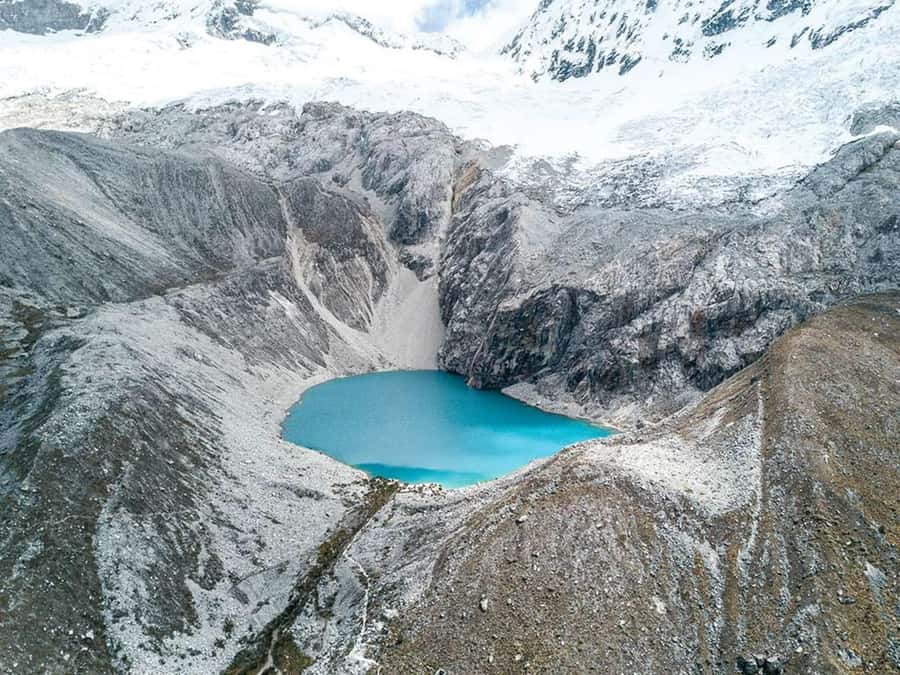
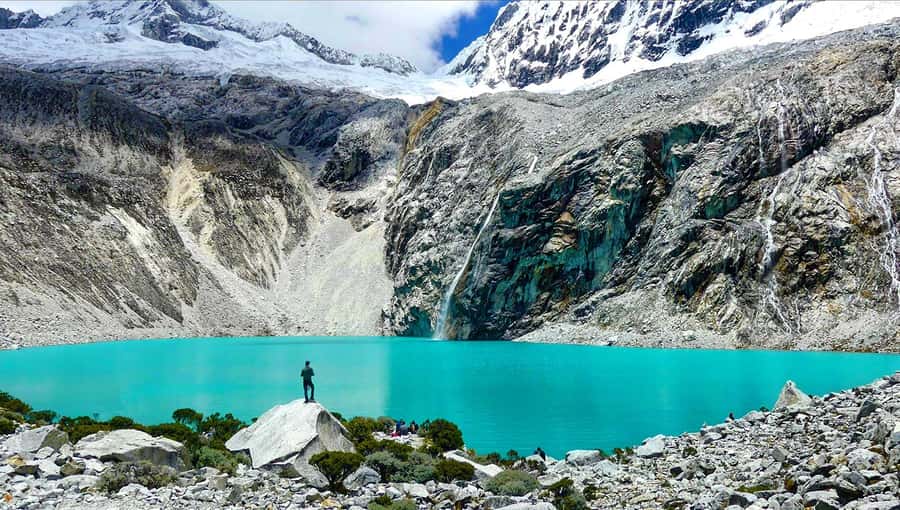
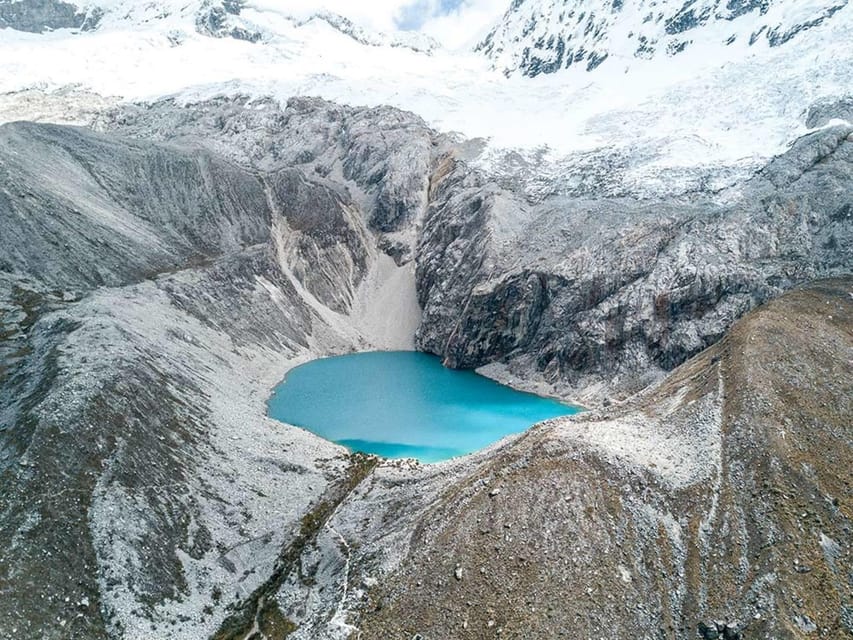
When you arrive at Laguna 69, you get the payoff most people dream about: the lake’s spectacular turquoise color. This is one of those places where you’ll instinctively slow down. The color isn’t just pretty—it’s dramatic. It pulls your attention away from everything else.
You also get a view of Chacraraju, a snow-capped peak at 6,108 meters above sea level. Even if you’re not a peak-spotter, it gives the lake context. Laguna 69 doesn’t sit on its own. It’s part of a larger mountain story, and Chacraraju helps you see the scale.
What I like about this stage is that it’s not rushed. You’ll have time to contemplate the lake and take in the scene from the viewpoint area before heading back. This break is important because the descent is coming next. If you spend your whole arrival time fighting to move on, you’ll rob yourself of the best part of the day.
Then you turn around and head back toward Cebollapampa, with your transportation waiting at the trailhead when you return.
The Descent Back to Cebollapampa: Legs, Safety, and Timing
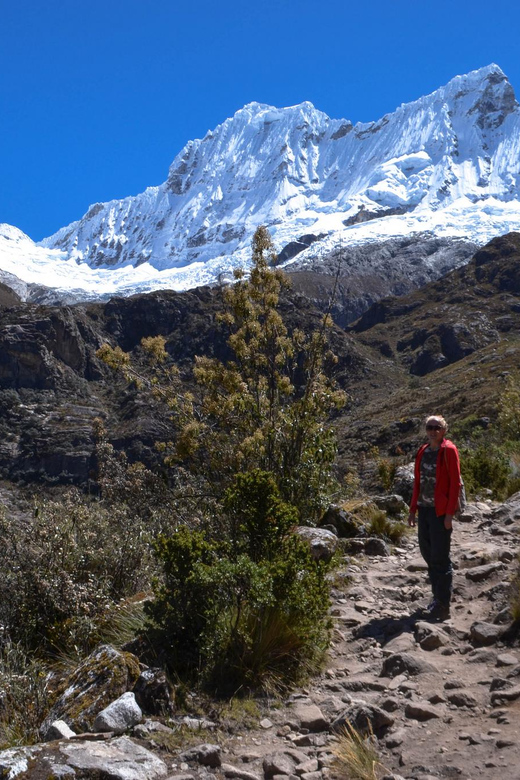
The descent takes about 2 hours. That’s usually easier mentally than the climb, but it can be harder on your knees. Going downhill is where many people overdo it—trying to make time, taking bigger steps, and suddenly realizing their quads are not thrilled.
Your goal on the way down should be controlled speed. Shorter steps help. Pay attention to footing. In high-altitude trekking areas, loose gravel and cold air can mess with grip.
This is also where you’ll feel the day’s timing. The full schedule has you returning to Huaraz around 6:00 p.m., but real life can run late depending on conditions and the group’s pace. If you have a dinner reservation or a flight, I’d keep it flexible. A hike like this is the kind of thing that can stretch when visibility, weather, or slower trekkers take longer than expected.
Group Size, Guide Languages, and What That Means for You
The tour runs as a small group, limited to 15 participants. In practical terms, this makes the experience feel more manageable than a big bus-and-queue style tour. You can ask questions more easily, and you’re less likely to get separated if the group slows down or the path narrows.
The guide is listed as a live tour guide in English and Spanish. Here’s the real-world consideration: language quality can vary. If English is a must for you, ask the operator directly what languages will be used throughout the day and whether they can keep explanations in English during key moments. You don’t want the hike and view to be great but the instructions to be unclear.
As for the experience itself, the best parts are visual and physical—turquoise water, snow-capped backdrop, and that long stretch of trail. If you’re the type who’s happiest when you can focus on scenery and walk at your own rhythm, the guide language matters less than if you want detailed interpretation every step.
Pacing, Altitude, and How to Prepare for a Big Day
Even with a planned 1-day duration, this is still a serious trek. You’re going uphill for about 3 hours, then down for about 2 hours, and you’re doing it from a high-mountain environment inside Huascarán National Park. That means altitude and cold weather can play a role even when the sun is out.
Pack with layering in mind. Morning feels colder than you expect, and on the descent you’ll cool down again after sweating on the climb. Bring gloves or something warm for your hands if you tend to get cold easily.
Footwear matters more than people think. Proper trekking shoes with good grip help on downhill sections and on potentially uneven ground. If you only bring lightweight sneakers, you might survive, but you won’t enjoy it as much.
Also plan your water and snacks. The day includes a breakfast in Huashao and then the hike, but your personal energy needs can vary. If you run low, you’ll feel it on the uphill portion when effort is constant.
Finally, bring a calm hiking mindset. Laguna 69 is a high-visibility destination. That can tempt you to rush. Don’t. The trail is the point.
Is This the Right Fit? Who Should Book Laguna 69
This tour works best if you want one iconic trek with a clear structure, limited-group feel, and a strong scenery payoff in a single day.
You’ll likely enjoy it if:
- you can handle about 5 hours total of trekking time (up plus down), plus driving
- you’re comfortable hiking uphill for around 3 hours at altitude
- you love glacial lakes and mountain views, and you want your day to be built around them
- you prefer smaller groups (max 15) over long lines and constant waiting
You might hesitate if:
- you need consistently detailed English interpretation throughout the hike
- you have tight scheduling for later that evening in Huaraz, since returning can run later than the stated time
This isn’t the kind of tour where you “float” through it. You walk. You climb. You earn the view.
Should You Book This Laguna 69 Full-Day Trek?
If you’re choosing between Laguna 69 experiences, I’d lean toward booking when your priority is the hike and the scenery over fine-print comfort. The route is organized around key highpoints: Llanganuco Valley lakes, a clear Cebollapampa start, and the classic Laguna 69 turquoise moment with Chacraraju framing the view.
My main caution is practical: confirm guide language consistency if English is important to you, and build in time buffers for the return trip. If you go in with realistic expectations—early morning, real uphill effort, and a late-afternoon finish—you’ll come away with the kind of Andean day that sticks.
FAQ
What time does the Laguna 69 full-day tour leave Huaraz?
The tour begins with departure from Huaraz at 5:00 a.m.
What time do we return to Huaraz?
The plan is to arrive back in Huaraz at approximately 6:00 p.m.
How long is the trek to Laguna 69, uphill and downhill?
The trek includes about 3 hours of ascent and 2 hours of descent.
Where does the hike begin?
The hike begins at Cebollapampa.
What lakes do you pass by before reaching Laguna 69?
You head toward the Llanganuco Valley and visit Chinancocha and Orconcocha lakes, with a brief photo stop at Chinancocha.
What will I see at Laguna 69?
You’ll have time to contemplate Laguna 69’s turquoise color and the snow-capped view of Chacraraju (6,108 meters).
What languages are available with the guide?
The live tour guide is listed in English and Spanish.
What group size is this tour limited to?
It is a small group limited to 15 participants.
Is there free cancellation and a reserve-pay-later option?
Yes. You can cancel up to 24 hours in advance for a full refund, and you can reserve now & pay later (book a spot without paying today).