REVIEW · REYKJAVIK
2-Day South Coast, Blue Ice Cave, Glacier Lagoon Tour
Book on GetYourGuide →Operated by Snæland Travel · Bookable on GetYourGuide
Two days, one jaw-dropping glacier blue world. I especially love the crystal-blue ice cave experience and the chance to get up close to Seljalandsfoss and other major south coast falls. It’s the kind of itinerary where each stop feels like a different kind of Iceland photo moment, without wasting time.
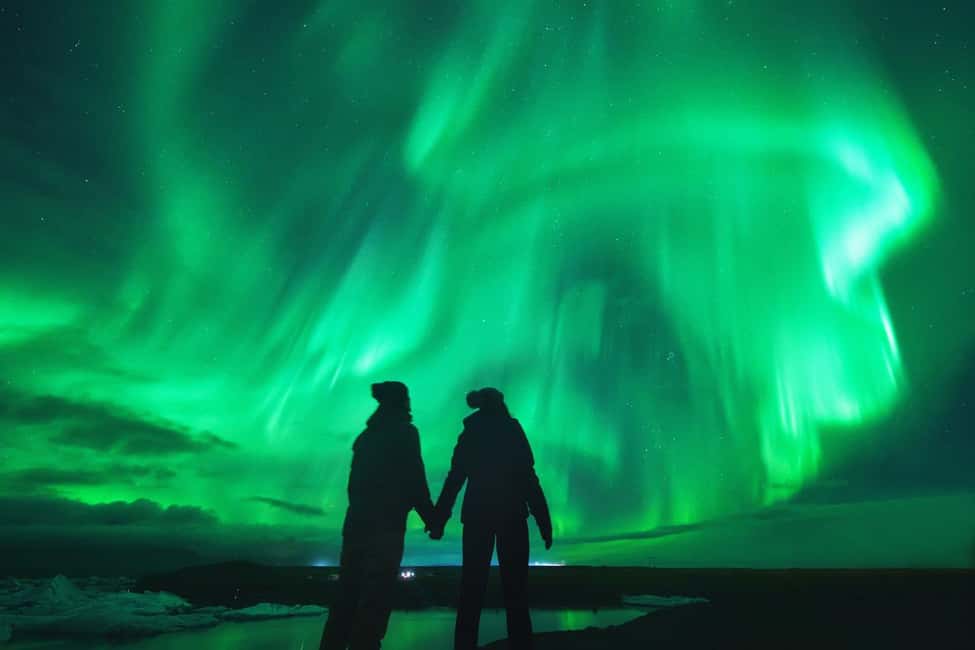
The tour also runs with a proper sense of winter reality. You sleep in a country hotel near Jökulsárlón, which sets you up for a shot at the Northern Lights if conditions allow. The main consideration: winter weather can shift the schedule, and there’s no guarantee the aurora shows.
In This Review
- Key Highlights at a Glance
- Why This South Coast + Glacier Trip Feels Like Two Different Iceland Worlds
- Day 1: Seljalandsfoss, Skógafoss, Reynisfjara, and a Winter Night Near Jökulsárlón
- Seljalandsfoss: Walking Behind a 60-Metre Waterfall
- Skógafoss: The Classic Wide Cascade (About 60 Metres by 25 Metres)
- Reynisfjara Black Sand Beach: Basalt Columns and Powerful Waves
- Vík Area Drive and Country Hotel Sleep
- Day 2: Vatnajökull’s Ice Cave and the Real Meaning of a Glacier Day
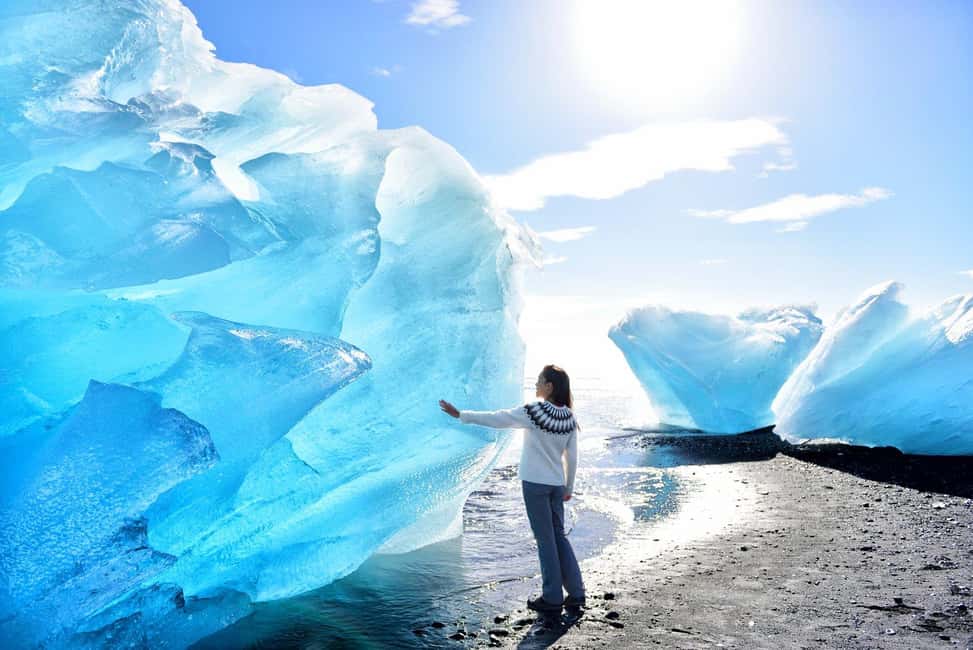
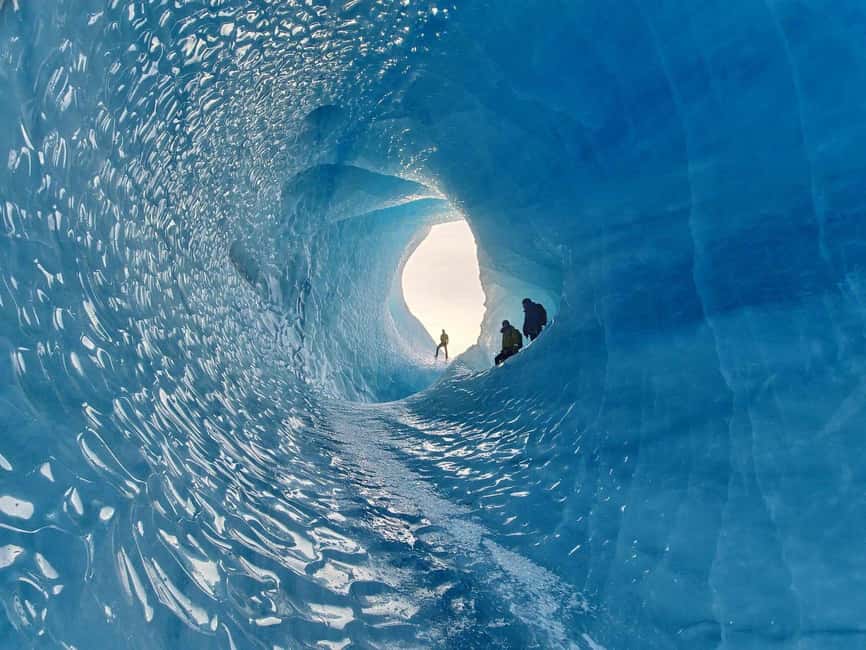
- The Crystal Blue Ice Cave: How It’s Formed and What You’ll See
- Timing and Photography Reality
- Jökulsárlón Glacier Lagoon: A 200-Metre-Deep Lake with Floating Icebergs
- Diamond Beach: Black Sand Meets Ice Fragments Like Diamonds
- What Makes Diamond Beach Feel Different from the Lagoon
- Crowd Control and Comfort: How This Tour Tries to Work Smarter
- Full-Sized Bus and Luggage Ease
- Avoiding the Big-Crowd Glacier Pattern
- The Human Part: Friendly, Helpful Drivers and Guides
- Price and Value: What You’re Really Paying For at $811 Per Person
- Who Should Book This Tour (And Who Might Want Something Different)
- Quick Practical Tips Before You Go
- Should You Book This 2-Day South Coast + Ice Cave Tour?
- FAQ
- What time does pickup start in Reykjavík?
- What is included in the ice cave expedition?
- What kind of accommodation is included?
- Are meals included besides breakfast?
- Is the Northern Lights viewing guaranteed?
- Is this tour suitable for children?
Key Highlights at a Glance
- Seljalandsfoss walk-behind waterfall experience at about 60 metres high
- Skógafoss stop for big scale: around 60 metres tall and about 25 metres wide
- Reynisfjara Black Sand Beach with basalt columns and rough, powerful waves
- Vatnajökull ice cave exploration in a crystal-blue world, with guides and all equipment
- Jökulsárlón Glacier Lagoon viewing from a 200-metre-deep lake with floating icebergs
- Diamond Beach ice-fragment sparkle on black sand
Why This South Coast + Glacier Trip Feels Like Two Different Iceland Worlds
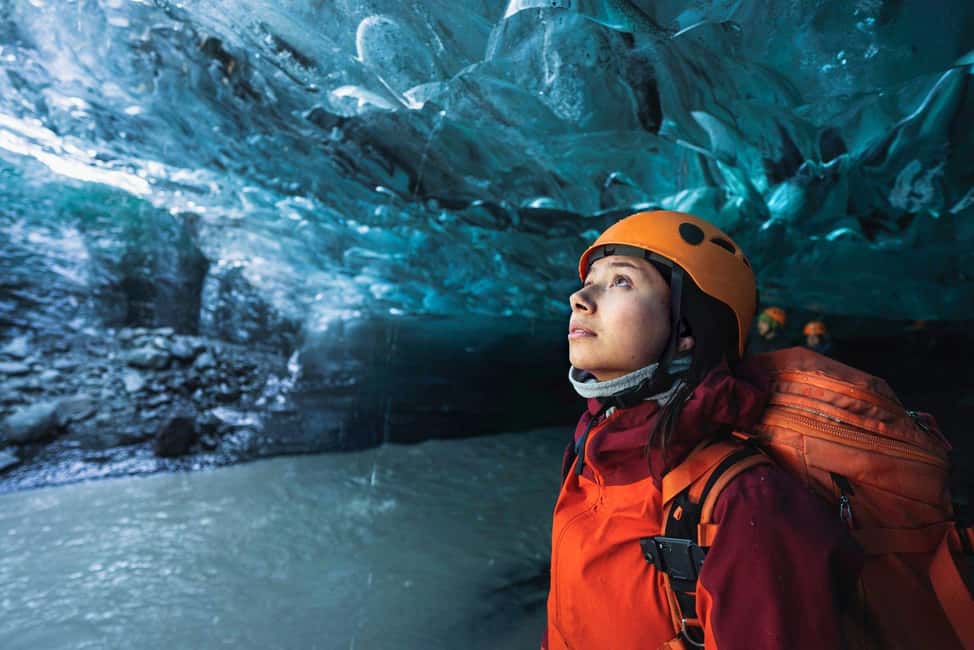
This isn’t just a checklist tour. It’s built like a story: first you get the classic south coast hits, then you switch gears to Vatnajökull’s frozen interior and the glacier lagoon/ice-on-black-sand scenes.
I like that it doesn’t treat the glacier day as an add-on. The second day is a full “winter expedition” style outing with an ice cave visit led by local glacier specialists and the right gear. That matters, because an ice cave isn’t just a viewpoint. You need the right approach, timing, and guidance.
You can also read our reviews of more tours and experiences in Reykjavik.
Day 1: Seljalandsfoss, Skógafoss, Reynisfjara, and a Winter Night Near Jökulsárlón
Your day starts early, with pickup in Reykjavík between 08:00 and 08:30. From there, you work your way along the south coast, hitting the kind of sights most people only see from the roadside—except here you get closer.
Seljalandsfoss: Walking Behind a 60-Metre Waterfall
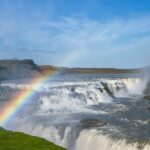
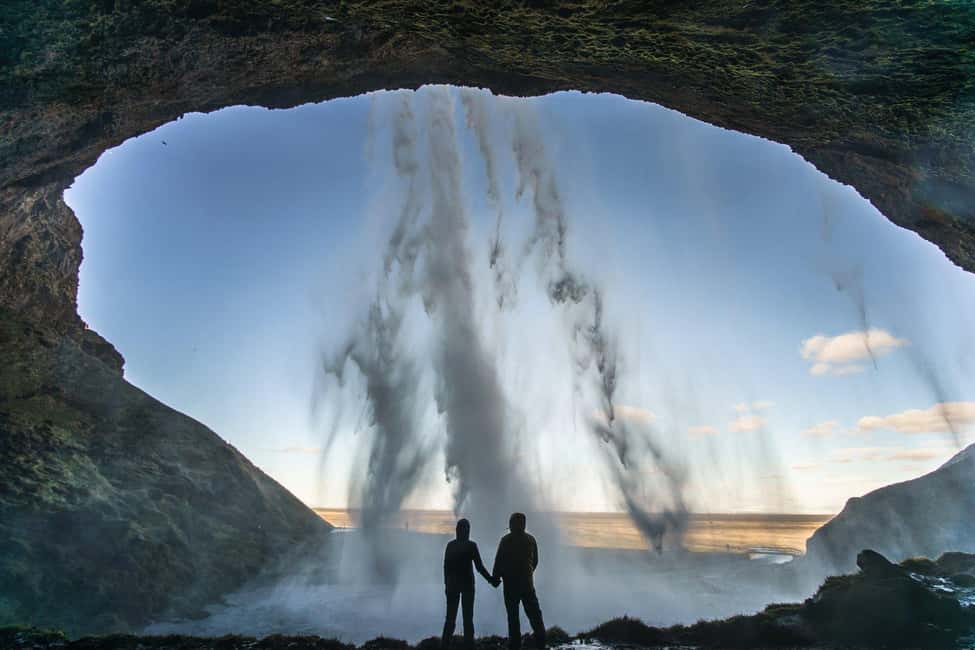
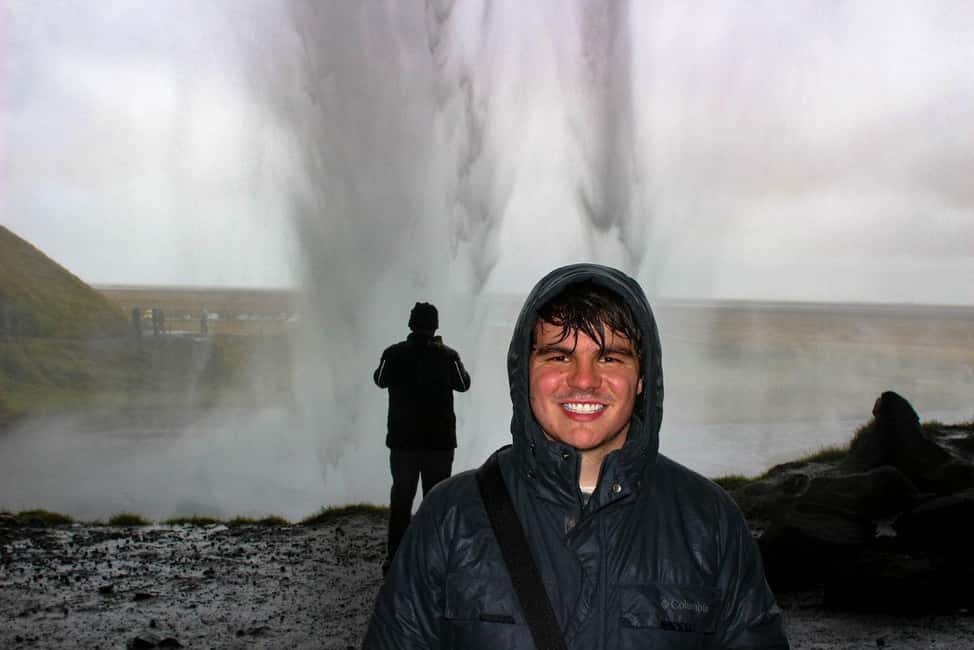
Seljalandsfoss is the first big emotional hit. You can walk behind the waterfall, which turns the experience into something more than a look-and-go photo stop. At roughly 60 metres high, the water thunders close enough that you’ll want to keep your camera protected and your clothing warm and ready for spray.
What I like: this stop gives you that rare feeling of moving through the attraction instead of only observing it from outside.
Skógafoss: The Classic Wide Cascade (About 60 Metres by 25 Metres)
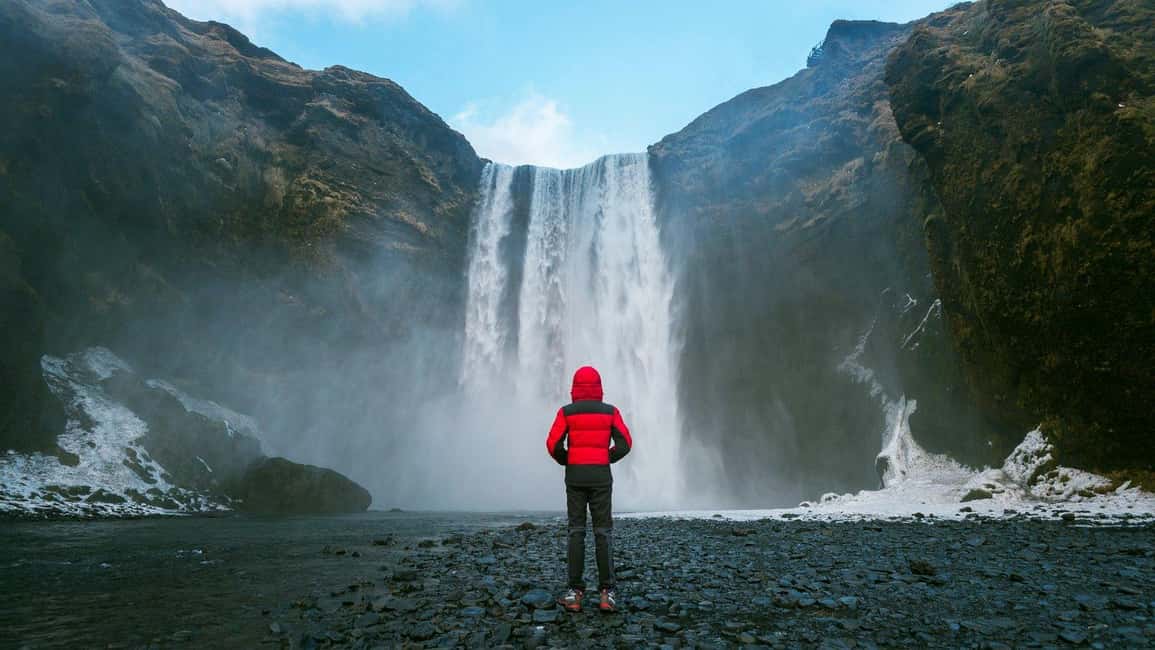
Next comes Skógafoss, another 60-metre class waterfall, but wider—about 25 metres across. This one is all about scale. When the falls spread out like that, even in winter light, the mist and sound do half the job for your senses.
Practical note: winter conditions can mean slippery ground around waterfalls. Wear proper warm footwear, and keep an eye on where you step if you plan to get close.
Reynisfjara Black Sand Beach: Basalt Columns and Powerful Waves
Then you shift to Reynisfjara, the black sand beach known for basalt columns and dramatic surf. It’s the kind of place that looks calm from a distance but doesn’t play that way up close. The tour highlights the strength of the waves, and that’s exactly what you should respect.
If you want photos near the shoreline, do it with caution. This is one of those natural settings where the ocean can change fast, especially in winter weather.
Vík Area Drive and Country Hotel Sleep
As the day moves along, you pass through the village of Vík, located beneath Mýrdalsjökull Glacier. It’s a good reminder that Iceland’s glaciers and communities sit close together, even if the driving route feels wild and empty.
You’ll stay overnight in a country hotel just east of Jökulsárlón Glacier Lagoon, and breakfast is included. One smart part of the plan: you don’t waste your second day starting from Reykjavík. You’re already in the right region, which helps if you’re aiming for Northern Lights conditions.
Day 2: Vatnajökull’s Ice Cave and the Real Meaning of a Glacier Day
The second day is where the tour earns its reputation. Vatnajökull is Europe’s largest glacier, and the day is designed around that scale—not just around one photo stop.
You’ll head out from the hotel to Jökulsárlón, then travel off-road toward the glacier in a modified super jeep. Your experienced guides lead you safely into the ice cave, and the tour includes the required ice cave equipment.
This is the heart of the experience. An ice cave visit isn’t only about how it looks. It’s about safe travel in a dynamic environment where ice forms and changes with melting and refreezing.
The Crystal Blue Ice Cave: How It’s Formed and What You’ll See
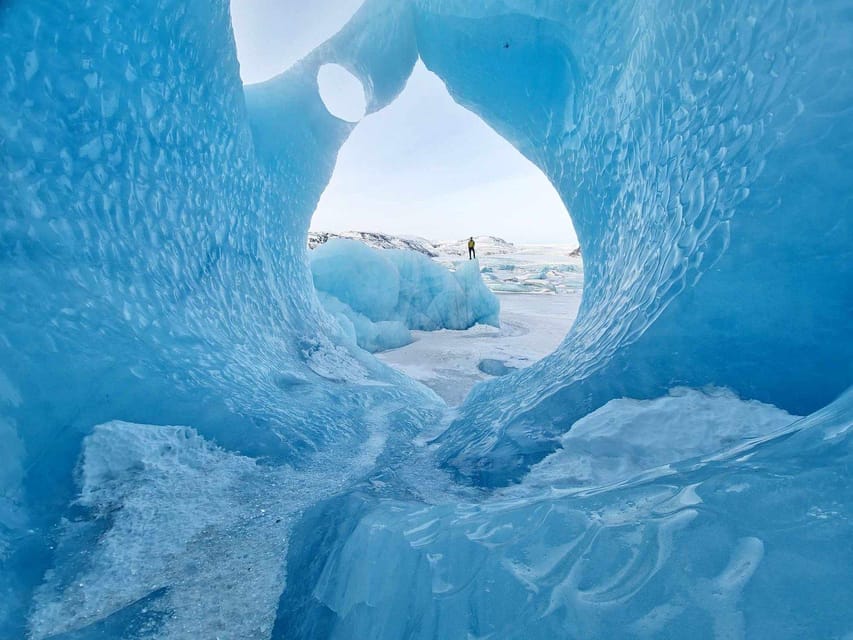
The ice cave’s look comes from the glacier’s melting and freezing cycles. You’re there for the deep blue tones and the interior features that happen in glacier systems—things like crevasses, moulins, and icefalls.
In plain terms: you’re looking at a living structure of ice, shaped by water moving through it and refreezing again. That’s why it feels otherworldly. It’s not a static monument; it’s a process you’re walking through with professional guidance.
Timing and Photography Reality
Your best photos will come from being ready for quick changes: light shifts, breath fogs, and ice textures show best when you’re moving and adjusting your angle. The tour description is clear about the photographic opportunities—deep blue ice plus structural details—so expect the guide to help you get set up for the best views inside the cave.
Bring warm layers. Inside the cave, it’s cold in a way that isn’t just about air temperature. It’s about being surrounded by ice.
Jökulsárlón Glacier Lagoon: A 200-Metre-Deep Lake with Floating Icebergs
After the ice cave, you go to Jökulsárlón Glacier Lagoon. It’s described as a 200-metre-deep lake filled with floating icebergs. That depth number matters because it helps explain why the glacier ice can look slow and endless from a distance but still be in constant motion.
This stop gives you room to breathe. You’re not rushing through it like a roadside pull-off. The lagoon is a viewing experience, with the icebergs drifting and changing in ways you can’t perfectly predict.
If you’re the type who likes “watching” more than “clicking,” this is a great match. The mood here can be very calm even when the glacier world behind it is dramatic.
Diamond Beach: Black Sand Meets Ice Fragments Like Diamonds
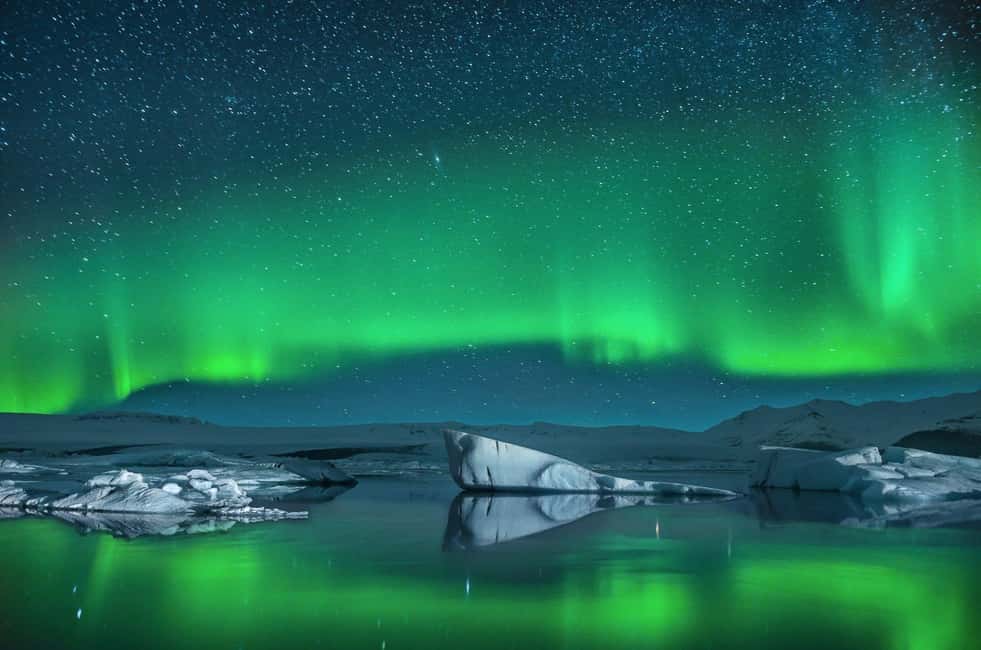
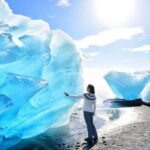
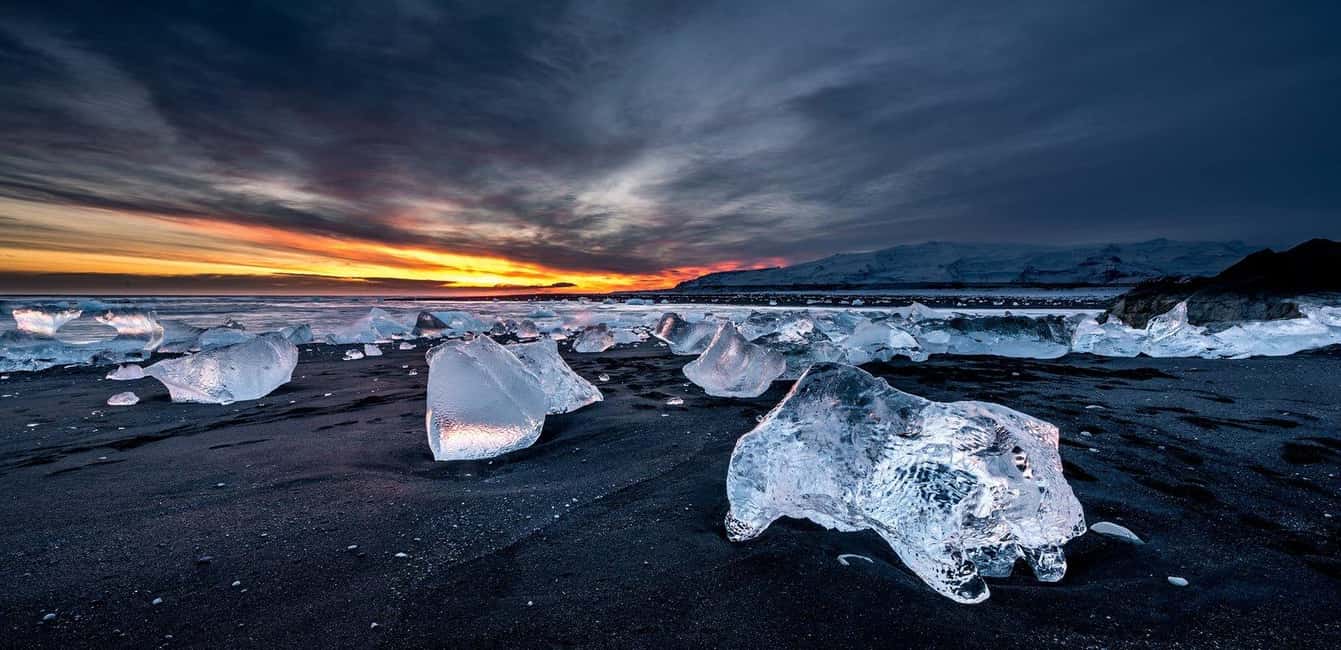
From the glacier lagoon, the tour continues to Diamond Beach, where ice fragments wash up onto black sand. The effect is exactly what the name suggests: glistening ice against stark darkness.
This is also one of those places where the ocean’s behavior matters. The shoreline setting pairs nicely with what you saw earlier at Reynisfjara, so you’ll already be in the right mindset about wave power and cautious footing.
What Makes Diamond Beach Feel Different from the Lagoon
The lagoon is big and slow. Diamond Beach is sharper and more immediate: ice closer to you, textures breaking into shapes, and the contrast of black sand and bright ice in winter light.
If your timing is good, you’ll catch a fresh scatter of fragments. Even if you don’t, the scene is still strong because the visual contrast is so dramatic.
Crowd Control and Comfort: How This Tour Tries to Work Smarter
This trip includes several choices that affect your day-to-day comfort, not just your itinerary.
Full-Sized Bus and Luggage Ease
You travel in a spacious, full-sized bus with a professional local guide. The tour also notes there are no luggage allowance limits, which sounds small until you’re standing in a Reykjavík pickup with too many layers and gear.
Avoiding the Big-Crowd Glacier Pattern
A big deal here is where the glacier experience happens. The tour emphasizes that local experts take you to the east side of Vatnajökull, while large day-tour companies tend to use the west side. In practical terms, that can mean a less crowded glacier day and a smoother flow during ice-cave time.
You still shouldn’t expect solitude everywhere in Iceland’s winter season, but this approach is a real strategy for improving your experience.
The Human Part: Friendly, Helpful Drivers and Guides
The tour’s reviews highlight local drivers who were friendly, helpful at every turn, and 100% accommodating. That lines up with how this kind of itinerary works best: when the road and weather can surprise you, you want someone calm and capable steering the day.
Even the best sights can feel stressful if the guide is rushed or the communication is weak. This one clearly prioritizes the people doing the driving and guiding.
Price and Value: What You’re Really Paying For at $811 Per Person
At $811 per person for two days, this tour is not cheap. But it’s also not only paying for “a bus ride to a few stops.”
Here’s what your money is covering, based on what’s included:
- Two days of touring with a professional local guide
- Pickup and drop-off in Reykjavík
- One night in an Icelandic country hotel with a private bathroom
- Breakfast at the hotel
- Ice cave expedition with required equipment
- Parking and facility fees, plus VAT
What I’d watch: meals other than breakfast are not included, and your Reykjavík lodging (if you need extra nights) is on you. Also, the tour is winter-based and uses off-road transport to get to the glacier region, which adds cost versus a simple daytime sightseeing loop.
Where the value comes through is the combination: iconic south coast stops on day one plus a guided, equipped ice cave expedition on day two, with lodging already handled in the key area.
If you compare this kind of glacier ice-cave logistics to doing it yourself, you’re also paying for know-how, safety, and the ability to make the schedule work in winter.
Who Should Book This Tour (And Who Might Want Something Different)
I think this tour is a strong fit if you want a winter sampler that actually includes the major south coast icons and also treats Vatnajökull seriously.
You’ll likely enjoy it if:
- You want two full days instead of scattered single-day trips
- You care about glacier experience with guides and included equipment
- You prefer not to spend time hunting for transport between distant areas
You might want to consider other options if:
- You’re traveling with kids under 8 (it’s not suitable for them)
- You want guaranteed Northern Lights (the tour sets up the chance, but conditions must cooperate)
- Weather-driven schedule changes would be a dealbreaker for your plan
And one more practical point: bring hiking shoes and warm footwear. This is winter, and you’ll be moving in cold, uneven areas around the waterfalls and in glacier environments.
Quick Practical Tips Before You Go
- Wear warm clothing you can layer, not just a single heavy jacket.
- Bring hiking shoes or warm footwear with solid traction.
- Be ready for winter itinerary changes due to bad weather or road conditions; you’ll be notified by email or your guide.
- For pickup, stand by outside your hotel or the designated bus stop about 30 minutes before departure time. Your vehicle will have the Snæland Travel logo and the tour name sign.
Should You Book This 2-Day South Coast + Ice Cave Tour?
If your priority is a well-structured winter itinerary that hits Seljalandsfoss, Skógafoss, and Reynisfjara, then delivers a guided crystal blue ice cave plus Jökulsárlón and Diamond Beach, I’d say yes—this is the kind of trip that saves you planning headaches and puts the right people in the right places.
I’d book it especially if you’re excited by the idea of fewer crowd patterns on the glacier side and you want real time near the lagoon region overnight. Just go in knowing winter can shift schedules and the Northern Lights are a chance, not a contract.
FAQ
What time does pickup start in Reykjavík?
Pickup begins between 08:00 and 08:30. Pickup starts about 30 minutes before the tour departure, and you should stand by outside your hotel or at the designated bus stop.
What is included in the ice cave expedition?
The tour includes an ice cave expedition with all required equipment, led by experienced guides.
What kind of accommodation is included?
You get one night in an Icelandic country hotel with a private bathroom. Breakfast is included at the hotel.
Are meals included besides breakfast?
Only breakfast at the hotel is included. Meals other than breakfast are not included.
Is the Northern Lights viewing guaranteed?
No. The hotel setup is described as an ideal environment to view the Northern Lights if conditions are favourable.
Is this tour suitable for children?
The tour is not suitable for children under 8 years old.