REVIEW · BANFF
Banff: Introduction to Ice Climbing for Beginners
Book on GetYourGuide →Operated by Alpine Air Adventures Inc · Bookable on GetYourGuide
Ice is the fastest way to learn respect for winter. This beginner ice-climbing day turns a frozen waterfall into a guided skills lesson, with all gear provided and an ACMG-certified instructor.
What I like most is how the day focuses on fundamentals like walking on crampons and practicing top-rope belay, so you’re not just along for the ride. The main drawback is simple: it’s an outdoor activity in cold weather, and you’ll want to show up dressed for serious winter conditions.
In This Review
- Key Things You’ll Notice Right Away
- A Beginner-Friendly Day on Frozen Waterfalls Near Banff
- Where You’ll Climb: Banff, Lake Louise, or Field BC
- What Happens Before You Climb: Safety Briefing and Gear
- The Skills Focus: Crampons, Ice Axe Use, and Body Positioning
- Coaching in Real Cold: How Guides Keep the Day Comfortable
- A Typical Timeline: Meeting, Training, and Finishing Up
- Price and Value: Is $179 Worth It for Beginners?
- Who This Is Best For (And Who Should Skip It)
- What to Bring So You Don’t Hate the Cold
- Should You Book This Banff Beginner Ice Climbing Day?
- FAQ
- How long is the ice climbing experience?
- What does the tour cost?
- What gear is included?
- Do I need to bring food and drinks?
- How do I get to the climbing site?
- What skills will I learn as a beginner?
- Is this suitable for kids?
Key Things You’ll Notice Right Away
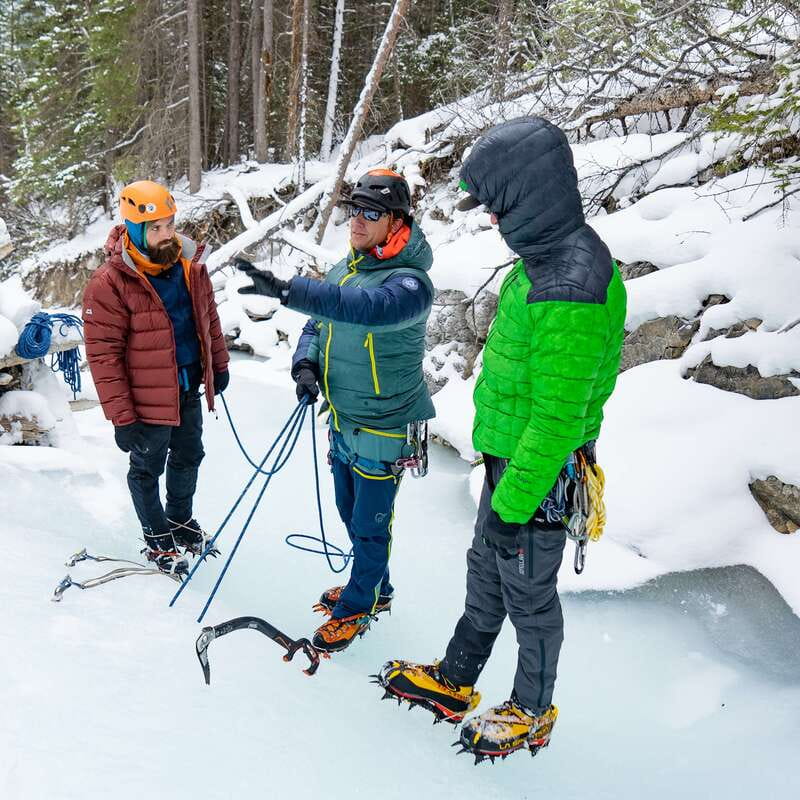
- Crampon walking basics so you build confidence before you ever try harder moves
- Top-rope belay instruction so you understand the safety system as you climb
- All technical gear included (helmet, harness, boots, crampons, ice axe)
- Safety-first coaching from certified guides with an emphasis on correct positioning
- Two rope difficulty levels on the day you’re out (so you can repeat what you need)
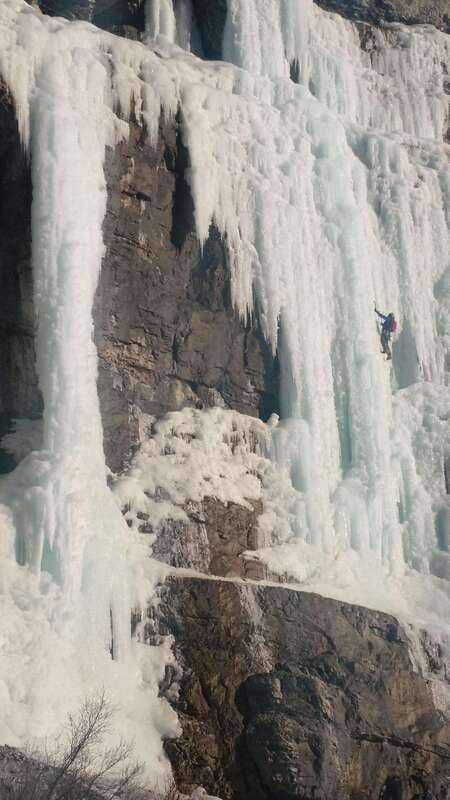
A Beginner-Friendly Day on Frozen Waterfalls Near Banff
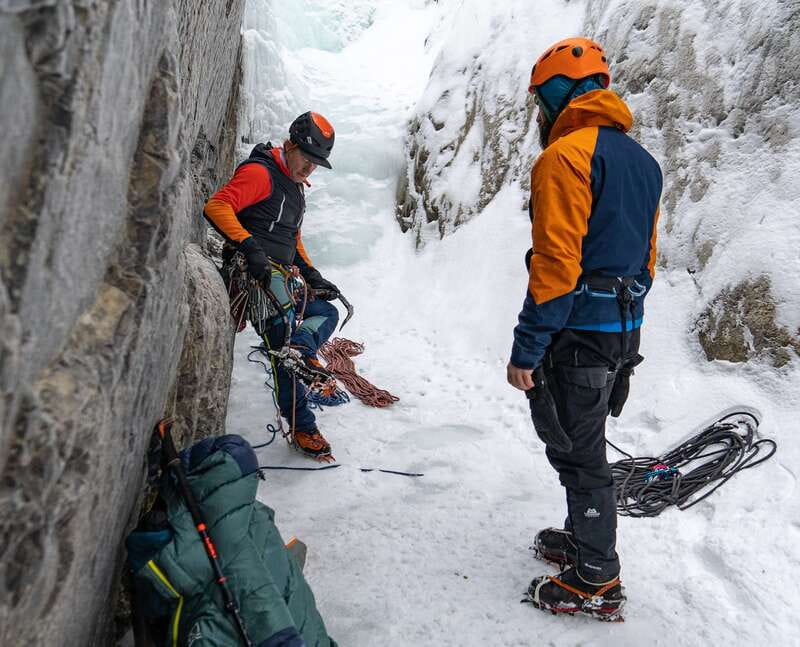
If you’ve ever stared at a frozen waterfall and thought, I wonder if that’s actually learnable, this is the kind of day that makes the answer yes. The whole program is built for first-timers. You’ll start with safety and technique, then you’ll climb enough to understand the sport beyond just watching someone else do it.
I appreciate the structure: you’re not thrown into advanced routes. Instead, you’re guided through the movements—how to stand, how to move your feet on crampons, how to use your ice axe, and how to manage your body position so you don’t fight the ice.
One more reason this works well for beginners: the guide’s job is to translate what works on ice into repeatable actions. That matters because ice climbing isn’t just about strength. It’s about control—small adjustments, clean foot placements, and staying balanced when everything feels slippery.
You can also read our reviews of more tours and experiences in Banff.


Where You’ll Climb: Banff, Lake Louise, or Field BC
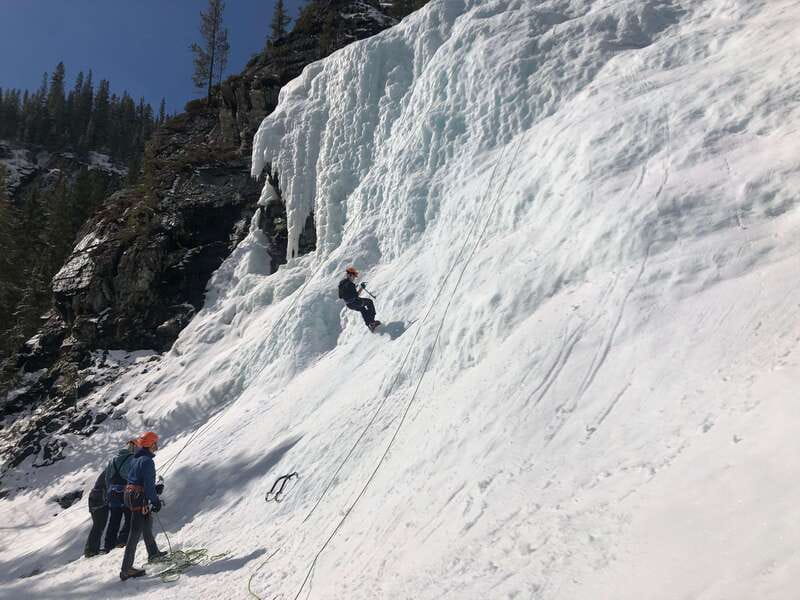
You’ll spend the day in the winter setting around Banff, with the actual climbing area chosen from the Banff, Lake Louise, or Field BC regions. Sometimes conditions change the plan, and that gets communicated in your final logistics email.
Plan around this in practical terms. Your day depends on weather and ice conditions, so flexibility helps. You’ll also need your own transportation to the meeting area and then to the climbing site. That’s the one part that can affect your schedule, especially if you’re relying on someone else to drive.
The meeting point is straightforward: Alpine Air Adventures office at 229 Bear St on the lower level, under the movie theatre. From there, you’ll move on to the climbing location.
What Happens Before You Climb: Safety Briefing and Gear
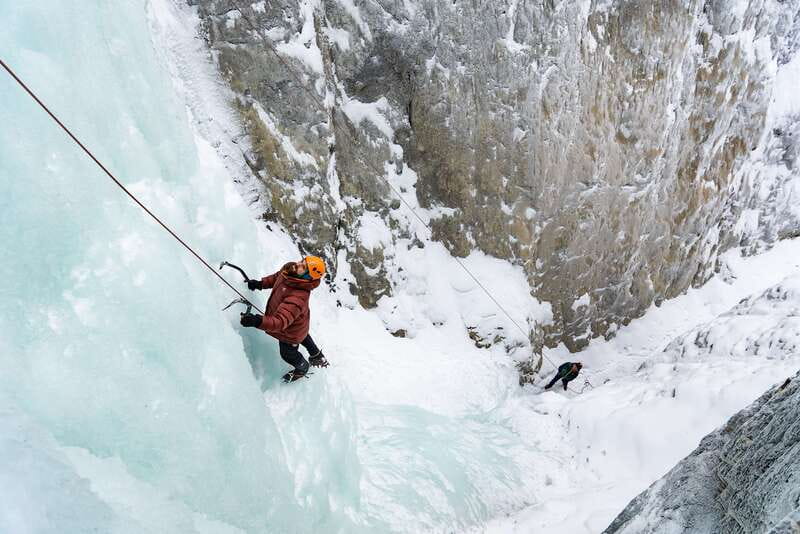
The day is built around getting you climbing safely, not just getting you cold. Before you start, you’ll go through a safety briefing and instructions with your guide. This is where you learn how the sport’s systems work and how to behave on an ice day so you and your partner stay protected.
Then comes the gear. You don’t need to hunt down crampons and an ice axe before your first attempt. The program includes all technical equipment: helmet, harness, boots, crampons, and ice axe. This is a big value piece for beginners because buying gear for a first try is expensive, and the fit matters for safety.
You’ll also get instruction that connects the gear to what you’re actually doing—especially around stance and control. Learning where your weight goes is the difference between feeling like you’re barely coping and feeling like you can move on purpose.
The Skills Focus: Crampons, Ice Axe Use, and Body Positioning
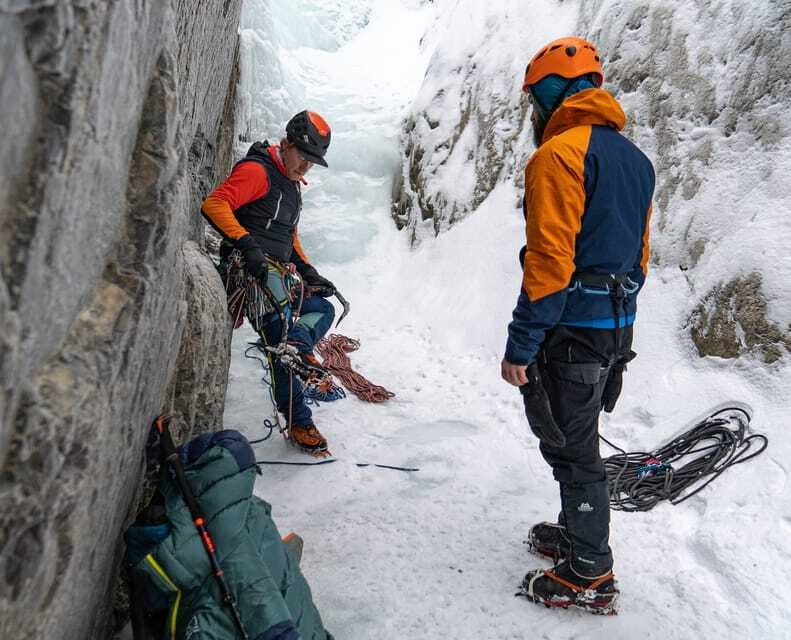
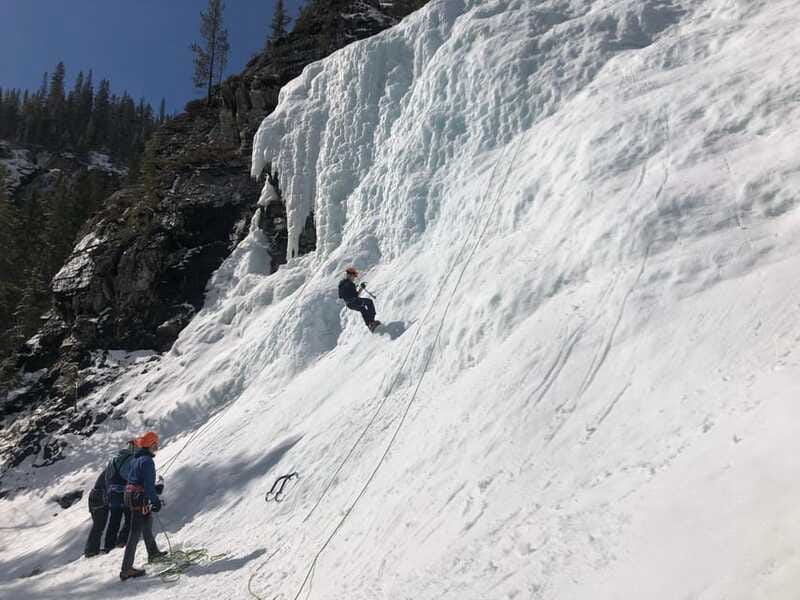
This is where the program earns its name, because it doesn’t treat ice climbing like a mystery sport. You’ll practice the movement skills that make climbing possible on steep ice, including:
- Walking on crampons: learning how steps feel, how not to kick blindly, and how to keep balance
- Using an ice axe as a control tool, not just something you hold
- Top-rope belay basics: learning the purpose of the rope system and what safety looks like while you climb
- Body positioning awareness: understanding how your position affects grip, stability, and control
For beginners, these are the exact skills that turn fear into technique. The biggest mental shift for most people is realizing ice climbing is about micro-decisions: where your feet land, how you shift pressure, and when you pause to reset your stance.
If you’re the type who likes clear instructions, you’re going to appreciate how coaching translates technique into something you can repeat. One guide did exactly this on a very cold day, staying focused on keeping everyone moving and warm while still teaching the right steps.
Coaching in Real Cold: How Guides Keep the Day Comfortable
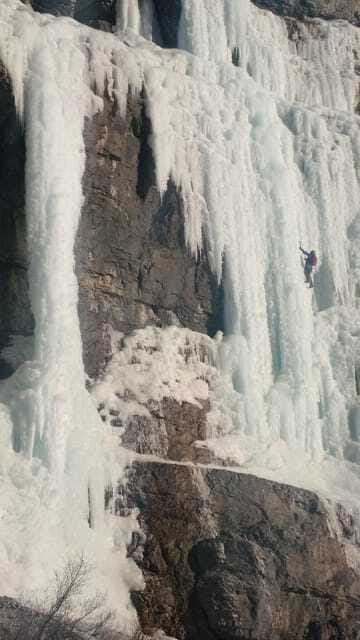
Ice climbing days can be brutally cold, and this course doesn’t pretend otherwise. Your comfort depends on the weather and your clothing choices. It also depends on how your guide manages breaks and pacing.
In one standout example, the guide Shea supported the group during a day around -20°C, actively working to keep people warm. That included setting up two different level ropes, so the group could choose a slightly easier or more challenging course. It also meant more chances to try, which helps beginners learn without feeling trapped in one hard attempt.
That approach is smart. Beginners warm up and settle down faster when they can repeat what they’re learning at the right intensity. You still get progression, but the day doesn’t punish you for being new.


A Typical Timeline: Meeting, Training, and Finishing Up
This program runs for about 7 hours. You’ll meet your guide around 8 or 9am, then expect to finish around 3 or 4pm, depending on conditions and how the day shapes up.
It helps to think of the timing like this: you’ll spend the earlier part building safety knowledge and getting equipped properly, then the climbing time comes in focused practice blocks. By the afternoon, you should feel more aware of your stance and movement patterns—especially how crampons affect your balance.
Two practical reminders:
- If you’re driving yourself, aim to arrive a little early at the meeting point so gear time doesn’t feel rushed.
- Bring food and drinks because you’ll need energy during the outdoor session.
Price and Value: Is $179 Worth It for Beginners?
At $179 per person for a 7-hour guided introduction, this course is priced in line with what guided adventure instruction costs when safety gear and professional oversight are included. The value isn’t just that a guide shows up. It’s that your beginner learning is supported by certified expertise and includes the equipment you’d otherwise have to buy or rent.
Here’s where the pricing makes sense for beginners:
- Gear is included, including crampons and ice axe
- ACMG-certified instruction and safety briefing reduce guesswork
- You get actual climbing time, not just a demo
- Skill training is structured, so you leave with a foundation you can build on
The only thing you need to watch is what’s not included: transportation to the climbing site and food and drinks. If you’re already staying nearby or driving with your own plan, the overall cost stays reasonable. If you’re adding costly transfers and last-minute meals, your total day cost will climb.
Who This Is Best For (And Who Should Skip It)
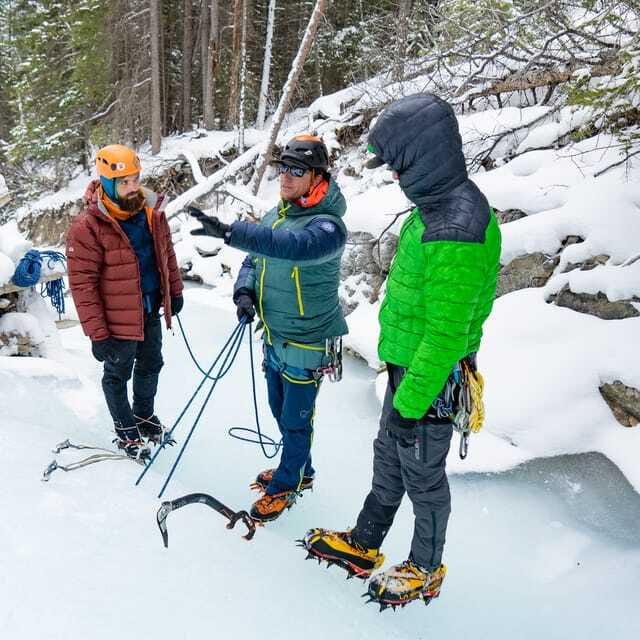
This experience is designed for beginners and is a great winter hobby intro. It’s especially good if you want a guided day that teaches skills instead of just a thrill.
You’ll likely be a good fit if:
- You’re comfortable taking direction and learning step-by-step
- You can handle spending several hours outdoors in winter conditions
- You want hands-on instruction in core climbing skills like crampon walking and top-rope belay
It’s not suitable for:
- Children under 14
- Pregnant women
- People with mobility impairments
- Wheelchair users
That isn’t a judgment of anyone’s interest—it’s a safety and practicality decision based on the nature of ice climbing and the physical demands.
What to Bring So You Don’t Hate the Cold
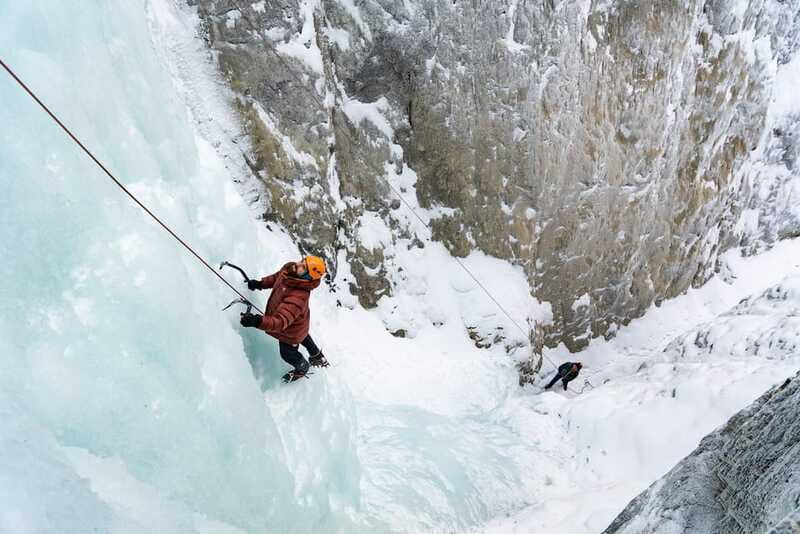
This kind of day lives or dies by preparation. You’ll want to pack warm clothing that actually works for ice climbing conditions.
Bring:
- Warm clothing and a jacket
- Gloves
- Snow clothing
- Food and drinks
You’re not just dressing for comfort. You’re dressing for safety and skill practice. Cold hands and stiff muscles make crampon control harder, and that can make learning slower. If your gloves aren’t warm enough for extended time outdoors, you’ll feel it quickly.
Also, because the day can run around -20°C in harsh conditions, don’t treat this like a casual winter walk. Dress like you expect to be outside for hours, with time for breaks and gear adjustments.
Should You Book This Banff Beginner Ice Climbing Day?
Book it if you want your first ice climbing experience to feel structured, supported, and skill-based. The combination of certified guidance, included gear, and a focus on fundamentals like crampon walking and top-rope belay gives you a strong starting point without pretending you’re already an expert.
Skip it if you know you don’t do well with extreme cold for several hours, or if you need transportation handled for you. Since you’re responsible for getting to the meeting point and then to the climbing site, it’s worth confirming your driving plan before you commit.
If you’re ready to learn a winter sport the safe way, this is a solid use of a day in the Banff area—one where you leave understanding how ice climbing actually works.
FAQ
How long is the ice climbing experience?
It lasts about 7 hours. You’ll meet around 8 or 9am and typically finish around 3 or 4pm, depending on conditions.
What does the tour cost?
The price is $179 per person.
What gear is included?
All technical gear is included: helmet, harness, boots, crampons, and ice axe.
Do I need to bring food and drinks?
Yes. Food and drinks are not included, so you should bring what you need for your day.
How do I get to the climbing site?
Transportation to the climbing site is not included. You’ll need your own vehicle for the meeting location and the climbing site.
What skills will I learn as a beginner?
You’ll learn beginner ice climbing skills with a safety-oriented approach, including walking on crampons and how to belay top rope.
Is this suitable for kids?
It’s great for families with kids ages 14+ and not suitable for children under 14.