REVIEW · BANFF
Banff: Kananaskis River Whitewater Rafting Tour
Book on GetYourGuide →Operated by Canadian Rockies Rafting · Bookable on GetYourGuide
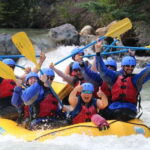
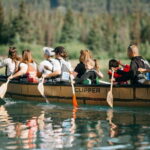
First-timers or adrenaline fans: this rafting tour hits both. You’ll punch through 10+ rapids on a Class 2-3 river, then roll into calmer sections for river games and a route that includes an Olympic kayaking race-course setup. The best part is how the guides keep the day lively while staying focused on safety and clear paddling commands—people often mention guides like Geoff, Sam, Eoghann, and Tom for making it feel fun and manageable.
You also get the whole “ready-to-raft” system handled for you. The tour provides wetsuit, life jacket, helmet, booties, and splash gear, plus a non-alcoholic drink after you’re done. One possible drawback: the ride is designed to get you wet, and there are no cameras or phones allowed, so you’ll either have to trust the experience or plan to buy the photo set afterward.
In This Review
- Kananaskis River Whitewater Rafting: Key Highlights You’ll Actually Feel
- Meeting Stoney Nakoda Resort Check-In: Where Your Day Starts
- Gear Up: The Wetsuit System That Makes the Rapids Work
- Quick Transfer and Put-In: Short Ride, Real River Anticipation
- Safety Briefing and Paddling Commands: How You Get Control Fast
- Rapids With Heart: What 10+ Class 2–3 Hits Feels Like
- Olympic Kayaking Race Course: A Route Twist You’ll Appreciate
- River Games on Calmer Water: The Fun That Isn’t an Afterthought
- Optional Swim Spot: When You Want to Add One More Splash
- Photos After: How to Get the Proof Without Bringing Your Phone
- What to Pack and Wear: Stay Warm Before and After
- Price and Value at $95: What You’re Paying For
- Who This Tour Fits Best (and Who Should Skip It)
- Should You Book This Kananaskis Rafting Tour?
- FAQ
- How long is the Kananaskis River whitewater rafting tour?
- How much does it cost?
- Where do I meet for the tour?
- What gear is included?
- Do you provide transportation from Canmore?
- Can I bring my camera or phone?
- What should I bring?
- Who is the tour not suitable for?
- Is cancellation refundable?
Kananaskis River Whitewater Rafting: Key Highlights You’ll Actually Feel
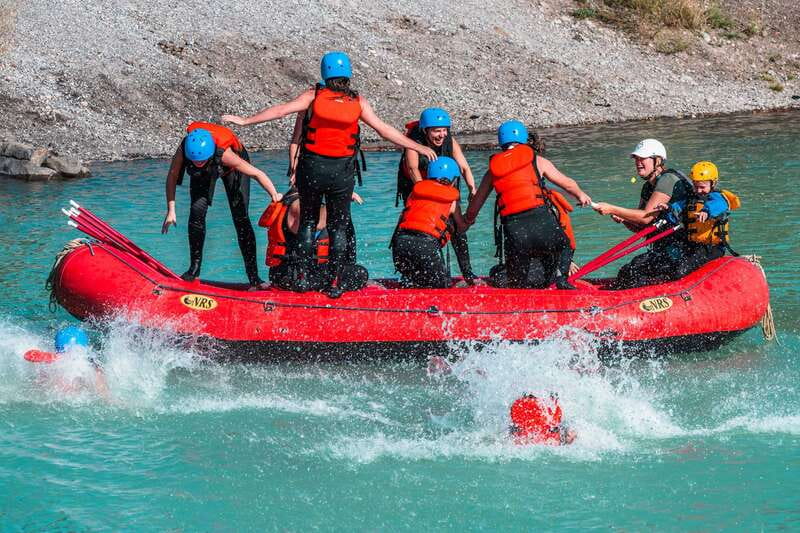
- 10+ rapids on a Class 2–3 river that still delivers big splashes
- Olympic kayaking race-course navigation, a fun change of pace inside the route
- Guides who teach paddling on the raft demo so you know what to do at key moments
- Optional swim spot when conditions and timing allow
- Calmer sections for games, which helps keep the energy high even between hits
Meeting Stoney Nakoda Resort Check-In: Where Your Day Starts
Your tour begins at the River Base near the Stoney Nakoda Resort and Casino in Alberta. If you’re driving, head toward the front entrance, then look left for the wooden check-in structure with picnic tables and red rafts. Park at the adjacent lot on the right, then walk across the road to check in with the team.
This matters more than it sounds, because with rafting you want stress-free timing. Check-in is where you’ll get your gear and get matched up with your guide group. And it’s also where the tour vibe kicks in: friendly, fast, and organized—exactly what you want before you climb into a river-grade roller coaster.
If you’re staying in Canmore, you can pre-book transportation from there by contacting Canadian Rockies Rafting (pickup/drop-off isn’t listed as included). Many people just plan to meet at the River Base to keep things simple.
You can also read our reviews of more tours and experiences in Banff.

Gear Up: The Wetsuit System That Makes the Rapids Work
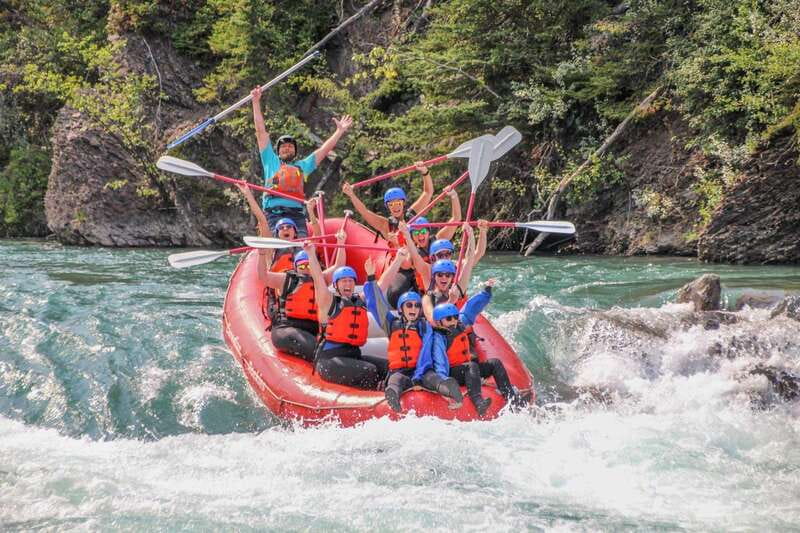
Once you’re checked in, the next step is gear—big time. Expect a full rafting kit that includes a wetsuit, life jacket, helmet, booties, and a splash jacket. On extra cold days, you’ll also get a wetsuit jacket for added warmth.
Why I like this setup: you don’t have to hunt down equipment before your trip, and you won’t be stuck in rental “almost right” gear. It also makes the tour more consistent across seasons, since the river doesn’t care about your vacation schedule.
A few practical notes from the rules:
- Swimwear is part of the plan—wear it under your warm clothing so you’re not scrambling later.
- Cameras and cellphones are not allowed on the raft.
- Bare feet aren’t allowed, so come with proper socks/shoes for walking around the base, then let the booties handle the rafting contact.
If you get cold easily, this is where you win by being prepared: bring warm clothing for before/after, but know you’ll still get wet. Rain or shine is part of the deal, and that’s why the wetsuit system exists.
Quick Transfer and Put-In: Short Ride, Real River Anticipation
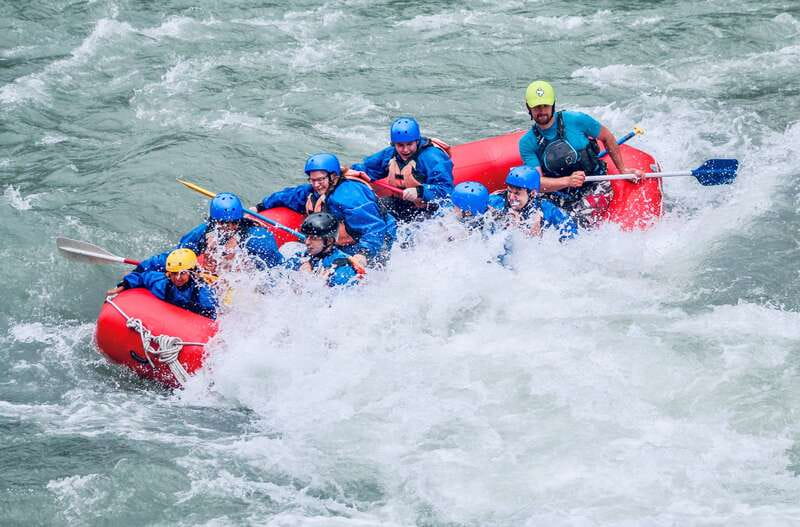
After you gear up, you’ll gather around a demo raft for a safety briefing and learn the paddling commands. Then you’ll load the buses for about a 5-minute drive to the put-in point.
That short transfer is a good design choice. It keeps energy up and reduces the “drag” feeling some adventure tours create while you wait around. You’ll get to the water, meet your fun and trustworthy guide, listen closely to paddling instructions, and then hop in.
If you’re the type who hates surprises, this is also the point where you’ll feel less nervous. The tour doesn’t throw you onto the river first and explain later. You get guidance before the rafting starts.
Safety Briefing and Paddling Commands: How You Get Control Fast
At the start, your guide will go over safety and how to row as a team. Pay attention during the paddling commands. You’re not learning theory—you’re learning what you’ll use in the first rapids you hit.
In the comments from past riders, one theme keeps showing up: guides like Geoff, Sam, Eoghann, and Zac are praised for making safety feel natural, not scary. People also describe guides using humor to calm first-timer nerves, which is worth its weight when you’re wondering what your body will do during sudden splashes.
A good mindset helps here:
- You’re part of the raft crew, not a passenger in a movie.
- Follow the guide’s cues even when the water gets loud.
- If you feel unsure, ask questions during the instruction period, not once the raft is already moving.
Rapids With Heart: What 10+ Class 2–3 Hits Feels Like
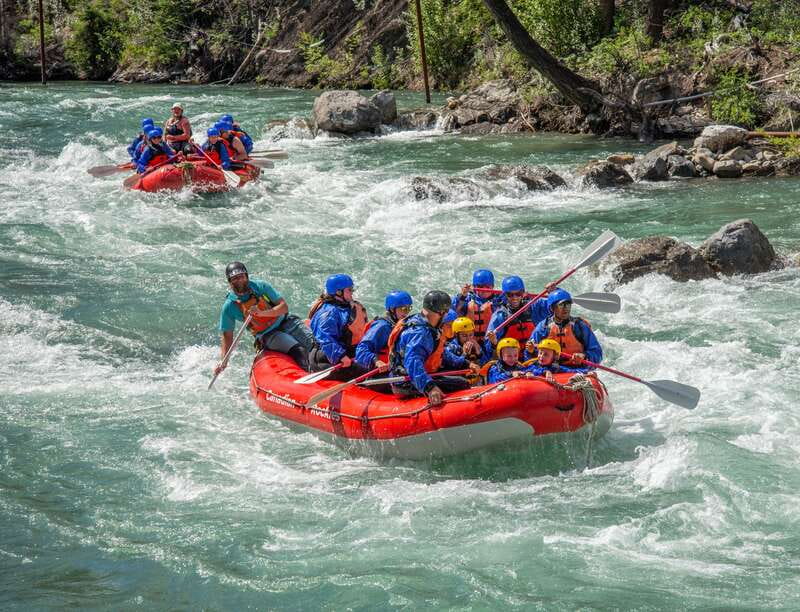
This is billed as a Class 2–3 rafting experience, and that classification is a useful baseline. Still, don’t under-estimate it. The description is clear: even though the river isn’t at the highest class levels, you’ll still get big splashes and heart-pumping moments.
On a tour like this, the “feel” comes from rhythm:
- You approach a rapid as the guide calls for paddling timing.
- The raft angles into the wave train.
- You punch through or slide across the chaotic water.
- Then you regroup as the river calms and you reset for the next hit.
With 10+ rapids in a 4-hour window, there’s rarely a dull stretch where you wonder what you paid for. You’ll get both the thrill and the payoff of progression: your first rapid feels shocking, and by the time you’re into the later ones, you’re more confident because you’ve already learned how the boat responds to your crew’s paddling.
If you’re traveling with kids, this is one reason the tour tends to work well across age ranges. One family note highlights an age spread from five up to older adults, with the activity still feeling safe while leaving room for more daring moments for the adventurous people in the group.

Olympic Kayaking Race Course: A Route Twist You’ll Appreciate
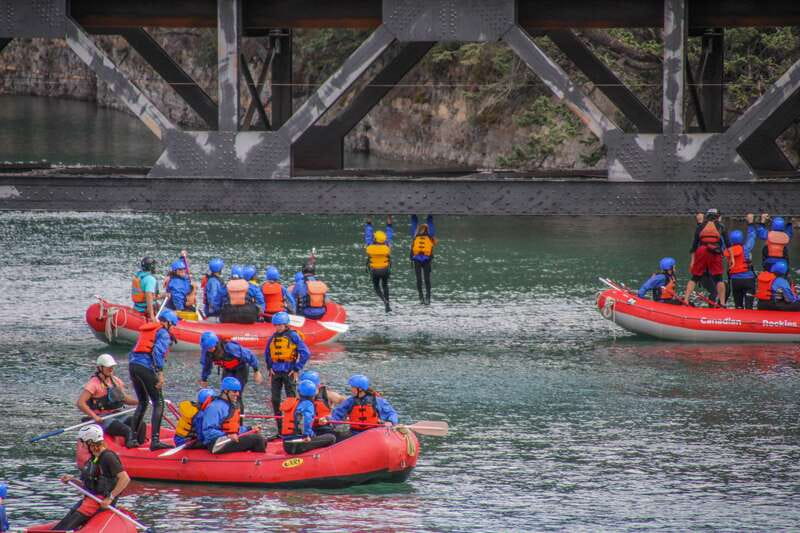
A standout highlight is navigating through an Olympic Kayaking Race Course. That’s not just trivia. It changes the texture of the experience, because race-course sections usually have clear lines of water movement and a more structured feel than random rapids.
In plain terms, it’s a chance to see a different side of the river:
- You get to experience paddling and boat handling in a more “set up” environment.
- You’ll likely notice how the raft positions itself as you travel through controlled water features.
- It keeps the tour from feeling like a nonstop rapid string.
This is also one of those features that makes the tour feel more than just a standard rafting outing. It gives you something you can talk about later: you didn’t only go rafting, you did a specific water-course style segment as part of the run.
River Games on Calmer Water: The Fun That Isn’t an Afterthought
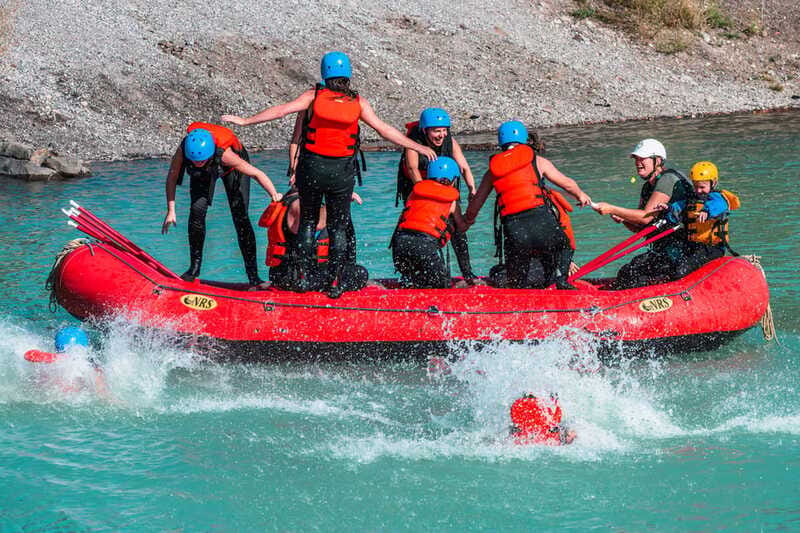
After the rapids, you’re not just drifting to the finish line. The tour includes fun-filled games during calmer sections. This is smart. It breaks the day into chapters, so your adrenaline has a place to land without turning the tour into a long slideshow.
Games on calmer water also help first-timers relax. When you’re no longer bracing for the next splash, it becomes easier to enjoy the scenery and the group energy—especially if your guide is playing hype person, story teller, or both. Many riders call out guides who stay funny and engaging while still keeping everyone safe and included.
If you’re traveling as a couple, it’s a chance to connect. If you’re traveling with a group, it’s a built-in team moment. And if you’re traveling with kids, it gives them something to do besides hold on tightly.
Optional Swim Spot: When You Want to Add One More Splash
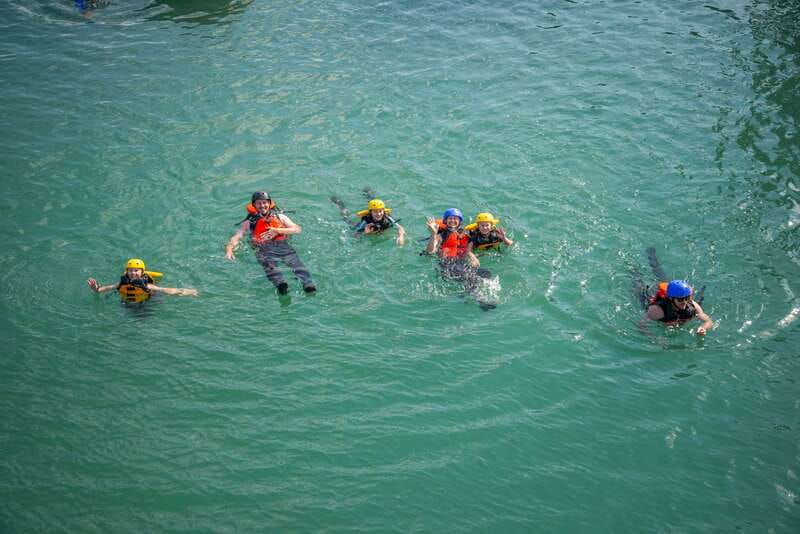
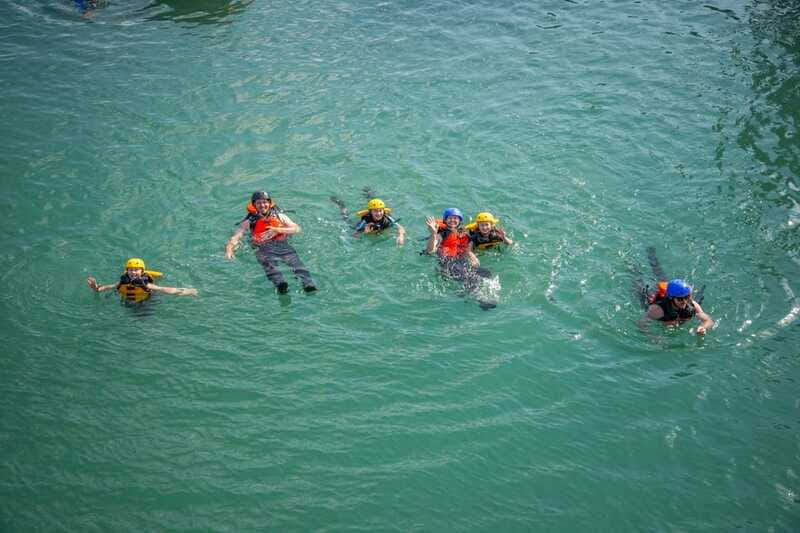
At some point you may get an optional swim spot. This is one of those “you decide” features. If you like water play and don’t mind cold shock, it can be a memorable extra moment. If you’d rather stay dry-ish, you can skip it and focus on the rafting run itself.
A key practical reminder: cameras aren’t allowed, and cellphones aren’t allowed. So if swimming is in your head, plan on enjoying it rather than trying to film it.
Also, the tour is designed to get you wet anyway. So the swim option feels like part of that logic rather than a random extra risk.
Photos After: How to Get the Proof Without Bringing Your Phone
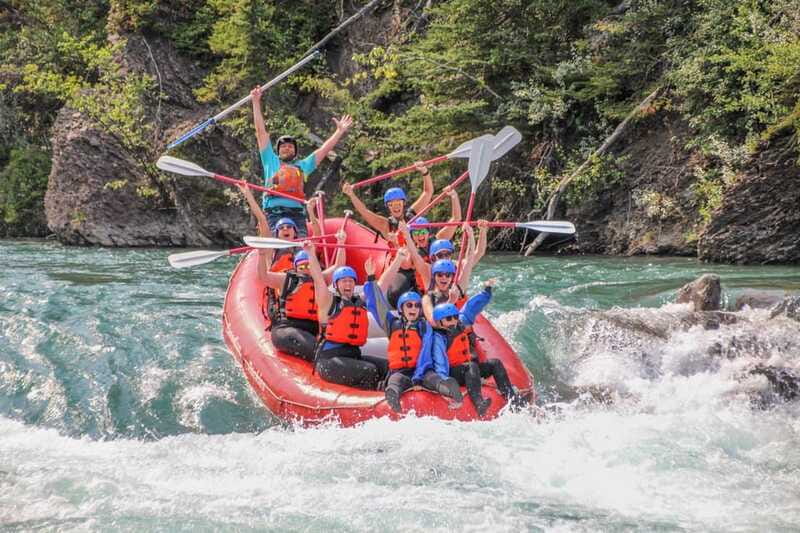
Since cameras and cellphones are not allowed on the raft, the tour provides a photo pathway after the experience. You’ll get instructions on where to view and purchase photos, and they’re available for purchase 24–48 hours after your tour.
This is good planning for real life. You’re likely getting splashed, moving fast, and dealing with gloves/gear. Trying to capture action yourself on a phone usually turns into frustration.
If you care about keeping proof for friends and family, treat this as your photo plan:
- Let the guides and setup handle the shots.
- Decide later if you want to buy them.
- Keep your eyes on the river during the run.
What to Pack and Wear: Stay Warm Before and After
You’re provided with the main rafting gear, but you still need to show up ready for the start-to-finish temperature swing. Here’s what to bring:
- Warm clothing
- Swimwear
- Change of clothes
- Towel
- Biodegradable sunscreen
- Personal medication
A few “don’t overthink it” reminders:
- You’ll get wet. Bring clothes you can actually change into afterward.
- Biodegradable sunscreen is required, so bring the right kind.
- Pack any needed medication. The tour doesn’t say medication is provided.
Also note what’s not allowed: alcohol/drugs, backpacks, bags, and cameras/cellphones. This is partly for safety and partly so you don’t have loose items floating around in chaos water.
Price and Value at $95: What You’re Paying For
At $95 per person for about 4 hours, the value comes from what’s included—not just the thrill. You’re paying for:
- Experienced guided rafting on a Class 2–3 stretch
- Full river gear (wetsuit, life jacket, helmet, booties, splash gear)
- A refreshment after the tour
- Transport to and from the river base (from the River Base meeting point; Canmore pickup isn’t included)
Here’s why that matters: if you were trying to assemble gear and arrange independent logistics yourself, the cost and hassle usually rise fast. This tour bundles the key pieces, so you can focus on showing up and having fun.
And with 10+ rapids plus the Olympic race-course segment and river games, you’re not buying a quick splash. You’re buying a real chunk of river time with guided pacing.
Who This Tour Fits Best (and Who Should Skip It)
This rafting tour is designed so that most people can enjoy it, but it still has firm limits. It’s not suitable for:
- Children under 5 years
- Pregnant women
- People over 350 lbs (159 kg)
- Children under 44 lbs (20 kg)
If you’re unsure about your group, look at your travel party as a whole. If most people are comfortable getting wet and following instructions, you’ll probably have an easy time.
It’s also wheelchair accessible, which is a meaningful inclusion note if you need an option that accommodates mobility.
On the “fit” side, this tour tends to work well for:
- First-time rafters who want a guided intro without guessing what to do
- Families, because the day mixes thrill with calmer-water games
- Anyone who likes their adventure with a side of safety coaching
Should You Book This Kananaskis Rafting Tour?
I’d book it if you want a high-energy 4-hour adventure where you’re not stuck worrying about gear, timing, or whether you can handle the experience. The combination of 10+ rapids, an Olympic kayaking race-course segment, and games on calmer water makes the day feel planned, not random.
Skip it if:
- You need a dry activity. This is explicitly wet-weather-friendly and built around getting splashed.
- You’re hoping to bring your phone or camera on the raft. The rules don’t allow it, and you’ll rely on the post-tour photo set.
- Your group falls into the age, weight, or pregnancy restrictions.
If you go, my best advice is simple: dress for warmth before and after, trust the guide during the paddling moments, and let the river do the entertaining.
FAQ
How long is the Kananaskis River whitewater rafting tour?
The tour lasts about 4 hours. Starting times depend on availability.
How much does it cost?
It’s $95 per person.
Where do I meet for the tour?
Meet near the Stoney Nakoda Resort and Casino. Drive toward the front entrance, look for the wooden structure with picnic table and red rafts on the left, park in the adjacent parking lot on the right, then walk across the road to check in.
What gear is included?
You get all river gear: wetsuit, life jacket, helmet, booties, splash jacket, and a wetsuit jacket for colder days.
Do you provide transportation from Canmore?
Canmore pickup and drop-off are not included, but you can pre-book a shuttle from Canmore by contacting Canadian Rockies Rafting. Transport to and from the river is provided from the River Base.
Can I bring my camera or phone?
No. Cameras and cellphones are not allowed, along with backpacks, bags, alcohol, and drugs.
What should I bring?
Bring warm clothing, swimwear, a change of clothes, a towel, biodegradable sunscreen, and any personal medication you need.
Who is the tour not suitable for?
It’s not suitable for children under 5 years, pregnant women, people over 350 lbs (159 kg), and children under 44 lbs (20 kg).
Is cancellation refundable?
Yes. You can cancel up to 2 days in advance for a full refund.