REVIEW · BANFF
Banff: Guided Sunset and Stargazing Tour
Book on GetYourGuide →Operated by Banff & Canmore Tours · Bookable on GetYourGuide
Banff at night hits different. One moment it’s mountain sunset, and the next you’re watching the sky wake up above Banff National Park. This guided walk mixes easy trail time with serious star time, with your guide helping you spot constellations, shooting stars, and (when conditions cooperate) the Northern Lights.
What I like most is the mix of calm and wonder: you hike 5 km / 3.5 miles along local trails at dusk, then turn your attention skyward. The second big win is the guidance and safety setup, including headlamps and ice cleats when required, plus bear spray carried by all guides.
The main drawback is simple: weather matters. If it’s cloudy enough that the tour won’t operate in heavy cloud cover, you’ll get a message and the company will refund or reschedule, so you’ll want some flexibility in your dates.
In This Review
- What You’ll Notice First on This Night Walk
- Getting Oriented at Cave and Basin: The Start That Feels Local
- The 2-Hour Timeline: When Sunset Turns Into Real Stargazing
- The Walk Itself: A Manageable 5 km / 3.5 Miles at Night
- First Stop Energy: Mountain Sunset Views While You Still Can See
- Constellations, Shooting Stars, and Northern Lights: What the Guide Actually Looks For
- Nocturnal Creatures: Headlamps, Lanterns, and the Right Mindset
- Gear and Comfort Checklist: What You Need, What You Don’t
- Weather Risk and How the Tour Handles Cloud Cover
- Who This Tour Fits Best (And Who Should Skip It)
- Value Check: Is $66 Worth It?
- Should You Book This Banff Sunset and Stargazing Tour?
- FAQ
- Where is the meeting point for the Banff sunset and stargazing tour?
- How long is the tour, and when does it start?
- What should I bring?
- Will the tour run in cloudy weather?
- Is this tour suitable for kids?
- Are pets or alcohol allowed?
What You’ll Notice First on This Night Walk
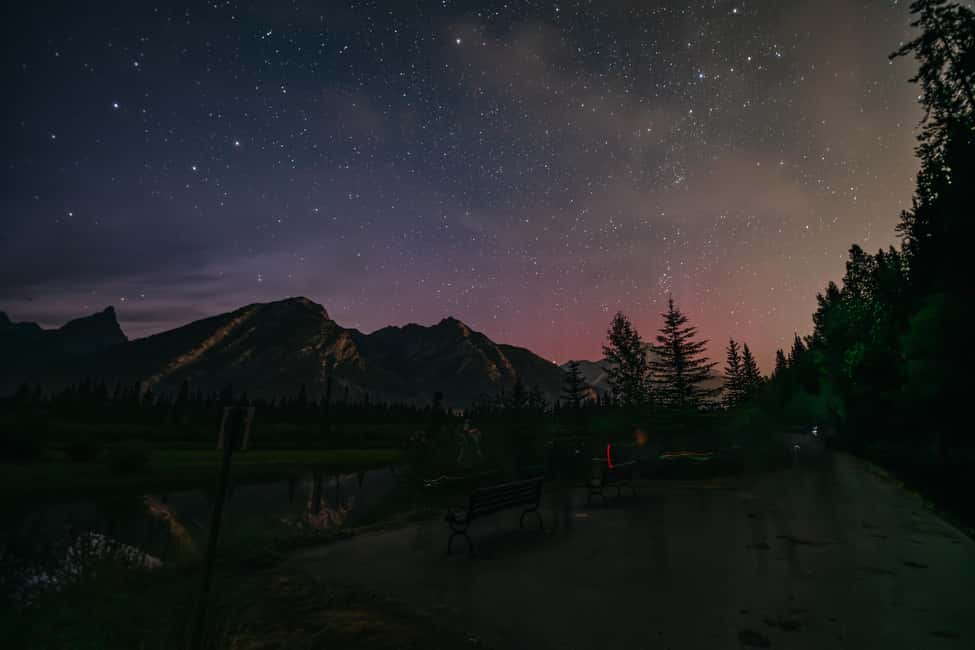
- Sunset to stars, in one flow: the hike starts just after sunset and keeps going as the sky darkens.
- Guides help you read the sky: you’re not just staring up; you’re learning what you’re actually seeing.
- Spotlight tools (headlamps and lanterns): you stay moving safely on the trail while still getting long looks at the dark.
- Chances at Northern Lights and shooting stars: you watch for them without turning the whole night into guesswork.
- Nocturnal wildlife awareness: you’re on a trail in habitat, so you’ll learn how to look and what to expect.
- Bear-safety gear built in: all guides carry bear spray and safety equipment.
Getting Oriented at Cave and Basin: The Start That Feels Local
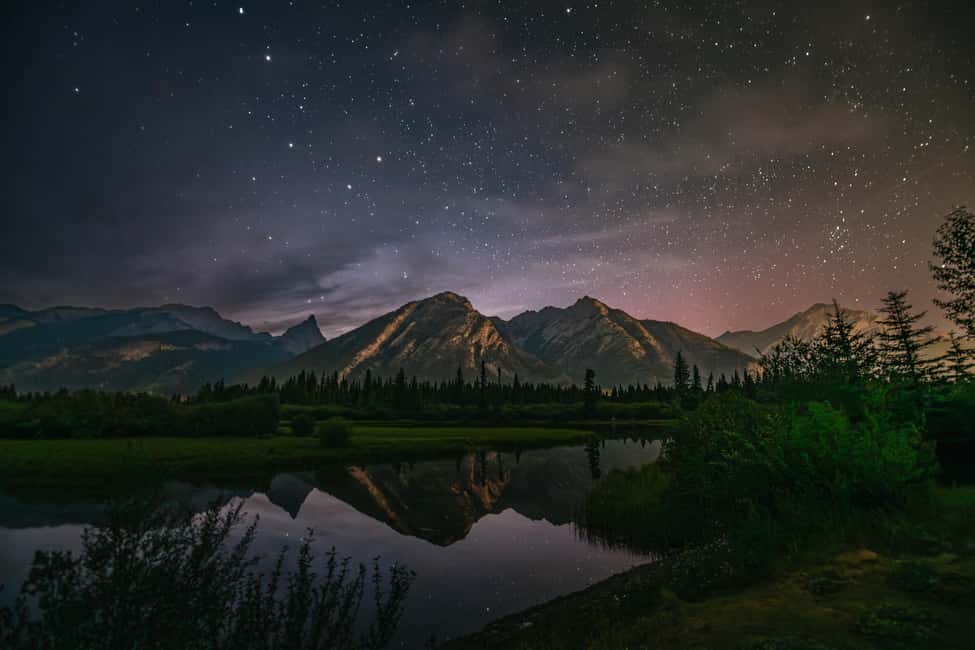
The tour begins at 309 Cave Ave, at the Welcome Building area outside the Cave and Basin National Historic Site parking lot. It’s a big parking lot with free parking, which makes it easier if you’re driving in from central Banff. For check-in, you present your voucher and meet the guide holding a clipboard.
I like meeting at a recognizable, straightforward location instead of a mystery “behind the hotel” situation. It also sets the tone: you’re in the Banff bubble during the day, then you’re heading out into darker, quieter trail segments as night approaches.
You can also read our reviews of more guided tours in Banff
The 2-Hour Timeline: When Sunset Turns Into Real Stargazing
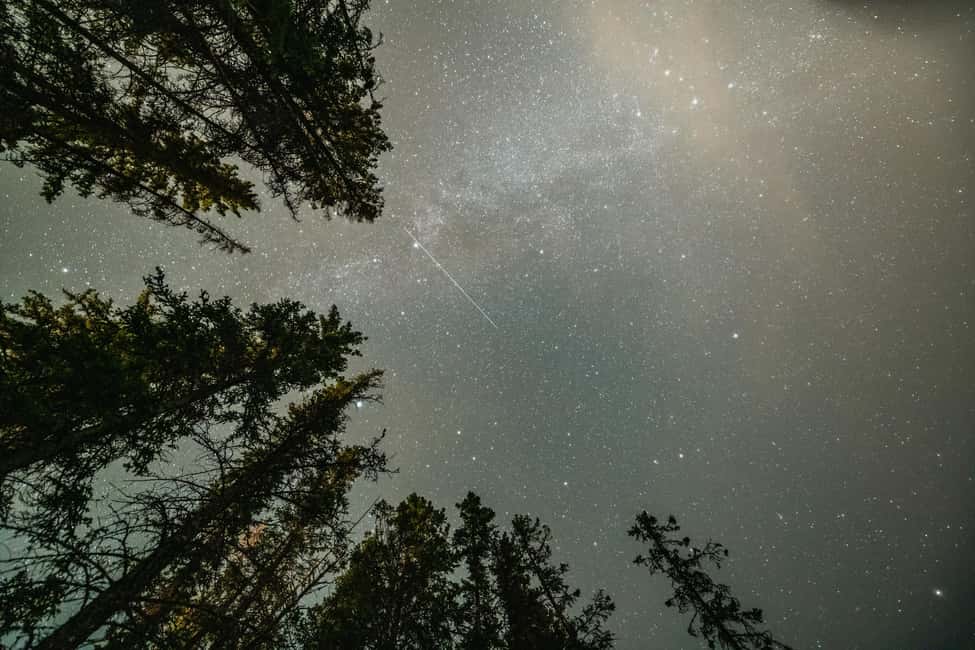
This is a 2-hour guided experience that runs year-round. The departure time shifts with the seasons, because it’s based on getting you outside just after sunset. The operator updates your departure window 12–24 hours before (around sunset seasonally), which matters for stargazing because the sky doesn’t go dark at the same speed in every month.
Here’s what the time window usually means for you:
- You’ll start while there’s still light on the mountains, so you get those first color changes.
- As it gets darker, the guide helps you keep your eyes on the right things (constellations, bright sky objects, and opportunities for meteors).
- You’ll finish after the bulk of stargazing has had time to develop, rather than racing out the door while it’s still twilight.
If you’re used to “quick stop, quick photos” tours, this feels more like a guided night shift: slow enough to look up and learn, not so long that it turns tiring.
The Walk Itself: A Manageable 5 km / 3.5 Miles at Night
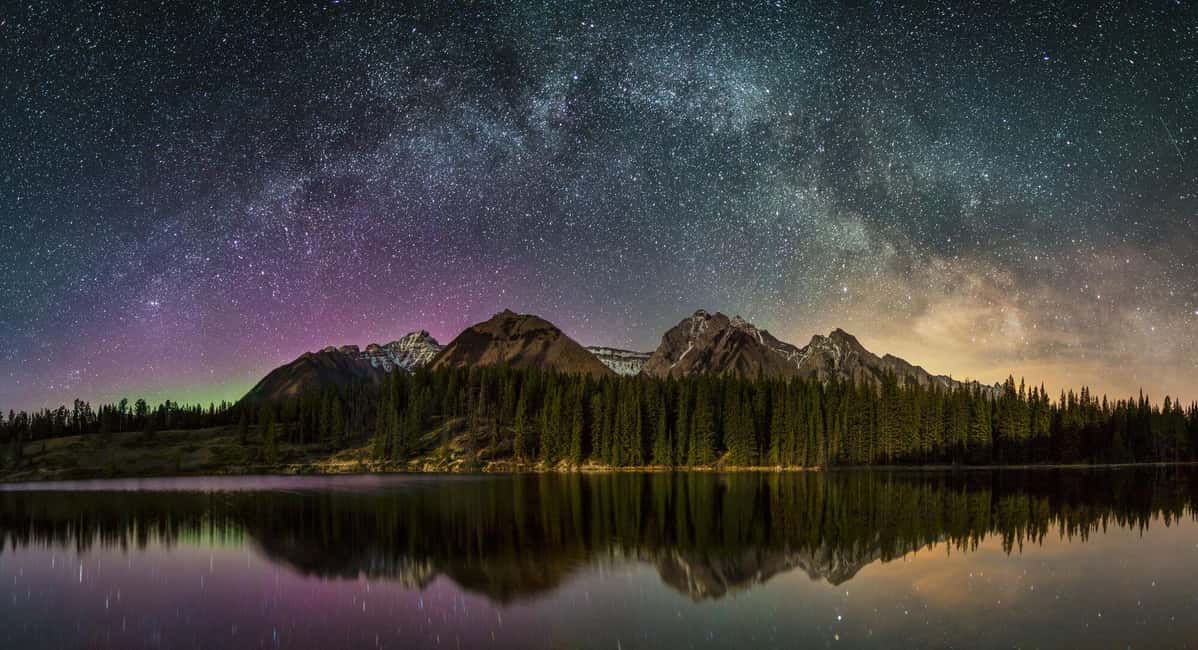
The trail distance is 5 km / 3.5 miles. That’s the right size for a night hike: long enough to get away from harsh light and into darker surroundings, but not so long that a couple of questions or photo stops will derail the pace.
The big practical point is footwear. You’re told to bring hiking shoes, and that makes sense because you’re walking in the dark with variable ground conditions. You also get ice cleats when required, which becomes important in winter when traction can be the difference between calm walking and sliding.
From what people describe, the route tends to be easy to follow, often with paved and boardwalk sections and only gentle grade changes. But even if the trail feels straightforward, it’s still night terrain, so expect some unevenness and plan to walk carefully.
First Stop Energy: Mountain Sunset Views While You Still Can See
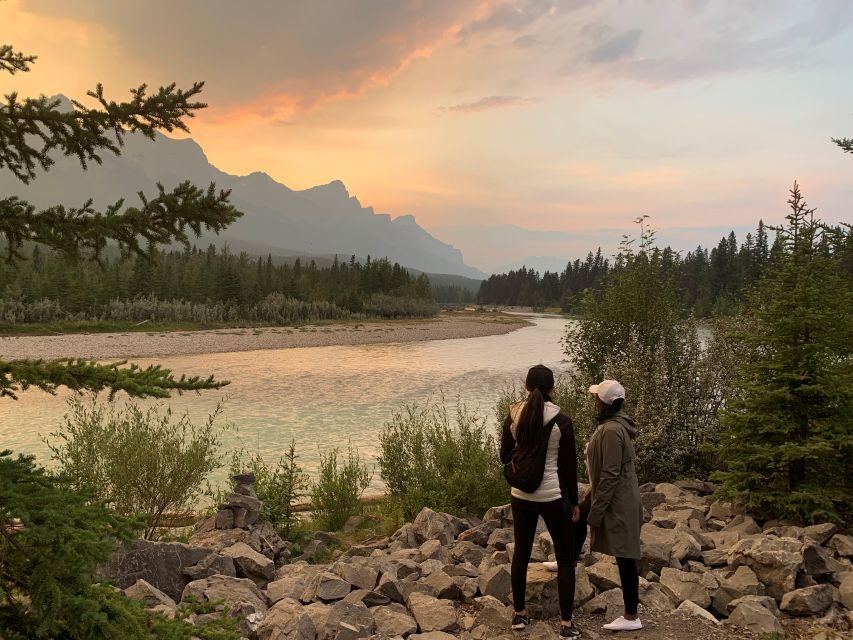
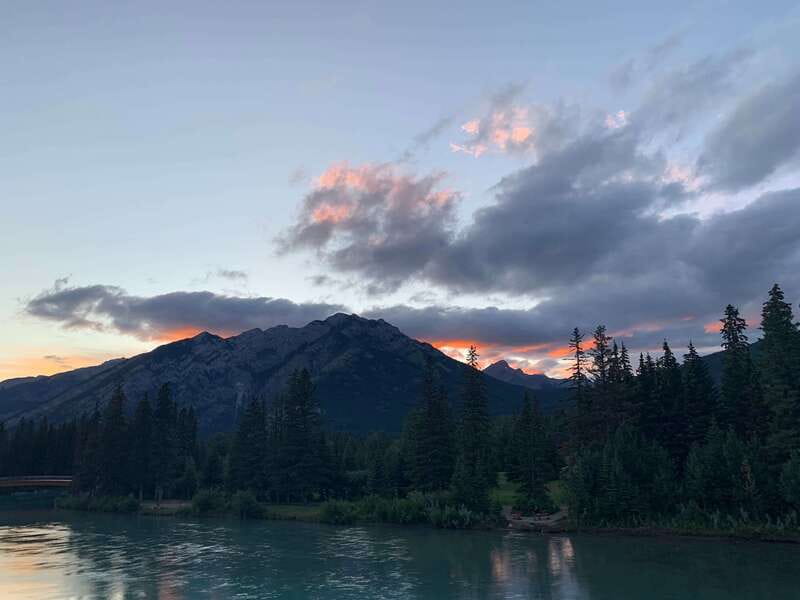
The experience is built around the moment the day fades. Early on, you’ll take in scenic viewpoints on the way while the light is still working for your eyes. This is the part where you’ll feel Banff as a place, not just as a sky backdrop.
Why this matters: stargazing is easier when you’re not shocked by darkness. You get a clean transition from warm mountain color to cooler night hues, and your guide can start teaching sky basics as soon as the stars show up.
A plus here is how the guide paces it. Multiple guides for this tour show up by name in real accounts, including Kale, Jacob, Ben, Isla, Ewan, and Yuin, and the theme stays the same: they slow down for comfort, keep everyone included, and make sure you aren’t left behind in the dark.
Constellations, Shooting Stars, and Northern Lights: What the Guide Actually Looks For
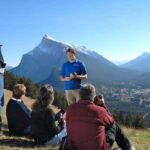
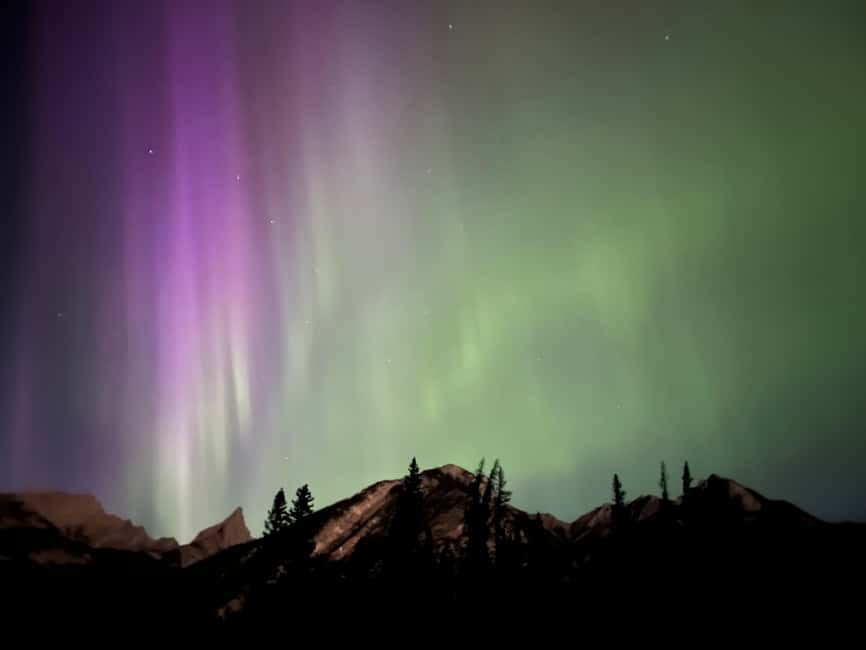
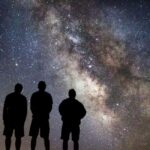
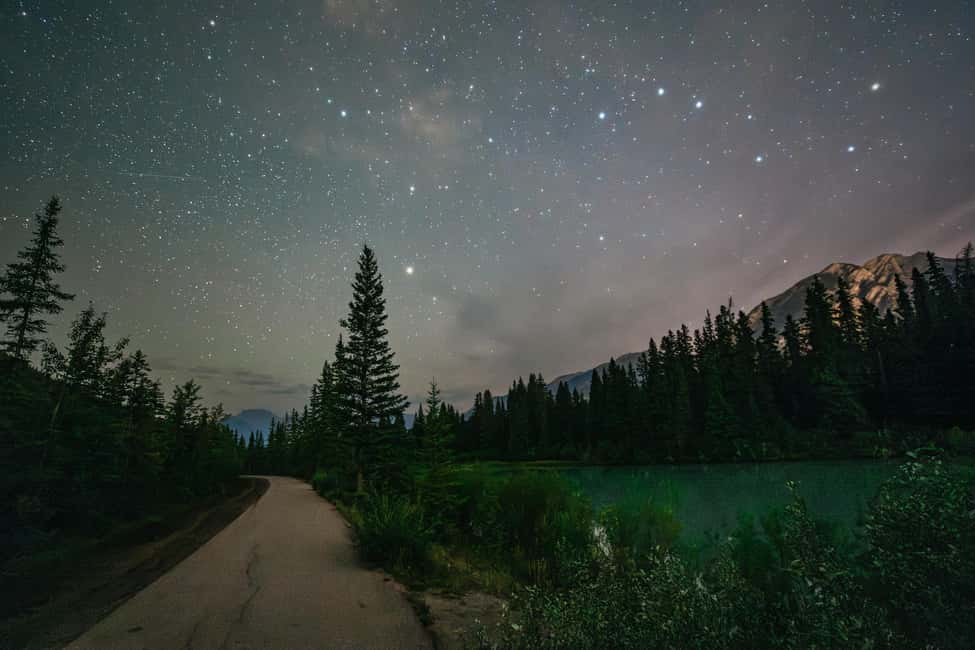
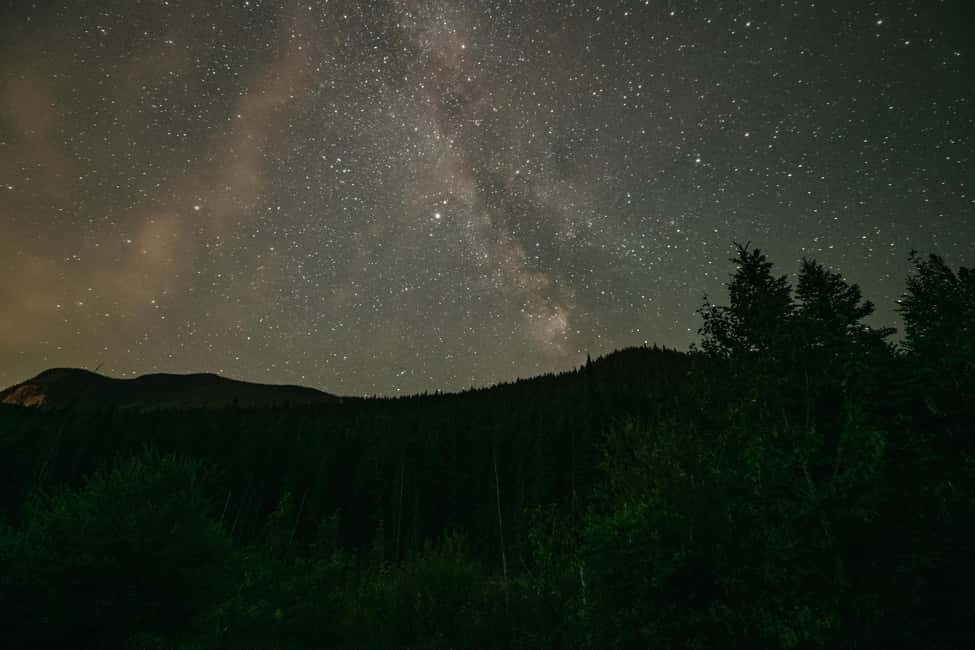
Stargazing gets way better when someone points at the right bits of sky. This tour uses your guide’s plan and experience to help you identify what you’re seeing, including constellations and moments like shooting stars.
Northern Lights are specifically on the radar here. You’ll keep an eye out for it, but you should also treat it realistically: aurora viewing depends on conditions. Even with that uncertainty, you still get value because the guide teaches you:
- how to follow patterns in the sky,
- what to look for as darkness deepens,
- and how to keep your attention on the best viewing windows.
If you’ve ever tried to learn the stars on your own, you know how frustrating it can be. The sky is wide, your phone is bright, and your brain keeps guessing. Here, the structure helps you actually recognize what’s overhead. People also mention guidance for photos, including help with phone settings like night modes and long-exposure styles, so you’re not stuck with blurry shots when the sky is doing something cool.
And yes, guides sometimes share stories that connect what you’re seeing to the region, turning it from pure astronomy into a sense of place.
You can also read our reviews of more evening experiences in Banff
Nocturnal Creatures: Headlamps, Lanterns, and the Right Mindset
One of the more interesting parts of this tour is the chance to experience the nocturnal world—not by chasing animals, but by walking through it with the right attitude.
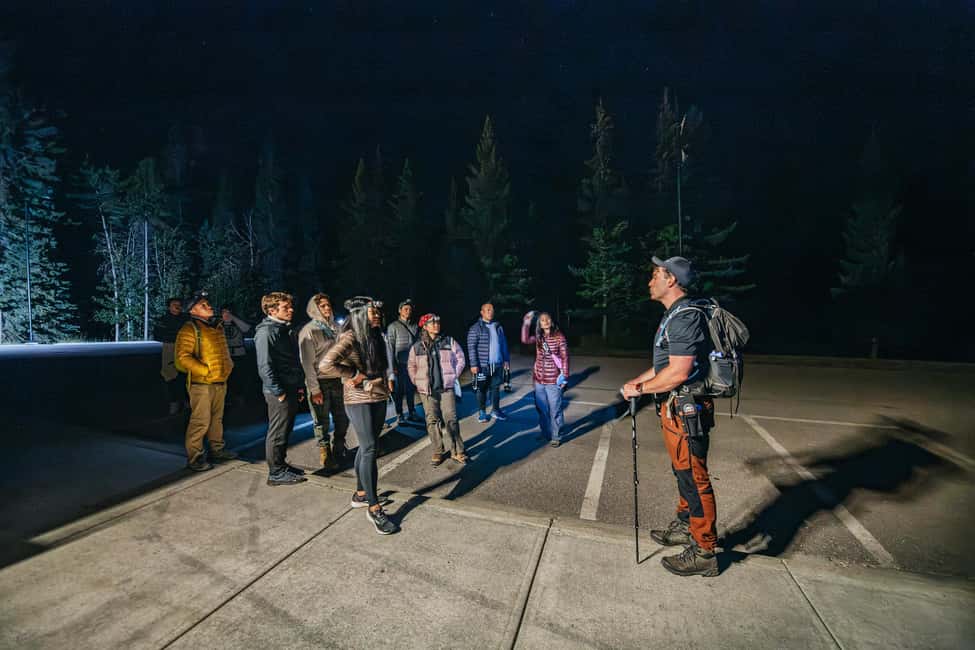
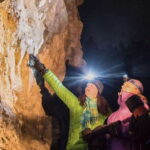
You’ll use headlamps and lanterns as you move. That keeps things safe without killing the sense of darkness completely. The guide also helps you spot signs of wildlife activity and shows you how to notice small movements you might miss in daylight.
The safety aspect matters here. All guides carry bear spray and safety equipment, and the group is managed in a way designed for wildlife country. People mention feeling reassured by how guides handle animal awareness and stay attentive to the group.
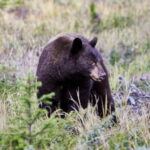
I’d keep your expectations honest: you’re hiking through habitat, so wildlife sightings aren’t guaranteed. But even when you don’t spot something dramatic, the night atmosphere is the point—the quiet, the smells, the way the trail changes when you’re no longer looking for daytime landmarks.
Gear and Comfort Checklist: What You Need, What You Don’t
You’re not asked to show up with wilderness gear. The tour includes headlamps, and you get ice cleats when required.
You do need:
- Hiking shoes (non-negotiable)
- Dress for real night air. The data doesn’t list layers, but if you’ve ever done a winter or shoulder-season walk, you know temperature drop happens fast after sunset.
What’s not included:
- Food and drink, so plan accordingly.
- You should also skip alcohol and any drugs, since alcohol and drugs aren’t allowed.
There’s also a quick pet policy: pets are not allowed. If you’re traveling as a family with a dog, you’ll need to plan that separately.
Weather Risk and How the Tour Handles Cloud Cover
This is not a “sunset no matter what” event. The tour will not operate in heavy cloud cover. If that’s the case, the guide contacts you 12–24 hours before departure and you’ll receive refunds.
That policy actually helps you, because it means your time isn’t wasted walking out into a gray ceiling. The drawback is your planning becomes probabilistic: you’ll want to avoid booking this as your only night activity if you’re the type who hates uncertainty.
A useful strategy: if you’re in Banff for several days, build in a little flexibility so you can catch a clearer night.
Who This Tour Fits Best (And Who Should Skip It)
This experience is wheelchair accessible, but the tour also lists people with mobility impairments as not suitable. If you’re in a gray area, the safest move is to check directly with the operator before you book.
The tour is also not suitable for:
- children under 8,
- pregnant women,
- people with pre-existing medical conditions,
- people with recent surgeries.
If you’re generally healthy and comfortable walking 5 km at night, this is a great fit—especially if you want something more interesting than a standard dark-sky bus ride. It gives you exercise, a guided pace, and an educational payoff.
It’s also well-suited for solo travelers, couples, and small friend groups who enjoy nature and want a structured way to learn the sky without spending hours reading apps.
Value Check: Is $66 Worth It?
At $66 per person for a 2-hour guided walk, the value depends on what you’re chasing.
If you want:
- a guide who actively points out what you’re seeing,
- safety support (headlamps, bear-safety gear),
- and a guided transition from sunset views into the night sky,
then the price starts to make sense fast. You’re paying for translation—turning darkness into recognizable constellations and meaningful sky events—plus a controlled way to walk in habitat after dark.
If your idea of stargazing is sitting in silence with no learning component, you might feel it’s more structured than you want. But for most people who come to Banff hoping to see more than just pretty mountains, the guide-led format is exactly where the money goes.
Also, because this runs seasonally and year-round with updated departure times, it’s built for the sky, not just the calendar.
Should You Book This Banff Sunset and Stargazing Tour?
I’d book this if you want a guided, easy-to-follow night hike that turns Banff into a sky show, not just a background. The best reasons to go are the combination of sunset-to-stars timing, the included headlamps, and the guide support that helps you identify constellations and watch for shooting stars and possibly the Northern Lights.
I’d hesitate only if you:
- can’t handle walking 5 km at night,
- need medical accommodations beyond what the tour lists,
- or hate weather-dependent plans (because heavy cloud cover can cancel the run).
If you want one practical recommendation: bring your hiking shoes, stay flexible on dates, and show up ready to look up. The whole point is that the sky changes fast after sunset—and with a guide, you’ll actually notice what’s happening.
FAQ
Where is the meeting point for the Banff sunset and stargazing tour?
Meet outside the Welcome Building at the Cave and Basin National Historic Site parking lot at 309 Cave Ave. The parking lot is large with free parking, and you’ll present your voucher to the guide, who will be holding a clipboard.
How long is the tour, and when does it start?
The tour lasts 2 hours. It departs just after sunset seasonally, and the updated departure time is sent 12–24 hours before departure.
What should I bring?
Bring hiking shoes. The tour provides headlamps, and ice cleats are included when required.
Will the tour run in cloudy weather?
The tour will not operate in heavy cloud cover. If that happens, the guide contacts you 12–24 hours before departure and you receive refunds.
Is this tour suitable for kids?
No. It is not suitable for children under 8.
Are pets or alcohol allowed?
Pets are not allowed. Alcohol and drugs are also not allowed.