REVIEW · BANFF
Banff OR Moraine Lake: Night Tour with possible Stargazing
Book on GetYourGuide →Operated by Canmore Travel · Bookable on GetYourGuide
Banff at night has a different pull. This guided Rockies evening gets you away from town glow for stargazing at a darker spot, plus a telescope so you’re not just looking with your eyes. What I like most is that the whole setup is built for comfort—chairs or inflatable loungers, blankets, hot tea or hot chocolate—and for learning, so the sky feels less random and more readable.
One thing to plan for: sightings are never guaranteed, and winter nights mean real cold. Even though it’s not a hiking tour, you will do some walking, and the Moraine Lake option includes stairs, so comfy footwear matters.
In This Review
- Quick hits before you go
- Banff and Moraine After Dark: Why This Tour Feels Different
- From Hotel Pickup to a Dark Spot: How the Evening Gets Set Up
- Two Options, Two Vibes: Classic Banff Night vs Moraine Lake Stargazing
- The Cozy Setup: Loungers, Blankets, Headlamps, and Hot Drinks
- Telescope Time: What You Can Actually Expect to See
- Northern Lights Reality Check: How to Feel Grateful on Any Sky
- Walking, Stairs, and Winter Gear: Making the Night Comfortable
- Price and Value: Why $108 Can Make Sense Here
- Who Should Book This Banff Night Tour (and Who Might Skip)
- Should You Book It? My Practical Take
- FAQ
- FAQ
- How long is the Classic Banff Night Adventure?
- How long is the Moraine Lake Night Adventure?
- Does the tour include telescope viewing?
- Is Northern Lights viewing guaranteed?
- Is this a hiking tour?
- What’s included in the price?
- Do I need a Banff National Park pass?
- What should I bring?
- What happens if weather is bad?
- Is free cancellation available?
Quick hits before you go
- A darker base away from town lights helps your stars look sharper than you’ll get near Banff or Canmore
- Telescope viewing is part of the deal, so you can see objects up close when skies cooperate
- Blankets, hot drinks, and warm lighting (headlamps) make the wait feel civilized
- Clear-to-cloudy conditions are still covered, including possible light snow nights
- Aurora is a chance, not a promise, so you’ll focus on stars either way
- Two tour options let you choose the classic Banff night or the Moraine Lake experience (summer months)
Banff and Moraine After Dark: Why This Tour Feels Different
A regular sightseeing day in Banff is all light, traffic, and camera-worthy viewpoints. This is the opposite. You’re getting out into the dark with a guide who treats the night sky like the main attraction, not a side quest.
You’ll love this format if you’ve ever tried to stargaze on your own and felt let down by light pollution or “Where do I even look?” moments. The tour is designed to answer those problems fast: you’re moved to a darker location, given a comfortable way to wait, and then shown what you’re seeing with telescope support when conditions allow.
The vibe is also human. People often mention guides being patient and helpful with cameras and settings, plus sharing fun facts about the night sky. That matters because night photography and naked-eye astronomy have a learning curve. Here, you’re not thrown into the deep end.
You can also read our reviews of more evening experiences in Banff
From Hotel Pickup to a Dark Spot: How the Evening Gets Set Up
Your evening starts with pickup from Canmore or Banff, with departure times that vary by season. If you’re staying in either area, this is a big plus because you’re not trying to coordinate driving on winter roads while everyone in your group is cold and carrying gear.
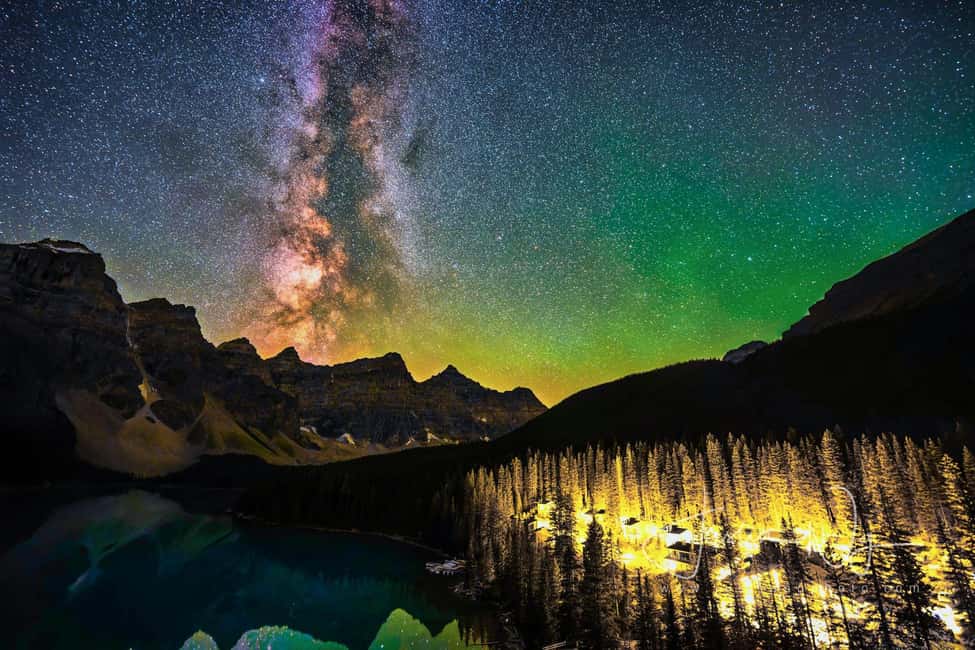
Once you’re on the way, the tour’s whole purpose becomes clear: you’re heading toward minimal light pollution. In plain terms, that’s how you go from “I see some stars” to “Whoa, that’s a lot more sky than I expected.”
When you arrive, the team sets up a comfortable observation base. You’ll use a chair or inflatable portable lounger, and you’ll have headlamps to keep your steps safe and your group moving without blasting a bunch of bright light at everyone else. That little detail makes the whole experience more relaxing.
Then comes the comfort kit: blankets plus hot chocolate or tea. It sounds simple, but it changes the game. Cold makes you stand up, shuffle, and lose your patience. Warmth helps you actually stay put long enough to let your eyes adjust.
Two Options, Two Vibes: Classic Banff Night vs Moraine Lake Stargazing
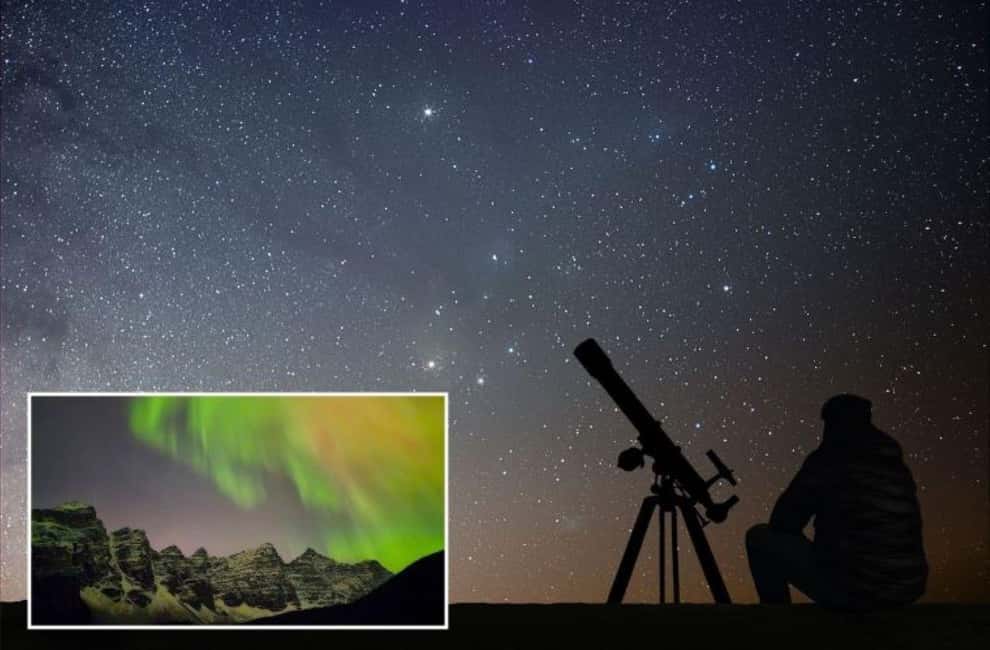
This tour comes in two main flavors.
Classic Banff Night Adventure (about 2.5–3.5 hours)
You get roughly two hours under the night sky, with the total length depending on pickup location. If you’re short on time—or you’re visiting outside the Moraine Lake season—this is the straightforward choice.
Moraine Lake Night Adventure (about 4.5–5.5 hours)
This one is only available between June and mid-October. It’s longer and includes a more involved approach at the lake area, with stairs included as part of getting set up. If you don’t want to think about footwear grip and footing, choose the classic Banff option.
The big practical difference is how your body experiences the night. This is not a hiking tour in the “you’re marching all evening” sense. Still, some walking is involved on both, and Moraine Lake ups the effort slightly with stairs. On a night tour, that matters because you’re also dressed for cold—so comfy shoes and good socks help you enjoy the sky instead of focusing on your feet.
Both options share the same core promise: once you’re at the spot, you settle in and spend a meaningful block of time looking up, sipping something warm, and letting the sky do its thing.
The Cozy Setup: Loungers, Blankets, Headlamps, and Hot Drinks
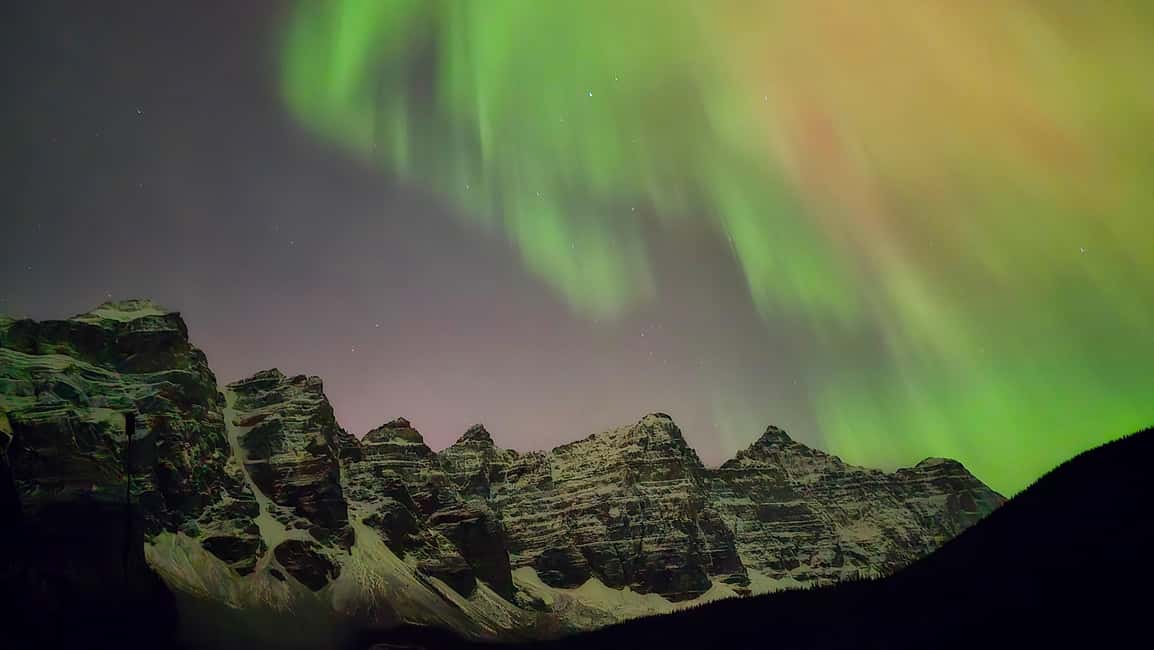
Here’s what I consider the smartest part of this experience: the tour fights the two biggest stargazing killers—cold and confusion.
Comfort first. The chairs and inflatable loungers are there so you can actually linger. Lying back is underrated for astronomy. It keeps your neck from working overtime and helps you track the sky movement naturally.
Warm drinks are more than a nice extra. Hot chocolate or tea keeps your hands and mood stable while you wait for conditions to improve or for the next celestial highlight to happen.
Low-impact lighting matters. Headlamps are provided, which sounds basic until you’ve seen a group at night where everyone is using bright flashlights like they’re mapping a cave. Better light control means less glare, better dark adaptation, and a more peaceful mood.
If you’re a camera person, you’ll also appreciate the guide support for adjustments. Several people specifically call out help with camera settings. That’s huge because “how do I capture stars without making a smudge?” is the first question anyone asks once they try it.
And yes, there’s also a surprise activity as part of the evening. The exact nature isn’t spelled out here, but the consistent theme from experienced stargazers is that it adds a second reason to stay engaged while you’re waiting for the best viewing window.
Telescope Time: What You Can Actually Expect to See
This isn’t just “look up and hope.” The tour includes use of a telescope. The timing depends on sky clarity, but the moment it’s set up, your experience shifts from human-scale skywatching to something much more detailed.
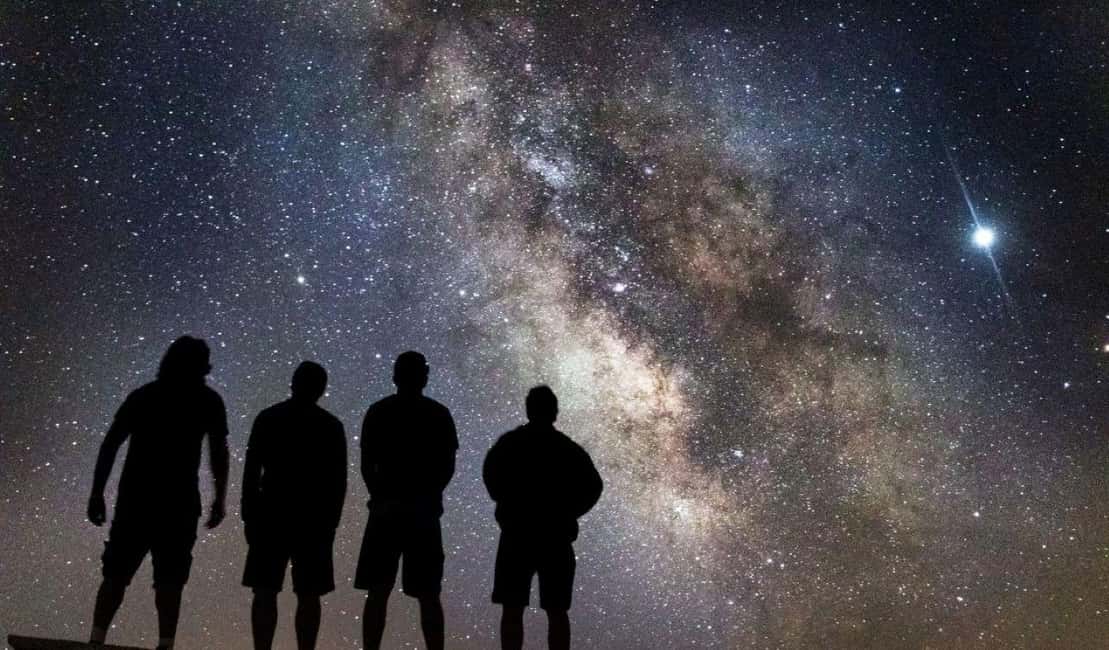
When skies are cooperating, people have reported seeing planets like Saturn and Mars through the telescope. You might also catch views like the Milky Way on clearer nights. If the moon is out, you may even notice its rise and changing light across the sky, which can be both scenic and useful for photography.
One more practical point: stars and celestial objects don’t need perfect weather to be interesting. Reviews and tour details point to strong sky visibility even when clouds are present—often with stars still visible in parts of the sky. That’s why the tour keeps going under a range of conditions, rather than treating everything as all-or-nothing.
The telescope also turns your guide’s sky talk into something you can verify visually. That’s how learning sticks: you hear a description, then you see it.
Northern Lights Reality Check: How to Feel Grateful on Any Sky
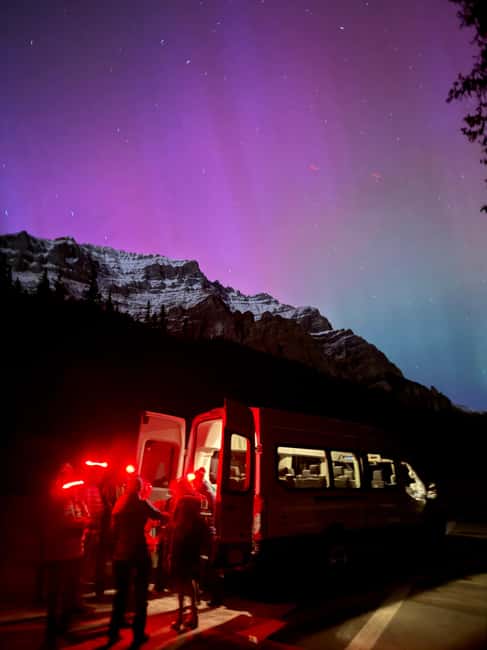
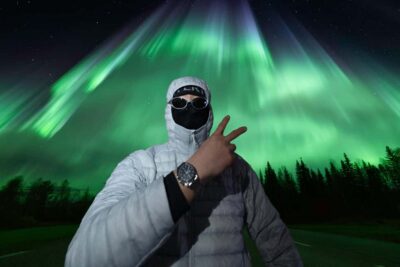
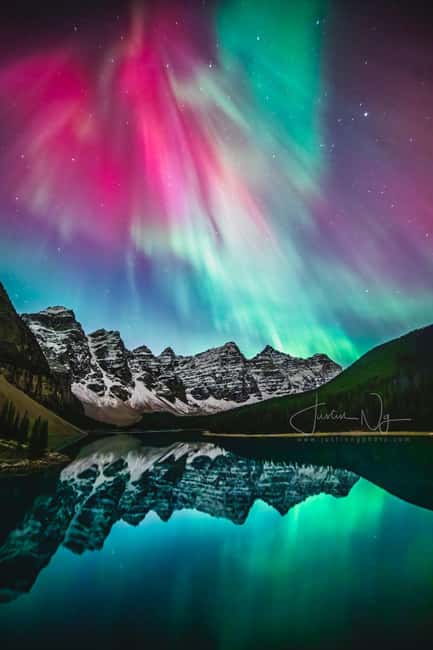
The Northern Lights sound like the headline. In reality, aurora is weather-dependent, solar-activity dependent, and cloud-dependent. So the most honest expectation you can set is simple: stars are the main event, aurora is the bonus.
The Moraine Lake version is described as aurora chasing, and many nights have provided glimpses for some groups. Still, the tour is clear that aurora and stars are not guaranteed. I like that approach because it keeps the experience from turning into frustration.
Even when aurora doesn’t happen, the dark-sky setting can still deliver a lot:
- lots of visible stars when the clouds thin out
- brighter, cleaner night views away from town lights
- possible meteor moments (people describe shooting star sightings as part of the magic)
- a strong “night sky wow” factor just from seeing how many points of light are actually up there
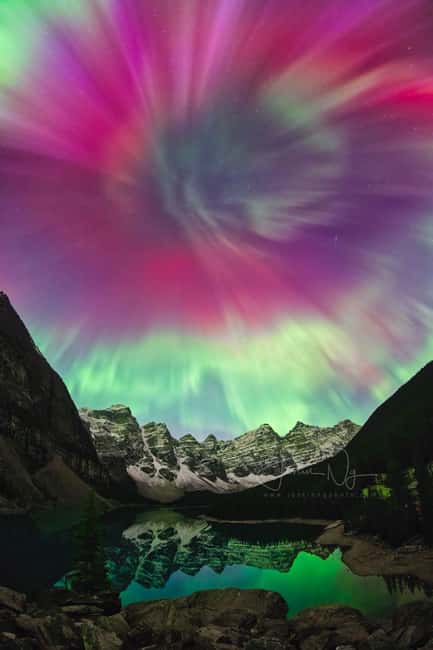
Also, the tour notes that Northern Lights photos shown are from the tours, taken by a partner professional astrophotographer. That helps explain the photography quality you might see online, but it’s still important to remember your own night depends on the sky that night—not the camera settings from someone else.
Walking, Stairs, and Winter Gear: Making the Night Comfortable
This is where you should be practical.
First: this is not a hiking tour. The tour includes some walking on both options, but the structure is built around a stationary observation base where you can sit or recline. If you’re choosing it to avoid long hikes, you’re in the right category.
Second: Moraine Lake includes stairs, so plan for that extra effort. Wear shoes you trust on cold surfaces, and don’t count on your vacation boots to be grippy enough.
Third: winter nights can be brutal if you dress lightly. The tour operates in temperatures from -20°C to +20°C, and they provide guidance on what to wear: warm hat, gloves, scarf, winter jacket, thermal layers, and warm shoes. Hand warmers like Hothands are strongly recommended. It’s not “nice to have” advice; it’s what keeps you from turning your tour into a standing-around survival test.
If you’re going in colder months, the tour includes cleats on winter tours. That’s another practical safety feature that helps you enjoy the walk portion without worrying about footing.
Finally, it’s not suitable for kids under 8 years. If you’re traveling with younger children, you’ll likely want a different style of Banff evening activity.
Price and Value: Why $108 Can Make Sense Here
At $108 per person for about three hours (or longer on the Moraine option), this tour can feel pricey until you map what’s included.
What you’re paying for isn’t just a guide and a bus ride. You’re also getting:
- hotel pickup and drop-off in Canmore or Banff
- shared transportation with a guide
- a telescope for up-close viewing
- blankets, hot chocolate or tea, and loungers/chairs
- headlamps for safer, low-glare movement at night
- Moraine Lake access fees on the Moraine Lake night option
Then there are what you don’t pay for:
- meals (not included)
- Banff National Park passes (not included)
When you add those up, the price starts to look more like an organized astronomy experience than a casual night stroll. And in places like Banff, the cost of building your own setup—transport, a good dark location, and gear—usually adds up quickly.
The key value question is this: do you want to enjoy the night sky with less effort and more structure? If yes, this tour is priced like something designed to work.
Who Should Book This Banff Night Tour (and Who Might Skip)
This fits best if you:
- want an easy evening with guaranteed warmth and seating
- care about learning the sky and using a telescope
- don’t want to handle logistics alone in cold weather or at night
- are okay with the fact that aurora is a chance, not a promise
You might reconsider if:
- you hate cold and you don’t want to dress in layers
- you need guaranteed outdoor visibility every minute (the tour runs through clear, partly cloudy, mainly cloudy, and light snow nights)
- you’re traveling with someone who struggles with short walks, and especially if you choose Moraine Lake with stairs
- you’re traveling with children under 8
If you want your Banff trip to include a “learn something, look longer” evening, this is one of the best ways to do it without turning the night into a stress test.
Should You Book It? My Practical Take
Book it if you want a night in the Canadian Rockies that’s structured around comfort, dark-sky viewing, and real astronomy time. The combination of a darker spot, telescope use, and a cozy base makes it far more likely you’ll actually enjoy the sky instead of fighting the cold or guessing where to look.
Skip it (or pick classic Banff over Moraine) if you’re very sensitive to walking or stairs, or if you’re expecting a guaranteed Northern Lights show. When the sky cooperates, you’ll be thrilled. When it doesn’t, you can still leave with the core win: a night-sky experience that feels intentional and guided, not random.
FAQ
FAQ
How long is the Classic Banff Night Adventure?
The Classic Banff Night Adventure lasts about 2.5–3.5 hours, depending on your starting point, with about two hours under the night skies.
How long is the Moraine Lake Night Adventure?
The Moraine Lake Night Adventure lasts about 4.5–5.5 hours, depending on pickup location, and also includes about two hours under the night skies.
Does the tour include telescope viewing?
Yes. A telescope is included for up-close looks at celestial objects when skies allow.
Is Northern Lights viewing guaranteed?
No. Stars and aurora borealis sightings are not guaranteed.
Is this a hiking tour?
No. It is not a hiking tour, though some walking is involved. The Moraine Lake option also includes stairs.
What’s included in the price?
Included: transportation, guide, shared tour/transportation, hotel pickup and drop-off, telescope use, chairs and inflatable loungers, blankets, hot chocolate and tea, headlamps, a surprise activity, cleats on winter tours, and Moraine Lake access fees on Moraine Lake night tours.
Do I need a Banff National Park pass?
Banff National Park passes are not included.
What should I bring?
Bring warm clothing and weather-appropriate layers such as a hat, jacket, gloves, scarf, thermal clothing, warm shoes, and winter snow clothing if needed. You’ll also sign a waiver.
What happens if weather is bad?
The tour runs under varying conditions, including light snow, but if there is rain or heavy snow, you can reschedule or receive a full refund.
Is free cancellation available?
Yes. You can cancel up to 24 hours in advance for a full refund.