REVIEW · BANFF
Banff: Winter Wilderness Walk with Wildlife Tracking – 2hrs
Book on GetYourGuide →Operated by Banff & Canmore Tours · Bookable on GetYourGuide
Snow turns the Rockies into a living map.
This 2-hour winter wilderness walk with wildlife tracking is built around what you can see on the ground in the cold months—tracks, scat, and movement patterns—so you leave feeling like you can read Banff’s snow. I especially like the track-reading focus (you’re not just hoping for a sighting), and the way the guide blends winter wildlife with local stories and folklore that connect the land to people. One thing to consider: it’s not for everyone, since it’s a real winter walk and the experience isn’t suitable for kids under 9, people with mobility impairments, or anyone with certain medical situations.
You’ll meet at Cave and Basin National Historic Site and head into the Banff winter with tips on what to look for and how to photograph it. If you get a guide like Jacob, the vibe is friendly and practical, and you can end up with seriously great “postcard” photos along the way. The main drawback is simple: winter conditions and walking pace can be tough if you’re not dressed for snow and cold, and wildlife sightings aren’t the only goal—the tour keeps you busy even if you only see signs.
In This Review
- Key things that make this winter wildlife walk worth it
- Cave and Basin: a convenient place to start your Banff winter walk
- The 2-hour rhythm: what the walk feels like in winter
- Reading winter animal signs: deer, coyotes, and snowshoe hare
- Wildlife spotting the smart way: more than just sightings
- Johnson Lake views and “Christmas card” scenery
- Folklore and local stories: how people connect to winter wildlife
- Camera time in cold light: getting shots you’ll actually keep
- What’s included: guide value and winter gear support
- Price and value: is $65 fair for two hours?
- What to bring (so winter doesn’t bully you)
- Timing and start logistics: a small thing that saves time
- Who should book this wildlife tracking winter walk
- Should you book Banff’s Winter Wilderness Walk with Wildlife Tracking?
- FAQ
- How long is the winter wilderness walk with wildlife tracking?
- What does the tour cost?
- Where do I meet the guide?
- What’s included in the price?
- What should I bring for the walk?
- What language is the tour guided in?
- Who is the tour not suitable for?
- Is there free cancellation?
Key things that make this winter wildlife walk worth it
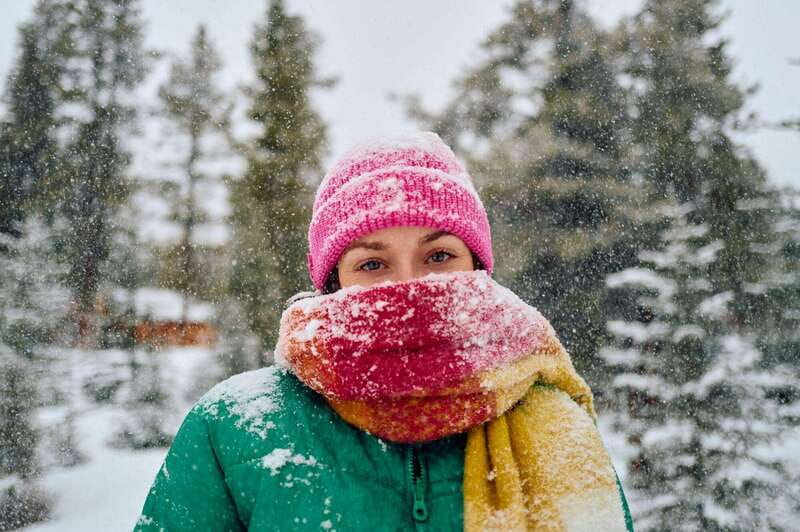
- Track-first learning: you learn what deer, coyotes, and snowshoe hare sign can look like in fresh snow
- Real winter photo help: the guide points out how to frame icy trees and mountain views
- Local folklore context: you get stories tied to Indigenous peoples and early settlers
- Cave and Basin as a smart starting point: free parking and easy access from town
- Winter gear support when needed: ice cleats are provided if conditions call for them
- A guide-led experience that stays engaging: friendly, local-style guidance (including guides like Jacob)
Cave and Basin: a convenient place to start your Banff winter walk
The meeting point is outside the Gift Shop at the Cave and Basin National Historic Site parking lot. This is one of those “thank you, logistics” setups: free parking is available, public transit reaches the area, and it’s about a 5–7 minute taxi ride from downtown Banff.
Arrive about 10 minutes early so you can get oriented before you gear up and head out. That early buffer matters in winter, when everyone’s layers and gloves take a little longer than you think.
You can also read our reviews of more walking tours in Banff
The 2-hour rhythm: what the walk feels like in winter
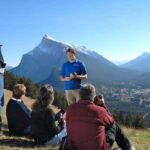
This is a 2-hour guided winter walk in the Rocky Mountains area of Banff National Park, designed for people who like nature and want something more active than simply driving scenic roads. The point isn’t speed or big distances; it’s attention. You stop, look closer, and learn how to interpret what’s happening in a snow-covered ecosystem.
The tour style is also family-and-couple friendly in the sense that the content is clear and visual. If you’re traveling with kids who meet the minimum age (10+), the tracking lessons can turn winter into a game: where did this animal go, and what would it take to survive?
Reading winter animal signs: deer, coyotes, and snowshoe hare
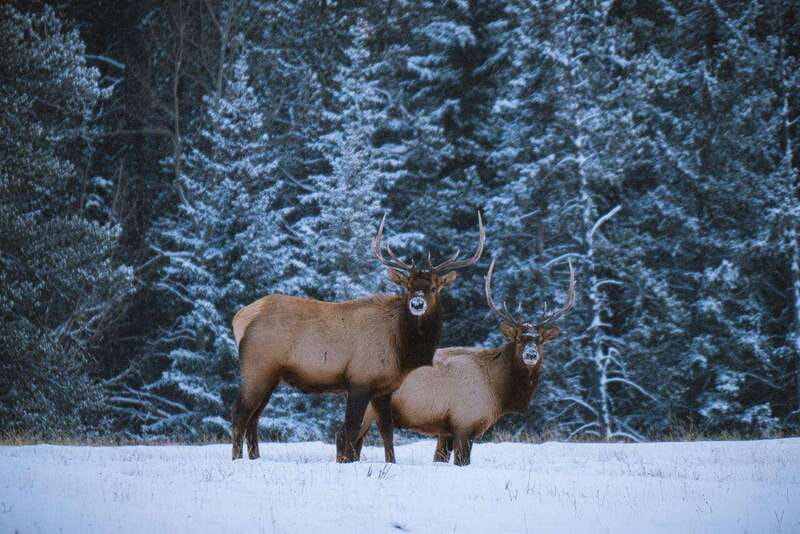
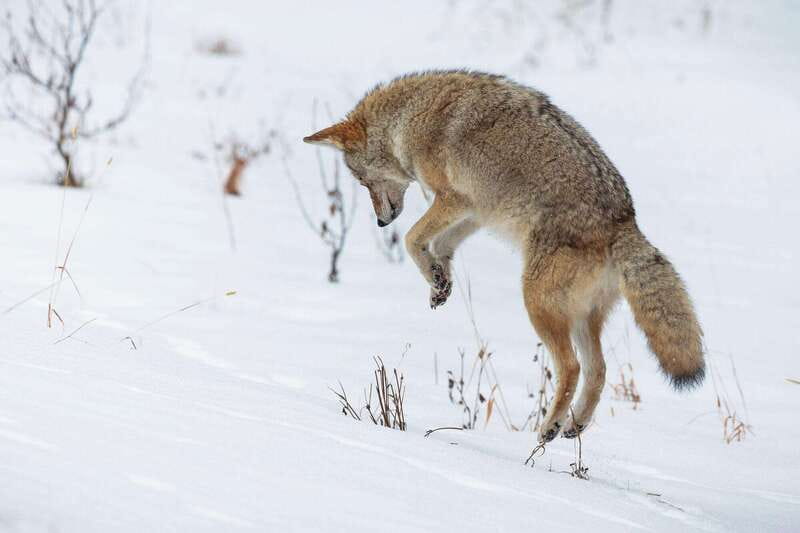
The heart of the experience is wildlife tracking education. You’re walking through snow like it’s evidence on the ground. Your guide helps you identify tracks and signs—especially those of deer and coyotes—and you’ll also learn what to look for from animals like the snowshoe hare.
Why this matters: in winter, many animals don’t hang around in plain sight. So instead of feeling like you’re watching from the sidelines, you’re training your eyes. You start noticing how animals move, where they tend to travel, and what their behavior can suggest about their habits.
You’ll also learn the “why” behind the signs: how animals use winter adaptations to make it through colder temperatures, deep snow, and limited food. Even if you’re not a hardcore birder, these lessons give you a real mental framework for what you’re seeing.
Wildlife spotting the smart way: more than just sightings
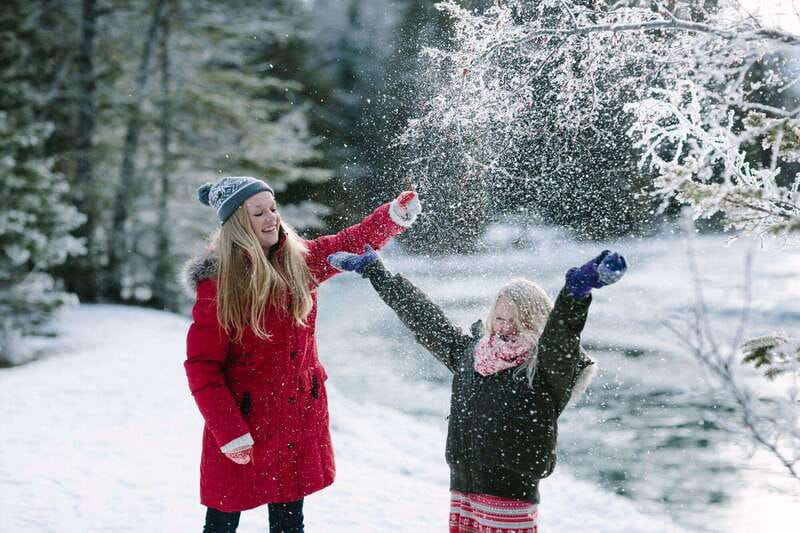
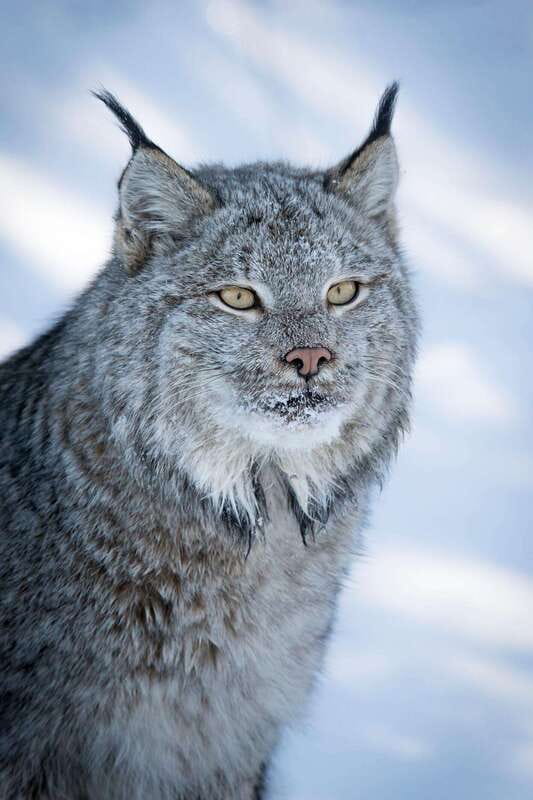
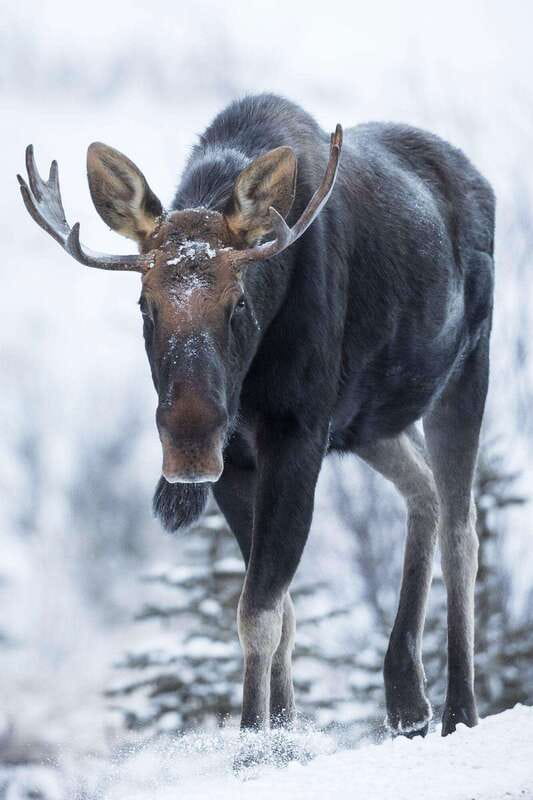
The tour definitely encourages wildlife watching, but it doesn’t rely on luck alone. In winter, you’ll often spot birds moving between branches, and you might see animals in action—though the more consistent wins come from reading signs.
One reviewer experience highlights that animal tracks were everywhere in the snow and that they saw mule deer and an eagle. That’s the kind of bonus moment that can happen when you’ve learned what to look for and you’re paying attention to patterns as you walk.
Here’s the balanced takeaway for you: treat this as a tracking-and-sign tour first. If a deer bounds through the snow or you spot a bird silhouette overhead, it’s amazing. If you don’t get a close look at an animal, you still walk away with practical winter knowledge.
Johnson Lake views and “Christmas card” scenery
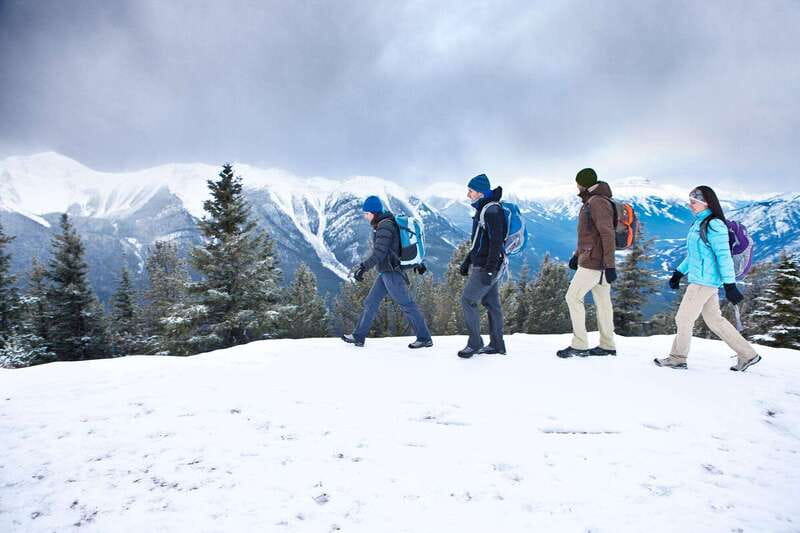
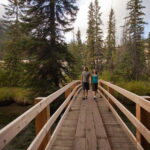
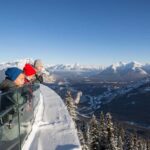
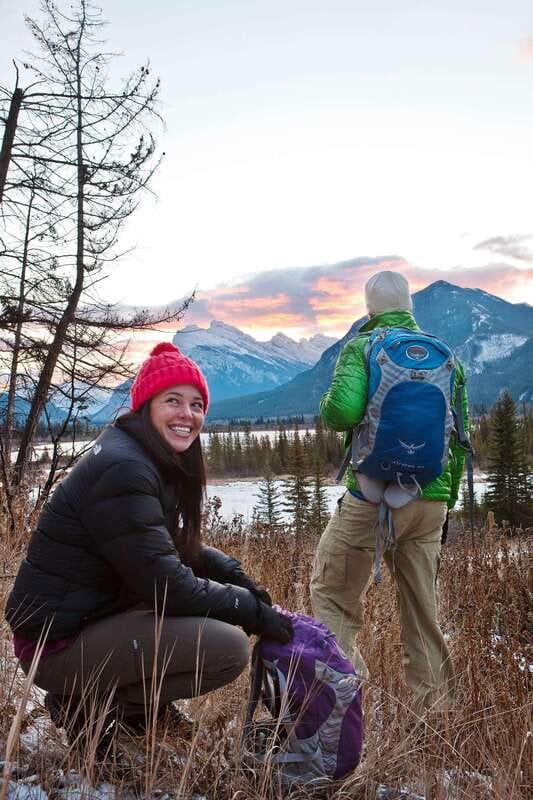
Along the way, you can expect sweeping winter views, including areas around Johnson Lake where the scenery can look unreal under snow. Think frost-coated trees, pale light, and distant mountain shapes that make your camera work harder than you might expect—in a good way.
This tour is paced so you’re not just trudging through snow. The scenery is part of the lesson: your guide points out what’s worth looking at and how to frame it so your photos don’t just turn into a blur of white.
The result can feel like you’re getting both: the quiet, scenic side of winter and the active tracking side that makes the time feel useful.
You can also read our reviews of more tours and experiences in Banff
Folklore and local stories: how people connect to winter wildlife
What makes this walk different from a standard nature stroll is the storytelling layer. Your guide shares local stories and folklore, bridging past and present by talking about how Indigenous peoples and early settlers interacted with the land and wildlife.
This is more than “fun facts.” It changes how you interpret the ecosystem. When you understand that winter wildlife has long been part of daily life—food, routes, seasonal knowledge—you stop treating tracks as random patterns and start seeing them as evidence of a living system with a long human relationship.
If you like travel that feels grounded in place, this section is a strong reason to book, not just a nice add-on.
Camera time in cold light: getting shots you’ll actually keep
Winter photography can be frustrating. Everything looks bright, shadows vanish, and then your photos turn flat. This tour includes time where your guide helps with camera tips so you can capture the best angles of glistening snow, frost-laced trees, and mountain vistas.
Practical photo advice usually matters most when you’re standing in front of the scene and trying to decide fast. The guide’s job here is to help you aim your camera before the moment passes—so you get those sharp “winter postcard” frames instead of “nice idea” shots.
Bring your camera. Even if it’s your phone, come ready to shoot.
What’s included: guide value and winter gear support
You’re getting a professional guide for the full 2 hours, plus the structured learning: wildlife tracking education, and local stories and folklore.
Gear support is also part of the value:
- Ice cleats (when needed) help if conditions call for traction on icy snow
- Hiking poles (upon request) can make the walk easier and safer, especially on uneven, frozen ground
This matters for you because winter walks often turn into “hope you packed the right stuff” trips. Here, you get backup support for common winter challenges.
Price and value: is $65 fair for two hours?
At $65 per person for a guided 2-hour wildlife tracking walk, the value comes from what’s actually included: instruction, storytelling, and practical guidance that helps you see more than you otherwise would.
You’re not paying just for a trail walk. You’re paying for:
- the guide who can explain tracks and signs
- the time spent teaching you how to interpret winter animal behavior
- the help with photos
- the comfort extras like ice cleats when needed and poles on request
If you like nature learning and don’t want to spend hours researching animal tracks on your own, this price is easier to justify. It’s also a good option when you want something active but not too strenuous.
What to bring (so winter doesn’t bully you)
The tour is winter-focused, so your clothing choice is half the success. Plan for layered warmth and bring what the weather might demand.
Bring:
- Comfortable shoes with solid traction
- Warm clothing in layers
- Hat and gloves
- Camera (and/or phone)
- Water
Then pack the “stay-ready” items: winter changes fast, and being out for two hours means you should dress for standing still as much as walking.
If you request hiking poles, have a moment ready to adjust your grip and stance. It’ll help you keep your footing and enjoy the stops instead of rushing through them.
Timing and start logistics: a small thing that saves time
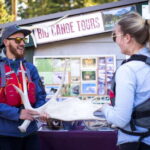
You’ll want to be there 10 minutes before start time. The meeting point is outside the Gift Shop in the parking lot, and your guide will be easy to spot with a clip board and a friendly face.
This is the kind of tour where showing up on time helps you settle in before the first lesson. In winter, you’ll appreciate the extra minutes more than you think.
Who should book this wildlife tracking winter walk
This experience is best for people who like hands-on nature learning and winter outdoors. It’s a strong fit if you enjoy:
- identifying animal tracks and signs
- learning how wildlife adapts in winter
- taking photos and getting better composition tips
- hearing local stories tied to the land
It’s not suitable for:
- children under 9
- pregnant women
- people with mobility impairments, wheelchair users
- people without experience
- people with pre-existing medical conditions or recent surgeries
If you’re unsure, be honest with your own comfort level. A winter walk with careful stops still requires traction, balance, and consistent cold-weather clothing.
Should you book Banff’s Winter Wilderness Walk with Wildlife Tracking?
If you want Banff winter to feel like more than scenery, book it. You’ll come away with practical winter skills—how to read signs, how to notice wildlife activity, and how to connect it to the local human stories that shaped the region’s relationship with nature.
Choose this tour especially if you:
- want a guided way to learn tracking without guessing
- like photography help in real conditions
- enjoy stories and place-based context
Skip it if you need an easy, fully accessible outing or if your health and mobility situation makes outdoor winter walking a bad idea. For the right fit, this is one of those tours that turns cold weather into a learning advantage.
FAQ
How long is the winter wilderness walk with wildlife tracking?
The tour lasts 2 hours.
What does the tour cost?
The price is $65 per person.
Where do I meet the guide?
Meet your guide outside the Gift Shop in the Cave and Basin National Historic Site parking lot.
What’s included in the price?
Included are a professional guide, wildlife tracking education, local stories and folklore, and ice cleats when needed. Hiking poles are available upon request.
What should I bring for the walk?
Bring comfortable shoes, warm clothing, a hat, gloves, water, and a camera. Dress in layers for warmth.
What language is the tour guided in?
The tour is guided in English.
Who is the tour not suitable for?
It’s not suitable for children under 9, pregnant women, people with mobility impairments, wheelchair users, people without experience, and people with pre-existing medical conditions or recent surgeries.
Is there free cancellation?
Yes. You can cancel up to 24 hours in advance for a full refund.