REVIEW · CHIANG MAI
Chiang Mai: 2 Days, 1 Night Non-Tourist Trek
Book on GetYourGuide →Operated by Mr.Whisky Jungle Trek · Bookable on GetYourGuide
Jungle, lanterns, and a real countryside pace. This non-tourist trek in Chiang Mai takes you into a quieter jungle and higher ground around 2,000 meters where the days feel slower and wilder. You’ll hike with a small team (up to 14), sleep with a local family, and spend real time learning how the forest works—not just snapping photos and moving on.
I love how the trip mixes physical effort with hands-on fun. Day 1 includes trekking plus jungle cooking, and you actually spend time in the ecosystem around you. The food gets real praise too, with big portions and even vegetarian options reported.
A possible drawback: the experience leans rustic and outdoorsy. Transport is rugged over muddy dirt roads, and the overnight setup is basic, so if you’re expecting hotel-level comfort, you should think twice.
In This Review
- Key things I’d circle before you go
- Entering the real Chiang Mai jungle: what makes this trek different
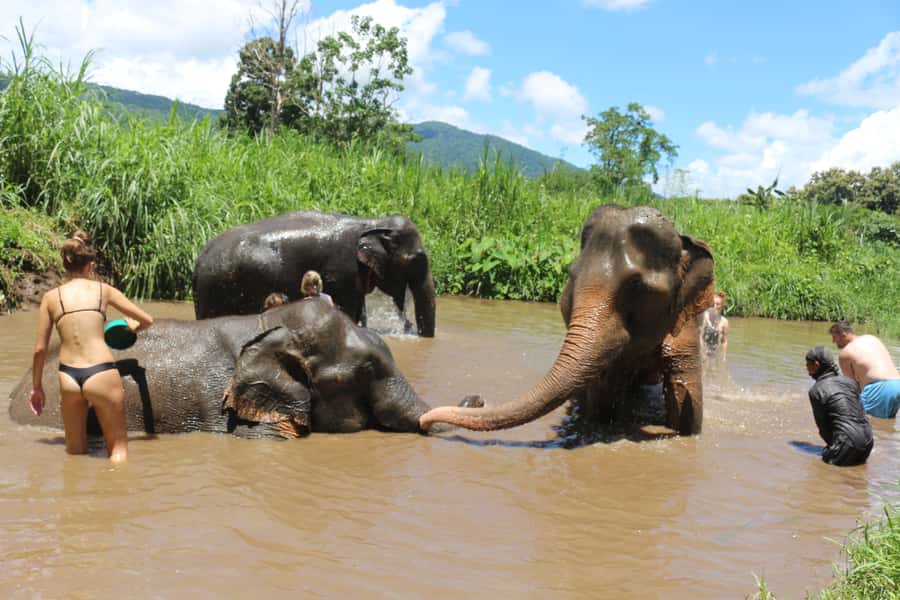
- The morning start: pickup, elephant camp care, and an early beat of Thailand
- Day 1 trekking + jungle cooking: the part you’ll remember on repeat
- What you should know about the trekking pace
- Night in the hill tribe homestay: rustic, real, and sometimes cold
- The lantern night and campfire atmosphere
- Day 2: breakfast, a shorter trek, waterfall time, and bamboo rafting
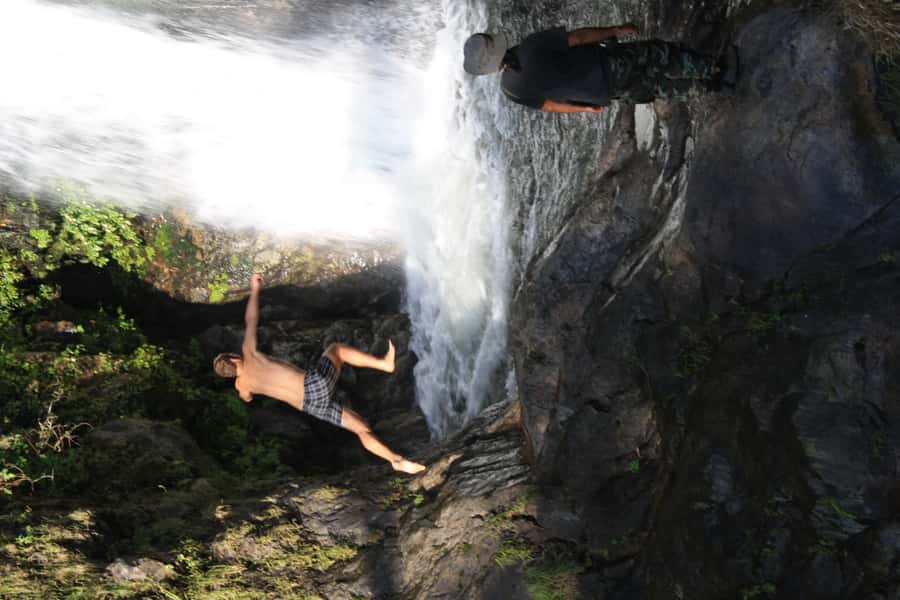
- Waterfall swim and relax
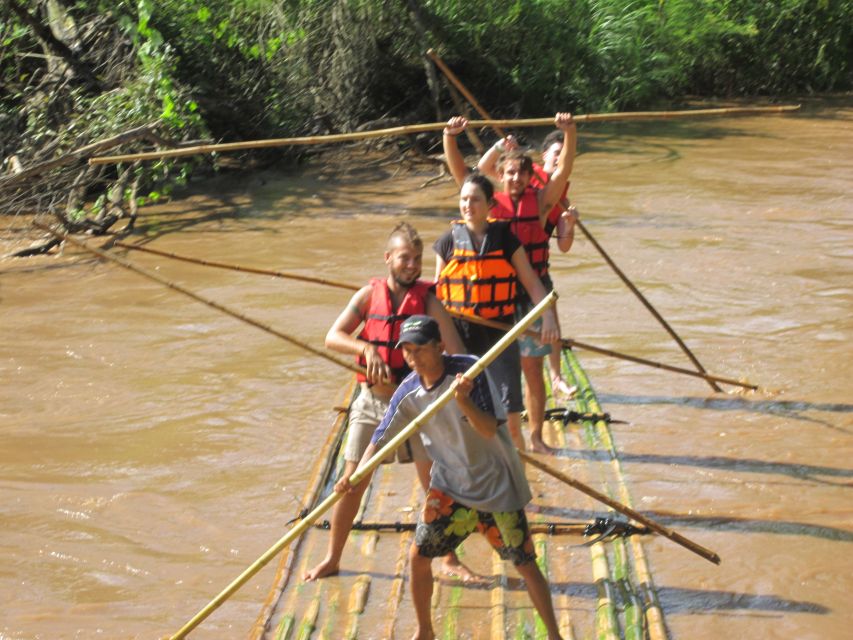
- Bamboo rafting (30–45 minutes)
- Transportation reality check: rugged roads are part of the deal
- Price and value: what $144 buys you in 2 days
- Group size and guide style: why names matter on this trek
- What to pack: don’t overthink it, just cover the basics
- Who this trek fits (and who should skip it)
- Should you book Mr. Whisky Jungle Trek?
- FAQ
- How long is the trek?
- What time do you get picked up from your hotel?
- Is the tour guide available in English?
- What activities are included during the two days?
- How big is the group?
- What gear is provided, and what should I bring?
- Is this trek suitable for everyone?
Key things I’d circle before you go
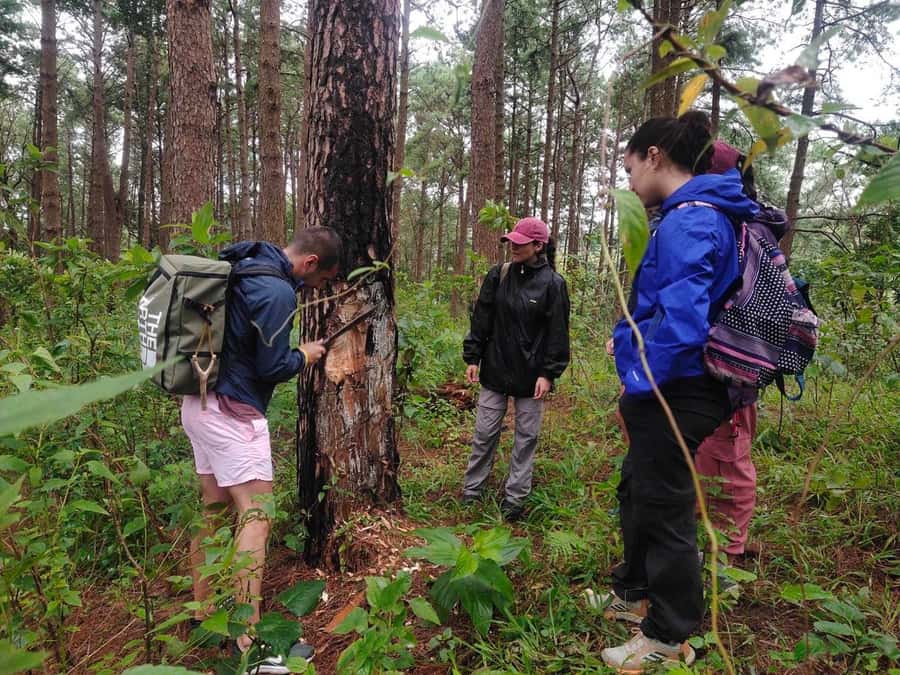
- Non-tourist trekking in a secret jungle area, far from the usual crowds
- Small-group size capped at 14, so the trip feels personal instead of chaotic
- Higher mountain trekking around 2,000 meters, which can mean cooler evenings
- Jungle cooking by your group with meals included (and reported as seriously tasty)
- Lantern release at night plus a campfire evening under the moon
- Bamboo rafting + waterfall swim on Day 2 to break up the hiking effort
Entering the real Chiang Mai jungle: what makes this trek different
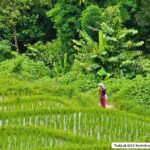
Chiang Mai trekking is famous—and yes, that also means crowds can get common. This program aims for the opposite: a non-tourist route where you’re walking deeper into forest, learning as you go, and spending the night with a hill tribe family instead of returning to town each day.
What I like about the “far from tourists” promise is that it shows up in how the itinerary is built. This isn’t just a long hike with occasional stops. It’s a full experience: elephant care in the morning, a big first-day trek with cooking, a nighttime campfire and lantern ritual, and then Day 2 focused on a waterfall and bamboo rafting.
Another strong point is that it’s structured for a small group. Up to 14 people is big enough to have energy, but small enough that the guide can keep track of everyone on uneven trails.
You can also read our reviews of more evening experiences in Chiang Mai

The morning start: pickup, elephant camp care, and an early beat of Thailand
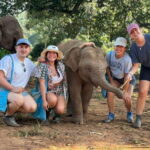
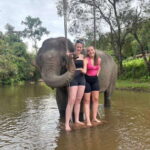
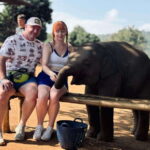
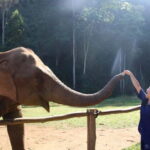
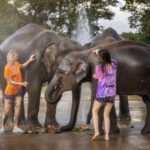
Your day begins early. Pickup is typically 7:00–7:30 a.m. from your hotel area, so you start before the heat and before the crowds really settle in. You’ll head to an elephant camp for elephant care.
This part matters even if you’re not an animal-obsessed traveler. It sets the tone of the trip: you’re not only in Thailand’s jungle, you’re also interacting with a local conservation-style setting that’s treated as part of the day’s learning, not a quick photo stop.
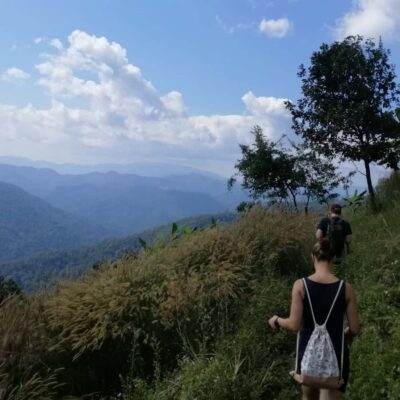
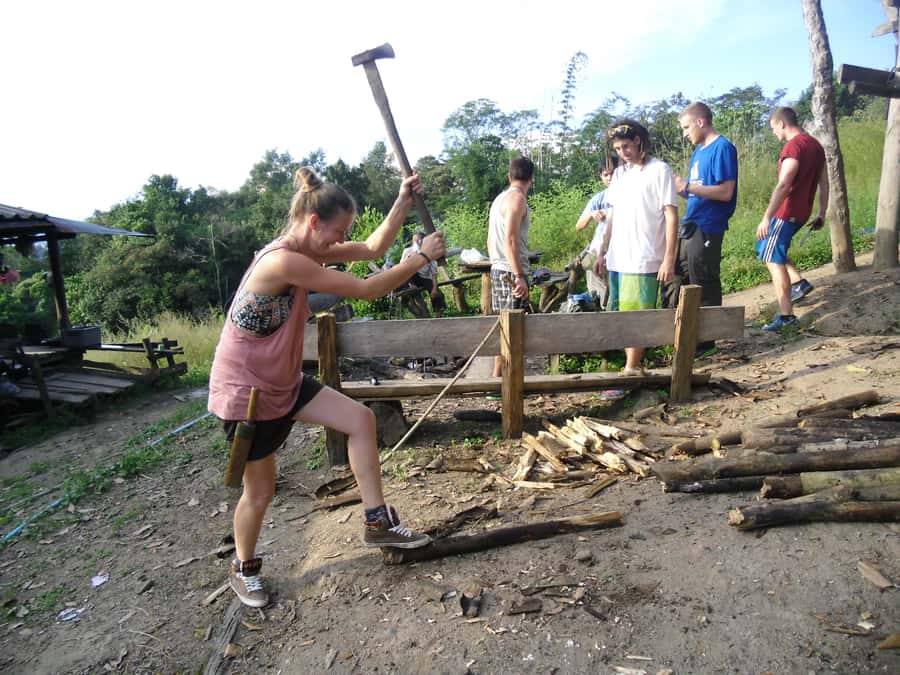
From there, you move straight into the forest. That first push is where you feel the shift from city life into real terrain. The program schedules Day 1 trekking for about 3–4 hours, and it’s long enough to get your body warmed up, but not so long that you feel ruined before the fun starts.
Day 1 trekking + jungle cooking: the part you’ll remember on repeat
The “walk and talk” part is built around discovering the forest. You’ll be trekking in the jungle and learning about the eco-system around you. Several guides in the program roster show up in different trips, including Mr. Whisky, Mr. Home, and Wat, and many guests mention guides explaining jungle life and how people relate to the land.
Then comes the best kind of travel activity: food with effort behind it.
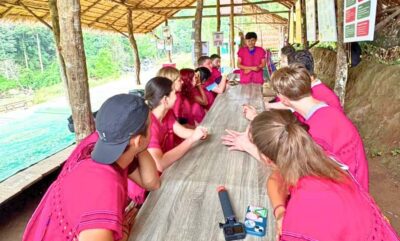
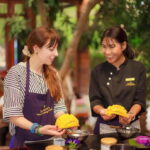
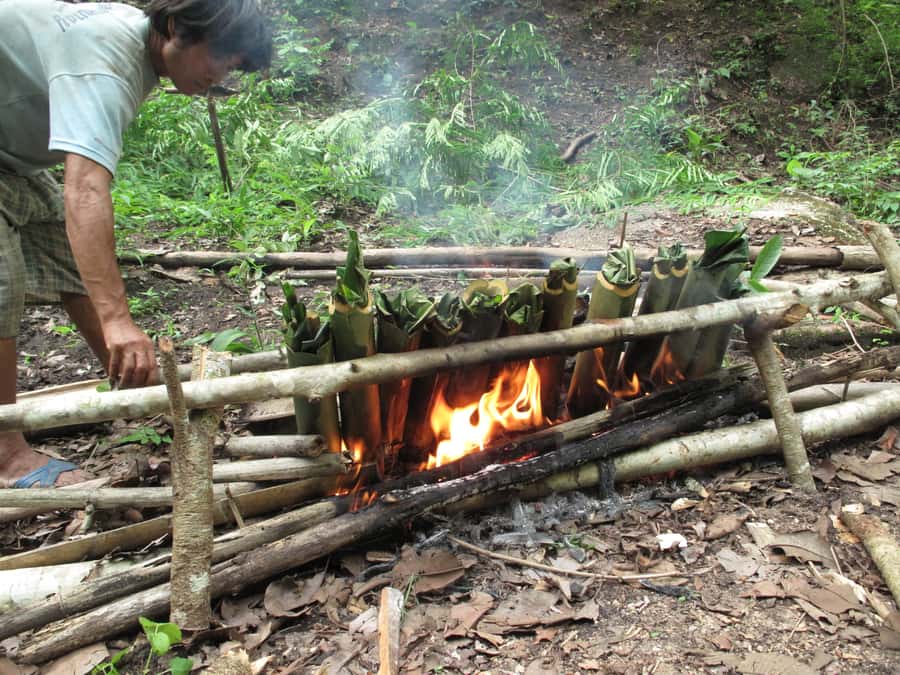
You’ll cook and eat lunch in the jungle. The day also includes cooking together again for dinner. One thing that comes through strongly in feedback is that meals aren’t an afterthought. People consistently describe the food as delicious, with big portions, and at least some teams can accommodate vegetarians.
Also, cooking outdoors changes your relationship with the day. You stop rushing. You pay attention. You taste what’s in front of you instead of living on snacks.
What you should know about the trekking pace
The trek is described as medium difficulty in multiple experiences, and you’ll want solid traction. One practical tip that keeps repeating: use ankle-support shoes because the trail can be steep and uneven in places. If you’ve got sensitive ankles, treat this as your reminder to bring shoes that don’t let you roll.
Rain can happen. In wetter periods, a poncho or anorak style rain layer is a good idea. One group reported heavy rain for about 1.5 hours—enough to make waterproof gear feel worth it.
Night in the hill tribe homestay: rustic, real, and sometimes cold
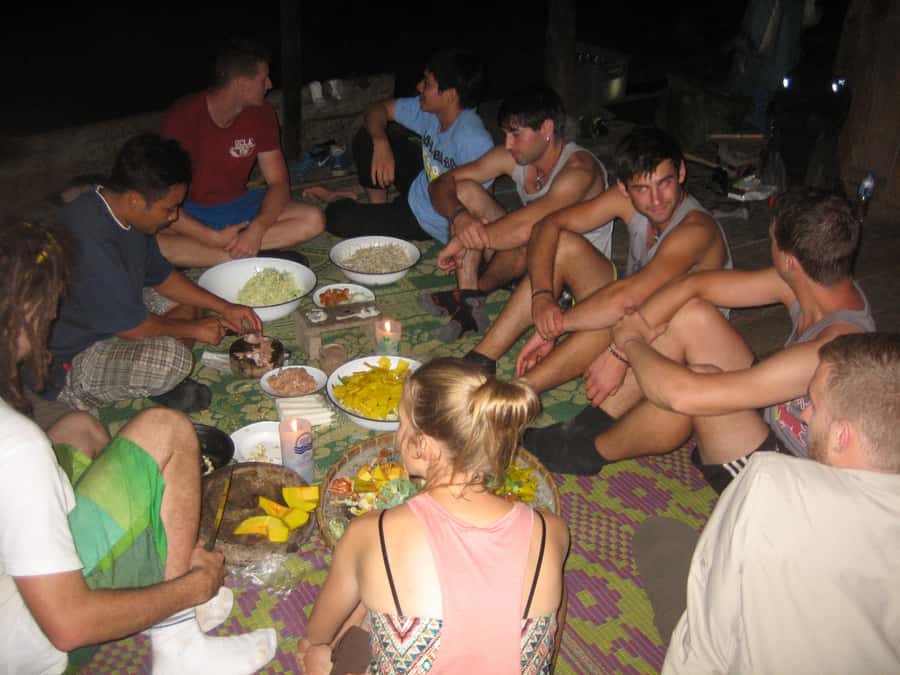
After a full day of hiking, cooking, and forest time, you sleep with a hill tribe family. The program calls it an overnight in the cottage with a hill tribe family. In practice, what you get is simple and outdoor-friendly.
What I’d highlight from the reported stays:
- It’s not a hotel. Expect basic facilities.
- Mosquito protection is part of the setup (like mosquito nets).
- Showers can be simple, which is great if you like being in “real place” mode, and not ideal if you’re very particular.
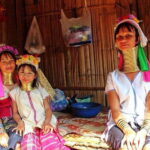
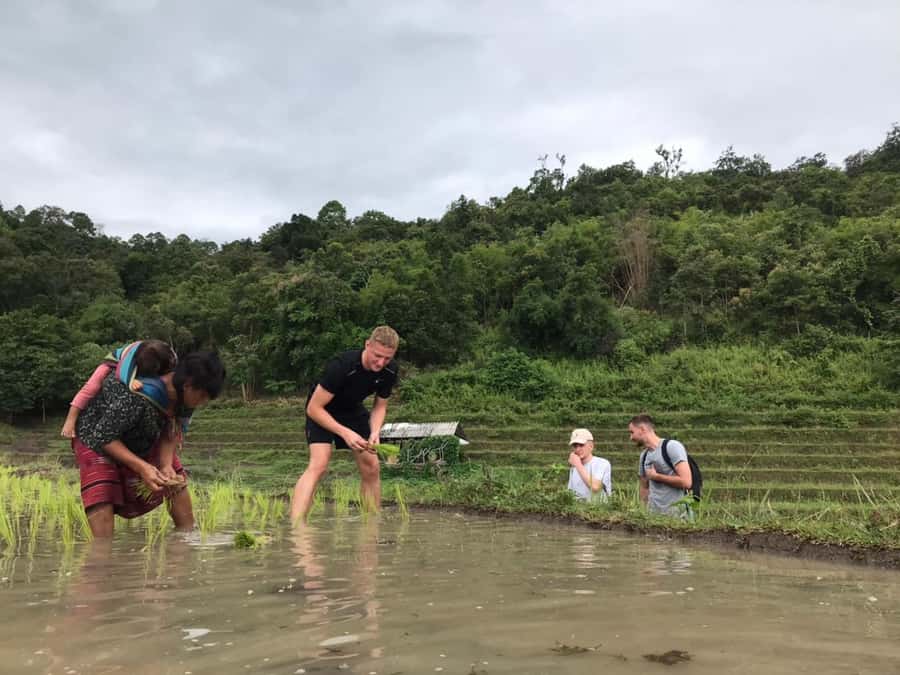
A theme in feedback is warmth—people describe being welcomed like family, meeting the broader household, and having fun around the property (farms or simple activities). Names that come up include a Karen family host named Bancha, plus guides like CHEW and Home—and the vibe is often more like friendship than a packaged tour.
You can also read our reviews of more hiking tours in Chiang Mai
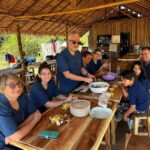
The lantern night and campfire atmosphere
The evening includes a campfire and the chance to release traditional Thai lanterns. This is one of those moments that’s hard to fake. You’re not watching it from the sidelines; you’re part of the night’s rhythm.
Nighttime can get cold at higher elevation, so bring layers. One guest specifically warned that it got cold at night and recommended packing warmer clothes. If you’re used to Bangkok-style evenings, treat this as a wake-up call.
Day 2: breakfast, a shorter trek, waterfall time, and bamboo rafting
Day 2 starts with breakfast, with coffee or tea included. After that, you’ll trek again through the jungle for about 2–3 hours. The second-day hiking feels more like continuation than a total repeat, but it still asks you to stay focused on your footing.
Lunch happens after the trek. Then the itinerary shifts from hiking to cooling off.
Waterfall swim and relax
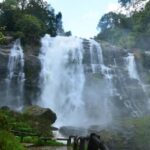
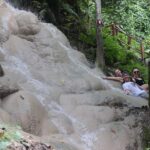
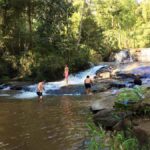
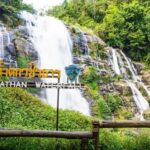
You’ll go to a waterfall for swimming and relaxing. That’s not just a fun break—it also helps reset your energy after two days of moving. One traveler mentioned an experience like a baptism at the waterfall, which shows how meaningful this stop can feel when you’re not rushing past it.
Even if you don’t swim, the waterfall stop is a welcome change from jungle heat and trail work.
Bamboo rafting (30–45 minutes)
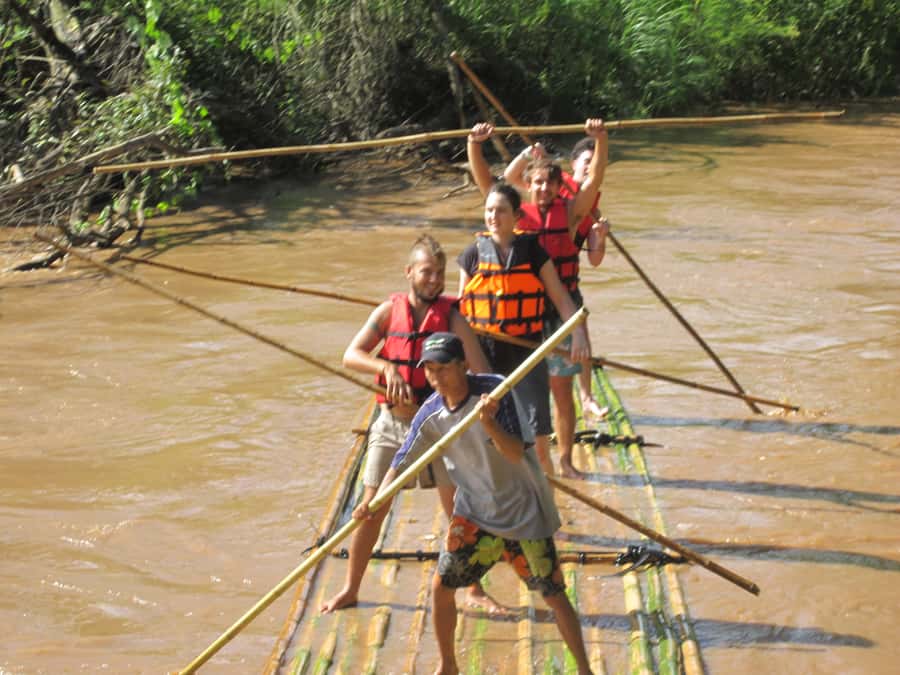
Then comes bamboo rafting for 30–45 minutes. Feedback on this activity is strongly positive, often describing it as fun and sometimes more relaxing than people expect. You’ll get to enjoy the scenery while still being active, and it’s a good “finish strong” element before heading back.
Transportation reality check: rugged roads are part of the deal
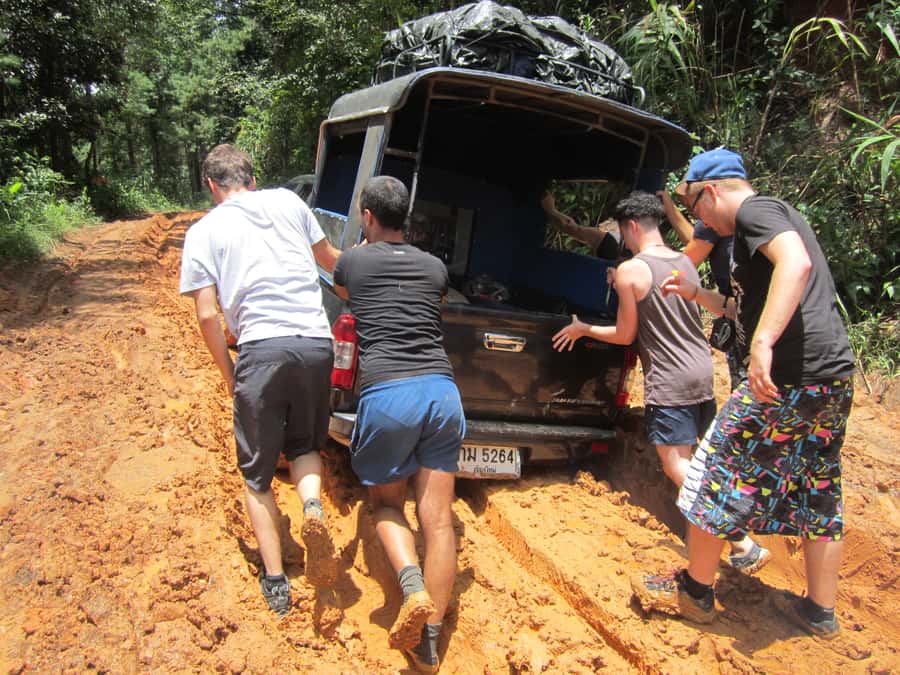
One of the most practical notes from feedback is about transport. The ride can involve a rugged setup, including standing in the bed of a truck while the vehicle navigates muddy, bumpy dirt roads. In at least one case, people described having to hold on tight or even push the truck.
This is the kind of detail that can make or break your day. If you handle rough roads with a sense of humor, you’ll probably be fine. If you hate instability, you’ll want to plan mentally for a bumpy ride.
Price and value: what $144 buys you in 2 days
$144 per person for a 2-day, 1-night trek sounds “reasonable” only if you look at what’s included. Here’s the value logic:
You’re getting:
- Pickup and drop-off by transport
- Elephant care experience
- A trekking guide (English/Thai)
- All meals during the trek, including cooking with your group
- Accommodation for the night
- Bamboo rafting
- Camping-style gear support: head torch, sleeping bag, plus a knife and slingshot
- Support items like guide-led experiences across multiple activities
That’s not just “a hike with a guide.” It’s also meals, lodging, and multiple paid activities bundled into one price. For many people, the best part is that you don’t have to assemble logistics—your day is already built end-to-end.
Group size and guide style: why names matter on this trek
When you pay for a small-group trek, you’re paying for the guide’s people skills as much as their route knowledge. You’ll travel with the guide team through jungle trekking, cooking, camp time, and the overnight with a local family.
Different trips list different guides, including:
- Mr. Whisky
- Mr. Home
- Wat
- Sart
- Bancha (often referenced as a Karen host connected with the homestay experience)
In feedback, guides are repeatedly described as funny, supportive, and helpful with communication. One traveler even shared that in a small mishap (a misstep on a rock and a near-damage situation), the guide helped right away and kept the trip moving. That’s exactly what you want from the person leading your group on steep, slippery ground.
What to pack: don’t overthink it, just cover the basics
You’ll get a lot of trekking comfort from what’s included (like a sleeping bag and head torch), but you still need the right personal gear. The program’s packing list is practical, and I’d treat it as a checklist.
Bring:
- Closed-toe, grippy shoes (ankle support helps)
- Trekking pants or hiking pants
- Hat and sunscreen (use biodegradable if possible)
- Insect repellent and biodegradable versions if you have them
- A daypack
- Swimwear, plus a towel
- Change of clothes and comfortable layers
- Poncho or rain protection (especially in rainy season)
- Water and a bit of cash
A smart move: pack an extra pair of socks. Several guests suggested sandals/flip-flops in addition to proper hiking shoes, which makes sense for camp and downtime.
Also, keep a charged smartphone if you want photos, and use the daypack so you’re not scrambling for items while walking.
Who this trek fits (and who should skip it)
This is a good match for you if you want:
- A real jungle experience with learning built in (eco-system and local life)
- A trip that’s active but manageable (medium difficulty, not a multi-day extreme expedition)
- The kind of travel that includes cooking, camp time, and staying with local families
It’s also a strong fit if you like small-group energy and don’t mind spending time together on trail.
It’s not a match if:
- You’re pregnant, use a wheelchair, or fall into the program’s age restriction (it states people over 95 years aren’t suitable).
- You need hotel-grade comfort. Accommodation is rustic/basic.
- You have very sensitive expectations about washroom comfort. The overnight setup can be simple.
Should you book Mr. Whisky Jungle Trek?
Book this trek if you want Chiang Mai without the cookie-cutter feeling. The combination of non-tourist jungle trekking, jungle cooking, a hill tribe overnight, and the mix of waterfall + bamboo rafting makes it far more than a “walk in the woods.”
Skip it (or at least adjust expectations) if you hate rough logistics or prefer clean, predictable comfort. The roads can be bumpy, and the night setup is basic. If that doesn’t bother you, you’ll probably love how personal the trip feels.
One more quick decision tip: if you’re going for the elephant care and the lantern/campfire night, this is a full package. If you only want one highlight, you might feel the rest of the day is too much. But if you want the whole experience, this one is built for that.
FAQ
How long is the trek?
It’s a 2-day, 1-night program.
What time do you get picked up from your hotel?
Pickup is scheduled for about 7:00–7:30 a.m., and you should wait in the hotel lobby about 10 minutes early.
Is the tour guide available in English?
Yes. The live guide is listed as English and Thai, and an English audio guide is also included.
What activities are included during the two days?
You can expect elephant care at the start, jungle trekking, cooking and meals, a campfire evening with lantern release, an overnight stay with a hill tribe family, a second jungle trek, lunch, a waterfall swim/relax time, and bamboo rafting.
How big is the group?
It’s a small group, limited to 14 participants.
What gear is provided, and what should I bring?
Provided items include a knife, head torch, sleeping bag, and slingshot. You should bring trekking shoes or comfortable shoes, clothes that can get dirty, a daypack, sunscreen, insect repellent, hat, water, swimwear, and a change of clothes, plus any personal medications. A towel and sandals/flip-flops are also helpful.
Is this trek suitable for everyone?
No. It is not suitable for pregnant women, wheelchair users, or people over 95 years.