REVIEW · CHIANG MAI
Chiang Mai: Full Day Ethical Elephant Sanctuary & Waterfall
Book on GetYourGuide →Operated by Joy Elephant Sanctuary · Bookable on GetYourGuide
Joy elephants up close beats any photo stop. This full-day program in Chiang Mai Province mixes ethical elephant observation with real caretaking tasks, plus a break at a waterfall. Two things I especially like: you spend the day learning what elephants do and how to care for them, and the herbal workshop puts you into the process instead of just watching from the sidelines.
One possible drawback: it runs long (9 hours) and the drive to Mae Wang District takes time, plus the road can be winding—so bring snacks and be ready for a schedule that moves.
In This Review
- Key things to know before you go
- Why Joy Elephant Sanctuary Feels More Like Care Than Entertainment
- The 9-Hour Plan, With Real Time on the Road
- Mae Wang District and Wildlife Viewing: What You’re Really Looking For
- Elephant Observation and Feeding: Up Close Without the Wild-Distraction
- Waterfall Tea Break: A Reset That Keeps the Day Pleasant
- Hands-On Care Tasks: Planting, Health Checks, and Food Prep
- Herbal Medicine Balls and the Thai Handmade Souvenir
- What You Get for $70: Value That’s Actually About Inclusions
- Packing List and Comfort Tips That Make the Day Easier
- Who Should Book This Elephant Day (and Who Might Not Love It)
- Should You Book This Chiang Mai Ethical Elephant Sanctuary Tour?
- FAQ
- How long is the Chiang Mai Full Day Ethical Elephant Sanctuary & Waterfall experience?
- Is hotel pickup and drop-off included?
- What meals are included?
- Does the tour include a guide, and what language is it in?
- What activities will I do with the elephants?
- What should I bring, and what items are not allowed?
Key things to know before you go
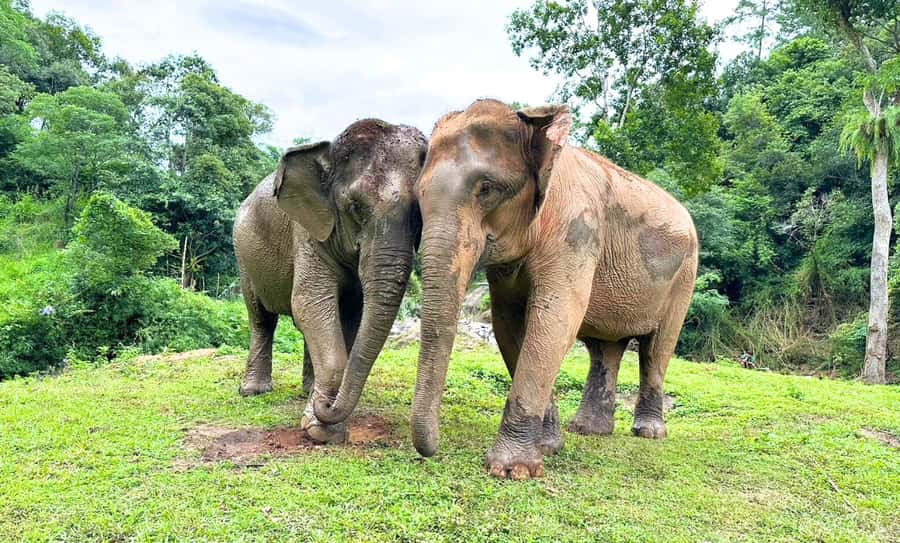
- Ethical, observation-first time at Joy Elephant Sanctuary, focused on feeding and behavior, not show tricks
- Feeding + caretaking tasks like preparing food, planting food, and checking elephant health
- Herbal medicine balls workshop designed to teach you about elephant-focused herbal care
- Waterfall stop with herbal tea, a calmer stretch of the day for photos and rest
- Thai handmade souvenir time so you leave with something you made
- Hotel pickup within 5 km of Chiang Mai Old City by minivan, making the day easier than DIY
Why Joy Elephant Sanctuary Feels More Like Care Than Entertainment
If you’ve ever felt weird about elephant shows, this kind of program is the fix. At Joy Elephant Sanctuary, the day is built around respectful contact: watching, feeding, and learning how elephants live and how caretakers support them. You’re not there to rush through selfies. You’re there to understand.
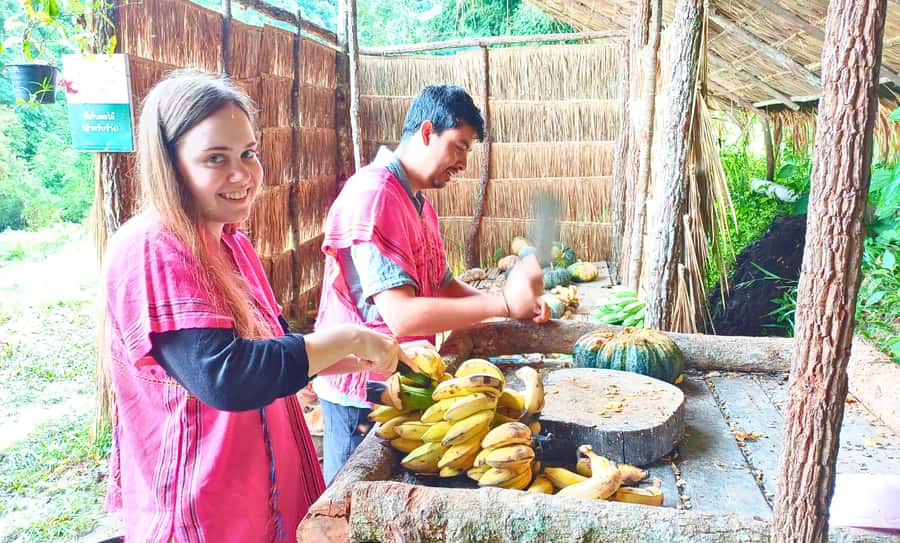
I like that the experience keeps you busy with meaningful actions. You help with tasks like preparing and feeding elephant food, and you also join in quieter responsibilities such as checking elephant health and planting food. That mix gives you context. Feeding isn’t just a moment. It’s part of a routine.
You also get downtime that makes a big difference in how the day feels. The program includes tea at a waterfall, so you’re not stuck in one long line of intense animal time. It’s a practical rhythm: jungle mornings, then a cooler, scenic pause.
The overall vibe is calm. Even if your group is energetic, the day’s pace is about observation and learning. That’s the kind of tourism you’ll actually feel good about later.
You can also read our reviews of more tours and experiences in Chiang Mai



The 9-Hour Plan, With Real Time on the Road
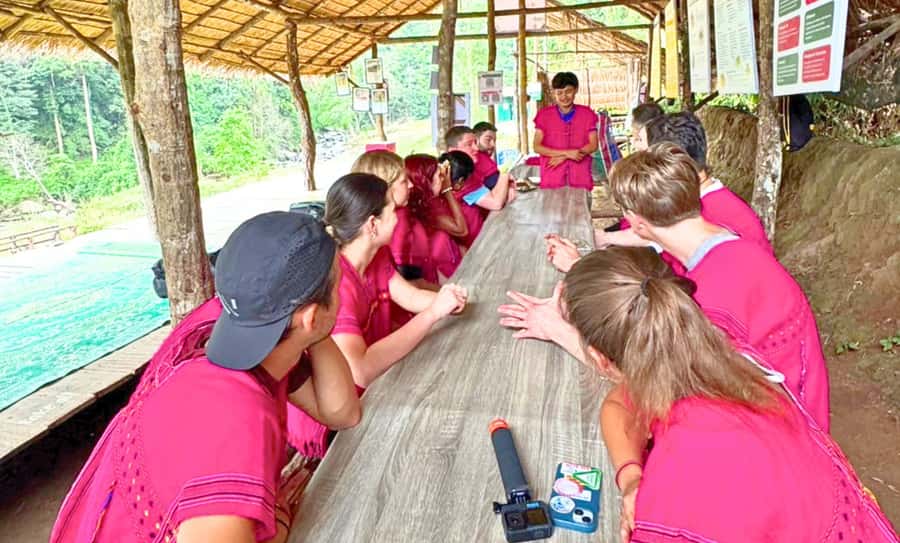
This is a full day, and the schedule reflects that. You start with pickup from your hotel area in Mueang Chiang Mai District (within 5 km of the Old City). Then you ride in a minivan for about 1.5 hours toward Mae Wang District.
Once you’re there, you get guided time for about 2.5 hours with wildlife viewing and a guided tour. After that comes lunch (about 30 minutes). Then you head into the heart of the day: a second 2.5-hour stretch with tea, sightseeing, walking, wildlife viewing, and workshops.
Finally, you’re back on the van for about 1.5 hours to return to Mueang Chiang Mai District.
Why this matters for you: the day is long, so small things become big. Wear shoes you can walk in for hours. Bring insect repellent. And if lunch feels tight (it can be a bit short), you’ll be glad you packed a light snack even though lunch is included.
Also, plan for a lot of road time. The route is described as curvy in people’s feedback, so it’s worth staying hydrated and settling in. If you’re prone to motion sickness, take your precautions before you leave.
Mae Wang District and Wildlife Viewing: What You’re Really Looking For
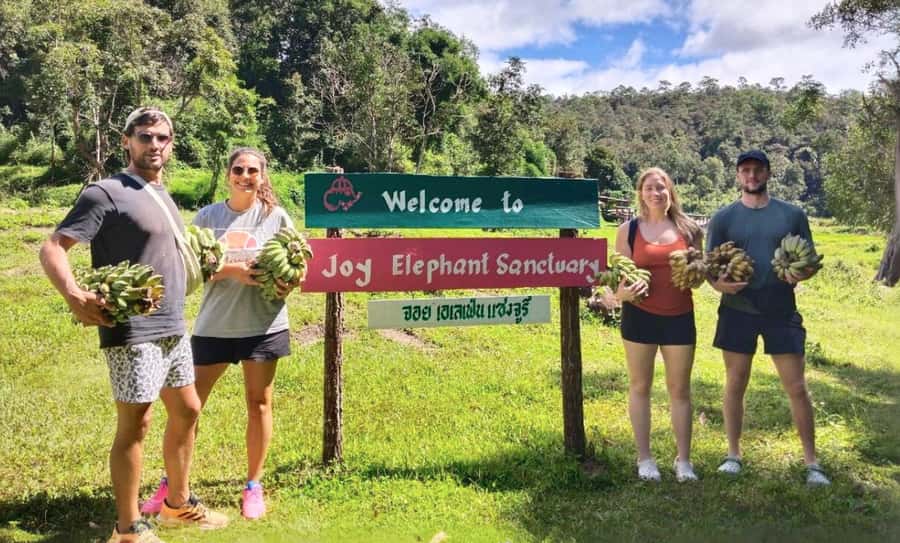
The first big block once you arrive in Mae Wang District is guided tour time with wildlife viewing. This is where you start learning the setting. Elephants aren’t staged in a ring. They roam in a jungle environment where the day’s sights can shift with their movement and natural behavior.
You’re being trained to notice small signals: what the area looks like, how elephants forage, and how the team reads animal behavior. That’s the best kind of introduction because it makes the later feeding and care tasks feel purposeful, not random.
A small note that helps your expectations: you’re in a natural setting, so conditions can change. If your plan is to sprint for the perfect photo, you might feel frustrated. If your plan is to learn what elephants do and why, you’ll find the morning blocks worth it.
Elephant Observation and Feeding: Up Close Without the Wild-Distraction
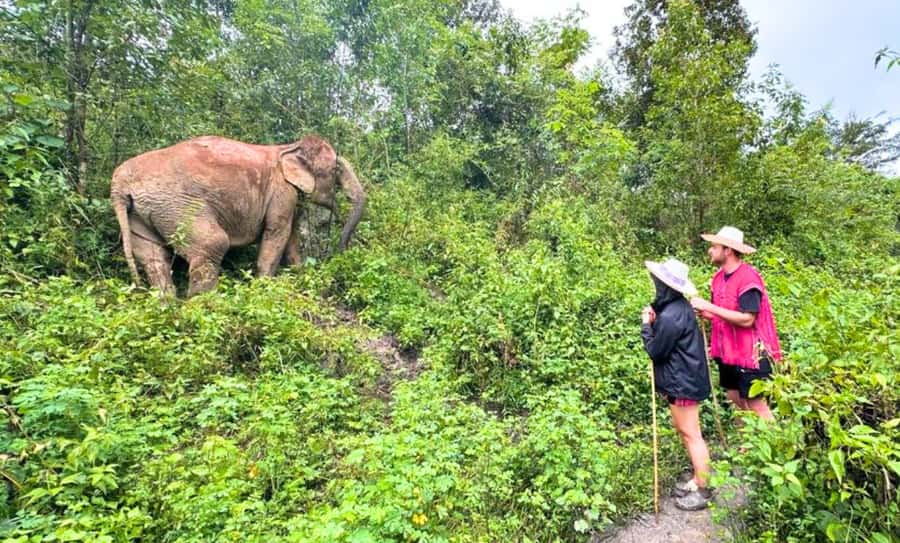
This is the main event: ethical elephant observation and feeding time at Joy Elephant Sanctuary. The day is built around the kind of interaction that helps you understand elephants as animals first, not attractions. You prepare food for the elephants, feed them, and observe how they walk and forage in the jungle.
You’ll also learn about elephant behavior as you watch them move through the environment. That’s a big deal, because it keeps you grounded. You’ll start noticing patterns: when elephants pause to forage, how they use their space, and how they respond to the caretakers’ routines.
One thing I appreciate is the caretakers are the center of the story. The team leads the learning, and the experience is designed around caring responsibilities. Some visitors also mention observing behaviors like mud-bathing, which fits the reality of elephant life in a natural environment. You’re not guaranteed every animal moment, but you’re in the right place for real animal activity.
Practical tip: keep your expectations flexible. The best moments may not happen on a clock. Wear comfortable shoes, stay close to the guide, and don’t rush past the learning points just to chase a quick photo.
Waterfall Tea Break: A Reset That Keeps the Day Pleasant
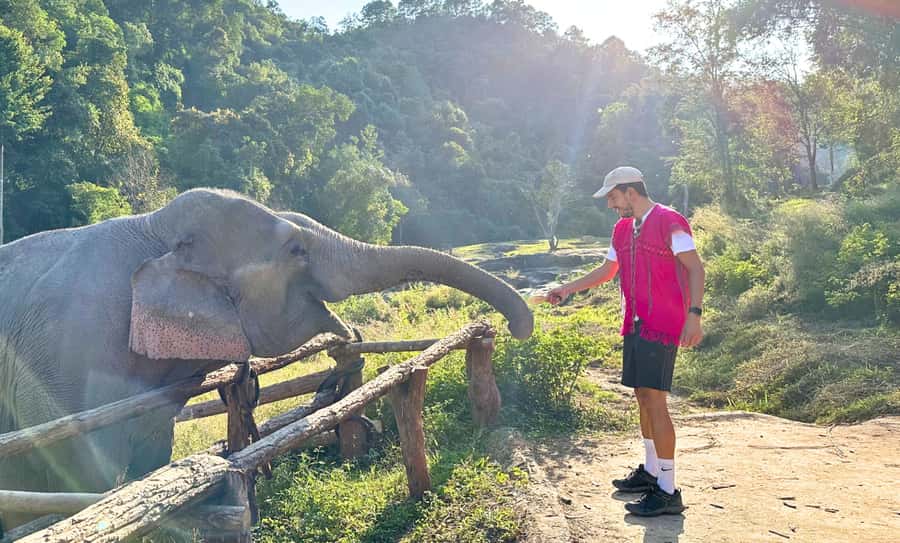
After lunch, the schedule shifts into a calmer stretch. You get tea and guided sightseeing, with time near the waterfall. This is where the experience stops feeling like a nonstop animal encounter and starts feeling like a full day out in the Mae Wang area.
The tea stop matters more than it sounds. A 9-hour day can wear you down. Having a scheduled pause helps you stay alert for the later workshop activities and makes the overall experience feel balanced.
Waterfall areas also tend to be cooler and more open for photos. You’ll likely want your sunscreen ready, though. Even in shade, that Thailand sun can catch you fast.
If you’re sensitive to crowds or noise, the waterfall break is usually a relief. It’s a chance to breathe, reset, and enjoy the jungle scenery without rushing.





Hands-On Care Tasks: Planting, Health Checks, and Food Prep
This program doesn’t just let you stand there. A big part of the day is participation in elephant-care style tasks. You’ll join activities like:
- planting food
- checking elephant health
- making elephant-focused herbal medicine balls
That sequence is smart, because it teaches a chain of care. Planting is the start. Food prep is the middle. Health checks are how caretakers monitor wellbeing. Then the herbal element connects traditional knowledge to daily support.
If you learn best by doing, you’ll like this section. It turns animal watching into practical understanding. And if you’re the kind of traveler who worries about ethical tourism, this kind of structure is a reassuring sign. It’s not a quick interaction. It’s a care-oriented lesson.
One consideration: you should expect light physical effort. You’re walking and participating, so pack comfortable clothes that can handle humidity.
Herbal Medicine Balls and the Thai Handmade Souvenir
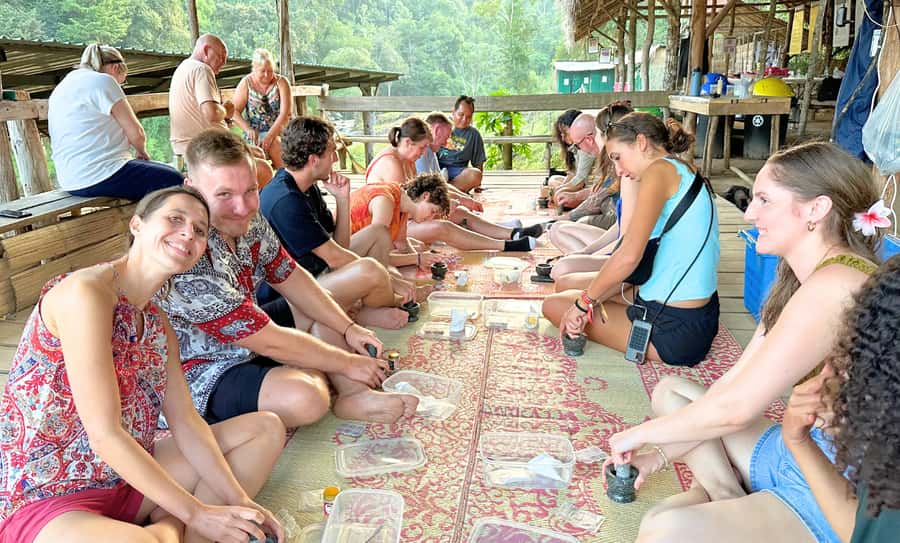
The workshop time is one of the most memorable parts. You learn how to make herbal medicine balls for elephants. It’s a hands-on activity that connects care practices to real materials, so you go home with a story that’s more than just I saw elephants.
This also helps your understanding back in Chiang Mai. Once you’ve seen the herbal workshop format, you’ll be better at spotting which products and claims are normal and which ones are just selling. (You’ll still want to be a skeptic. That’s a good traveling habit.)
You’ll also craft a Thai cultural handmade souvenir. The purpose here is simple: you take home a tangible piece of the day. It makes the experience feel complete, especially if you’re traveling with someone who enjoys crafts, gifts, or cultural hands-on activities.
Note for your expectations: workshops can be messy. Bring clothes you don’t mind getting a little dirty, and remember the tour includes a towel, which helps.
What You Get for $70: Value That’s Actually About Inclusions
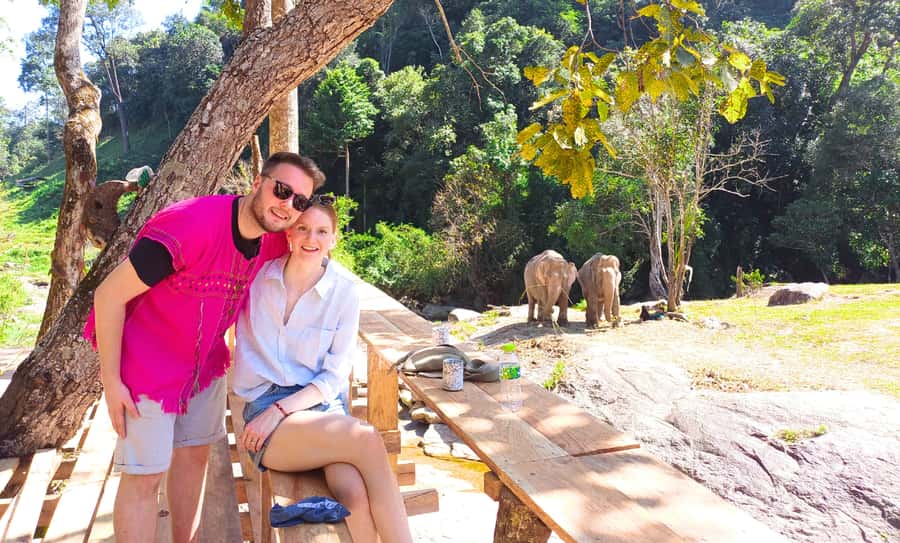
At about $70 per person for a 9-hour day, the value comes from what’s included—not just the elephant time. You get:
- hotel pickup and drop-off (within a 5 km radius of Chiang Mai Old City)
- a tour guide in English
- lunch
- water
- elephant food and snacks
- insurance
- a towel
That matters because it removes the biggest headaches for a day trip: transport and meals. If you tried to arrange a similar ethical visit on your own, you’d likely pay for the same kinds of guided time plus transportation.
You’re also paying for guided learning. The elephant-focused caretaking tasks, health-check learning, and herbal medicine workshop are the kind of extras that cost money when done properly with trained staff.
My practical take: if you want an elephant day that feels responsible and educational, and you don’t want to manage logistics yourself, this price can make a lot of sense. If you only want a quick animal encounter and zero walking, then it’s probably more day than you need.
Packing List and Comfort Tips That Make the Day Easier
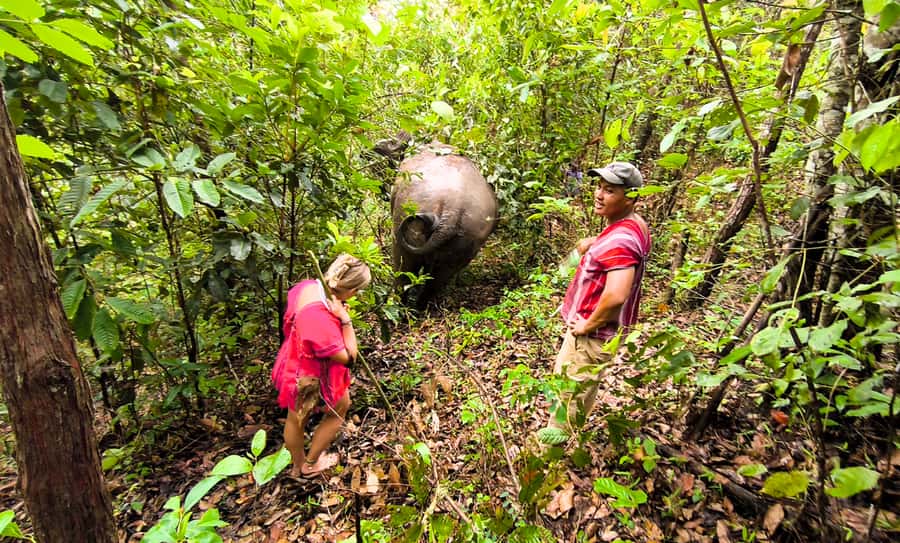
The packing list for this trip is pretty clear, and I agree with it.
Bring:
- comfortable shoes (you’ll be walking and doing hands-on tasks)
- swimwear and a change of clothes (useful around waterfall areas)
- sandals (for less-strict downtime)
- sunscreen
- insect repellent
- any personal allergy medication you need
- and keep a lightweight bag for water and snacks
The tour also includes water and a towel, so you’re not totally on your own.
Not allowed: pets and explosive substances. You can skip the drama and just travel light.
Also, a heads-up: the tour is not suitable for wheelchair users. If mobility is an issue for you, you’ll want to look for an accessibility-friendly alternative.
Who Should Book This Elephant Day (and Who Might Not Love It)
This experience is a strong match if you:
- want ethical elephant interaction focused on observation and care
- like learning about animal behavior and the reasoning behind caretaking
- enjoy hands-on workshops like herbal medicine ball making and Thai crafts
- don’t mind a full day outdoors in heat and humidity
You might think twice if:
- you want a short outing (this is 9 hours)
- you prefer minimal walking or very low physical effort
- you’re sensitive to long van rides and curvy roads
For most people, though, the structure is what wins. Elephant time is meaningful, not rushed. You get a reset at the waterfall. And you come home with both knowledge and a small handmade souvenir.
Should You Book This Chiang Mai Ethical Elephant Sanctuary Tour?
If you’re on the fence, here’s my straight answer: book it if you want a day that feels responsible, guided, and hands-on. The best part isn’t just seeing elephants—it’s the care routine you learn: feeding, observation, health checks, and herbal preparation.
Choose this tour over generic elephant stops if you care about ethics and want context for what you’re doing. Also, it’s easier than DIY because pickup, lunch, water, and elephant food are included.
I’d hold off only if you’re looking for a short experience, have major mobility concerns, or can’t handle a full day outdoors and in a van. Otherwise, this is exactly the kind of Chiang Mai day trip that leaves you feeling both entertained and informed.
FAQ
How long is the Chiang Mai Full Day Ethical Elephant Sanctuary & Waterfall experience?
It lasts about 9 hours.
Is hotel pickup and drop-off included?
Yes. Pickup and drop-off are included by minivan for accommodation within 5 km of Chiang Mai’s Old City.
What meals are included?
Lunch is included, and water is provided during the tour.
Does the tour include a guide, and what language is it in?
Yes, there is a live tour guide in English.
What activities will I do with the elephants?
You’ll prepare elephant food, feed and observe elephants, and learn about elephant behavior. You’ll also join caretaking tasks such as planting food and checking elephant health.
What should I bring, and what items are not allowed?
Bring comfortable shoes, swimwear, a change of clothes, sandals, sunscreen, insect repellent, and any allergy medication you need. Pets and explosive substances are not allowed.