REVIEW · CHIANG MAI
Chiang Mai: Doi Inthanon National Park Private Tour
Book on GetYourGuide →Operated by Beyond Experience · Bookable on GetYourGuide
Doi Inthanon is where Chiang Mai swaps heat for cool mountain air. On this private tour, you get guided access to Thailand’s highest point, plus the Twin Royal Pagodas area, Wachirathan Waterfall, and a Karen Hill Tribe village visit. I like that you can choose your pace with three tour styles (easy sightseeing, a Kew Mae Pan trek, or a Pha Dok Sieo trek). I also like that you’re not rushed through culture stops; you get time at the village and market as part of the day’s flow. One drawback to flag: the trekking options need a solid fitness level, and the Kew Mae Pan Nature Trail has a seasonal closure.
This is also a practical way to see Doi Inthanon without playing transport roulette. You get hotel pickup across Chiang Mai’s main areas, an English-speaking professional guide, and clear support like walking sticks for trek days. If you’re traveling in a small group and want the day to feel manageable rather than chaotic, the private format helps a lot.
In This Review
- Key Points You’ll Care About
- From Hotel Pickup to The Roof of Thailand
- Three Options: How to Match Doi Inthanon to Your Day
- The Summit and the Best Reason to Wake Up Early
- Twin Royal Pagodas: Where the Views Meet the Meaning
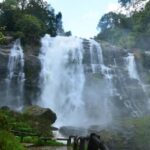
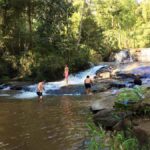
- Wachirathan Waterfall: Short Time, Big Payoff
- Karen Hill Tribe Village and Market: Culture Stop With Context
- The Trek Reality Check: Cloud Forest Walking vs Waterfalls and Terraces
- Option 2: Kew Mae Pan Nature Trail
- Option 3: Pha Dok Sieo Nature Trail
- Lunch Inside the Day: Fuel for the Cold and the Climb
- English Guide + Private Format: The Real Comfort Factor
- Price and Value: Is $144 Reasonable?
- What to Pack (And What Not to Do)
- The Best Fit: Who This Private Doi Inthanon Tour Is For
- Should You Book This Private Doi Inthanon Tour?
- FAQ
- How long is the Chiang Mai Doi Inthanon private tour?
- Do you get hotel pickup in Chiang Mai?
- What are the three tour options?
- Is lunch included?
- Are there trekking options for children?
- Which guide languages are provided?
- Is the Kew Mae Pan Nature Trail available year-round?
- What should I bring?
- Is this tour suitable for everyone?
Key Points You’ll Care About
- Choose your version of Doi Inthanon: non-trekking sightseeing, Kew Mae Pan ridge hike, or Pha Dok Sieo trail with coffee and terraces
- A guided Karen Hill Tribe visit and market is built into every option, not tacked on at the end
- Twin Royal Pagodas + summit time means you get both the views and the cultural landmark in one trip
- Lunch inside the experience: Thai restaurant meal plus light snacks and drinking water
- Treks run with proper guidance: a local tribal guide joins for Options 2 and 3
- Season matters: Kew Mae Pan Nature Trail closes June 1 to October 31
From Hotel Pickup to The Roof of Thailand
Your day starts with pickup from your hotel somewhere in Chiang Mai district, including the Old City, Nimmanahaeminda Road, Tha Phae Road, Chang Klan, and other central areas. You’re not hunting for a meeting point, and you avoid that awkward “what time does everyone gather” stress.
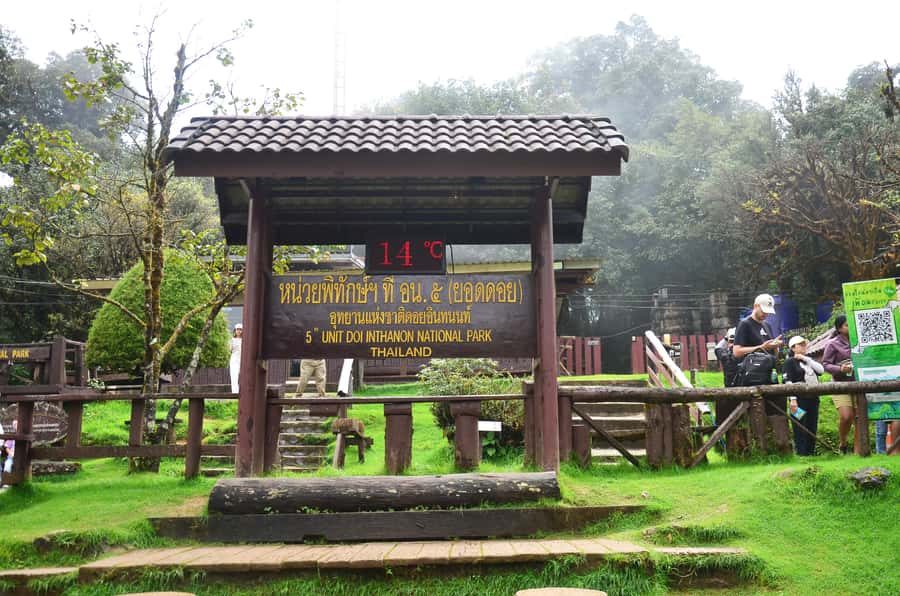
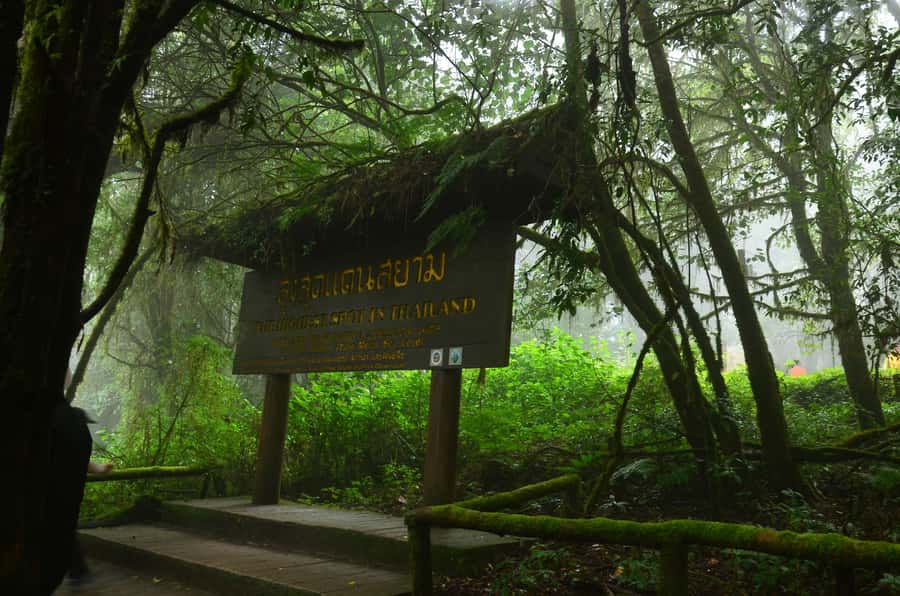
The drive heads up into the Doi Inthanon area, which covers about 482 square kilometers and changes noticeably as you gain elevation. That matters because it’s not just a single-style hike—your tour day moves through different ecosystems, from lower, warmer forest feel to cooler summit highland conditions. You’ll feel it as you go: morning can feel mild, then the air turns crisp enough that you’ll wish you dressed for layers.
You’ll also get an early chunk of guided time—there’s a first stop that includes a photo opportunity and a guided walk. Since the exact spot depends on the route plan for your day, think of this as your warm-up for the park: a chance to understand what’s next, not just to “tick boxes.”
You can also read our reviews of more private tours in Chiang Mai

Three Options: How to Match Doi Inthanon to Your Day
This tour is built around three different ways to experience Doi Inthanon. The big advantage for you is that you’re not stuck doing the same effort level as everyone else.
Option 1: Non-Trekking Sightseeing
This is the best fit if you want maximum landmark time with minimal walking. You’ll go to the summit area first (Thailand’s highest point), then continue to the Twin Royal Pagodas area. After that, you’ll visit the Karen Hill Tribe village and market, and then head to Wachirathan Waterfall.
Option 2: Kew Mae Pan Nature Trail Trek
Pick this if you want nature walking through cooler cloud forest vibes. Your hike follows a mountain ridge with panoramic viewpoints, with regular rest stops along the way. You’ll also be able to watch for native flora and birdlife as you go, which is a nice change from purely photo-stop travel. This option includes a local Hmong guide, plus the same major cultural and waterfall stops.
Option 3: Pha Dok Sieo Nature Trail Trek
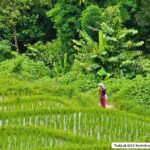
This one leans scenic and agricultural. Expect multiple waterfalls, views connected to rice terraces, and a coffee plantation stop. You’ll interact with the Karen community and learn about traditional farming methods, then wrap up with the summit and Wachirathan Waterfall.
If you’re unsure, be honest about your walking comfort. The day is 8–9 hours either way, so you’re committing to a full experience. Trek days also come with walking sticks for support.
The Summit and the Best Reason to Wake Up Early
In every version of the tour, you work toward the high point of the day by including the summit experience at Doi Inthanon, Thailand’s highest peak. On an organized day trip, this is smart because you get the altitude highlight with a guide handling the route and timing.
You’ll also notice how the day is structured around views. The itinerary doesn’t just run from point A to point B. There’s time set for photos and guided explanations, plus walking time that’s paced for a full day rather than a sprint.
Practical tip: treat your summit time as a photo and posture moment. Even if you’re not doing a long hike, plan for cool air, changing light, and the fact that elevation can make you feel a bit windier than you expected. If you bring a power bank, this is also a good time to top up—your phone will work harder taking summit photos.
Twin Royal Pagodas: Where the Views Meet the Meaning
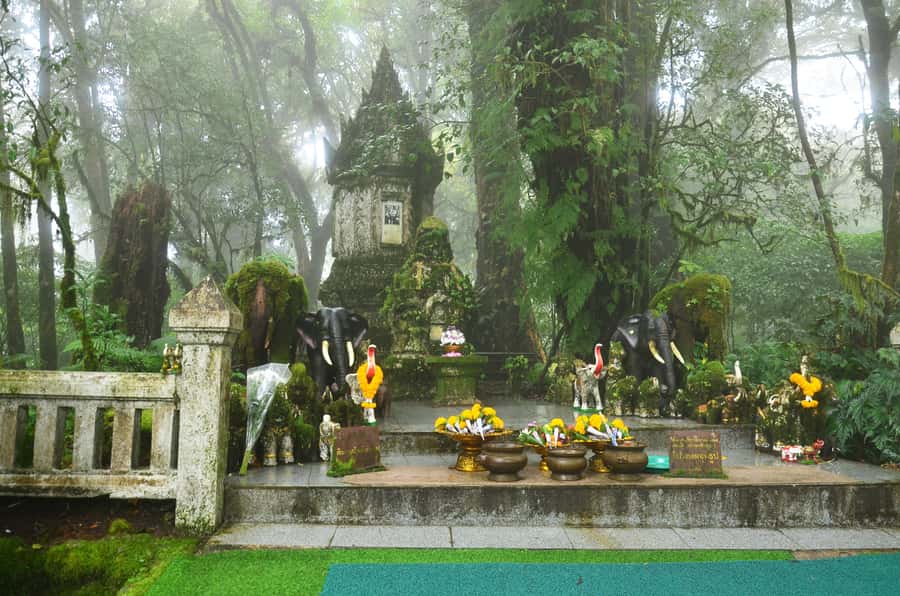
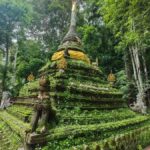
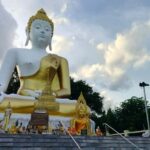
After the summit section, you head to the Twin Royal Pagodas area, including Grand Pagoda Nabhapolbhumisiri. This is one of the most “Thai” landmark stops on the route, and it’s not just for looks.
The pagodas give you a different kind of perspective: instead of looking outward at nature only, you’re looking at how a place can carry culture and symbolism at high altitude. The guide helps connect what you’re seeing to the region and its traditions, so it feels less like “take picture, move on.”
You’ll likely have walking time around the area as part of the guided sightseeing. That’s useful because you can get your angle without feeling like you’re stuck standing in one spot.
If you’re the type who likes a little structure to a travel day, this is the stop that adds it: nature, then culture, then waterfall, then village—everything has a rhythm.
Wachirathan Waterfall: Short Time, Big Payoff
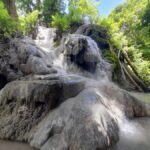
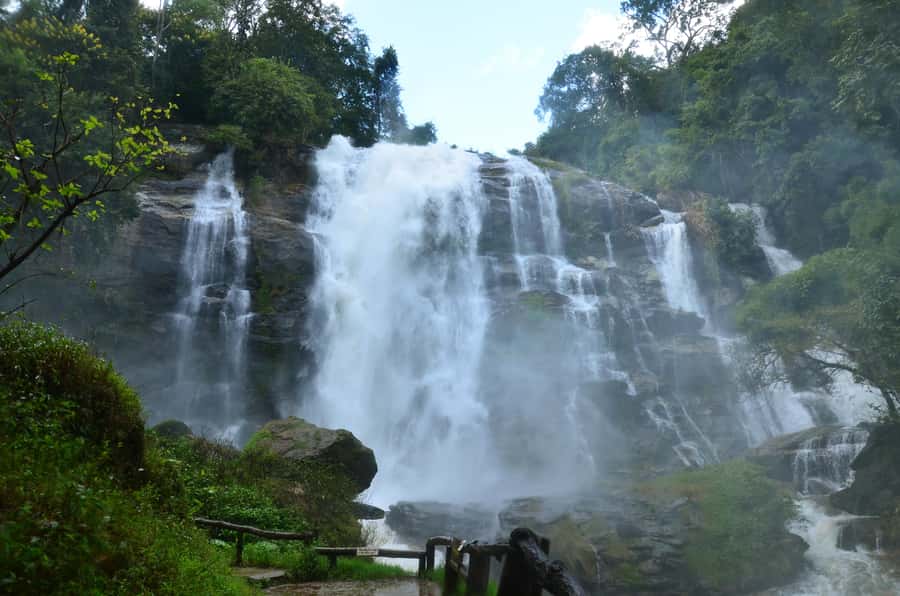
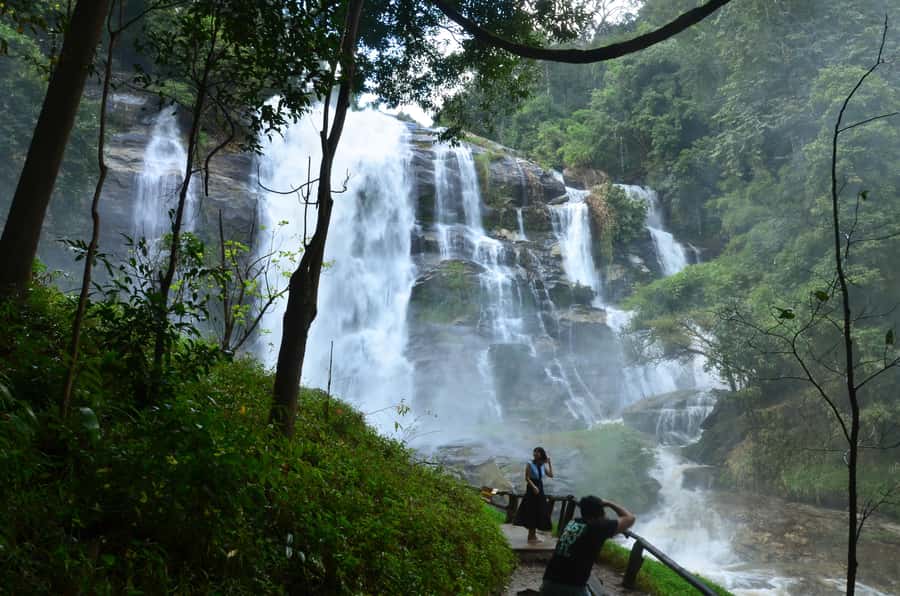
Wachirathan Waterfall is on the itinerary for every option. The actual time at the waterfall is relatively brief, including some free time plus a short walk segment (about 30 minutes noted for this portion).
That short schedule is a feature, not a bug. You get the main waterfall moment without draining your energy before lunch or before the cultural village stop. It also makes sense for people doing trekking options, because you still need energy for the later ridge/trail segments.
Wear shoes that can handle damp ground. Even if you’re not doing a long waterfall hike, waterfall areas tend to be slick. And if you’re doing a trek option that day, you’ll appreciate having walking sticks earlier, since your legs will already be doing work.

Karen Hill Tribe Village and Market: Culture Stop With Context
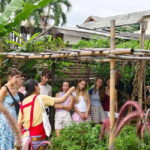
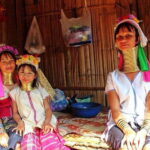
One of the strongest parts of this day trip is that the Karen Hill Tribe village and market visit isn’t just a checkbox. It’s included across all three tour versions, so it anchors your day in human geography, not only elevation and scenery.
In trekking options (especially Option 3), you go a step deeper. You can interact with the Karen community and learn about traditional farming methods. That’s a meaningful pairing with the Pha Dok Sieo trail, where you also see rice-terrace views and a coffee plantation stop.
You’ll also have market time, which is where you can slow down and observe what daily life looks like in a place that’s still connected to agriculture and local trade. If you like traveling with respect and curiosity, this stop is where your questions and attention will pay off.
Photo note: keep it comfortable. Ask before photographing people, and remember that markets are working spaces, not a staged attraction.
The Trek Reality Check: Cloud Forest Walking vs Waterfalls and Terraces
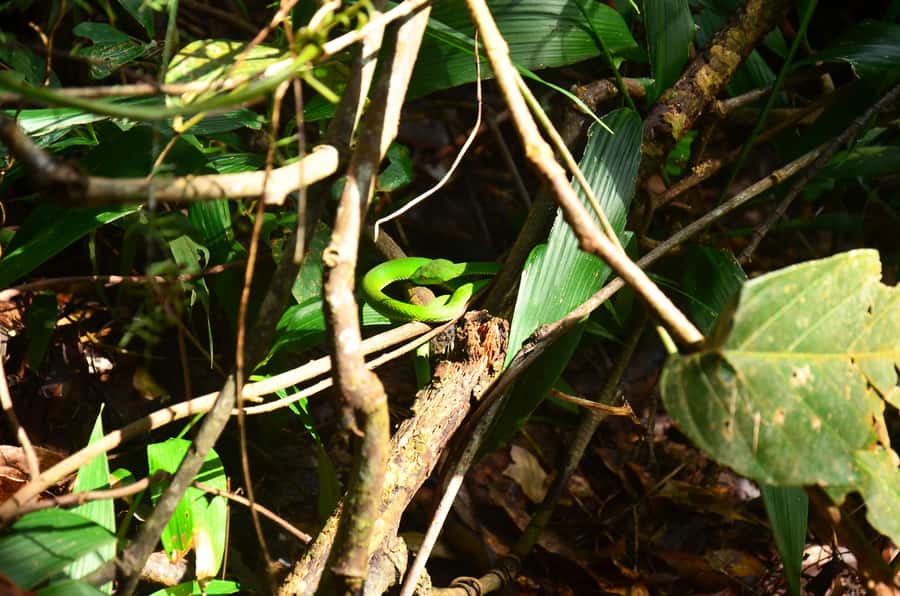
The trekking options are where the day becomes more than a sightseeing route.
Option 2: Kew Mae Pan Nature Trail
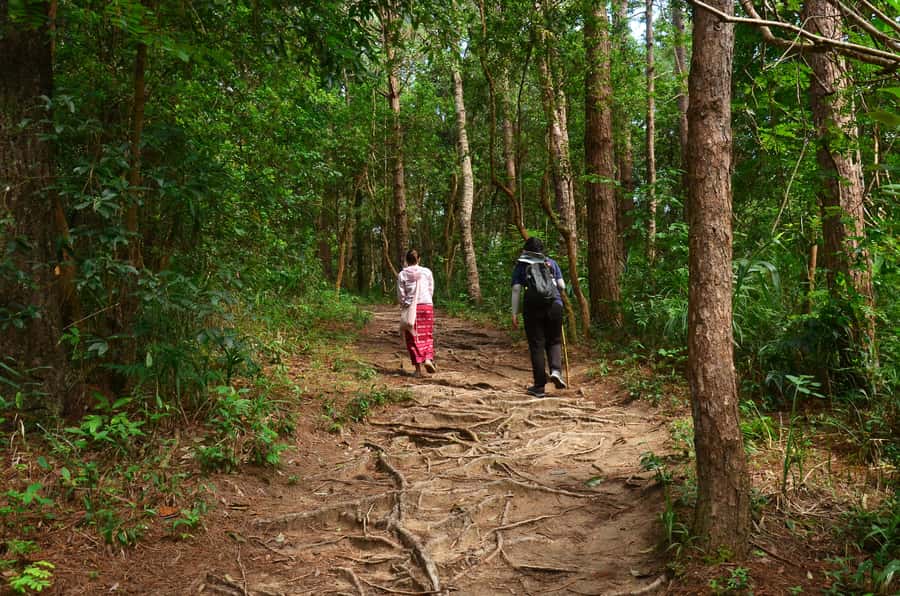
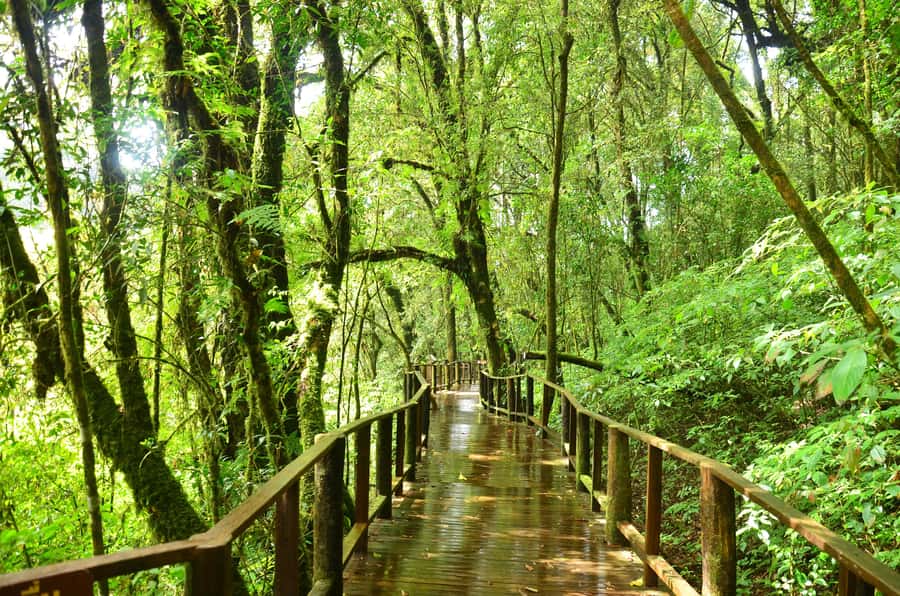
Kew Mae Pan is described as a nature trail through cloud forest conditions. You’ll walk along a mountain ridge, stop at panoramic viewpoints, and have rest stops built in. There’s also a focus on native flora and birdlife, which is great if you want nature interpretation rather than only scenery.
Also keep an eye on timing: the Kew Mae Pan trail portion is listed around 2.5 hours. It’s long enough to feel like a real hike, but still structured into a day that includes culture and waterfall time.
Season warning: Kew Mae Pan Nature Trail closes from June 1 to October 31. If you travel during those months, you’ll want to choose Option 1 or Option 3 instead.
Option 3: Pha Dok Sieo Nature Trail
Pha Dok Sieo is framed around waterfalls plus agriculture visuals. You’ll stop at multiple waterfalls, take in views connected to rice terraces, and visit a coffee plantation. That combo gives you a more “how people live here” feel than a pure forest walk.
This option also includes a local tribal guide and a Karen interaction focused on traditional farming methods. If you’re the kind of traveler who likes learning through everyday activity—how crops are grown, how communities farm—this can be your best match.
Lunch Inside the Day: Fuel for the Cold and the Climb
Lunch is part of the plan, and it matters because you’ll be out for about 8–9 hours. Trek options include a local lunch at a Thai restaurant during the day, with light snacks and drinking water included.
I like that this is scheduled rather than “go find something nearby.” In a national park area, getting your meal right can be the difference between enjoying the day and feeling cranky because you’re hungry and delayed.
Practical tip: if you’re prone to getting chilled at higher elevation, eat and drink early enough to keep energy up. Even on a walking day, you’re not just sightseeing—you’re changing elevation and temperature.
English Guide + Private Format: The Real Comfort Factor
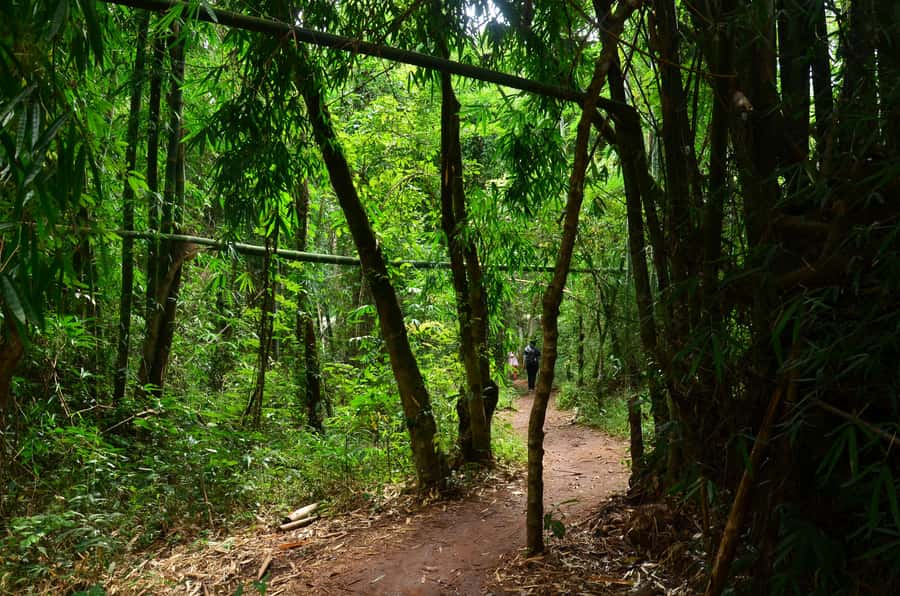
This is a private group with an English-speaking professional guide. That sounds straightforward, but it has a real effect on your day. You get explanations that fit your pace and your interests, and you can ask questions when you actually care about the answer.
On trek options, there’s also a local tribal guide involved (Hmong guide for Option 2 and a Karen-focused interaction within Option 3). That matters because language and cultural context change what you notice. You’re not only looking at scenery; you’re getting help reading what you see.
The reviews add one more layer of confidence: the guide and driver partnership is highlighted as attentive and safe. One booking specifically mentioned guide Jen and driver Mr. Dawn working as a strong team, with calm, clear communication in good English.
Private tours also tend to reduce the “we’re all waiting” problem. Even if your day is busy, the flow stays under control.
Price and Value: Is $144 Reasonable?
At $144 per person for an 8–9 hour private day trip, this can be good value if you add up what’s included.
You’re getting:
- a professional English-speaking guide
- round-trip transportation from your Chiang Mai hotel area
- lunch, light snacks, and drinking water
- national park entrance fees if your selected option includes them
- accident insurance
- walking sticks for trek options
- local tribal guide involvement on trekking options
- and you’re not paying extra for the core route stops
Not included: personal expenses and gratitude.
So the key question for you is this: do you want a guided, scheduled day that handles transport, timing, and the culture stops for you? If yes, $144 doesn’t feel overpriced. If you’re already planning to rent a car and build a route with multiple trail conditions, then the value depends on your ability to do it smoothly. Most people find this private structure is the easier way to get the whole package.
What to Pack (And What Not to Do)
Bring:
- camera
- insect repellent
- cash
- personal medication
- ID card (a copy accepted)
- power bank
Also dress for changing weather. Conditions vary, and that’s part of Doi Inthanon’s character. You might need layers even if Chiang Mai starts warm.
Good fitness level is required for trekking options. And this tour isn’t suitable for:
- children under 4 years
- pregnant women
- people with mobility impairments
- people with heart problems
One more practical note: smoking isn’t allowed.
If you’re doing a trek option, take the walking sticks seriously. They aren’t a gimmick—they’re helpful for stability on uneven ground.
The Best Fit: Who This Private Doi Inthanon Tour Is For
Choose this tour if you want a full, guided day from Chiang Mai that combines:
- Thailand’s highest point (summit experience)
- a major cultural landmark (Twin Royal Pagodas)
- a waterfall stop (Wachirathan)
- and a Karen Hill Tribe village and market experience
It’s especially good for couples and small groups who want flexibility between sightseeing and trekking. It’s also a smart choice if you care about local context—having guides and structured cultural time reduces the chance you’ll feel like you’re just passing through.
If you’re traveling in the season when Kew Mae Pan closes (June 1 to October 31), consider Option 1 or Option 3 to keep your day intact.
Should You Book This Private Doi Inthanon Tour?
Book it if you want an organized, safe-feeling highland day that actually covers both nature and culture, with English guidance and included food and transport. The structure matters: you’re not guessing where to go, and you’re not forced into one fitness level.
Hold off or choose a different option if you’re not comfortable with trekking. Also plan around the Kew Mae Pan closure dates. If you want the highest probability of an enjoyable day, match the option to your energy—then show up with insect repellent, layers, and shoes that grip.
If your ideal Chiang Mai day trip includes Thailand’s roofline summit, pagodas, a real waterfall, and a Karen village visit as a core part of the schedule, this is a strong pick.
FAQ
How long is the Chiang Mai Doi Inthanon private tour?
It runs about 8 to 9 hours.
Do you get hotel pickup in Chiang Mai?
Yes. Pickup is available throughout Chiang Mai district, including areas like the Old City, Nimmanahaeminda Road, Tha Phae Road, and Chang Klan.
What are the three tour options?
You can choose a non-trekking sightseeing tour, a Kew Mae Pan Nature Trail trek, or a Pha Dok Sieo Nature Trail trek.
Is lunch included?
Yes. Lunch and light snacks are included, along with drinking water.
Are there trekking options for children?
Child age pricing for trekking options is listed for ages 4 to 10 years. The tour is not suitable for children under 4.
Which guide languages are provided?
The tour is offered with an English-speaking live guide.
Is the Kew Mae Pan Nature Trail available year-round?
No. The Kew Mae Pan Nature Trail closes from June 1st to October 31st.
What should I bring?
Bring a camera, insect repellent, cash, personal medication, an ID card (a copy is accepted), and a power bank.
Is this tour suitable for everyone?
No. It’s not suitable for people with mobility impairments, pregnant women, people with heart problems, and children under 4 years. Smoking is also not allowed.