REVIEW · CUSCO
1 day excursion to Qeswachaka bridge and the 4 lagoons
Book on GetYourGuide →Operated by Journey Peru SAC · Bookable on GetYourGuide
A 600-year-old bridge keeps moving. This 1-day Cusco excursion pairs the Qeswachaka suspension bridge with four Andean lagoons, starting before sunrise and filling the day with guided photo stops and real high-Andes scenery. You’re not just looking out the window; the route is built around viewpoints, birdwatching time, and explanations that connect what you see to the place.
I love the sheer engineering of the Qeswachaka bridge and the fact you get real guided context while you’re there. I also really like how the day spreads you across four different lagoons, not one stop, so the scenery changes and your chances to spot wildlife get better.
One thing to consider: this is a long day with a long drive, and if road conditions are rough or the bridge area has access limits that day, the experience can feel less flexible than you’d hope.
In This Review
- Key highlights to look forward to
- Qeswachaka and the Four Lagoons: what makes this Cusco day click
- 4:00 a.m. pickup and the long van ride south
- Breakfast in Cusipata and route stops that add context
- Quehue and the Qeswachaka suspension bridge: Inca engineering up close
- The four lagoons: Pomacanchi, Acopia, Asnacocha, Pampamarca
- Pomacanchi Lagoon: the biggest stop and the birdwatching moment
- Acopia Lagoon: a quick “few kilometers away” change of scenery
- Asnacocha Lagoon: mineral character you can expect to notice
- Pampamarca Lagoon: the final natural payoff
- Photography, timing, and the possibility of time on the water
- Lunch back in Cusipata and how the day lands at 18:00
- Price and value for a 1-day Cusco circuit
- Who this tour suits best (and who should choose another plan)
- Should you book the Qeswachaka bridge and four lagoons tour?
- FAQ
- What time is pickup in Cusco?
- How long is the tour?
- What meals are included?
- Is transportation included?
- What languages are available for the guide?
- Are entrance fees included?
- What should I bring?
- Is alcohol allowed on the tour?
- Is the tour suitable for wheelchair users or people with heart problems?
Key highlights to look forward to
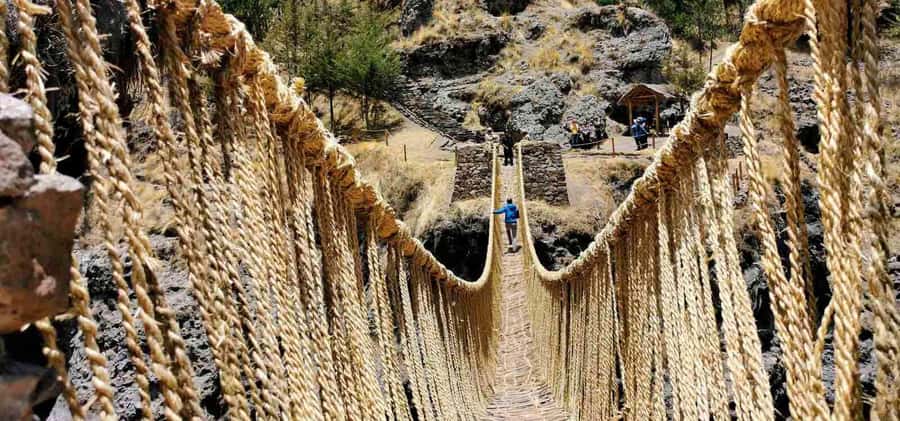
- Qeswachaka suspension bridge: the last Inca-origin bridge you can still experience in person
- Four lagoons, four vibes: Pomacanchi, Acopia, Asnacocha, and Pampamarca
- Pomacanchi bird life: a stop especially good for watching birds
- Asnacocha minerals: a lagoon noted for its mineral character
- Guides who explain what matters: including bridge details and route observations like plants and local waypoints
- A full day that’s mostly outdoors: short stops, quick photo windows, then you’re off again
Qeswachaka and the Four Lagoons: what makes this Cusco day click
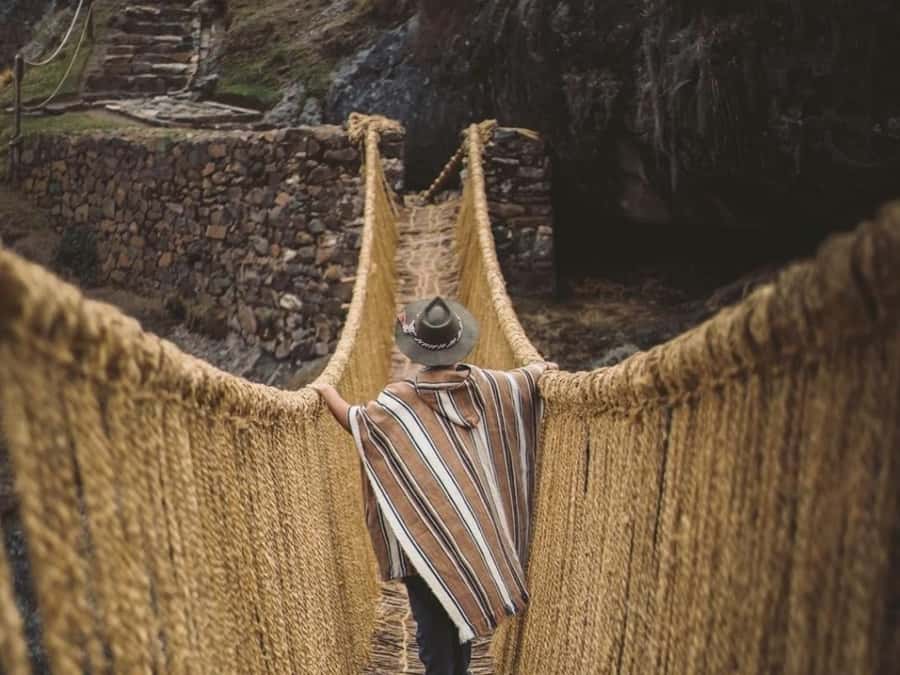
This is the kind of trip that works because it’s not trying to cram in ten attractions. Instead, you get one iconic stop—Qeswachaka—then you spend the rest of the day moving between lagoons with enough variety to keep things interesting.
I like that the experience is built around seeing and understanding, not just being transported. Your bilingual guide (English and Spanish) helps you make sense of the bridge and the natural features you’ll notice at each lagoon, which is especially helpful if you’re not already familiar with the Cusco-region high Andes.
Also, it’s great value for a $50-per-person day because your core costs are covered: transport, a bilingual guide, breakfast, and lunch.
You can also read our reviews of more tours and experiences in Cusco
4:00 a.m. pickup and the long van ride south
The day kicks off early: you’re picked up from your hotel near the historical center of Cusco at 4:00 a.m. Then you head south toward the lagoon circuit and the bridge area.
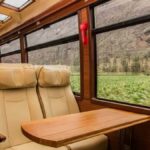
That early start is the price you pay for two things: fewer crowds at viewpoints and daylight for all the stops. The tradeoff is obvious—this is a lot of time in the van. One participant noted the ride can feel cramped in the vehicle if you’re taller, and another pointed out that the drive is not just about altitude; it also involves roads with turns that can be physically demanding.
If you’re prone to motion sickness, pack for it. And if you want comfort, wear layers you can adjust quickly because mountain mornings can swing from chilly to bright fast.
Breakfast in Cusipata and route stops that add context
Before you reach the bridge zone, you’ll stop in the village of Cusipata for breakfast. It’s a smart setup because it gives you real fuel before a long stretch outdoors, plus it breaks up the drive so you don’t feel like you’ve been sitting forever.
On the way, guides may point out route observations beyond the main targets—things like local plants, small waypoints, or other brief stops that help you understand what you’re passing. In other words, the day doesn’t feel like a straight highway to the next photo spot.
One practical tip: keep your camera easy to grab. There can be good moments in transit, and you’ll save time when the guide calls out a viewpoint or explanation moment.
Quehue and the Qeswachaka suspension bridge: Inca engineering up close
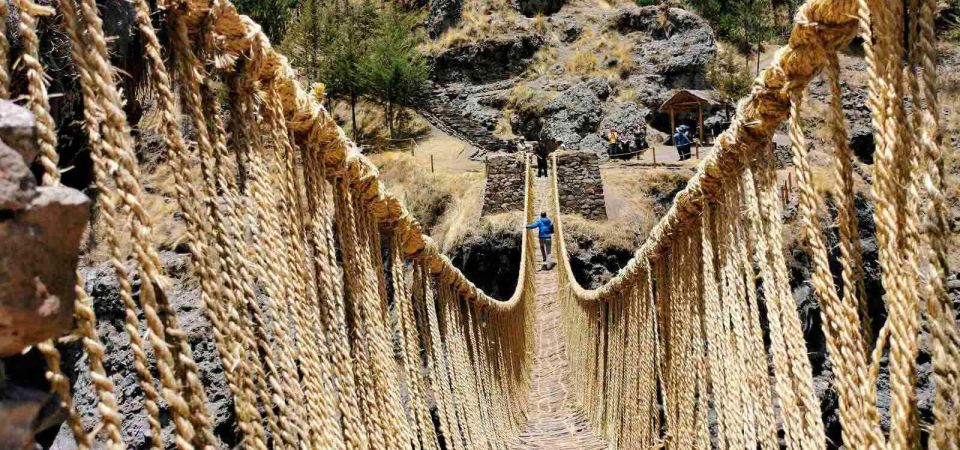
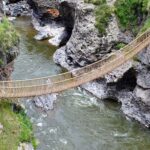
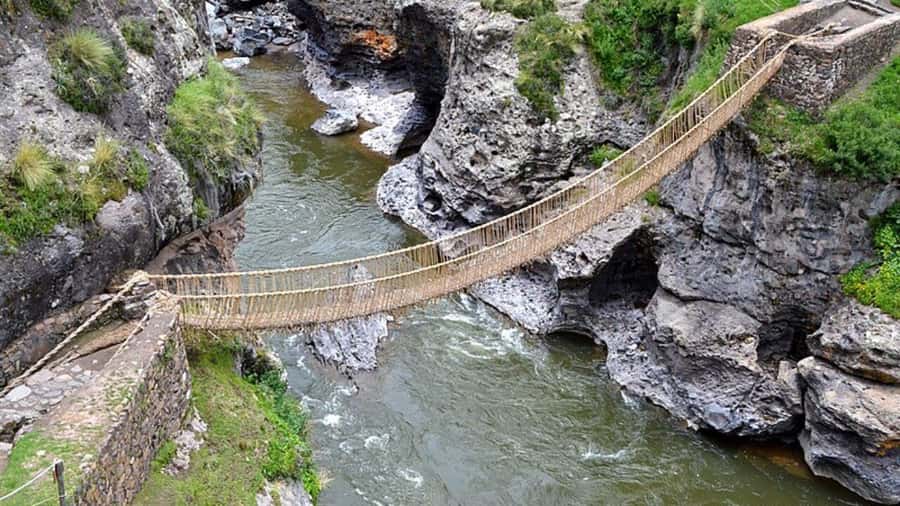
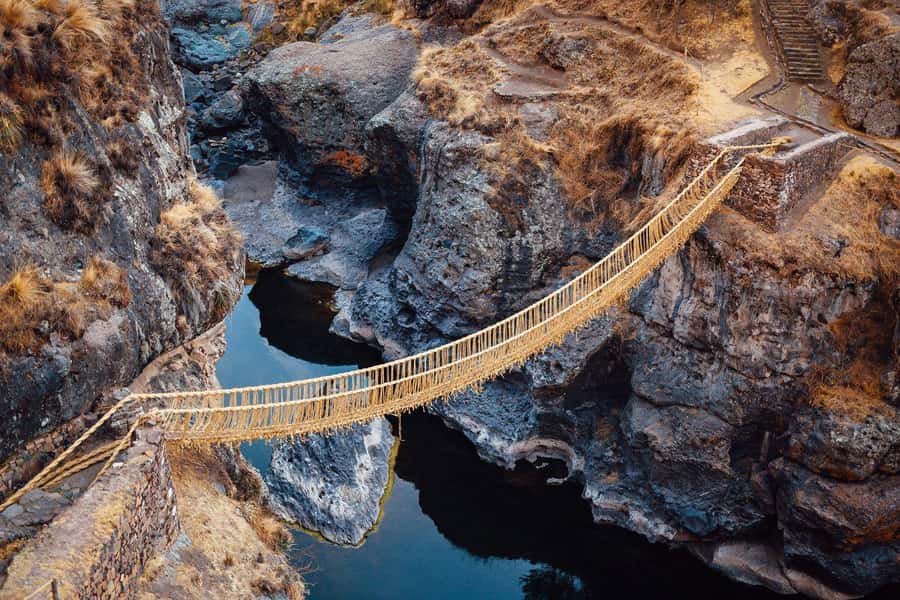
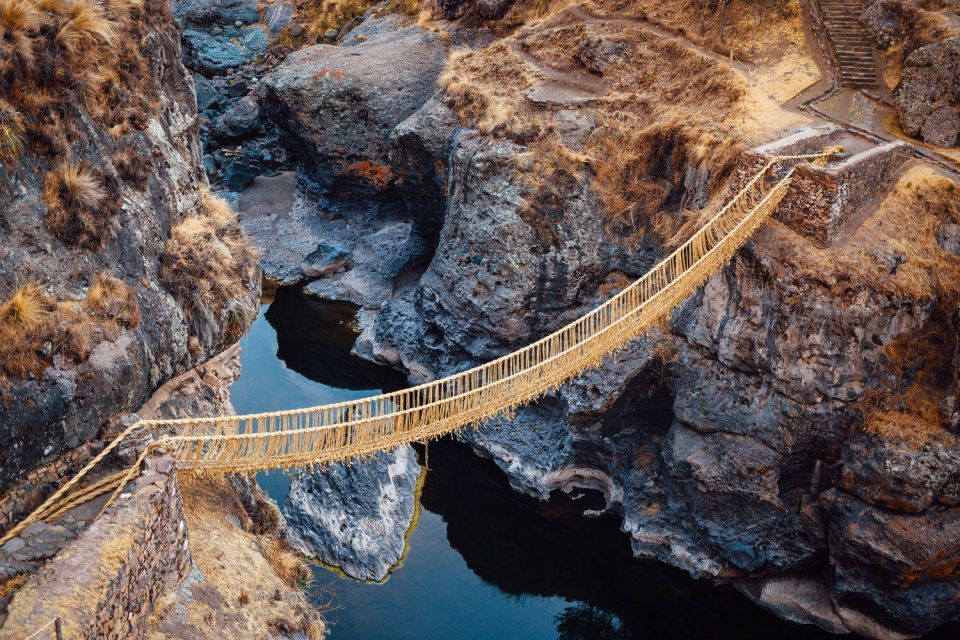
Qeswachaka (also seen as Queswachaca in some spellings) is the highlight, and it’s the kind of place where you instantly understand why it matters. This is the last suspension bridge of Inca origin that still connects communities the old way, using materials and technique tied to tradition.
You’ll reach the bridge area near Quehue, where you have time to take pictures and your guide gives a brief explanation. Then, after the lagoon circuit, you return for another look at the bridge zone and another photo window. That second round matters because lighting and angles change, and it gives you time to settle into what you’re seeing.
One careful note: the tour experience is described as observation with photo time, not a guaranteed bridge walk. Still, access can depend on conditions. For example, one day the bridge was cut off for access and participants couldn’t cross. The key takeaway: plan on admiring and photographing the bridge even if crossing isn’t possible, and keep expectations flexible.
If you’re the type who loves details, pay attention to the guide’s explanation here. One participant specifically praised the guide for lots of bridge information during the stops.
The four lagoons: Pomacanchi, Acopia, Asnacocha, Pampamarca
After the first bridge stop, the itinerary shifts into lagoon mode. The pattern is straightforward: you move between lagoons by car, then spend time on foot to look, breathe, and take photos before continuing.



Pomacanchi Lagoon: the biggest stop and the birdwatching moment
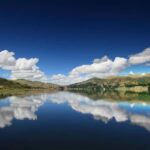
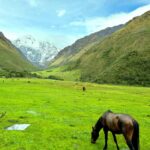
Pomacanchi is considered the largest of the four lagoons. That scale shows in how the water sits in the valley and how your view opens up when you’re standing at the right angle.
It’s also known for a great variety of birds, so this is the best moment to slow down and scan. If you’re into wildlife, give yourself extra time here—birds don’t always cooperate on a schedule, and it’s worth waiting for movement rather than rushing through.
Acopia Lagoon: a quick “few kilometers away” change of scenery
Acopia is a few kilometers from Pomacanchi. Translation: you won’t feel like you’re changing regions so drastically, but you’ll feel a shift in the water setting and the surrounding slopes.
This is where the trip earns its “four-lagoon” identity. You’re not just seeing one body of water from one viewpoint; you’re getting repeated chances to notice differences in color, shoreline edges, and bird activity patterns.
Asnacocha Lagoon: mineral character you can expect to notice
Asnacocha is described as rich in mineral resources. Without turning it into a geology lecture, that note often shows up visually in how the water and shoreline appear and in what the guide points out while you’re there.
This stop works well if you like nature experiences that are more than just scenery. Minerals hint that the lagoon has a different chemistry than what you’re used to at lower elevations, which is part of why high Andes water bodies can look so distinct.
Pampamarca Lagoon: the final natural payoff
Pampamarca is the last lagoon on the circuit, and it’s set up as a place where you’ll enjoy a beautiful natural environment before heading back toward the bridge area and eventually Cusipata for lunch.
This “finish line” stop can feel like a reset for your senses. By the time you reach Pampamarca, you’ve already made three natural comparisons, so you’ll notice what changes—and what stays similar—across the full route.
Photography, timing, and the possibility of time on the water
This day is structured around short, planned windows. You get time to take photos near the bridge, and you get time at each lagoon, but you’re not meant to linger all afternoon.
That’s why camera strategy matters. Bring a lens you can use comfortably at viewpoint distances, and don’t forget to protect it from dust and sun—high altitude glare can be intense, and you’ll likely spend hours outdoors.
One participant also mentioned a boat ride as part of their experience. The tour details you’ll see may not always highlight it in the same way, but if your day includes water time, it can be one of the best ways to feel the scale of the lagoons. If you care about that, ask your guide on the morning of the trip if there’s any water-based activity scheduled.
Either way, keep your schedule in mind. After the guided lagoon visits, the day moves back toward Cusipata.
Lunch back in Cusipata and how the day lands at 18:00
After the guided visits, you return to Cusipata for lunch. This is a big deal because it breaks up the day and gives you a proper meal after hours of cold mornings, sun exposure, and walking at altitude.
Then you head back to Cusco, with an approximate arrival time of 18:00 p.m. That timing is also useful for planning your evening back in town. You’ll likely be tired, so it’s smart to keep plans light after you return.
Food included is breakfast and lunch. Foods not mentioned aren’t included, so if you want snacks or drinks beyond what’s provided, bring them from Cusco or plan to buy them separately.
Price and value for a 1-day Cusco circuit
At $50 per person, this is one of those deals that works when you actually use what’s included.
What you get for the price:
- Pickup from your hotel area near the Cusco historical center
- Transportation for the full circuit
- Bilingual guide (English and Spanish)
- Breakfast and lunch
What you don’t get:
- Entrance fees (not included)
- Extra foods not mentioned
For a $50 day that covers long-distance driving, multiple guided stops, and two meals, the value is solid. The only real question is whether you’re comfortable spending most of the day in a vehicle and outdoors in changing conditions.
Also note the tour is not suitable for everyone. It’s not recommended for pregnant women, people with heart problems, or wheelchair users. If any of these apply, skip it and look for a gentler alternative with less physical strain.
Who this tour suits best (and who should choose another plan)
This is a great fit for you if:
- You want one day that combines an Inca-origin landmark with multiple natural stops
- You prefer guided explanation over wandering on your own
- You’re comfortable with an early start and a long drive
It may be a tough fit if:
- You’re sensitive to motion or cramped seating in a van
- You need a more relaxed pace with longer breaks at each stop
- You can’t handle higher-altitude travel and prolonged outdoor time
If you’re going solo, this kind of guided group structure can be handy. It’s also ideal if you want a clear route and someone else handling the logistics while you focus on photos and views.
Should you book the Qeswachaka bridge and four lagoons tour?
Yes, I think you should book it if your goal is to see Qeswachaka and experience the four-lagoon circuit in one efficient day. The mix of bridge engineering, guided explanations, and multiple lagoon stops is a strong formula for value.
But book with realistic expectations: this is early, long, and outdoors-heavy. If you’re hoping for a leisurely pace or guaranteed access to the bridge itself, keep flexibility in mind and be prepared for conditions that can affect what’s possible at the bridge zone.
If that sounds like your kind of day trip, this one is worth it.
FAQ
What time is pickup in Cusco?
You’re picked up from your hotel near the historical center of Cusco at 4:00 a.m.
How long is the tour?
It’s listed as a 1-day excursion, with an approximate return to Cusco at 18:00 p.m.
What meals are included?
Breakfast in Cusipata and lunch in Cusipata are included.
Is transportation included?
Yes. Transportation is included for the full route.
What languages are available for the guide?
The tour offers live guidance in English and Spanish.
Are entrance fees included?
Entrance fees are not included.
What should I bring?
Bring your passport or ID card, sunglasses, a sun hat, a camera, sunscreen, and water.
Is alcohol allowed on the tour?
No. Alcohol and drugs are not allowed.
Is the tour suitable for wheelchair users or people with heart problems?
No. It’s not suitable for wheelchair users, and it’s also not recommended for pregnant women or people with heart problems.