REVIEW · CUSCO
Cusco: 5-Day Salkantay Ultimate Trek to Machu Picchu
Book on GetYourGuide →Operated by Inkayni Peru Tours · Bookable on GetYourGuide
One pass, two worlds: ice peaks and jungle air. I love the big moment of crossing the Salkantay Pass and how an expert guide makes Machu Picchu feel clear, not chaotic.
The main consideration is the altitude. You’ll move through high passes and long days, and this trek isn’t a fit if you already know you struggle with altitude or have back problems.
In This Review
- Key Things I’d Plan Around
- The 5-Day Story: Why This Route Feels Different
- Day 1: Soraypampa Climb and Humantay Lake at 4,200 m
- Day 2: Salkantay Pass (4,630 m) and the Switch into High Jungle
- Day 3: Cloud Forest Descent, Waterfalls, and Lucmabamba
- Day 4: Llactapata Terraces First Look, Then Down to Aguas Calientes
- Day 5: Guided Machu Picchu, Plus Huayna Picchu or Machu Picchu Mountain
- The Support System That Makes This Trek Feel Manageable
- How Hard Is It, Really? (The Honest Version)
- Pacing, Group Size, and Guide Quality
- Price and Value: What the $669 Covers
- What to Pack (and What Could Slow You Down)
- Should You Book This Salkantay-to-Machu Picchu Trek?
- FAQ
- What is the highest point on the trek?
- Is Machu Picchu admission included?
- Do I need a sleeping bag or trekking poles?
- Is Huayna Picchu included in the price?
- What meals are included, and what’s not?
- Is water provided during the trek?
Key Things I’d Plan Around
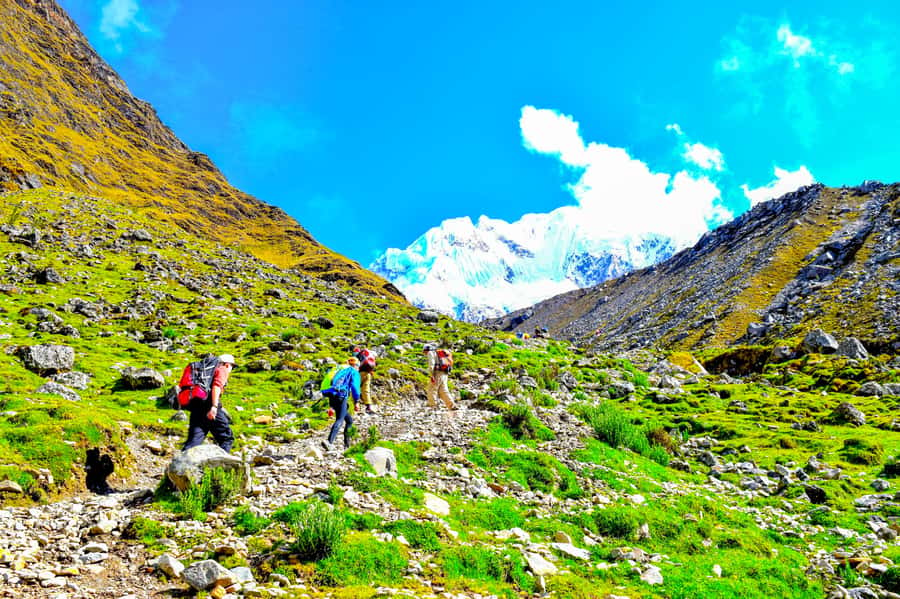
- Salkantay Pass is the highest point here (4,630 m), so pacing and breath matter.
- Humantay Lake sits at 4,200 m and is one of the most photogenic stops on the whole route.
- Lucmabamba is a key “lower-elevation” reset at about 2,000 m, where you feel the jungle influence.
- Llactapata ruins are less crowded and give you a first, angled look at Machu Picchu.
- Horses carry the camp gear and your personal duffle up to 7 kg, so you hike lighter.
- You get a hotel night in Aguas Calientes, then a guided Machu Picchu day with optional extra hikes.
The 5-Day Story: Why This Route Feels Different
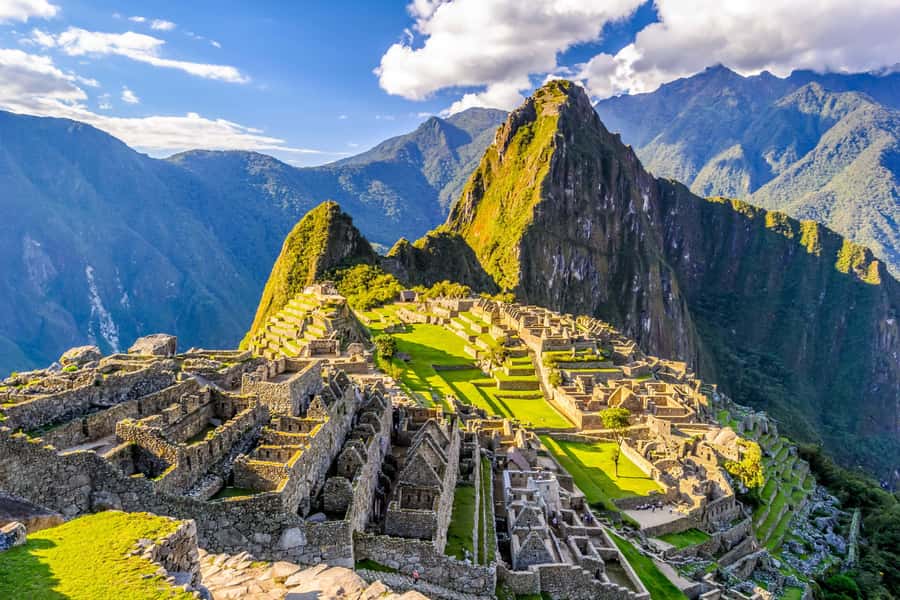
This is the kind of Salkantay trek that gives you a full progression: start with Andean peaks, then climb to a dramatic high pass, then trade snow-capped views for cloud forest and waterfalls. By Day 4, you’re watching for terraces and ruins from a distance before you finally step into Machu Picchu on Day 5.
What makes it especially worth considering is that it doesn’t treat Machu Picchu as the only payoff. You build toward it. The views from Llactapata, the foggy forest descent, and the night in Aguas Calientes help the final morning feel earned.
You can also read our reviews of more hiking tours in Cusco
Day 1: Soraypampa Climb and Humantay Lake at 4,200 m
Day 1 starts with a climb toward Soraypampa at 3,800 m (12,467 ft). As you go up, the air gets crisp and the mountain walls dominate your view. The Salkantay and Humantay peaks sit in front of you like landmarks you can’t miss.
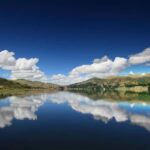
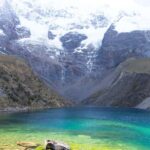
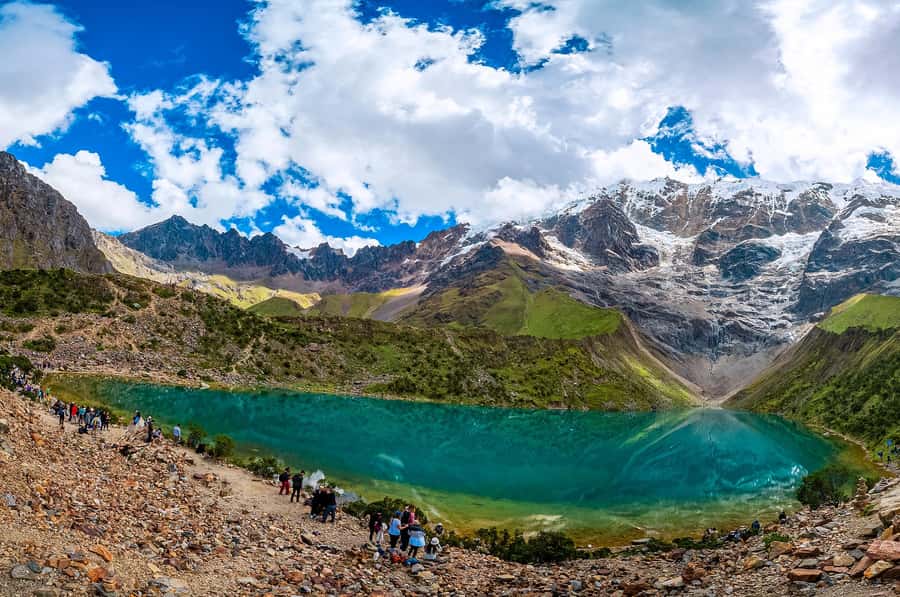
At midday, you stop for a classic Peruvian lunch with fresh local ingredients. After you eat, the plan pushes higher toward Humantay Lake at 4,200 m (13,780 ft). This is the moment most people remember: a turquoise glacial lagoon framed by steep Andean peaks. You’ll take in the view, then head back to camp for dinner and an evening under the stars.
Practical note: the trek includes water, but not right away. Water is excluded for the first 4 hours of the hike, so you should plan to bring what you need at the start.
Day 2: Salkantay Pass (4,630 m) and the Switch into High Jungle
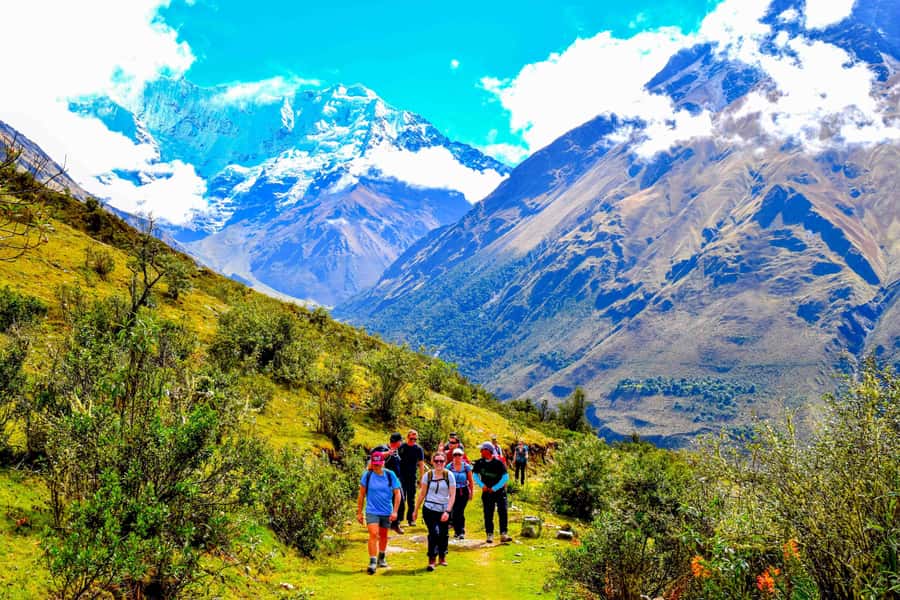
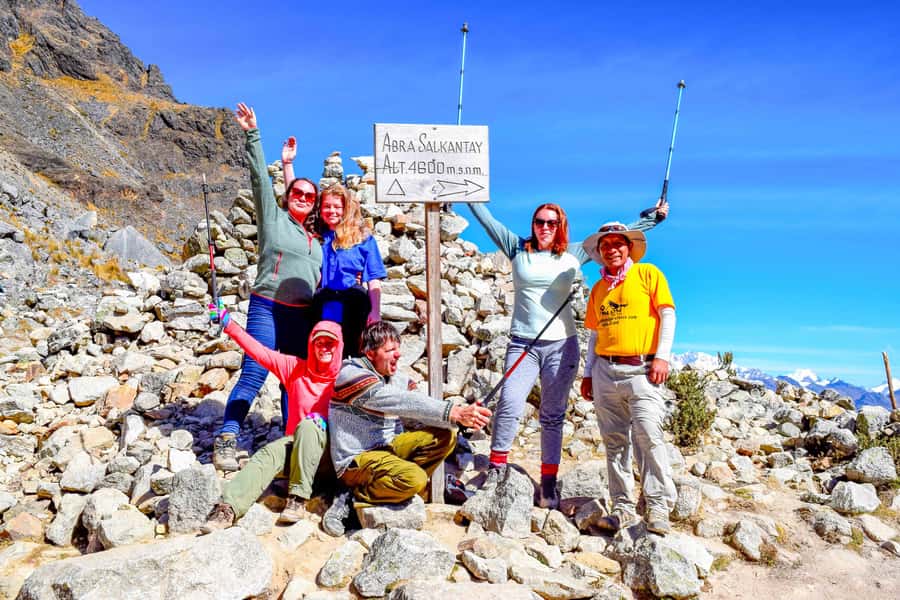
Day 2 is the day of the Salkantay Pass at 4,630 m (15,190 ft). This is the highest point on the itinerary, so it’s the day where you feel altitude most clearly. Expect thin air and a slower rhythm.
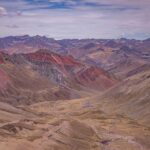
The reward is the view. From the pass you look across snow-capped peaks, jagged ridges, and deep valleys stretching out in multiple directions. Then comes the dramatic shift: after the pass, you descend toward a lush, high-altitude jungle.
That contrast is more than pretty scenery—it changes how your body feels and how the day moves. You go from cold and exposed to greener and more sheltered, and you settle into camp at the end of a long but satisfying day.
Day 3: Cloud Forest Descent, Waterfalls, and Lucmabamba
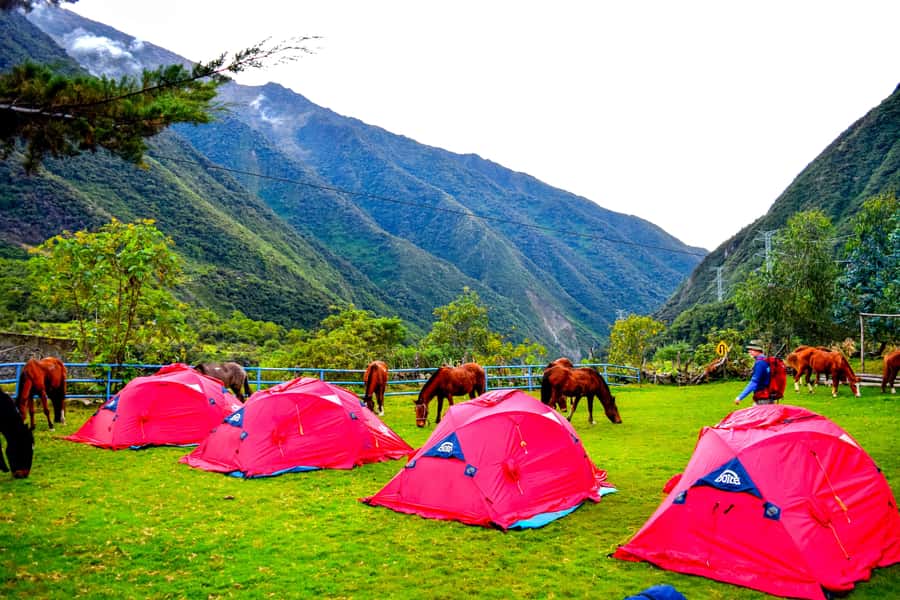
Day 3 begins early and the terrain changes again. You descend into cloud forest, where mist can roll in and out and plants feel thicker. The trail winds past waterfalls and fruit-laden trees, with plenty of life around you.
About five hours into the day, you reach Playa Sahuayaco at 2,200 m (7,218 ft). This is a big drop compared to the pass days. From here, the route enters the “eyebrow of the Amazon” region—basically a transition zone where you start to feel the jungle climate taking over.
In the afternoon, you reach Lucmabamba at 2,000 m (6,562 ft), which is your final campsite before heading toward Inca-period ruins the next day. It also matters because Lucmabamba is the starting point of an ancient Inca Trail leading to Llactapata.
Day 4: Llactapata Terraces First Look, Then Down to Aguas Calientes
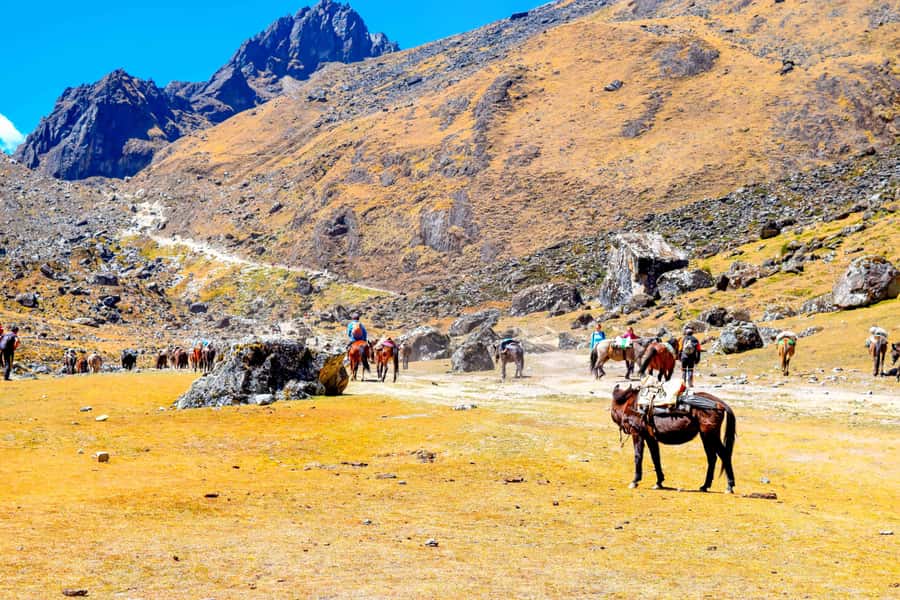
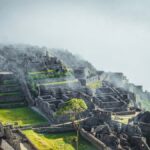
Day 4 gives you a real “oh wow” moment early. After breakfast, there’s about a 2-hour uphill hike along an original Inca trail toward Llactapata at 2,840 m (9,318 ft). This site is quieter than the main Machu Picchu circuit, but it still has striking terraces and the payoff is the sightline.
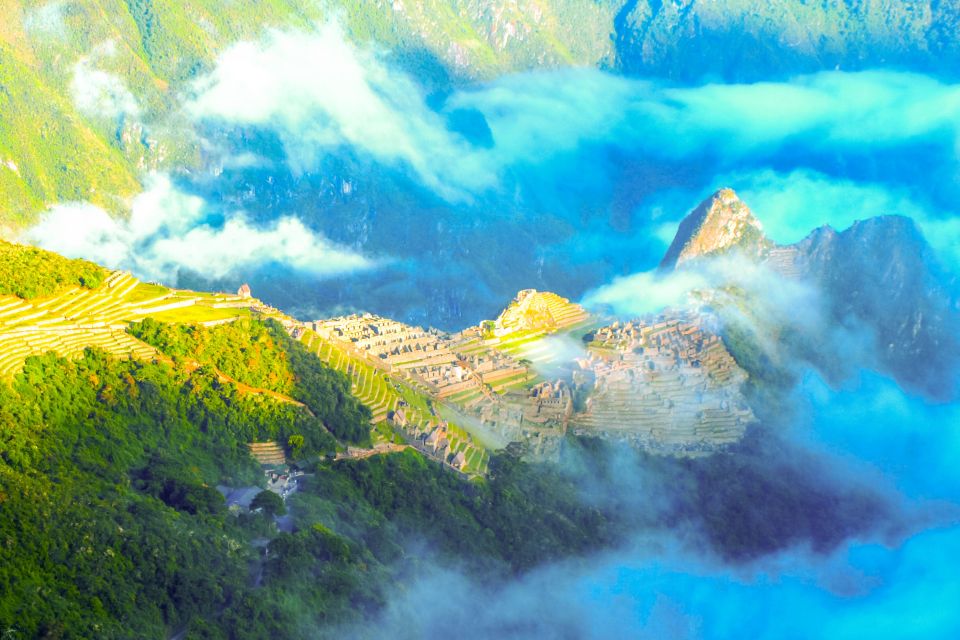
From Llactapata, you get a stunning first view of Machu Picchu from an angle that many visitors never see. You’ll explore the terraces, take in the framing, and then start the long, greener descent.
Next stop is the Hydroelectric Station at 1,890 m (6,200 ft), after about a 1.5-hour trek. From there you travel onward to Aguas Calientes at 2,040 m (6,693 ft). This is where you get a proper evening and a comfortable reset before the big Machu Picchu morning.

Day 5: Guided Machu Picchu, Plus Huayna Picchu or Machu Picchu Mountain
The final day starts early. After breakfast, you take a morning bus up to Machu Picchu at 2,430 m (7,972 ft). Then you meet your guide for a structured tour of the citadel.
This part is worth real attention. The guide covers key structures and how they connect—temples, ceremonial areas, terraces, and storage buildings—so you’re not wandering around trying to guess what you’re looking at.
After the tour of the citadel, you’ll have time to hike. You can choose Huayna Picchu (2,720 m / 8,924 ft) or Machu Picchu Mountain (3,082 m / 10,111 ft) for big panoramic views. Just be clear: Huayna Picchu entrance costs US$85 and is not included. The route notes also imply you can’t just decide last minute if you haven’t planned for it in advance.
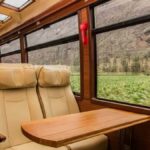
After the hiking and viewing, your group returns to Aguas Calientes for lunch and a short rest. In the afternoon, you take the train to Ollantaytambo, and then a van brings you back to Cusco.
The Support System That Makes This Trek Feel Manageable
This trek includes more than just the route on a map. It comes with a support setup designed to keep you moving without carrying everything.
Here’s what stands out as practical value:
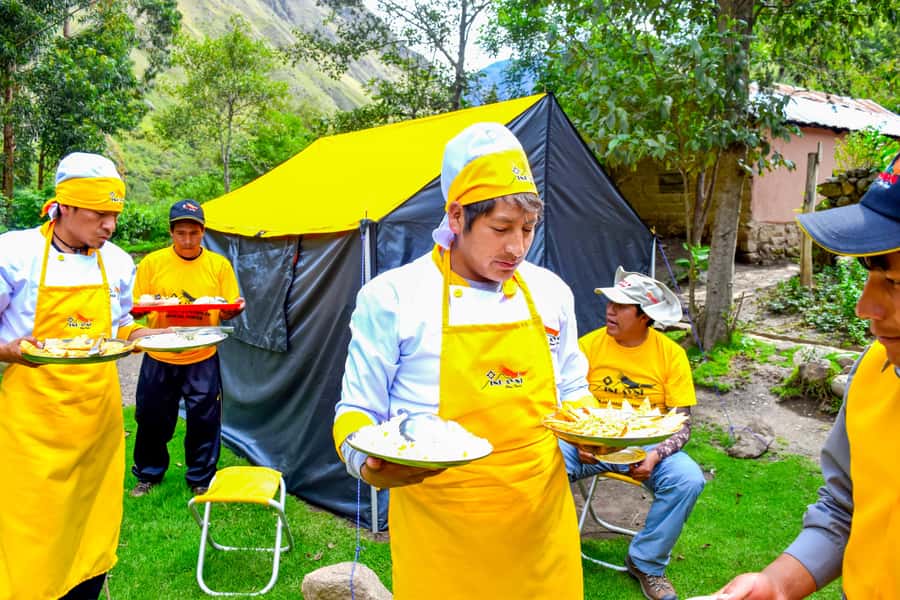
- A professional cook and full meal schedule (4 breakfasts, 4 lunches, 4 afternoon snacks, 4 dinners).
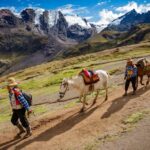
- Horses carry the equipment and your personal duffle bag, with 7 kg of your personal items included. That means you’ll hike with less weight on your back.
- Staff bring wake up tea every morning to your tent, which sounds small until you’re chilly and just want something warm.
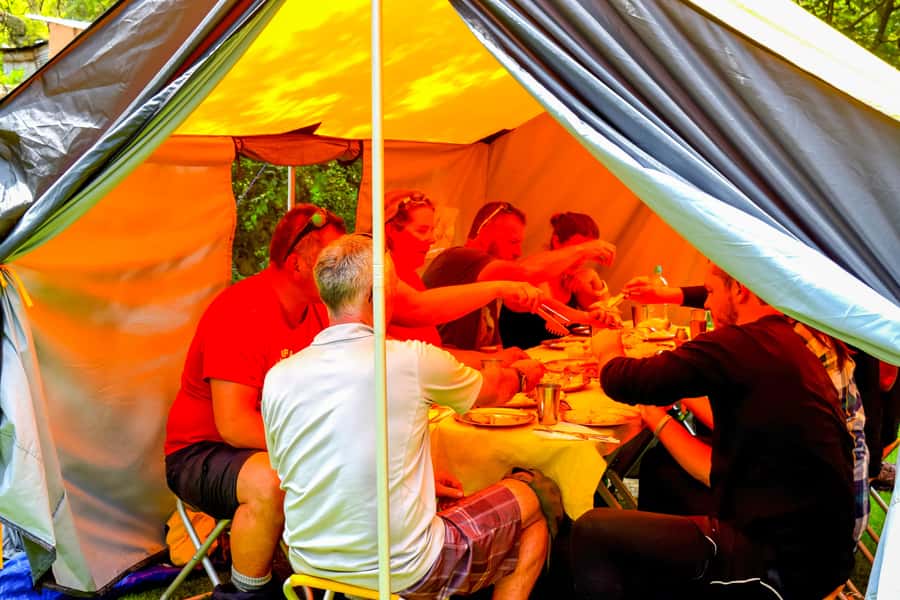
- You get a dining tent with tables and chairs, plus 4 man tents for every 2 trekkers, which helps with comfort and not feeling cramped.
- For sleep, you have double thickness foam mattresses, and there’s an oxygen bottle plus a first aid kit.
If you’re someone who gets anxious when plans feel uncertain, this kind of structure is a big deal. It reduces the mental load so you can focus on your steps and the views.
How Hard Is It, Really? (The Honest Version)
This is not a walk in the park. The route hits a very high pass, climbs to Soraypampa and Humantay Lake early on, and then moves into a long, full-day descent and rainforest-feeling hiking on Day 3 and Day 4.
There’s also a clear suitability filter: it’s not recommended for people with back problems, people with altitude sickness, or people over 70. That’s not a small warning. If altitude is a known issue for you, this trek can turn into a bad experience fast.
So my advice is simple:
- If you’re fit enough to hike several hours on uneven ground, you’ll likely feel strong on most days.
- If you’re on the fence, don’t treat fitness as the only factor—altitude matters more than most people expect.
Pacing, Group Size, and Guide Quality
This is a small-group trek with a maximum of 10 people, and it runs as a “private group.” There’s also an assistant tour guide for groups of 9+, which suggests they plan for smoother logistics when the group is bigger.
You’ll hike with an English-speaking professional tour guide. That matters on this trek because the places are meaningful, and the guide helps connect the dots between mountains, trail routes, and what you’re seeing at ruins.
You’ll also get a pre-departure briefing (meeting in the office for orientation and duffle bags used during the trek). Expect you to get your bearings quickly so your first day doesn’t feel like guesswork.
Price and Value: What the $669 Covers
At $669 per person for 5 days, the question isn’t just the number. It’s what’s bundled.
You’re paying for:
- A professional guide and support crew (including a professional cook)
- Horses to carry equipment and 7 kg of your personal items
- Most meals from Day 1 through Day 4, plus specific meals covered on Day 5
- Camping gear basics (tents, mattresses) and a hotel night in Aguas Calientes
- Entrance to Machu Picchu and the bus up to the site
- Train transfer from Aguas Calientes to Ollantaytambo, plus van back to Cusco
The big extra cost to plan for is Huayna Picchu at US$85 if you want that hike. Also, note that sleeping bag and trekking poles are not included (they can be hired). And meals not included are: breakfast on Day 1, and lunch and dinner on Day 5.
If you compare what you’d have to arrange yourself—tickets, guides, porters/horses, camping setup, and the Machu Picchu bus—that bundled value starts to make sense.
What to Pack (and What Could Slow You Down)
The tour lists the basics, and they’re the basics for a reason.
Bring:
- Passport or ID card
- Sun hat and sunscreen
- Rain gear
- Comfortable clothes for hiking and sleeping
Also think practically about your comfort:
- If you don’t own poles, consider hiring them since the trek setup offers pole rental.
- Plan on having what you need for the first 4 hours of water intake since water isn’t included at the very start.
Not allowed:
- Pets
- Weapons or sharp objects
- Alcohol and drugs
Should You Book This Salkantay-to-Machu Picchu Trek?
I’d book this trek if you want the Salkantay route for the full experience: a high pass moment, Humantay Lake, a cloud-forest day, and the quieter ruins stop at Llactapata before Machu Picchu. You also want solid organization—meals, tents, horses, first aid support, and a guide who explains what you’re seeing.
I’d skip it if altitude already hits you hard, if your back can’t handle uneven trail days, or if you want something easier and less demanding. This itinerary is built for effort, and it pays you back with real Andean variety.
If you’re a strong hiker who’s ready for a tough five days and you care about understanding Machu Picchu, this is a strong match.
FAQ
What is the highest point on the trek?
The highest point is the Salkantay Pass at 4,630 m (15,190 ft) on Day 2.
Is Machu Picchu admission included?
Yes. Entrance to Machu Picchu is included, along with the bus to the site.
Do I need a sleeping bag or trekking poles?
A sleeping bag is not included (it can be hired). Trekking poles are also not included, but they can be hired.
Is Huayna Picchu included in the price?
No. Huayna Picchu entrance is not included and costs US$85.
What meals are included, and what’s not?
Meals included are: 4 breakfasts, 4 lunches, 4 afternoon snacks, and 4 dinners. Breakfast on Day 1 is not included, and lunch and dinner on Day 5 are not included.
Is water provided during the trek?
Water is provided except for the first 4 hours of the trek on Day 1, when you need to bring your own.