REVIEW · KATHMANDU
Kathmandu UNESCO Heritage Tour with Local Food Tasting
Book on GetYourGuide →Operated by Adventure Himalaya Nepal Pvt. Ltd. · Bookable on GetYourGuide
Snack, shrines, and a goddess window in one day. This 5-hour private heritage walk strings together Swayambhunath (Monkey Temple), Kathmandu Durbar Square, and Asan Market, with an English-speaking guide and local food tasting that actually fills you up.
I like that the day switches from hilltop calm to street-level chaos without feeling rushed. And I especially love how the guide turns each stop into a story you can picture, whether it is Buddhist life at the stupa or sacred symbols at Durbar Square.
My second favorite part is the food plan: you can eat as much as you like from a lineup of classic Nepali bites, from momo dumplings to samaybaji, plus a sweet finish like yomari. It is not just a snack break; it is a guided, on-the-street crash course in what locals reach for.
One thing to consider: you will be walking and snacking back-to-back in a busy, sometimes dusty city center, so pack comfortable shoes and plan to take your time at the stupa steps and market lanes.
In This Review
- Key highlights worth planning for
- From Thamel chaos to Monkey Temple calm
- Swayambhunath Monkey Temple: the hilltop you earn
- Kathmandu Durbar Square UNESCO stop and the Kumari moment
- Asan Market: shopping lanes that feel like real life
- The food tasting plan: why it is the real star
- The guide factor: why Rajan changes the day
- Transportation and timing: how 5 hours can work
- Price check: what $64 buys you in Kathmandu
- Who should book this heritage + food loop
- Practical tips before you go
- Should you book this Kathmandu UNESCO heritage and food tasting tour?
- FAQ
- How long is the Kathmandu UNESCO Heritage Tour with Local Food Tasting?
- Where does pickup happen?
- What places are visited on the tour?
- Is the Kumari Living Goddess included?
- What is the food tasting like?
- Is an English-speaking guide included?
- Are entrance fees and transportation included?
- Is it private or shared?
- What are the drop-off locations?
- What is the cancellation policy?
Key highlights worth planning for
- Swayambhunath hilltop views plus prayer flags and monk chanting in a calmer mood than the streets below
- Kathmandu Durbar Square UNESCO site with centuries-old temples and courtyard life
- Kumari sight window during the time you are there, adding a rare cultural moment to the day
- Asan Market stop for spices, grains, and everyday shopping rhythms
- Big Nepali tasting lineup including momo, samaybaji, bara, chatamari, and more
- Rajan-led guidance that makes history feel practical instead of like a lecture
From Thamel chaos to Monkey Temple calm
Kathmandu can feel like a lot all at once. One minute you are threading through Thamel’s alleys with trekking gear and souvenir shops; the next, you are rising toward a hilltop where the air feels different. That contrast is exactly why this tour works.
The format is a private group with an English-speaking guide, plus transportation and a bottle of drinking water. So you are not constantly re-orienting yourself, and you can focus on the real point: seeing the sites while also understanding what you are looking at. In about five hours, you cover a three-part storyline—Buddhist heritage, royal-era sacred spaces, then modern market life.
I like that the pace stays human. You get guided time at the main sights, then some freedom for shopping and snacking in Asan Market. It is the kind of half-day that fits well if you are short on time in the city but still want the “must-see” heritage anchor points.
You can also read our reviews of more food & drink experiences in Kathmandu
Swayambhunath Monkey Temple: the hilltop you earn
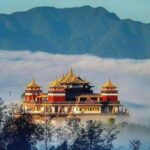
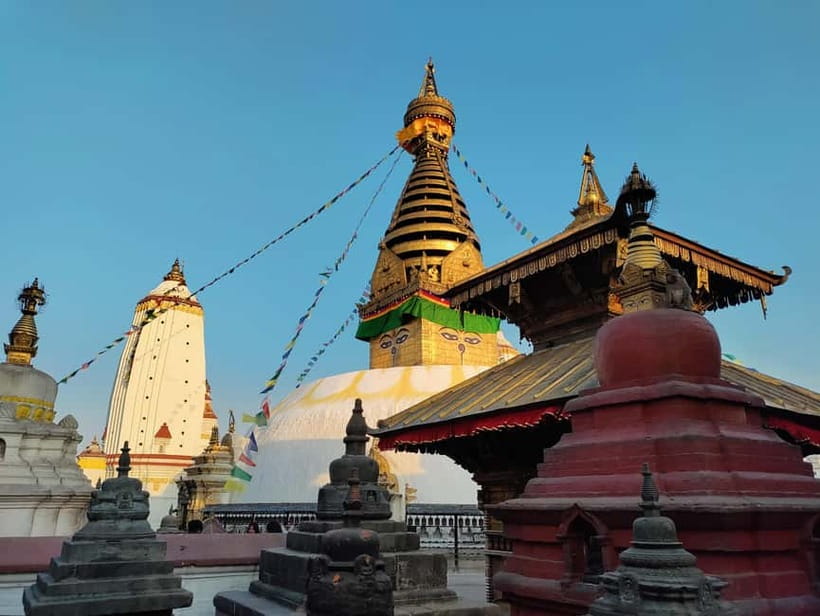
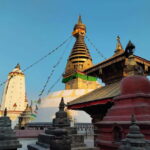
Swayambhunath is the kind of place where you immediately feel how Kathmandu layers spirituality onto daily movement. It sits above the city, so even before you start reading details, you are aware of the valley spread below you.
During the guided stop, you learn the Buddhist culture and history behind the stupa—how this site functions as a living place of devotion, not just a photo spot. You notice prayer flags, stupa details, and the steady presence of monks chanting. It is a serene contrast to the streets you left behind.
Practical note: you will likely be climbing and navigating steps. This is not a sit-and-watch stop, so bring footwear you trust on uneven stone. And go slow at the early moments. The stupa area can feel busy, but the best scenes come when you pause and let the sounds and symbols settle.
The monkey element is real too. Even if you are not trying to get a perfect wildlife shot, you will see why the nickname stuck. Just keep your personal items secure and stay mindful around curious animals.
Kathmandu Durbar Square UNESCO stop and the Kumari moment
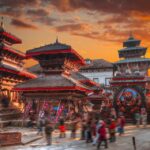
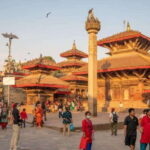
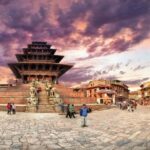
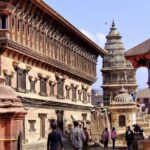
Next up is Kathmandu Durbar Square, a UNESCO World Heritage Site built around temples, palace structures, and living traditions. This stop is where Kathmandu’s royal and religious past becomes very visible in wood carvings, courtyard layouts, and the way people move through the space.
The guided portion helps you decode what you are seeing. You learn how key icons connect to cultural beliefs and local devotion. A highlight is the chance to see the living goddess Kumari, when she appears at her window during the time you are in the area.
Even if you come with zero background, the guide’s explanations make it easier to understand why the Kumari is more than a spectacle. It is part of a tradition that holds deep meaning for people here. And you do not just stop at one landmark. You also get time around important sacred icons, including Kal Bhairav and Swet Bhairav, each tied to distinct cultural significance.
Durbar Square can also feel like a “busy museum” if you go in alone—lots to look at, and no clear thread. With a good guide, it becomes a walk you can follow: where you are standing, what symbol matters, and why people treat the courtyard like an active spiritual space rather than a static monument.
Asan Market: shopping lanes that feel like real life
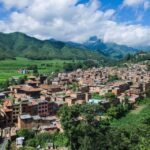
After heritage monuments, Asan Market gives you a different kind of Kathmandu lesson. Here the focus shifts from sacred spaces to daily routines: traders selling spices, grains, and traditional goods that have been moving through these lanes for generations.
The guided time at Asan helps you notice details you might otherwise miss—what types of stalls cluster together and what goods are commonly tied to season and cooking. Then you get free time to linger, shop, and snack.
This is also a good place to pick up small items that make sense for your trip: brass utensils, handmade jewelry, colorful textiles, and seasonal produce. You do not need to buy anything to enjoy it—watching how vendors display goods and how locals bargain is half the entertainment.
If you are the type who likes to experience a city beyond monuments, Asan delivers. It is not about one big viewpoint; it is about the constant, practical motion of a market still doing what markets do.
The food tasting plan: why it is the real star
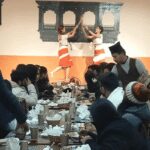
Let’s talk about the part most people remember: the Nepali street-food tasting. The tour is built around a serious lineup, and the best part is the guidance. You are not just handed random bites; you learn what you are eating and how it fits local food culture.
You can expect a variety of classic dishes, including:
- MoMo (Nepali dumplings)
- Newari samaybaji, a ceremonial platter with beaten rice, marinated meat, fried eggs, and pickles
- Yomari, a sweet steamed dumpling filled with jaggery
- Bara, a savory lentil pancake
- Chatamari, a rice flour crepe often called Nepali pizza
- Gwaramari, crispy fried bread
And there is an Indrachowk lassi to balance things out. The lassi matters because several of these bites are filling and a bit heavy. One sip can reset your palate and help you enjoy the next stop instead of powering through.
Also, the tour makes space for you to eat as much as you like. That sounds like a marketing line until you actually plan your day around it. In practice, it turns the tour into a meal experience, not a few samples.
What I appreciate is that the food choices cover both savory and sweet, and they represent more than one regional style. Kathmandu’s food culture is layered, and the tasting lineup shows that layering without requiring you to research anything beforehand.
The guide factor: why Rajan changes the day
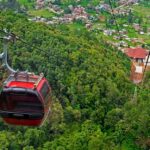
A good guide does more than name buildings. They give you the thread. In this case, Rajan stands out as the kind of guide who makes the city feel organized even when the streets are not.
With Rajan, the day stays smooth and easy to follow. He explains what you are seeing at Swayambhunath, then carries those cultural connections over to Durbar Square so the symbols make sense together. At Asan Market, the guidance turns into practical context—what people are buying, why stalls look the way they do, and how the market connects to everyday cooking.
Another reason this tour feels good is flexibility. If your timing needs slight adjustments, the guide can reshape the schedule. That matters in Kathmandu, where foot traffic, sudden crowds, or just the pace of a market can shift quickly.
And the driving side of the day matters too. A skillful driver reduces the mental load. You can focus on enjoying the route rather than bracing yourself for traffic stress.
Transportation and timing: how 5 hours can work
Five hours is a sweet spot: long enough to hit two major UNESCO-level areas and still experience a working market, but short enough that you do not lose the day to transit.
Transportation is included, which helps you avoid the tricky part of Kathmandu navigation. You get picked up from Thamel or Kathmandu, and you are dropped off back in either Thamel or central Kathmandu. That means you can keep the day from becoming a logistical puzzle.
The stops are paced like a guided walk with set visits, then a lighter segment for market browsing and snacks. Expect the day to feel full, not spread out. If you like slow mornings with lots of quiet photo time, this might feel a bit packed. If you want a smart, efficient cultural circuit, it is a good fit.
Price check: what $64 buys you in Kathmandu
At $64 per person for a 5-hour private experience, you are paying for a lot more than a walking tour. You get:
- Entrance fees for the main sites
- An English-speaking guide
- Transportation
- Local food tasting
- A bottle of drinking water
- Government taxes
So you are not just paying for someone to point and talk. You are paying for the whole package: guidance, access, movement through town, and multiple food stops.
For value, think in terms of replacement cost. If you had to pay entrance fees, hire your own guide, and build food tastings on your own across multiple locations, you would usually spend more than $64. This price makes most sense if you want a curated day with a clear route and you want the food component included.
The main tradeoff is you are paying for private group comfort. If you are the type who enjoys wandering independently and you do not care about a structured food plan, a cheaper group walk might suit you. But if you want the best of heritage plus guided eating in one half-day, this is a practical deal.
Who should book this heritage + food loop
This tour is a strong match if you:
- Want Kathmandu highlights without building an itinerary from scratch
- Like guided context that helps you understand icons like Kal Bhairav, Swet Bhairav, and the Kumari window
- Care about food culture and want more than a single meal stop
- Prefer a private group over squeeze-you-in group tours
It might be less ideal if you:
- Hate walking and steps, even if the tour includes guided pacing
- Have a very limited diet and need to confirm ingredients in advance, since the tasting lineup includes multiple items and you will be sampling street-style dishes
If you can handle a busy market environment and a good chunk of walking, you will likely enjoy how full the day feels.
Practical tips before you go
A few small things will make the day easier:
- Wear shoes with grip for steps at the hilltop and uneven surfaces in markets.
- Bring water (you get a bottle, but having a little extra can help if you are thirsty in heat).
- Come hungry. The tasting is the point, and the bites add up.
- If you are sensitive to spice or fried foods, go in with a cautious mindset and let the guide help you pace your tasting.
And do not plan a heavy dinner immediately afterward. Yomari plus fried bites plus dumplings can leave you completely satisfied.
Should you book this Kathmandu UNESCO heritage and food tasting tour?
I would book it if you want the efficient Kathmandu combo: Swayambhunath, Kathmandu Durbar Square with the Kumari chance, Asan Market, and a guided food tasting that turns into your meal for the day. The $64 price works best when you value structure, entrance fees handled for you, and a real tasting lineup instead of a couple of token samples.
Skip it only if you are trying to avoid walking steps, you want pure monument time with minimal food, or you cannot handle a market environment. For most people doing a short Kathmandu stay, this is a smart use of one half-day.
FAQ
How long is the Kathmandu UNESCO Heritage Tour with Local Food Tasting?
It lasts 5 hours.
Where does pickup happen?
Pickup is available from Thamel or Kathmandu.
What places are visited on the tour?
You will visit Swayambhunath Stupa, Kathmandu Durbar Square, and walk through Asan Market.
Is the Kumari Living Goddess included?
You will have a chance to see the Living Goddess Kumari during the Durbar Square portion.
What is the food tasting like?
You will taste multiple Nepali dishes, and you can eat as much as you like. Dishes listed include momo, samaybaji, yomari, bara, chatamari, and gwaramari, plus Indrachowk lassi.
Is an English-speaking guide included?
Yes, the tour includes an English speaking guide.
Are entrance fees and transportation included?
Yes. Entrance fees for the sites and transportation are included, along with a bottle of drinking water and government taxes.
Is it private or shared?
It is a private group tour.
What are the drop-off locations?
Drop-off is available in Thamel or Kathmandu.
What is the cancellation policy?
Free cancellation is available up to 24 hours in advance for a full refund.