REVIEW · KATHMANDU
Bhaktapur and Panauti Day Trip with Lunch – Private/Group
Book on GetYourGuide →Operated by Luxury Holidays Nepal · Bookable on GetYourGuide
Two towns, one old-world day.
This Bhaktapur and Panauti trip is interesting because you get two very different slices of Newari life in one 8-hour outing: Bhaktapur Durbar Square for major carved-stone temple drama, and Panauti for quieter river-town worship. I like how the walk is guided by experts who can explain what you’re seeing in Hindu practice and everyday local habits, and I like that the day includes a packed lunch box so you don’t have to hunt for food. One drawback to plan for: Panauti can feel smaller and more weather-worn than Bhaktapur, and the drive out of Kathmandu may involve windy roads and construction patches.
You’ll move around in comfort, starting with pickup and hotel drop-off in Kathmandu Valley, then switching to electric-car style transport for the local hops. The pace works well if you want history without spending half your day fighting traffic and navigation.
One more practical note before you go: entrance fees are about USD 20 on-site for Bhaktapur Durbar Square and Panauti unless you pick the all-inclusive option, and temples ask for modest dress plus comfortable shoes.
In This Review
- Key things worth knowing before you go
- Kathmandu to Bhaktapur: the ride that sets the tone
- Bhaktapur Durbar Square: temples, courtyards, and the 55-Window Palace
- Extra Bhaktapur details to look for (beyond the headline sights)
- Panauti’s Indreshwar Temple complex and river confluence views
- Lunch break that keeps the day moving: what’s inside the box
- Price and value: $45 per person and the entrance-fee reality check
- Private start times vs group departures: choose your comfort level
- Guide and driver quality: why it shows up in your day
- Who this day trip suits best (and who should adjust expectations)
- Should you book this Bhaktapur and Panauti trip?
- FAQ
- How long is the Bhaktapur and Panauti day trip?
- Where will the pickup happen?
- Is this tour private or a group?
- What time does the group departure start?
- Is the tour guide English-speaking?
- What’s included in the lunch box?
- Are monument entrance fees included?
- Can I cancel for free?
Key things worth knowing before you go
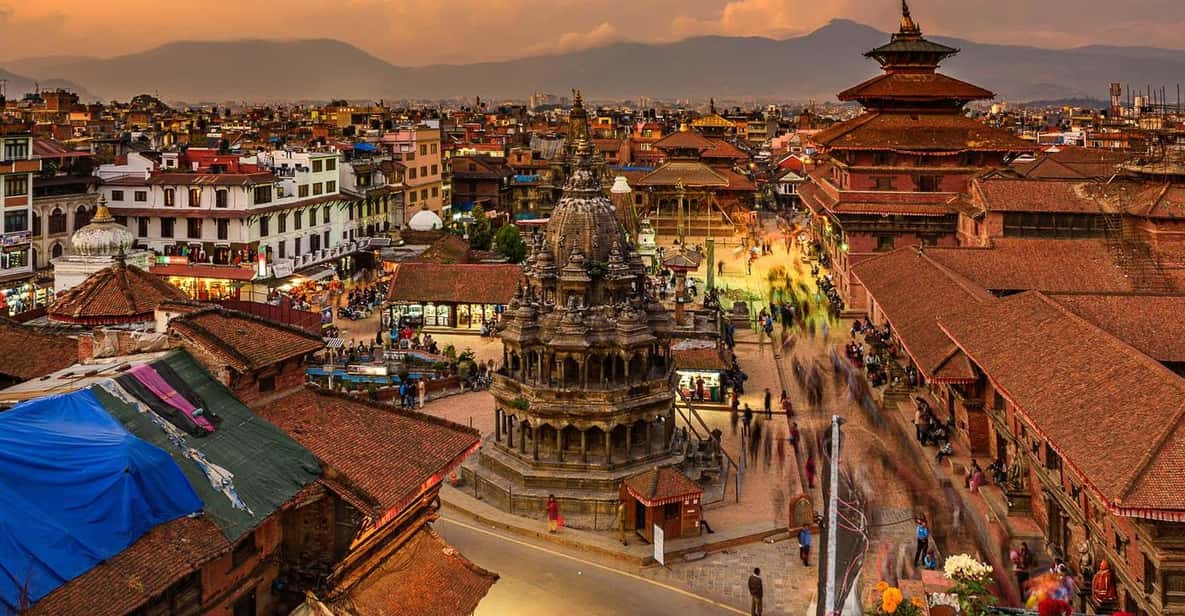
- Bhaktapur Durbar Square first: you’ll spend about two hours there, with time for major sights like the 55-Window Palace and Nyatapola Temple.
- Guides make the difference: you might meet guides such as Sajina, Sumit, or Hemant, and they can connect the temples to Hindu gods, rituals, and local food habits.
- Panauti is the slower, quieter half: two hours on cobbled streets and the Indreshwar Temple complex, with views tied to the sacred river confluence.
- The lunch box is actually useful: bottled water, a muffin, donut, banana, seasonal fruit, and juice keep you going between temples.
- Entrance fees can add up: plan on paying around USD 20 on-site unless you choose all-inclusive.
- Transport is part of the comfort story: air-conditioned private rides plus short electric-car transfers help you conserve energy for walking.
Kathmandu to Bhaktapur: the ride that sets the tone
I like starting from Kathmandu with pickup and a direct plan. You’re not spending your morning bargaining for a taxi or trying to decode where the bus drops you. The vehicle is air-conditioned, and you’ll have a driver who finds you at the main entrance or hotel lobby about 10 minutes before your chosen time.
Timing matters here because this is an 8-hour day that includes real walking. The group option starts at 9:00 AM, while private departures can start at 8:00 AM, 9:00 AM, 10:00 AM, or 11:00 AM. If you want a calmer start, the earlier private time can help you get into the rhythm before the day gets busier.
You also get the “local transport mix.” You’ll ride in the main vehicle for the drive out of Kathmandu, then use electric-car style transport for portions of the day closer to the sites. That’s a smart compromise: it keeps your legs fresh for temple steps and cobbles, while still giving you a proper walking tour once you arrive.
A small thing to keep in mind: the roads may not be perfectly smooth. On the way out, you might hit windy roads with construction sections, so it’s worth keeping water handy and mentally flexible.
You can also read our reviews of more tours and experiences in Kathmandu.


Bhaktapur Durbar Square: temples, courtyards, and the 55-Window Palace
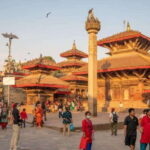
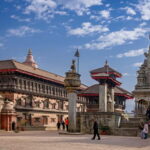
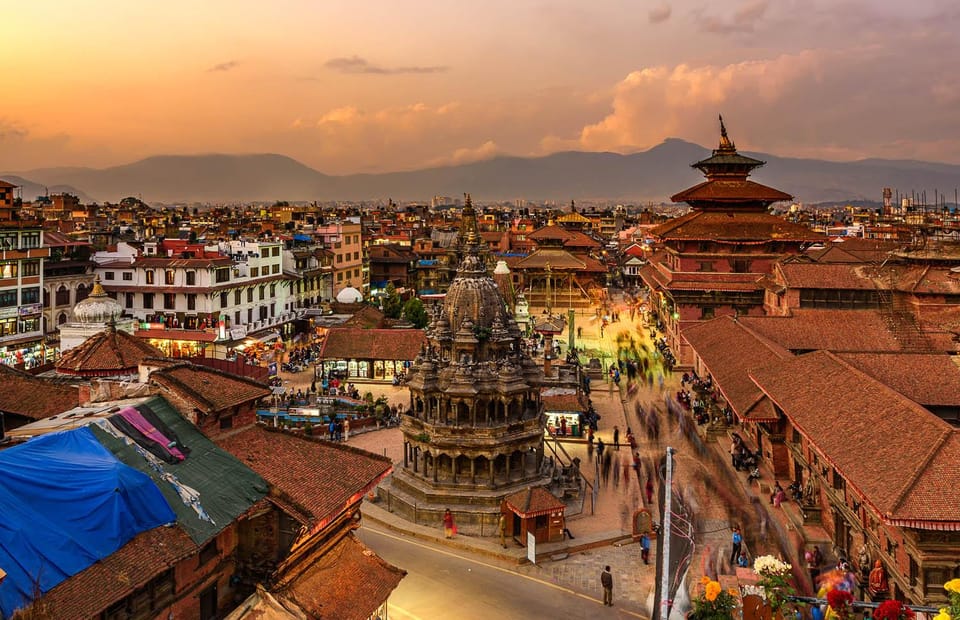
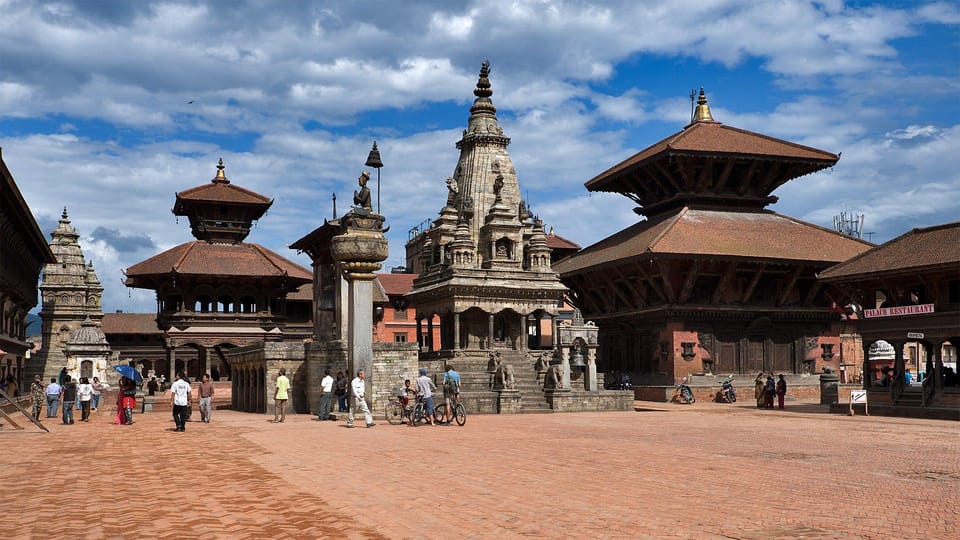
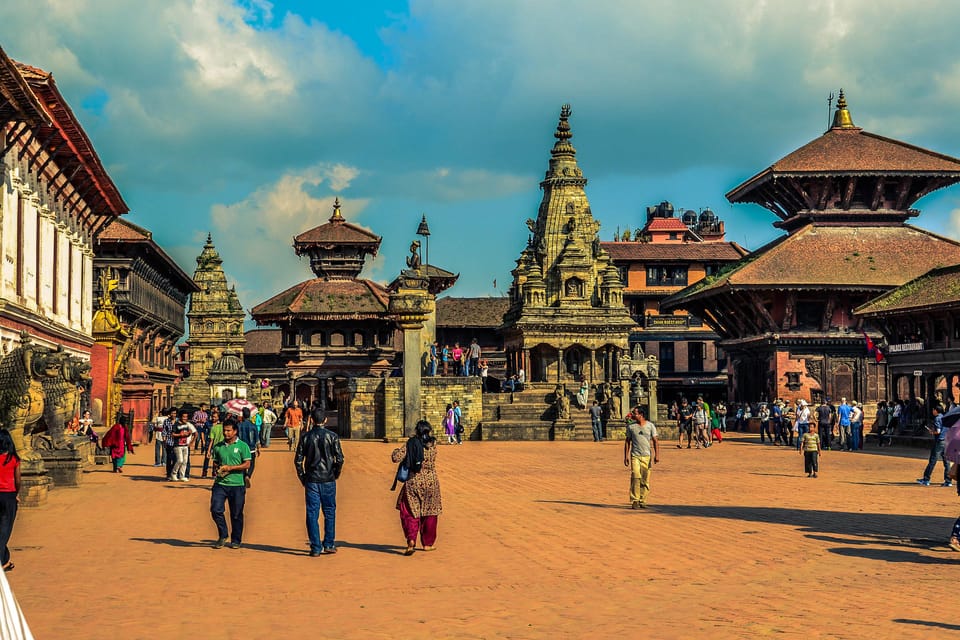
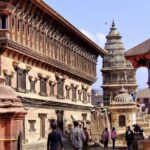
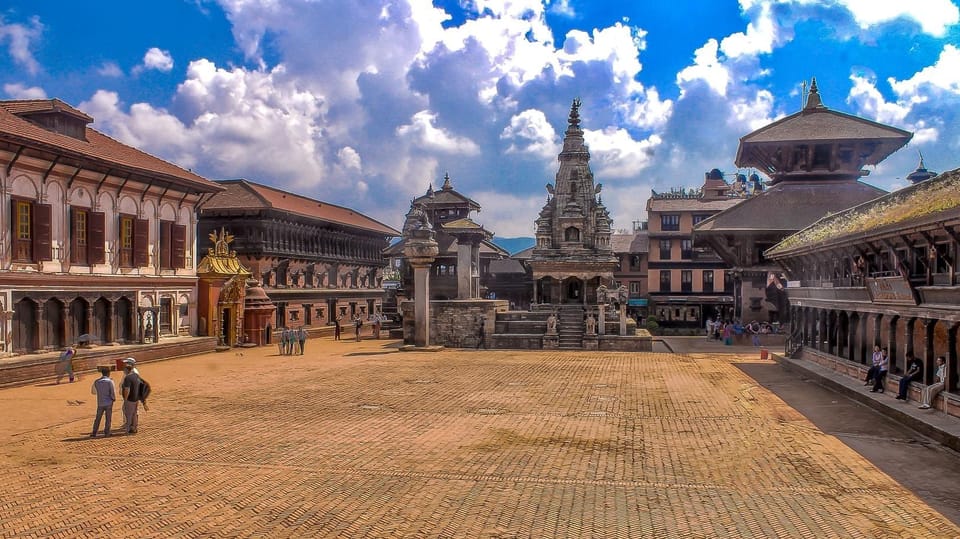
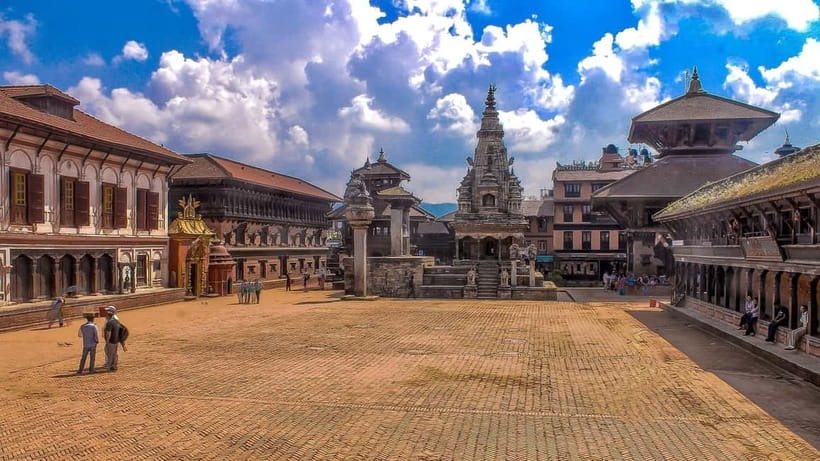
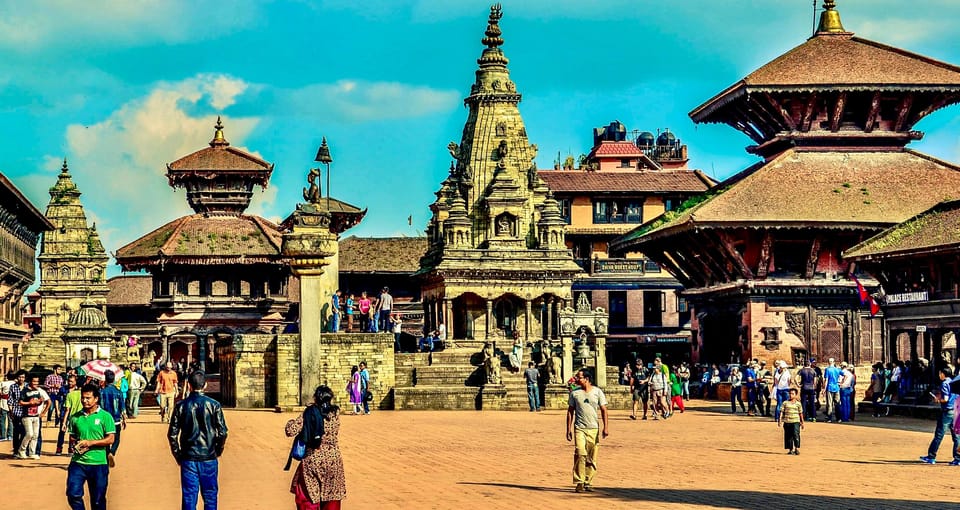
Bhaktapur Durbar Square is the reason many people book this trip at all. This is a UNESCO-listed area, and it shows in how the space is organized: courtyards, carved façades, and temple towers that look like they were designed to be studied slowly.
You’ll spend around two hours here with a guide, walking through the main sights rather than just snapping photos from a distance. If you pay attention to the carvings and the way the monuments sit within the courtyards, you start to understand why locals treat this place as more than a historical site.
Two highlights you should make a point of locating:
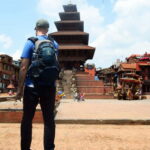
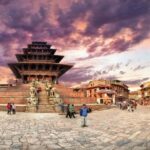
- Nyatapola Temple: one of Bhaktapur’s most recognizable temple structures, built to impress and to reflect religious focus through form and tiered design.
- 55-Window Palace: even if you don’t count every window, the palace is a visual anchor. It helps you grasp the scale of the old city’s power and craftsmanship.
This is also where a good guide earns their keep. In past groups, English-speaking guides such as Sajina, Sumit, and Hemant have been praised for connecting what you’re seeing to Hindu gods and beliefs, not just listing names. For you, that means your time inside Bhaktapur will feel less like sightseeing and more like understanding symbols: what the temples represent, why certain spaces matter, and how daily life connects to religious practice.
Dress note: temples expect modest clothing, and you’ll be walking—often on uneven surfaces—so comfortable shoes are not optional.
Extra Bhaktapur details to look for (beyond the headline sights)
Bhaktapur isn’t only big monuments. The pleasure is in the in-between spaces: smaller courtyards, traditional squares, and the texture of the old city fabric.
Here are a few things I’d watch for while you’re moving through the area:
- How courtyards open and close: you’ll notice buildings framing space, not just standing alone.
- Craft and daily-life cues: Bhaktapur is known for traditional trades, and the guide can help you connect what you see to Newari culture.
- Pottery and traditional squares: the tour includes time around traditional pottery-focused areas, which give you a different angle from the stone temples—more hands-on, more everyday.
You might also feel a contrast as the walk goes on. In the beginning, the monuments hit hard—scale, detail, and the packed visual rhythm. Later, the smaller lanes and courtyards make you slow down and look more carefully. That’s a good thing. Bhaktapur rewards patience.
One practical consideration: you’re in an active heritage zone, so plan on a solid amount of attention to footing and stairs. If you rush, you’ll miss the tiny storytelling details that make this place special.
Panauti’s Indreshwar Temple complex and river confluence views
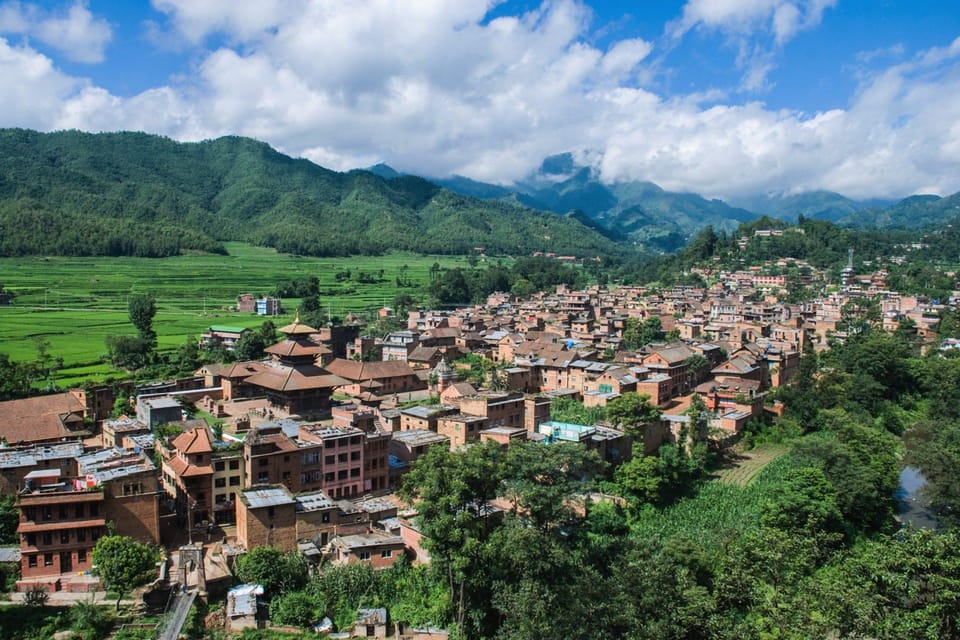
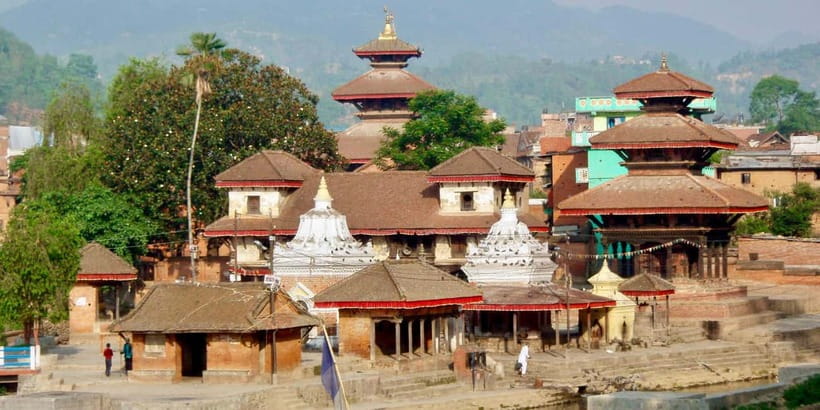
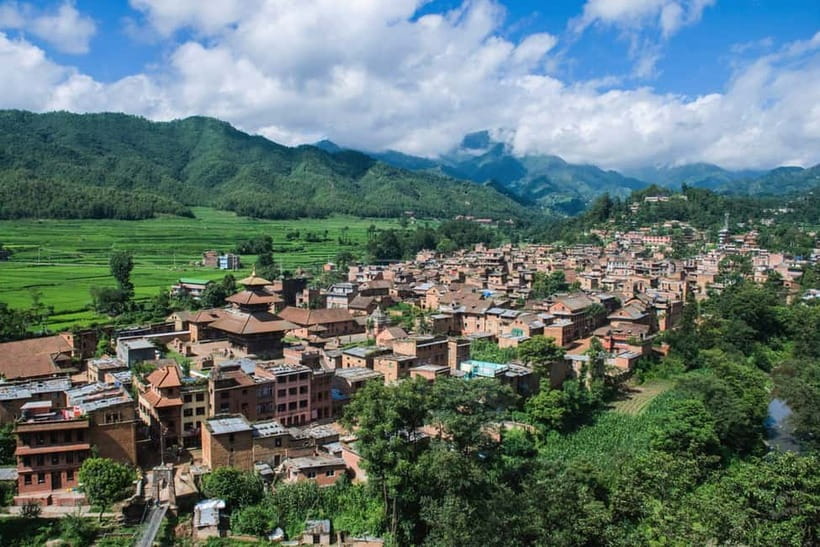
After Bhaktapur, you’ll head to Panauti, a quieter town set at the confluence of sacred rivers. The change of pace is real. Bhaktapur is a heavy-hitter for architecture; Panauti is where the day shifts toward slower street rhythm and religious routine.
You’ll spend about two hours walking with your guide through cobbled streets and to the Indreshwar Temple complex. This stop is less about monumental scale and more about the feeling of continuity: the place still functions as part of local spiritual life.
How should you set expectations? If you’re expecting something as major as Bhaktapur’s Durbar Square, Panauti can feel smaller and more weathered. That doesn’t mean it’s a waste of time—it just means you should experience it differently. Think atmosphere and practice, not only size and decoration.
Here’s what makes it worth your attention:
- Indreshwar Temple complex: it’s the core spiritual anchor of the visit, and the guide can explain what you’re seeing in Hindu terms.
- River confluence context: even if you don’t spend long on viewpoints, the setting helps you understand why Panauti became a meaningful place over time.
- A gentler town scale: the streets are more intimate, which can make photos easier and conversation with your guide more natural.
The guide quality still matters here. When guides like Hemant or Sumit explain how deities and rituals show up in everyday habits, Panauti starts to feel coherent instead of random.
Lunch break that keeps the day moving: what’s inside the box
I really like that lunch is handled for you. In a day trip like this, hunger can quietly ruin your attention. Instead, you get a packed lunch box with practical fuel and a few sweet treats.
In the standard option, your lunch box includes:
- 500 ml bottled water
- muffin
- donut
- banana
- seasonal fruit
- juice
It’s not a fancy feast. It’s a workable, road-friendly set that you can eat on the go or at a stop between monuments. That matters because you’re walking for hours, and you don’t want to lose time searching for a place that fits a temple schedule.
If you choose the all-inclusive option, the lunch changes in a meaningful way. You’ll get a full traditional Nepali lunch set (or an à la carte choice of dishes), and you’ll also have monument entrance fees included. If you dislike doing math on top of already paying for guides and transport, all-inclusive can feel simpler.
Price and value: $45 per person and the entrance-fee reality check
The price is $45 per person for about an 8-hour outing with pickup/drop-off, a guide, air-conditioned private transportation, and that lunch box. For Kathmandu Valley heritage days, that’s a fair structure because you’re paying for more than transport—you’re paying for interpretation and smooth logistics.
But you need to understand the entrance-fee setup. Entrance fees are not included in the base structure. An entrance fee of approximately USD 20 applies on-site for Bhaktapur Durbar Square and Panauti, payable when you arrive. If you pick the all-inclusive option, those monument entrance fees are covered.
So here’s how I’d think about value:
- If you’re fine paying entrance fees on-site, the base option is strong because most of your “cost weight” is already handled.
- If you prefer not to manage extra payments during a heritage day, all-inclusive can save you the hassle and reduce uncertainty.
Also factor in walking time. You’re not just riding around—you’re spending hours on foot. The guide’s role becomes part of the value, especially if you want context for Hindu temples rather than only dates and names.
Private start times vs group departures: choose your comfort level
This tour offers both group and private formats, and that affects your experience.
Group departure runs at 9:00 AM. It’s a simple plan for people who don’t mind sharing space and pace with others. You still get a professional English guide, and the route stays the same in broad strokes.
Private tours let you choose a start time at 8:00, 9:00, 10:00, or 11:00 AM. If you’re traveling with family, want more flexible photo breaks, or just prefer a less crowded feel, private is usually the better fit. The private format still includes pickup anywhere within Kathmandu Valley and uses the same comfort-forward transport approach.
One more angle: a private schedule can help you tailor walking pace. Bhaktapur’s stone and stairs can feel like a workout, and Panauti’s cobbles can be slow going if you linger.
Guide and driver quality: why it shows up in your day
This trip lives or dies by people. The best part is how guides connect the visible monuments to the meanings behind them.
You might meet guides like:
- Sajina, noted for kindness and preparation in history, religion, food, and local habits.
- Sumit, praised for in-depth understanding of Hindu religion and gods, and for keeping explanations clear during the long drive and walk time.
- Hemant, praised for being respectful, knowledgeable, and easy to spend time with.
Even if you already know some temple basics, what you gain here is translation: why a temple arrangement looks the way it does, how rituals shape how people move through space, and how local food and customs fit into the bigger cultural picture.
The driver also matters. There’s a vibe of calm organization here, which helps you focus on the sights instead of worrying about the ride.
Who this day trip suits best (and who should adjust expectations)
This is a good match if:
- you want temples and heritage towns in a single day,
- you prefer a guide who explains religious context in plain language,
- you like walking at a steady pace through historic streets,
- you appreciate having lunch handled for you.
It’s not as ideal if:
- you mostly want dramatic nature scenery. Panauti is more town-and-temple than wilderness.
- you expect Panauti to rival Bhaktapur in monument scale. It’s more about atmosphere, river setting, and temple complex time.
- you’re sensitive to the idea of extra on-site costs, unless you choose the all-inclusive option.
For many people, the best strategy is simple: treat Bhaktapur as the main “wow” stop, and treat Panauti as the reflective counterpoint. That mindset keeps the day balanced.
Should you book this Bhaktapur and Panauti trip?
Yes, I’d book it if you want a structured heritage day with low friction: pickup, air-conditioned transport, English guidance, temple walking time, and a lunch box that keeps you going. The Bhaktapur portion alone can justify the effort, and the guide adds meaning so you’re not just looking at stones.
I’d think twice if you’re price-sensitive to add-on entrance fees and you don’t want to pay around USD 20 on-site, unless you choose all-inclusive. And if you’re only hunting for huge, polished attractions, Panauti may feel more modest than you pictured.
If you do book, come prepared to walk, dress modestly for temples, and lean on your guide for context—your experience will feel smoother and more satisfying.
FAQ
How long is the Bhaktapur and Panauti day trip?
The total duration is 8 hours, including travel time and the guided walking time in both places.
Where will the pickup happen?
Pickup and drop-off are included, and you can be picked up from any location within Kathmandu Valley (hotel, home, or landmark). You should wait at the main entrance or hotel lobby about 10 minutes before your selected time.
Is this tour private or a group?
Both are available. There’s a group departure option and a private experience with small groups. Private tours also allow flexible start times.
What time does the group departure start?
The shared/group option starts at 9:00 AM. Private tours can start at 8:00 AM, 9:00 AM, 10:00 AM, or 11:00 AM.
Is the tour guide English-speaking?
Yes. The live tour guide is English.
What’s included in the lunch box?
The lunch box includes 500 ml bottled water, a muffin, donut, banana, seasonal fruit, and juice.
Are monument entrance fees included?
Entrance fees are only included in the all-inclusive option. For the other options, you should expect an entrance fee of about USD 20 for Bhaktapur Durbar Square and Panauti, payable on-site.
Can I cancel for free?
Yes. You can cancel up to 24 hours in advance for a full refund.
If you want, tell me your travel dates and whether you’re choosing group or private, and I’ll help you pick the best start time based on a calm walking pace.