REVIEW · KATHMANDU
Bhaktapur Durbar Square and Boudhanath Stupa
Book on GetYourGuide →Operated by Enticing Himalayas Travels Private Limited · Bookable on GetYourGuide
Two UNESCO worlds, one calm afternoon. This Bhaktapur and Boudha tour pairs Newari crafts and pagoda temples with the steady rhythm of kora at Boudhanath Stupa. I like the private guide setup, especially when local experts such as Prakriti or Bijay show you the best angles for photos and the spots locals actually use. The only catch: heritage-site tickets and meals aren’t included, so you’ll want a little extra cash for entry and food.
You start with Kathmandu pickup and travel by car, which matters here because you’re stacking two major sites in one 5-hour window. You also get a licensed English guide, plus time for walking, photos, and shopping in Bhaktapur at Durbar Square. One more practical thought: this is a highlights-focused day, not a slow, all-day wander.
If you want a smooth plan that still feels human and local, this route does it well. Done right, you leave with two very different atmospheres in your head: stone-city grandeur in Bhaktapur and the quiet focus of the stupa circuit in Boudha.
In This Review
- Key points to know before you go
- Boudhanath Stupa: the 80-minute kora circuit you’ll remember
- Practical pacing tip
- Bhaktapur Durbar Square: Malla-era craftsmanship in walking form
- The free-time value
- The private guide effect: why Prakriti or Bijay matters
- A small realism check
- The 5-hour schedule: how to pace Boudha plus Bhaktapur
- What’s included (and what you’ll still pay for)
- Shopping at Boudha and Bhaktapur: what to look for
- A practical souvenir strategy
- Who should book this Bhaktapur and Boudha day?
- Should you book this tour, or DIY?
- FAQ
- How long is the Bhaktapur Durbar Square and Boudhanath Stupa tour?
- Where does the tour start and end?
- Is this a private tour or a group tour?
- What language is the guide?
- Are heritage-site tickets included in the price?
- Does the tour help with ticket lines?
- What’s included in the $60 per person price?
- Is the tour wheelchair accessible?
- Can I cancel, and will I get a refund?
Key points to know before you go
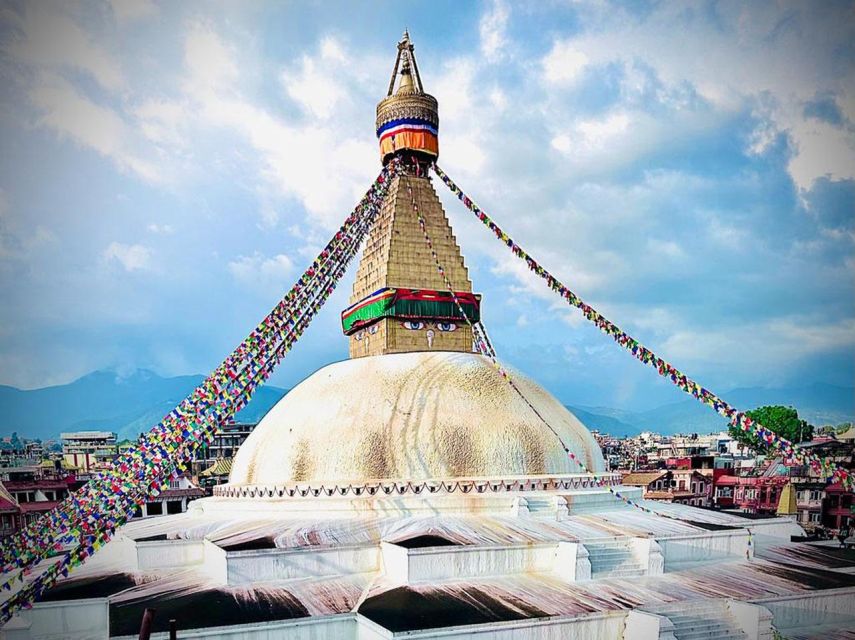
- Boudhanath Stupa kora time to watch prayer wheels, chanting, and daily pilgrim routines
- Bhaktapur Durbar Square on-the-ground viewing of wood carvings, pagoda temples, and palace details
- Private, licensed English guide with strong street knowledge and help with photo spots
- Car transport with pickup and drop-off in Kathmandu for a low-stress schedule
- Shopping windows for Newari and Tibetan goods, including incense and thangka-style art items
- Ticket-line skip setup, while heritage-site tickets are still not included in the price
Boudhanath Stupa: the 80-minute kora circuit you’ll remember
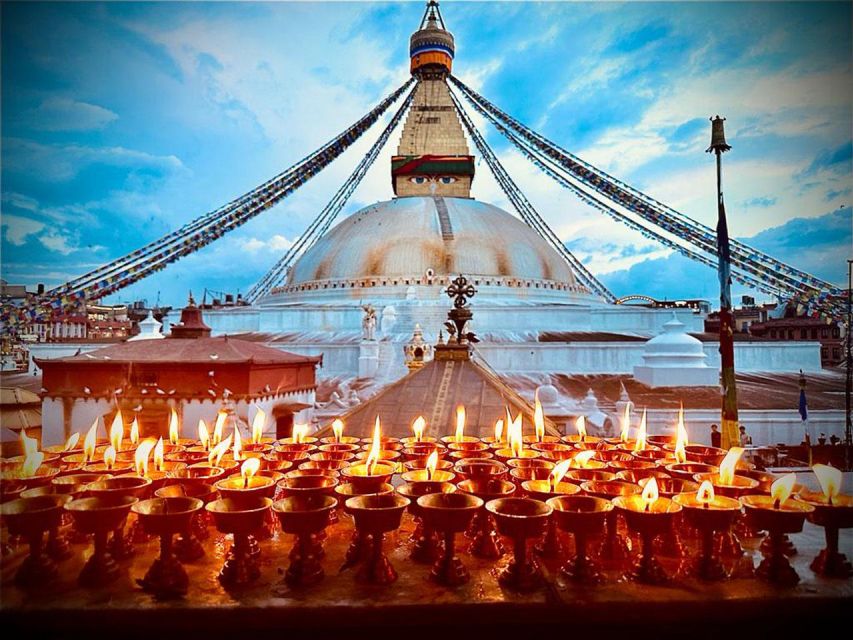
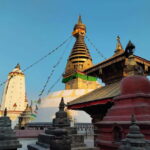
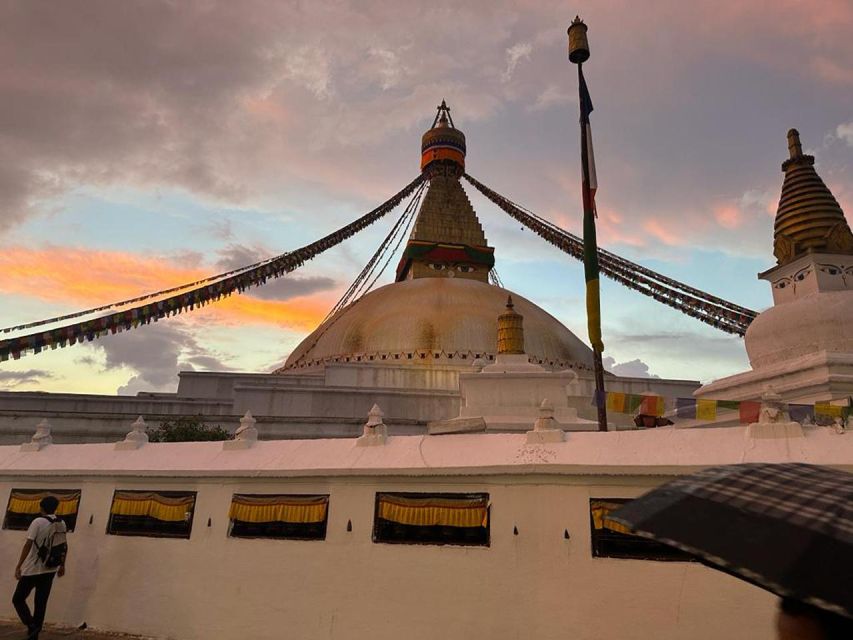
Your day starts at Boudhanath Stupa in Kathmandu. Expect a photo stop first, then a guided visit and a guided walk. The time on site is listed as about 80 minutes, which is enough to see the stupa up close and watch pilgrims settle into their rhythm.
What makes Boudha special is the loop. You’ll likely notice people performing kora, the circumambulation around the stupa. You may also see prayer wheels set in motion and hear chanting tied to the rituals around the monument. It’s not just sightseeing. The place has a steady spiritual tempo that changes how you move through it.
You’ll also get a clear sense of the Tibetan community here. Monasteries, prayer flags, and the general flow of daily religious life create a scene that feels lived-in rather than staged. If you enjoy atmosphere as much as monuments, this first stop is where the trip usually clicks.
You can also read our reviews of more tours and experiences in Kathmandu.


Practical pacing tip
Because this part includes photo time plus a walk, I’d treat it like your first “set your eyes” moment. In other words: don’t rush your photos at the start, because Bhaktapur’s details will still give you plenty to shoot later.
Bhaktapur Durbar Square: Malla-era craftsmanship in walking form
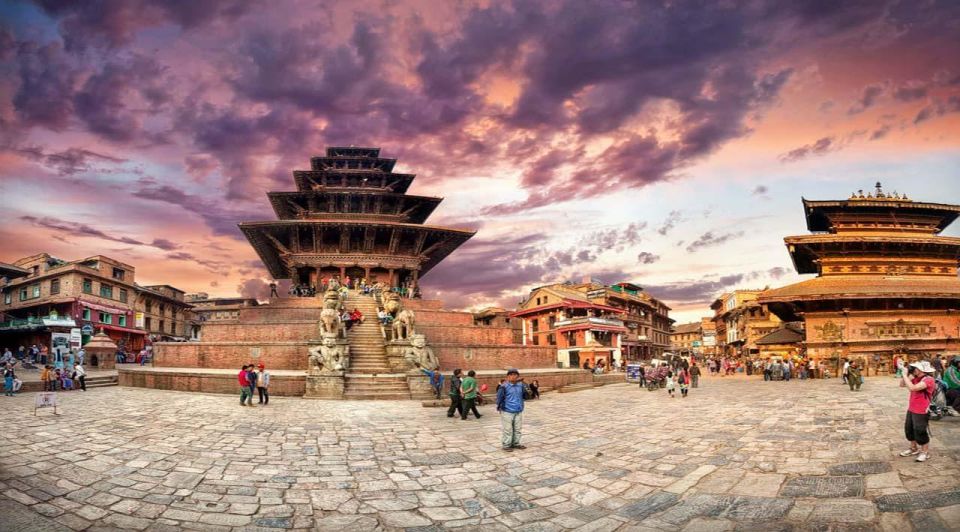
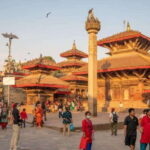
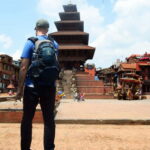
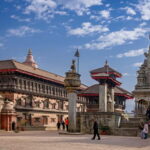
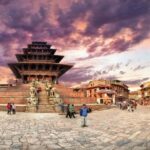
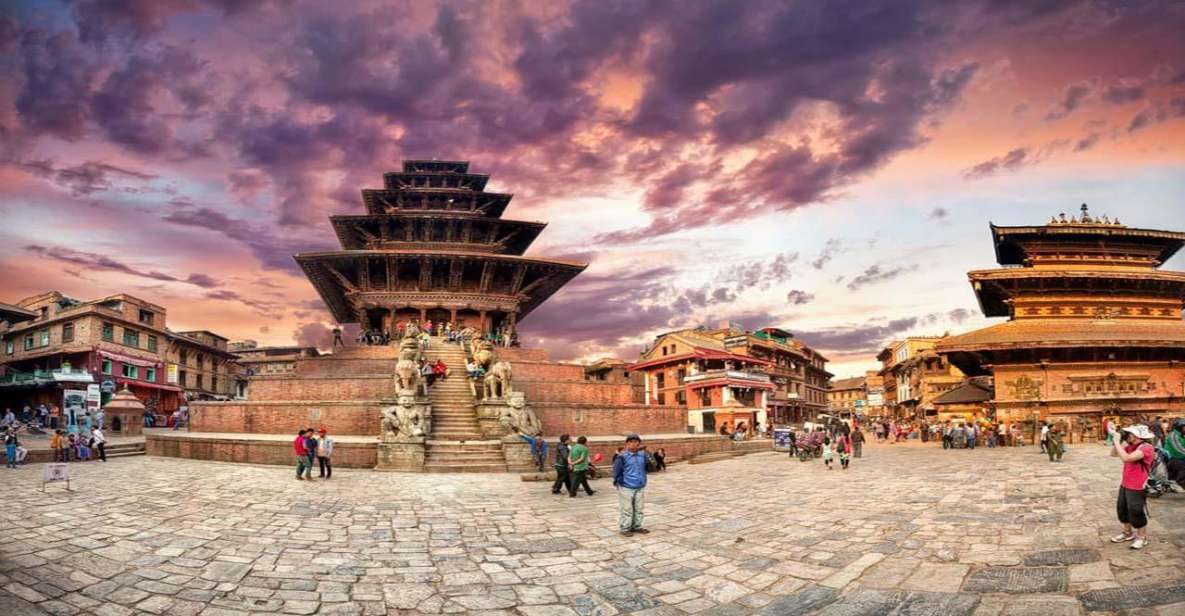
Next you head to Bhaktapur Durbar Square, typically around 1.5 hours on the ground. This is the part where you get the big, recognizable Bhaktapur postcard views, but you also get enough time to appreciate the smaller patterns that make the city feel intact.
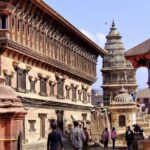
This area is UNESCO-listed and built for slow looking. You’ll see intricate wood carvings, pagoda temples, and palace structures with carved details that reward time and attention. A good guide will help you connect what you’re seeing to why it exists, including Bhaktapur’s role as a center of art, architecture, and trade during the Malla dynasty.
You’ll also get a sense of traditional Newari life. That shows up through the craft culture around you and the way artisans work in the city’s everyday flow. Depending on your guide and timing, you might even spend a moment around craft-related stops beyond the core monuments, like workshop-style demonstrations (for example pottery, woodworking, or paper making). Those small add-ons tend to make Bhaktapur feel more personal than just stone and signage.
The free-time value
Bhaktapur includes free time and shopping. This is where you can slow down and choose what you actually want, instead of being pushed through the loudest areas. I like this structure because you still get guided context, but you control your own pace for snacks, souvenirs, and quick browsing.
The private guide effect: why Prakriti or Bijay matters
This is a private group tour with a professional licensed private tour guide in English. That matters a lot in Kathmandu-area heritage sites, where the difference between a good visit and a great one is often timing and interpretation.
Guides like Prakriti and Bijay are praised specifically for kindness, knowledge, and the ability to make the sites feel understandable, not just impressive. They also help with practical things like finding good photo spots and navigating streets so you spend less time lost and more time looking.
On some versions of this experience, guides also add human touches that make the day feel warmer, such as short moments to try small local treats or seeing interesting side areas that aren’t always on the main path. Those extras can’t be guaranteed from the basic description alone, but the best part is that the tour is private, so your guide can adjust based on your interests and energy.
A small realism check
Because the day is only 5 hours, the guide’s job is to prioritize. You’re going to get meaningful time at both sites, not an endless checklist. If you want to study architecture like a graduate seminar, you may wish you had more hours in Bhaktapur. But if you want a strong first taste with smart guidance, this length is hard to beat.
The 5-hour schedule: how to pace Boudha plus Bhaktapur
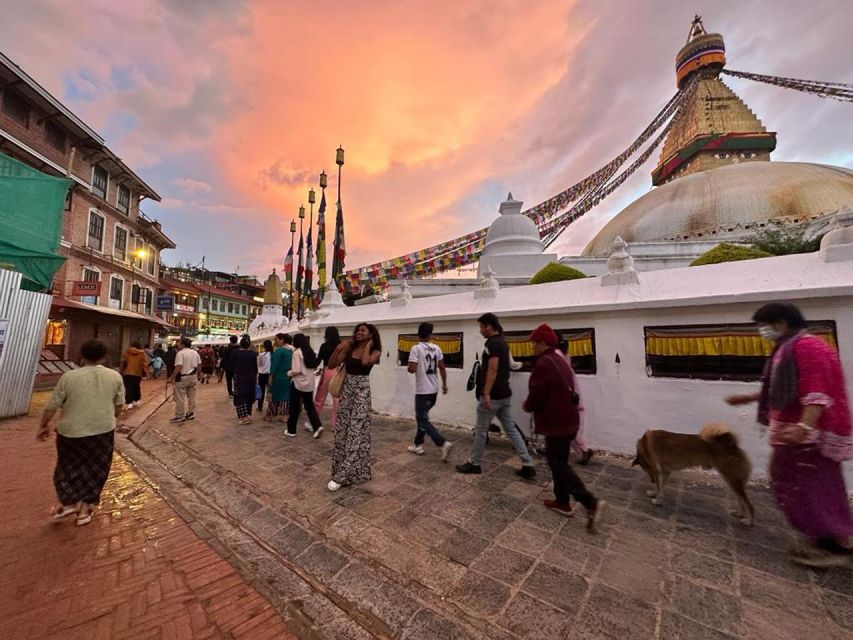
The order is straightforward. You start at Boudhanath Stupa, then move to Bhaktapur Durbar Square, and return to Kathmandu afterward. The key blocks are about 80 minutes at Boudha and about 1.5 hours at Durbar Square.
That adds up fast, so pacing is everything. Here’s how I’d think about it as you plan your day:
- Boudha is for atmosphere and ritual observation. Let your eyes adjust and watch the stupa circuit for a while.
- Bhaktapur is for close-up details. Woodwork, temple roofs, and carved palace elements benefit from slower walking.
- Your free time is best used for shopping and a quick break, not for rushing to fit in extra stops.
Transport is included via a free vehicle (car), and pickup/drop-off is built in for Kathmandu. That reduces the mental load, especially if your next stop is already on your itinerary.
What’s included (and what you’ll still pay for)
For $60 per person, you get a lot of the hard-to-organize parts handled. Included items are:
- Hotel pickup and drop-off
- Private vehicle (car)
- Professional licensed private tour guide (English)
- Setup that includes skip the ticket line for entry processing where applicable
- Free booking and cancellation (covered more in the FAQ)
Not included:
- Tickets to heritage sites
- Food and personal expenses
That last point is worth planning for. If you’re comparing to a cheaper taxi-only plan, the price difference often covers the guide’s time, local routing, and interpretation. If you’re comparing to tours that bundle tickets, you’ll feel the gap when you reach the entry desks. Either way, you’ll want some spending flexibility.
Shopping at Boudha and Bhaktapur: what to look for
Both stops include built-in time where shopping makes sense.
At Boudha, you can browse the local market tied to the Tibetan community. Expect to see items like Tibetan artifacts, incense, and thangka-style paintings. If incense is your thing, you’ll likely find plenty of choices, but I’d keep an eye on packing and smell control for your return trip.
At Bhaktapur Durbar Square, shopping time is part of the structure. Bhaktapur is famous for crafts, and this is your chance to pick something that reflects the city’s artisan side. If you’re choosing gifts, I think it helps to ask the guide to point out what’s locally made versus mass-produced look-alikes, since the guide’s local perspective can save you money.
A practical souvenir strategy
Buy one item that you’ll keep (something specific and meaningful), then use the rest of the time to browse. That way, you don’t end up with a bag full of okay stuff. You end up with a story you’ll remember.
Who should book this Bhaktapur and Boudha day?
This tour fits best if you:
- Want two major Kathmandu heritage experiences in one short day
- Prefer a private guide who can explain what you’re seeing while you walk
- Like a mix of spiritual atmosphere and architecture/craft details
- Are landing in Kathmandu and want an efficient first outing (morning arrivals often pair well with an afternoon plan)
It’s also a strong fit if you’re not trying to manage logistics yourself. Pickup and drop-off, plus car transport, make the whole thing feel like it was planned for real people with real schedules.
If you’re the type who needs long, slow hours in one place and hates any sense of time pressure, you might find the 5-hour frame short. But if you want a first deep-feel day without overcommitting, this combo tour delivers.
Should you book this tour, or DIY?
I’d book it if you value smart guidance, clean pacing, and a low-stress plan. Paying for a licensed English guide and private transport is usually worth it in heritage-dense areas where interpretation is the difference between seeing a monument and understanding it.
DIY can work if you already know exactly what you want to see and you’re comfortable navigating street-to-street. But with Bhaktapur plus Boudhanath in one day, your time can get eaten by route decisions. This tour keeps the day coherent.
My simple decision rule: if you want context plus time in the right places, book it. If you just want photos and don’t care much about the why, you can DIY. Most people who care about meaning find the guide-led approach pays off.
FAQ
How long is the Bhaktapur Durbar Square and Boudhanath Stupa tour?
The total duration is 5 hours.
Where does the tour start and end?
Pickup is from Kathmandu, and you’re dropped back at a preferred central location in Kathmandu.
Is this a private tour or a group tour?
It’s a private group tour.
What language is the guide?
The live tour guide speaks English.
Are heritage-site tickets included in the price?
No. Tickets to heritage sites are not included.
Does the tour help with ticket lines?
The tour includes setup to skip the ticket line, but heritage-site tickets are not included.
What’s included in the $60 per person price?
Hotel pickup and drop-off, a free car, a professional licensed private tour guide, and free booking and cancellation.
Is the tour wheelchair accessible?
Yes, it is listed as wheelchair accessible.
Can I cancel, and will I get a refund?
Yes. You can cancel up to 24 hours in advance for a full refund.