REVIEW · KATHMANDU
Beginner-Friendly Rafting Adventure on the Trishuli River
Book on GetYourGuide →Operated by Sobit - Bold Himalaya · Bookable on GetYourGuide
Rafting the Trishuli feels like Nepali adrenaline therapy. This one-day trip is a classic mix of beginner-friendly rapids and the big scenery of central Nepal, with the river fed from the Langtang Himal and a thrilling pass through the Trishuli Gorge.
I love how the day is built for real comfort: you get private vehicle pickup from Kathmandu, then you spend your energy on the water instead of logistics. Second, I really like the safety setup—self-bailing rafts, helmets, life jackets, and even a safety kayak—so you can focus on the paddle and the ride.
The main thing to consider is timing: it’s a long day (plan for around 12 hours), and you’ll also want to know that mineral water and cold drinks aren’t included.
In This Review
- Key Things You’ll Remember From Trishuli River Rafting
- Price and What Makes This One-Day Trip Worth $63
- From Kathmandu to Charaudi: The Drive That Sets the Tone
- The Resort Break at Trishuli River Side Resort: More Than Just Waiting
- Gear, Briefing, and First Paddle Skills (Without Feeling Overwhelmed)
- What Rafting Feels Like on the Trishuli (Class I to IV)
- Lunch on the River Beach: A Reset With Real Nepal River Life
- Trishuli Gorge: Where the River Tightens and Gets Loud
- Getting Back to Kathmandu: Wrap-Up With the Right Kind of Tired
- What’s Included (and What You’ll Still Need to Pay Attention To)
- Included
- Not included
- What to Bring to Stay Comfortable (So You Can Actually Enjoy It)
- Who This Trip Fits Best (And Who Should Skip It)
- Tips to Make Your Day Smoother (Small Moves, Big Payoff)
- Short Honest Verdict: Should You Book This Trishuli Rafting Day?
- FAQ
- Where is the rafting trip located?
- How long does the trip take?
- What rapids will I raft?
- Is this rafting suitable for beginners?
- What transportation is included?
- Are meals included?
- What rafting equipment do I receive?
- Is water or cold drinks included?
- Do I need special clothing or can I rent gear?
Key Things You’ll Remember From Trishuli River Rafting
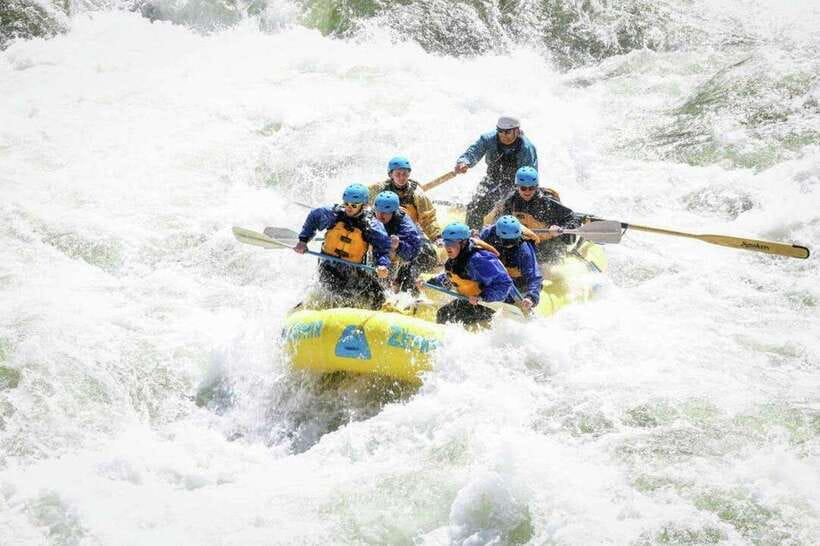
- Class I to IV rapids that work for first-timers but still feel exciting
- Private Kathmandu–Charaudi transfer that keeps the day practical
- A safety kayak plus first aid support, with proper rafting gear included
- Riverside lunch on a beach with uniquely shaped boulders
- Trishuli Gorge scenery with narrow passages and steep cliffs
- A view of the cable car to Manakamana temple during the day’s drive and stops
Price and What Makes This One-Day Trip Worth $63
At about $63 per person, this feels like good value for a full day of white-water fun from Kathmandu. You’re not just paying for the rafting moment; you’re paying for the whole package: private transport to the put-in point, river permits, a full gear kit, trained staff, meals during the trip, and safety support on the water.
For me, the value is in the “less hassle” part. A day like this can easily turn into waiting around if the logistics are messy. Here, the plan is tight: you’re picked up, you drive to Charaudi, you get ready with a briefing, you raft, you eat by the river, and you return to Kathmandu. You’ll still feel the long day, but you won’t lose it to confusion.
You can also read our reviews of more tours and experiences in Kathmandu.


From Kathmandu to Charaudi: The Drive That Sets the Tone
Your day starts with pickup from your Kathmandu hotel. Then you head toward Charaudi, the put-in point, in a private vehicle.
The drive is about 3 hours, and that matters. It’s long enough that you’ll feel it by the end of the day, but private transport is the difference between “I’ll survive” and “why did I do this.” One strong detail from past riders: even when the drive is a bit tiring, the private car makes it manageable.
Along the route, you can also get glimpses that make the day feel more than just a rafting excursion. You might catch views connected to the famous Manakamana area, including the cable car running up to the Hindu Temple there. It’s the kind of roadside wonder that turns a transfer into part of the story.
The Resort Break at Trishuli River Side Resort: More Than Just Waiting
Once you reach the river area, there’s time to settle in at Trishuli River Side Resort. This part includes break time, a photo stop, a bit of guided touring, and free time—plus swimming is offered.
This is the smartest stretch of the day if you’re planning ahead. You’re fresh before the briefing, and you can switch from Kathmandu mode (shower, snacks, pacing yourself) to river mode (change clothes, sunscreen, gear readiness). If you’re the type who gets cranky when food is late, this is also where the schedule becomes kind: you’re not jumping straight from the road into adrenaline.
What to keep in mind: this is still a long outing. Use the free time to rest, not to overcommit. Save your energy for paddling and the gorge section later in the day.
Gear, Briefing, and First Paddle Skills (Without Feeling Overwhelmed)
When you arrive at the Charaudi area, locals and the crew are ready for you. The team helps set up the rafts, then you get:
- A safety briefing
- Paddling lessons
- Time to get properly geared up with helmets, life jackets, and self-bailing rafts
English guidance is included, and there’s also an English audio guide listed as part of the experience. That helps if you don’t want to rely only on shouted directions during the busy briefing.
If you’re a true beginner, the key isn’t learning everything. It’s learning the basic rhythm: when to paddle, how to brace, and how to follow the crew’s cues. The presence of a safety kayak on the river is reassuring because it means the team isn’t just hoping for the best.
Also note the wetsuit detail: wetsuits are only provided during winter on certain rivers. So in other seasons, you’ll likely be rafting in lighter river clothing. Either way, you should plan on getting wet.
What Rafting Feels Like on the Trishuli (Class I to IV)
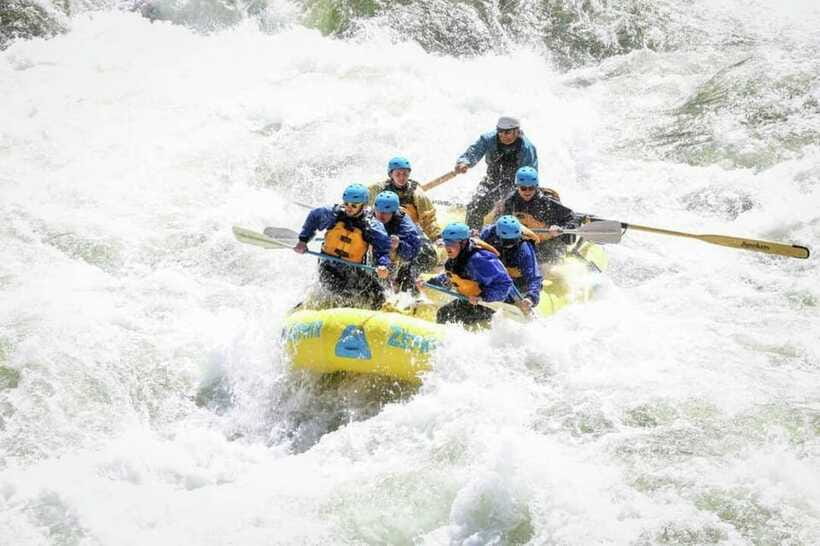
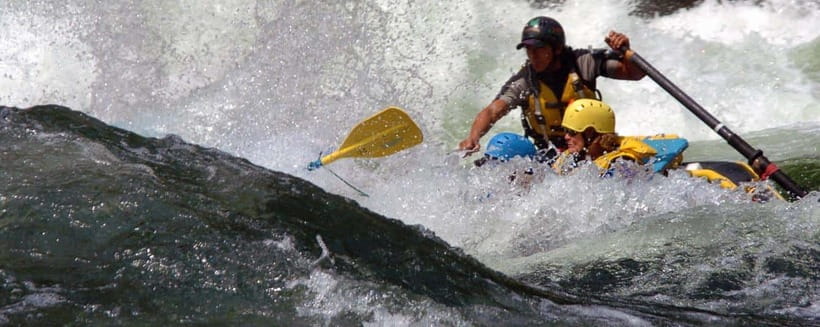
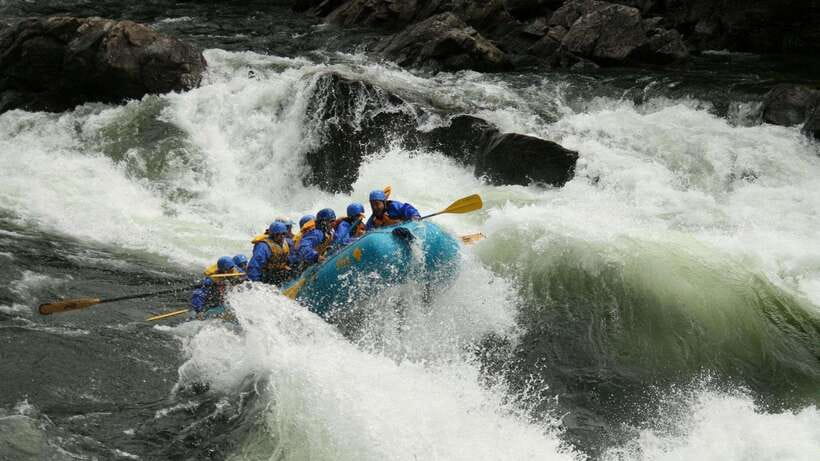
The Trishuli River is known for a practical mix of difficulty. You’ll run rapids rated Class I to IV, and that range is exactly why this trip works for beginners.
Here’s how to think about it:
- Class I–II sections are where you learn the raft’s feel. You’ll be able to enjoy the ride, see the cliffs and valleys, and get used to paddling without white-knuckle stress.
- Class II–III sections bring real excitement. Expect more current pull and sharper moments where teamwork matters.
- Class IV is the “hold on” part. You’ll feel the river get serious, and the gorge later on amplifies that.
From a practical standpoint, the best part is the variety. The day isn’t just one long sprint of chaos. It’s gentle stretches that let you recover mentally, then rapids that make you pay attention again. That balance is what keeps it beginner-friendly without turning the whole trip into a slow float.
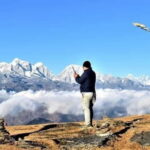
Lunch on the River Beach: A Reset With Real Nepal River Life
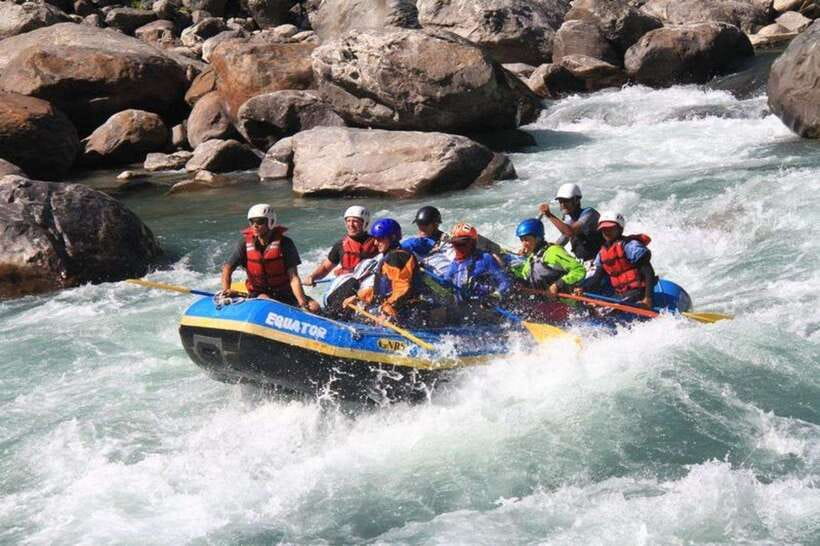
After about two hours on the river, you stop at a picturesque beach lined with uniquely shaped boulders. This is where you take your lunch—an outdoor meal by the water, with time to breathe.
This pause is more important than it sounds. You’ll paddle hard enough that your shoulders will feel it later, and the lunch break gives you a chance to:
- drink in the scenery
- dry off some
- warm up after wet stretches
- regroup before the gorge section
The lunch is included, and the food is described as Western and continental. That’s a comfortable choice for many visitors, especially if you’re not sure what you’ll prefer right at midday on the river.
One thing to plan for: mineral water and cold drinks aren’t included, and alcohol is also not allowed. So if you want extra hydration choices, bring money for drinks where available at stops, or plan for water you can access during the trip.
Trishuli Gorge: Where the River Tightens and Gets Loud
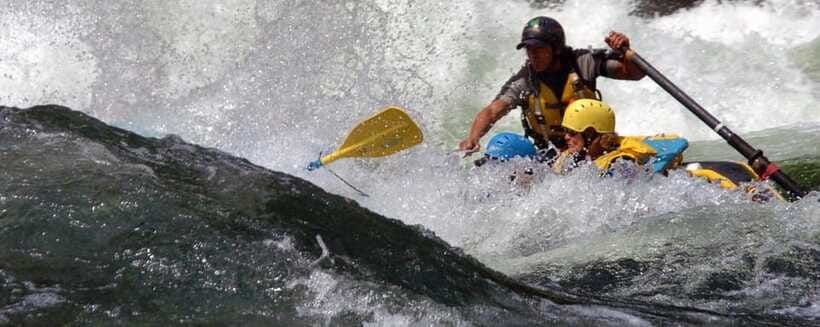
After lunch, you continue downstream into the Trishuli Gorge. This is the signature stretch, and the reason the Trishuli is so famous for rafting.
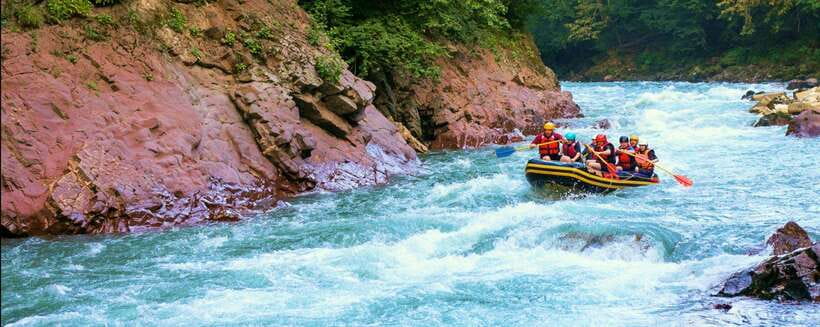
Expect narrow channels and towering, steep walls that make the rapids feel more frequent and more intense. Narrow water adds pressure—there’s less room for the raft to drift, and the current has a stronger effect on direction and timing.
This section is where the day’s story shifts from “fun adventure” to “I can’t believe I’m doing this.” Even if you’re not chasing peak difficulty, the gorge gives a sense of scale you don’t get on wider rivers.
Getting Back to Kathmandu: Wrap-Up With the Right Kind of Tired
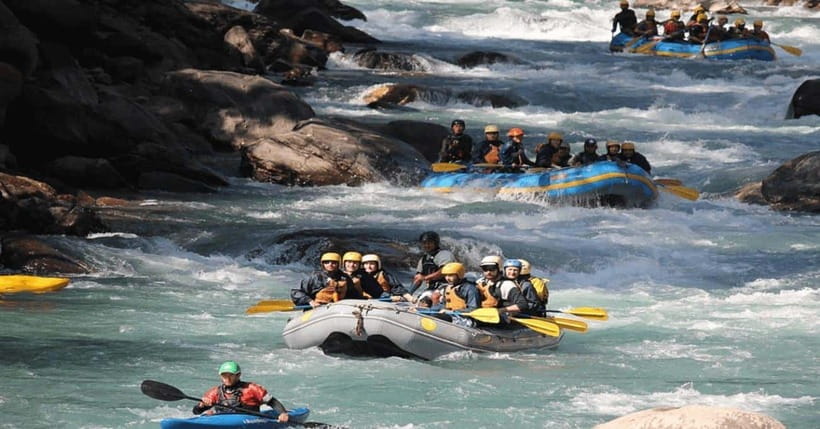
As the day closes, you drive back to Kathmandu in private transportation. That matters because you’ve already spent energy on the river. A shared bus can turn into an annoying end to a great day, but private transport keeps it smooth.
You’ll likely be tired in the best way—sunburned (if you forgot sunscreen), damp clothes in your bag, and still buzzing from the gorge. It’s a good night for an easy dinner and an early sleep.
What’s Included (and What You’ll Still Need to Pay Attention To)
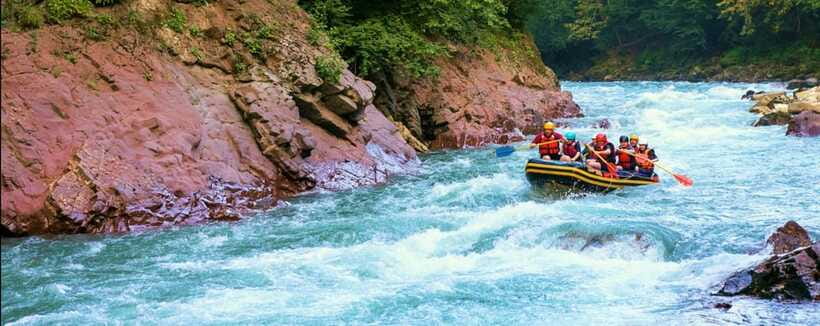
This trip includes a lot, and it’s worth knowing because the “included” items are a big part of the value.
Included
- Private transportation: Kathmandu–Charaudi–Kathmandu
- Meals during the trip (including lunch)
- River permit
- Rafting gear: self-bailing rafts, life jackets, helmets, plastic paddles, plus dry bag for gear
- Safety support: safety kayak and first aid kit box
- Staff: guide and helpers
- Camera options: camera barrels (listed as part of the kit)
Not included
- Mineral water, cold drinks, and alcohol
- Any hotel meals/accommodations if you stay elsewhere during the day
- Personal items and member insurance
- Emergency evacuation
That list affects your packing. You’ll want to bring your personal essentials and handle your own hydration preferences.
What to Bring to Stay Comfortable (So You Can Actually Enjoy It)
Bring a mix of water-friendly items and practical comfort. The trip lists:
- Comfortable shoes
- Sunglasses
- Sun hat
- Swimwear
- Change of clothes
- Sunscreen (and the note says biodegradable sunscreen)
- Waterproof camera (or protection for your camera)
- Face mask or protective covering
Also, I recommend you think about drying. Even with a dry bag, you’ll be wet. A fresh set of clothes for later is huge.
If you’re sensitive to cold in the morning or late afternoon, plan your layers. The trip is one-day, but the river schedule can move fast enough that you don’t always control when you’re in the sun vs. shade.
Who This Trip Fits Best (And Who Should Skip It)
This is aimed at adventure enthusiasts and nature lovers, and the difficulty range makes it friendly for a lot of first-timers.
It’s a good fit if:
- you want real white-water without a full-on technical expedition
- you enjoy scenery—forests, waterfalls, villages, and gorge walls
- you like the idea of a structured day with briefing, safety support, and included meals
It’s not suitable for:
- people over 70 years (explicitly listed)
- anyone who expects alcohol use or ignores basic safety rules—intoxication and alcohol are not allowed
Tips to Make Your Day Smoother (Small Moves, Big Payoff)
A rafting day goes best when you treat it like a schedule with small tasks.
- Wear shoes you don’t mind getting wet. The river and the shore surfaces can be unpredictable.
- Use sunscreen like it’s your job. Long sun time + wet reflections = faster burn.
- Listen hard during the paddling lesson. Your body learns quicker than you think.
- Bring a solid plan for water. Since mineral water isn’t included, decide early whether you’ll buy it at stops.
- Don’t overpack expectations. You’ll raft for around two hours before lunch, then gorge time comes after—so the day is a sequence, not one continuous adrenaline moment.
Short Honest Verdict: Should You Book This Trishuli Rafting Day?
If you want a beginner-friendly rafting adventure that still delivers real rapids and a memorable gorge section, this is an easy yes. The biggest strengths are the practical logistics (private transport), the safety structure (gear plus a safety kayak and medical kit), and the fact that the day includes a proper break with lunch by the river.
Skip it only if you already know you can’t handle a long day on the go, or if you’re looking for something more extreme than Class I to IV. Otherwise, this is a solid Kathmandu-based rafting choice for people who want both thrill and scenery without complicated planning.
FAQ
Where is the rafting trip located?
The rafting adventure runs on the Trishuli River in central Nepal, with the trip organized from Kathmandu to the Charaudi put-in point and back.
How long does the trip take?
It’s a 1-day experience, and the rafting day is listed as lasting around 12 hours.
What rapids will I raft?
The trip offers rapids rated Class I to IV, with a mix of gentler sections and more thrilling rapids.
Is this rafting suitable for beginners?
Yes. The Trishuli River is described as a good option for both beginner and expert rafters because of its moderate rapids.
What transportation is included?
You get private transportation from your Kathmandu hotel area to Charaudi and back to Kathmandu.
Are meals included?
Yes. Meals, including Western and continental lunch, are included during the rafting trip.
What rafting equipment do I receive?
You’ll be provided self-bailing rafts, life jackets, helmets, plastic paddles, and a dry bag for your gear. Camera barrels and safety and medical equipment are also included.
Is water or cold drinks included?
No. Mineral water, cold drinks, and alcoholic beverages are not included.
Do I need special clothing or can I rent gear?
You should bring items like swimwear and a change of clothes. The trip lists that wetsuits may be used during winter on certain rivers, but your own packing should include the basics for getting wet and changing afterward.