REVIEW · KATHMANDU
10 Days Nepal Adventure Tour from Kathmandu
Book on GetYourGuide →Operated by Himalayan Smile Treks and Adventures Pvt. Ltd. · Bookable on GetYourGuide
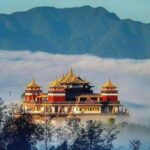
Whitewater, jungle, and mountains in one trip. This small-group 10-day circuit strings together UNESCO culture in Kathmandu, Trishuli River rafting, Chitwan wildlife, and a short trek to Ghandruk in the Annapurna region—so you get big variety without bouncing between random tours.
You’ll also get real hands-on guidance: an English live guide on the ground and strong day-to-day support from local staff. One thing to weigh is that the road days can be long and bumpy in places, and some groups have reported their guide time being partly spent on shopping stops rather than extra site context—so it helps to go in clear about your priorities.
In This Review
- Key things I’d circle on your planning list
- First stop: Kathmandu Valley World Heritage sites
- Trishuli River rafting and the drive to Chitwan
- Chitwan National Park: safari day with canoeing and elephant bathing
- Pokhara: caves, waterfall stop, and lakeside decompression
- Ghandruk trek in the Annapurna Conservation Area (days 6–7)
- Dhampus to Phedi and a final Pokhara night (day 8)
- Back to Kathmandu: last shopping, then a cultural farewell dinner
- Value for your $1,080: what you’re paying for (and what you’re not)
- Who this tour fits best (and who should rethink it)
- Should you book this 10-day Nepal Adventure Tour?
- FAQ
- How long is the tour?
- What’s included for lodging and meals?
- What activities are included during the trip?
- What’s not included?
- What language support do you get?
- What’s the cancellation policy?
Key things I’d circle on your planning list
- Small-group feel (max 12 people) with a live English guide and audio support
- Trishuli rafting day built into the drive from Kathmandu toward Chitwan
- Chitwan National Park activities beyond photos, including canoeing, birding, and elephant bathing
- Pokhara downtime with lakeside time after caves and waterfall stops
- Ghandruk trek in the Annapurna Conservation Area with mountain views and a cultural village stop
First stop: Kathmandu Valley World Heritage sites
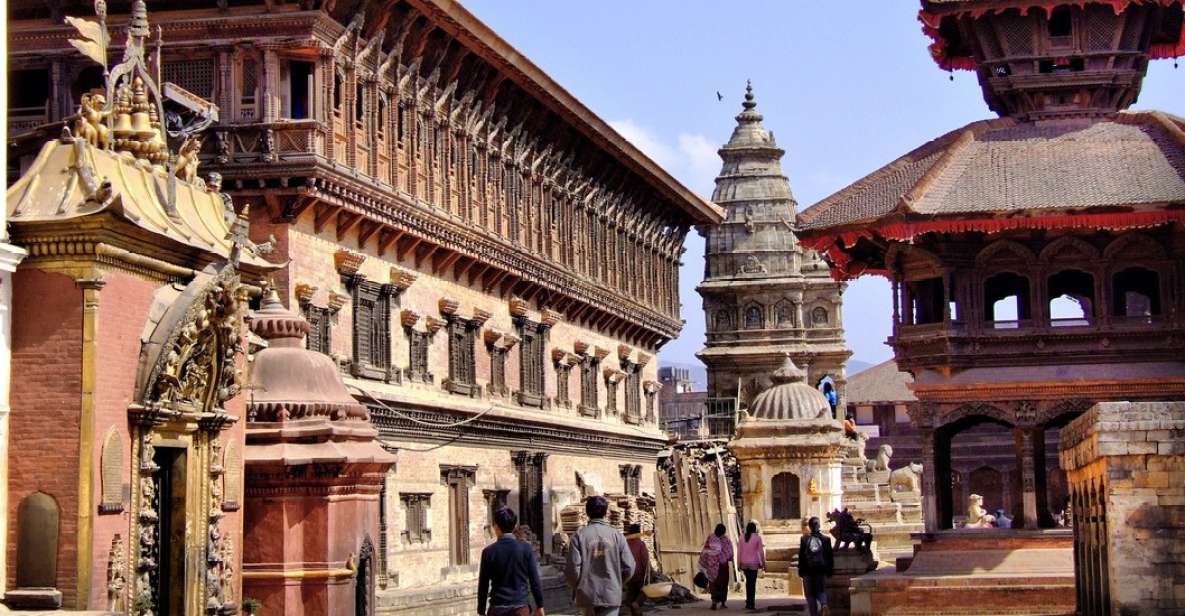
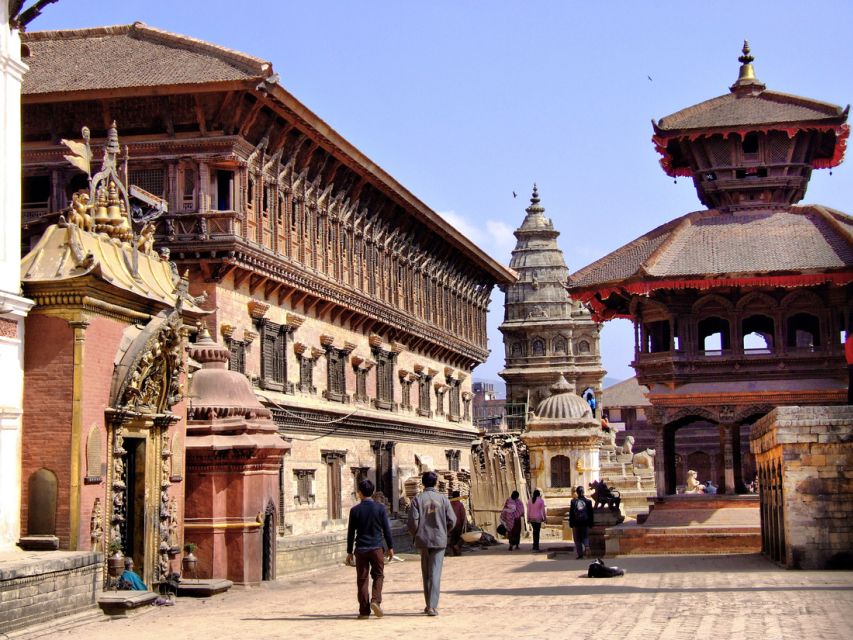
Kathmandu is where this tour starts strong. After arrival and a private transfer to your hotel, the next day is dedicated to the Kathmandu Valley heritage circuit—so you get context fast, before you disappear into rivers and trails.
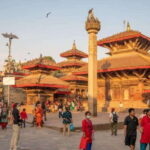
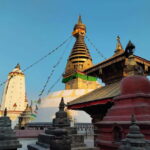
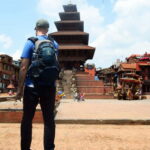
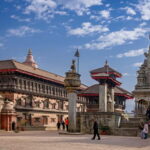
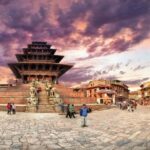
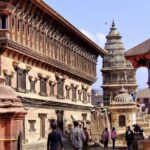
You’ll visit key UNESCO sites: Bhaktapur Durbar Square, Pashupatinath Temple, Boudhanath Stupa, and Swayambhunath. Each one is a different doorway into Nepal’s Hindu and Buddhist traditions. Bhaktapur’s old square atmosphere helps you understand why city centers matter so much here—religion isn’t just a topic, it’s built into streets, rituals, and daily life.
A big plus of packing these sites into a single guided day is pacing. You’re not trying to stitch together taxis, tickets, and “where should I go next?” moments. Your guide keeps the storyline moving: what you’re seeing, why it matters, and how people use these places in real life.
Practical consideration: the tour notes that entrance fees in Kathmandu aren’t included. That means you’ll want some extra cash ready for site entry, and you’ll want your guide to tell you what’s covered and what isn’t as the day unfolds.
You can also read our reviews of more tours and experiences in Kathmandu.


Trishuli River rafting and the drive to Chitwan
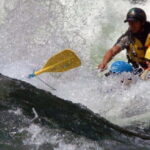
Once Kathmandu culture is done, the tour shifts gears. Day 3 pairs a scenic road transfer with whitewater rafting on the Trishuli River, then tops it off with a Tharu cultural display in the evening.
This is a smart design: you don’t waste the long travel day. Instead, you turn it into one of your main “action” days. If you’re booking this tour because you want rafting but don’t want to add extra transfers and separate bookings, this structure is a clear win.
You’ll drive Kathmandu to Chitwan in about 5–7 hours. The road conditions are mixed—construction can mean bumps in certain areas (the Malekhu/Benighat stretch is specifically called out), while other parts are smoother blacktop. Translation for you: bring the mindset that this isn’t a “nap the whole time” ride, especially if you’re sensitive to jostling.
Once you arrive in Chitwan, you don’t just check in and call it a night. The Tharu cultural display adds a low-pressure introduction to the people tied to this region. Even if you’re tired from the drive, it’s a friendly way to land in a new place.
Chitwan National Park: safari day with canoeing and elephant bathing
Chitwan is where the tour delivers on the “wildlife and jungle” promise. Day 4 is a full day in Chitwan National Park with activities including jungle safari, canoeing, birding, and bathing elephants.
This is more than a single game-drive-style outing. Canoeing and birding change how you experience the park—slower angles, different wildlife behavior, more listening than chasing. Elephant bathing is also very specific to Chitwan tours, and it’s the kind of activity that can feel memorable precisely because it’s hands-on rather than observational.
One more note from real-world feedback: people on this tour have praised the guide skills for animal spotting in Chitwan. The key value here is not luck—it’s guidance. When your guide knows where to look and what signs to interpret, your day becomes more productive and less “we drove around and hoped.”
If you’re trying to manage expectations, remember one truth about wildlife: sightings depend on conditions. What you can control is how well your guide runs the day. This tour is set up with that in mind—your Chitwan time is planned as an activities block, not as an optional add-on.
You’ll sleep at a jungle lodge for this night, and the tour includes three meals during these Chitwan nights. That matters because it reduces decision fatigue—no hunting for food after an active day.
Pokhara: caves, waterfall stop, and lakeside decompression
After Chitwan, you’ll head to Pokhara (Day 5). The drive also includes stops at Davis Falls, Gupteshwor Caves, and the Tibetan Refugee Camp. That combo gives you variety: water scenery, underground exploration, and a community stop that adds depth to your understanding of the region.
Pokhara is often where travelers feel their energy return, and the tour uses that well. In the evening, you relax by the lakeside. It’s a practical choice. After rafting and a full jungle day, you want “I can walk slowly and recharge” time—not another cram schedule.
The road to Pokhara matters here too. The route is passable but can be dusty and narrow in certain key areas, and road widening work is mentioned near Kathmandu on the later return. Expect a long travel day feel, even when the driving is manageable.
Also check timing expectations for caves and waterfall stops. These are typically morning/afternoon-style visits that need steady movement. If you’re prone to getting tired, pace yourself and save your energy for the views you’ll want to linger on.
Ghandruk trek in the Annapurna Conservation Area (days 6–7)
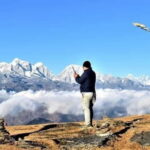
Then you trade boats and city sights for walking. Days 6 and 7 are the trek portion: you’ll trek to Ghandruk village, then continue trekking toward Pothana.
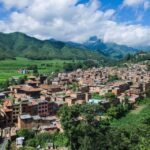
This is one of the most meaningful parts of the whole itinerary. Ghandruk is described as a Gurung village with nice mountain views, plus you’ll experience mountain people, culture, and daily lifestyle while you walk. That’s the point of this trek: you’re not just collecting viewpoints—you’re seeing how communities live with the mountains as a neighbor.
The tour doesn’t require you to be a mountaineer. It explicitly states you don’t need rippling muscles, and you can qualify with reasonable fitness and a willingness to walk. If you’re planning ahead, the tour’s guidance is to do physical prep like running, swimming, and hiking. You don’t need a gym schedule—just build your legs and your pacing.
What makes the Ghandruk section feel especially worthwhile is the village experience at the end of a day’s effort. Getting there is satisfying, but it’s even better because you’re arriving into a living community, not just a photo stop.
Real feedback also highlights how much the trek experience depends on the trek guide. One guide named Dharma is mentioned for being kind and energetic, with extra attention like checking that the trekkers were doing okay and even carrying a backpack at times. That’s exactly the kind of support that turns a trek from a test into a shared journey.
Practical reality: trekking gear and porter service aren’t included. Trekking porter isn’t listed as included, and the tour notes trekking gear isn’t provided. If you’re counting on someone else to carry the load, you’ll need to plan for that yourself.
And one more key detail: mountain lodge and all meals while you’re trekking aren’t included. That means your budget should cover trekking-side lodging/food, or you should confirm what your specific operator will cover in practice for these nights.
Dhampus to Phedi and a final Pokhara night (day 8)
Day 8 continues the trek-to-return rhythm. You trek to Phedi via Dhampus, then you drive back to Pokhara. There’s also an evening walk around Phewa Lake.
This is a nice way to end the trekking portion. Instead of going for one last big summit-style day, the plan focuses on a gradual movement out of the trek area and back into town. That makes the experience feel more balanced if you’ve got limited time and you still want downtime afterward.
Dhampus is included as part of the route. Since the itinerary describes mountain views as part of the scenery, you should expect a “walking for views” feeling, but the specific view moments will depend on weather. If clouds roll in, the walk still works because the village-and-forest rhythm is part of the experience.
The lakeside walk is a smart reward. It helps you decompress without needing energy for more paid activities. When you’ve done a multi-day trek, a simple loop by the water can feel like the perfect ending.
Back to Kathmandu: last shopping, then a cultural farewell dinner
The tour closes with a return to Kathmandu and a final cultural meal. Day 9 drives you back to Kathmandu for last-minute shopping in Thamel, then you have a cultural farewell dinner.
Thamel is where many visitors naturally end up, mostly because it’s convenient for trekking supplies, small gifts, and travel basics. Even if you’re not a shopper, it’s useful to be there with time to handle small needs—like replacing something you forgot before your flight.
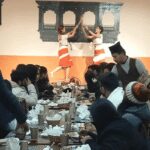
The farewell dinner is where the tour makes its last cultural move. The experience notes Nepalese cuisine plus a show of folk dances and music. It’s a fitting ending after earlier Kathmandu Valley heritage visits and after Chitwan’s Tharu cultural display. You’re building a cultural picture through multiple lenses instead of only one.
If you’re watching your budget, keep in mind that lunch and dinner in Kathmandu aren’t included. The dinner on Day 9 is included as the farewell event, but your other evening meal plans will be on you.
Value for your $1,080: what you’re paying for (and what you’re not)
At $1,080 per person for 10 days, this tour is priced like a package that aims to reduce planning stress. You’re paying for a lot of “in-between” logistics—private transfers, hotels, guides, park activities, trekking permits, and guided activity blocks that would be hard to assemble yourself smoothly.
Here’s what your cost generally buys:
- 3-night Kathmandu hotel stay with breakfast
- 2-night Pokhara hotel stay with breakfast
- 2 nights in Chitwan at the jungle lodge with 3 meals
- 2 nights on the Annapurna Ghandrung trek
- Guides (tour guide and trekking guide)
- Rafting at the Trishuli River
- Kathmandu Valley sightseeing
- Trekking permit
- Jungle activities in Chitwan National Park
- Transport pieces between regions
Here’s what you should plan for separately:
- All meals (explicitly noted as not included overall), and mountain lodge and all meals while trekking aren’t included
- Trekking porter
- Travel insurance
- Trekking gear
- Entrance fees in Kathmandu and Pokhara
- Lunch and dinner in Kathmandu and Pokhara
- Any drinks
So is it good value? It usually is, if you want a single guided circuit that delivers city + jungle + trekking without you managing every transport and guide-yourself moment. If you’re comfortable piecing things together and you already have trekking lodging/food figured out, you might compare cheaper options. But if you want someone else to handle the sequence and guide the activities, the package format makes sense.
Who this tour fits best (and who should rethink it)
This is a strong fit for you if you want a balanced Nepal sampler:
- You want adventure (rafting and jungle activities) plus cultural sightseeing
- You prefer a guided plan with a small group size
- You’re reasonably fit and comfortable walking during a short trek
It’s not a match if you need wheelchair access, since it notes it’s not suitable for wheelchair users. It also says it’s not suitable for people over 95 years, so if age is a factor, confirm details in advance.
Fitness-wise, the trek is the real commitment. The tour is clear that you don’t need mountaineering experience, but you do need to be able to handle day-to-day walking. If you’re new to hiking, start training now—your knees and lungs will thank you.
Should you book this 10-day Nepal Adventure Tour?
Book it if your dream Nepal includes three things in one trip: Trishuli rafting, a real Chitwan National Park day, and a trek to Ghandruk with mountain village life. I also like that the tour uses a small-group format (up to 12), so you’re not swallowed by a huge crowd, and you get time for real questions.
Pause and ask questions before you commit if you’re picky about pacing and spending time at shops. One review noted guides who weren’t as proactive and the pressure to buy items at certain boutiques. That doesn’t mean it will happen to you, but it’s worth setting expectations early.
Finally, do your homework on the trekking side costs and meals, because those aren’t included. If you factor that in, this tour is a solid value way to cover a lot of Nepal—city heritage, jungle wildlife, and Himalayan walking—without turning your trip into a spreadsheet.
FAQ
How long is the tour?
The tour runs for 10 days.
What’s included for lodging and meals?
You’ll have 3 nights of hotel stay in Kathmandu and 2 nights in Pokhara with breakfast. In Chitwan, you’ll have 2 nights with 3 meals. For the trekking part, the tour includes trekking nights, but mountain lodge and meals while you’re trekking are listed as not included.
What activities are included during the trip?
Included activities are Kathmandu Valley sightseeing, rafting on the Trishuli River, jungle activities in Chitwan National Park, and trekking to Ghandruk (plus additional trek segments). A trekking guide is provided.
What’s not included?
Not included are trekking porter, travel insurance, trekking gear, personal medical kits, all kinds of drinks, Kathmandu and Pokhara sightseeing entrance fees, and lunch and dinner in Kathmandu and Pokhara. Mountain lodge and all meals while trekking are also not included.
What language support do you get?
The live tour guide is English, and an audio guide is also included in English. The tour is for a small group.
What’s the cancellation policy?
You can cancel up to 24 hours in advance for a full refund.