REVIEW · KATHMANDU
4 Days Pikey Peak Trek : The Best View of Mt Everest
Book on GetYourGuide →Operated by Alpinist Club · Bookable on GetYourGuide
Everest views on a short trek? Yes, and it’s surprisingly peaceful. This 4-day Pikey Peak Trek in the Lower Khumbu region mixes sunrise panoramas with quiet trails through rhododendron forests and Sherpa villages. It’s one of those rare hikes where the big payoff starts early and keeps delivering.
I also like how this route feels approachable. You get high-altitude scenery without the long, exhausting commitment of longer Everest routes, and the itinerary builds in rest as you climb toward Pikey Base Camp. One key thing to consider: you’re signing up for a long jeep/van drive each way from Kathmandu, so your day starts early and ends late.
If you can handle that road time, you’ll love the combination of Himalayan range viewpoints (Everest included) and the down-to-earth culture along the way. With a small group limited to 8, plus an English-speaking guide (I’ve seen guides like Pemba, Sukbir Tamang, and Ngima Chhechi Sherpahe praised for keeping the trek enjoyable), this is a good choice when you want value and real mountain time fast.
In This Review
- Key Pikey Peak Trek takeaways before you go
- Why Pikey Peak feels like an Everest shortcut (without the Everest stress)
- Getting to the start: Kathmandu pickup and the long drive to Dhap
- Day 1: Dhap Bazar to Jhapre (about 2 hours hiking) through Kerung’s monasteries
- Day 2: Jhapre to Pikey Base Camp (3,640 m) and your first big breathing moment
- Day 3: Pikey Peak summit (4,065 m) for the panoramic Everest view
- Day 4: Jhapre back to Dhap and then the long return to Kathmandu
- Lodges and meals: basic but functional, with dal bhat as your friend
- Altitude: it’s moderate, but you still need the right habits
- Price and value: what $350 covers and what costs extra
- Gear that actually matters for a 4-day Pikey Peak trek
- Who should book this trek, and who should skip it
- The guides make the experience feel smoother
- Should you book the 4-day Pikey Peak Trek for Everest views?
- FAQ
- What is the altitude of Pikey Peak?
- How long is the trek on the hiking days?
- Is this trek suitable for beginners?
- What is included in the $350 price?
- Are meals included?
- Do I need cash for the trail?
- What type of accommodation will I have?
- When is the best time to go?
- Is the trek refundable if plans change?
Key Pikey Peak Trek takeaways before you go
- Everest sunrise energy from a viewpoint that doesn’t require weeks on the trail
- Rhododendron forests and alpine meadows that make the hike feel like more than just the summit
- Sherpa villages and nearby monasteries that add culture without crowds
- Big Himalayan views spanning Kanchenjunga to Dhaulagiri, not just one peak
- A manageable altitude jump at roughly 4,065 m (still treat it seriously)
- Small-group pacing with an experienced English-speaking guide and lodge nights
Why Pikey Peak feels like an Everest shortcut (without the Everest stress)
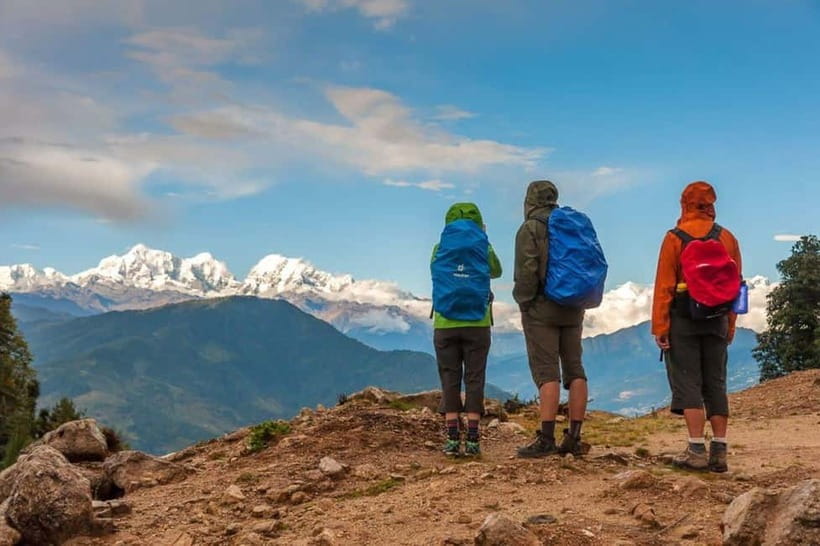
Pikey Peak sits in the Lower Khumbu area, close enough to Kathmandu that you can do the whole experience in just four days. The goal is simple: hike up to a high viewpoint where you can see a lot of the Himalayan range, including Mt Everest, while keeping the trail time realistic for people with limited vacation.
This trek also has a calmer mood than the busier Everest routes. You’ll still be hiking in the Himalayas, but the vibe is more village-to-ridgeline than queue-to-checkpoint. If you’re a photographer, bird watcher, or someone who just wants crisp mountain air and clear viewpoints, the structure makes a lot of sense.
You can also read our reviews of more tours and experiences in Kathmandu.


Getting to the start: Kathmandu pickup and the long drive to Dhap
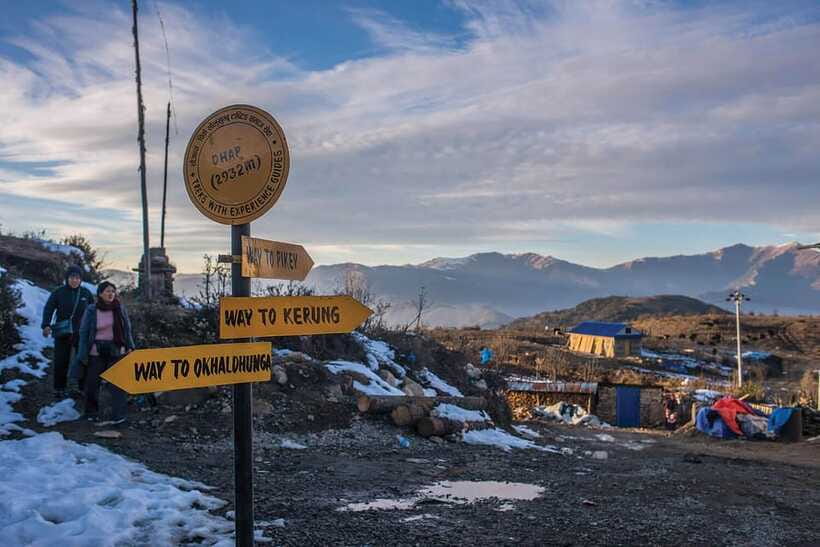
Most trips begin with pickup in Thamel, the convenient hub for many Kathmandu tours. From there, you transfer by private jeep/van to Dhap (often listed around 7–9 hours), which is a big deal on a 4-day itinerary.
Here’s why that matters: you don’t just lose a chunk of time—you also need a game plan for comfort. Bring water, keep your phone charged when you can, and expect the road to be part of the experience. The upside is that you’ll roll past rivers, forests, and countryside scenery before your boots hit the trail.
Once you arrive at Dhap, the trek begins in earnest. After a long ride, that first walk can feel easy in a good way, like you’re warming up into the mountains.
Day 1: Dhap Bazar to Jhapre (about 2 hours hiking) through Kerung’s monasteries
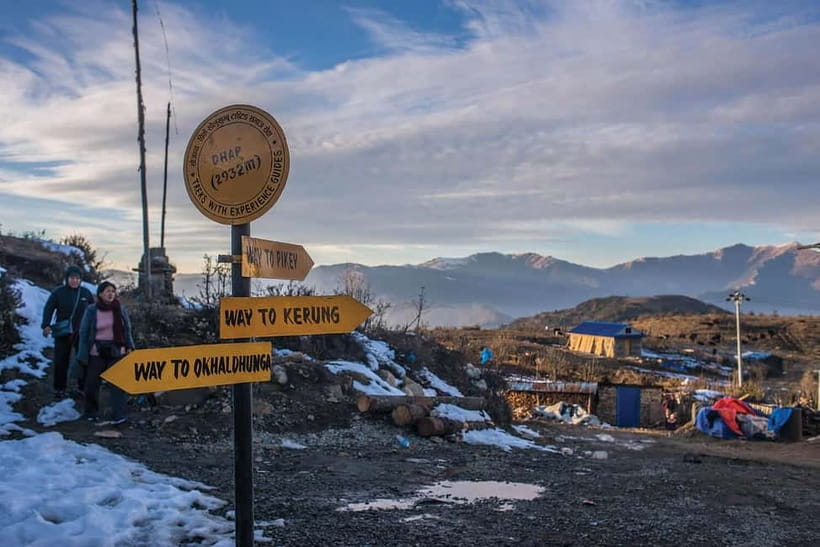
Day 1 is about transition and settling your body before the higher days. You drive from Kathmandu to Dhap Bazar, then hike to Jhapre at 2,820 m for the night, with the walking time listed around 2 hours.
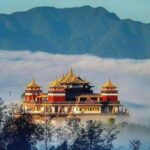
What makes this start special is the way the route threads culture into nature. On the way, you pass the Tibetan-influenced village of Kerung and explore traditional Buddhist monasteries. The scenery around here is also tied to wild orchids and Himalayan charm, which is a nice reminder that you’re trekking through a living region, not just marching uphill toward Everest.
Practical tip: keep your pace easy on Day 1. Even though it’s short, it sets the tone for the week. If you start too fast, you’ll feel it later when you’re climbing toward Base Camp.
Day 2: Jhapre to Pikey Base Camp (3,640 m) and your first big breathing moment
Day 2 is the first real hiking push. You’ll trek to Pikey Base Camp at 3,640 m, and the schedule calls for roughly 6 hours on the trail.
This day often feels like a bridge between village life and high-mountain calm. The route passes stone walls and old-style religious features like stupas and Buddhist monasteries, so even when you’re tired, you’re walking through places with meaning. You also reach a peaceful high-altitude setting where the focus shifts to resting, hydrating, and getting ready for the main viewpoint day.
If you care about sunrise photography, this is where you start thinking like a summit day person. I like that Base Camp gives you a night at altitude without forcing you to scramble through a brutal climb. Your job is to eat well, drink steadily, and sleep as comfortably as you can.
Day 3: Pikey Peak summit (4,065 m) for the panoramic Everest view
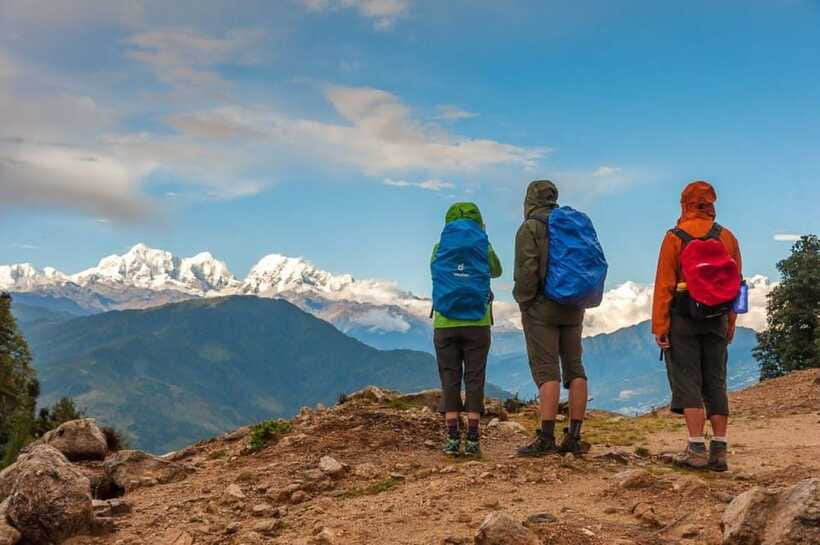
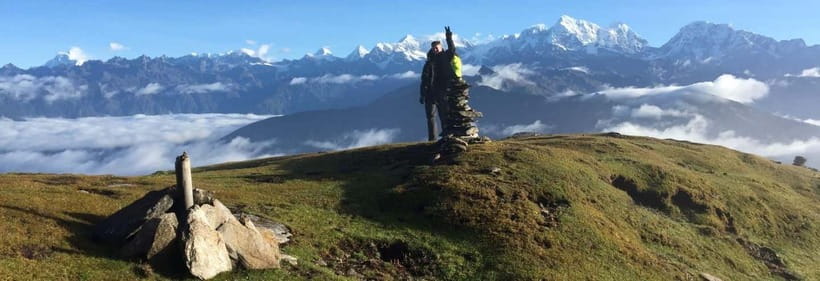
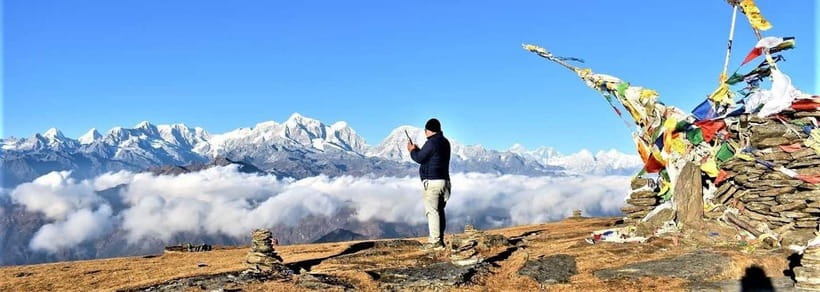
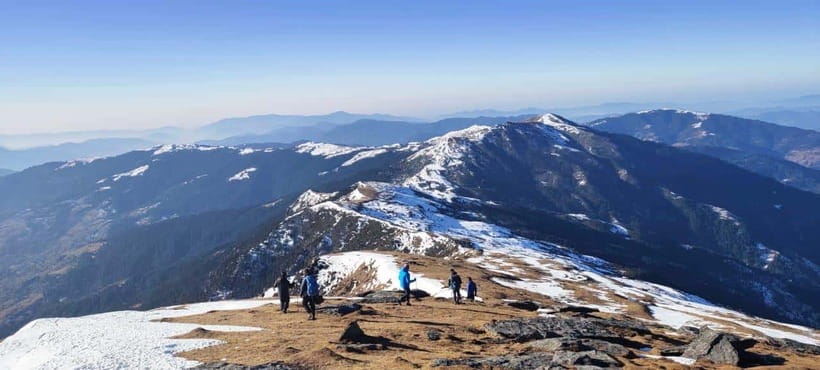
The main event is Pikey Peak at 4,065 m. The trek to the summit is listed around 1.5 hours from Base Camp, and once you’re up there, the payoff is all about what you can see.
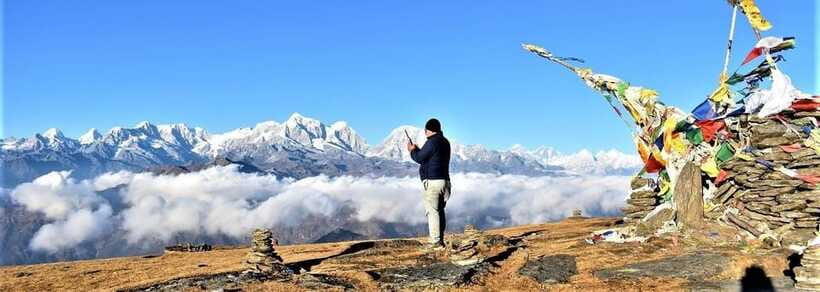
The route’s reputation is built on panoramic views across major Himalayan names. From this vantage, you can catch Mt Everest (8,848 m) and see the range extending from Kanchenjunga in the east to Dhaulagiri in the west. That’s a huge sweep for a trek that stays relatively short and moderate compared with bigger Himalayan challenges.
After spending time at the top, you descend back down to Pikey Base Camp and continue to Jhapre (about 6 hours of hiking). This split matters. Going up is the achievement; coming down is where your legs either feel fine or complain loudly. Take your time on the descent, keep your footing careful, and don’t let the thrill of the summit make you sloppy.
One more thing: even though this altitude is considered relatively moderate, you still need to treat it with respect. Mild altitude issues can happen. Walk slowly, avoid alcohol, and focus on steady hydration.
You can also read our reviews of more tours and experiences in Kathmandu
Day 4: Jhapre back to Dhap and then the long return to Kathmandu
On Day 4 you hike down to Dhap, then drive back to Kathmandu. The itinerary has you walking around 2 hours before the transfer, with the whole day designed to get you back for hotel drop-off in Kathmandu.
This day is basically a recovery finish line. You’ll be glad the summit is done, and you’ll also be reminded how much descending counts. If you’ve packed smart and paced well on Day 3, Day 4 feels like a controlled ending rather than a punishment.
When you get back, you’ll likely feel a mix of relief and satisfaction. The mountain experience is short enough to fit a quick trip, but you still get the full rhythm of climbing, resting, and rewarding sunrise views.
Lodges and meals: basic but functional, with dal bhat as your friend
This trek uses teahouses/lodges during the nights. They’re basic but cozy, with twin sharing rooms and blankets provided. Food is typically simple mountain staples: dal bhat, noodles, soup, eggs, potatoes, Tibetan bread, plus tea and coffee.
Hot showers are available in some lodges but not always, and an extra cost can apply. That means you should plan as if you’ll often be washing with what you can, then saving the full shower option for where it’s offered.
Meals aren’t included in the price, so plan for budgeting food separately. The good part is that the lodge system is familiar and straightforward, so you’re not stuck guessing where your next meal comes from.
Altitude: it’s moderate, but you still need the right habits
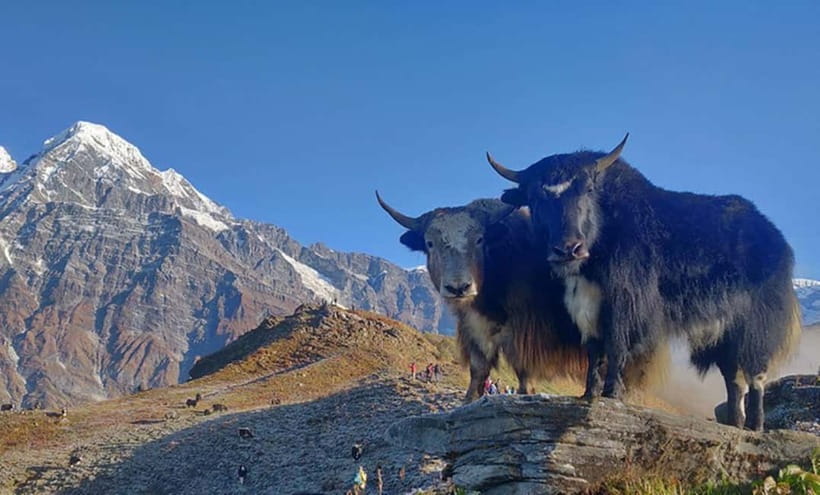
Pikey Peak sits at 4,065 m, and Base Camp is 3,640 m, so you’re not in extreme altitude territory. Still, mild altitude sickness (headache, nausea, fatigue) can happen.
What helps most is behavior:
- Drink plenty of water.
- Walk slowly.
- Avoid alcohol.
- Sleep lower after the summit day when possible.
Also, keep a simple first-aid kit. Even without severe symptoms, feeling unwell can mess with your enjoyment and your safety on steep stretches.
Price and value: what $350 covers and what costs extra
At $350 per person for a 4-day trek, the value mostly comes from what’s included:
- Experienced English-speaking trekking guide
- Necessary permits and government taxes
- Private jeep/van from Kathmandu to Dhap and back
- Hotel pickup and drop-off in Kathmandu
- Lodge accommodation during the trek with breakfast
So you’re not just paying for hiking. You’re paying for logistics, compliance (permits), and someone managing the route.
What’s not included:
- Meals and beverages
- Porter
- Personal expenses
The big budgeting point here is meals. If you want a porter (or just want to reduce your load), you’ll need to arrange it separately since it isn’t included.
For many people, the biggest question is whether the long drive plus short trek time feels worth it. Based on how the guides keep things enjoyable and how well the summit day delivers views, it usually does—especially if you’re short on time.
Gear that actually matters for a 4-day Pikey Peak trek
Even on a short trek, conditions can change quickly. You’ll feel it most around the summit and in the early morning when sunrise is the point.
Pack the essentials:
- Trekking boots (broken in)
- Layered clothing: base layer, fleece, down jacket, and a waterproof shell
- Gloves and a hat, plus a buff or scarf
- Sunglasses and sunscreen
- Headlamp (because mornings can start before you want them to)
- Water purification tablets or a filter
- Snacks like energy bars and nuts
- Small first-aid kit, including altitude and stomach medicine
- Power bank (electricity can be limited)
If you travel with a sleeping bag, great. If not, lodges often provide blankets. That’s one less heavy item to carry, which matters when you’re trying to keep your pack reasonable.
Connectivity and money: network coverage (NTC and Ncell) can work in many villages but is patchy, and there are no ATMs on the trail. Bring enough cash in Nepali rupees.
Who should book this trek, and who should skip it
This trek fits well if you want:
- A short Himalayan adventure from Kathmandu
- Everest-area views without spending weeks traveling
- A moderate altitude challenge that’s still thrilling
- Culture plus trail time, including Sherpa villages and monasteries
- A small-group pace that stays manageable
It’s also a good match for bird watchers and photographers because the viewpoint day is built around visibility and wide panoramas.
It’s not suitable for pregnant women, based on the tour guidance.
The guides make the experience feel smoother
One of the strongest signals from past participants is how well the guides handle the experience. I’ve seen Pemba praised for making sure the trek feels enjoyable, and Sukbir Tamang praised for guiding people through the summit day. Ngima Chhechi Sherpahe is also noted for friendliness, which matters when you’re tired and the cold is real.
A good guide isn’t just about route knowledge. It’s pacing, encouragement, and helping you get the most out of the clear-view moments without rushing the risk.
Should you book the 4-day Pikey Peak Trek for Everest views?
Book it if you want an efficient Everest-view trek with sunrise potential, village culture, and big panoramic rewards, and you’re okay with a long Kathmandu-to-Dhap road transfer. The hike itself is short enough to feel doable, yet it still gives you a proper sense of Himalayan altitude and scale.
Skip it if you hate long drives, want a trip with lots of rest days (this is a compact schedule), or you’re worried about altitude even at moderate heights. And if you’re planning for a summit-day photo mission, remember: clear weather is a gift, not a guarantee—so go prepared for cold, wind, and changing visibility.
If you’re ready for a focused 4 days and you want Everest in your viewfinder without the mega-expedition plan, this is a smart bet.
FAQ
What is the altitude of Pikey Peak?
Pikey Peak is at 4,065 m. Pikey Base Camp is at 3,640 m.
How long is the trek on the hiking days?
The trek includes days around 2 hours of walking on the first and last hiking portions, plus longer hiking days of about 6 hours to Base Camp and about 6 hours on the descent back to Jhapre. The summit push is listed around 1.5 hours.
Is this trek suitable for beginners?
Yes. It’s described as ideal for beginners and families, with a short Himalayan adventure in the Lower Khumbu region.
What is included in the $350 price?
The price includes an English-speaking trekking guide, necessary permits, government taxes, private jeep/van transfers between Kathmandu and Dhap, hotel pickup/drop-off, and lodge accommodation during the trek with breakfast.
Are meals included?
No. Meals and beverages are not included in the price. You’ll pay for food separately.
Do I need cash for the trail?
Yes. There are no ATMs on the trail, and you should bring enough cash in Nepali rupees.
What type of accommodation will I have?
You’ll stay in teahouses/lodges. Rooms are typically twin sharing with blankets. Hot showers are available in some lodges for an extra cost.
When is the best time to go?
Spring (March–May) is noted for rhododendrons and clear views, and autumn (September–November) is noted for best visibility and weather. Winter (December–February) is cold but can be clear.
Is the trek refundable if plans change?
The activity lists free cancellation up to 24 hours in advance for a full refund.