REVIEW · CHIANG MAI
Chiang Mai: Cooking Class, Market and Thai Herbs Garden Tour
Book on GetYourGuide →Operated by Thai Cottage Home Cookery School · Bookable on GetYourGuide
Your lunch starts in a Chiang Mai market.
This hands-on cooking experience takes you from a local ingredient hunt to an organic herb garden kitchen, where you cook Thai dishes with a local chef and family-style calm. It even includes the fun work of grinding your own curry paste with a mortar and pestle, plus a sweet finish like mango sticky rice, with English guidance from hosts such as Balloon, Flook, Wave, Toey, and Toey.
I love that you get real cooking control: you choose from starter and main options, then customize your curry by selecting red, green, Phanaeng, Massaman, or Khao Soi curry paste. I also love that the class ends with what you make—served in the organic garden—with a PDF recipe book so you can actually recreate the flavors later.
One consideration: the day can be filling, and drinks aren’t included, so plan to drink water outside the meal and come hungry if you want to enjoy everything comfortably. Also, pickup can be delayed by traffic.
In This Review
- Key highlights to know before you go
- Why this Chiang Mai cooking class feels different
- The timing: 4 to 4.5 hours that fit Chiang Mai days
- From hotel pickup to market: how the market walk helps your cooking
- The herb garden kitchen: where the cooking goes from scary to easy
- Picking your dishes: starters, mains, and building the flavor ladder
- Starters you can choose from
- Main course options (your decision, your plate)
- The big moment: curry paste from scratch with a mortar and pestle
- Mango sticky rice: the sweet finish that earns its spot
- Eating in Thai tradition: garden dining, full plates, real satisfaction
- Price and value: why $28 can work well in Chiang Mai
- Dietary needs: how flexible the menu really is
- Who should book this, and who might rethink it
- Practical tips to make your class smoother
- Should you book this Chiang Mai cooking class?
- FAQ
- What’s the duration of the Chiang Mai cooking class?
- Will I cook and eat what I choose?
- Are drinks included?
- Can I adjust how spicy the dishes are?
- Do you offer vegetarian, vegan, gluten-free, or halal options?
- Is hotel pickup included?
Key highlights to know before you go
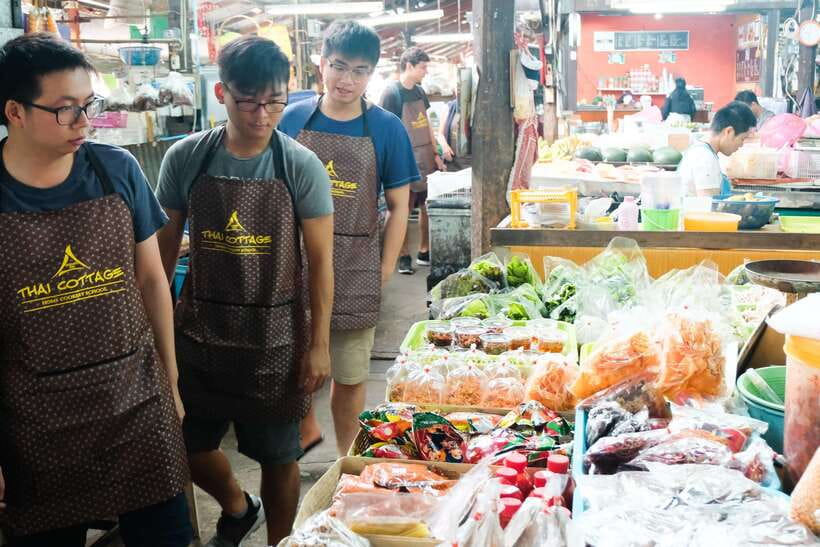
- Market time with a purpose: you pick herbs and ingredients for the dishes you’ll cook
- Curry paste from scratch: grind it in a mortar and pestle, then use it for your curry
- Organic kitchen garden dining: you eat in true Thai style, not a rushed cafeteria setup
- Lots of dish choice: pick from starter and main categories, then follow the curry and sticky rice steps
- Dietary needs welcomed: vegan, vegetarian, gluten-free, halal, and allergies are supported with alternative ingredients
- English instruction with high-energy guides: many classes are led by fun hosts like Balloon and Flook
Why this Chiang Mai cooking class feels different
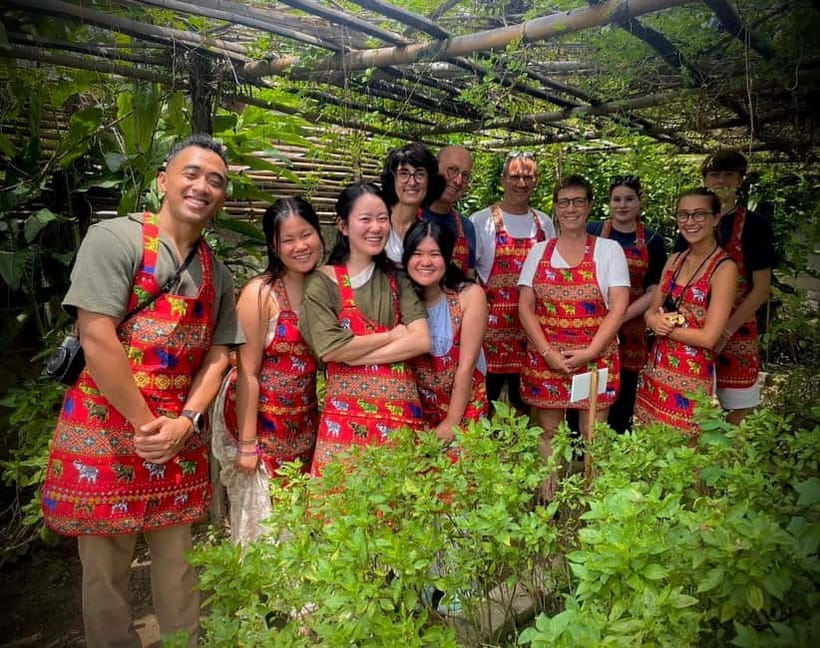
There are cooking classes where you watch, and cooking classes where you do. This one lands in the second category. From the moment you head into the market to the moment you’re tasting sticky mango rice, the focus stays on making food with your own hands—and learning what makes Thai flavors tick.
What makes it especially appealing for value is the combination of three things that rarely come together: a market ingredient stop, hands-on cooking stations, and an outdoor, organic-style garden setting for your meal. You’re not just learning recipes. You’re learning how the ingredients fit together, and you get a simple path to repeat it later at home thanks to the PDF recipe book.
You can also read our reviews of more shopping tours in Chiang Mai
The timing: 4 to 4.5 hours that fit Chiang Mai days
This is built as a half-day experience, typically 4 to 4.5 hours. Depending on the time slot available, pickup can run at these windows:
- Morning: 8:30–9:00
- Brunch: 11:00–11:30
- Afternoon: 13:30–14:00
- Evening: 16:30–17:00
That flexibility matters. If you hate wasting a whole day, you can book the morning slot and still have time for temples or a night market. If you want a food-focused afternoon, the later slots work well since you’ll end up eating what you cook.
Pickup is included, with a note that free transfers apply within 3 km of Chiang Mai Old Town. They pick you up 15–30 minutes before class, but traffic can shift things a bit. If your hotel is outside the pickup area, you may need to meet at the meeting point, so double-check the instructions you receive when you book.
From hotel pickup to market: how the market walk helps your cooking
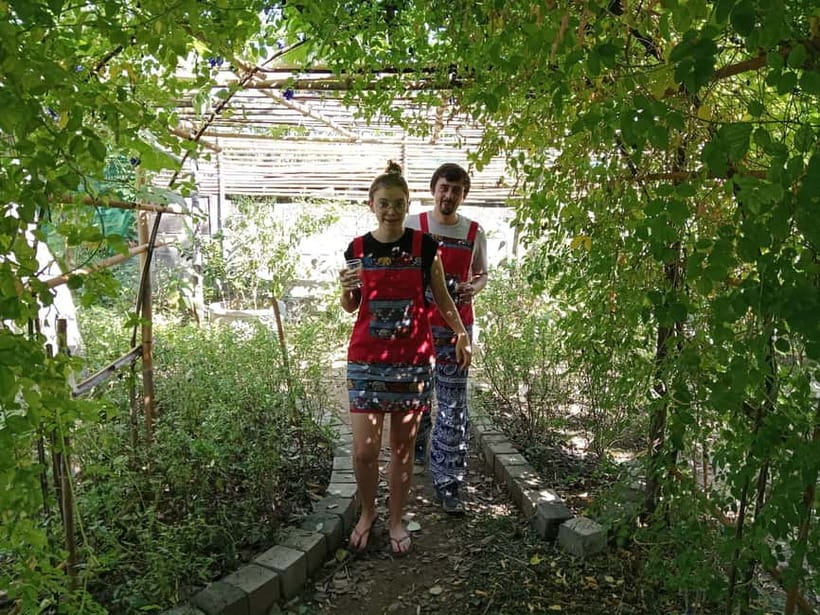
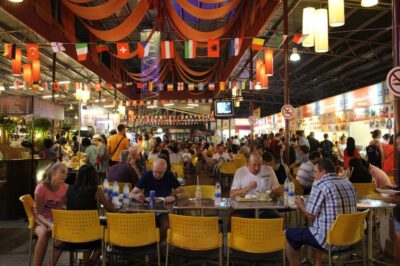
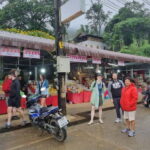
The day starts with hotel pickup and a short ride to a local market. This is not a quick photo stop. You’re there to select herbs and ingredients that actually show up in your dishes.
The way the market time is handled works well for most people because you’ll get guidance on what matters, then you still have room to browse and make small choices. In many classes, guides explain what key items do in Thai cooking, so you start connecting ingredients to flavor instead of memorizing a recipe list.
You’ll also likely pick up a few snacks while you’re there. The overall lesson is that Thai cooking is built from a mix of fresh herbs, aromatic ingredients, and balanced seasoning—so seeing them laid out helps your brain understand what you’ll grind, chop, stir, and simmer later.
The herb garden kitchen: where the cooking goes from scary to easy
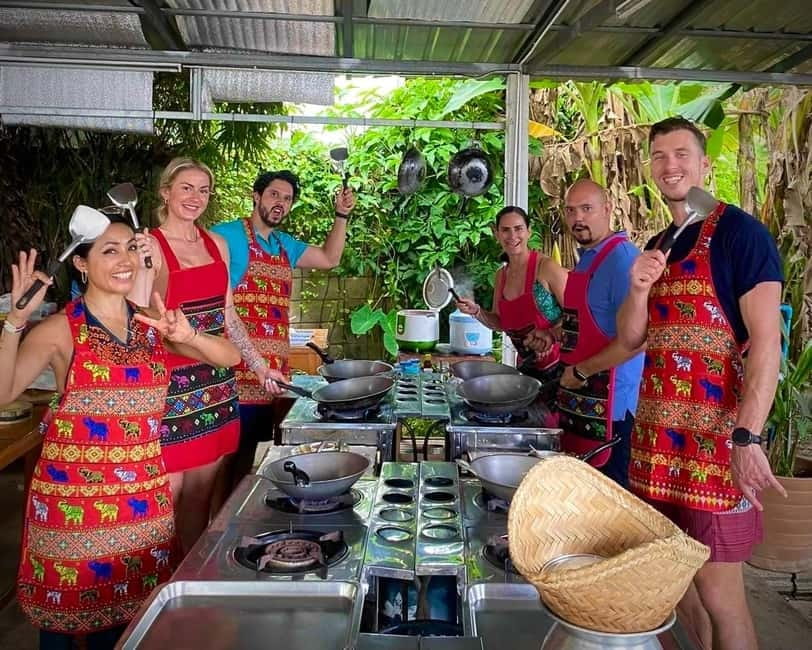
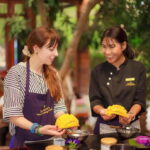
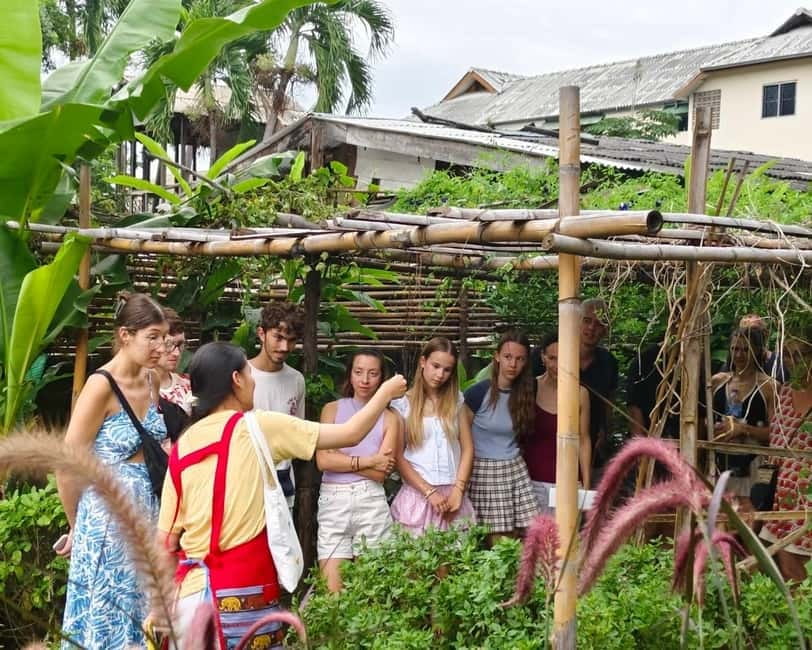
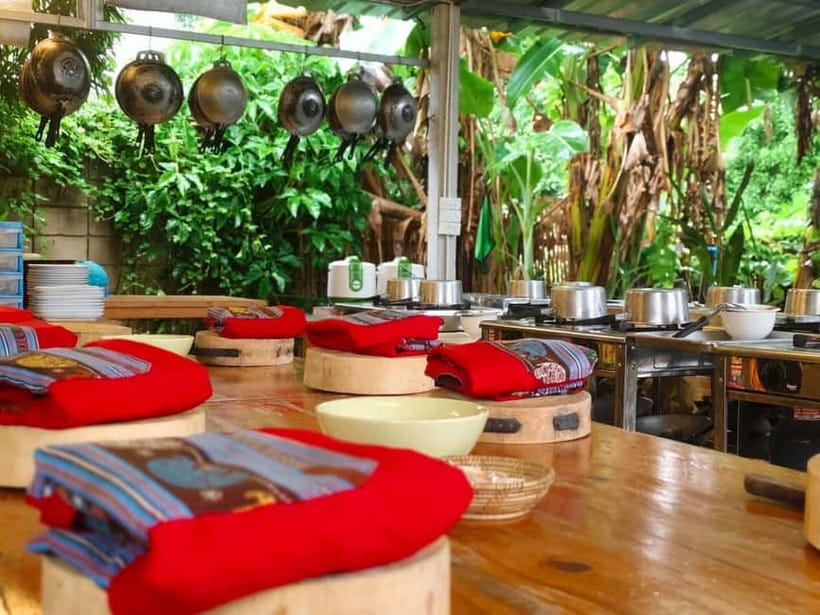
After the market, you head to the cooking location, which features an herb garden setting and an organic-style family kitchen approach. This matters more than it sounds. When you’re surrounded by the herbs and garden tone of the place, the cooking feels less like a factory workshop and more like a real meal-making rhythm.
The class is led by an English-speaking instructor or local chef, and you’ll work at cooking stations. Many people say the stations feel clean and the team runs efficiently, which helps if you’re a beginner. You’re not stuck in a long queue waiting for someone else to finish.
Also, the guides’ style comes through again and again—people mention instructors who keep things funny while still explaining each ingredient in clear steps. That combo is ideal because Thai cooking can involve flavors that feel unfamiliar at first, but you’ll get enough structure to follow along.
Picking your dishes: starters, mains, and building the flavor ladder
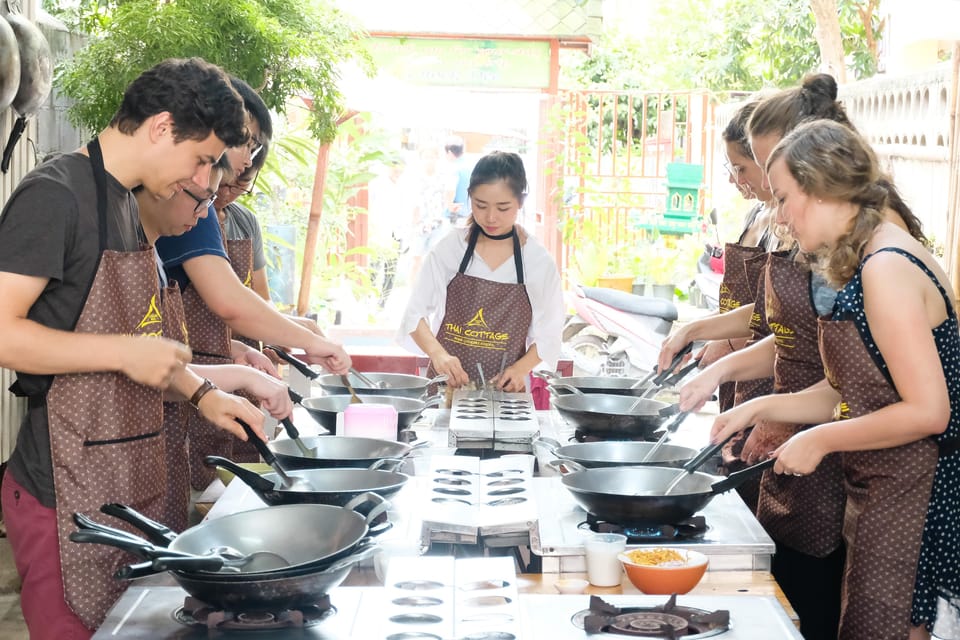
Here’s the useful part: you’re not forced into one fixed menu. You get options in the starter and main categories, then the workshop builds into curry paste and a curry step, followed by mango sticky rice.
You can also read our reviews of more tours and experiences in Chiang Mai


Starters you can choose from
Common starter options include:
- Hot and sour prawn
- Local chicken soup
- Chicken in coconut milk
- Turmeric chicken soup
These starters are a good way to start because they point you toward the Thai style of layering flavors. Even if you decide on mild spice, you’ll taste how sour, salty, aromatic, and creamy elements work together.
Main course options (your decision, your plate)
For mains, you can choose classic favorites such as:
- Pad Thai
- Chicken fried rice
You can also go for dishes like:
- Fried chicken with cashew nuts
- Pad Kra Pao
This choice is a big reason the class feels worth it. You can match your cooking interests—no one-size-fits-all.
The big moment: curry paste from scratch with a mortar and pestle
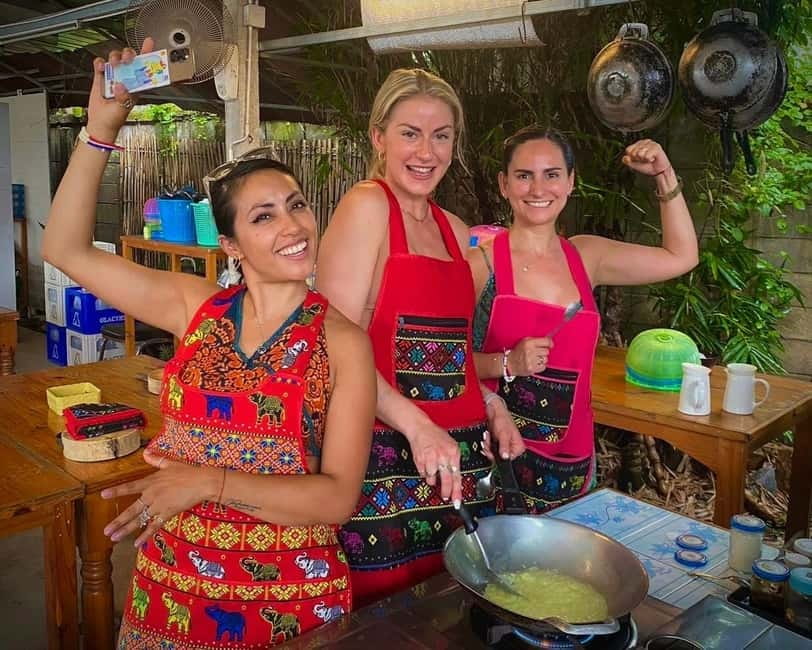
If you only do one part of Thai cooking in Chiang Mai, make it this. The curry paste step is hands-on and interactive, and it’s the key “learn it for real” element of the whole day.
You choose the curry paste type, such as:
- Red
- Green
- Phanaeng
- Massaman
- Khao Soi
Then you prepare your curry paste using a mortar and pestle. Grinding may sound simple, but it’s also where you learn texture and aroma control. The paste isn’t just an ingredient. It’s the flavor engine.
Once the paste is ready, you use it to make a chicken and coconut milk curry. This part is great for beginners because it translates the earlier work directly into a finished dish: paste in, curry out, with that Thai balance you can taste right away.
Mango sticky rice: the sweet finish that earns its spot
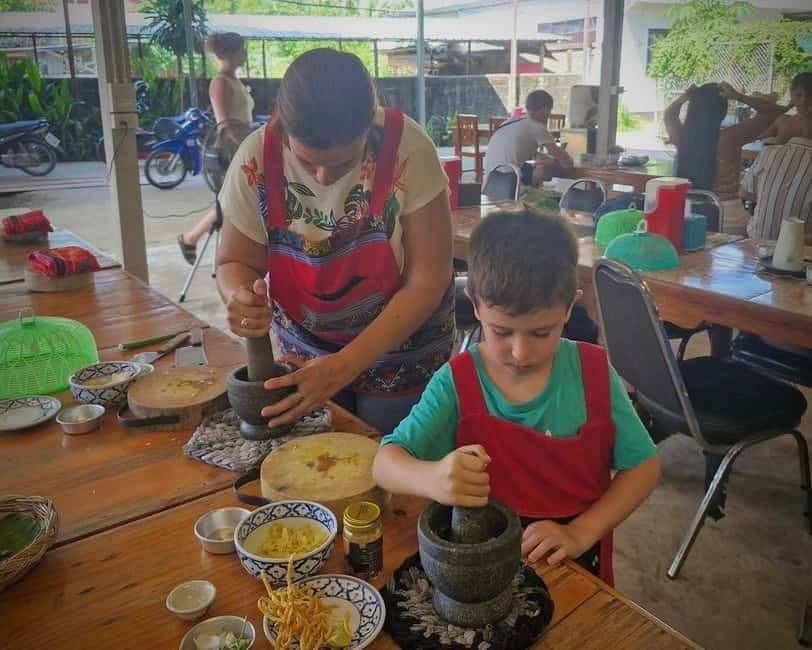
Thai cooking classes often end with something sweet, but mango sticky rice is special because it’s both familiar and delicate. Sweet rice needs the right handling, and the mango component makes the final bite feel like a complete meal rather than a last-minute dessert.
In this class, mango sticky rice is part of the ending rhythm—so you’re not wondering what you missed at the end. And if you like sweets, you’ll appreciate how satisfying it is after savory curry work.
Eating in Thai tradition: garden dining, full plates, real satisfaction
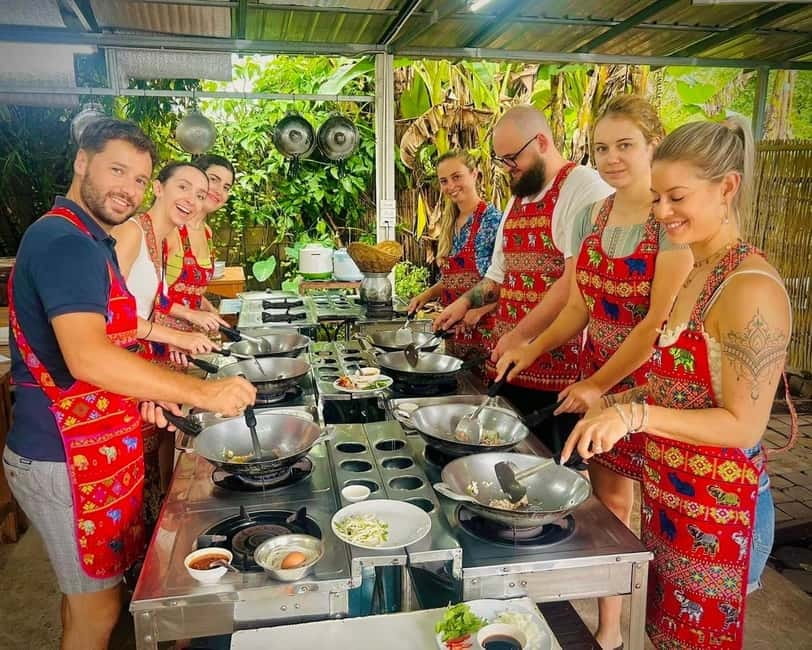
After cooking, you eat what you made in traditional Thai style in the organic kitchen garden. The setting helps you slow down and actually enjoy the meal rather than treating it like a checklist.
One practical tip: come hungry. Many people note there’s plenty of food, and you’ll be tasting multiple dishes across the workshop. If you try to diet that day, you’ll end up feeling annoyed instead of impressed.
You’ll likely leave with a PDF recipe book too. That’s a big deal for value because it turns the experience into something you can repeat. If you want to cook Thai at home, access to a written guide matters more than a souvenir.
Price and value: why $28 can work well in Chiang Mai
At around $28 per person, this class can be a strong value for Chiang Mai. You’re paying for more than a meal. You’re paying for:
- hotel pickup and drop-off
- guided market ingredient selection
- hands-on cooking instruction
- all ingredients for a multi-dish menu
- the curry paste grinding and curry cooking step
- mango sticky rice
- a PDF recipe book
Drinks aren’t included, so you’ll want water or other non-alcohol choices on your own. Alcohol and drugs aren’t allowed, which keeps the experience focused and family-kitchen calm.
What makes the price feel reasonable is that the class doesn’t skim on the “hard parts” of Thai cooking. Grinding curry paste and making multiple dishes is work. You’re not just assembling something quick.
Dietary needs: how flexible the menu really is
If you’re vegan, vegetarian, gluten-free, halal, or you have allergies, this class is set up to support you. They note alternative ingredients are available, and people have specifically mentioned tofu substitutions for vegetarian needs.
You also can make your food spicy or non-spicy. That’s important because Thai cooking often gets sold as fire-hot, but the real skill is balance. You can keep the flavor without turning your mouth into a battlefield.
My advice: tell the instructor your spice preference at the start, and be clear about allergies. The class is designed to accommodate, but you still need to communicate directly.
Who should book this, and who might rethink it
This is a great fit if you:
- want a practical Thai cooking skill, not just a tasting tour
- enjoy markets and ingredient shopping
- like trying multiple dishes in one sitting
- want a calm, guided group experience with a real meal at the end
It may be less ideal if:
- you dislike spice altogether (you can keep it mild, but some dishes involve strong aromatic flavors)
- you have very limited mobility or you’re traveling with someone who may struggle with a market walk and kitchen time
- you’re traveling with kids under 5, since it’s not suitable for that age group
- you’re in the very elderly category (it’s not suitable for people over 95)
Practical tips to make your class smoother
A few small choices can make a big difference here:
- Wear comfortable clothes you can move in. You’ll be cooking and standing around active stations.
- Come with an appetite. Many people mention the portions are generous across the menu.
- Plan for heat control. You can choose mild or spicy, so decide early.
- Bring your curiosity. Ask what an ingredient does and how it affects the dish.
- Budget for drinks separately. Drinks aren’t included, so have a plan for water.
If you’re the type who likes to learn by doing, you’ll feel right at home.
Should you book this Chiang Mai cooking class?
Book it if you want the best combination of Chiang Mai flavors: market shopping, herb garden cooking, curry paste skills, and a meal you get to eat right away. The biggest win is that you leave with recipes (PDF) plus hands-on experience—so it’s not a one-day memory that fades fast.
I’d skip it if you want a super short activity or you hate kitchens, because you’ll cook and taste multiple dishes. And if you’re picky about food textures or very strict about ingredients, double-check your allergy details before you go.
If your goal is to bring Thai cooking home to your own kitchen, this class is one of the more direct ways to get there.
FAQ
What’s the duration of the Chiang Mai cooking class?
The class runs about 4 to 4.5 hours. Starting times vary, so you’ll want to check availability for your preferred slot.
Will I cook and eat what I choose?
Yes. You’ll choose options from starter and main categories, then you’ll also make the curry paste and curry and finish with mango sticky rice. After cooking, you eat in traditional Thai style.
Are drinks included?
No. Drinks are not included.
Can I adjust how spicy the dishes are?
Yes. You can make your food spicy or non-spicy to suit your preference.
Do you offer vegetarian, vegan, gluten-free, or halal options?
Yes. Vegan, vegetarian, gluten-free, halal, and allergy needs are welcome, and alternative ingredients are available.
Is hotel pickup included?
Yes, hotel pickup and drop-off are included. Free transfer is offered within 3 km of Chiang Mai Old Town, and pickup typically happens 15–30 minutes before class. If your hotel is farther away, you may be asked to meet at a meeting point.