REVIEW · CHIANG MAI
Chiang Mai: 3 Hour Old City and Temples Guided Walking Tour
Book on GetYourGuide →Operated by TripGuru Thailand · Bookable on GetYourGuide
Three temples in one short walk. It’s a tight, smart way to understand Chiang Mai’s temple world without getting lost in the details. You’ll get a local guide to connect the dots between what you’re seeing and what it means.
I especially love the focus on the big iconic sites—Wat Chedi Luang’s enormous stupa, plus Wat Phra Singh’s mosaic sanctuary and Lion Buddha statue. The second standout is the quieter surprise at Wat Phan Tao, where delicate carved teak wood tells a story beyond the usual postcard view. One consideration: entrance fees are not included, and some temples have strict dress rules for shoulders and knees.
In This Review
- Key points before you go
- Why the Chiang Mai Old City Temples Work Best on Foot
- Wat Chedi Luang: The Largest Stupa and Lanna-Style Details You Can’t Rush
- Wat Phan Lao and Wat Phan Tao: Humble Size, Big Carving Energy
- Wat Phra Singh: Mosaic Sanctuary, Lion Buddha, and Gilded Pagodas at Golden Hour Pace
- The Real Value: A Local Guide Turning Temple Art into Meaning
- Timing and Group Flow: How a 3-Hour Walk Stays Comfortable
- Practical Stuff: Entrance Fees, What to Pack, and Dress Rules That Actually Matter
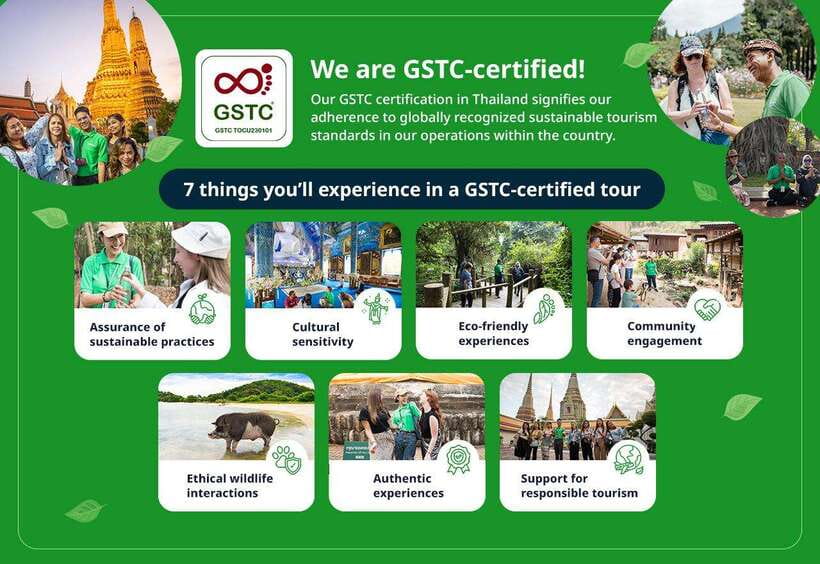
- Responsible Touring in Chiang Mai: GSTC and Carbon Offsets
- Who Should Book This Tour (and Who Might Skip It)
- Should You Book This Chiang Mai 3-Hour Old City Temple Walk?
- FAQ
- Which temples are included on the walk?
- Are entrance fees included in the $16 price?
- How long is the tour?
- Is the guide English-speaking?
- What should I wear or bring for temple stops?
- Where do I meet the guide?
- Can I cancel for free?
- FAQ
- Is this tour suitable for people with mobility issues?
- Is the tour suitable for pregnant women or for heart or respiratory problems?
Key points before you go
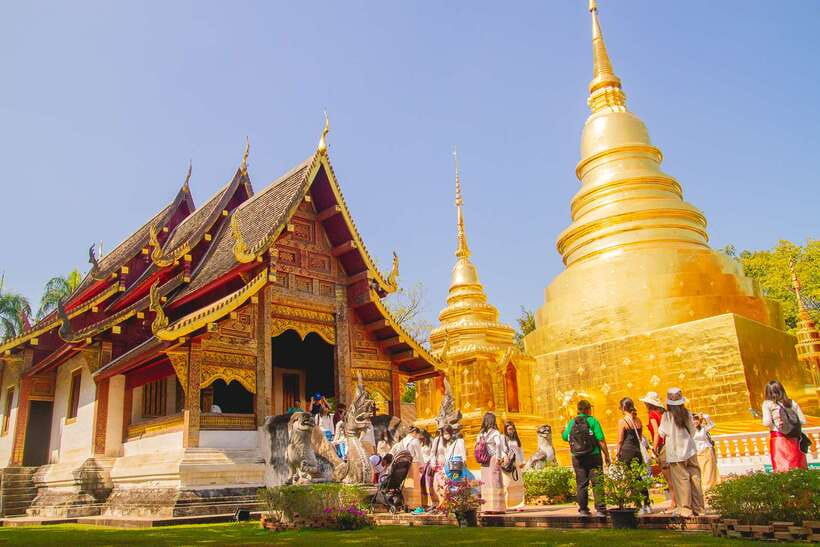
- Wat Chedi Luang packs real scale: Chiang Mai’s largest stupa and Lanna-style design close up
- Wat Phan Tao’s carved teak is the kind of detail you’d miss solo
- Wat Phra Singh gives you the photo angles: mosaic sanctuary, gilded pagodas, and the Lion Buddha
- Short and efficient timing makes it work even if your day is packed
- GSTC-certified, lower-impact touring with carbon offset mentioned for every tour
- English live guide who explains Buddhism and Thai belief in plain terms
Why the Chiang Mai Old City Temples Work Best on Foot
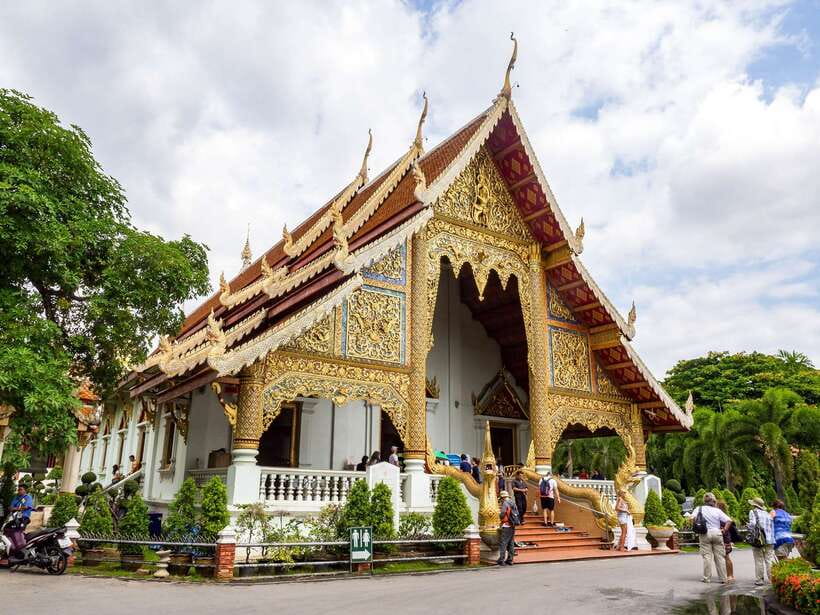
Chiang Mai’s Old City is built for wandering, not racing. This tour keeps you walking the right distances so you’re not spending your limited time just trying to find your way between sites.
In three hours, you’re really building an understanding of the area, not just collecting temple photos. The guide’s job is to turn architecture into meaning—why stupa size matters, why carvings are done a certain way, and how Buddhist practice shows up in everyday temple life.
If you like a plan that still leaves space to look around, this is a good match. And if you don’t want to guess which temple is which, you’ll appreciate having someone point out the key features as you go.
You can also read our reviews of more walking tours in Chiang Mai

Wat Chedi Luang: The Largest Stupa and Lanna-Style Details You Can’t Rush
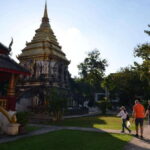
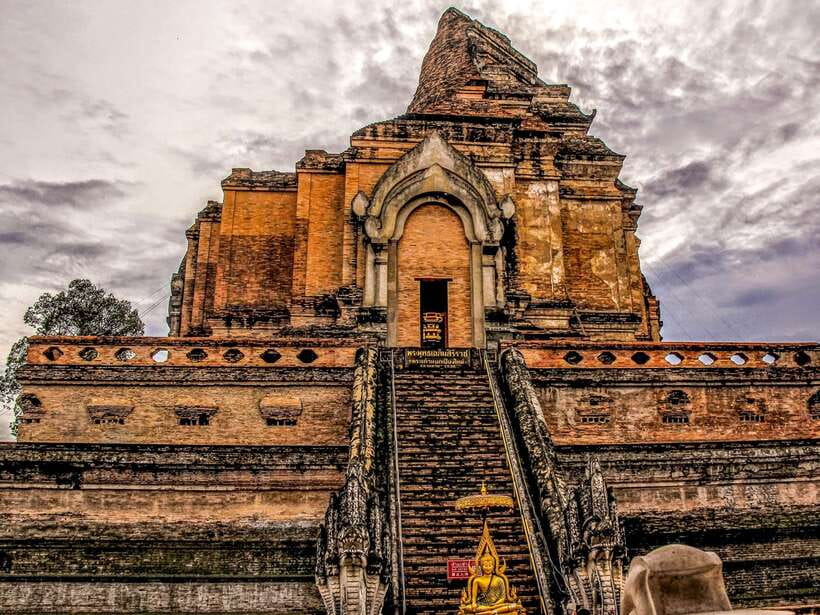
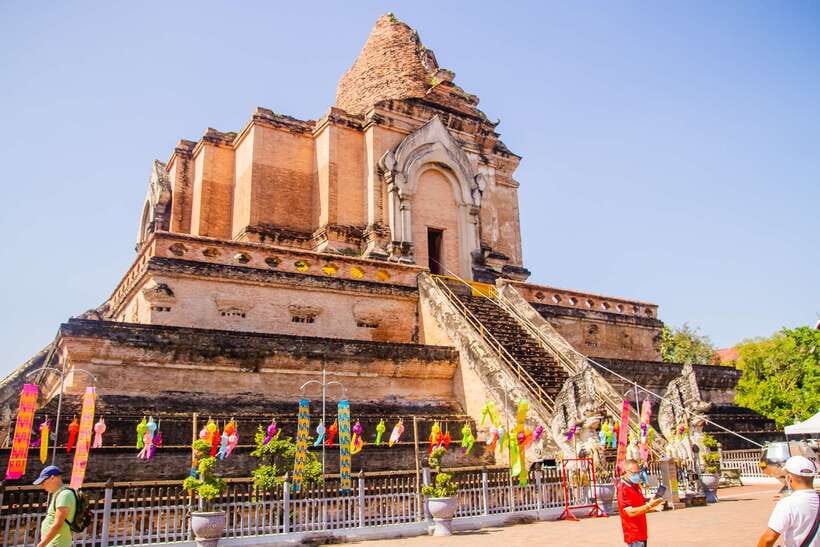
Your first stop is Wat Chedi Luang, and it’s a strong opening. This temple was built between the 14th and 15th centuries, and it’s famous for having the largest stupa in Chiang Mai. The compound is spacious, so you’ll have time to actually walk it instead of doing a fast circuit.
This is also where the visuals go from impressive to instructive. Around the grounds, you can spot Lanna-style design elements up close, which helps you understand what makes this region’s temple art distinct from other parts of Thailand.
Practical tip: treat this stop like a “shoe-off” temple visit. From real-world experience, you should expect moments when you’ll remove footwear more than once during a temple walk. Plan for it with easy slip-on sandals and shoes that are simple to take off and put back on.
There’s also an entrance fee here (50 THB), so budget a little extra on top of the tour price. If you bring cash, you won’t have to scramble mid-walk.
Wat Phan Lao and Wat Phan Tao: Humble Size, Big Carving Energy
After Wat Chedi Luang, the tour shifts to smaller, more intimate temple stops. Wat Phan Lao is described as humble in size, and that’s exactly why it’s worth the time. When a temple isn’t dominating the area, you’re more likely to notice the fine work—props, textures, layout, and symbolism.
Then you’ll hit Wat Phan Tao, which looks modest at first glance but rewards close attention. The standout is the intricate teak wood carved facades. These details aren’t just decorative; they connect to royal history too. Wat Phan Tao was once a throne hall for King Mahotara Prateth, before it became a house of prayer.
This is the kind of stop where a guide makes the visit feel less random. You can stand in front of carvings all day without knowing what you’re looking at. With a good local explanation, the carvings turn into a language—religious, historical, and regional at the same time.
Entrance fee here is 20 THB. Again, cash helps. And because this is a walking tour, this is a good place to check your comfort level—sunscreen, water, and a quick wipe of sweat can keep the rest of the temples enjoyable.
Wat Phra Singh: Mosaic Sanctuary, Lion Buddha, and Gilded Pagodas at Golden Hour Pace
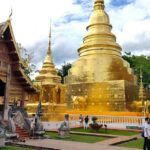
Wat Phra Singh is the final temple focus, and it’s a fitting closer. It’s one of Chiang Mai’s finest temples, built in the 14th century, and the grounds feel more lavish as soon as you arrive. If you’re thinking, okay, I’ve seen one big stupa—this is where the style shifts into ornament and detail.
You’ll get several photo-friendly elements packed into one stop:
- the mosaic-decorated sanctuary
- a large Lion Buddha statue
- gilded pagodas
- and generally, that “every corner has something to look at” feeling
This temple isn’t only for photos, though. When you stand in the right spots, it’s easier to understand why these spaces are designed to guide attention—toward offerings, toward sacred objects, toward quiet reflection.
Also, there are strict dress expectations at some temple sites. Even if you’re comfortable in Thai heat, plan for shoulders and knees covered. A light scarf can solve a lot of problems fast, especially if you’re between outfits or caught off guard by the rules.
The tour ends at Wat Phra Singh Woramahawihan, which is part of the Wat Phra Singh complex area. Entrance fee is 50 THB at this stop, separate from your tour price.
The Real Value: A Local Guide Turning Temple Art into Meaning
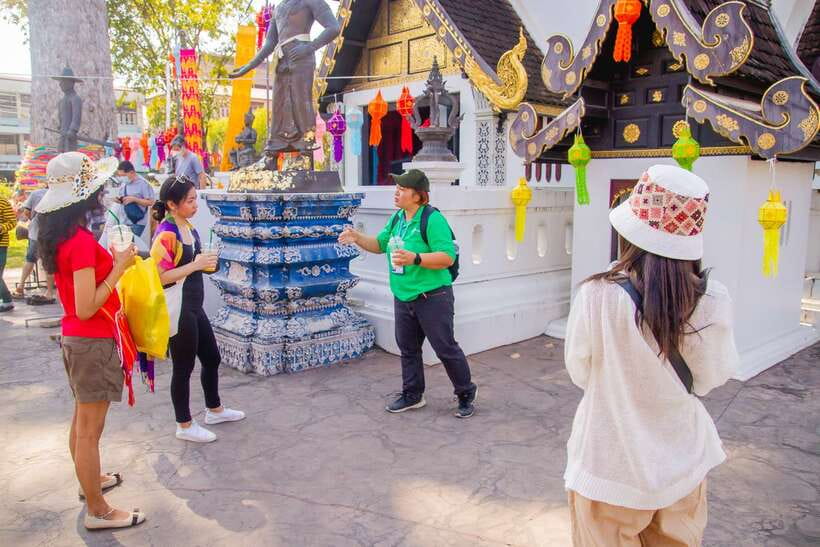
The big reason this tour is worth more than a self-guided stroll is the way the guide connects what you see with what it represents. Across the many guide styles you might get—some are funny, some are calm, some go deep into practice—there’s a common thread: Buddhism and Thai belief explained in understandable chunks.
A recurring highlight is the level of detail on the temples themselves. You’ll hear what parts were built for, what design choices signal, and how Thai culture shapes everyday temple life.
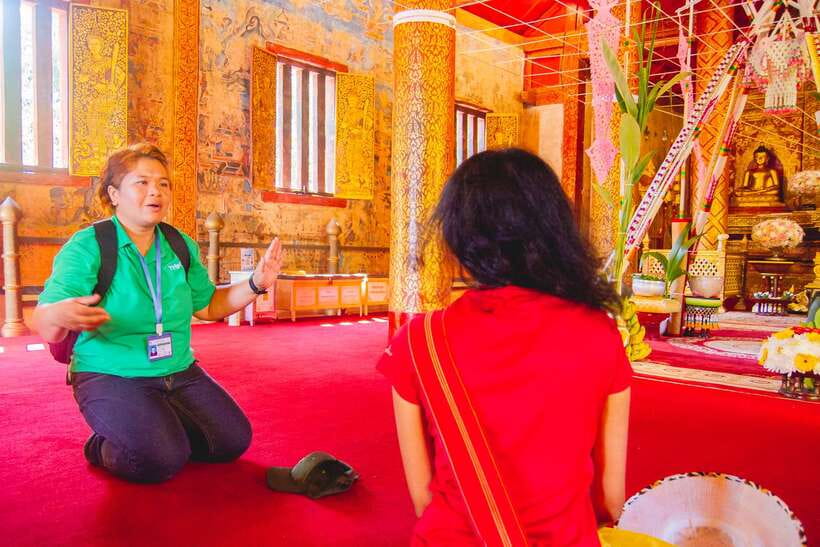
Some guides may even include a short meditation or practice-style explanation while you’re at one of the temples. It’s not something to expect every single time, but it’s a real possibility if your guide leans that way. If you’re curious about how Buddhism shows up beyond ceremonies, this kind of moment can make the visit feel personal.
You’ll also find guides help with the human side of temple visiting—where to stand for the best view, how to approach respectfully, and how to ask questions without feeling awkward. That’s hard to replicate when you’re doing it alone.
You can also read our reviews of more guided tours in Chiang Mai



Timing and Group Flow: How a 3-Hour Walk Stays Comfortable
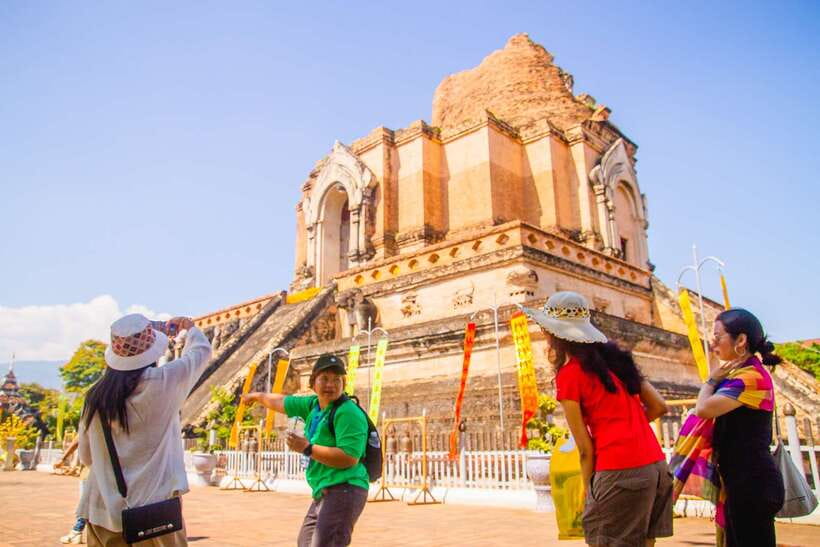
The tour is scheduled for 3 hours total, with guided time at each major temple stop. You start at Wat Chedi Luang, then spend the next hour with the smaller temples around the area (including Wat Phan Lao and Wat Phan Tao), and finish at Wat Phra Singh Woramahawihan.
That structure is smart. It avoids the common problem of temple hopping where you spend more energy negotiating transit than actually seeing the sites. Here, it’s mostly one compact walk, with guidance shaping what matters most in each location.
Still, the walking is real. You’re moving through temple compounds under sun, and even if the pace is manageable, it’s not a sit-down museum experience. Bring water and take shade breaks when your guide slows the group down for explanations.
Comfort matters. In warmer months, you’ll feel it even if the air seems mild. If you’re sensitive to heat, pick morning slots when possible.
Practical Stuff: Entrance Fees, What to Pack, and Dress Rules That Actually Matter
Even though the tour is low cost, you’ll want to plan for entrance fees. These are listed separately:
- Wat Chedi Luang: 50 THB
- Wat Phan Tao: 20 THB
- Wat Phra Singh: 50 THB
That means the tour price covers the guide and walking plan, not the temple admission. If you’re comparing value, this is the key detail: for about $16 you’re paying for interpretation and time saved, while paying admission at the sites like most independent visitors do.
What to bring is very practical here. You’ll want:
- comfortable shoes (you’ll likely remove them at temples)
- hat and sunglasses
- sunscreen and insect repellent
- camera
- cash for entrance fees
- a scarf for covering shoulders or knees
For clothing, remember: some sights have strict dress codes. Clothes that reveal shoulders, underarms, back, or knees aren’t permitted. Even when enforcement feels inconsistent in daily life, don’t gamble with your outfit. A scarf is a cheap insurance policy.
Responsible Touring in Chiang Mai: GSTC and Carbon Offsets
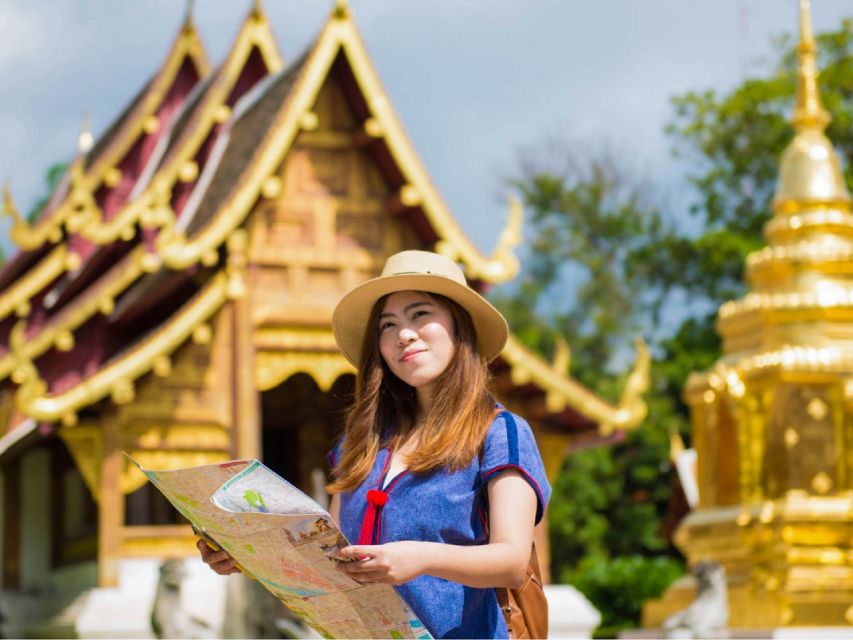
This tour is described as GSTC-certified, with a low-impact approach and carbon offsetting mentioned for every tour. Translation: the operator is trying to reduce environmental impact while still giving you a guided experience.
This doesn’t change the fact that temples require respectful behavior on your part. But it does make the overall “how we travel” piece feel more considered than a random last-minute arrangement.
If you care about responsible choices, this is one of the reasons the tour fits: you’re walking, staying in a compact area, and supporting a structured local guide experience rather than cutting corners.
Who Should Book This Tour (and Who Might Skip It)
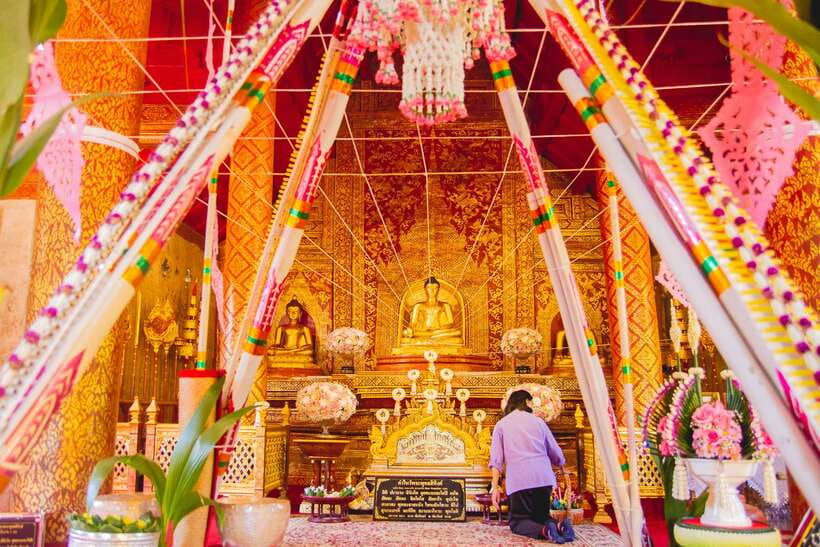
This is best for you if:
- you want to learn fast, in a focused 3-hour window
- you’d rather follow a local explanation than guess temple symbolism
- you like getting close to architecture details like teak carvings and mosaic work
- you’re comfortable walking a moderate route in heat
It may not be the right fit if you have mobility impairments or respiratory/heart issues. The activity also isn’t listed as suitable for pregnant women, and it’s described as requiring moderate fitness.
If you’re unsure, think about your comfort with uneven temple grounds, occasional crowds inside compounds, and the need to pause for guidance without being able to speed up constantly.
Should You Book This Chiang Mai 3-Hour Old City Temple Walk?
Book it if you want value through understanding, not just sightseeing. For a fixed 3-hour slot, you’re covering the city’s standout temple highlights—Wat Chedi Luang, Wat Phan Tao/Wat Phan Lao, and Wat Phra Singh—while a local guide translates architecture and Buddhist concepts into something you can actually remember.
Skip it (or consider a different style) if you’re traveling very light and don’t want to manage entrance fees plus a dress-code check. Also skip it if you dislike walking in hot conditions; this is a walking tour, not a vehicle-assisted one.
My practical advice: bring cash, cover up appropriately with a scarf, and plan for at least one moment of shoe removal. Do that, and the tour becomes one of the simplest ways to start Chiang Mai with context instead of confusion.
FAQ
Which temples are included on the walk?
You’ll visit Wat Chedi Luang, Wat Phan Lao, Wat Phan Tao, and Wat Phra Singh, with the tour ending at Wat Phra Singh Woramahawihan.
Are entrance fees included in the $16 price?
No. Entrance fees are listed separately: 50 THB for Wat Chedi Luang, 20 THB for Wat Phan Tao, and 50 THB for Wat Phra Singh.
How long is the tour?
The duration is 3 hours.
Is the guide English-speaking?
Yes, the tour includes a live English guide.
What should I wear or bring for temple stops?
Bring comfortable shoes, sunglasses, a hat, sunscreen, insect repellent, cash, and a scarf. Some sights have strict dress codes, so avoid clothing that reveals shoulders, underarm, back, or knees.
Where do I meet the guide?
Meet at the entrance of Wat Chedi Luang. Your guide will be holding a TripGuru sign.
Can I cancel for free?
Yes. Free cancellation is offered up to 24 hours in advance for a full refund.
FAQ
Is this tour suitable for people with mobility issues?
No. The tour is listed as not suitable for people with mobility impairments.
Is the tour suitable for pregnant women or for heart or respiratory problems?
No. It’s listed as not suitable for pregnant women, people with heart problems, and people with respiratory issues.