REVIEW · CHIANG MAI
Chiang Mai: Doi Inthanon Trip with Pha Dok Siew Guided Trek
Book on GetYourGuide →Operated by LocalCNXTours · Bookable on GetYourGuide
High mountain air in northern Thailand is the real hook. This day is built around Doi Inthanon National Park and a guided walk on Pha Dok Siew, plus the big sights like the twin pagodas and the park’s highest point. I like how the day balances set pieces (waterfalls and viewpoints) with a hands-on trail experience led by locals. One thing to plan for: it gets cool up there, and the itinerary isn’t a short stroll.
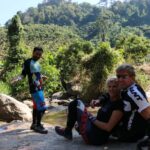
The best part is the trek itself. You’ll spend about 2 hours on the improved Pha Dok Siew Nature Trail, where the Karen community has added bamboo/wood supports and educational signboards along the way. I also like that the day includes a hill tribe stop (Karen Village, plus a market area) without turning it into a rushed photo sprint. The only caution I’d flag is the overall walking time and uneven footing, so you’ll want good shoes and patience.
If you want a single day that feels like real northern Thailand rather than a checklist drive, this is a strong choice. Just read the details on what’s included in your fee option, because the national park fee can be handled two different ways depending on your booking choice.
In This Review
- Key things you’ll notice on this Doi Inthanon day
- Why Doi Inthanon feels like a different part of Thailand
- Pagodas, waterfalls, viewpoints, and Thailand’s highest point
- Pha Dok Siew Nature Trail: the 2-hour trek that actually connects you
- Karen Village and hill tribe stops: what to expect and how to respect it
- Price and what you’re really paying for
- Transportation style: comfortable, but a lot of time in the van
- What to bring (and what can ruin your day)
- Dress code and behavior rules you should actually remember
- Best time to go: rice fields, rainfall, and what your eyes want
- The role of your guide: Daniel, Jay, and why it matters on this route
- Who this Doi Inthanon day trip suits best
- Should you book this Doi Inthanon trip with Pha Dok Siew trek?
- FAQ
- What is the duration of the Chiang Mai Doi Inthanon trip?
- Where does the pickup happen?
- How long is the trekking on Pha Dok Siew?
- Is there an English-speaking guide?
- What’s included in the lunch?
- Do I have to pay the national park fee?
- What should I wear for the King and Queen pagodas?
- What should I bring for the tour?
- Are pets allowed?
- Is the tour refundable if I cancel?
Key things you’ll notice on this Doi Inthanon day
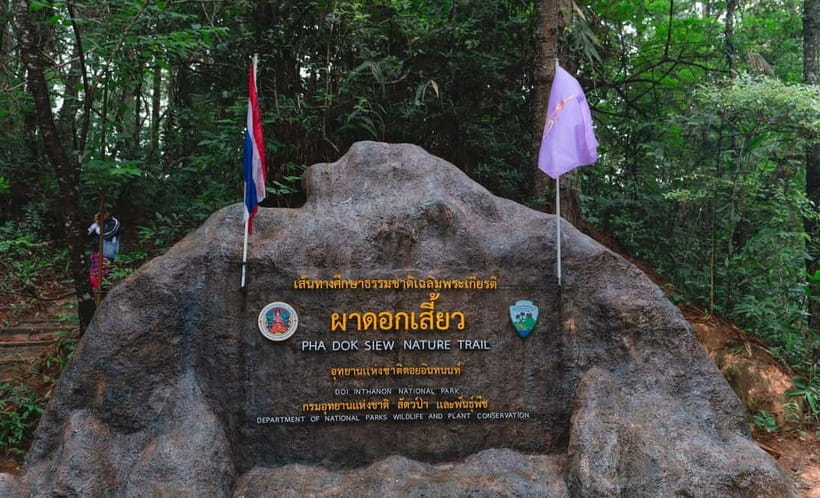
- Pha Dok Siew is the highlight: a guided ~2-hour trek on the Kew Mae Pan route.
- Karen-built trail improvements: bamboo/wood bridges, stairs, and railings near the waterfall areas.
- King and Queen pagodas with strict dress rules: no tank tops, no short pants, and no flip-flops.
- Waterfalls plus viewpoints plus the highest point: it’s a full-scope park day, not just one stop.
- Small group size (up to 10): easier for your English guide to keep track of everyone.
- Two fee options: national park fee may be included, or you may pay 400 THB cash per person on the day.
Why Doi Inthanon feels like a different part of Thailand
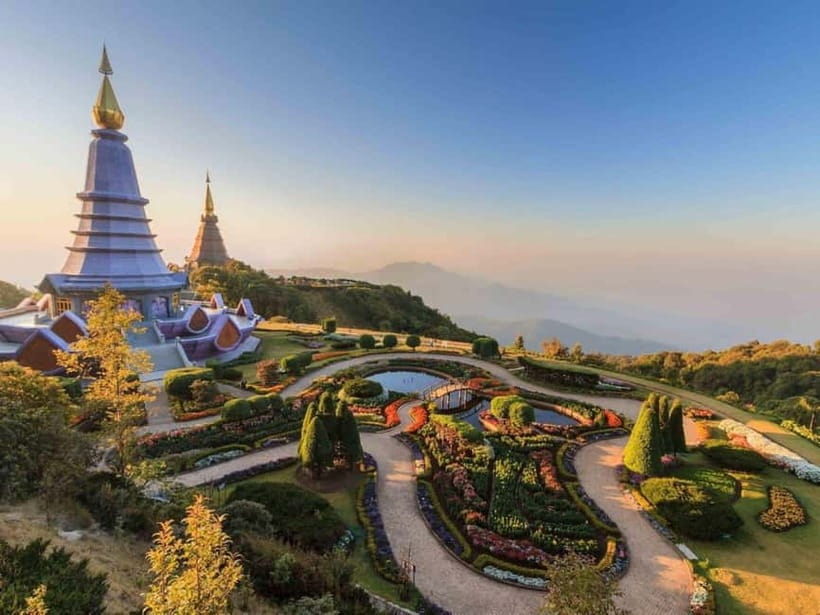
Doi Inthanon is Thailand’s highest mountain, and that matters more than people think. Elevations inside the park jump from about 800 meters up to 2,565 meters, so the air and weather change fast with altitude. You can start the day warm in Chiang Mai and end it feeling like you need a layer.
The park is also known for clean air, cold conditions at higher elevations, and year-round nature viewing. The day you’ll take is designed around those strengths: waterfalls, misty viewpoints, and trail time where you actually move through the forest instead of only looking out a bus window.
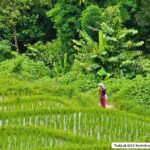
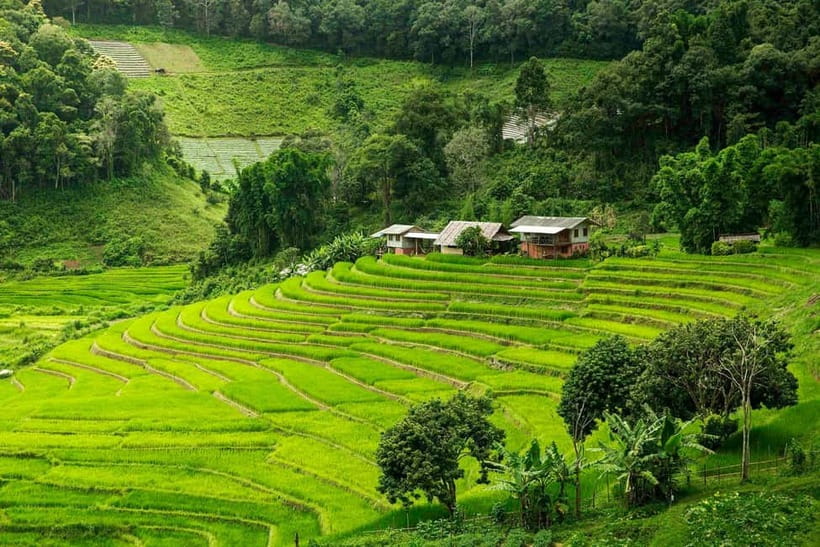
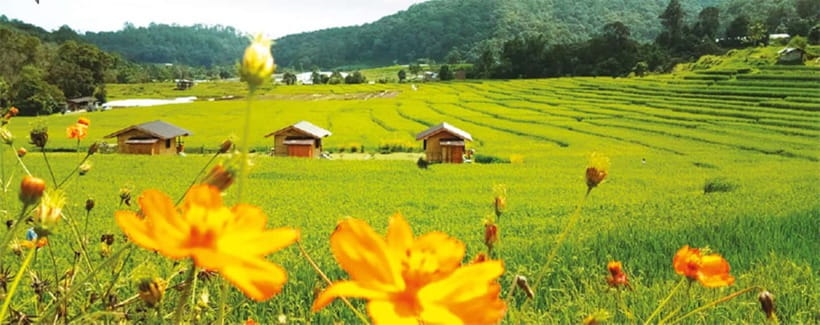
If you time it right, the scenery can be extra special. In the green season (roughly July to September), you may see green rice fields around the region, which adds color beyond the usual mountain greys and forest greens.
You can also read our reviews of more guided tours in Chiang Mai


Pagodas, waterfalls, viewpoints, and Thailand’s highest point
This trip is a classic Doi Inthanon route for good reason: the park’s most famous moments are spread out, and they’re best enjoyed in daylight. After pickup in Chiang Mai (Old Town and Nimman area), you’ll ride up by air-conditioned car or minivan, and then move between park stops.
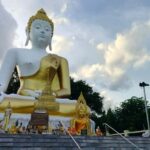
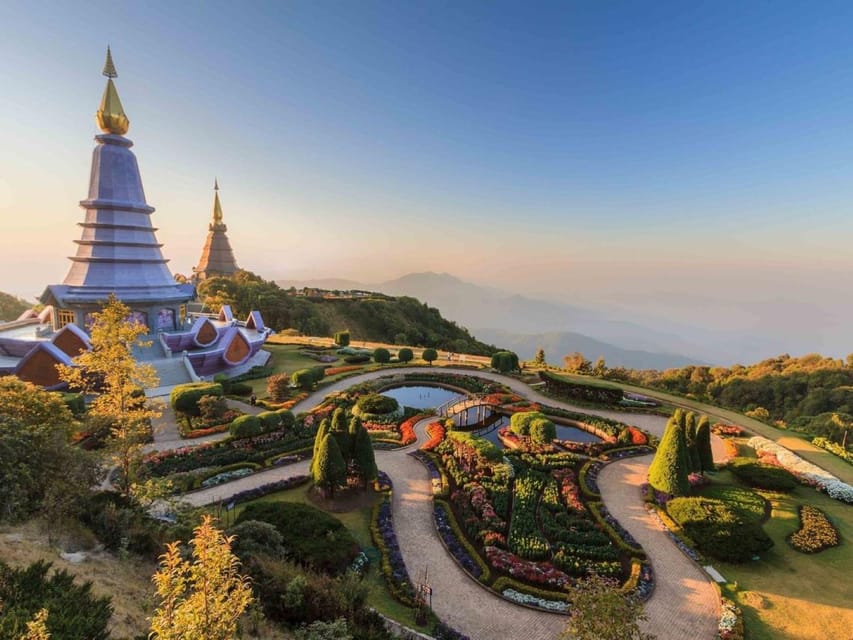
King’s and Queen’s pagodas are a major focus of the day. These twin chedis sit at viewpoints and are worth your attention for the way they frame the valley views. They also come with dress rules you should respect: casual dress, no tank tops, no short pants, and no flipper shoes (sneakers are fine).
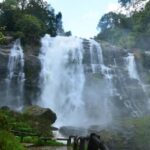
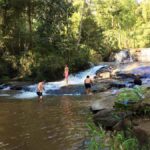
From there, expect the park’s signature combination: waterfalls + lookout points + the highest point. One named highlight here is Wachirathan waterfall. It’s one of the places where the scale of the terrain hits you—especially if you’ve had a warm day in the city before coming up.
This is also where your guide helps you see more than what’s on the postcard. A good guide can connect what you’re looking at—forest types, elevation changes, and how the trails were laid out—so you understand the park as a living system instead of isolated sights.
Pha Dok Siew Nature Trail: the 2-hour trek that actually connects you
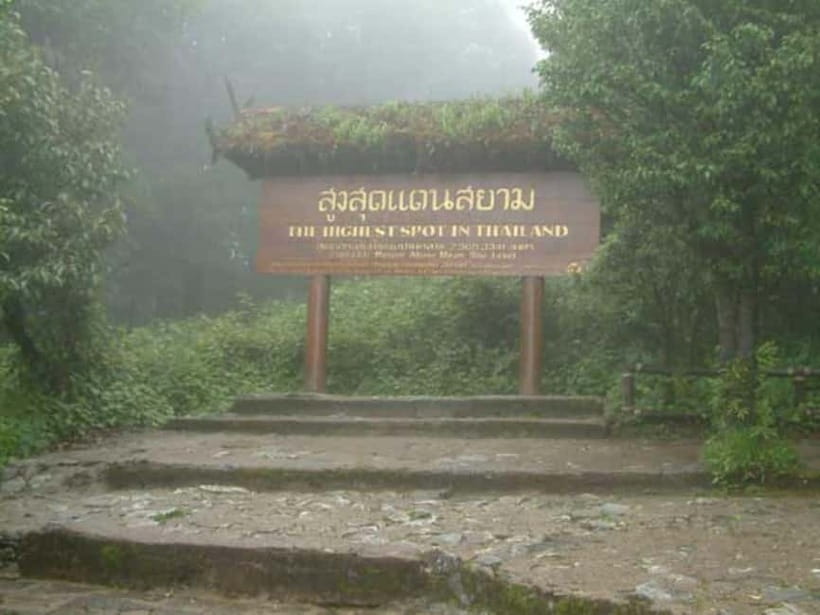
If you only cared about pagodas and viewpoints, this might feel like a long van day. But the plan puts the real weight on the Pha Dok Siew Nature Trail trek. This is where the day earns its keep.
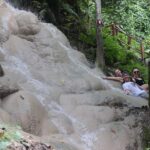
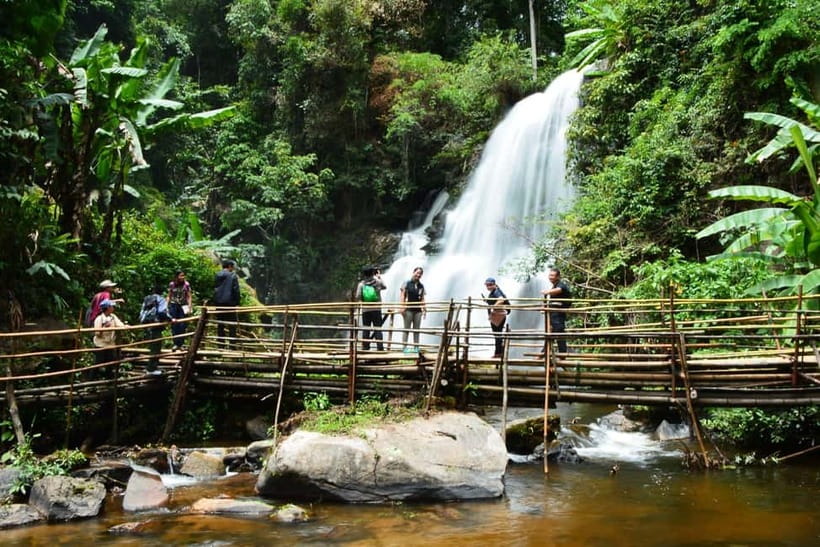
You’ll hike for about 2 hours on the Kew Mae Pan route with a guide from the local hill tribe community. The trail is popular, and it’s also been upgraded for safer, easier movement near steeper or wetter sections. The Karen people have worked with grants and assistance from Chiang Mai University to add bamboo and wood supports—plus bridges, stairs, and railings in key spots.
That “improved trail” detail matters if you’re trying to enjoy the trek rather than fight your footing. It also changes the feel of the walk: you can pay attention to what’s around you. Educational boards along the trail are there to give context on local flora and fauna, so the hike becomes more than exercise.
The trail is also close to waterfall areas, which means humidity and mist can be part of the experience. Even when you aren’t soaking wet, you may feel cooler than you expect, so plan for a light warm layer.
Based on the strongest signals from past participants, the guides make a difference on this trek. People specifically praised guides like Jay for being fun and informative, and that’s exactly what you want on a forest walk—someone who can explain what you’re seeing without turning it into a lecture.
Karen Village and hill tribe stops: what to expect and how to respect it
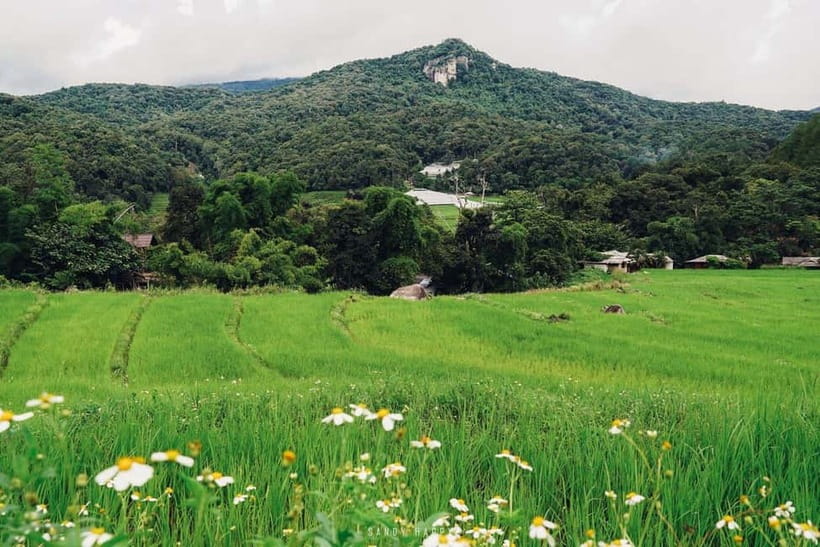
A big part of the day is a Karen Village visit. This is one of those add-ons that can either feel performative or meaningful, depending on how it’s handled. In this case, the same community connection that supports the trek also shows up in the village aspect of the day.
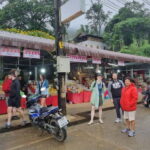
You’ll also have time for a hill tribe market stop area. The information shared for this part of the trip notes a market connection where hill tribes are known for coffee manufacturing. The point isn’t to hunt for souvenirs—it’s to understand how these communities live and what they produce.
Here’s the practical way to approach these stops: keep your pace respectful, ask your guide what’s appropriate, and avoid treating people as props. You’re joining a day in a working region, not popping into a theme park.
Also, keep your expectations realistic. This isn’t described as an all-day cultural immersion. It’s a visit inside a packed itinerary, so you’ll get time to see and learn, but you won’t be living with a family or spending long hours in one location.
Price and what you’re really paying for
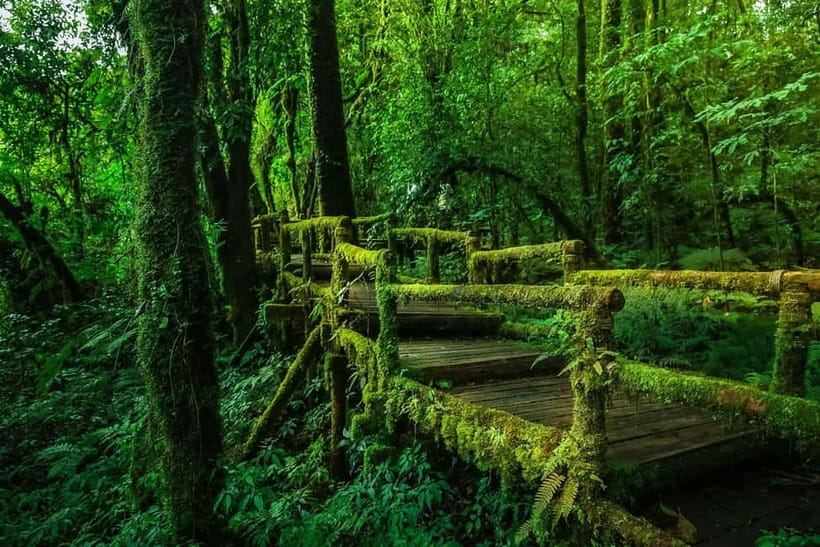
This trip is priced around $38 per person/group (the exact pricing depends on availability and how the operator lists it for your date). For a day in Doi Inthanon, the value is mostly in the bundle: transportation, a guide, lunch, and the trekking-related fees.
Two details can change your total cost: the national park fee. Your booking can be one of two options:
- National park fee included: no extra payment needed.
- National park fee excluded: you pay 400 THB per person in cash on the day.
That’s not just fine print. It directly affects what you hand over when you arrive. Double-check your option before you get too comfortable with the idea that the price is one clean total.
What’s included, based on the trip details:
- Roundtrip air-conditioned transport from Chiang Mai Old Town and Nimman
- Set-menu lunch
- Drinking water
- English-speaking guide
- Insurance
- Trekking trail fee
- National park fee and ticket only if you choose the included option
If you’re the type who hates paying surprise cash at the end of the day, the included fee option is the easiest path.
You can also read our reviews of more hiking tours in Chiang Mai



Transportation style: comfortable, but a lot of time in the van
This day is designed with multiple driving legs. The schedule includes van time blocks (around 2 hours, then several shorter segments), and you’ll return to Chiang Mai afterward. So yes, you’ll spend time in the vehicle.
The upside is comfort: air-conditioned transport from central areas. The other upside is efficiency. Doi Inthanon is far from the city, and doing it in a guided group helps you avoid the whole puzzle of self-driving logistics and entrance-day timing.
The one caution: pickup is in a sequence, and you should wait patiently. Your guide won’t wait more than 10 minutes at each stop. There’s also mention that morning traffic can be heavier than navigation apps suggest, so give yourself buffer time and be ready when you’re picked up.
Meeting point detail that matters: it’s at Imm Hotel Tha Pae. If you’re not near your hotel lobby pickup, plan to be at that meeting point on time.
What to bring (and what can ruin your day)
The trip’s packing list is small, but you should still think like a mountain person, not a city person.
Bring:
- A hat (listed as required)
Also, I strongly suggest you add:
- A warm layer: Doi Inthanon is known for cold conditions at higher elevations.
- Comfortable walking shoes: you’ll be on trails and in areas where footing can change with moisture.
- Rain-ready basics: even if you’re not expecting heavy rain, waterfall regions can feel damp.
You can see why warmth matters. The tour guidance specifically recommends warm clothes for lower temperatures, and the park’s elevation and humidity make that advice practical, not dramatic.
What’s not allowed:
- Pets
- Alcohol and drugs
That’s about it for rules, but it’s still good to know so you don’t waste energy arguing with logistics.
Dress code and behavior rules you should actually remember
The pagodas have a casual dress code with specific boundaries. The rules are clear:
- No tank tops
- No short pants
- No flip-flop style shoes (sneakers are OK)
This can be a small hassle if you’re traveling light. If you only packed shorts and a t-shirt, you’ll want to adjust before you head out for the day, because you’ll be there in daylight when you can’t easily run back to change.
The other behavior rule that matters is age and fitness limits. This tour isn’t suitable for:
- Pregnant women
- Wheelchair users
- People with altitude sickness
- Babies under 1 year
- People over 70 years
If any of those apply, skip this specific option and look for something gentler.
Best time to go: rice fields, rainfall, and what your eyes want
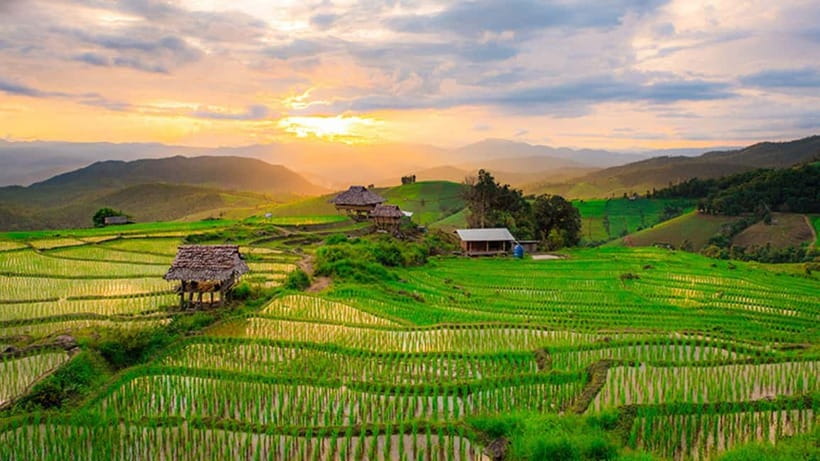
Weather in the region is seasonal. Rainy season runs roughly May to October, with most rainfall around July to September. The rest of the year is drier and colder, especially November to February.
Green season (July to September) can add something special: green rice fields in view during parts of the trip. If you want that extra color, this timing can be rewarding.
But keep the realistic tradeoff in mind. More rain can mean slippery trail conditions and misty waterfall areas. The good news is the trek trail improvements are there to help with safer footing near tricky sections.
If you prefer clearer air and less rain pressure, the drier months may feel less stressful, even if you won’t get the same rice-field look.
The role of your guide: Daniel, Jay, and why it matters on this route
On a day like this, your guide can turn the trip from scenery into understanding. Past participants gave clear praise for guides like Daniel, noting his joyful energy and humor, and for guide Jay, who was fun and informative.
Here’s what to look for in a guide like this:
- They connect stops (pagodas, waterfalls, highest point) so you understand why they’re placed where they are.
- They help you pace the trek without rushing.
- They share local context for the hill tribe visits and the trail work.
Even if you can follow directions yourself, you’ll miss that layer without a good guide—especially on the trail where educational signboards exist but still need a human to translate what it all means in real life.
Who this Doi Inthanon day trip suits best
This is a great fit if you:
- Want a one-day hit of Chiang Mai area highlights beyond the city
- Enjoy short-to-moderate hikes with a guide
- Like combining viewpoints with forest trekking
- Care about learning local context, not just collecting photos
It’s less ideal if you:
- Want a very easy, minimal-walking day
- Have mobility limitations (wheelchair access isn’t suitable)
- Need to avoid cold and damp conditions
- Are sensitive to altitude-related issues
Should you book this Doi Inthanon trip with Pha Dok Siew trek?
I’d book it if you want one efficient day that covers the park’s core moments: pagodas, famous waterfalls like Wachirathan, viewpoints, the highest point, and a real guided trek on Pha Dok Siew. The trek is the reason to choose this format, and the Karen-led trail improvements make it feel safer and more engaging than a basic nature walk.
I’d think twice if you’re not comfortable with uneven trail sections and cool mountain temperatures, or if you don’t want the risk of paying extra cash depending on your national park fee option. If you go, double-check whether the 400 THB national park fee is already included in your selection.
Overall, for the price and the blend of nature + culture + guided trail time, this is the kind of day trip that tends to feel worth it rather than padded.
FAQ
What is the duration of the Chiang Mai Doi Inthanon trip?
It’s listed as 1 day. Starting times depend on availability, so you’ll need to check the available departures for your date.
Where does the pickup happen?
Pickup is included from Chiang Mai’s Old Town and Nimman area. There’s also a stated meeting point at Imm Hotel Tha Pae.
How long is the trekking on Pha Dok Siew?
The Pha Dok Siew guided trek is about 2 hours.
Is there an English-speaking guide?
Yes. The tour includes a live guide in English.
What’s included in the lunch?
Lunch is a set menu, and drinking water is provided.
Do I have to pay the national park fee?
It depends on your selected option. Your booking can include the national park fee, or it can be excluded (400 THB per person paid in cash on the day).
What should I wear for the King and Queen pagodas?
You need a casual dress code: no tank tops, no short pants, and no flipper shoes. Sneakers and sports shoes are okay.
What should I bring for the tour?
At minimum, bring a hat. The trip also recommends packing warm clothes because of lower temperatures at higher elevations.
Are pets allowed?
No, pets are not allowed.
Is the tour refundable if I cancel?
Yes. It offers free cancellation up to 24 hours in advance for a full refund.