REVIEW · CHIANG MAI
Chiang Mai: Local Food and Markets Guided Walking Tour
Book on GetYourGuide →Operated by TripGuru Thailand · Bookable on GetYourGuide
If food markets are your kind of travel, this one lands fast. You’ll get guided access to real local stalls, with a strong mix of Thai and Chinese-influenced snacks, plus a flower-market stop that feels like a palate reset. I especially like the way the route hits signature Chiang Mai eats in a tight 150 minutes, and I like that the guide work is center stage, not just a parade of photos. The main consideration is that food tastings cost extra, so come ready with cash and an appetite.
You start at Chansom Memorial Bridge, locally called Khua Khaek, and you’ll walk between market pockets instead of doing a bus-tour shuffle. A lot of the good stuff here is small-portion eating, so it’s easy to overthink—don’t. Pick what looks best and let the guide steer you. The other thing to know: there’s no vegan option, and the pace isn’t ideal if you have mobility, heart, or respiratory limitations.
In This Review
- Key things I’d circle before you book
- Starting at Khua Khaek Bridge: getting oriented fast (and eating soon)
- Lung Khajohn Wat Ket and Khao Kriab Pak Moh: the sweet first bite
- Ton Lamyai Flower Market: a break from snacks that still fits the theme
- Go Neng’s pa thong go: when Chinese dough meets Chiang Mai street style
- Warorot Market: snacks, produce, and real-world chaos (the fun kind)
- Mango sticky rice hunting: dessert is part of the route, not an afterthought
- Thana Ocha and Hakka-style noodles: the savory payoff
- Price and value: what $48 buys (and what you should budget for food)
- Pace, routes, and when to start: morning is the calmer bet
- Sustainability in plain language: carbon-offset credits are included
- Who should book, and who should skip
- Should you book this Chiang Mai local food and markets tour?
- FAQ
- Where do I meet the guide?
- What’s included in the $48 price?
- Do I get vegan options?
- What languages will the guide speak?
- What should I bring for the walk?
- Which start time should I choose?
Key things I’d circle before you book
- Khua Khaek start point: clear meeting spot by the Ton Lamyai Flower Market side of town
- Sweet-to-savory snack flow: steamed rice dumplings early, Hakka noodles as the payoff
- Flower and herbs market stop: a visual break that also makes shopping fun
- Chinese-Thai favorites: pa tong go and Hakka-style comfort food show up in the mix
- Guide-led eating, not guesswork: English support and smart stall choices
- GSTC-certified and carbon-offset credits included: sustainability built into the tour price
Starting at Khua Khaek Bridge: getting oriented fast (and eating soon)
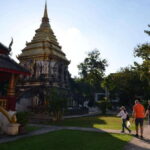
The tour begins at Chansom Memorial Bridge, known in the area as Khua Khaek, opposite Ton Lamyai Flower Market. This matters because it puts you right where locals drift between markets, not far outside the food zone. Your guide will be holding a TripGuru sign, and you’ll want to be there about 10 minutes before the scheduled pickup time.
One practical point: morning traffic can swing wildly. The guide can wait only up to 10 minutes after the pickup time, so if you’re relying on maps and rideshare timing, leave extra buffer. I like that this is a short, walk-focused experience, because you get moving quickly instead of burning time in transit.
You should also plan for walking shoes and sun protection. The tour asks you to bring the usual Chiang Mai kit—comfortable shoes, sunglasses/hat, sunscreen, insect repellent, and cash—because this is a hands-on food hunt, not a sit-down meal.
You can also read our reviews of more walking tours in Chiang Mai
Lung Khajohn Wat Ket and Khao Kriab Pak Moh: the sweet first bite
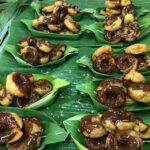
Your first food stop is Lung Khajohn Wat Ket, where you’ll sample a local sweet snack: Khao Kriab Pak Moh. Think steamed rice skin dumplings, typically stuffed with peanuts. The texture is soft and chewy at once, and the sweetness hits before anything spicy shows up later.
This opening matters because it sets the tone. Chiang Mai street food can be intense—spice, aroma, and all those small decisions you’d otherwise face alone. Starting with a familiar-ish sweet dumpling helps you get your bearings and warm up your palate without guessing.
If you’re the type who hates uncertainty, this first stop is also where the guide’s job shows. You’re not wandering stall to stall hoping you chose right. The route is designed so you try what locals go after, not just what’s easiest for tourists to spot.
Ton Lamyai Flower Market: a break from snacks that still fits the theme
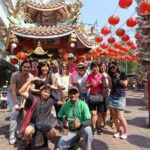
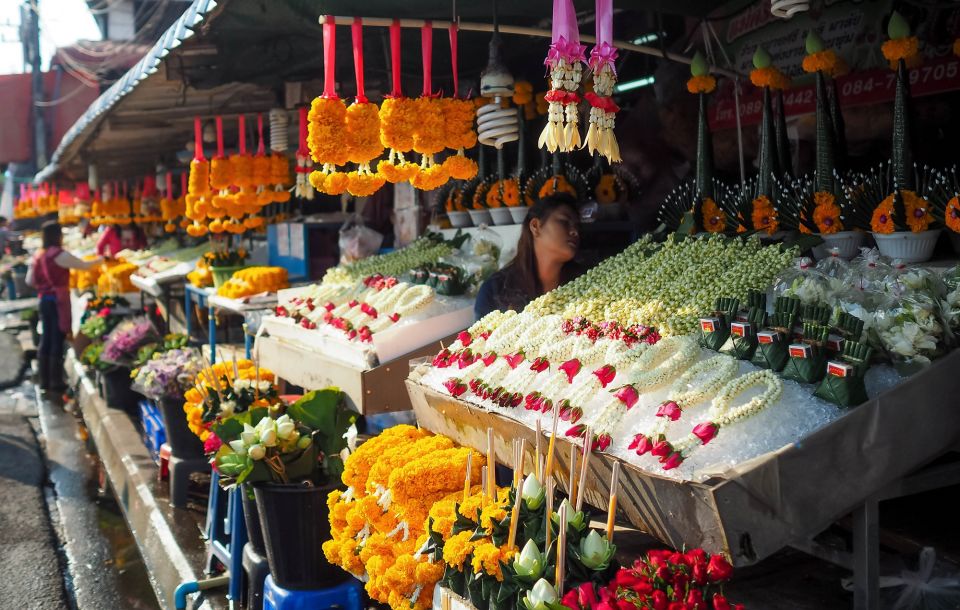
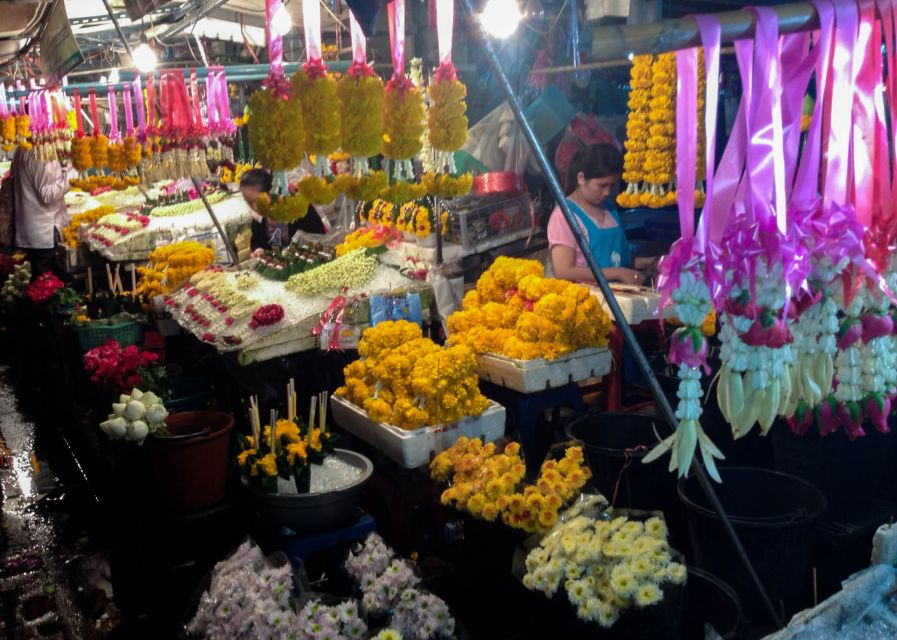
Between food stops, you pass through Ton Lamyai Flower Market. Even if you don’t buy anything, it’s a smart pause. It breaks the sensory overload of street-food smells with color, herbs, and a different rhythm of market life.
And if you do buy—flowers and herbs are part of the vibe—you’ll feel like you’re collecting a piece of the day, not just calories. One of the tour highlights is specifically about brightening your day with fresh flowers from this market, so it’s not a random detour.
This is also why the flower stop is a good “group harmony” moment. One person wants photos, another wants to shop, and everyone still feels like they’re doing the same tour, not splitting off into side quests.
Go Neng’s pa thong go: when Chinese dough meets Chiang Mai street style
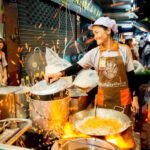
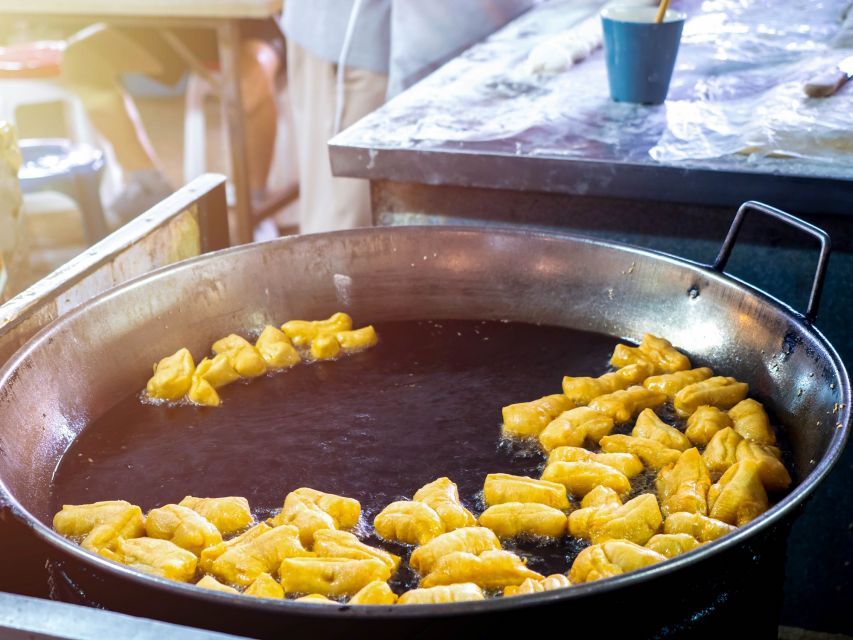
After the flower market, you head to Go Neng to taste a Chinese specialty: deep-fried dough shaped into fun forms. Locally it’s often called pa tong go—yes, the dough can look like dinosaurs to some people.
The important part isn’t the shape; it’s the bite. Pa thong go is crispy, airy, and best while it’s fresh. This is the kind of snack that’s easy to love or easy to overdo. If you’re thinking ahead to the heavier dishes later, consider how much you want here.
This stop is also a good moment to watch spice strategy. Some fried snacks are plain or lightly sweet, while others lean into salt and pepper flavors. Ask your guide what you should try first, and don’t be shy about ordering a small portion if you still want to taste everything later.
Warorot Market: snacks, produce, and real-world chaos (the fun kind)
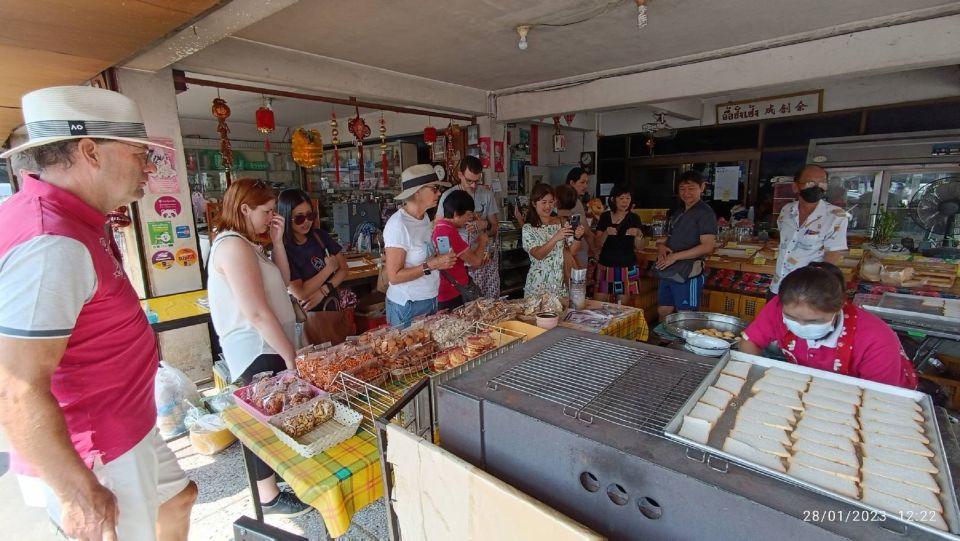
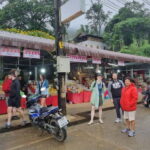
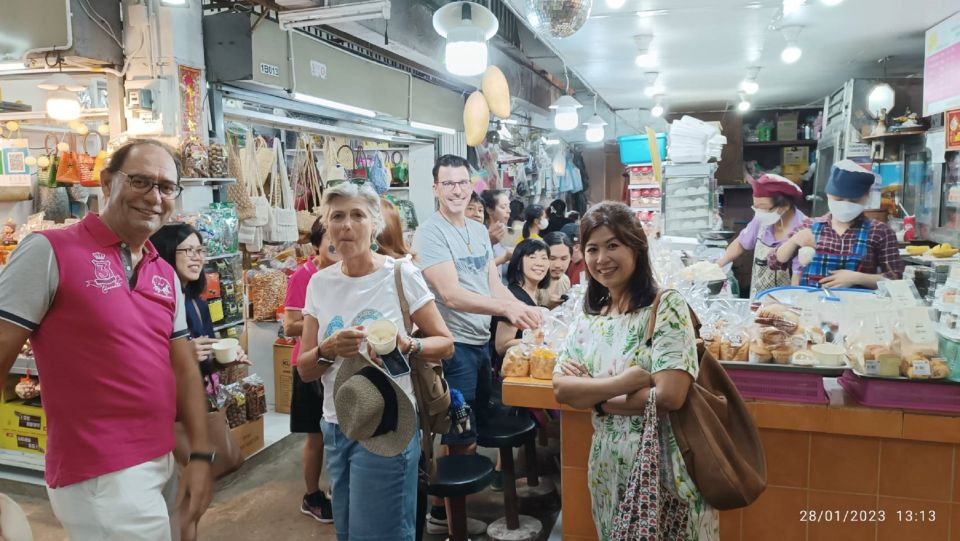
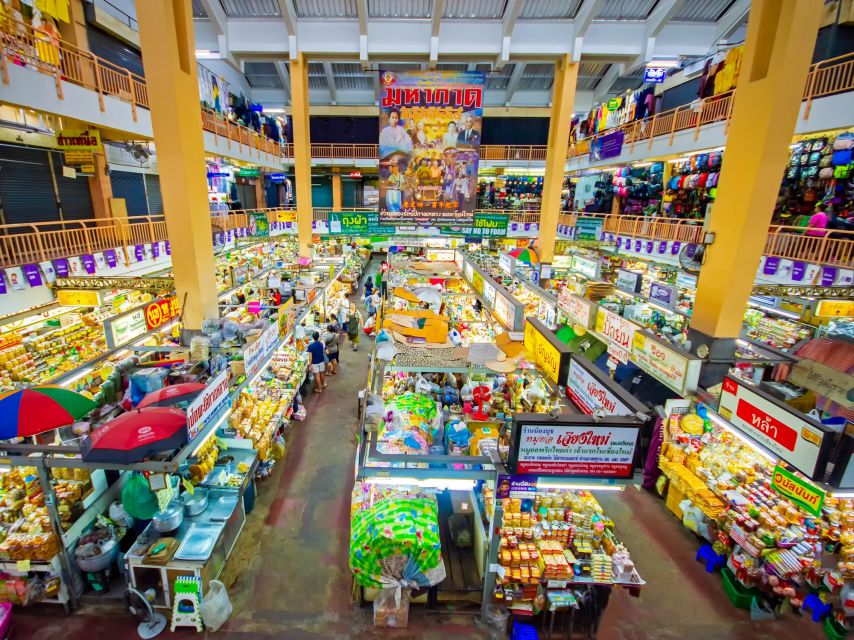
Next comes Warorot Market—one of Chiang Mai’s best-known market names for a reason. Here you’ll find a mix of snacks, produce, and even clothes, which means you’re not just eating in a food corner. You’re moving through a working market.
This is where your guide’s market skills matter most. Market lanes can be confusing even if you speak the language, because stalls look similar and the best choices are often the ones locals queue for. The tour keeps you from getting stuck in “tourist stall” mode.
Warorot also supports a bigger appetite strategy. You’ll likely sample several bites here, so don’t plan this day around a heavy breakfast. If you want maximum enjoyment, arrive hungry but not starving.
You can also read our reviews of more food & drink experiences in Chiang Mai
Mango sticky rice hunting: dessert is part of the route, not an afterthought
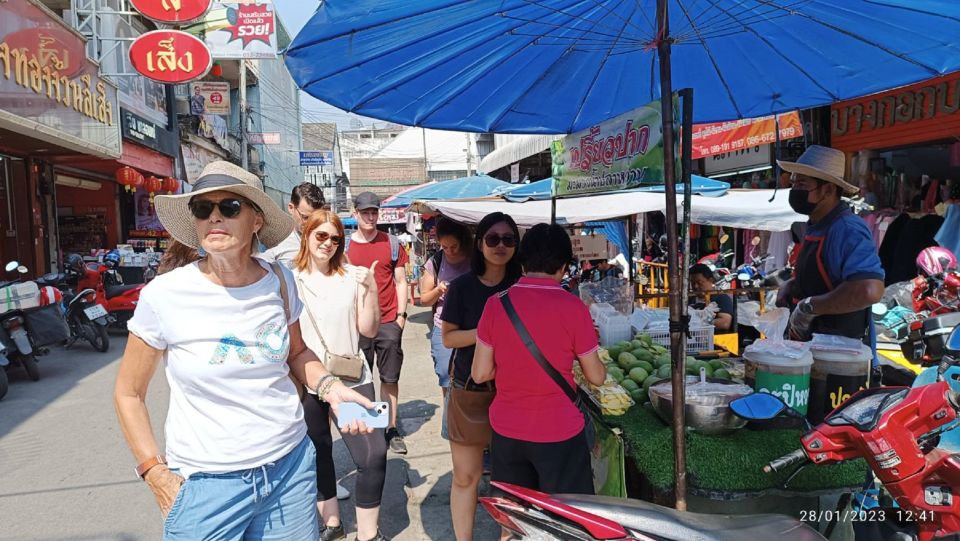
At Warorot, you’ll hunt down a stall for mango sticky rice, a Thai classic that shows up in lots of places—but here it’s treated like a must-do stop. Mango sticky rice is the kind of dish that rewards timing. When it’s made well, the rice is creamy and sweet, and the mango brings real freshness instead of bland fruit-flavored sugar.
This is also a good place to practice “taste management.” You’re eating multiple items over about two and a half hours. If you tend to get overwhelmed, take smaller bites and pace yourself between stalls. Your guide can help you choose sizes so you don’t hit the final dish feeling too full.
Thana Ocha and Hakka-style noodles: the savory payoff
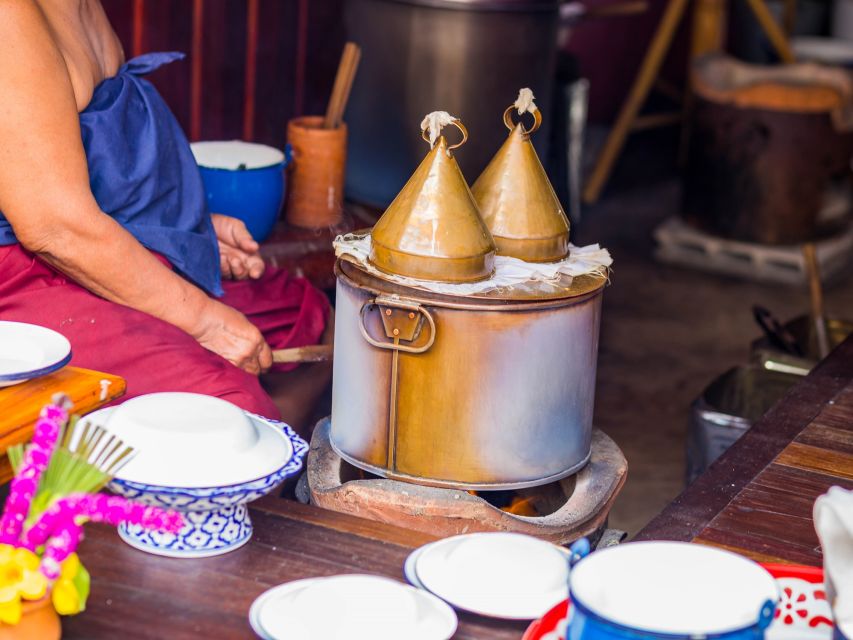
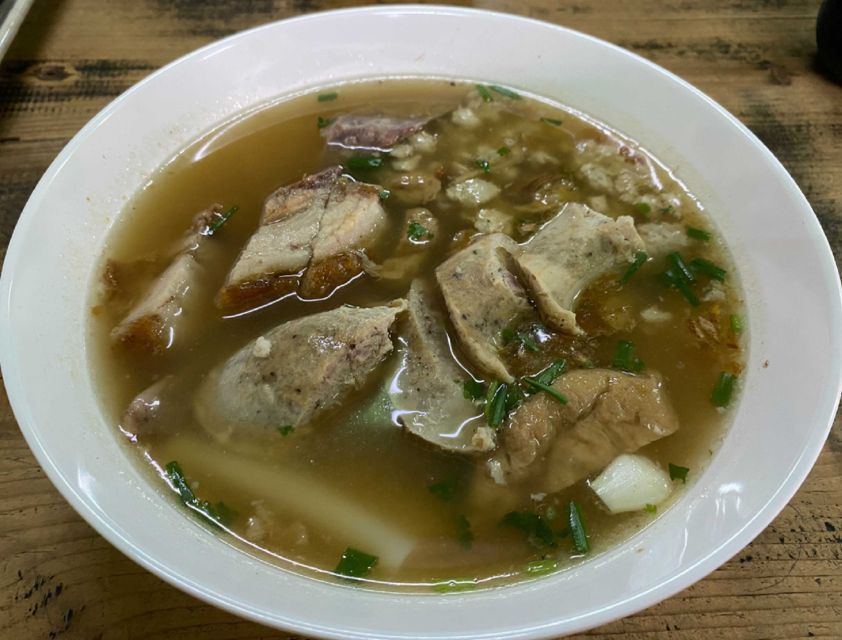
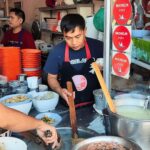
The finish is at Thana Ocha, where you’ll try Hakka-style noodles. This is a standout end point because it shifts from snacks to a proper, satisfying bowl. Expect Hakka stuffed tofu, fish sausage, and wontons in the mix.
Why end here? Because it wraps the whole experience with comfort food logic. The earlier stops are quick bites—sweet dumplings, fried dough, mango dessert. Then you land on something warm and filling, which makes the walking portion feel worth it.
This is also a great moment to ask the guide how to eat it. In noodle dishes, small choices—like how much sauce you mix in or when you add a topping—can change the flavor balance. If your guide is strong with English, you’ll get the kind of practical explanation that helps you replicate the dish later at your favorite local spot.
Price and value: what $48 buys (and what you should budget for food)
The tour price is $48 per person for 150 minutes, which covers the guide and the walking experience. It also includes carbon emissions offset credits, and the tour is described as exploring responsibly with GSTC-certified practices.
What the price does not include: food and tasting expenses. That matters, because you’ll be buying small portions at stalls throughout the day. This setup is common for market tours, but it changes how you should plan your spending.
My advice: treat the $48 as the cost of guidance, timing, and access. Then set aside extra for tastings—especially since the tour offers possible tasting choices like Hakka-style noodles, mango sticky rice, pa thong go, and Khao Kriab Pak Moh. If you go in with cash and a plan to sample, the value usually feels fair. If you show up hoping the entire food bill is included, you’ll be surprised.
If you’re trying to control your costs, ask your guide what portions are typical at each stop and what’s worth prioritizing. A good guide will help you taste broadly without draining your wallet.
Pace, routes, and when to start: morning is the calmer bet
This is a short walk, but it can feel quick. The experience is designed as a series of tastings in a tight time window, and you’ll switch between flower market areas and food stalls as the day goes on. That speed is part of the value—more bites, less waiting.
Timing matters too. The tour notes that many restaurants mentioned tend to close by early afternoon. For a 2:30 pm slot (especially on private tours), the guide may take you to alternative street food stalls to ensure you still get taste variety. If you want the most consistent flow and less stress, morning slots are the safer pick.
Also keep in mind: you’ll want to be ready at the meeting point on time. With heavy traffic in the morning and a 10-minute waiting limit, starting late can shrink your experience fast.
Sustainability in plain language: carbon-offset credits are included
This is billed as a low-impact way of exploring, with carbon emissions offset credits included. The tour is also described as GSTC-certified, which gives you a bit of comfort that the operation has some formal sustainability backing rather than being “green marketing only.”
In practice, that means the tour price isn’t just about eating—it’s also framed as a responsible choice. You can decide whether that matters to you, but I do like that it’s explicitly part of what you’re paying for.
Who should book, and who should skip
This tour fits best if you enjoy markets, walking, and learning by eating. You’ll get Chinese-Thai specialties (pa tong go and Hakka noodles) paired with Thai classics (mango sticky rice) and regional snacks like Khao Kriab Pak Moh.
It may not fit if you:
- Need vegan-friendly options (none are available)
- Have mobility impairments or rely on limited walking
- Have heart problems or respiratory issues
- Are pregnant
Also, bring cash. Marketplace eating runs on cash more often than you might expect.
On the plus side, the guide experience seems to be a big driver of satisfaction. Many people highlight guides who are attentive, bilingual (English/Thai), and able to explain customs and food choices clearly. Guides like Nom, Koi, Patty, Pim, Banana, and Nana show up in feedback as examples of how helpful the guiding can be—especially when something is busy or a stall is temporarily unavailable.
Should you book this Chiang Mai local food and markets tour?
I think it’s a good booking if you want a fast, guided way to try Chiang Mai street-food hits without doing homework first. The structure makes sense: sweet dumplings early, fried Chinese-style dough mid-route, mango sticky rice as your dessert anchor, and Hakka-style noodles to end strong.
Don’t book it if your main goal is a fully packaged sit-down meal, because food tastings are at your own expense. Also skip it if you need vegan options or can’t handle the walking pace.
If you’re deciding between time slots, choose morning when you can. You’ll lose less time to closures, and you’ll keep the energy up for the final noodle bowl.
FAQ
Where do I meet the guide?
Meet at Chansom Memorial Bridge (Khua Khaek), opposite Ton Lamyai Flower Market. The guide will be holding a TripGuru sign, and you should arrive about 10 minutes before pickup time.
What’s included in the $48 price?
The tour includes a tour guide, the walking tour experience, and carbon emissions offset credits. Food and tasting expenses are not included.
Do I get vegan options?
No. There’s no vegan option available on this tour.
What languages will the guide speak?
The tour has live guides in English and Thai.
What should I bring for the walk?
Bring comfortable shoes, sunglasses, a hat, camera, sunscreen, insect repellent, and cash.
Which start time should I choose?
Multiple start times are available. The notes suggest morning slots are recommended since many restaurants close by early afternoon. A 2:30 pm slot may use alternative street food stalls to keep the tastings going.