REVIEW · CHIANG MAI
Chiang Mai: Evening Local Street Food Market Tour
Book on GetYourGuide →Operated by Chiang Mai Street Food Tours · Bookable on GetYourGuide
Street food tastes better when someone else handles the ordering. This evening tour in Chiang Mai Province lines you up with two night markets and a local guide who helps you eat like a regular, not a tourist. You’ll work through Northern Thai staples and classic Chiang Mai comfort foods, while picking up simple Thai phrases to use again later.
I especially like the small group size (max 10). That pacing matters when the streets get busy and the menu gets complicated. You’re not rushing past stalls; you have time to ask questions about ingredients, spice, and Thai food etiquette.
One thing to consider: this tour is not vegetarian-friendly. If you don’t eat meat (or fish), you’ll want to look for another option, because the food is built around local dishes like stewed pork leg and other meat-based choices.
In This Review
- Key highlights worth timing your evening for
- How the 150-Minute Night Route Really Works
- Hotel Pickup and Small-Group Comfort in Chiang Mai Evenings
- Market Stop 1: Northern Thai Noodles and Classic Chiang Mai Flavors
- Market Stop 2: Stewed Pork Leg, Coconut Dumplings, and Dessert If You Can Still Move
- How You’ll Learn to Order Thai at the Stalls
- What’s Included (and What You’ll Need to Budget for Yourself)
- Spice Levels, Etiquette, and Why a Guide Makes Street Food Easier
- Who This Tour Suits Best (And Who Should Skip It)
- Value at $40: Why This Costs What It Costs
- Should You Book This Chiang Mai Street Food Market Tour?
- FAQ
- What is the duration of the Chiang Mai evening street food market tour?
- How much does the tour cost?
- Is hotel pickup and drop-off included?
- What language will the guide speak?
- What food is included in the price?
- Do you accommodate vegetarians or pescatarians?
- How many markets will you visit?
- Can I cancel for a full refund?
Key highlights worth timing your evening for
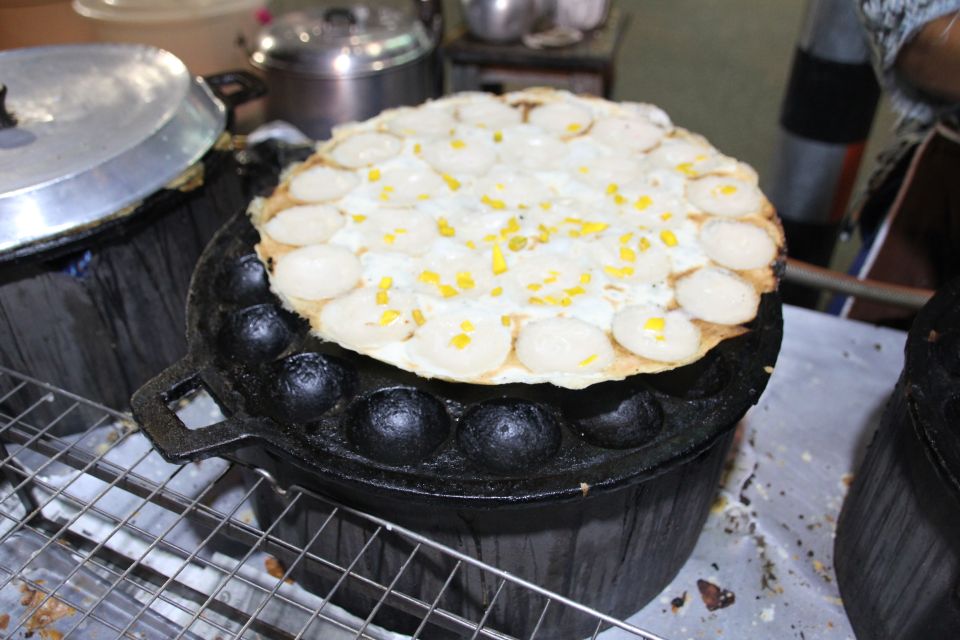
- Two evening street food markets in one 150-minute route, so you get variety without long gaps.
- Thai phrase mini-lessons plus a take-home leaflet to help you order with confidence later.
- All dishes and water included, which keeps the experience straightforward (and keeps you full).
- Small-group energy (up to 10 people), making it easier to ask questions at each stall.
- Consistently strong guides, with names like Jay and Mr. Goal showing up in standout guide experiences.
How the 150-Minute Night Route Really Works
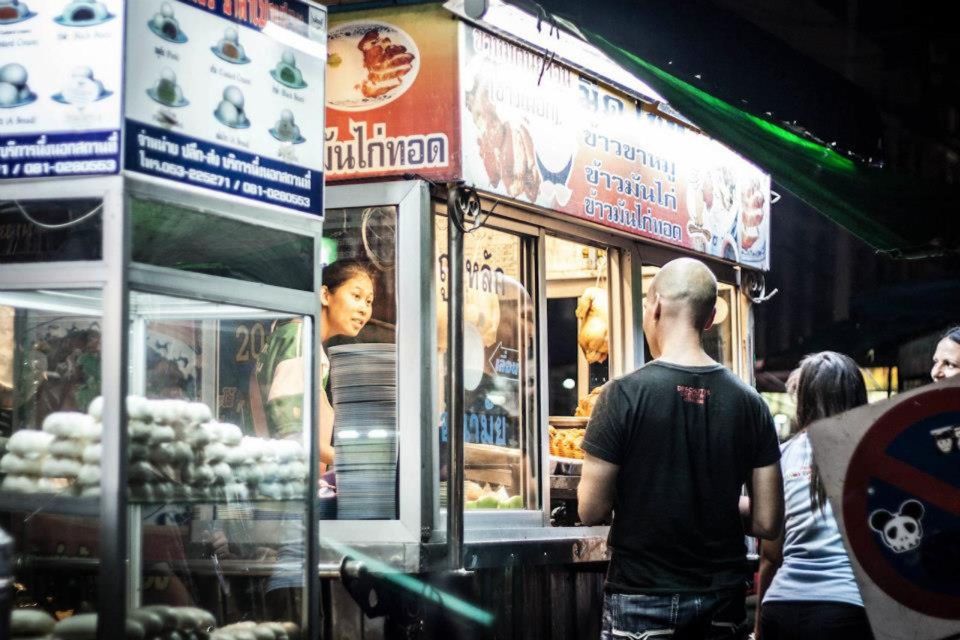
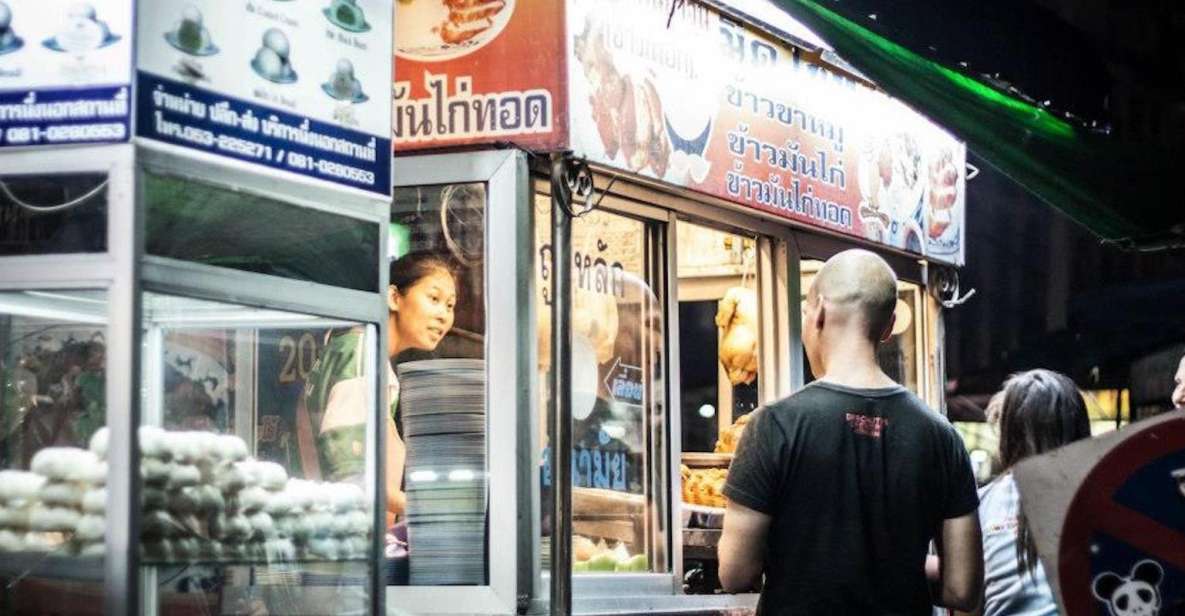
This is a short, focused evening tour: 150 minutes from start to finish. You start with a hotel greeting by your local guide in Chiang Mai city center, then you meet your small group of fellow food lovers. From there, the plan is simple—walk a route designed for eating, hit at least two evening street food markets, and return to your accommodation when your stomach is politely overruled.
The big win here is that the tour is paced for food, not sightseeing. You’re not forced to stand still while everyone else takes photos. Instead, you’ll move stall to stall, trying multiple dishes—some familiar, some very new. The tour also notes that dishes can vary by night, which is helpful to know: you’re not booking one rigid menu. You’re booking access to the kinds of foods Chiang Mai is famous for, with your guide steering the night.
Also, it ends back at your hotel. That matters in Chiang Mai evenings, when you might otherwise spend time figuring out transport or navigating back after you’ve eaten a lot.
You can also read our reviews of more food & drink experiences in Chiang Mai
Hotel Pickup and Small-Group Comfort in Chiang Mai Evenings
The tour includes roundtrip hotel transfer from Chiang Mai city center, and you get picked up at your hotel (please be ready in the lobby about 10 minutes early). Outside the city area, a surcharge may apply, so if you’re staying further out, plan to ask in advance.
What you feel on the ground is the small-group advantage. With a maximum of 10 people, you’re less likely to end up in a long line of people trying to translate what they want. Your guide can keep an eye on everyone’s spice comfort and questions, and you can actually hear explanations.
Transport quality is also part of the package: it’s rated highly, with many reviewers giving perfect scores. That’s practical value when you’re done eating and ready to sit down for the ride home.
If you’re the type who hates “tour groups” that behave like a herd, this one’s designed to feel more like a friendly food walk with an expert guide.
Market Stop 1: Northern Thai Noodles and Classic Chiang Mai Flavors
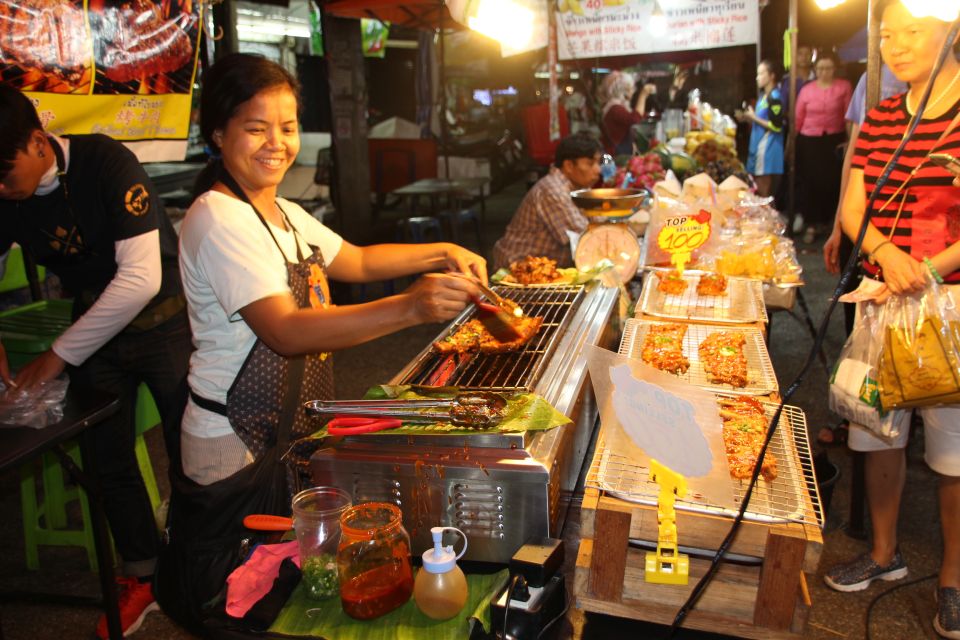
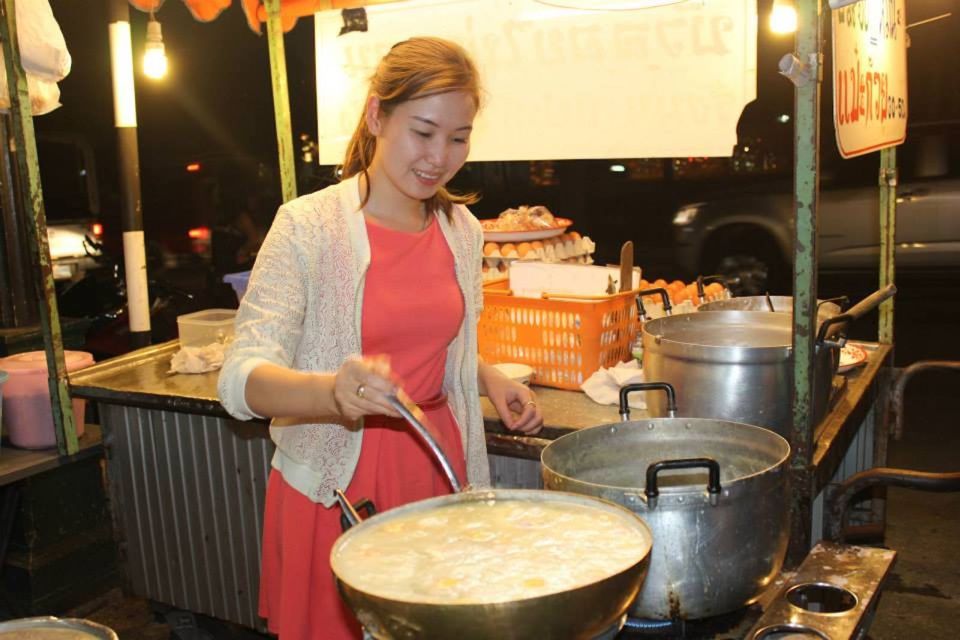
The first market stop is where the tour often “introduces” Chiang Mai through food you can recognize fast. One highlighted dish is kanom jeen—Chinese-origin noodles that are heavily integrated into Thai dining. You’ll likely see it served with different curries and toppings depending on the stall.
This is a good moment to pay attention to how Thai vendors build flavor: you’re not just picking noodles. You’re learning how the meal works as a system—noodles, sauce, herbs, and sides that balance heat and richness.
Northern Thai food tends to feel different from the hotter, sweeter, or more tourist-heavy versions you might encounter elsewhere in Thailand. The tour’s focus on Northern Thai delicacies is your shortcut to understanding that this region has its own identity. Expect a mix of dishes that can include soups, curries, salads, and other street snacks as the guide moves you through “must-try” stands.
Practical reality check: street food portions are often generous, and you’ll be sampling multiple items in one evening. Come hungry. If you try to “save room” by eating lightly beforehand, you’ll usually regret it later.
Market Stop 2: Stewed Pork Leg, Coconut Dumplings, and Dessert If You Can Still Move
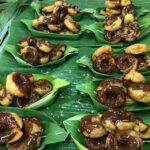
The second market stop is where the tour leans into Chiang Mai’s comfort-food reputation and dessert culture. Two explicitly mentioned favorites are stewed pork leg and coconut dumplings. These can be heavier, richer foods, which is exactly why the route matters: you’re still walking and tasting, not sitting through one massive meal only.
Stewed dishes are a great choice for street food tours because vendors can teach you something without a lecture. You’ll see what slow-cooked means in real life—the texture, the flavor depth, the way sauces cling. And with dishes like pork leg, the guide can help you understand what to watch for when you’re eating unfamiliar cuts.
Then comes the sweet part. The tour notes that after the savory tastings, you finish with distinctive Thai desserts and sweets if you still have space. Based on what’s described, desserts can include a range of small treats—enough to try and compare without forcing one single huge dessert plate.
If you’re someone who normally skips dessert because you’re worried it will be too sweet or too filling, this is actually a good place to test that. You’ll be eating sweets after savory dishes, so you can notice the balance the street stands use to keep flavors interesting.
How You’ll Learn to Order Thai at the Stalls
This tour isn’t only about eating. It’s about learning how to order so you can repeat the experience later. You’ll get a short leaflet that includes:
- Thai phrases for ordering
- A quick guide to some of the dishes you tried
During the night, your guide also teaches some basic Thai phrases so you can practice with real stalls. That’s one of the most useful parts of the tour because it turns a one-night experience into a repeatable skill.
I like this approach because it reduces anxiety. When you walk up to a street stand on your own, you’re often stuck on simple tasks:
- What does this sound like in Thai?
- How do I ask for the dish I saw on someone else’s plate?
- How do I communicate spice comfort?
Even if you only learn a few phrases, you’ll feel the difference. The tour is built to help you ask questions about ingredients and how to eat unfamiliar dishes in a way that fits Thai food etiquette.
One more thing: guides named Jay and Mr. Goal come up often in top-rated experiences. That pattern matters because it suggests you’re not taking a chance on a random guide. You’re likely getting someone who can explain what you’re eating clearly in English and keep the vibe fun.
You can also read our reviews of more tours and experiences in Chiang Mai

What’s Included (and What You’ll Need to Budget for Yourself)
Included in the tour:
- All dishes
- Water
- An experienced local guide
- Leaflet with Thai phrases and dish notes
- Roundtrip hotel transfer from Chiang Mai city center
Not included:
- Other drinks, including alcohol
That sounds simple, but it’s smart for planning. When all dishes are included, you don’t end up doing the awkward math at every stall. You also don’t have to guess portion sizes or wonder if you’re paying extra for each item.
The water inclusion is also practical. Street food nights can get spicy and salty fast, and having water in the plan helps you keep pace through the route.
If you want alcohol, that’s on you. If you prefer soft drinks, you can also budget for those separately since they’re not stated as included.
Spice Levels, Etiquette, and Why a Guide Makes Street Food Easier
Chiang Mai street food can be a mix—some dishes arrive mild, others go straight for heat. Your guide helps you navigate that. The tour is designed so you have plenty of time to ask questions if something looks unfamiliar or sounds intense.
This is where a good guide changes the whole experience. Without one, you might feel stuck:
- staring at a menu with no idea what you’re ordering
- worrying you’ll pick the wrong spice level
- feeling unsure about how to eat a dish in the “normal” way
The tour also explicitly focuses on Thai culture around food. You’ll learn about the role certain dishes play and how people eat them in everyday life. That cultural context is not extra fluff—it’s what helps you understand why a dish tastes the way it does.
One warning: the tour does not accommodate vegetarians or pescatarians. So if you’re avoiding all meat/fish, you’ll be disappointed by the options. The upside is that if you eat meat and want the real Northern Thai range—from noodles to dumplings to slow-cooked pork—you’re in the right place.
Who This Tour Suits Best (And Who Should Skip It)
This tour is a strong fit if:
- You want two night markets in one evening without planning
- You enjoy Northern Thai flavors and want to try dishes you’d hesitate to order alone
- You like street food, but you also want guidance on spice and etiquette
- You’d rather learn Thai basics through action than through a textbook
It’s not a fit if:
- You’re vegetarian or pescatarian (the tour notes it can’t accommodate this)
- You have kids under 8 (not suitable)
If you’re coming with a group of friends, the small size can still work well because everyone gets attention. If you’re solo, it’s also a friendly way to meet people without sacrificing structure.
And wear comfortable shoes. You’ll be walking between markets at night, and you’ll want your feet to survive the full 150 minutes.
Value at $40: Why This Costs What It Costs
At $40 per person for 150 minutes, the main value isn’t just the food—it’s the package. You’re paying for:
- Multiple dishes at real street stalls
- A guide who helps you order in Thai
- Water
- Hotel pickup/drop-off in Chiang Mai city center
- A takeaway leaflet to keep your ordering skills alive
If you try to replicate this on your own, you’ll spend time learning menus, figuring out which stalls are worth it, and working out transport after you’ve eaten. The tour removes the guesswork and compresses it into one evening.
Also, the guide-led ordering is a hidden cost savior. Even a few correct phrases can mean you get the dish you actually want instead of whatever the stall assumes you’re asking for.
The strongest signal for value is the volume of positive outcomes people describe: lots of food, good variety, and guides who make it educational without turning it into a lecture.
Should You Book This Chiang Mai Street Food Market Tour?
Book it if you want a low-stress way to eat like a local in Chiang Mai. This is best for people who:
- can eat meat
- don’t mind spicy possibilities
- like walking and tasting instead of doing museum-style touring
Skip it if you need vegetarian or pescatarian options, or if you’re not comfortable with the idea that you’ll be eating a lot in one night. This tour is built to leave you full.
Finally, if it’s your first night in Chiang Mai, this kind of tour can help you learn what you like and what you should order next time. The Thai ordering phrases and the leaflet are practical tools, not souvenirs you’ll forget in a drawer.
If you’re ready to trade planning time for delicious street food, this one is an easy yes.
FAQ
What is the duration of the Chiang Mai evening street food market tour?
The tour lasts about 150 minutes.
How much does the tour cost?
The price is $40 per person.
Is hotel pickup and drop-off included?
Yes. Roundtrip hotel transfer is included from Chiang Mai city center. If your accommodation is outside the city area, transport can be arranged for a small surcharge.
What language will the guide speak?
The live tour guide speaks Thai and English.
What food is included in the price?
All dishes and water are included. Other drinks, including alcohol, are not included.
Do you accommodate vegetarians or pescatarians?
No. The tour cannot accommodate vegetarians or pescatarians.
How many markets will you visit?
You’ll visit at least two evening street food markets.
Can I cancel for a full refund?
Yes. You can cancel up to 24 hours in advance for a full refund.