REVIEW · CHIANG MAI
4-Hour Doi Suthep & Hmong Hill Tribe Village from Chiang Mai
Book on GetYourGuide →Operated by Touring Center · Bookable on GetYourGuide
Mountaintop temples and hill-tribe life, in one smooth loop. This 4-hour outing pairs Wat Phra That Doi Suthep with a Hmong Hill Tribe Village visit, then throws in Chiang Mai’s skyline views from the temple terrace. It’s the kind of trip that feels short on paper, but full in the head because you go from market talk to sacred stair-climbing back to city calm.
I especially like the value for what’s covered: English-speaking guide, air-conditioned 9-seat minivan, entry fees, water, and even the cable car option. I also like the human touch in the guiding style—names like Pae, Poonkie, and Kai come up again and again for clear explanations and patient pacing, including help with photos.
One thing to consider: this isn’t built for anyone who struggles with stairs or uneven ground. You’ll face the option of climbing 309 steps, and even with the cable car, the temple areas still involve walking.
In This Review
- Key Highlights You’ll Feel Right Away
- Small-Group Pickup and the Mountain Van Rhythm
- Doi Pui Hmong Hill Tribe Village: Museum First, Village Next
- Wat Phra That Doi Suthep: Steps, Cable Car, and a Real Buddhist Relic Site
- Terrace Views That Make the Drive Worth It
- Time Management: How This 4-Hour Tour Stays Relaxed
- Price and Value: What $36 Covers (and Why It Feels Fair)
- Who Should Book This, and Who Should Skip It
- Guides Matter: Why the Names Keep Popping Up
- Should You Book This Doi Suthep and Hmong Village Tour?
- FAQ
- What times are hotel pickups for this tour?
- How long is the tour?
- What are the main stops during the tour?
- Can I avoid the 309 steps at Wat Phra That Doi Suthep?
- What’s included in the price?
- What should I bring and wear?
- What’s not allowed?
- Who might find this tour unsuitable?
Key Highlights You’ll Feel Right Away
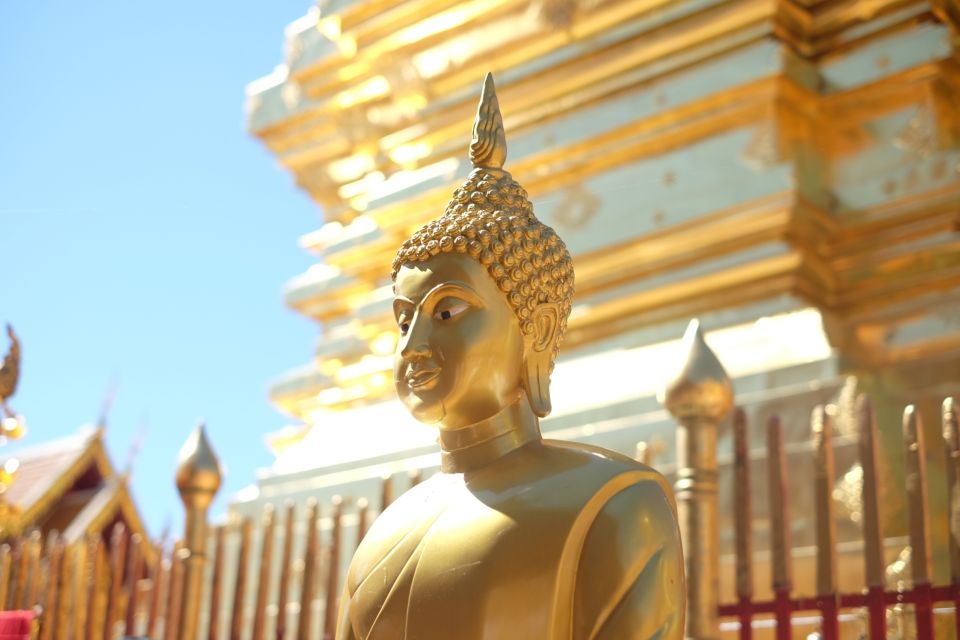
- Wat Phra That Doi Suthep + 309 steps or cable car for the hilltop stupa experience
- Sacred relic site inside a major Chiang Mai landmark temple
- Doi Pui Hmong Hill Tribe Village with museum time and village exploration
- City views from the temple terrace that make the drive worth it
- Small group size (up to 9) for a more personal guide experience
- Practical extras like water, a refreshing towel, and photo help when you ask
Small-Group Pickup and the Mountain Van Rhythm
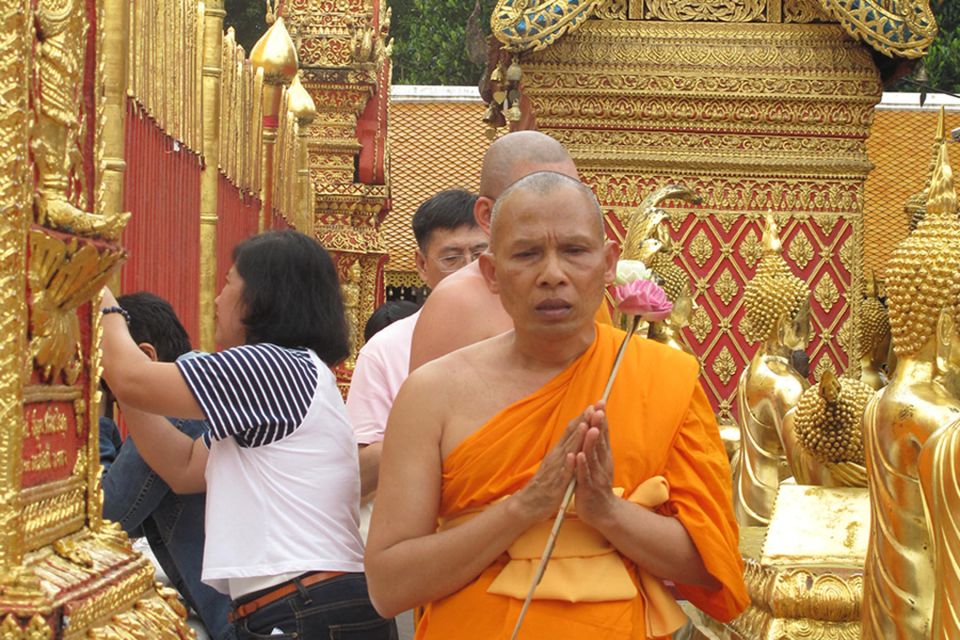
Your day starts with hotel pickup in Chiang Mai, usually within 6 km of the 3 Kings Monument area. The morning pickup window is 08.00 to 08.30, and the afternoon window is 01.00 to 01.30, with a return to your hotel by around noon or early evening.
The transport is an air-conditioned 9-seat minivan, which matters more than it sounds like. You get a quieter ride up the mountain roads than you would on larger buses, and it’s easier for a guide to keep the group together without rushing you through the stops.
The pace also fits the title: this is a 4-hour tour, not a full-day marathon. You’ll spend time at Doi Pui, then shift to Doi Suthep, then head back down while the energy still feels upbeat. If you’re planning a tight itinerary around temples, markets, and food, this kind of half-day structure makes your schedule easier to manage.
You can also read our reviews of more tours and experiences in Chiang Mai.



Doi Pui Hmong Hill Tribe Village: Museum First, Village Next
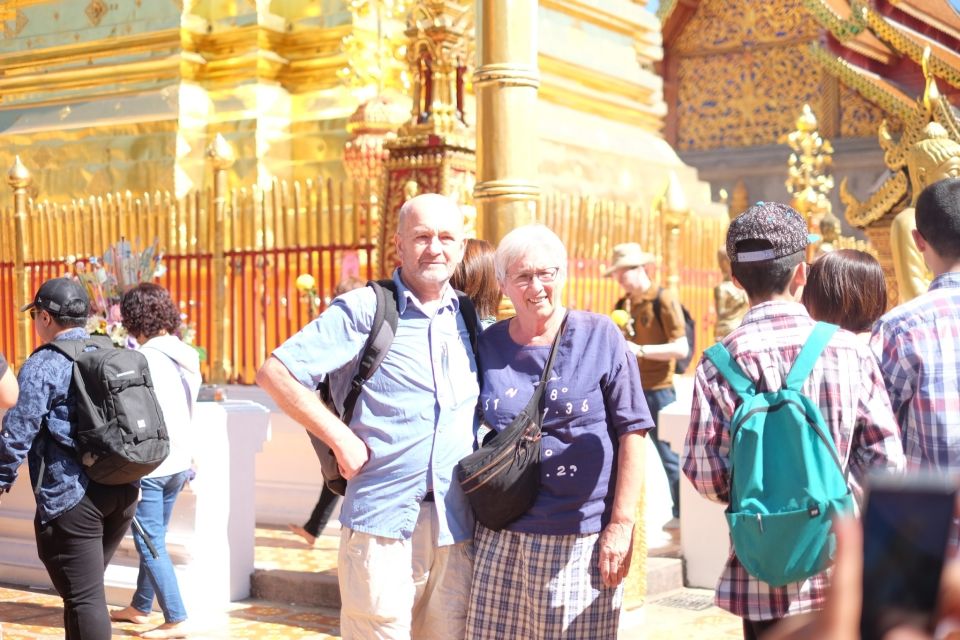
After you ride up toward Doi Suthep–Pui National Park, your first cultural stop is the Doi Pui area with the Hmong Hill Tribe Village experience. You start with a visit to the village museum, then you explore the village itself with your guide.
What this section does well is give you a simple path into how people live here. The museum portion helps you connect symbols and everyday items to a way of life, so later when you’re walking through the village you’re not just looking at stalls. Based on guide styles described by many guests, the best part is often the explanation that bridges culture and daily routine, with English guidance that actually stays clear.
Then comes the walking time in the village. You might find a market atmosphere and craft browsing, plus food-and-snack type temptations along the way. Some visitors specifically mention things like local coffee and tasting treats such as dried mango or sweet fruit snacks. That’s not guaranteed on every visit, but it’s the kind of village setup where you can easily spend an extra few minutes looking and asking.
Here’s a practical caution: this is also a place with shops, including souvenir-style selling. One review tip stood out—watch for high-priced items like real silver rings being offered in the garden area. If you’re buying, treat it like a shopping conversation, not a fixed-price deal, and set a spending limit before you start.
Wat Phra That Doi Suthep: Steps, Cable Car, and a Real Buddhist Relic Site
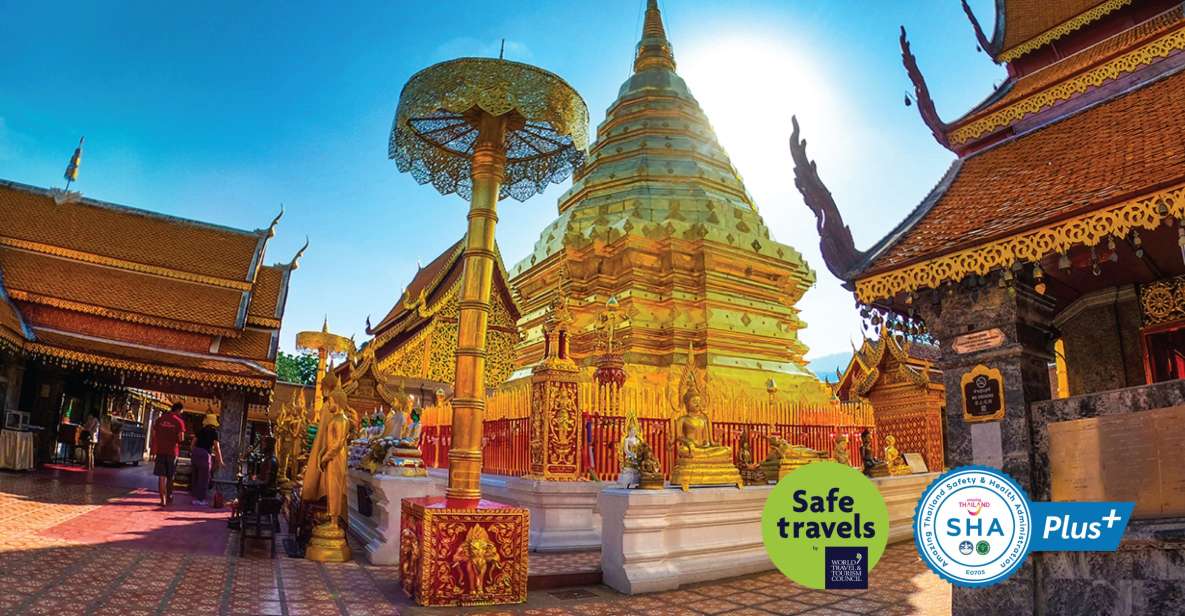
Next you head down briefly, then up again to Wat Phra That Doi Suthep, one of the most famous temples around Chiang Mai. This is the main event, and it’s not subtle.
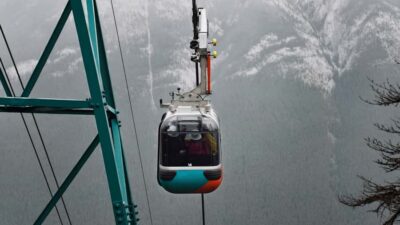
You’ll follow the pilgrim path toward the stupa. The route includes 309 steps up to the hilltop, or you can take the included cable car instead. I like having both options because it keeps the day from being all-or-nothing. If you’re strong, climb and feel the old-school rhythm of the ascent. If you’d rather conserve energy, take the cable car and still enjoy the sacred final stretch.
Inside the temple area, your guide helps connect what you’re seeing with what it means. The temple is described as containing a holy relic of the Buddha, and that context makes the site feel more than just a pretty viewpoint. You’ll notice the guide turning symbolic details into something you can understand quickly, especially in how they explain Buddhist practices and temple iconography.
One small, realistic consideration: temple work can happen. Some visitors noted restoration or scaffolding at the temple during their visit. That doesn’t ruin the experience, but it can slightly change what you can see in the highest details.
Terrace Views That Make the Drive Worth It
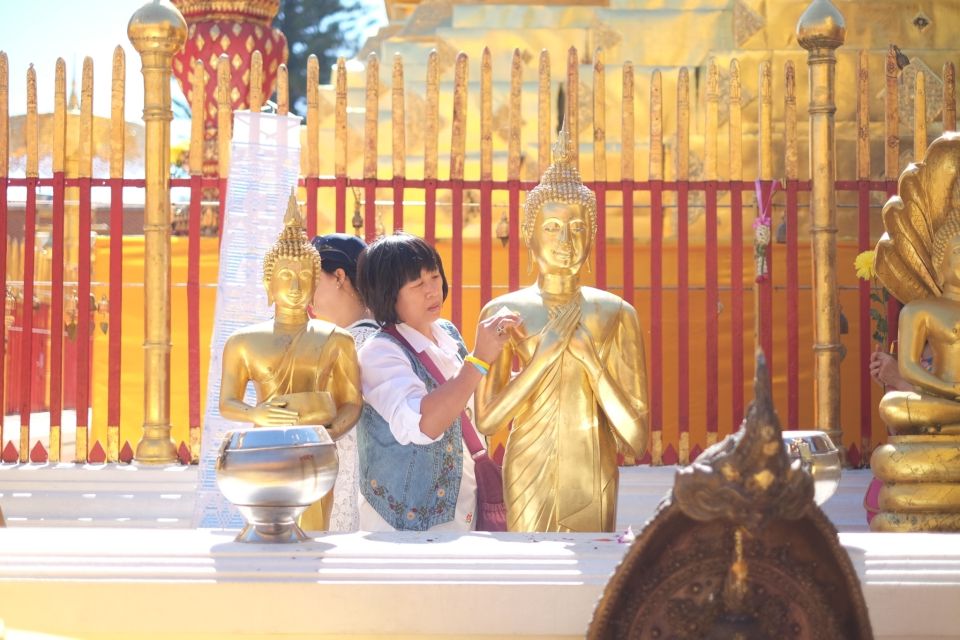
Yes, the stairs get attention. But for me, the real payoff is the view from the temple terrace.
From up here you can look out over Chiang Mai City and the surrounding areas. On a clear day, it’s dramatic. In lighter haze or fog, it’s still atmospheric, just less sharp. Either way, it gives you a sense of where you are in northern Thailand, and it helps your brain connect the city you know with the mountains that frame it.
This is also where photo time matters. Multiple reviews mention guides who help you find good photo spots and take pictures when you ask. If you want this to be genuinely easy, bring a phone camera strap or keep your hands free, because you’ll be moving between viewpoints and walking on uneven surfaces.
If you’re prone to getting overheated, plan around the temple sun. The tour includes water and a refreshing towel, which helps, but the mountain air isn’t a substitute for shade when you’re standing still on a terrace.
Time Management: How This 4-Hour Tour Stays Relaxed
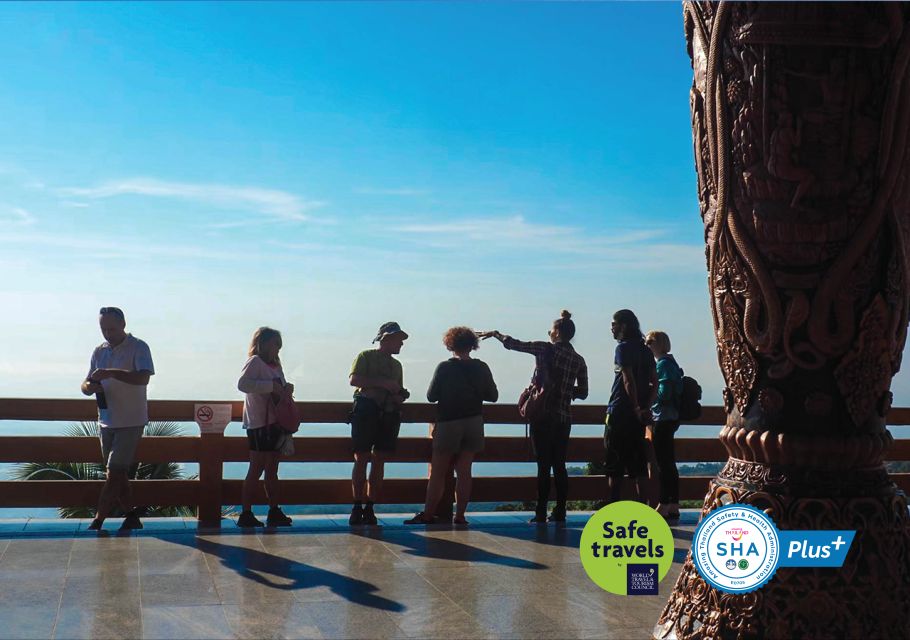
A lot of short tours feel rushed. This one is designed to be more controlled: guided time at Doi Suthep (about an hour), guided time in the Doi Pui area (about an hour), plus the drives between.
The scheduling order also helps your attention. You start with the village museum and exploration when your brain is still fresh from the ride. Then you shift into the temple and the pilgrimage steps right when you’re ready for a bigger emotional moment. After that, you get back into the van and let the day cool down.
In real-world terms, what you’ll likely feel is a steady flow: listen and learn, walk and look, climb or cable-car, then return. Many reviews highlight guides staying flexible if you move a bit slower or linger at a market stall. Still, because this is only 4 hours, you should be ready to keep a light pace rather than expect unlimited time at every stop.
If you’re the type who loves deep temple photography or long shopping sessions, you may wish you had more time in the village shops. That’s normal on a half-day tour. The best approach is to set your priorities before you go: temple first, village second, photos third.



Price and Value: What $36 Covers (and Why It Feels Fair)
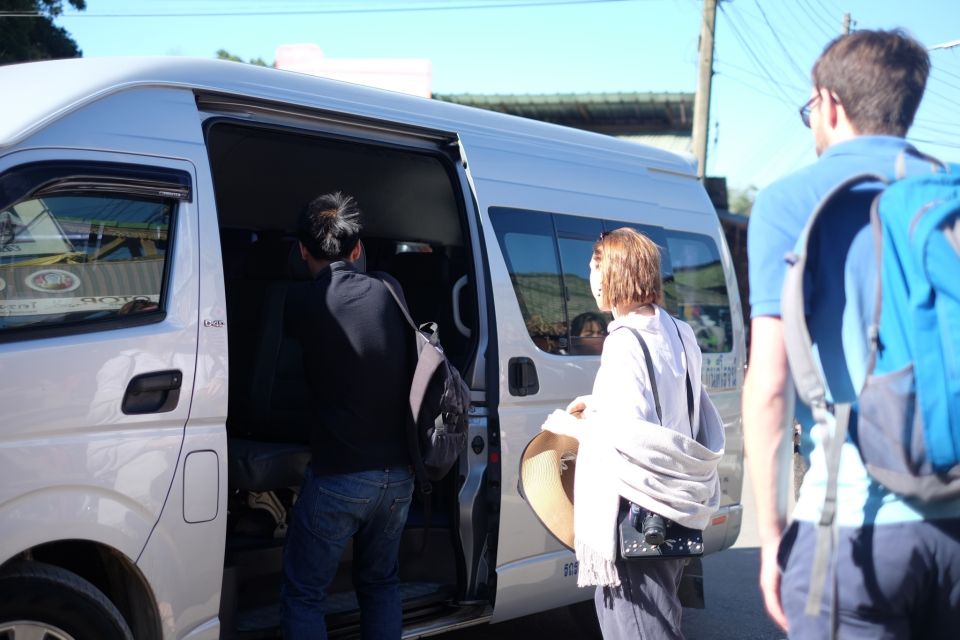
At about $36 per person, this tour can feel like a bargain once you look at what’s included. You’re paying for transport in an air-conditioned small van, an English-speaking guide, entry fees at key points, and even the cable car option at Doi Suthep. You’re also getting water and a refreshing towel, plus travel accident insurance.
That combination matters because the cost isn’t just for the ride. Entry fees add up quickly in Thailand when you visit multiple sites in one day. Cable car access is often an extra expense on similar tours, so it’s nice to see it included here.
The best value shows up if you’re not driving yourself. If you’re staying central in Chiang Mai and don’t want to coordinate transport and tickets across two mountain areas, this tour simplifies the day into one plan with one guide.
You do pay attention to the math on the “not included” part. Personal shopping and snacks are on you, plus any optional purchases in the village. Still, you’re not paying extra for the big ticket items like guiding, entries, and cable car access.
Who Should Book This, and Who Should Skip It
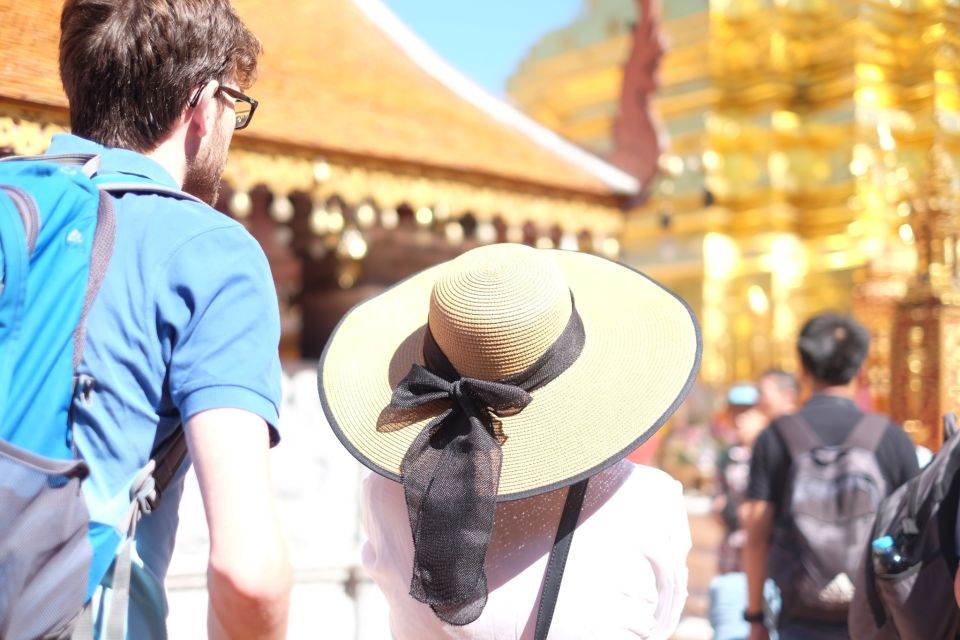
This tour is a strong match if you want a culture-and-scenery day without committing to a full day away from Chiang Mai.
You’ll probably enjoy it most if you:
- Want one major Chiang Mai temple experience without planning transport
- Like learning directly from an English-speaking guide, including Buddhist context
- Prefer a small group where you can ask questions and request photo help
- Are okay with a short walk at each stop and walking around temple terraces
You should skip (or at least be cautious) if you have back problems, mobility impairments, heart problems, or wheelchair needs. Even with the cable car option, the temple grounds and hilltop areas involve movement, and the 309-step option is clearly not the right fit if stairs are an issue for you.
Also, dress code matters. You’ll need long pants and a long-sleeved shirt (or at least clothing with shoulders and knees covered) for temple entry. Shorts and sleeveless tops are not allowed, and you’ll want comfortable shoes because you’ll be walking.
Guides Matter: Why the Names Keep Popping Up
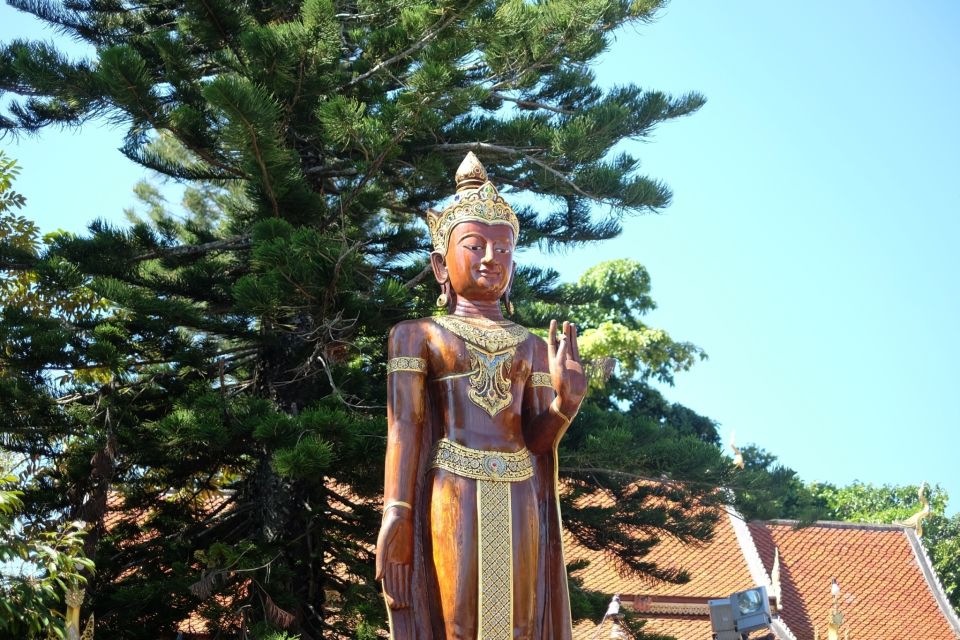
One of the most consistent themes in the tour experience is that the guide makes the day feel coherent. In the reviews, you’ll see names like Pae, Poonkie, Kai, Paul, and Nut described as patient, attentive, and good at explaining what you’re seeing.
Why that matters: temple visits can turn into picture-taking without understanding. Here, guides are repeatedly praised for turning temple symbols and village life into explanations you can actually follow in English. They also help with practical moments, like where to stand for photos or how to interpret what’s going on in the temple area.
In other words, the tour isn’t just transport plus entry tickets. It’s the guide work that connects the two very different settings—Hmong village culture and a sacred Doi Suthep hilltop stupa.
Should You Book This Doi Suthep and Hmong Village Tour?
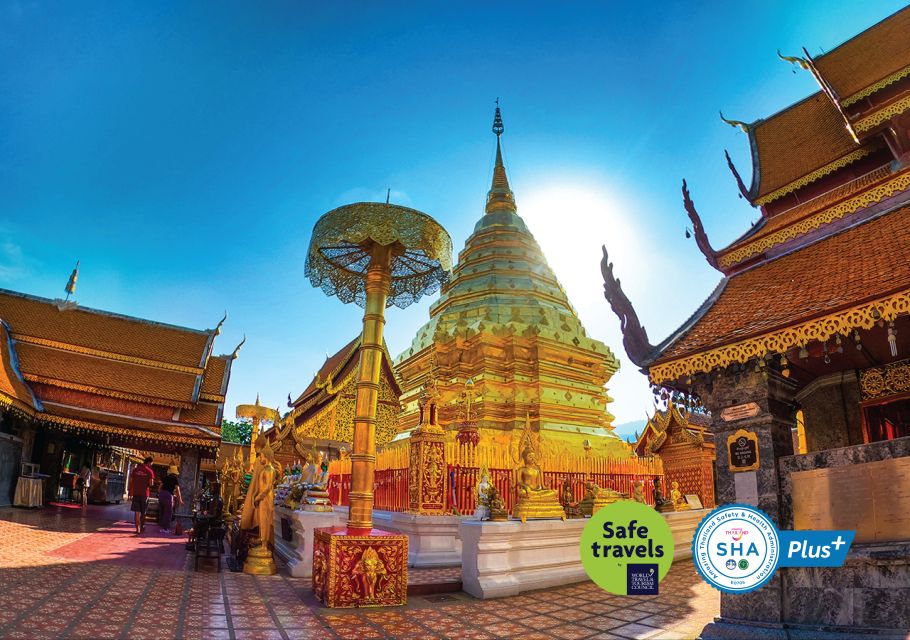
Book it if you want the best of Chiang Mai in a short window: Doi Suthep Temple, the Hmong Hill Tribe Village museum and village time, plus city views, all handled by a small-group guide and driver. At roughly $36 with entries and cable car included, the value is solid, especially if you’re staying in central Chiang Mai and you don’t want to sort out transportation.
Consider skipping or switching to another option if you have mobility or heart concerns, or if you’re hoping for long, slow, no-pressure time at one single place. This tour is designed for efficient sightseeing within 4 hours, and that’s the tradeoff for seeing two different cultural worlds in one trip.
FAQ
What times are hotel pickups for this tour?
There are two pickup windows: 08.00 to 08.30 for the morning tour and 01.00 to 01.30 for the afternoon tour.
How long is the tour?
The total duration is 4 hours.
What are the main stops during the tour?
You’ll visit the Doi Pui – Hmong Hill Tribe Village area (museum and village exploration), then go to Wat Phra That Doi Suthep, including the hilltop stupa access.
Can I avoid the 309 steps at Wat Phra That Doi Suthep?
Yes. The tour includes a cable car option, which can help you skip the steps if you prefer not to climb them.
What’s included in the price?
Included are transportation in a 9-seat air-conditioned minivan, an English-speaking tour guide, entry fees for the Doi Pui hill tribe museum and Doi Suthep Temple, and the cable car. You also get drinking water, a refreshing towel, and travel accident insurance.
What should I bring and wear?
Bring comfortable shoes and dress in a way that covers shoulders and knees for temple entry. Long pants and a long-sleeved shirt are recommended.
What’s not allowed?
The tour data says pets are not allowed, and shorts or sleeveless shirts are not allowed.
Who might find this tour unsuitable?
It’s not suitable for people with back problems, mobility impairments, heart problems, or wheelchair users.