REVIEW · CHIANG MAI
Chiang Mai: Chiang Rai Temples, Karen Tribe and Hot Springs
Book on GetYourGuide →Operated by MONKEY TRAVEL ASIA by Ask Discovery · Bookable on GetYourGuide
A hot-springs reset and surreal temple art in one day. I love starting at Mae Kachan Hot Springs with a calm, warm break, and I love the way the White Temple turns Buddhist art into something totally unexpected. The main drawback is that this is a long day with lots of road time, and the pace can feel brisk once you hit temple hopping.
You’ll get an official guide on the bus (English-only), plus an audio guide in many languages via QR code—bring your own earphones. It’s a solid value way to see Chiang Rai highlights from Chiang Mai without having to plan the route yourself.
In This Review
- Key things I’d highlight before you go
- A Chiang Rai day tour that’s built for highlights
- Mae Kachan Hot Springs: warm feet and a real reset
- Karen long-neck Mae Kachan village: culture and crafts, with a reality check
- Wat Rong Khun (White Temple): pure white, glassy details, and modern surprises
- Wat Rong Suea Ten (Blue Temple): calm light with dragons at the gate
- Huay Pla Kang Temple: Guan Yin, a nine-tier pagoda, and the climb
- What you eat (and don’t): lunch isn’t included, but food moments exist
- Price and value: why this often makes sense at $35
- Timing, driving, and staying comfortable on a long day
- Who should book this Chiang Rai day trip
- Should you book it?
- FAQ
- What time should I meet the guide?
- Is pickup optional?
- How long is the tour?
- Is lunch included in the price?
- Are entrance fees included for all stops?
- Can I swim at Mae Kachan Hot Springs?
- What languages are available for the guide?
- Do I need earphones for the audio guide?
- What should I bring?
Key things I’d highlight before you go
- Mae Kachan Hot Springs foot-soak stop with a relaxing atmosphere (no swimming)
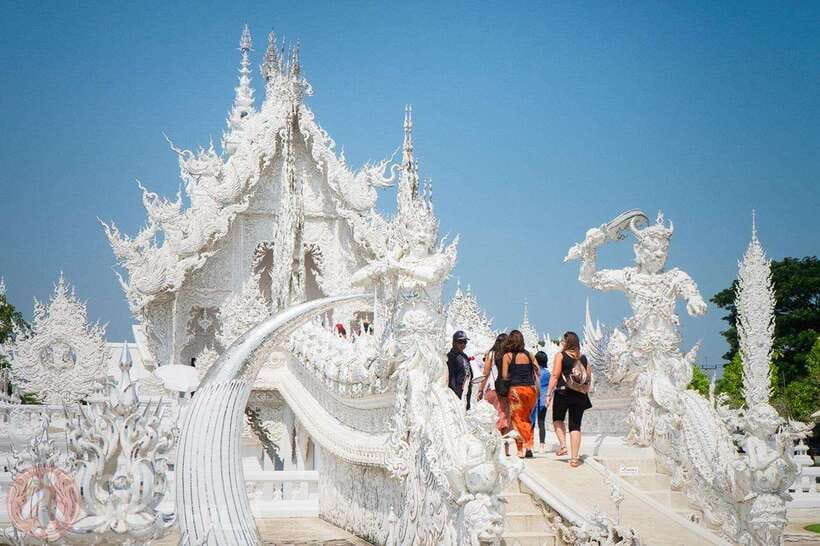
- Wat Rong Khun (White Temple) in all-white detail plus modern, surprising Buddhist imagery
- Wat Rong Suea Ten (Blue Temple) with deep-blue interiors, gold accents, and guard dragons at the entrance
- Karen long-neck Mae Kachan village: brass neck rings, traditional life, and handmade crafts
- Huay Pla Kang Temple: Guan Yin statue and a nine-tier pagoda worth the climb
- Guides like Benz, Kwan, Ann, Ruby, Alex, and Dee often get praised for pacing, humor, and clear stop-by-stop guidance
A Chiang Rai day tour that’s built for highlights
This one-day circuit is designed for the reality of Chiang Rai: the best sights are spread out, and getting there on your own can mean stressful logistics and extra time. From Chiang Mai, you’re basically signing up for one long, guided push—then you cash in with iconic temples and a culture stop that’s unlike what you’ll see back in town.
The tour runs about 11 hours total, which means you’re trading a slower travel day for big “checklist” coverage. If you do like your days active—early starts, photo stops, and stair-heavy temples—this format fits well. If you’re hoping for a gentle, no-rush wander, pick something with fewer stops.
You can also read our reviews of more tours and experiences in Chiang Mai
Mae Kachan Hot Springs: warm feet and a real reset
Your day begins with a visit to Mae Kachan Hot Springs. This stop works because it’s not just a random roadside break. It’s your chance to slow down, breathe, and feel the heat of the mineral water before temples and crowds.
You can take photos, walk around, and enjoy the warm mineral water for relaxation. One important detail: swimming isn’t allowed here. That’s fine. The vibe is more about soaking your feet and resting than doing a beach-day activity.
You’ll also have some room for small purchases and refreshments around the hot springs area—coffee and Thai tea show up, and there are snack moments depending on what’s offered during your stop. Bring sunglasses and sunscreen anyway, because the sun doesn’t care that you’re in a relaxing zone.
Karen long-neck Mae Kachan village: culture and crafts, with a reality check
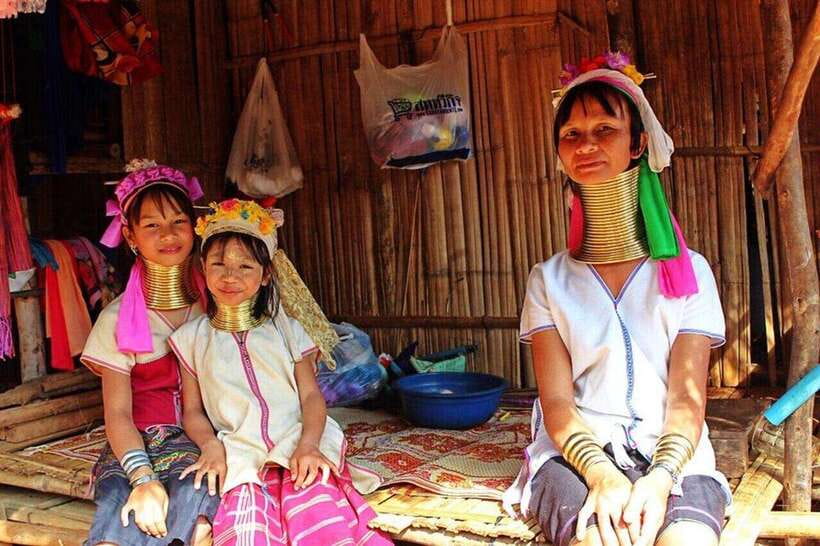
Next comes the Karen long-neck Mae Kachan village. This is the cultural part of the tour, and it’s the stop where your mindset matters most.
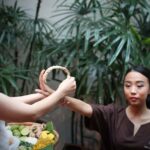
The big focus here is the tradition of brass neck rings worn by women, passed down through generations. You’ll get time to look around, learn about daily life and history as your guide explains it, and browse handmade crafts. Many people enjoy this stop because it’s interactive: you can watch the work, talk respectfully, and buy items that support local production.
Still, it’s also a stop that can feel emotionally complicated. Some visitors find the whole long-neck tradition unsettling, and it’s easy to see why. If you’re sensitive to cultural practices that raise tough questions about identity and pressure, do a bit of reading before you go so you know how you’ll want to approach the visit.
Practical tip: if you want to buy scarves or other loom-made items, keep small cash on hand. One common snag on this route is that vendors don’t always have change for large bills.
Wat Rong Khun (White Temple): pure white, glassy details, and modern surprises
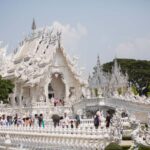
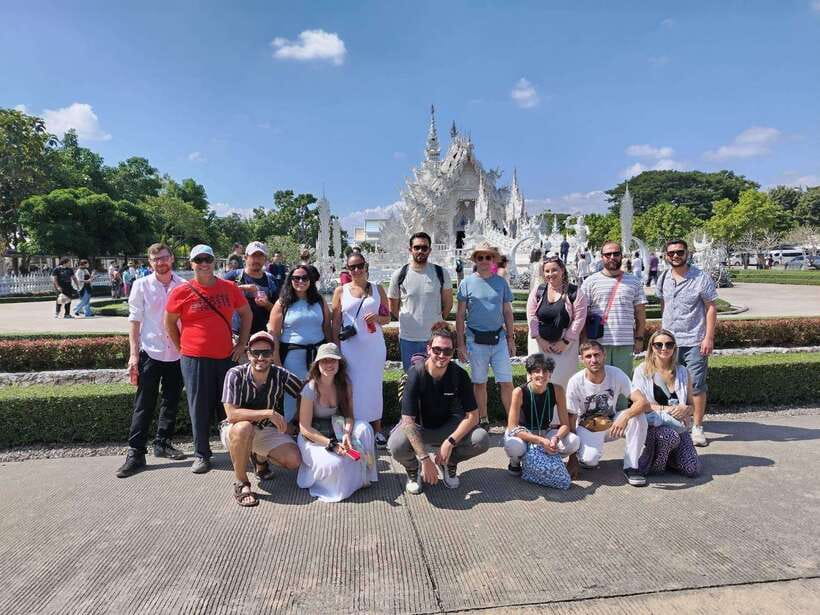
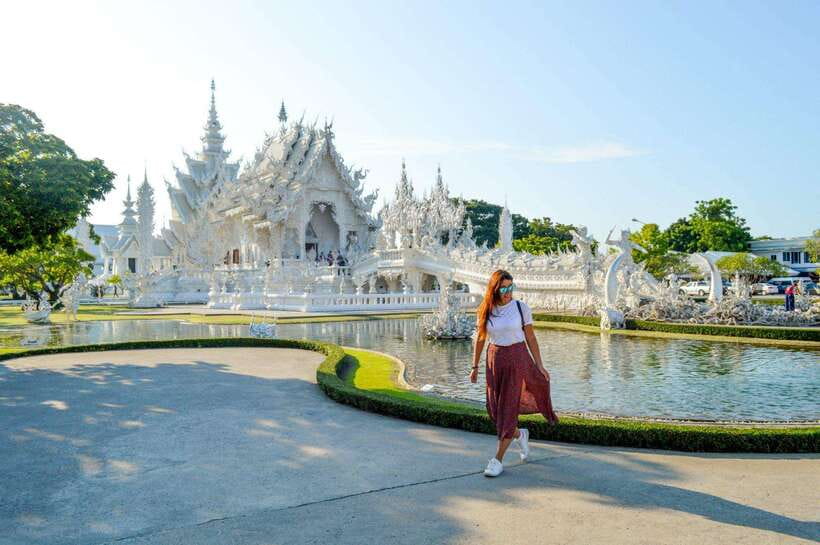
Then you get to the reason people plan this day trip in the first place: Wat Rong Khun, also known as the White Temple.
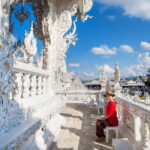
What makes it so memorable is the contrast. It’s all-white and highly detailed, built to represent purity, but it’s not a museum-still-life. There are intricate glass-like elements and artworks that mix classic Buddhist inspiration with modern, unexpected imagery. The result is surreal in the best way—like you’re staring at a dream translated into architecture.
You’ll have guided time here, plus enough space to walk, photograph, and take in the details. The temple is a place where your eyes can keep finding new things even after the first big “wow.” That’s why it’s often described as one of the most unforgettable stops on the whole Chiang Rai loop.
One consideration: once it gets crowded, you’ll spend some time working around people to get clear shots. Go slow, step back often, and let your guide point out the key areas so you don’t miss the most striking parts.
Wat Rong Suea Ten (Blue Temple): calm light with dragons at the gate
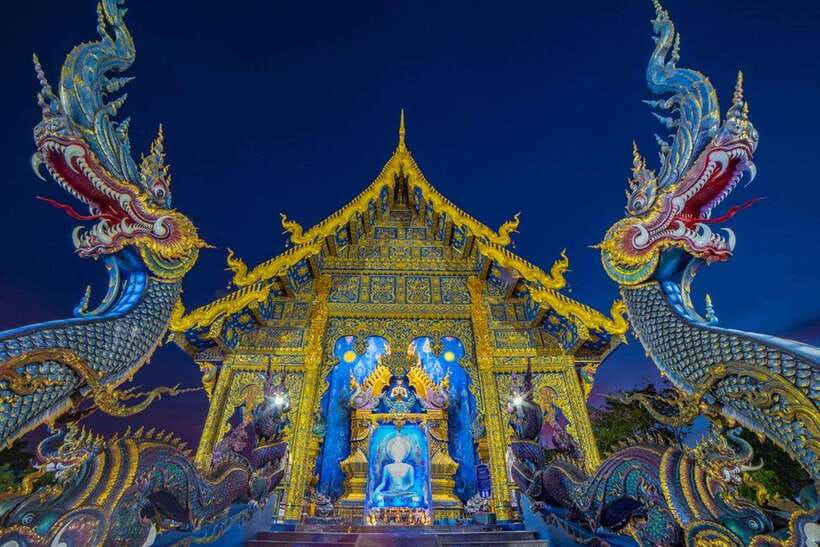
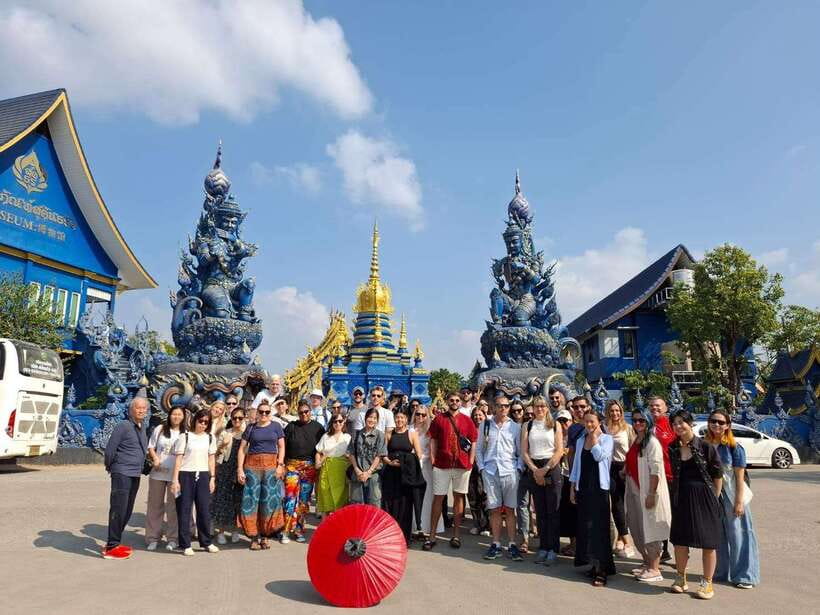
After the white intensity, the Blue Temple (Wat Rong Suea Ten) shifts the mood. The deep blue interior and gold details make it feel cooler, quieter, and more reflective—almost like a pause in the middle of the day’s energy.
At the entrance you’ll notice dragon statues guarding the site, which sets the tone right away. Inside, the centerpiece Buddha statue sits calmly in a bright setting. It’s designed to balance visual drama with a peaceful spiritual focus.
If you like small breaks that don’t feel “scheduled,” this stop can deliver. People often mention enjoying ice cream here—blue coconut is a classic choice on this route. Even if you don’t do the sweet treat, it’s a good place to slow down, look up, and enjoy the color story.
Also, keep in mind that temples attract heat and crowds. Dress modestly, wear comfortable shoes, and accept that you’ll be doing a lot of walking in a single day.

Huay Pla Kang Temple: Guan Yin, a nine-tier pagoda, and the climb
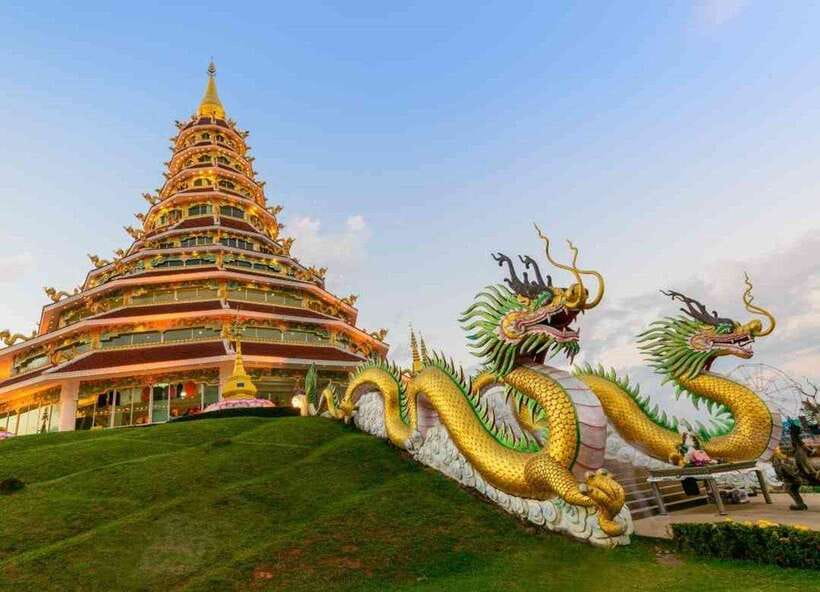
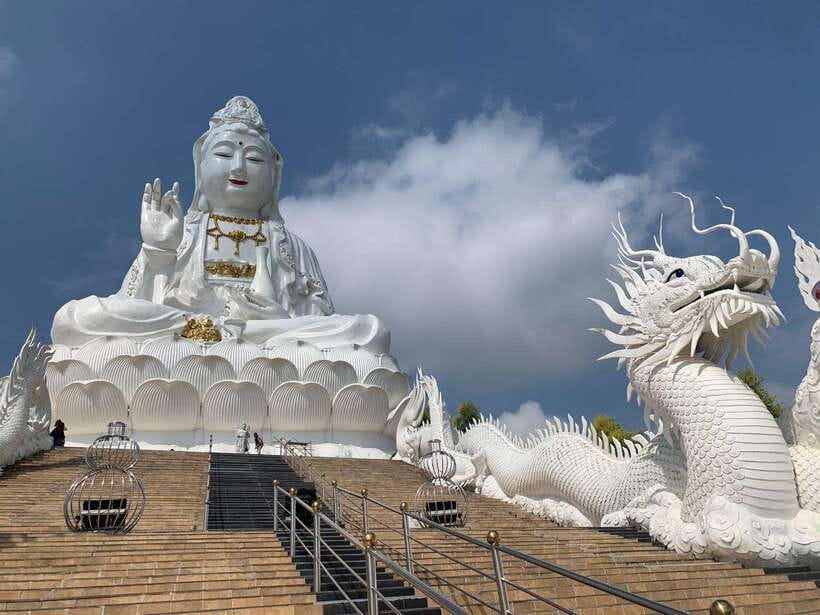
Your final temple stop is Huay Pla Kang Temple, famous for its large Guan Yin statue and its nine-tiered pagoda. If you want one site that feels both artistic and panoramic, this is it.
The Guan Yin presence gives the place a strong emotional tone. Then you reach the pagoda area and the view opens up in a way that’s hard to get from ground level. There are lots of steps, too. One reason people rate this stop highly is simple: the effort pays off with a strong sense of scale and perspective.
If you’re traveling with anyone who’s less mobile, consider this carefully. This tour isn’t recommended for people with mobility impairments. Even for everyone else, pace yourself. Take breaks, drink water, and use handholds where needed.
On at least one day, some guides have offered an electric vehicle option to help reach areas during Huay Pla Kang. If you’re unsure how your body will handle the climb, ask your guide what options are available once you’re there.
What you eat (and don’t): lunch isn’t included, but food moments exist

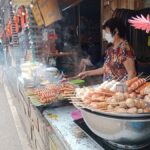
Lunch is not included in the tour price. That said, you’ll usually have access to food options near temple areas and during timed stops.
At the White Temple area, you’ll typically find meal choices available during the lunch window. At the Blue Temple stop, ice cream shows up as a popular break. On the later parts of the route, there are often snack opportunities and smaller food stops that help you avoid the end-of-day crash.
The practical play: bring a little extra cash for meals and snacks, and keep small bills ready. One very real issue on this route is that some vendors struggle with change for larger notes.
Price and value: why this often makes sense at $35
At around $35 per person, this tour can feel like a bargain—mainly because of what’s bundled together.
You’re paying for:
- round-trip transportation from Chiang Mai by air-conditioned vehicle
- an official guide
- entrance fees for the White Temple, Blue Temple, and Huay Pla Kang
- mandatory insurance
- optional audio guide via QR code (you provide earphones)
But there are also two important “extra” costs to plan for:
- Long-neck village entrance fee is 300 THB (not included)
- Lunch is not included
So the value depends on your habits. If you’d otherwise pay for a private driver, entrance fees, and a full day of navigation, this package starts looking smarter fast. If you’re already planning to go to temples on your own and you mainly care about just one site, then the package might feel less efficient.
For most people who want the big Chiang Rai hits in one day, the pricing is fair—and the guide structure helps you avoid dead time.
Timing, driving, and staying comfortable on a long day
This is where expectations matter. You’re looking at around 1.5 hours of road time early on, then more driving between sights. The day can easily feel like a full day of movement, not a relaxed sightseeing stroll.
Road conditions and traffic can affect comfort. Some rides feel bumpy, and traffic around Chiang Mai can make timing tight. That’s why you should plan to arrive at the meeting point on time—late arrivals aren’t waited for, and the tour begins with whoever is present.
The bus experience is usually fine: you’ll have frequent stop points, and some departures include comfort upgrades like USB ports (which helps if you’re using your phone for photos). Still, charge before you go, and consider bringing a USB cable.
Also don’t forget the day-to-day essentials:
- comfortable shoes (temples involve walking)
- sunglasses and a sun hat
- sunscreen and insect repellent
- modest temple clothing (shoulders and knees covered)
- your own earphones for the QR audio option
Who should book this Chiang Rai day trip
This tour fits best if you:
- want the famous Chiang Rai temples without planning transport
- like structured time at each stop (with a guide explaining what you’re seeing)
- can handle stairs and a long day
- enjoy cultural stops even when they’re emotionally complex, and you’re able to approach them respectfully
It’s less ideal if you:
- need a slow pace or frequent free time
- have mobility limits (this tour isn’t recommended for mobility impairments)
- want lunch included in the price
- dislike feeling rushed between major sights
Should you book it?
If you want a big-hit Chiang Rai day from Chiang Mai, I’d say yes. The combination of White Temple, Blue Temple, and Huay Pla Kang in one outing is the real payoff, and the Mae Kachan Hot Springs start makes the schedule feel less brutal.
Book it if you’re comfortable with a long day and you’re ready to respect temple rules and cultural context. Skip it if you’re only interested in one temple or you need a very flexible, unstructured experience.
FAQ
What time should I meet the guide?
Meet 15 minutes before departure time at Burger King Thapae in Hotel M Chiangmai.
Is pickup optional?
Yes. If you choose pickup, wait in the hotel lobby 10 minutes before your scheduled pickup time.
How long is the tour?
It runs about 11 hours.
Is lunch included in the price?
No. Lunch is not included.
Are entrance fees included for all stops?
Entrance fees are included for the White Temple, Blue Temple, and Huay Pla Kang. The long-neck village entrance fee (300 THB) is not included.
Can I swim at Mae Kachan Hot Springs?
No. Swimming is not allowed there.
What languages are available for the guide?
The official guide is English-only. An audio guide via QR code is available in multiple languages.
Do I need earphones for the audio guide?
Yes. You must bring your own earphones.
What should I bring?
Bring ID or passport, comfortable shoes, sunglasses, sun hat, sunscreen, comfortable clothes, and insect repellent.