REVIEW · CHIANG MAI
Chiang Mai: Customizable Chiang Mai Surrounding Areas Tour
Book on GetYourGuide →Operated by TripGuru Thailand · Bookable on GetYourGuide
Waterfalls, hot springs, and a choose-your-own route. This 10-hour Chiang Mai surrounding areas tour is built around your picks, so you’re not stuck with one rigid loop. I like that you can shape the day around Wachirathan Waterfall or swap in hot springs, garden walks, caves, or ziplining—based on what you actually want to see.
My other big plus: it’s set up to feel responsible and low-impact, with GSTC-certified tourism practices, plus water served in glass bottles and carbon offsets for every tour. One watch-out: entry fees and food aren’t included, and added costs can ruin the math if you don’t confirm ticket prices for the specific attractions you select.
In This Review
- Key highlights that matter on the ground
- Price and what you’re really paying for ($119 for 10 hours)
- Your day plan: how you pick stops without wasting time
- Three smart route styles you can build around
- Doi Inthanon route: cooler hikes and royal viewpoints
- Mae Rim and Mae Taeng route: hills, zipline thrills, and project stops
- San Kamphaeng and Ban Mae Kampong route: hot springs and craft + art breaks
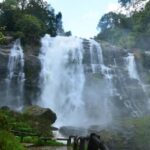
- Wachirathan Waterfall: the stop that anchors the best days
- The hot spring + village combo: San Kamphaeng and Mae Kampong
- Mon Jam, zipline thrills, and sticky waterfalls when you want action
- Queen Sirikit Botanical Garden and Royal Project stops for plant lovers
- Karen village and craft stops: culture without the script
- Pickup, routing, and getting into the right rhythm
- Dress code, heat, and what to pack so you’re not miserable
- Responsible tourism touches you can feel (GSTC + glass-bottle water)
- Health and comfort: who should consider skipping
- Budget reality: entry fees and the importance of confirming costs
- So, should you book this customizable Chiang Mai tour?
- FAQ
- How long is the Chiang Mai surrounding areas tour?
- What’s included in the price?
- Are entry fees included?
- Can I customize the itinerary?
- How many people are in the group?
- What languages are offered for the guide?
- Where does pickup happen?
- When will I know the pickup time?
- What should I wear or bring for temple-type sites?
- Is this tour suitable for everyone?
- What’s the cancellation window?
Key highlights that matter on the ground
- Choose 3 to 4 sights from the options, so the route matches your interests and geography.
- Wachirathan Waterfall, hot springs, gardens, caves, craft stops—you can mix nature, culture, and adrenaline.
- Small group (up to 9) with downtown pickup, which usually means less hassle than big buses.
- Ziplining vs elephant-wood carving gives you a real choice between high-energy and laid-back.
- GSTC-certified with glass-bottle water and carbon offsets, so your day feels more accountable.
- Guides like Jackie, Chareon Jackie, Peter, and Uncle Del have been praised for clear explanations and strong English.
Price and what you’re really paying for ($119 for 10 hours)
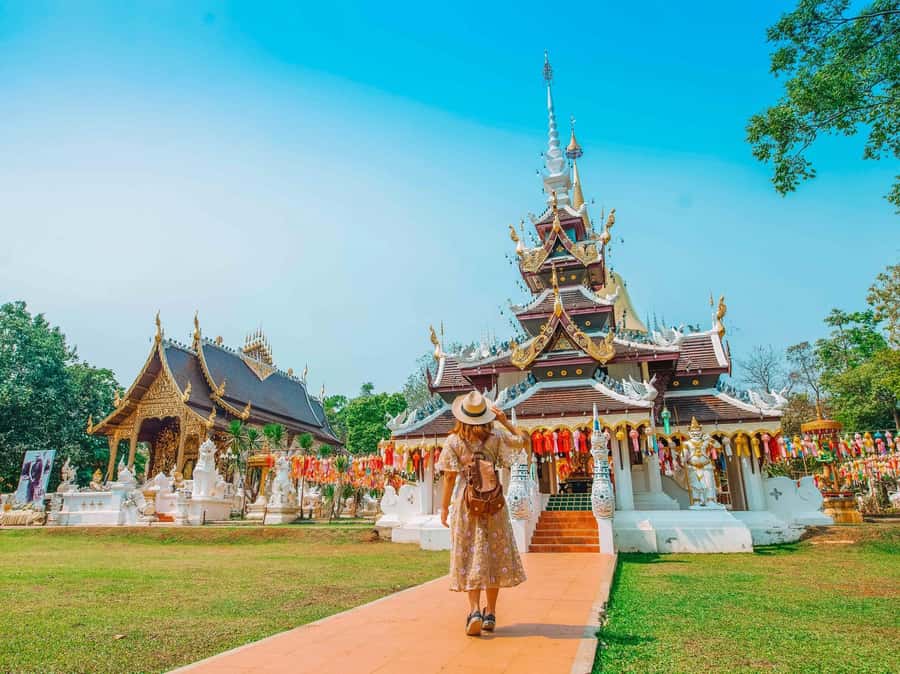
At $119 per person for about 10 hours, this tour can be good value if you use the customization part well. You’re not just buying transport—you’re paying for a local guide to help stitch together a smart route, handle the timing, and get you from one area to the next without wasting half the day in the car.
The catch is that your final cost can rise once you add entry fees and food/drinks, which are not included. The tour includes hotel pickup/drop-off, an air-conditioned vehicle, a driver, your guide, and water. So the “base price” covers the logistics and guidance, while attractions and meals are on you.
My practical advice: before you lock your 3–4 must-sees, ask your guide to estimate the ticket costs for the specific sites you chose. That alone can turn a stressful day into a smooth one.
You can also read our reviews of more tours and experiences in Chiang Mai.



Your day plan: how you pick stops without wasting time
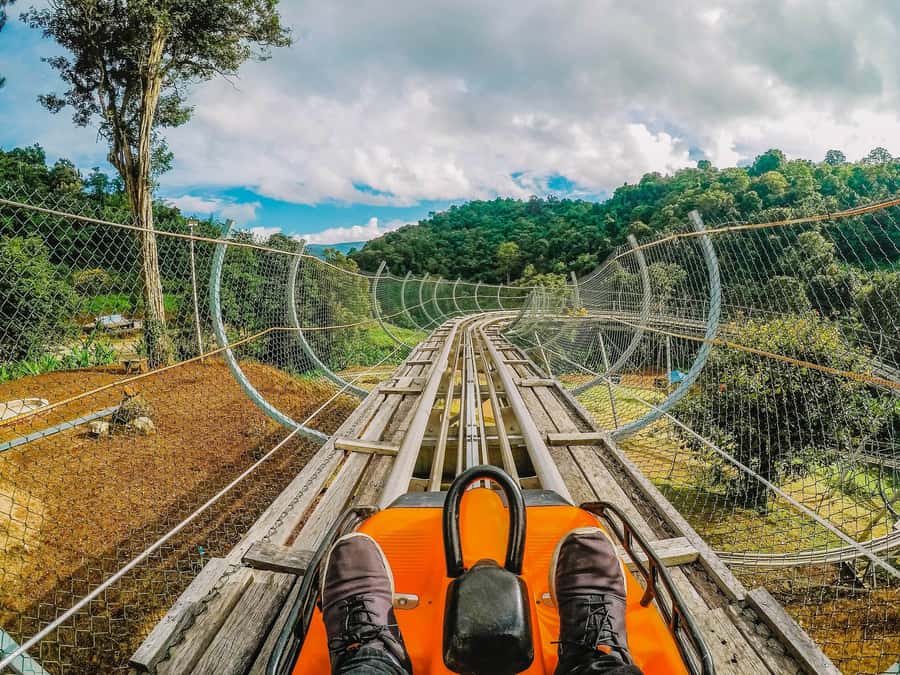
This is not a “see everything” day. It’s a see the right things day. At checkout, you choose 3 to 4 attractions as your must-do list. You can also add optional picks so the guide has options to build the best schedule around distance and variety.
That choice structure is what makes the day work. Chiang Mai’s surrounding areas can spread out fast. If you pick stops that are far apart, you’ll feel it in traffic. If you pick stops that cluster by route, you’ll spend more time at sights and less time sitting.
The tour is designed for low walking where possible, but some options naturally involve hikes, caves, or sticky-waterfall climbing. Build your selection around your comfort level and heat tolerance.
Three smart route styles you can build around
Instead of forcing one itinerary, you can shape the day using three cluster routes. Here’s the practical meaning of each.
Doi Inthanon route: cooler hikes and royal viewpoints
If you want the “big nature” day, you’ll likely lean Doi Inthanon style. Your choices can include:
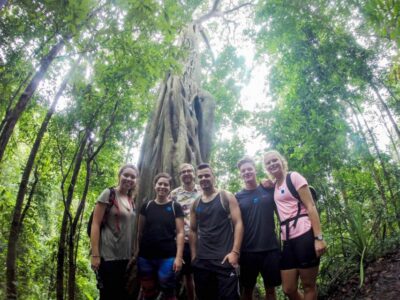
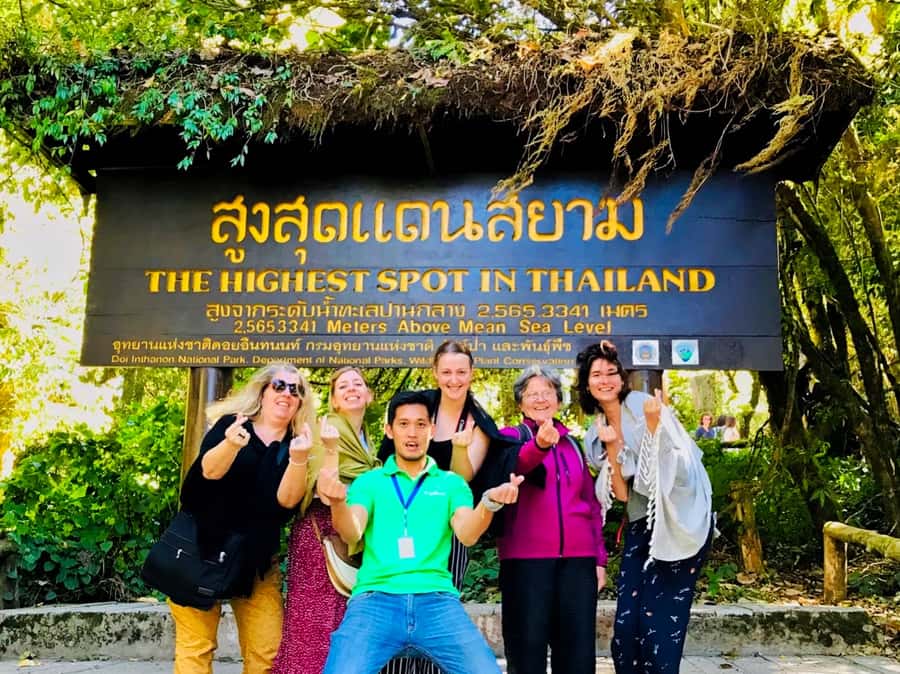
- Doi Inthanon National Park, including the summit and the Angka Nature Trail
- Wachirathan Waterfall
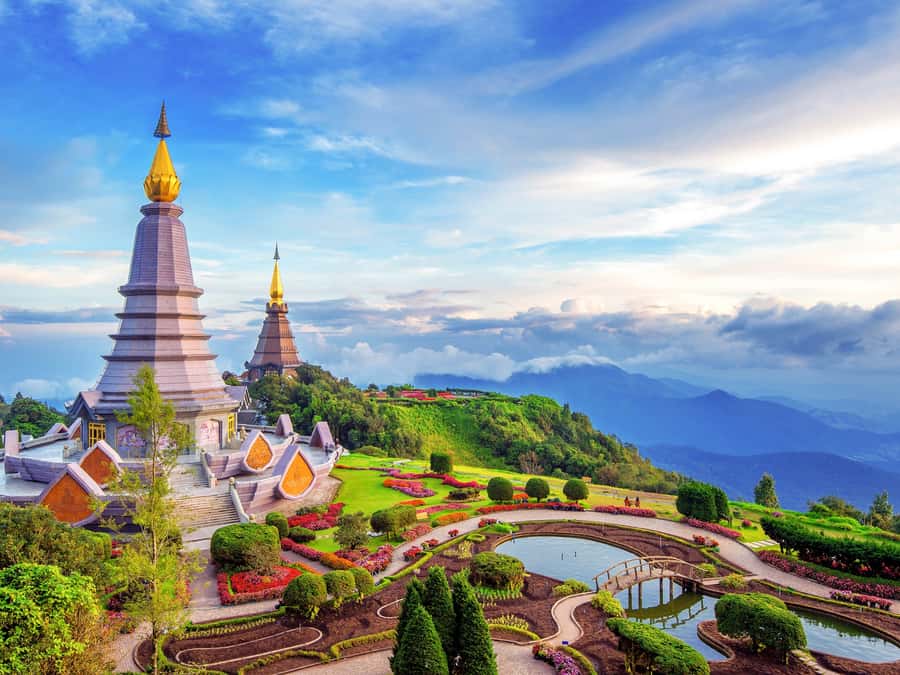
- Twin Royal Pagodas (Napamatanee Don and Napaphon Bhumisiri)
- Inthanon Royal Agricultural Station (Royal Project)
- Mae Klang Luang Village plus Pha Chor Canyon and Wat Phra That Si Chom Thong
This is the option if you like forests, viewpoints, and a sense of place in the hills. It’s also a great pairing if you want “nature + culture” rather than just one mood.
A reality check: it’s more likely to feel active. If you’re sensitive to humidity or you dislike steep areas, you’ll want to tell your guide to adjust the walking portions.
Mae Rim and Mae Taeng route: hills, zipline thrills, and project stops
If you want a mix of views, orchards, and guided stops, the Mae Rim/Mae Taeng style is a strong fit. Options can include:
- Mon Jam Highlands
- Queen Sirikit Botanical Garden conservation center and its canopy walkway
- Pongyang Zipline and Jungle Coaster
- Mae Sa Waterfall and Wat Pa Dara Phirom Temple
- Nong Hoi Royal Project Development Center
- Plai Fa Strawberry Farm and Mae Taman Elephant Camp
- Baan Tong Luang hill-tribe village (long-necked Karen village)
- Wat Ban Den
- Bua Tong Sticky Waterfalls
- Nam Phu Chet Si Spring
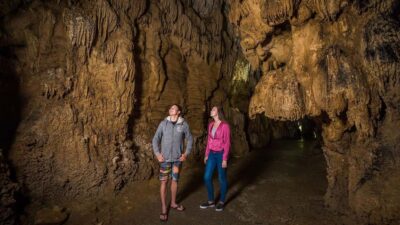
- Chiang Dao Cave
This is the route set if your group doesn’t all want the same thing. One person can go for zipline and waterfalls while another keeps it calmer with gardens or temple time.

San Kamphaeng and Ban Mae Kampong route: hot springs and craft + art breaks
For a more relaxed vibe with culture pockets, this cluster hits a sweet spot. Options can include:
- San Kamphaeng Hot Springs
- Ban Mae Kampong Village, with ziplining options and cafes
- Mae Kampong Waterfall
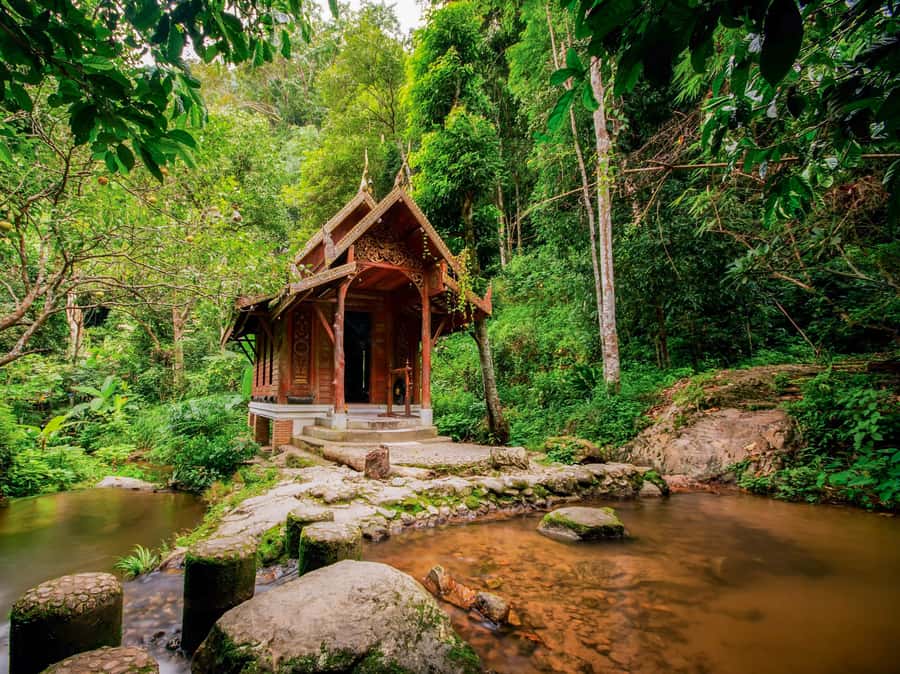
- Wat Mae Kampong (hidden temple)
- MAIIAM Contemporary Art Museum
- Muang On Cave and Baan Jang Nak (Museum of Elephant Wood Carvings)
- Bo-Sang Handicrafts Centre
- San Kamphaeng Saturday Walking Street (only on Saturdays)
This route is ideal when you want nature but also want pauses—cafes, art, handicrafts, and shorter stops. It’s also a smart choice if you’re dealing with heat and you’d rather avoid the steepest hiking options.
Wachirathan Waterfall: the stop that anchors the best days
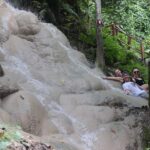
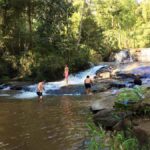
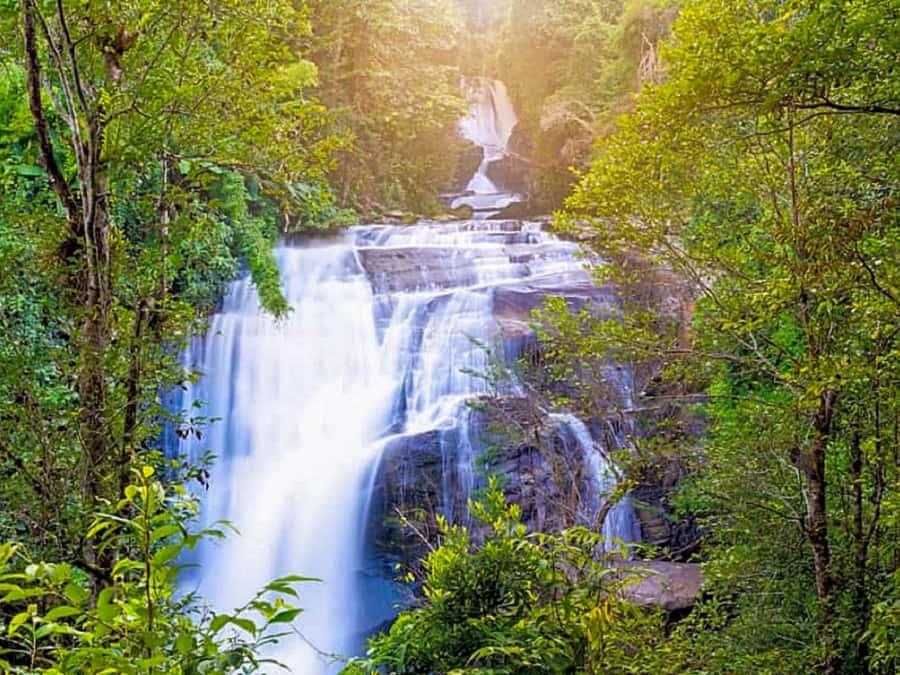
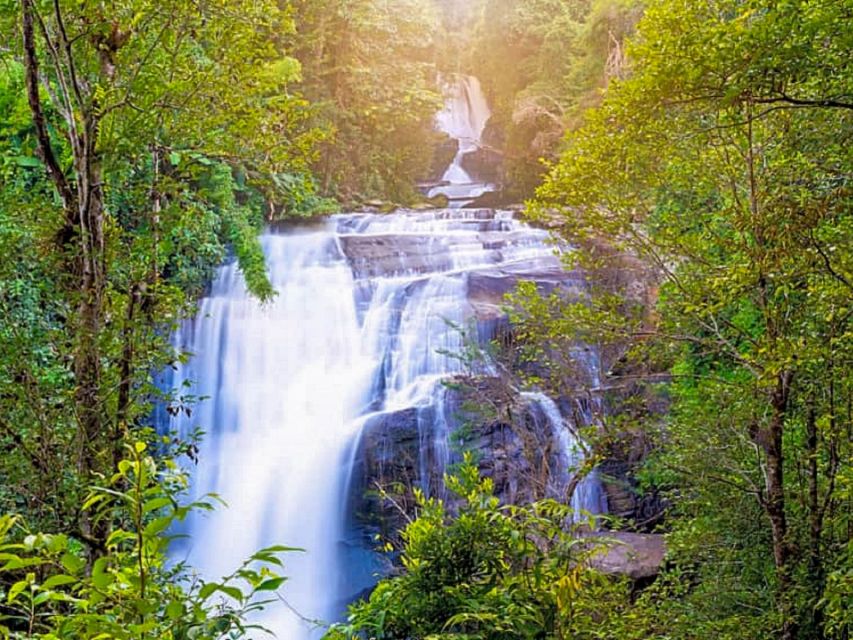
The tour’s most dramatic nature draw is Wachirathan Waterfall, and it’s offered as a key option on the Doi Inthanon-style selections. Waterfalls around Chiang Mai can be spectacular, but this one is special because it gives your day a centerpiece.
What I’d plan around: the waterfall is the thing you want photos of. So make sure you don’t overload your must-do list with multiple “heavy” attractions on the same hour. If you’re also doing pagodas or a national park hike, pace the rest of your day around the waterfall so it doesn’t become rushed.
Also, remember that rainfall can happen in the region. One guide team was praised for still starting even in rain, then making the most of it. That’s a good sign that you’ll have a guide who thinks about conditions and timing, not just checking boxes.
The hot spring + village combo: San Kamphaeng and Mae Kampong
If your idea of a perfect Chiang Mai day includes comfort breaks, San Kamphaeng Hot Springs plus nearby village time is a winning pairing. The tour gives you choices that can keep things enjoyable without turning the day into a constant sprint.
Here’s how the experience typically feels:
- Hot springs give you an immediate reset from sightseeing heat.
- Ban Mae Kampong Village adds local rhythm, with cafes and even ziplining options if you want a change of pace.
- Mae Kampong Waterfall lets nature re-enter after the calmer village time.
Then you can sprinkle in culture and creativity—like the MAIIAM Contemporary Art Museum or the Baan Jang Nak Museum of Elephant Wood Carvings. That balance is useful. It keeps the day from being all “natural sights only,” while still keeping a strong sense of place.
One practical tip: if you’re selecting multiple “museum/culture” stops, cluster them so you’re not crossing town repeatedly. The customization feature is there for that.
Mon Jam, zipline thrills, and sticky waterfalls when you want action
Not every good day is quiet. If you want speed and height, this tour’s option list can deliver.
On the Mae Rim/Mae Taeng side, you can choose:
- Pongyang Zipline and Jungle Coaster
- Bua Tong Sticky Waterfalls
- Chiang Dao Cave
This mix is for people who like movement and aren’t afraid to get a little dirty or sweaty. Sticky waterfalls also mean uneven ground and a more physical experience than a viewpoint.
Two smart moves:
- Pick only one “intense” activity if you also want temples or caves.
- Wear shoes you trust and bring insect repellent. The included packing list specifically calls out comfortable shoes and insect repellent for a reason.
Queen Sirikit Botanical Garden and Royal Project stops for plant lovers
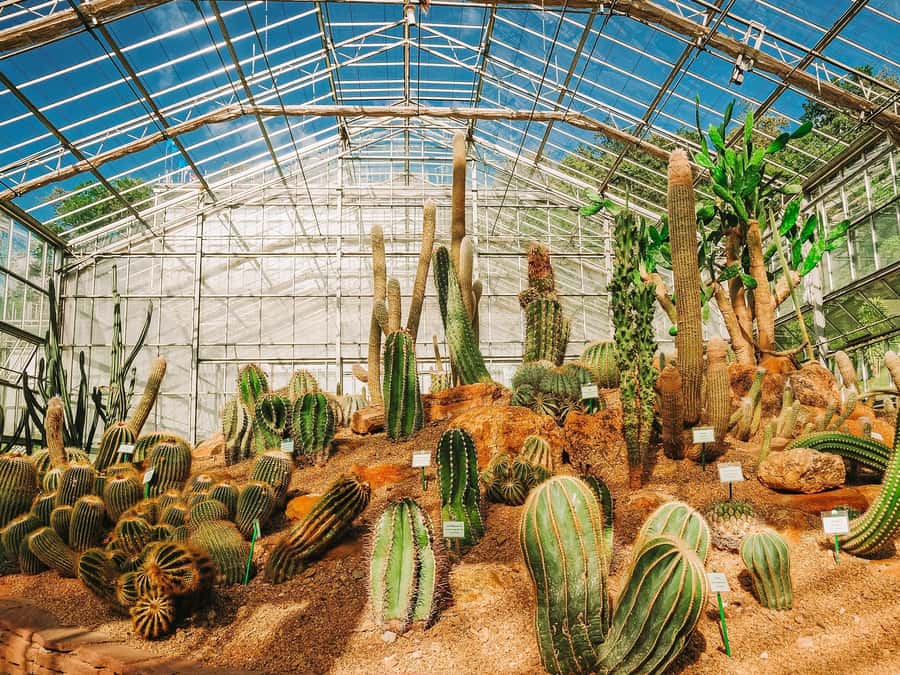
For a more “hands-on calm” day, aim for the garden and project-related options. Queen Sirikit Botanical Garden includes a conservation focus on indigenous Thai plants, plus a canopy walkway experience when you select it.
If you’re pairing that with Doi Inthanon-style options, you can also add Royal Project stops like the Inthanon Royal Agricultural Station. These kinds of visits are valuable because they shift the day away from only scenic photos. You learn how the area manages resources and grows things in a way that fits the region’s climate and hills.
This is also where you can slow down your pace. A garden stop is easier on the body than a long hike, and it still feels “active sightseeing,” not a dead-end museum hour.
Karen village and craft stops: culture without the script
Culture on this tour isn’t limited to temples. You can choose options that show everyday work and local artistry, including:
- Baan Tong Luang hill-tribe village (long-necked Karen village)
- Bo-Sang Handicrafts Centre
- Elephant wood carving at Baan Jang Nak (Museum of Elephant Wood Carvings)
Some village stops in the Chiang Mai hills are tied to farming and local livelihoods, and coffee came up in at least one guide-led experience. You might hear about how people grow and process crops, not just “here’s a photo spot.”
This is also where your guide matters. Several guides were praised for clear explanations and strong English, which changes a cultural stop from passive watching to real understanding. If language access is important to you, choose English (or Spanish/Chinese if that’s your preference) and confirm that your guide is comfortable explaining the background of each site.
Pickup, routing, and getting into the right rhythm
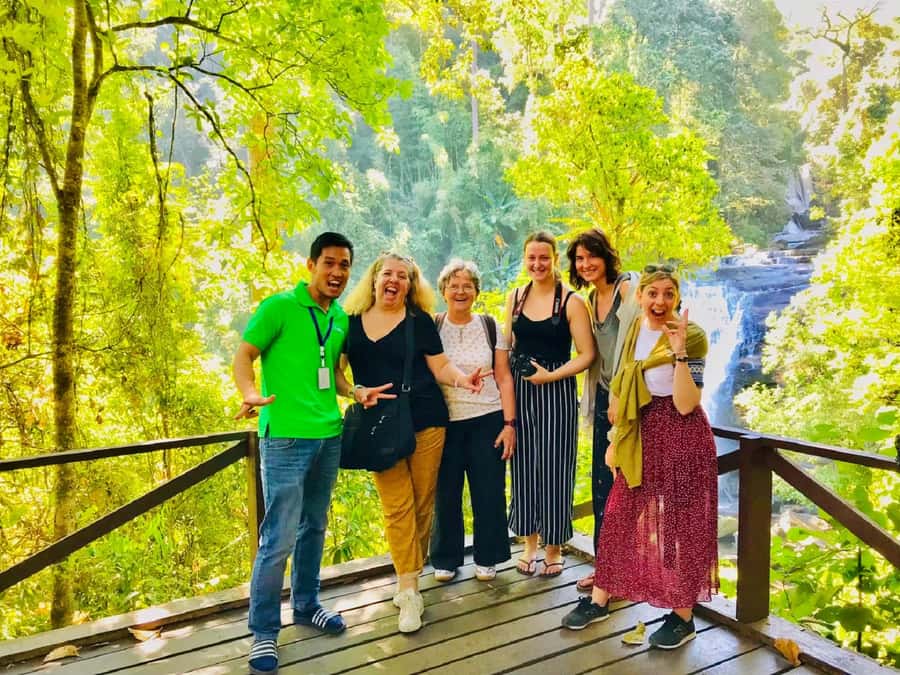
Your day starts with pickup from downtown Chiang Mai areas within 10 km of Tha Pae Gate, including zones around the Old City Wall, Night Bazaar area, Ton Lam Yai Market, and Warorot Market (Kad Luang). Pickup is only offered from hotels or registered accommodations, not roadside spots or random shopping malls.
You’ll get an email the evening before with your pickup time and meeting point. On pickup day, the guide will be holding a TripGuru sign, and you should be ready in the lobby about 10 minutes early.
This logistics piece matters because it controls the first hour of your trip. If you’re staying just outside the pickup zones, you might have a longer transfer situation or need to coordinate carefully.
Dress code, heat, and what to pack so you’re not miserable
Some sites have strict dress expectations. You may need shoulders, underarms, back, and knees covered. Bring a scarf or coverup so you can step into temples without scrambling.
The tour’s packing list is straightforward:
- Comfortable shoes
- Sunglasses and sunscreen
- Long-sleeved shirt
- Insect repellent
- Cash
- Scarf
- Camera
Also, plan for heat. Even if your route includes a cooler national park stop, you can still burn in the earlier hours. I’d rather see you over-prepared than forced into buying essentials at a roadside stall.
Responsible tourism touches you can feel (GSTC + glass-bottle water)
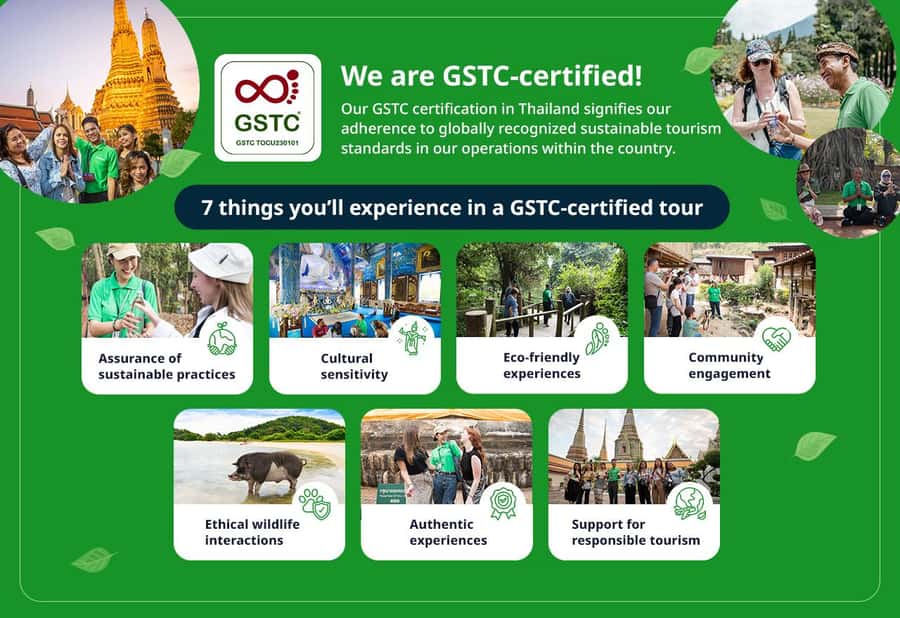
This tour is GSTC-certified, and the small sustainability details are actually useful on a day trip. Water is provided in glass bottles, and carbon emissions are offset for every tour.
If you care about the footprint of long local driving days, this is a good sign. And it’s not just marketing fluff—glass-bottle water is a small but noticeable change from the usual plastic pile-up you see on day trips.
Health and comfort: who should consider skipping
This tour isn’t listed as suitable for:
- Pregnant women
- People with mobility impairments
- People with heart problems
- People with respiratory issues
That aligns with the kind of terrain and activities available in the option list: hikes, caves, waterfalls, and ziplining possibilities. If any of those could be an issue for you, ask your guide to keep the selections on the easier side. Otherwise, look for a lower-activity Chiang Mai experience.
Budget reality: entry fees and the importance of confirming costs
Here’s the one thing that can sour the day: entry fees aren’t included. Some sites require separate ticket costs, and food is also not included.
There have been disappointments when guides didn’t clearly explain what costs would be added for the attractions selected. So protect yourself:
- Ask for a rough breakdown of which selected stops have separate entry fees.
- Confirm what is optional versus required.
- Have cash ready, since you’ll need it on the spot.
Also, don’t rely on only one line item in a booking description. Use the customization moment to decide which stops you’re truly willing to pay for.
So, should you book this customizable Chiang Mai tour?
Book it if you want a structured but flexible Chiang Mai day—pickup, air-conditioned transport, and a guide—while still choosing between waterfall/nature, hot springs, gardens, crafts, and even zipline-style adventure. The small group size (up to 9) helps keep it personal.
Skip or rethink it if:
- You hate dealing with added ticket costs and want everything fully bundled.
- You need step-free access or very low activity.
- You’d rather have a fixed itinerary where nothing changes.
If you book, do this: pick your 3–4 must-sees as a cluster that makes geographic sense, and message your priorities (nature vs action vs culture). With a good match between your interests and your guide—people like Jackie, Chareon Jackie, Peter, or Uncle Del have been singled out for strong guiding—this can turn into one of the more satisfying Chiang Mai surrounding-area days you can plan.
FAQ
How long is the Chiang Mai surrounding areas tour?
It’s listed as a 10-hour experience.
What’s included in the price?
Hotel pickup and drop-off, an air-conditioned vehicle, a driver, a tour guide, a customizable private tour format, and water.
Are entry fees included?
No. Entry fees are not included, and food and other drinks are also not included.
Can I customize the itinerary?
Yes. At checkout, you choose 3 to 4 sights or attractions, and the guide uses geography and diversity to shape the day. Some attractions may be subject to availability.
How many people are in the group?
The tour is small-group and limited to 9 participants.
What languages are offered for the guide?
The live tour guide is available in Chinese, English, and Spanish.
Where does pickup happen?
Pickup is available from major areas of downtown Chiang Mai within 10 km of Tha Pae Gate, including areas around the Old City Wall. Pickup is only from hotels or registered accommodations.
When will I know the pickup time?
The provider emails you the evening before the activity to confirm your pickup time and meeting point.
What should I wear or bring for temple-type sites?
Some sites require shoulders/underarms/back/knees to be covered, so bring a coverup or scarf. Comfortable shoes, sunscreen, sunglasses, insect repellent, and a long-sleeved shirt are also recommended.
Is this tour suitable for everyone?
It’s not suitable for pregnant women, people with mobility impairments, people with heart problems, or people with respiratory issues.
What’s the cancellation window?
You can cancel up to 24 hours in advance for a full refund.