REVIEW · CHIANG MAI
Chiang Mai: 7-Hour Doi Suthep National Park Summit Hiking
Book on GetYourGuide →Operated by CHIANG MAI MOUNTAIN BIKING & KAYAKS · Bookable on GetYourGuide
Steep jungle trails kick off the day in Chiang Mai. This is a serious Doi Suthep National Park hike that mixes temple stops with hill-tribe village walking near Doi Pui.
I like the way the route is broken up by temple visits and photo stops, so the climb feels like progress instead of one long grind. I also like that the crew is led by guides such as A and Nop, who keep things upbeat while you move through uneven jungle. The main drawback to know up front: this is a steep, rocky, muddy workout, and you should plan for sweat and strong legs.
In This Review
- Key highlights worth planning for
- A real highland day: Doi Suthep’s temples plus jungle walking
- The workout level: steep, uneven, and not a stroll
- Wat Pha Lat monk-trail hike: the cool-up that actually matters
- Wat Phra That Doi Suthep: summit temple energy at about 1,100 meters
- Doi Suthep–Pui National Park: the jungle trek to Doi Pui
- Lunch and the 180° views: when the day turns scenic
- Getting the most from breaks and guide energy
- Logistics that affect your comfort: shoes, water, and the support truck
- Shoes and footing
- Water and hydration strategy
- Support truck and valuables
- Group size and pace
- Trail changes
- Who this hike suits best (and who should skip it)
- Price and value: $60 for a guided mountain day
- Should you book this Doi Suthep summit hike?
- FAQ
- FAQ
- How long is the hike?
- What does the $60 price include?
- Is lunch included, and is it vegetarian?
- What should I wear?
- Do I need to pay extra fees?
- How big is the group?
- What languages are the guides?
- Is water provided during the hike?
Key highlights worth planning for
- Monk-trail walking to Wat Pha Lat, a quieter temple stop before the main ascent
- Wat Phra That Doi Suthep at about 1,100 meters, with classic summit viewpoints
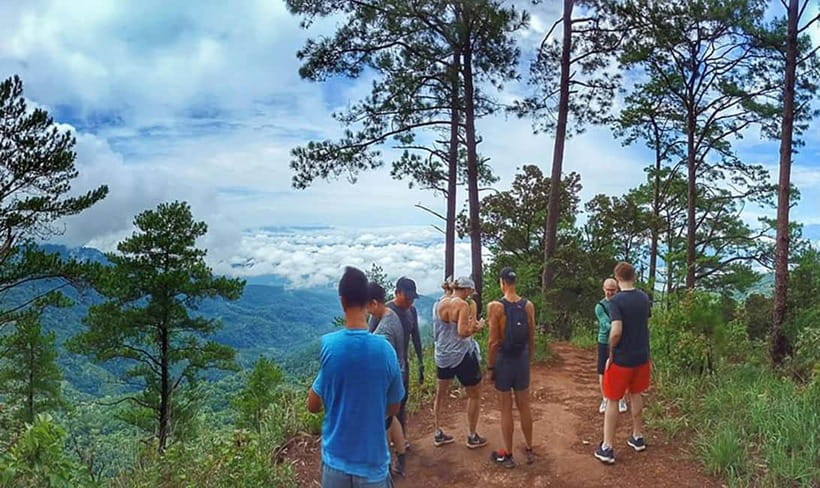
- Hiking through Doi Suthep–Pui National Park with cool highland jungle underfoot
- Doi Pui area breaks near a Hmong hill-tribe village setting
- Big Mae Ping Valley views built into the lunch and summit pacing
- Small-group feel (up to 15) with a support truck for hydration and quick help
A real highland day: Doi Suthep’s temples plus jungle walking
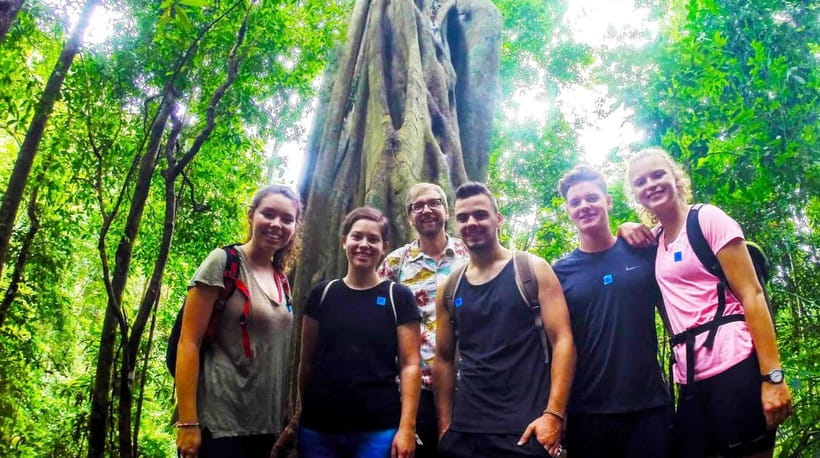
If you want the Chiang Mai mountains without a “sit-and-snap” vibe, this hike hits the sweet spot. You start in the city, then climb into cooler highland air where the jungle changes the whole rhythm of the day. Temple steps keep you focused, but most of your time is spent moving on real trails—up, down, and across uneven ground.
What makes this one especially appealing is the combination of viewpoints and trail time. You’re not just climbing to a single photo spot. You’re walking toward Wat Suthep landmarks, then continuing deeper into the national park before reaching the Doi Pui area. That means you get more of the mountain experience than you would with a basic temple tour.
You’ll also see how the guides shape the day. People rave about guides like Nop and A for their steady pacing and good energy. They also explain what you’re passing—so the day feels more meaningful than “just hiking.”
You can also read our reviews of more hiking tours in Chiang Mai

The workout level: steep, uneven, and not a stroll
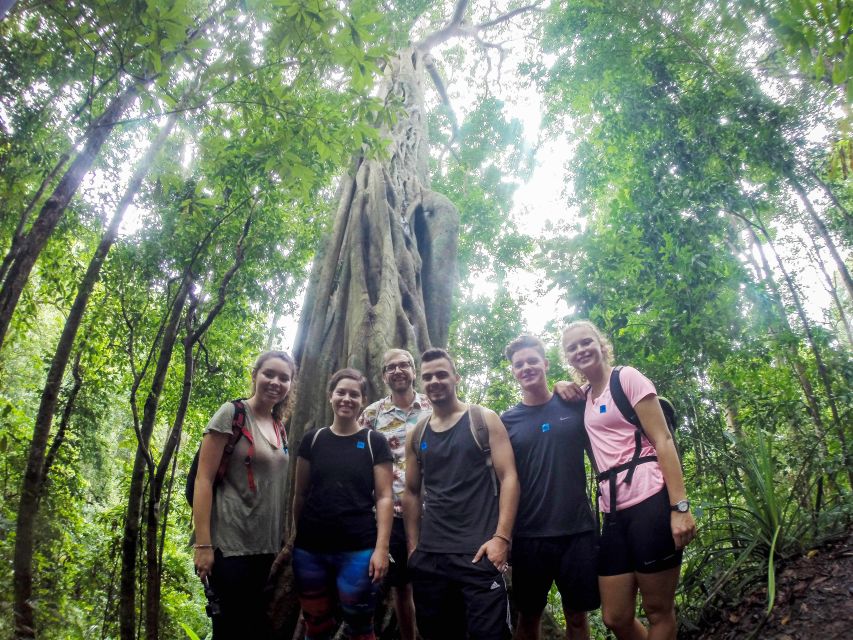
Let’s be direct: this is a tough hike. Even if you hike a lot at home, expect steep sections and uneven terrain. The trail can be rocky and muddy, and it can include spots that feel like you’re climbing through a mix of roots, stones, and slick patches.
A few review patterns are consistent: you sweat a lot, you’ll feel it in your glutes, and your feet need to grip. One of the easiest mistakes is assuming that because you’re stopping at temples, the walking will be easy. The breaks help, but the main trail effort stays real.
Plan for timing like this too: the itinerary lists a 7-hour duration, but your full day can run longer because of hotel pickup, transfers, multiple stops, and the fact that lunch often lands later in the afternoon. In practice, it’s best to treat it as a long outing where your energy management matters.
Wat Pha Lat monk-trail hike: the cool-up that actually matters
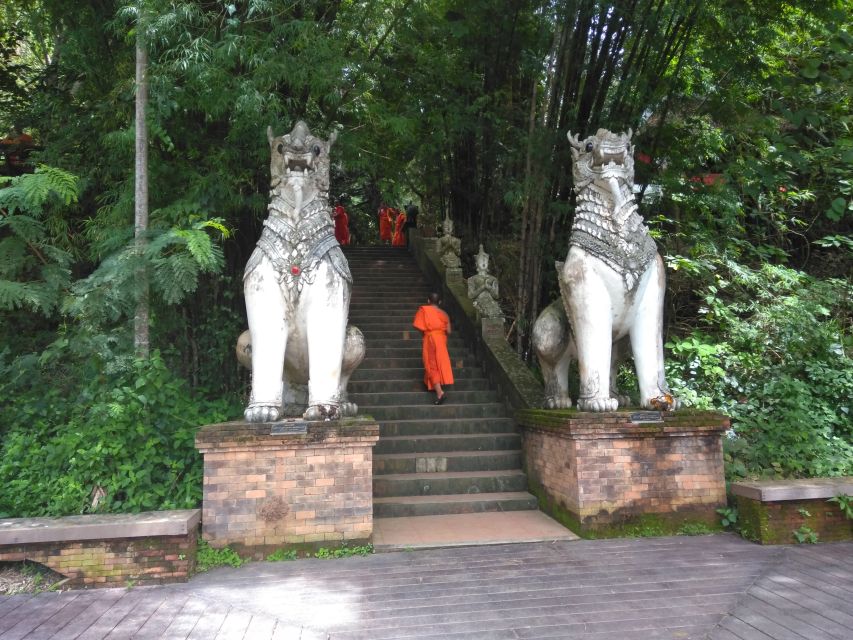
The day begins with hotel pickup in Chiang Mai, then you head uphill toward the Doi Suthep area. Before the biggest climb, you tackle the Wat Pha Lat section on what’s often called the monk’s trail.
This first hike segment is valuable because it sets your pace. You get a guided walk through the highland jungle where temperatures feel different than in town. The trail here is also a good “fit check”: if your shoes grip and you can handle the slope, you’ll feel confident moving into the bigger parts of the route.
Wat Pha Lat itself is a short stop afterward—enough time to rest your legs, snap a few photos, and soak in the calm. Even that brief pause helps, because after this you’ll spend more time climbing and moving between viewpoints.
Wat Phra That Doi Suthep: summit temple energy at about 1,100 meters
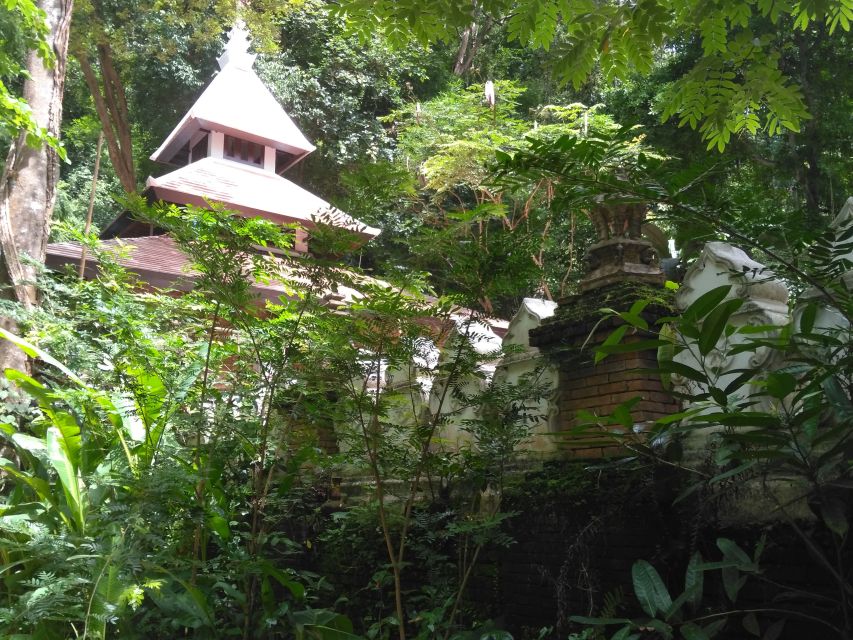
Next comes the famous Wat Phra That Doi Suthep area. You reach it around 1,100 meters, and that altitude shift is part of why the views feel so good. Even short stops at this temple complex can give you sweeping sights—especially on clear days when visibility improves.
This stop works in two ways. First, it’s a spiritual anchor point. Second, it’s a practical break. The temple area gives you a chance to reset your breathing, drink water, and decide how you’re going to pace the rest of the hike.
One thing I like about how this day is structured is that you don’t only see Wat Suthep once. You return for additional viewpoints later. That means you get a better feel for the mountain from different moments of the day, not just in one quick window.
Doi Suthep–Pui National Park: the jungle trek to Doi Pui
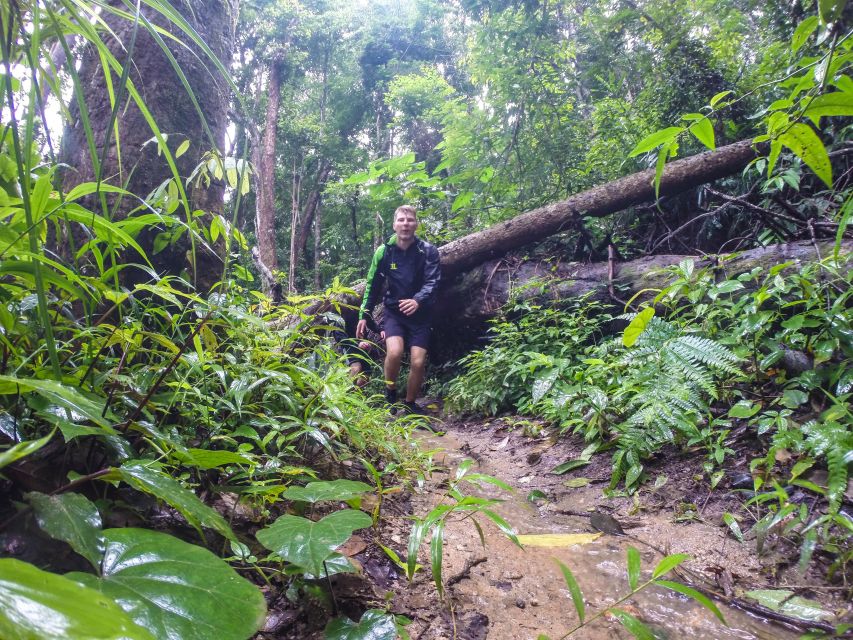
The heart of the day is your hiking time inside Doi Suthep–Pui National Park. This is where the experience becomes more about the trail and less about the checklist of sights. You’ll move through cool highland jungle, and the route includes sections that can feel steep and uneven.
As you get closer to Doi Pui, the walking feels more “mountain village edge” than just temple grounds. The plan is to experience the atmosphere near the Hmong hill-tribe community setting—walking along ancient-style trails that connect people to the mountain.
This part is also where wildlife sightings can happen. The trail experience can include damp or muddy spots, and you might even get close enough to notice how the jungle behaves up close. Just be ready for mosquitoes in humid pockets. If you’re the type who hates battling bugs while hiking, bring repellent.
And yes, you may cross damp areas that feel like river-adjacent walking. It’s not about getting soaking wet—it’s about staying stable and moving carefully when the ground turns slick.






Lunch and the 180° views: when the day turns scenic
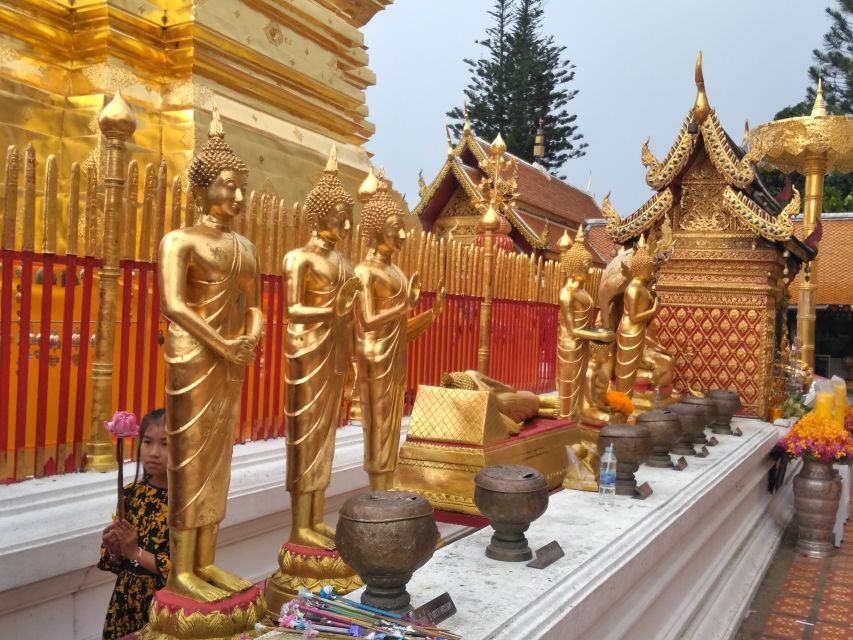
Lunch is a key part of why this hike feels like more than an athletic session. You’ll stop for a meal at a time that often lands in the later afternoon range. That means you shouldn’t expect a quick early lunch and then effortless sightseeing.
When lunch hits, you get the prize: sweeping 180° views over the Mae Ping Valley. It’s the moment where your tired legs finally make sense. You sit, eat, drink, and look out over the valley while the air cools a bit at elevation.
What to do with this information:
- Bring a small snack if you tend to get cranky waiting for lunch.
- Hydrate early, not just during the lunch stop.
- Use the viewpoint break to plan the final push downhill. You’ll feel better when you pace the last stretch.
If your goal is the kind of photo where you actually point your camera because the view is huge, this is the moment.
Getting the most from breaks and guide energy
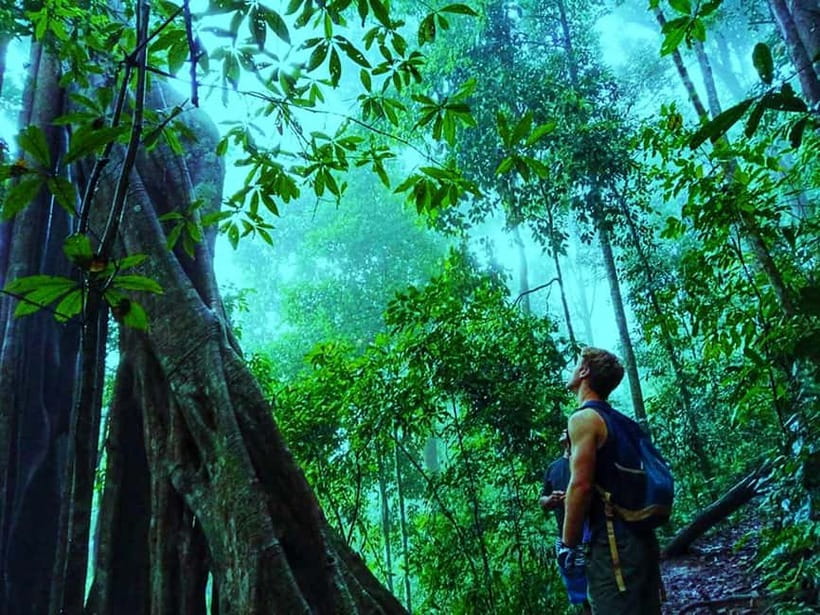
The guides shape the day a lot. People consistently highlight A and Nop for humor, careful pacing, and safety instincts. That matters because the hike includes steep sections where it’s easy to rush and lose footing.
You’ll also notice how the route uses short stops to keep you moving efficiently. There are temple breaks, photo pauses, and rest periods that keep the group together. The result is that even when you’re working hard, it feels manageable.
If you’re hiking-fit, this structure still helps. If you’re not, it’s even more important. The guide stops make it easier to recover without letting the group slow down too much. It’s the difference between suffering and finishing.
Logistics that affect your comfort: shoes, water, and the support truck
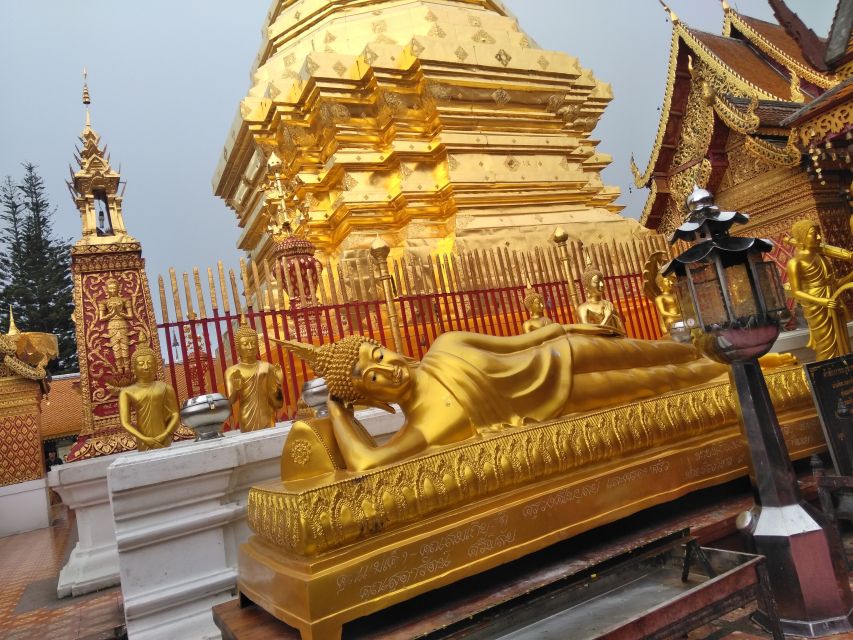
This tour is built for comfort where it counts, but it still puts the hiking on you. Here’s what’s actually useful to know.
Shoes and footing
Wear firm hiking shoes. That’s not a suggestion—uneven terrain makes foot support essential. If your shoes are slippery on mud or you’re in thin sneakers, you’ll struggle more than you need to.
Water and hydration strategy
Water is provided, including bottled water and water for hydration packs. A hydration-backpack is also provided for your excursion. Even so, I like the idea of having a water bladder ready because you can sip steadily instead of stopping only at bottles.
A practical tip: don’t pack hydration gear that’s hard to drink from in your conditions. If you’re prone to cold mornings or condensation, test it before you start climbing.
Support truck and valuables
A support truck stands by along the way, and it includes secure storage for your valuables. That’s a big deal for peace of mind when you’re climbing for hours. You can hike lighter because the truck can carry items you don’t need on your back.
Group size and pace
This runs as a small group, limited to 15 participants. That size helps you keep your own rhythm while still benefiting from a guide keeping the route together.
Trail changes
Trail closures are rare, but if weather or park management forces a change, you’ll take an alternative route that matches the skill level and scenery. That flexibility is comforting when you’re planning a single day around outdoor time.
Who this hike suits best (and who should skip it)
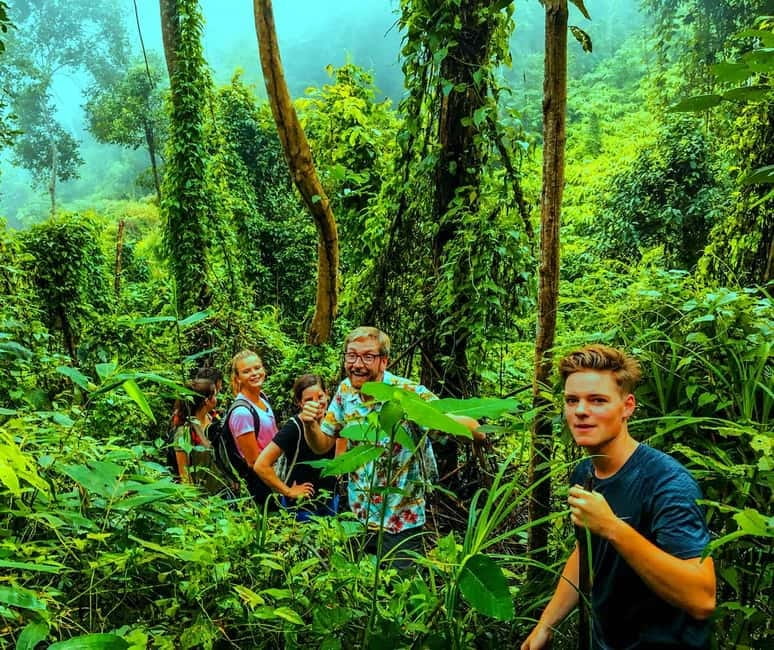
This is ideal for you if you:
- Like walking tours but want real trail time in national park jungle
- Are okay with steep sections and uneven ground
- Want temple landmarks plus a more local mountain feel near Doi Pui
- Prefer a guided day with a safety-first crew and a group under 15
You might want to skip or choose something easier if you:
- Avoid steep climbs and rocky/muddy trails
- Hate hiking with limited bathroom flexibility
- Expect an early lunch and a shorter total day
Based on how people describe the effort, this is best for intermediate hikers or strong beginners who train a little and wear good shoes.
Price and value: $60 for a guided mountain day
At about $60 per person, the value is strongest if you compare what’s included versus what hiking costs in practice. You’re getting:
- A professional escort with guides certified in first aid and CPR
- Lunch with vegetarian and vegan options
- Ongoing hydration support, including water and a hydration-backpack setup
- Transport by air-conditioned van (and 4×4 SUVs for smaller groups)
- A support truck with secure storage
- A small group capped at 15
The parts you should budget separately are the national park fee and insurance (250 baht), and you’ll be asked for passport details at check-in. In other words, the base price is fair, but the full cost includes that on-the-ground park requirement.
If you’re already an independent hiker and you’d normally hire a guide anyway, this feels like a good deal. If you’re thinking this is a casual temple walk, you may feel the price more than the effort.
Should you book this Doi Suthep summit hike?
Book it if you want a Chiang Mai mountain day that blends Wat Phra That Doi Suthep, jungle hiking, and a hike toward the Doi Pui area with real trail effort. It’s especially worth it if you enjoy walking, can handle steep uneven sections, and want views over the Mae Ping Valley as a payoff.
Skip it if you want an easy sightseeing day, dislike steep climbs, or can’t commit to solid hiking shoes and pacing your energy for a longer afternoon lunch.
FAQ
FAQ
How long is the hike?
The activity is listed as 7 hours, but the full day can run longer due to pickup, transfers, multiple temple stops, and lunch timing.
What does the $60 price include?
It includes hotel pickup, transportation, a professional guide/escort, first aid and CPR support, lunch with vegetarian and vegan options, hydration (water and hydration-pack support), a support truck for assistance and secure storage, and a Google Earth orientation.
Is lunch included, and is it vegetarian?
Yes. Lunch is included, and vegetarian and vegan options are available.
What should I wear?
Wear firm hiking shoes. The trail can be rocky, uneven, and muddy.
Do I need to pay extra fees?
Yes. The Doi Suthep National Park fee and insurance are not included and are listed as 250 baht. You may also need to provide passport details at check-in.
How big is the group?
It’s a small group limited to 15 participants.
What languages are the guides?
The live tour guide speaks Thai and English.
Is water provided during the hike?
Yes. Water is available throughout the event, and a hydration-backpack is provided.