REVIEW · CHIANG MAI
Chiang Mai: 2-Day Jungle Trek with Elephant Farm & Raft Ride
Book on GetYourGuide →Operated by Chiang Mai Footsteps Travel · Bookable on GetYourGuide
Two days, zero traffic, lots of jungle. This Chiang Mai jungle trek mixes a Karen Hill tribe night, ethical elephant sanctuary visits, and bamboo rafting on the Mae Wang River, with hikes that can feel tough in the heat. The big trade-off: you’re moving on uneven ground, and weather can change what you do.
What makes this stand out is how many different “worlds” you pass through in just 48 hours: paddy fields, bamboo, mixed forest, waterfall breaks, and then a village stay where the day slows down under the stars. Guides like Witoon, Toon, Moon, and Sammy (you may get one of these) tend to keep the group moving at a steady pace, while still pointing out what’s around you.
Plan for real outdoor time. Nights in the mountains can get cold, and some days involve uphill walking plus mosquito and sun issues, so it helps to show up ready with the right shoes and clothing.
Key points worth knowing before you go
- Small-group feel (up to 12) with a guide who actually works the group, not a conveyor belt.
- Mae Wang River bamboo rafting is calm enough to enjoy the scenery, but you should still protect against sun and mosquitoes.
- Karen Hill tribe village overnight means dinner, campfire time, and a real taste of mountain community life.
- Elephant sanctuary time focuses on rescued elephants—feeding and bathing—with no animal riding allowed.
- Waterfall breaks include a picnic and a chance to cool off, so swimwear is genuinely useful.
- Pace varies by weather and fitness; rain can affect whether certain water activities happen.
In This Review
- How This 2-Day Chiang Mai Trek Really Plays Out
- Pickup, Group Size, and the Morning Start You’ll Feel
- Local Market Stop: Get Your Bearings Fast
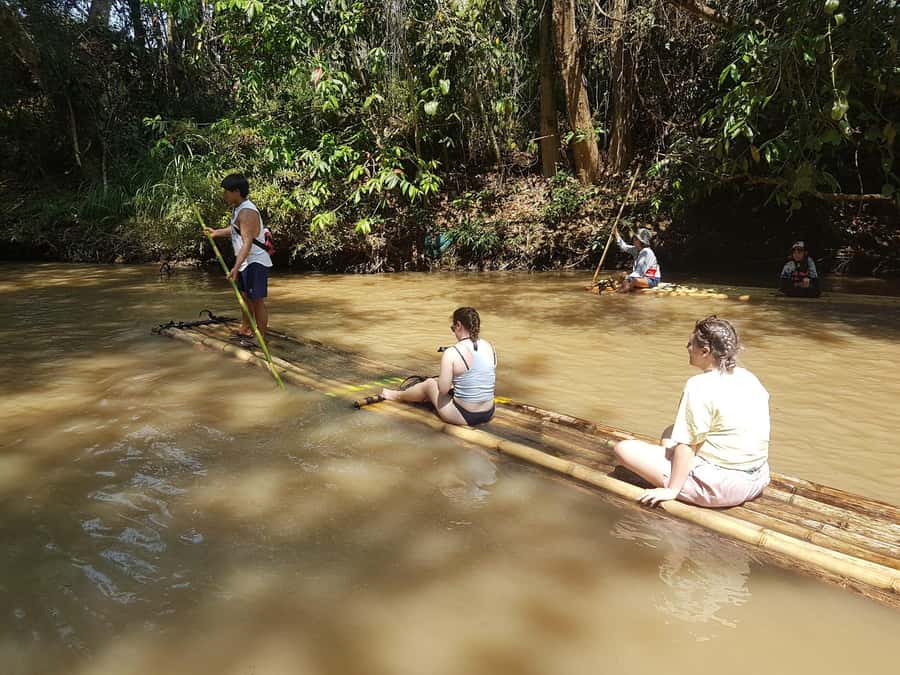
- Mae Wang River Bamboo Rafting: Peaceful, Not Theme-Park
- The Jungle Waterfall Hike and Picnic Cool-Off
- Karen Hill Tribe Village Overnight: Community Time, Not a Backdrop
- Breakfast in the Mountains and the Morning Reset
- Rescued Elephants in the Jungle Sanctuary: Feeding and Bath Time
- Day Two Bamboo Rafting and How Weather Can Change Your Plan
- What $97 Buys You: Value in a 48-Hour Package
- What to Pack (So You Don’t Hate Day One)
- Who This Trek Fits Best (And Who Should Skip It)
- What Makes the Guides Matter Here
- Should You Book This Trek?
- FAQ
- How long is the trek and what time will I be back in Chiang Mai?
- What’s included in the price?
- Do I need drinking water?
- Will I be allowed to ride elephants?
- Can I swim at the waterfall?
- What should I bring for mosquitoes and sun?
- How many people are in a group?
How This 2-Day Chiang Mai Trek Really Plays Out
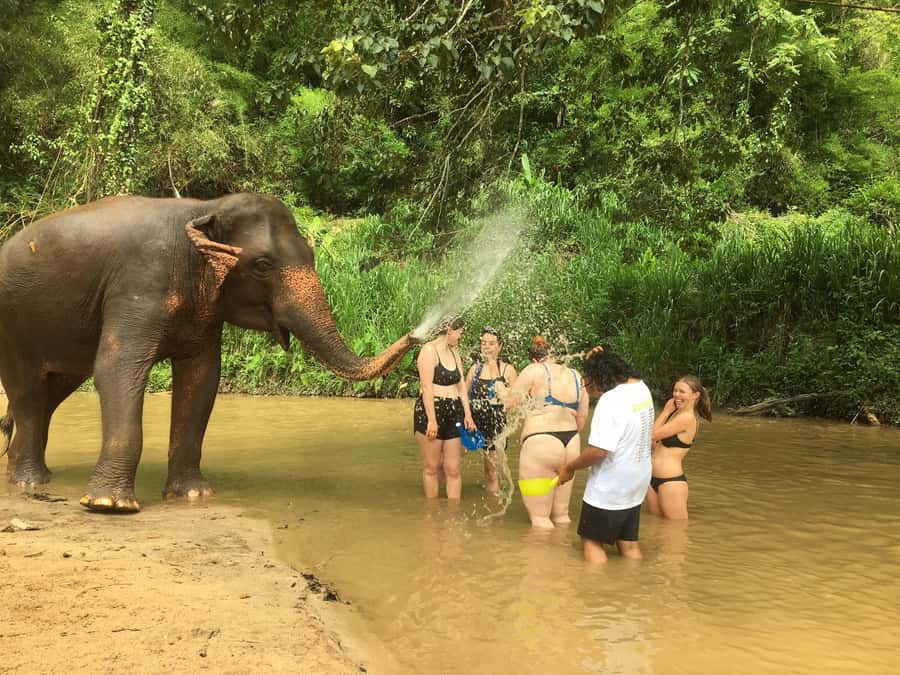
This isn’t a “sit in a vehicle and take photos” tour. It’s a guided outdoor loop built around three anchors: a jungle walk day, a Karen village overnight, and a second day that swaps back to river time and elephant sanctuary moments.
I like the structure because it keeps you from burning out. You get nature in chunks—fields and forest on foot, a waterfall pause, then a village dinner and campfire—so the day has breathing room even when your legs are doing the work.
One practical note: different guides bring different energy. In the feedback I saw, Witoon, Toon, Moon, Sammy, and others came up a lot, and the consistent theme was how much the guide shapes the vibe—especially the photo-taking and the way they explain what you’re seeing.
Pickup, Group Size, and the Morning Start You’ll Feel
You’ll meet at Baan Meesuk in Chiang Mai’s old town. Pickup is usually between 9:00 AM and 9:30 AM if you choose it, and you’ll head out by van or songthaew.
This tour runs with a small group capped at 12, which matters more than it sounds. It means you’re not lost in the back row with 40 strangers. You’re more likely to get help staying together on uneven trails, plus you’ll have a better shot at learning from your guide rather than just following along.
Bring your basics early. Sunscreen, insect repellent, a daypack, and hiking shoes will make you feel confident before the first uphill stretch.
You can also read our reviews of more hiking tours in Chiang Mai
Local Market Stop: Get Your Bearings Fast
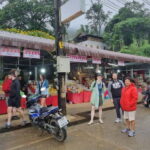
You start with a local market visit with your guide. Expect stalls with fresh vegetables, fruits, and regional snacks or delicacies, and a chance to ask questions in a low-pressure setting.
A useful way to think about this stop: it’s not just shopping. It’s a quick cultural reset from tourist Chiang Mai into everyday Northern Thailand life. The guide can also help you understand what you’re looking at before the day gets physical.
One heads-up. Some groups may get more of a drop-in-style market time than a long, deep guided lesson. If you care about food, ask early what’s worth trying and what’s coming later in the trip’s meals.
Mae Wang River Bamboo Rafting: Peaceful, Not Theme-Park
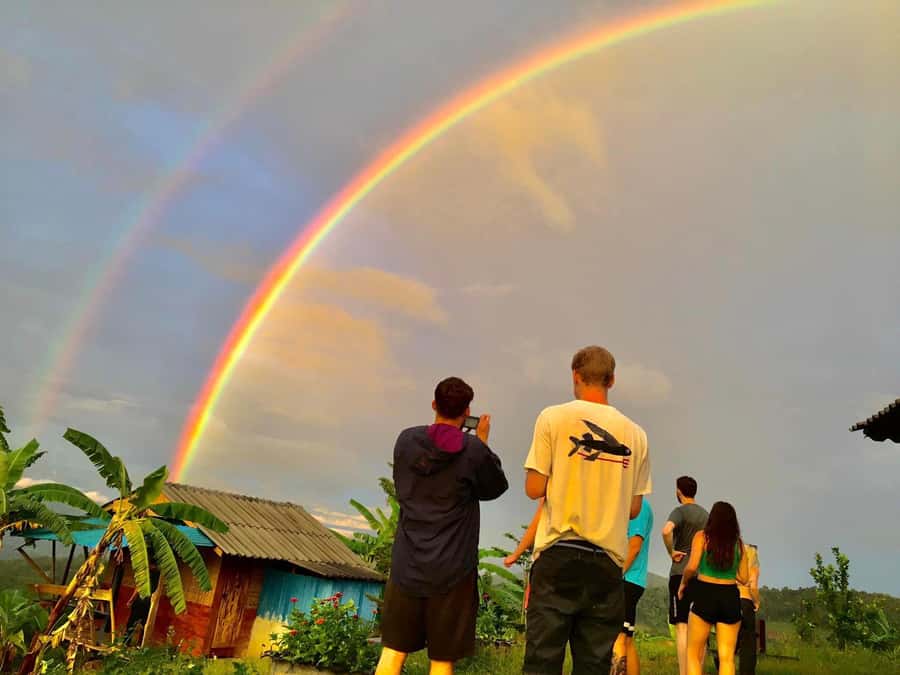
After the market, you’ll do about 40 minutes of bamboo rafting on the Mae Wang River. The river ride is meant to be calm, letting you focus on the green river corridor and the slow pace of the day.
This is also where clothing choices matter. You’ll be better off wearing long sleeves and long pants to help with sun and mosquitoes, even if you’re tempted to go fully lightweight. You’ll also want to keep essentials dry in your pack, since the tour doesn’t list specialized waterproof gear.
I like rafting here because it breaks the hike rhythm. You’re still outdoors, but your body gets a reset before the first trek segment starts.
The Jungle Waterfall Hike and Picnic Cool-Off
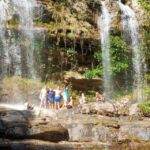
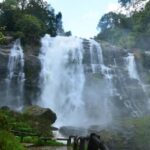
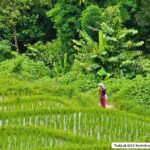
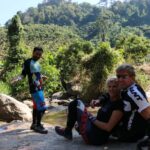
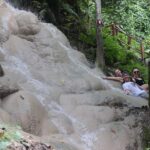
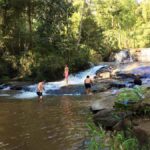
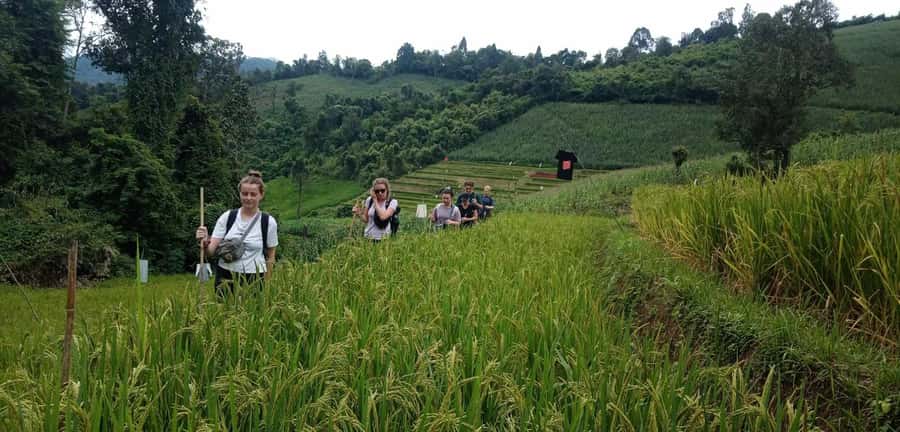
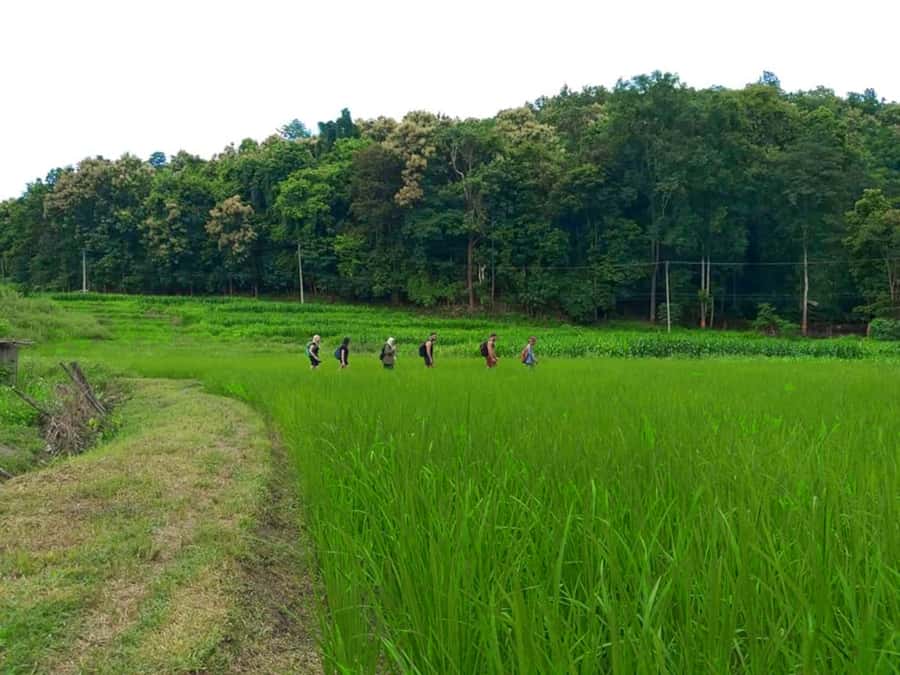
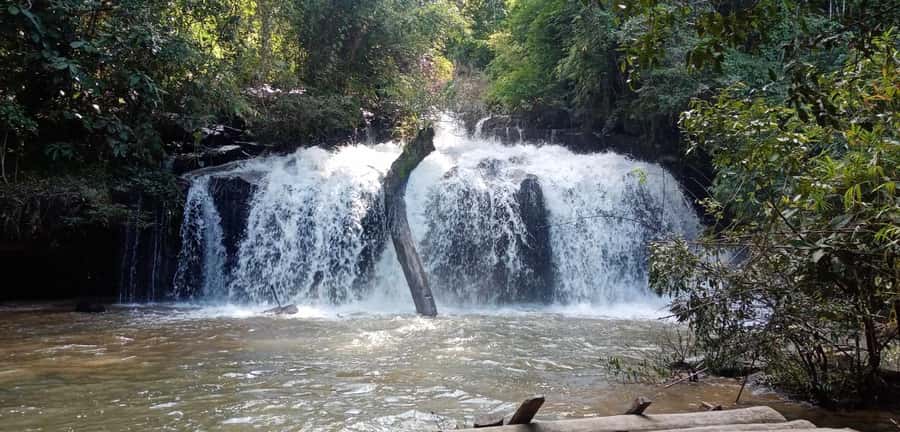
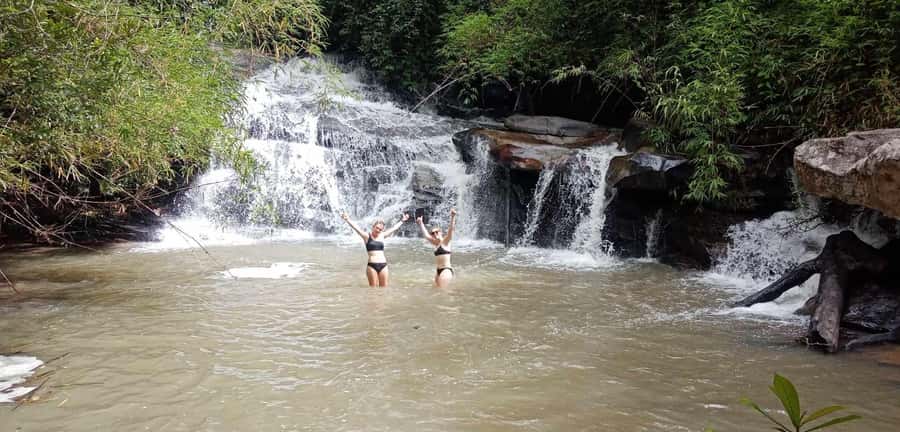
Next comes the walking: a trek toward a jungle waterfall with a hike through mixed forest and paddy fields. Expect about 2 hours of hiking to reach a tucked-away swimming spot, with a picnic lunch waiting there.
This is where the tour earns the word nature in a practical way. You don’t just “see” the jungle from a viewpoint; you walk through it, then cool down in it. Swimwear and a towel aren’t optional here if you want the full experience.
One drawback to keep in mind: this portion can feel sweaty and demanding depending on the day’s heat and humidity. The good news is the stop itself rewards you quickly—shade, water, and a real break where lunch isn’t rushed.
Karen Hill Tribe Village Overnight: Community Time, Not a Backdrop
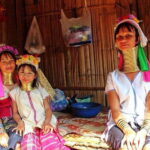
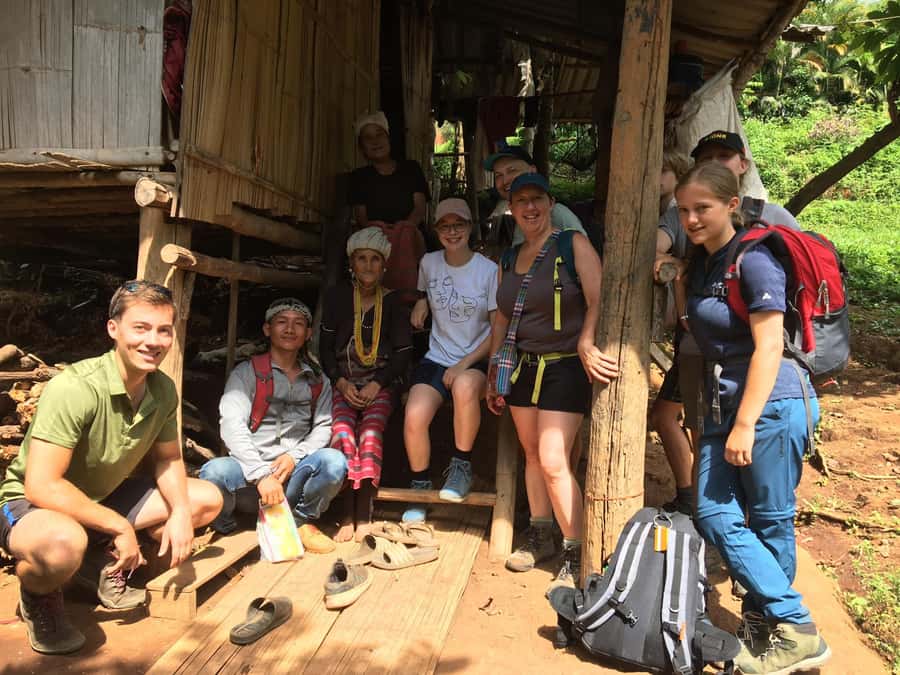
After lunch, you continue uphill for about 2 more hours to reach the Karen Hill tribe village. This is the overnight portion of the tour, and it’s often the most memorable part because the day shifts from “tour” into “stay.”
You’ll have dinner made by villagers and spend the evening around a campfire or small party under the stars. People reported the food as a highlight, and the vibe tends to feel warm and personal when the group settles in.
The most important thing to know: village conditions are basic by design. One piece of feedback said the beds could be improved, and another noted the nights can get cold. So pack like you’re camping—layers matter more than style.
If you like small moments—helping, learning, eating slowly—this is the segment that delivers. If you need lots of comfort or indoor amenities, you’ll feel the contrast.
You can also read our reviews of more tours and experiences in Chiang Mai
Breakfast in the Mountains and the Morning Reset
The next day starts with breakfast at the village. It’s a simple shift, but it helps you end the overnight well instead of scrambling out fast.
This morning meal also sets you up for the next leg, because after the first day’s uphill hiking, your body benefits from a steady start rather than a quick snack and go.
Rescued Elephants in the Jungle Sanctuary: Feeding and Bath Time
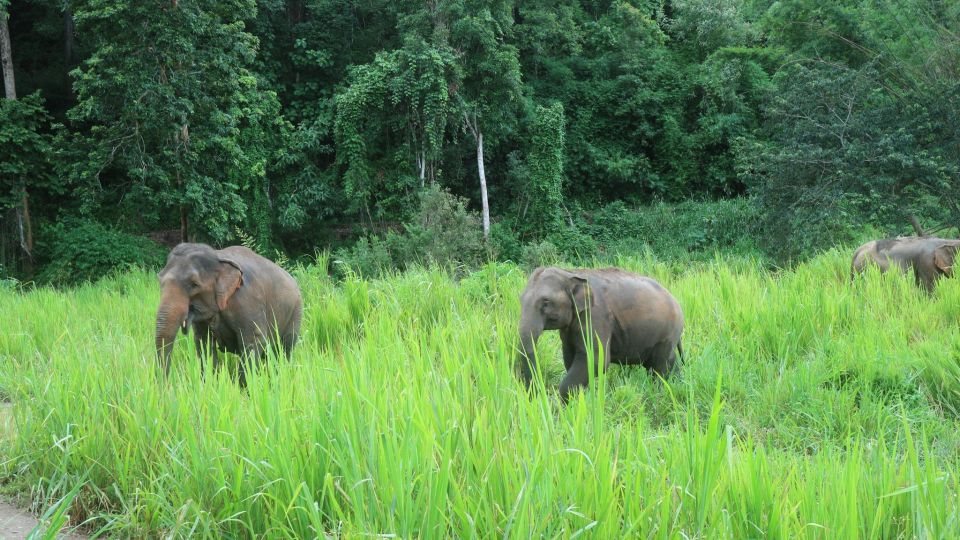
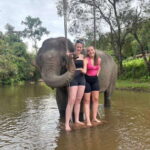
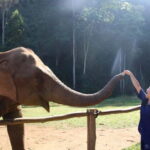
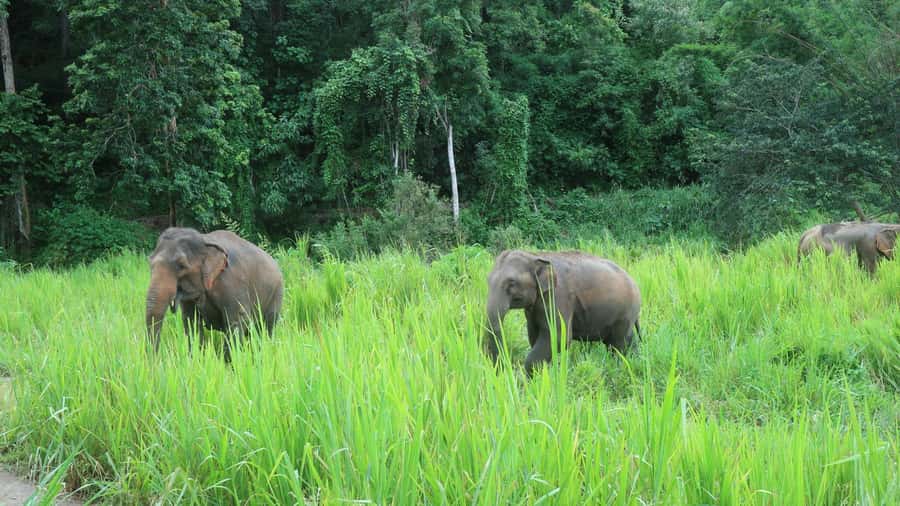
After breakfast, the tour walks you toward an ethical elephant sanctuary area. The elephant segment focuses on rescued elephants, with time to feed and bathe them and learn about them in a respectful environment.
Also important: riding elephants is not allowed on this tour. That aligns with the “ethical” framing and keeps your time more about care and observation than performance.
Expect the sanctuary to feel closer and more hands-on than you might think from a distance. Guides often explain how to interact safely and respectfully, and the elephants typically drive the mood—calm, curious, and very much present.
That said, “ethical” is a phrase that people define differently. Some feedback was strongly positive about how the elephants were treated, while at least one comment suggested you should use your own judgment about what feels appropriate when feeding or bathing happens. I’d take that advice seriously: if animal interaction makes you uncomfortable, skip this part mentally and treat it more like a learning moment.
Day Two Bamboo Rafting and How Weather Can Change Your Plan
Once the elephant sanctuary time wraps, you move toward the Mae Wang River area again for bamboo rafting. The tour description frames it as a serene river float, and it’s usually a fun contrast to the earlier hikes.
If rain hits, water activities can shift. One feedback example said the rafting got canceled due to rain, which lines up with the general idea that the route can change with bad weather. So keep expectations flexible.
You’ll finish with a drive back to Chiang Mai—about a 1-hour transfer, arriving around 4:30 PM.
What $97 Buys You: Value in a 48-Hour Package
At $97 per person for two days, this can look like a steal once you break down what’s included. You’re getting:
- hotel pickup and drop-off
- round-trip transport by van or songthaew
- a guide
- market visit
- jungle trekking
- all meals (2 lunches, 1 dinner, 1 breakfast)
- basic 1-night accommodation
- elephant sanctuary visit
- bamboo rafting
The value isn’t just the number of activities. It’s the pacing and the “all-in” nature. You’re not constantly paying extra for meals or separate day tours, and the small group structure helps keep it from feeling chaotic.
My advice: treat the cost as paying for logistics plus guide time plus meals, then decide if you’re physically okay with the outdoor demands. If the answer is yes, this is one of the better ways to experience Northern Thailand beyond temples and malls.
What to Pack (So You Don’t Hate Day One)
The tour gives a clear packing list, and it’s worth following. Bring:
- hiking shoes
- long pants and long sleeves
- a sun hat and sunglasses
- swimwear, plus a towel
- change of clothes and clothes that can get dirty
- rain gear
- insect repellent
- sunscreen
- flip-flops (useful for downtime or after water time)
- daypack
One item they don’t include: drinking water. Bring some if you can, especially for the hikes. Even if you don’t need it constantly, having it makes the day feel safer.
Also bring a jacket. Cold night conditions showed up in feedback, and mountain weather shifts fast.
Who This Trek Fits Best (And Who Should Skip It)
This tour is best for people who want a real outdoor rhythm: walking, hot sun, forest shade, a swim break, and a village overnight.
It can be a rough fit if you have low fitness, vertigo, heart problems, respiratory issues, epilepsy, or mobility limitations. It’s also not suitable for pregnant women, and it’s not meant for babies under 1 year or children under 2 years.
If you want an active getaway, this is a great match. If you want luxury comfort and easy terrain, you’ll feel frustrated.
If your goal is elephants plus a jungle walk plus a village experience in a tight timeframe, this checks that box—without the feeling of doing three unrelated tours.
What Makes the Guides Matter Here
One of the biggest takeaways from the feedback is how much guide personality changes the experience. Witoon, Toon, Moon, Sammy, and others came up repeatedly, with comments like patient help, friendly energy, and guides taking photos and sending them later on WhatsApp.
That’s not a small detail. When you’re in a jungle environment, you want more than directions. You want someone who can explain plants or explain what you’re seeing, and keep the group from getting separated.
So if you’re choosing this tour based on reviews, don’t just look at the activity list. Look at the names of guides who worked with past groups. You’re likely to care about the human factor most on night one and during the longer hike stretches.
Should You Book This Trek?
Book it if you want a two-day Chiang Mai nature immersion built around walking, waterfalls, a Karen Hill tribe village overnight, and rescued elephant sanctuary time—plus bamboo rafting that gives your legs a break.
I would hesitate only if you’re dealing with fitness limits, sensitivity to cold nights, or you’re uneasy about close elephant interaction like feeding and bathing. Also, if you hate surprises from weather, note that plans can shift in bad conditions.
If you go prepared—shoes, layers, insect repellent, swimwear—you’ll end this with a memory that feels earned, not packaged. The best part is that you leave Chiang Mai with more than photos. You leave with a sense of how this part of Northern Thailand lives and breathes.
FAQ
How long is the trek and what time will I be back in Chiang Mai?
The experience runs for 2 days. You’ll drive back to Chiang Mai at the end, with arrival around 4:30 PM.
What’s included in the price?
The tour includes hotel pickup and drop-off, round-trip transportation, a guide, market visit, jungle trek, all meals (2 lunches, 1 dinner, 1 breakfast), basic 1-night accommodation, elephant sanctuary visit, and bamboo rafting.
Do I need drinking water?
The tour does not include drinking water, so plan to bring some.
Will I be allowed to ride elephants?
No. The tour states that riding animals is not allowed.
Can I swim at the waterfall?
You’ll hike to a jungle waterfall area and have time to cool off in the water. Swimwear and a towel are on the recommended packing list.
What should I bring for mosquitoes and sun?
Bring long pants, long sleeves, insect repellent, sunscreen, sunglasses, and a sun hat. The rafting part specifically recommends long clothing to protect from sun and mosquitoes.
How many people are in a group?
It’s a small group, limited to 12 participants.