REVIEW · CHIANG MAI
Chiang Mai: Elephant Sanctuary & Thai Cooking Workshop
Book on GetYourGuide →Operated by PON ELEPHANT (THAILAND) CO., LTD. · Bookable on GetYourGuide
A day with elephants and Thai cooking beats most tours. You’ll feed gentle giants, then cook classic dishes with farm-fresh herbs. I especially like the small-group feel and the chance to choose what you cook. One thing to keep in mind: part of the elephant time happens around the river, so activities can shift if the elephants decide to change plans.
Pon Elephant Thailand keeps the day practical and relaxed. I like that you start in an organic garden collecting ingredients, instead of being handed mystery herbs in a classroom. Your lunch or dinner also feels like a real reward, not just a pause between activities. The main drawback is logistics: you’ll want to pack for getting wet, and a towel is not included.
In This Review
- Key things to know before you go
- Why this Elephant Sanctuary and Thai Cooking Day works in Chiang Mai
- Morning vs evening: how your 9 hours actually play out
- The organic garden start: herbs first, not last
- Cooking class with a chef approach: Thai techniques you can repeat
- The elephant habitat experience: feeding, behavior tips, and river time
- Lunch, dinner, and the take-home payoff
- What to pack: don’t get caught without the wet-stuff basics
- Value and who this tour suits best
- Potential downsides (so you can plan with your eyes open)
- Should you book this Chiang Mai elephant sanctuary + cooking workshop?
- FAQ
- FAQ
- How long is the Chiang Mai Elephant Sanctuary & Thai Cooking Workshop?
- Is there a hotel pickup option in Chiang Mai?
- What’s the difference between the morning and afternoon sessions?
- Is lunch or dinner included?
- Are vegetarian and vegan options available for the cooking workshop?
- What can you feed the elephants during the sanctuary visit?
- Do the elephants have to bathe in the river?
- What should I bring, since towel and extra clothes aren’t included?
Key things to know before you go
- Small group (max 10): more hands-on time in the kitchen and more elbow room around the elephants.
- Two session options: morning includes a market stop, while the afternoon session skips the market.
- Cook with a real chef format: you learn Thai flavor basics (sweet, sour, salty, bitter, spicy) before you start cooking.
- Organic garden inside the sanctuary: pick herbs and ingredients right where the day’s meals begin.
- Elephant feeding with Napier grass, sugarcane, and bananas: close, safe, and guided with behavior tips.
- River bathing is optional: elephants choose when to bathe, so don’t plan your photos around a guaranteed splash.
Why this Elephant Sanctuary and Thai Cooking Day works in Chiang Mai
If you only do one full day in Chiang Mai, I’d look hard at this combo. You get the best parts of two very different experiences in one loop: food culture plus elephant care, both in the same mountain setting.
I love that the day isn’t just entertainment. You’re learning how to handle ingredients and how to behave around elephants. The cooking workshop is structured enough to teach you real technique, not just assemble ingredients. And when you move to the elephant area, you’re getting a proper briefing so you know how to stay calm and safe.
The value is also strong for the price. For $63, you’re not paying just for entry. You’re paying for transport from Chiang Mai, an English-speaking guide, lunch or dinner, ingredients and cooking guidance, and an elephant-focused experience that includes feeding treats (Napier grass, sugarcane, bananas, plus fruit for the elephants).
You can also read our reviews of more cooking classes in Chiang Mai

Morning vs evening: how your 9 hours actually play out
This is a 9-hour day trip run in two time windows. The provider uses an air-conditioned van and the drive from Chiang Mai to Pon Elephant Thailand is about 1 hour and 20 minutes.
Morning session (start around 7:30 AM to 8:00 AM)
- You’ll return to Chiang Mai around 5:00 PM.
- Lunch is included.
- This option includes a market visit along with the organic farm tour.
Afternoon session (start around 12:30 PM to 1:00 PM)
- You’ll return to Chiang Mai around 9:00 PM.
- Dinner is included.
- This one includes an organic farm tour, but there’s no market visit (because it happens in the morning session).
Why this matters: the cooking class itself stays the main event, but the early-day vs late-day difference changes the vibe. Morning tends to feel more energetic and structured. Afternoon can feel like a slower, evening-friendly rhythm—especially if you’d rather avoid a very early start.
Small groups help either way. The tour is limited to 10 participants, which makes a big difference when you’re chopping, tasting, and asking questions.
The organic garden start: herbs first, not last
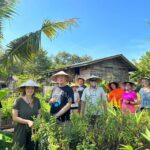
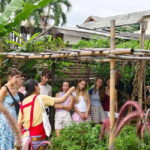
Your day begins with a quick reset and then gets hands-on fast. Under your guide’s direction, you explore the organic vegetable garden to pick fresh herbs daily. This is where you’ll collect ingredients you’ll use in your Thai cooking.
You’re not just wandering for photos. You’re gathering flavor. And you’ll also learn how Thai cooking builds around balance. That balance shows up in two ways:
- You learn the five basic flavors: sweet, sour, salty, bitter, and spicy.
- You learn ingredient combinations and how each one changes the taste of the dish.
Practical tip: show up with a little patience for the prep phase. If you want Thai food you can actually repeat at home, those ingredient steps are where it starts. Also, bring sunscreen and consider wearing something you don’t mind getting sticky from fresh herbs.
Cooking class with a chef approach: Thai techniques you can repeat
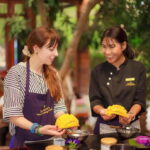
This is a cooking workshop taught by a real local chef-style instructor format, with guidance as you cook. The teaching is built around process: you’ll learn the basics, then you’ll make dishes using traditional methods and the ingredients you collected.
What you’ll learn
- Thai flavor fundamentals (sweet, sour, salty, bitter, spicy).
- Core ingredient prep. The program references preparing your four “chords” of Thai ingredients (you’ll get clarity during instruction).
- Thai cooking techniques tied to the dishes you choose.
What you can cook
The day lists classic dishes you might make, including:
- Pad Thai
- Khao Soi
- Tom Yum Goong
- Green Curry
- Mango Sticky Rice
How choices work
You don’t have to cook only one fixed menu. The workshop is described as customizable based on your preferences, with guidance from an experienced instructor. In plain terms: you’ll get to tailor dishes more than in the typical “watch and repeat” class.
Vegetarian and vegan options
Vegetarian and vegan options are available. So if you’re avoiding meat or want plant-based meals, you shouldn’t have to sit out or just eat sides. All necessary ingredients are included.
How the class feels
Based on what I’ve seen from how these tours operate in Chiang Mai, the best ones keep the pacing friendly: not rushing, not stalling. Here, the group size supports that. Guides (including favorites like Pimdao, Air, and Som from recent experiences) are described as fun and clear, and they make sure you don’t feel lost during the cooking steps.
One extra benefit: you’ll receive a recipe booklet. That’s what turns a great Thai lunch into something you can recreate later.
The elephant habitat experience: feeding, behavior tips, and river time
After cooking and eating, you head to the elephant habitat area. The program includes a briefing on the elephants’ habitat, history, habits, and behavior, plus how to behave around them. This part matters more than people think. If you know what the elephants respond to (and what to avoid), your interactions feel calmer and safer.
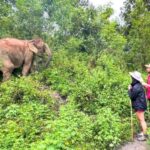
Then comes the “get close” time. You walk through a natural environment with the elephants and enjoy the opportunity to feed them:
- Napier grass
- sugarcane
- bananas
Fruit for the elephants is also included, so you’re not showing up empty-handed.
Ethics and how the sanctuary runs
The experience is positioned as an ethical sanctuary setup. Recent guide-led days highlight rescued elephants and an emphasis on animal welfare, with no riding and no forced behaviors during the visit. You’re also told what to expect, so you’re not walking in blind.
River bathing (the moment people talk about)
One of the biggest attractions is the possibility of taking elephants to the river, where you may see swimming and bathing. Key detail: the elephants choose to bathe. You do not force it, so some activities may change shortly depending on their behavior.
In practice, that means you should be flexible. If the elephants decide to splash, great. If they don’t, you’ll still spend quality time feeding and being around them, with the day’s rhythm shifting as needed.
Also: if you’re hoping for the full wet-and-wild photo set, pack for it mentally. Some elephant days include the fun side of “you might get showered by elephant water,” and you’ll only know once you’re there.
You can also read our reviews of more tours and experiences in Chiang Mai



Lunch, dinner, and the take-home payoff
The food is part of the tour, but it’s also part of the learning.
What’s included
- Lunch is included on the morning session.
- Dinner is included on the afternoon session.
- Drinking water is provided.
- Ingredients for the cooking workshop are included.
- You’ll get a recipe booklet to take home.
What you’ll taste
Since you’re cooking classics like Pad Thai, curry, Tom Yum Goong, and mango sticky rice, you’re not just making bland “Thai-inspired” meals. You’re learning dishes people actually eat in Thailand, and you’re working with the flavor framework of Thai cuisine as you go.
Vegetarian/vegan food is available, which can be a real relief if your group has dietary needs. Also, the ingredients come from a garden step earlier in the day, so your meals have a fresher, more connected feel.
What to pack: don’t get caught without the wet-stuff basics
This tour is outdoors, involves cooking prep, and can involve river bathing. So packing isn’t optional.
Bring
- Change of clothes
- Camera
- Sunscreen (and biodegradable sunscreen)
- Flip-flops
- Beachwear
- Cash
- Passport or ID card (copy accepted)
- Biodegradable insect repellent
What’s not included
- Towel and a change of clothes are listed as not included.
So plan on bringing your own towel, plus a bag strategy for wet clothes. A small dry bag or even a plastic bag works. You’ll thank yourself later when you’re back in Chiang Mai and trying to stay comfortable for the ride.
Value and who this tour suits best
At $63 per person for a 9-hour small-group day, the value is solid because multiple things are bundled:
- Transport from Chiang Mai to the sanctuary (and back).
- English-speaking guide.
- Elephant time with a briefing and feeding opportunities.
- Cooking workshop ingredients, guided instruction, and recipes.
- Lunch or dinner.
- Insurance.
It also fits a specific kind of traveler:
- You want one day that covers culture and nature without splitting into two separate trips.
- You like hands-on experiences: cooking, herb picking, and elephant feeding.
- You care about doing elephant activities that feel calm and respectful, with clear rules and behavior guidance.
If you’re the type who hates waiting around, this works. The day has built-in momentum: garden → cooking → meal → elephant briefing → interaction → back to Chiang Mai.
Age considerations
The tour is not suitable for children under 5 and people over 70. If you fall near the upper end (or you have mobility constraints), I’d think carefully about walking around natural areas and the possibility of river steps.
Potential downsides (so you can plan with your eyes open)
Nothing is perfect, so here are the realistic points to consider:
- River activities depend on the elephants
Since bathing is optional and the elephants choose, don’t treat the river splash as guaranteed. It can still be a great day even if the elephants stay calmer.
- You need to plan for being wet
Bring beachwear and a change of clothes. A towel is not included, so pack one.
- You’ll be outside for long stretches
Sunscreen and insect repellent aren’t optional. The day includes garden time and habitat time outdoors.
- Customization isn’t a menu-free-for-all
You can tailor dishes to your preferences with guidance, but you’re still cooking within a structured workshop format. If you have strict dietary needs, let your guide know early so adjustments are handled smoothly.
Should you book this Chiang Mai elephant sanctuary + cooking workshop?
I’d book it if you want a day that feels meaningful instead of rushed. The elephant portion includes feeding with clear guidance, and the cooking class is built around real techniques and a flavor framework you can use again later. For many people, the highlight is the mix: you learn Thai cooking while also learning how to understand elephant behavior and care.
You might skip it if:
- You hate outdoor activities or getting wet.
- You want zero flexibility on timing and river events.
- You don’t care about cooking and would rather do a pure sanctuary visit.
If you do book, my best advice is simple: pack for river comfort, keep your expectations flexible for elephant behavior, and come hungry. And if your guide is someone like Pimdao, Air, or Som, you’re likely in for a high-energy day where Thai cooking and elephant care are explained clearly and with good humor.
FAQ
FAQ
How long is the Chiang Mai Elephant Sanctuary & Thai Cooking Workshop?
It lasts about 9 hours total.
Is there a hotel pickup option in Chiang Mai?
Yes, pickup is optional and includes hotel pickup and drop-off in Chiang Mai town only.
What’s the difference between the morning and afternoon sessions?
The morning session returns around 5:00 PM and includes a market visit plus lunch. The afternoon session returns around 9:00 PM, includes an organic farm tour and dinner, but has no market visit.
Is lunch or dinner included?
Yes. Morning includes lunch, and the afternoon session includes dinner.
Are vegetarian and vegan options available for the cooking workshop?
Yes, vegetarian and vegan options are available.
What can you feed the elephants during the sanctuary visit?
You can feed them Napier grass, sugarcane, and bananas, and fruit for the elephants is included.
Do the elephants have to bathe in the river?
No. Elephants choose whether to bathe, and you don’t force them. Some river-related activities may change depending on their behavior.
What should I bring, since towel and extra clothes aren’t included?
Bring a change of clothes and a towel, plus sunscreen, biodegradable sunscreen, flip-flops, beachwear, a camera, cash, and biodegradable insect repellent.