REVIEW · CHIANG MAI
Chiang Mai: Asia Scenic Thai Cooking School
Book on GetYourGuide →Operated by Oh-Hoo · Bookable on GetYourGuide
Thai cooking starts with your own ingredients. This class strings together a market-to-farm food day, then lands you at an open-air kitchen station to actually cook and eat what you’ve chosen. I especially like the hands-on ingredient picking (including herbs from an organic farm) and the fact that you leave with a recipe book you can use at home. The one drawback to plan around: the day is structured tightly around the stops, so if you want hours of wandering the market on your own, you may find the market time a bit limited.
The class runs about 6 hours in a small group (up to 10), with hotel pickup from within 3 km of downtown Chiang Mai and an English/Thai guide. In the guides I’ve seen praised, names like Tommy, Nan, and Olive pop up again and again for keeping things funny but also clear. Pick your dishes from the menu, tell them your dietary needs, and you’ll get to cook at your own station instead of watching from the sidelines.
In This Review
- Key highlights worth your time
- Chiang Mai in One Day: Market, Farm, and a Real Cooking Class
- Pickup, Timing, and Your Dish Choices (This Is Where It Gets Practical)
- The Market Tour: Learn the Ingredients Before You Cook Them
- Organic Farm Stop: Where the Herb Notes Make Sense
- Open-Air Kitchen Setup: Cooking at Your Own Station
- What You’ll Cook: Thai Classics You Can Recreate
- The Meal Experience: Coffee, Tea, Snacks, and a Take-Home Cookbook
- Price and Value: Is $41 Worth a 6-Hour Food Skill Day?
- Who Should Book This Cooking Class in Chiang Mai?
- Should You Book the Asia Scenic Thai Cooking School?
- FAQ
- How long is the Chiang Mai Thai Cooking School experience?
- Can I choose what I cook?
- What dishes are available to choose from?
- Is hotel pickup included?
- What languages are used during the tour?
- What are the cancellation and payment options?
Key highlights worth your time
- Hotel pickup within 3 km keeps the morning stress low and the schedule smooth
- Organic farm + herb tasting connects flavor to ingredients you can actually see growing
- Choose 5 dishes from a real Thai menu, not generic cooking “theme” food
- Open-air kitchen setup means you cook at an individual station, not in a single group pot
- Take-home cookbook helps you recreate Pad Thai, curries, and soups later
Chiang Mai in One Day: Market, Farm, and a Real Cooking Class
This is one of those Chiang Mai food experiences where the day makes sense step by step. You start with the ingredients, then learn how they work together, then you cook. That order matters. Thai flavor is built on balance, and if you skip the sourcing piece, the recipes can feel like a grab bag of steps. Here, you see what goes into the dish before you’re standing over a wok or pounding herbs.
The setting is also part of the value. You’re not locked indoors for six hours. The cooking happens in an open-air kitchen, and the vibe is relaxed enough that you can focus on what the chef wants you to do next. Past groups have mentioned little breaks that keep things from feeling like a marathon, including calm moments like hammocks during downtime.
One more practical note: it’s not a big bus-tour crowd. Small group size (max 10) means you get attention when you need it, whether you’re chopping herbs for the first time or trying to nail a curry paste without it turning into paste paste.
You can also read our reviews of more cooking classes in Chiang Mai
Pickup, Timing, and Your Dish Choices (This Is Where It Gets Practical)
You get complimentary pickup from hotels within 3 km of downtown Chiang Mai. The operator confirms the exact pickup time by email, and you’ll want to be in the lobby at least 10 minutes early. If you’re late, you can miss the pickup, so set a reminder for that email.
Duration is 270 minutes, around 6 hours total. It’s a full half-day, but not a whole day stretching into the next day’s dinner plans. If you’ve got a tight schedule, this is still one of the easiest “I want Thai food skills, not just sightseeing” options in the city.
Before cooking, you choose 5 dishes from the menu. The listed options include:
- Stir-fried: Pad Thai, Pad See Uw, Hot Basil Stir Fried, Cashewnut With Chicken
- Soup: Coconut Milk Soup, Tom Yum, Tom Sab
- Curry paste: Red, Green, Massaman, Panang, Khaw Soi
- Curry: Red Curry, Green Curry, Massaman Curry, Panang Curry, Khaw Soi
- Spring Rolls
Why this matters: picking your own dishes makes the class feel personal. You’re not stuck learning recipes you’d never cook again. And because you’re cooking at individual stations, your dish choice actually shows up on your plate.
The Market Tour: Learn the Ingredients Before You Cook Them
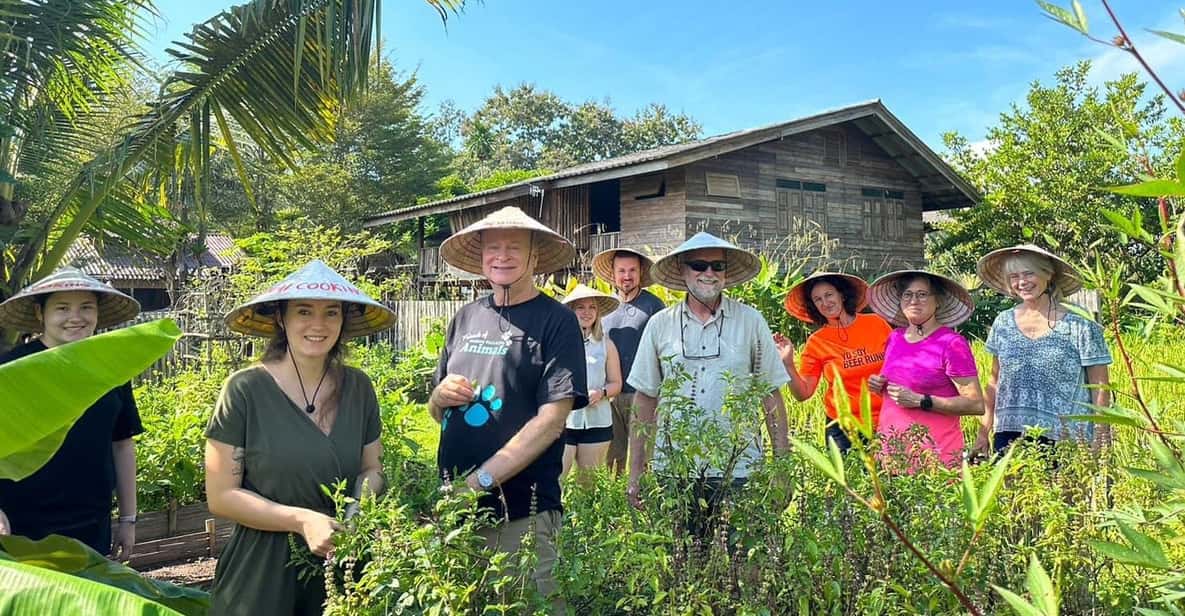
The day starts with a market visit so you can pick ingredients first. This is the part that often turns a cooking class into something you’ll remember for years, because you learn what to look for and why it belongs in Thai cooking.
You’ll also taste some herbs connected to Thai dishes, and the market tour isn’t just a stroll for photos. The goal is ingredient awareness: how Thai flavors are built from herbs, aromatics, and balanced seasoning. Once you understand the “why,” recipes at home stop feeling mysterious.
A practical tip: go hungry and arrive ready to ask questions. Even if you’re not buying everything you see, you’ll want to note what the chefs point out—herbs, pastes, aromatics, and the produce that gives Thai dishes their personality. If you’re worried you’ll forget, you can take quick notes on your phone during the tour.
One drawback to consider: a review mentioned wanting more market time. So if your main goal is independent market wandering (snacks, shopping, slow browsing), this may feel more like a guided ingredient sprint than a free market afternoon.
Organic Farm Stop: Where the Herb Notes Make Sense
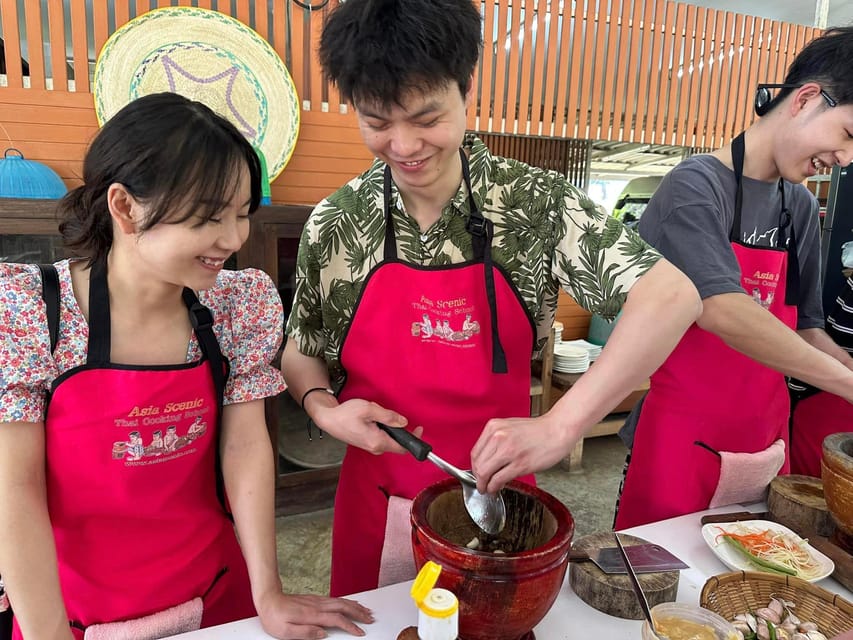
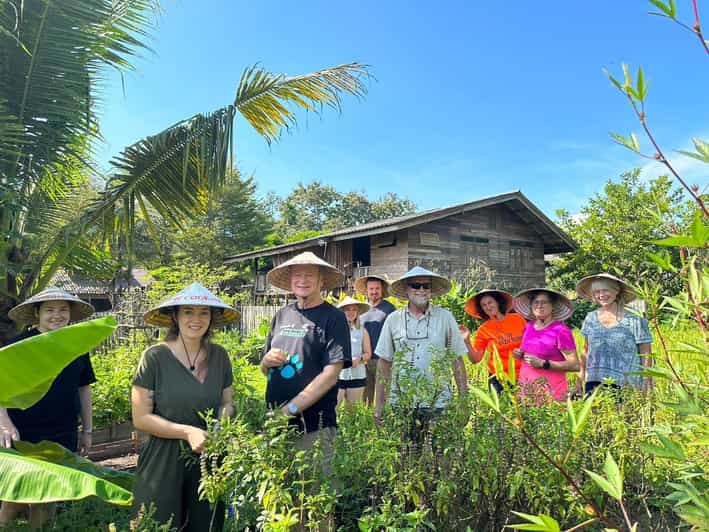
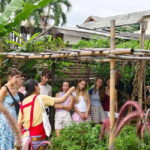
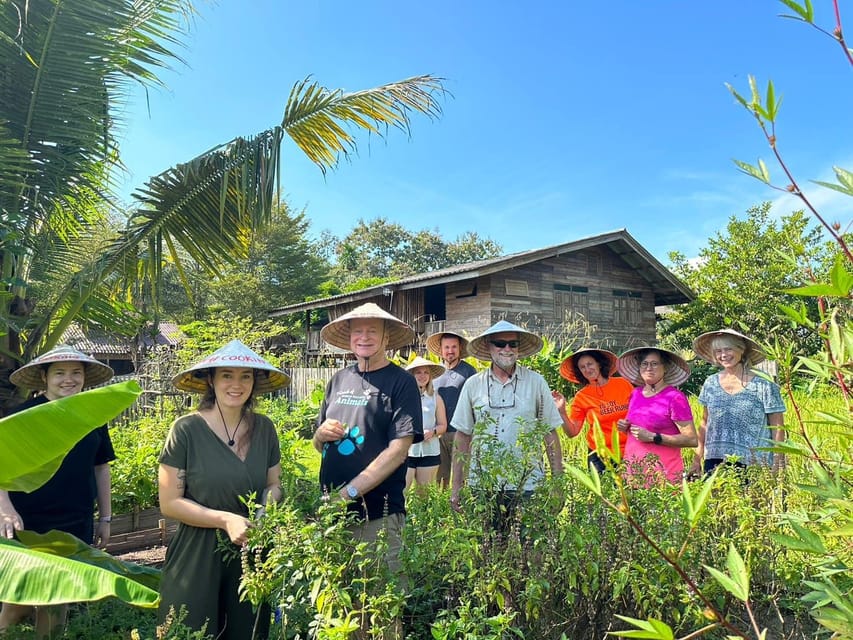
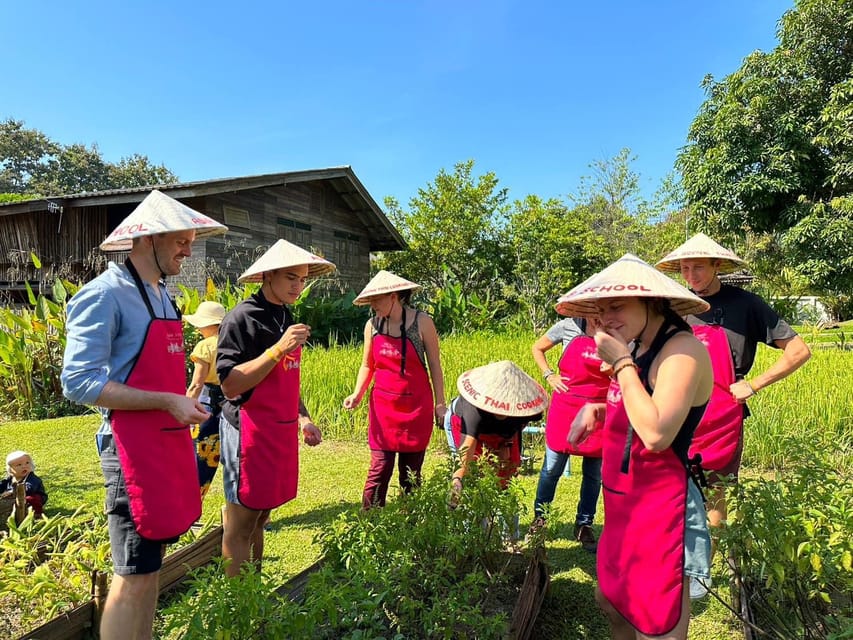
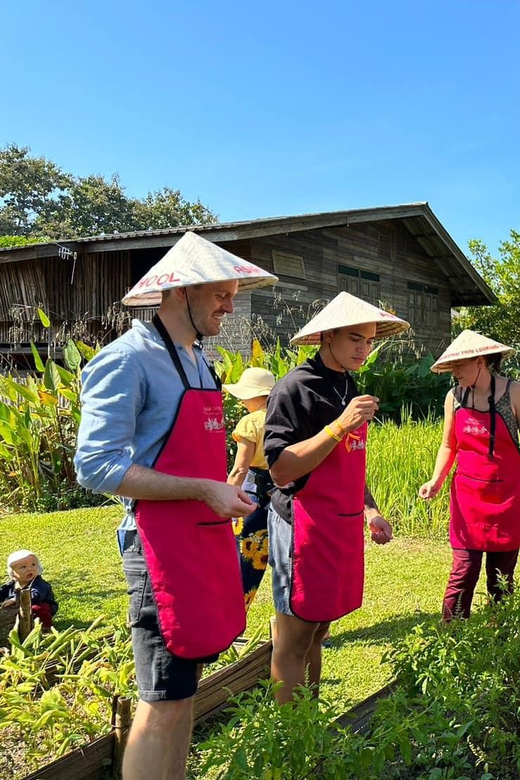
After the market, you head to an organic farm / organic kitchen garden. This stop is more than scenery. It connects flavor to growth and farming decisions, and it helps you understand what makes ingredients taste different.
The class includes visiting and tasting herbs in the organic garden. That sounds simple, but it changes how you cook later. When you know what a herb smells like in fresh form, you’re less likely to treat it like an optional garnish. Thai chefs rely on herbs for aroma and balance, not just “green stuff” on top.
If you’re the kind of cook who likes to substitute ingredients at home, this farm stop is your friend. You’ll likely pick up practical context about which herbs matter most for particular dishes and how freshness affects the overall flavor. And if your trip timing is hot or humid, being outdoors also keeps you from feeling trapped indoors during the parts of the day you’ll remember most.
Open-Air Kitchen Setup: Cooking at Your Own Station
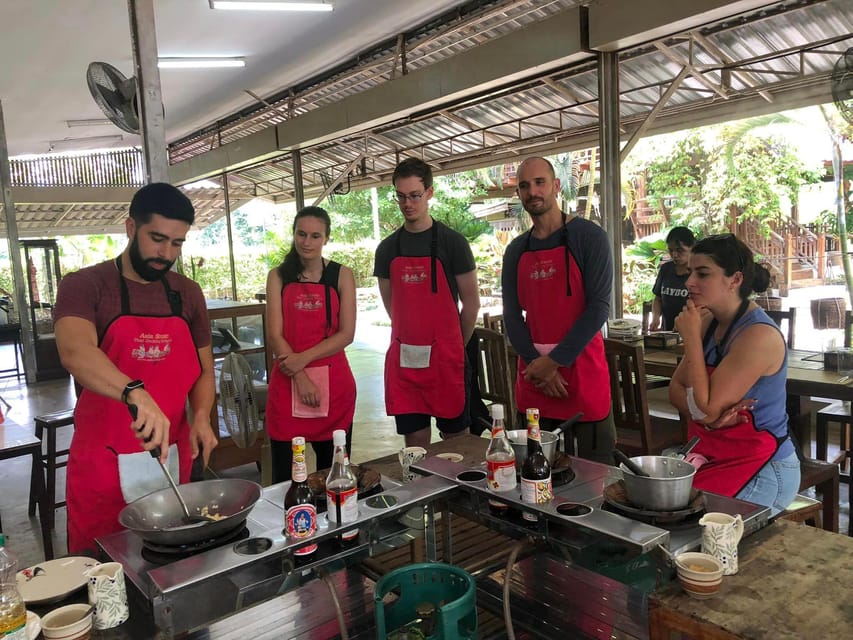
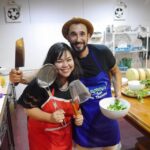
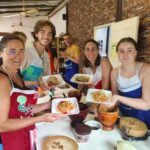
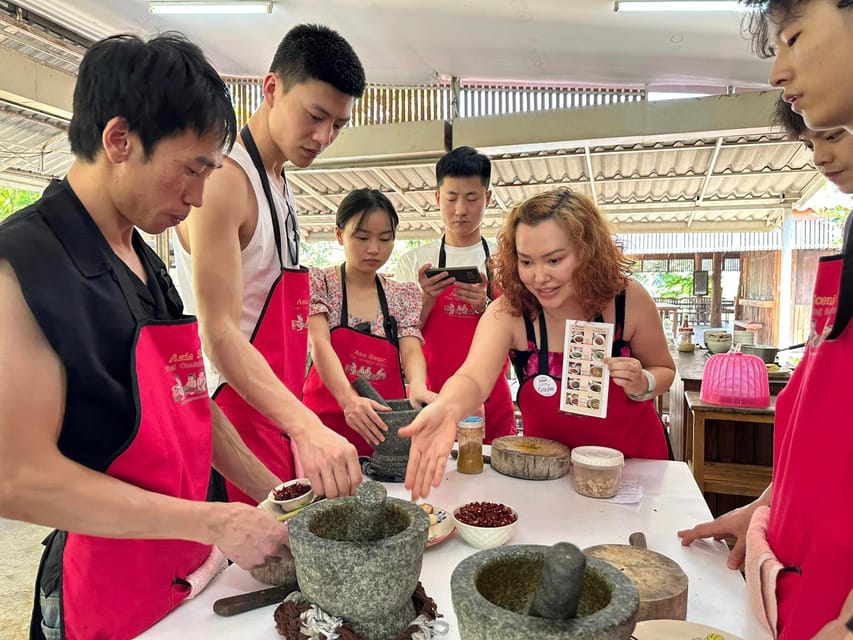
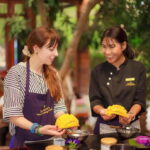
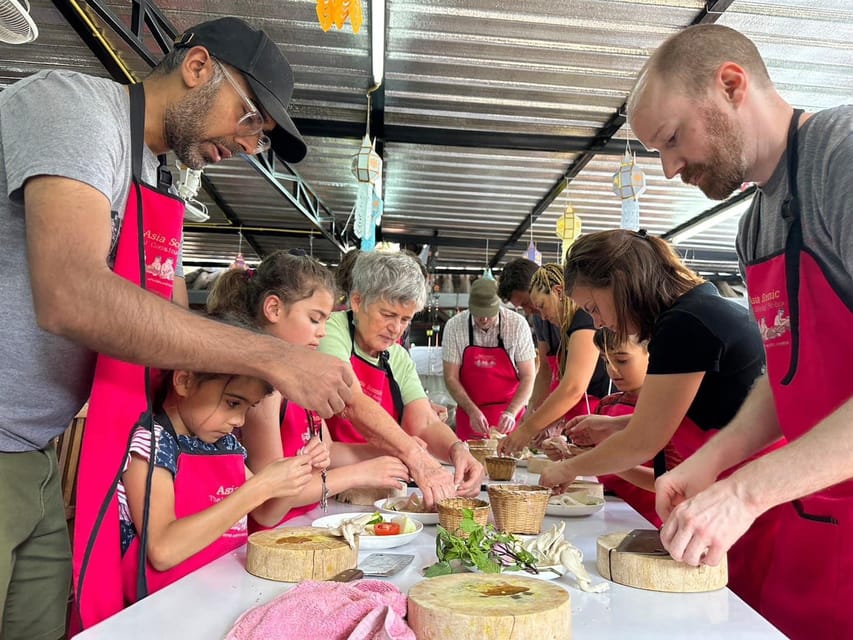
Now you get to the fun part: the open-air kitchen session. The class is built around hands-on cooking, with individual cooking stations and all necessary ingredients provided. That matters for value and comfort. You’re not spending your day hunting supplies or worrying about what you bought not being the right thing.
The cooking segment includes making 6 traditional dishes and learning to cook sticky rice. Since you choose 5 dishes from the menu, that sticky rice and the full flow of the day help explain why the meal feels abundant even when your selection is five items. The point is that you’ll leave fed, not just with a cooking worksheet.
The chefs guide you through steps with an emphasis on technique: timing, how sauces come together, and how to combine flavors in a Thai way. In several accounts, the guides weren’t just “good instructors,” they were also engaging. Names like Tommy, Nan, and Dev show up in feedback for being both fun and effective at teaching.
This is also where dietary needs come into play. The class is described as tailored to your dietary preferences, and past groups have specifically called out adaptations for vegan and vegetarian. If you have allergies or strict preferences, you should still tell the guide clearly ahead of time (and be ready for some dishes to be adjusted rather than swapped 1:1).





What You’ll Cook: Thai Classics You Can Recreate
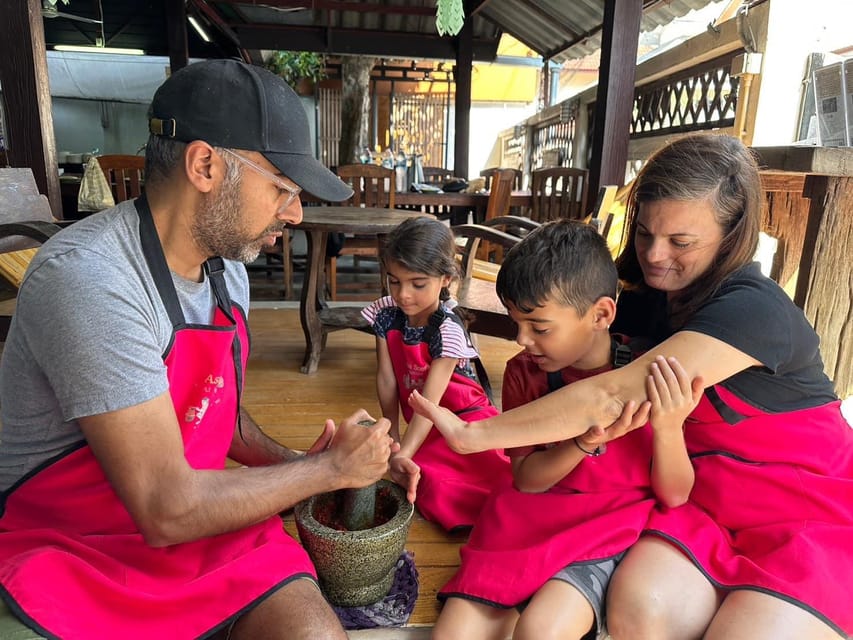
This class gives you a set of recipes anchored in Thai staples. From the dish list, you’ll commonly see a mix of:
- Stir-fry favorites like Pad Thai and Pad See Uw
- Soups like Tom Yum and Tom Sab
- Curries like Massaman, Panang, Red/Green Curry, plus Khaw Soi
- Spring rolls for a crowd-friendly finish
The secret isn’t just the name of the dish. It’s how the class helps you build the flavor logic:
- For curries and curry pastes, you learn how aromatics and spices form the base.
- For soups, you understand the balance between sour, savory, and herbal notes.
- For stir-fries, you learn timing so sauces don’t overpower the ingredients.
And sticky rice is part of the lesson. Even if you never make it at home, you’ll understand what “right” looks and tastes like, and you’ll be better at choosing how to serve Thai dishes when you host dinner.
You also eat what you cook. That’s a big deal. Cooking classes where you only make food for display can feel like homework. Here, you’re judging the results in real time, which makes the learning stick.
The Meal Experience: Coffee, Tea, Snacks, and a Take-Home Cookbook
Before and during cooking, you get small comforts that keep the day moving. There’s a welcome snack or seasonal fruit, plus fresh coffee and herbal tea. It sounds minor, but it’s a practical travel detail. You’re doing markets and chopping; having warm drinks breaks up energy dips and makes the whole day feel more humane.
The best souvenir is the cookbook. You take home a recipe book, and the recipes match what you chose. That’s exactly what you want if your real goal is to recreate the Thai meals in your kitchen without guessing. A recipe without ingredient logic is just instructions. A recipe backed by what you saw at the farm and learned from your guide is something you’ll actually use.
If you like cooking, expect to leave with two things: meals you’ll crave again, and a confidence boost. You’ll know what should smell right, what texture should look right, and what you might need to adjust depending on what you can find back home.
Price and Value: Is $41 Worth a 6-Hour Food Skill Day?
$41 for a ~6-hour experience is on the affordable side for what you get here. You’re paying for more than cooking instruction. The included pieces add up:
- Hotel pickup and return within 3 km of downtown
- A market tour with tasting and ingredient selection
- Organic farm / herb garden visit
- Individual cooking station plus all ingredients
- Snacks, coffee, and herbal tea
- A recipe book and market tour
So the real question isn’t only the price. It’s what you’re buying: ingredient education + guided technique + a usable home recipe set. If you’re someone who’s interested in Thai cooking but keeps ending up with flat results, this sort of class can be a fast way to correct course.
Also, the small group size (max 10) gives you time with the guide. With bigger groups, your learning can become passive. Here, you’re more likely to get answers when something doesn’t work.
If you’re strictly looking for a hands-off food tour with minimal cooking, you might feel the schedule is too active. But if you want skills and not just a meal, this is strong value.
Who Should Book This Cooking Class in Chiang Mai?
This fits best if you’re any of these:
- A foodie who wants Thai cooking basics you can repeat at home
- A couple or small group who wants a shared activity with real payoff
- A solo traveler who likes structure and friendly conversation (small group helps)
- Someone who wants both culture and cooking without doing a separate museum day
It’s also a good option if you care about ingredients. The market + organic farm stops give you practical context rather than just a performance.
Who might skip it? If you mainly want to wander Chiang Mai markets at your own pace, or you dislike cooking tasks, you’ll probably feel time pressure. And the class isn’t suitable for children under 4, so families with very young kids should look at other options.
Should You Book the Asia Scenic Thai Cooking School?
I’d book it if you want a Thai cooking day that’s structured, social, and actually useful after your trip. The biggest reason: you’re not just eating Thai food; you’re learning how to build it from ingredients you picked and herbs you tasted. Add the recipe book and you’ve got a real take-home payoff.
If you can only do one cooking activity in Chiang Mai and you care about value, this one makes sense. Just make sure you’re comfortable with a guided schedule and choosing from the dish list in advance.
If your travel style is slow and you love long free-market wandering, you may want to pair this with lighter shopping time elsewhere. Otherwise, plan your day around the cooking class and enjoy the fact that you’ll leave with both full bellies and a new set of skills.
FAQ
How long is the Chiang Mai Thai Cooking School experience?
The experience lasts about 270 minutes, or roughly 6 hours.
Can I choose what I cook?
Yes. You can choose 5 dishes from the listed options.
What dishes are available to choose from?
Options listed include stir-fries like Pad Thai and Pad See Uw, soups like Tom Yum and Tom Sab, curry pastes and curries like Red/Green/Massaman/Panang and Khaw Soi, plus Spring Rolls.
Is hotel pickup included?
Yes. Pickup is available for hotels within 3 km of Chiang Mai downtown, and the operator confirms the exact pickup time by email.
What languages are used during the tour?
The live tour guide speaks English and Thai.
What are the cancellation and payment options?
You can cancel up to 24 hours in advance for a full refund. You can also reserve now and pay later, keeping your travel plans flexible.