REVIEW · CHIANG MAI
Chiang Mai: Mae Taeng River White Water Rafting
Book on GetYourGuide →Operated by 8Adventures · Bookable on GetYourGuide
Jungle rapids in northern Thailand are loud. This Mae Taeng River rafting trip turns a 10-kilometer run through jungle scenery into a real white-water workout, guided by trained staff and geared for safety. I like that it’s structured, not a slap-on-a-raft free-for-all.
Two things I’d put at the top of my list: the professional safety setup (helmets, life jackets, first-aid certified guides, and a clear briefing) and the way the day gives you both adrenaline and downtime. In the guide team, I’ve seen names like Deer, John, and the driver Yeng pop up in feedback, and the common thread is they keep you comfortable while still keeping things fun.
One consideration: this isn’t for everyone. You need to be able to swim, you should have reasonably good fitness, and it’s not suitable for people with certain heart/back/neck issues, broken bones, or pregnancy.
In This Review
- Key things to know before you go
- Mae Taeng rafting from Chiang Mai: the drive and the vibe
- Safety briefing and water practice: how the trip keeps it controlled
- What the river run feels like: Class III and IV rapids in the jungle
- The smoother comeback: continuous Class III toward base camp
- Base camp comfort: showers, towels, and where you recharge
- Lunch and drinks: what’s included and what it means for value
- Gear and guides: why the included kit matters
- Price and value: is $96 worth it in Chiang Mai?
- Who this rafting day suits best
- Should you book Mae Taeng River white-water rafting?
- FAQ
- Is transportation included for Mae Taeng River rafting?
- What rapids will I face on this trip?
- Do I need to know how to swim?
- What are the age and weight limits?
- What kind of lunch is included, and is there a vegetarian option?
- What safety gear and staff are provided?
- Are showers and towels provided?
- How much do tour photos cost?
- What is the cancellation policy?
Key things to know before you go
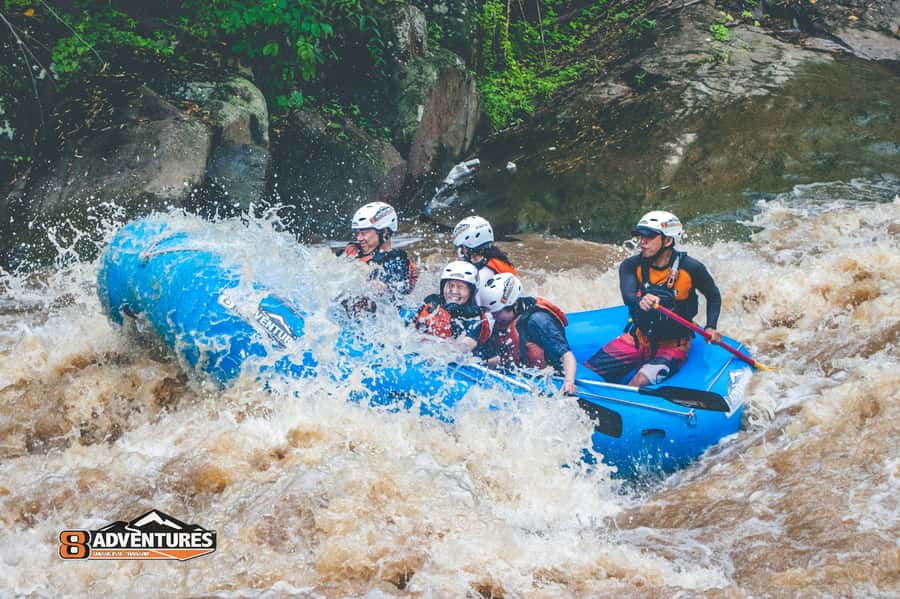
- Class III and IV rapids on the Mae Taeng River, plus a longer Class III stretch back toward base camp
- Practice time with certified guides before you hit the harder water
- Top safety gear: helmets, life jackets, and first-aid certified staff
- Included comfort at camp: lockers, changing rooms, showers, and even a minimart for snacks
- Lunch is handled: fried chicken lunch with a vegetarian option if requested on booking
Mae Taeng rafting from Chiang Mai: the drive and the vibe
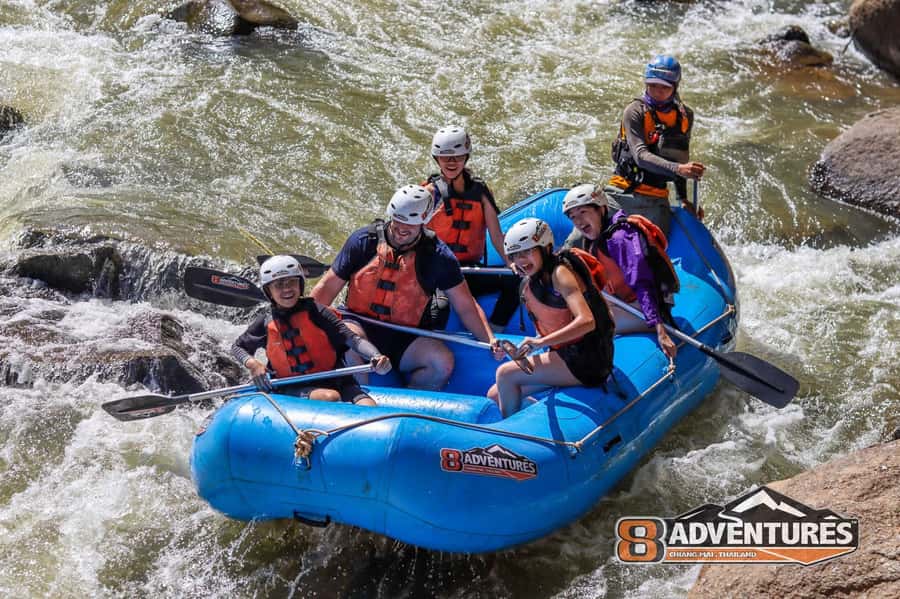
Most Chiang Mai adventure days start with a morning jolt, and this one begins with a 1.5-hour air-conditioned minivan ride to the base camp area. That transfer matters more than you might think. You’ll arrive with time to settle in, not rush, and you’ll still have enough daylight for the full rafting sequence.
At base camp, you get access to the basics that make a messy outdoor activity feel manageable: lockers, changing rooms, and showers. There’s also a minimart where you can grab last-minute snacks or supplies. I like that it’s set up for real people, not just “go with nothing and hope.”
And yes, the vibe shifts quickly. You go from road trip mode to getting kitted up, briefing up, and then finally out to the river. If you’re the type who gets nervous before you’re in motion, this timing helps.
You can also read our reviews of more tours and experiences in Chiang Mai.


Safety briefing and water practice: how the trip keeps it controlled
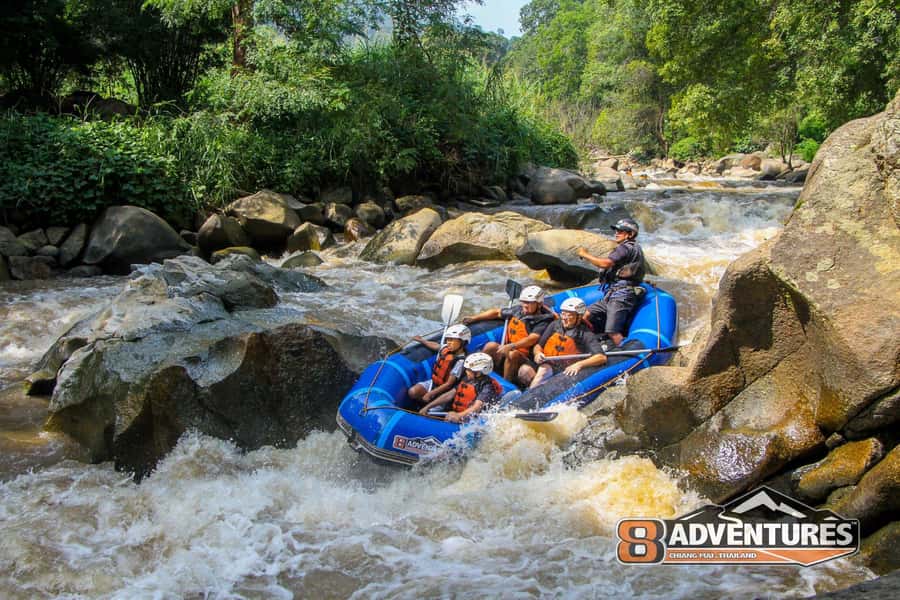
White-water rafting can feel intimidating from the dock. The good sign here is that the day starts with a safety briefing and practice with the guides before you face the tougher rapids. That practice time is the difference between guessing and knowing.
You’ll be provided with life jackets and certified helmets. You’ll also have first-aid certified guides and staff who are there for the whole operation, plus travel accident insurance. None of this guarantees the river is calm—Class III and IV water isn’t meant to be—but it does mean you’re not improvising.
You also get English-speaking guidance, which helps a lot if you’re not fluent in Thai. In feedback, guides have been described as friendly, funny, and reassuring. That matters because confidence changes how your body reacts when you drop into fast water.
Before you go, read the limits carefully. You must be able to swim, and you should have reasonably good physical fitness. The activity is not suitable for anyone with heart, back, or neck conditions, broken bones, or pregnancy. And there’s also a weight limit of 120 kg.
What the river run feels like: Class III and IV rapids in the jungle
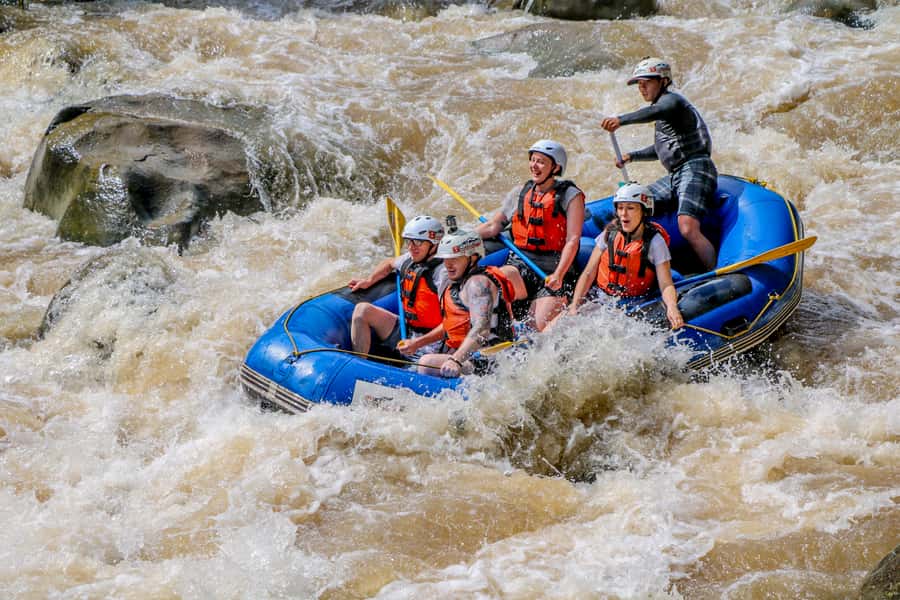
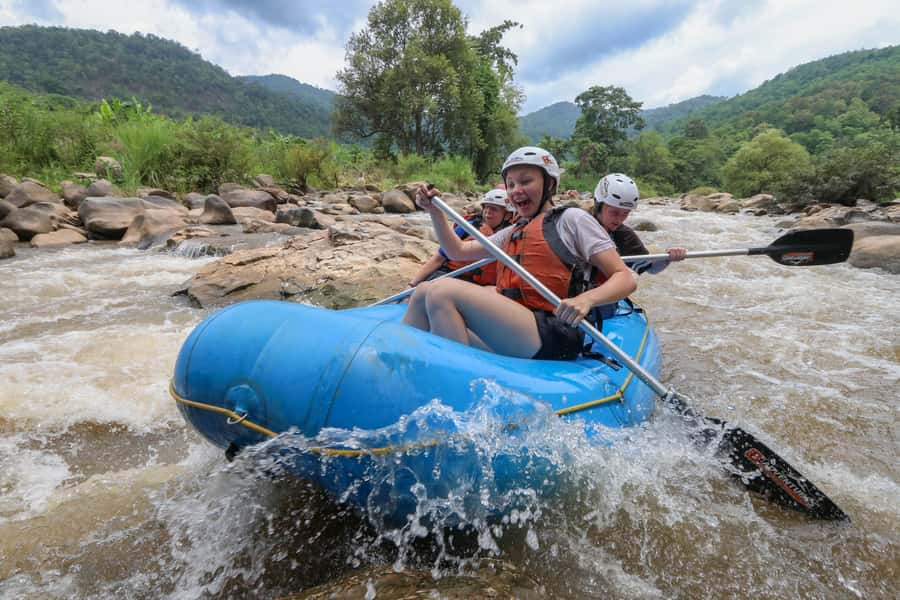
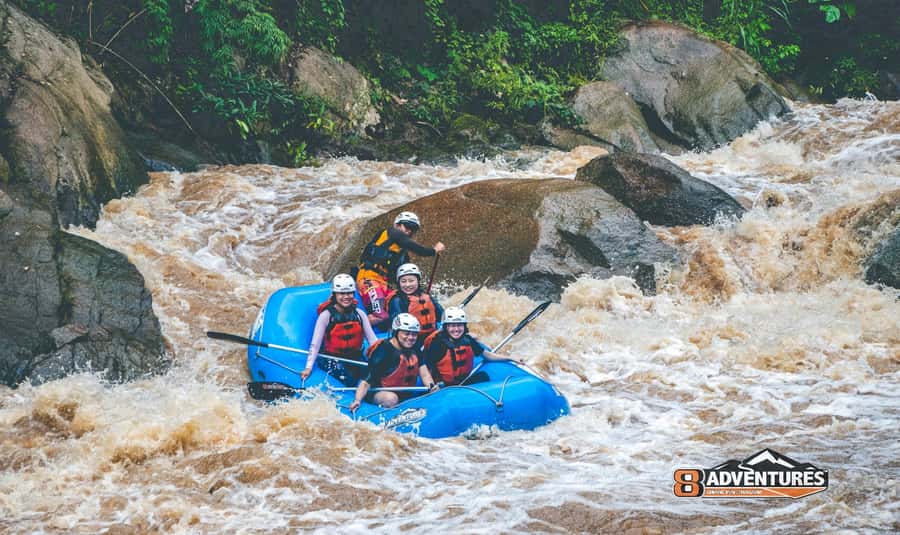
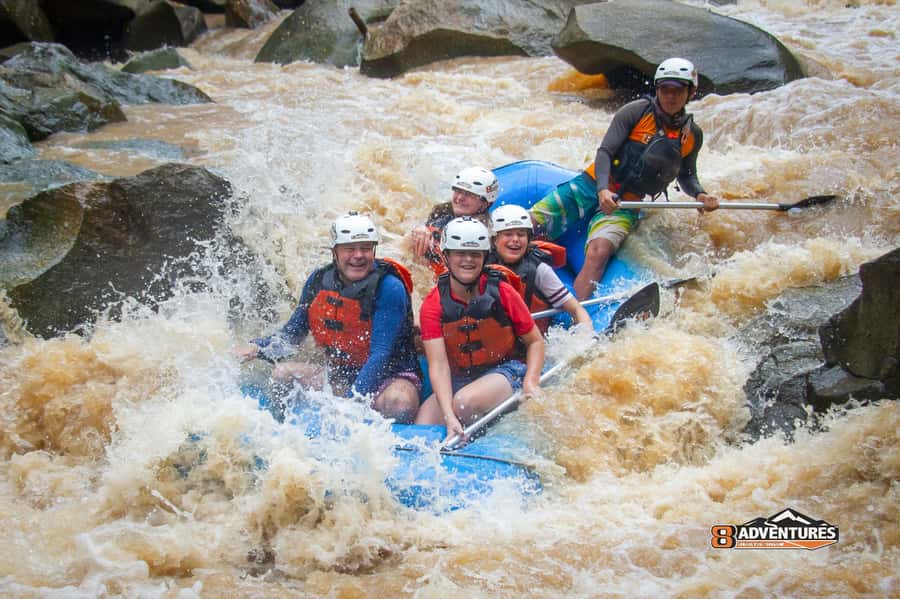
Once you’re on the water, the Mae Taeng River delivers the main event: Class III and IV rapids over a route around 10 kilometers. In plain terms, expect action. Class III usually means you’ll do more than splash and bounce—you’ll navigate real turbulence. Class IV is where the river asks you to pay attention, paddle with purpose, and trust the team.
This section runs through the jungles of northern Thailand. That’s not just scenery for photos. Being surrounded by greenery changes your sense of space. You’re not dealing with an urban chaos vibe; you’re in a natural corridor where the river is the loud, moving center of the world.
A practical note from real-world conditions: if the water level is lower than ideal, you may end up in kayaks instead of traditional rafts. One review mentioned this situation directly, and it makes sense—water depth affects how equipment rides and how waves form. If you’re hoping for a specific “big raft” look, keep your expectations flexible.
Also expect a mix of adrenaline and teamwork. Even when you’re getting drenched, the best feeling comes when you sync with the guide’s calls. That’s where the “fun but organized” reputation shows up—guides have a way of keeping you laughing while still running a tight operation.
The smoother comeback: continuous Class III toward base camp
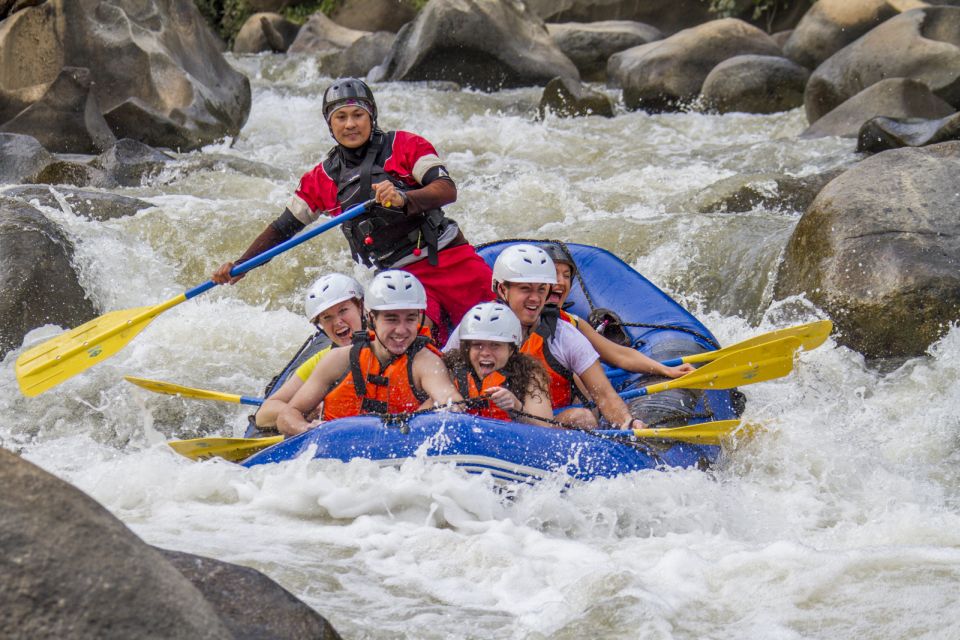
After you’ve tackled the sharper rapids, the day doesn’t just stop when you’re exhausted. You’ll have a stretch of continuous Class III rapids back toward base camp.
This is a smart design for the experience. You get a first burst of higher-stress sections, then a longer run that keeps the action going without being the absolute hardest part over and over. It’s like the river phases you. By the time you’re rowing back, you’re warmed up, your rhythm is set, and you’re working with muscle memory rather than fear.
It’s also the part that can surprise you. People think the hard moments happen all at once. Here, you’ll likely feel the adrenaline rise again during the longer Class III run, especially if you’re sitting in the middle of the raft and can really feel the bumps in sequence.
When water conditions vary, the feel can shift. That’s another reason it’s good that the guide team does practice first—so you can adjust, not panic.
Base camp comfort: showers, towels, and where you recharge
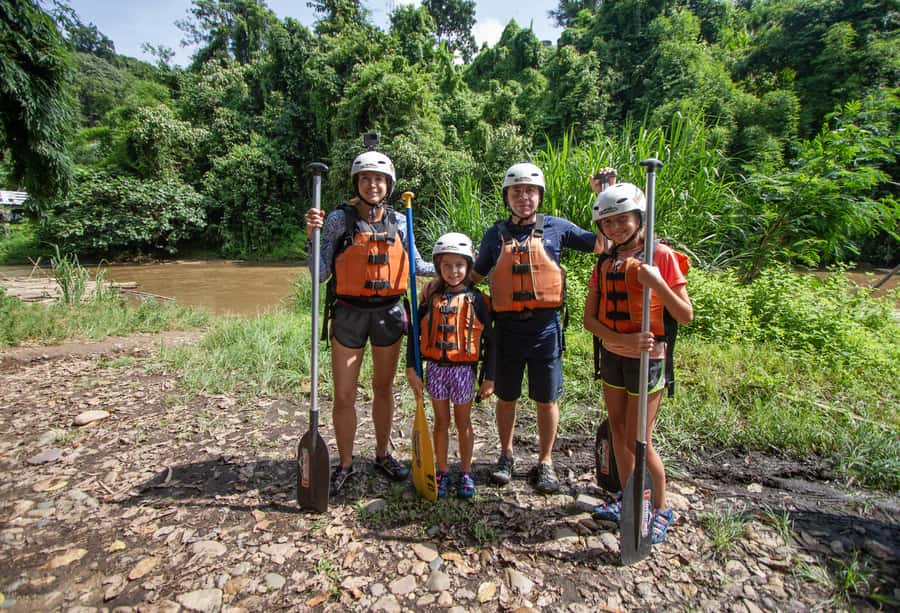
Outdoor days are either pleasant after the fact—or they’re just annoying. This trip handles the “after” portion well.
At the end, you can use the shower facilities and changing rooms before heading home. Towels are provided, which saves you from the usual scramble of packing the right thing. There are lockers to store your stuff while you’re on the river, and that reduces the stress of keeping belongings safe.
There’s also a minimart at base camp for snacks and last-minute supplies. This is handy if you arrive hungry, skipped breakfast, or just want something sweet before you change back into dry clothes.
You’ll be dropped back to your accommodation after the rafting day. That matters because getting home wet can ruin the rest of your afternoon. Here, the transportation is part of the plan, with pick-up and drop-off included.



Lunch and drinks: what’s included and what it means for value
A big part of the value for a $96 price tag is that you’re not paying separately for food and drinks. You’ll get fried chicken lunch, with a vegetarian option possible if you request it at booking. You’ll also have tea and instant coffee, plus drinking water.
On paper, that sounds simple. In practice, it’s one less thing to manage while you’re changing, drying off, and trying to keep your energy up for the return run. It’s also a smart approach for mixed groups—everyone gets fed without hunting for a restaurant right after the hardest portion of the day.
If you’re food-sensitive or you prefer specific diets, request the vegetarian option early. Beyond that, keep expectations realistic: this is a functional adventure meal, not a fine-dining flex.
Gear and guides: why the included kit matters
This trip’s included equipment isn’t just checkbox gear. It’s the backbone of how you feel on the river.
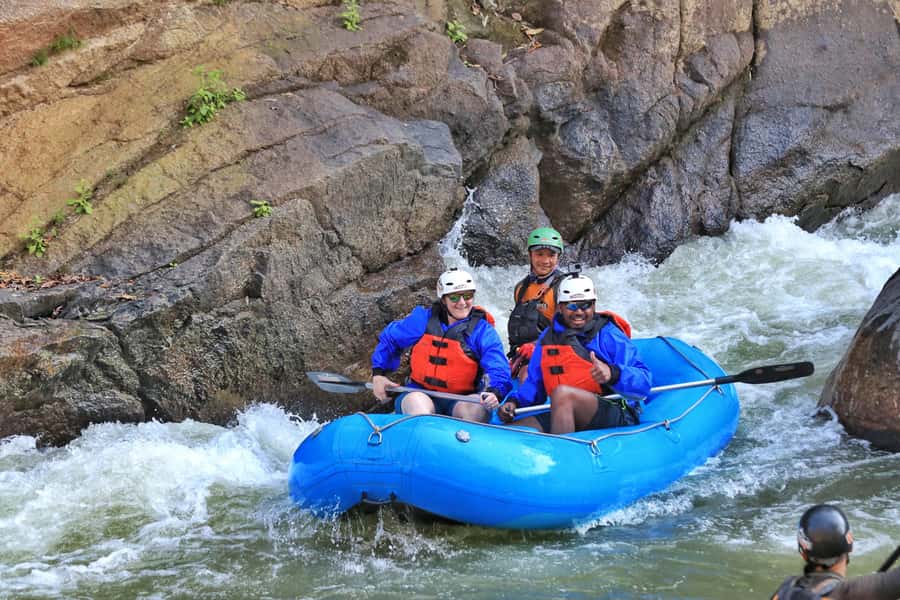
You get life jackets and helmets, and the staff are first-aid certified. There’s also travel accident insurance. Combine that with the safety briefing and guide-led practice, and you get a day that’s built to reduce avoidable risk.
In reviews, guides have been described as professional and organized, while still keeping the mood light. Names like Deer and John show up in feedback, and Yeng is mentioned as the driver. Even if you don’t get the same crew, you can use the pattern as a clue: the company tends to hire people who can manage both safety and group energy.
If you like a guide who knows how to talk to you in simple terms—without making you feel silly—that’s exactly what you’re paying for here.
Price and value: is $96 worth it in Chiang Mai?
For many Chiang Mai activities, you pay a low price and then get hit with extras. This one feels more “closed-loop,” meaning many of the key costs are already folded in.
Included items that add value:
- Pick-up and drop-off from your accommodation area
- Air-conditioned minivan transportation
- Life jackets, certified helmets, and basic river safety gear
- First aid certified guides and staff
- English-speaking guides
- Lunch (fried chicken, with a vegetarian option possible)
- Tea/instant coffee and drinking water
- Towels and showers at the end
- Travel accident insurance
So where do you spend extra? Photos are one: tour photos are available for 500 THB if you want them. Personal expenses are on you.
Is $96 a bargain? It’s not the cheapest option in town, but it doesn’t look overpriced either when you consider the included transport, equipment, lunch, and safety staff. For a rafting day with Class III and IV rapids, I’d call it fair—especially if you’d otherwise have to piece together logistics, pay for gear, and then scramble for food.
Who this rafting day suits best
This tour is best for people who want a true white-water day but still prefer guidance over chaos.
You’ll likely enjoy it if:
- You’re comfortable with outdoor water activities and can swim
- You’re in a decent fitness range and not dealing with injuries
- You want a mix of excitement and breaks to reset
- You’d like English-speaking guidance and a well-run operation
It’s not suitable if:
- You can’t swim
- You’re under 15 years old
- You exceed 120 kg
- You have heart, back, or neck conditions, broken bones, or you are pregnant
Also, if you’re very anxious about being in moving water, I’d say this setup is still worth considering because of the practice and briefing. Just be honest with yourself about the swimming and fitness rules.
Should you book Mae Taeng River white-water rafting?
Book it if you want a straightforward Chiang Mai adventure with real rapids, trained guides, and the kind of post-ride comfort that lets you keep enjoying your day after you’re done getting wet.
Skip it (or choose a gentler activity) if you’re dealing with medical limitations that match the trip’s restrictions, or if swimming is a no-go. And if you’re obsessed with having a perfectly consistent “big-raft only” experience, remember that water levels can change the format, including the possibility of kayaks.
If your goal is a guided, safety-first white-water day with jungle scenery, a hearty included lunch, and showers that actually save your evening—this one looks like a solid pick.
FAQ
Is transportation included for Mae Taeng River rafting?
Yes. The price includes pick-up and drop-off, plus transportation by air-conditioned minivan.
What rapids will I face on this trip?
You’ll raft Class III and IV rapids on the Mae Taeng River, with a continuous stretch of Class III rapids back toward base camp.
Do I need to know how to swim?
Yes. The activity requires participants to be able to swim.
What are the age and weight limits?
The tour is not suitable for children under 15, and participants must weigh no more than 120 kg.
What kind of lunch is included, and is there a vegetarian option?
Lunch is included and consists of fried chicken. A vegetarian option is possible if you request it on booking.
What safety gear and staff are provided?
You’ll receive life jackets and certified helmets. The trip includes first aid certified guides and staff, plus English-speaking guides.
Are showers and towels provided?
Yes. The base camp has changing rooms with showers, and towels are provided at the end.
How much do tour photos cost?
Tour photos are available for 500 THB.
What is the cancellation policy?
You can cancel up to 24 hours in advance for a full refund.