REVIEW · CHIANG MAI
Chiang Mai: Evening Cooking Class and Local Market Visit
Book on GetYourGuide →Operated by Galangal Cooking Studio · Bookable on GetYourGuide
A market-to-stove evening in Chiang Mai feels real fast. You start with hotel pickup and ingredient shopping, then cook Thai favorites in an A/C studio and eat what you make. It’s one of the most direct ways to learn Thai cooking without guessing.
What I really like is how you get a hands-on pick-your-dishes menu. You shop like a local, choose what you’ll cook from options in stir-fry, soup, appetizer, and curry/paste, and get a recipe book to recreate the flavors at home. You can also request vegetarian, vegan, Halal, gluten-free, and allergy-friendly swaps.
One thing to consider: you’ll need an empty stomach. The class runs about 5 hours (often finishing around 8:30 pm), and you’ll be fed—so arriving hungry isn’t optional.
In This Review
- Key things to know before you go
- How the 5-hour evening cooking flow works
- Hotel pickup: the smooth part (if your area is included)
- Market shopping like a local: choosing ingredients that matter
- Organic garden stroll: herbs and vegetables with context
- Inside the cooking studio: A/C, equipment, and hands-on pacing
- What you cook: menu categories and the dishes you’ll make
- Stir-fry choices
- Soup choices
- Appetizer choices
- Curry and curry paste making
- Dietary needs: the class can adjust
- Eating together and taking the lessons home
- Price and value: why $28 can feel like a steal
- Who should book this in Chiang Mai
- Should you book this Chiang Mai evening cooking class?
- FAQ
- How long is the Chiang Mai evening cooking class?
- Does the class include hotel pickup and drop-off?
- What do I do at the market and the organic garden?
- What dishes can I choose to cook?
- Is the class suitable for dietary restrictions?
- Do I eat what I cook?
- What’s included in the price?
- What should I bring or avoid?
Key things to know before you go
- Hotel pickup that covers central Chiang Mai makes the evening easy, with pickup typically starting between 3:15 and 3:45 pm.
- Market shopping plus an organic garden stroll helps you understand Thai ingredients before you touch a wok.
- You choose your menu items from multiple categories, so you can cook what actually sounds good to you.
- Curry paste is part of the action, not just a finished sauce you pour on top.
- Instructors like New and Aoy are often praised for clear guidance and a friendly, organized pace.
How the 5-hour evening cooking flow works
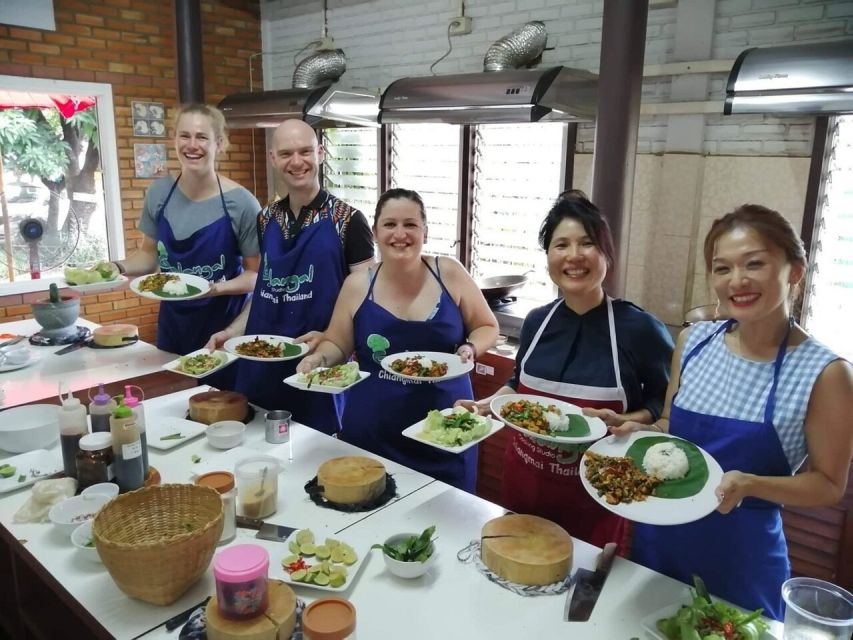
This is an evening class built around dinner time in Chiang Mai. After pickup, you’ll hit a local market and an organic garden, then return to the cooking studio to cook and eat. The whole thing is timed so you’re not rushing through ingredients or over-staying in the kitchen.
A typical big-group schedule sets up from 4:00 to about 8:30 pm for larger groups (10–12 people). If the class is smaller, you may finish earlier. Either way, it’s designed as a full, satisfying night—plan your day so you’re not already full from an early meal.
You can also read our reviews of more shopping tours in Chiang Mai
Hotel pickup: the smooth part (if your area is included)
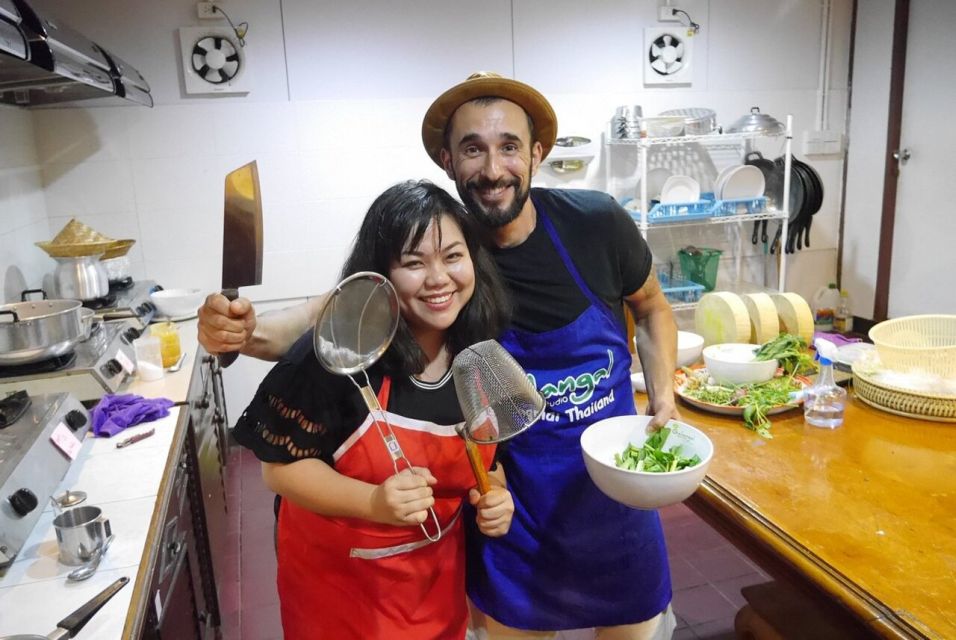
Pickup is included from many hotels in the old city, Santitham, and along Huay Keaw Road (from Kad Suan Keaw up to Maya Shopping Mall). It also covers some areas of Nimmandhaemin Road, Sirimongkrajan Road, Wat Ket Road, Chang Pheuk, Changklan, and Changmoi—though some far-off neighborhoods may not be included.
Important practical detail: pickup starts between 3:15 and 3:45 pm, and the driver may arrive a bit earlier due to evening traffic. The driver waits no longer than 5 minutes after the scheduled time, so be ready in the lobby.
If your hotel isn’t in the pickup zone, you’ll be told in advance and you’ll need to make your own way to the cooking school or market. The upside is you still have options—either come with the team if you can, or follow the provided address and timing if you’re outside the coverage area.
Market shopping like a local: choosing ingredients that matter
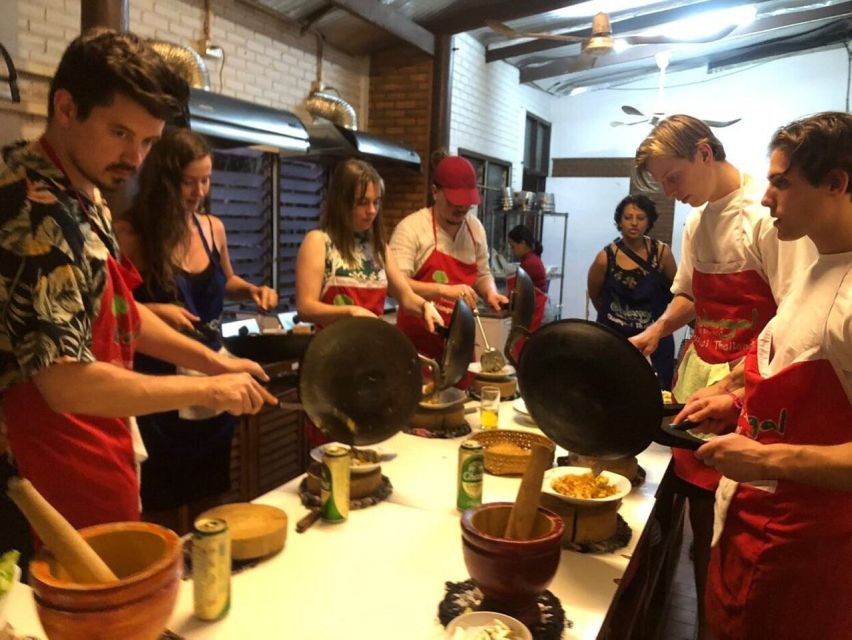
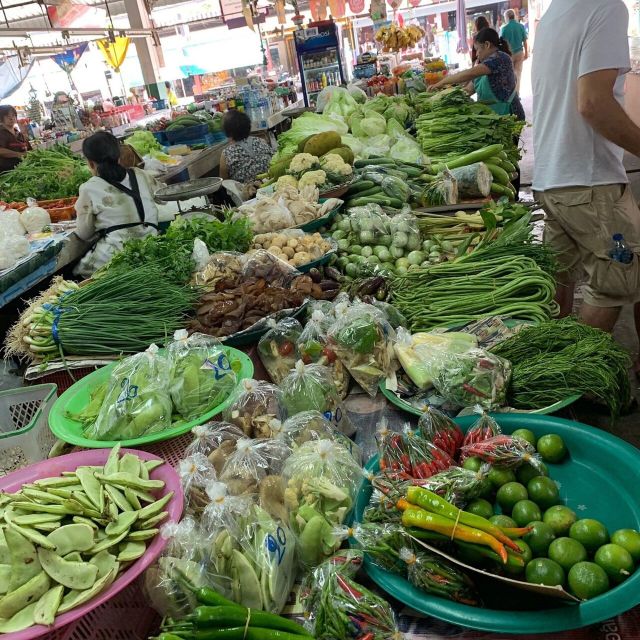
The market stop is where the class turns from cooking show to real cooking skills. You’ll see fresh vegetables and ingredients you can recognize later in Thai dishes, and your guide will point out what matters for each recipe.
You’re not just watching—you’re selecting your own menu items. The market shopping time is also flexible: the included market tour notes that it may vary depending on interest, which usually means you’ll have some time to browse rather than being herded straight through.
If you want value, this is the key piece. Cooking Thai food at home often fails because people don’t understand the ingredient logic. Here, you’re building that logic first—what to look for, what choices affect flavor, and why some ingredients are worth paying attention to.
Organic garden stroll: herbs and vegetables with context
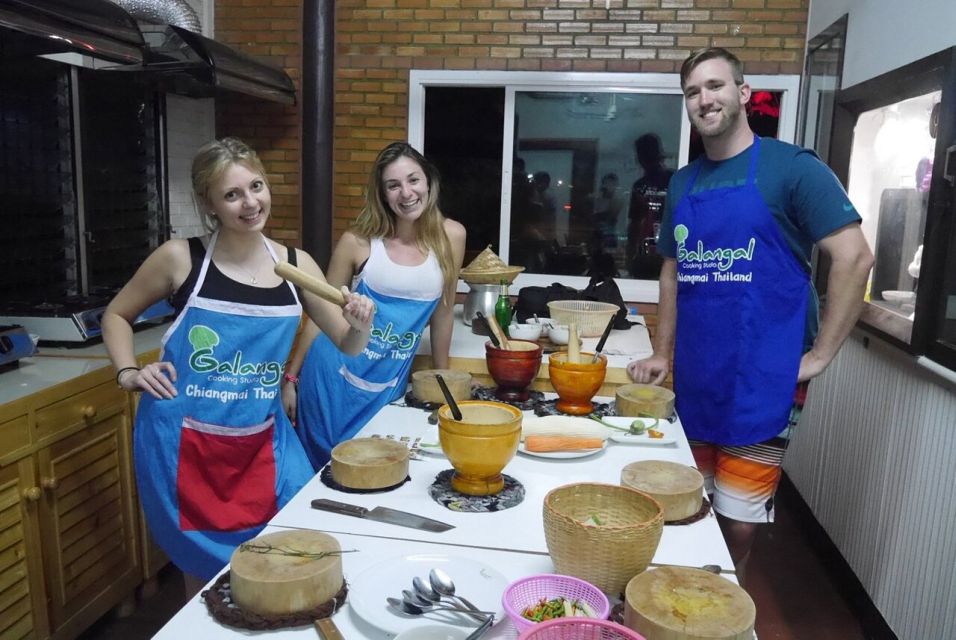
Between the market and the kitchen, there’s an organic garden visit. You can stroll through to see how herbs and vegetables are cultivated, and it gives you a grounded sense of where ingredients come from in Thailand.
This part isn’t about Instagram photos. It’s a quick education in how Thai cooks think: freshness, herb character, and how vegetables fit into stir-fries and soups. Even if you don’t remember every plant name, you’ll remember the idea—Thai flavor isn’t random. It’s ingredient-driven and process-driven.
Inside the cooking studio: A/C, equipment, and hands-on pacing
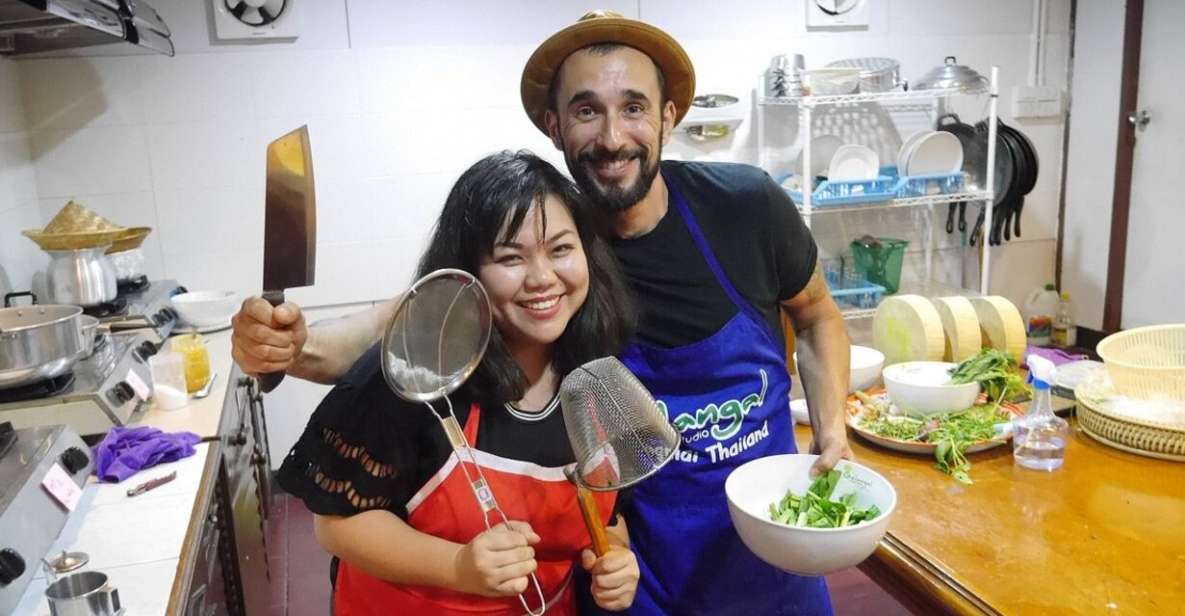
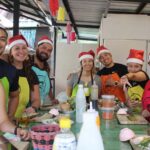
The cooking happens in an indoor kitchen with air-conditioning and a dining setup where you eat together. All ingredients and cooking equipment are included, so you’re not paying extra for missing supplies or trying to translate a shopping list.
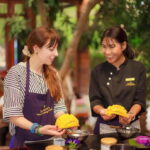
Classes are taught in English, with the instructor guiding you step-by-step. You’ll also get water, tea, and coffee during the session, which matters because you’ll be standing and tasting for a while.
The teaching style is practical rather than performance-based. You’ll learn how to handle ingredients and cook with control—timing, texture, and seasoning balance—so the final dishes taste like something you can actually repeat later.
You can also read our reviews of more tours and experiences in Chiang Mai


What you cook: menu categories and the dishes you’ll make
You’ll get to choose one dish from each category, and the class focuses on the core pillars of Thai cooking: stir-fry, soup, appetizer, plus curry/curry paste work. The experience describes learning five Thai dishes, but the practical outcome is that you’ll cook several plates you can eat together—typically framed around four main categories, with curry paste making as a featured skill.
Stir-fry choices
Pick one:
- Pad Thai (fried noodles Thai style)
- Pad See Ew (stir-fried chicken with fresh noodles)
- Kai Pad Med Mamuang Him Ma Pan (chicken cashew nut)
- Pad Kaphao Kai (minced chicken with holy basil)
Soup choices
Pick one:
- Tom Yum Kung (hot and sour prawn)
- Tom Kha Kai (chicken in coconut milk)
- Tom Kha Je (vegetarian/vegan coconut milk)
- Tom Zap Kai (hot and sour with chicken)
Appetizer choices
Pick one:
- Som Tam (papaya salad)
- Por Pia Thod (spring roll)
- Larb Kai (chicken salad)
- Yam Woon Sen (glass noodle salad)
Curry and curry paste making
Pick one from the curry options (including curry pastes):
- Kaeng Massaman (Massaman curry)
- Kaeng Kieaw Wan Kai (green curry)
- Kaeng Panaeng Kai (Panang curry)
- Khao Soi (Chiangmai noodle with chicken)
- Kaeng Ped (red curry)
- Kaeng Karee (yellow curry)
- Pad Prik Kaeng (dry red curry)
A practical tip from how the menus are structured: if you’re new to Thai cooking, choose a stir-fry you like (like Pad Thai or Pad See Ew), then pick one soup that you’d want at home, then add a fresh appetizer (Som Tam is a strong choice). Finish with a curry option you can imagine sourcing ingredients for later.
Dietary needs: the class can adjust
This activity explicitly states it’s available for vegan, vegetarian, Halal, and gluten-free diners, and it supports guests with allergies to certain ingredients. That matters because Thai cuisine often uses common items that can vary by dish—so you want a school that can swap intelligently, not just remove an ingredient at the end.
In practice, the class is set up for substitutions and alternatives. One standout theme in the guidance style is attention to individual needs—so if you tell your instructor what to avoid, the team is expected to steer you toward dishes that work.
If you have dietary constraints, I’d treat the class like a learning opportunity. Ask what you can swap and what you should keep consistent for flavor—especially for soups and curries where balance is everything.
Eating together and taking the lessons home
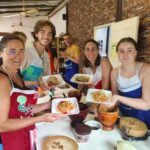
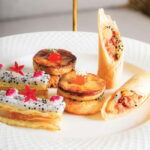
The best part of a cooking class is eating what you made, and this one builds that in. At the end, you’ll sit down and enjoy the dishes you cooked as a group. It’s a simple moment, but it’s where you confirm whether the flavors make sense to your palate.
You also receive a recipe book in PDF format, and it’s meant for bringing Thai cooking back home. Several people mention getting recipes by email too, but the guaranteed takeaway here is the downloadable recipe set.
One more real-world convenience: you can usually leave full rather than hungry for dinner afterward. And in at least some cases, the team packs leftovers so you don’t waste food or lose the “second meal” option back at your hotel.
Price and value: why $28 can feel like a steal
At $28 per person for about five hours, this class is strong value when you price it like a real activity, not just a cooking session. You’re getting:
- Hotel pickup and drop-off
- Market ingredient shopping plus an organic garden visit
- Instruction in English
- All ingredients and equipment
- Drinks (water, tea, coffee)
- A recipe book (PDF)
Many cooking classes charge extra for transfers or for “market time.” Here, the experience is built as an evening journey that starts before you cook. That’s why the value math works: you’re buying both the learning and the logistics, and you still end with food you helped prepare.
The only reason it wouldn’t feel like value is if you want a very quick, low-effort snack cooking moment. This one is a proper evening plan. Come hungry, and it turns into one of the best nights of your Chiang Mai stay.
Who should book this in Chiang Mai
This is a great fit if you want:
- A practical way to learn Thai cooking, not just watch
- A market-based ingredient introduction
- A menu with choices so you can tailor dishes to your tastes
- Support for dietary needs and allergies
- A friendly instructor-led experience in English
It’s also a solid pick for first-timers. The cooking steps are described as approachable, and the pacing is structured so even newer cooks can keep up.
If you’re traveling with mobility needs, it’s wheelchair and stroller accessible, and the pickup service can include infant seats. The cooking school is also stated to be near public transportation.
The main “don’t” in the info: this activity isn’t suitable for people with altitude sickness.
Should you book this Chiang Mai evening cooking class?
I’d book it if you want one night that covers ingredients, technique, and dinner—without needing to plan a market trip or figure out translations. The hotel pickup, the market plus organic garden context, and the menu choice all add up to an experience that teaches you how Thai food is assembled, not just how it tastes.
Skip it if you hate longer sit-and-cook sessions, or if you’re the type who wants a very hands-off demo. This is hands-on, and you’re expected to show up with an empty stomach and real curiosity.
If you’re deciding between “eat out” and “learn dinner,” this is the kind of class that makes your next meal in Chiang Mai make more sense—and gives you a recipe plan for home cooking too.
FAQ
How long is the Chiang Mai evening cooking class?
The total duration is about 5 hours.
Does the class include hotel pickup and drop-off?
Yes. Pickup and drop-off are included for many hotels in central areas of Chiang Mai, including the old city, Santitham, and parts of Huay Keaw Road. If your hotel is not covered, you’ll be informed and given the option to come by yourself.
What do I do at the market and the organic garden?
You visit a local market to see fresh ingredients and vegetables, then you also visit an organic garden where you can stroll and see how herbs and vegetables are cultivated. The market visit is included depending on interest.
What dishes can I choose to cook?
You can select one dish from each category: stir-fry, soup, appetizer, and curry/curry paste. Examples include Pad Thai or Pad See Ew (stir-fry), Tom Yum Kung or Tom Kha Kai (soup), Som Tam or spring rolls (appetizer), and curries like Massaman or green curry.
Is the class suitable for dietary restrictions?
Yes. The class is available for vegan, vegetarian, Halal, and gluten-free guests, and it can accommodate people with allergies.
Do I eat what I cook?
Yes. You cook your selected dishes and then enjoy them together at the end of the class.
What’s included in the price?
Included items are hotel pickup and drop-off, ingredients and equipment, cooking instruction, water/tea/coffee, and a PDF recipe book. The market visit is also included depending on interest.
What should I bring or avoid?
Bring any personal medication you need. Smoking indoors is not allowed, and alcohol and drugs are not allowed. You’re also advised to come with an empty stomach since dinner time typically starts around 4 or 5 pm.