REVIEW · CHIANG MAI
Chiang Mai: Ethical Half Day Elephant Sanctuary & Waterfall
Book on GetYourGuide →Operated by Joy Elephant Sanctuary · Bookable on GetYourGuide
Elephants, without the circus act. This Chiang Mai half-day program with Joy Elephant Sanctuary is built for ethical observation in the Mae Wang area, with elephants roaming near a waterfall instead of performing for you.
I like that you do real, hands-on caring steps first—helping prepare and feed the elephants—and then you simply watch them move, forage, and live their day. I also like the pacing: jungle time, a calm lunch break, then a refreshing waterfall stop with herbal tea, plus a Thai craft souvenir to take home.
The main drawback to consider is that this is still a jungle day. You’ll walk on uneven ground, and it’s not suitable for wheelchair users, so plan for solid shoes and a bit of stamina.
In This Review
- Key things I’d circle before you book
- Where Joy Elephant Sanctuary fits in your Chiang Mai plan
- Getting there: the long-ish van ride that pays off
- The elephant feeding session: how to do it the right way
- Watching elephants forage: walking with their pace, not yours
- Lunch break in Mae Wang: practical fuel before the waterfall
- Waterfall time with herbal tea: no elephant bathing, pure downtime
- The Thai handmade souvenir: Ya Dom-style herb inhalers
- Who this experience is best for (and who should skip it)
- Price and value: is $54 reasonable for what you get?
- Tips to make your day smoother (and more comfortable)
- Rating signal: 4.9 with 450 reviews for a reason
- Should you book the Chiang Mai ethical half-day elephant sanctuary?
- FAQ
- How long is the Chiang Mai Joy Elephant Sanctuary half-day program?
- Where does hotel pickup happen?
- What’s included in the price?
- Do I get to feed the elephants?
- Can I touch or pet the elephants?
- Is elephant bathing part of the experience?
- Will there be time to swim?
- What kind of souvenir craft do I make?
- What should I bring with me?
- Is this activity wheelchair accessible?
Key things I’d circle before you book
- Ethical elephant rules: no touching, no riding, and no elephant bathing; you observe and interact respectfully
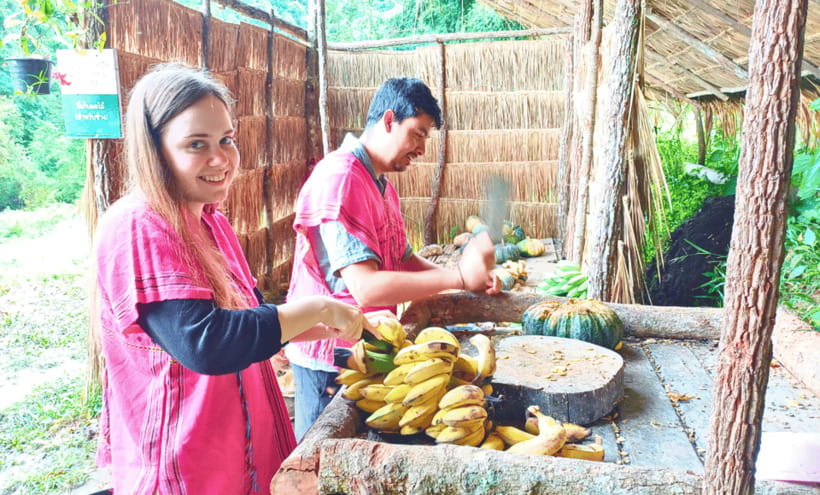
- Feeding + following the herd: you prepare elephant food, then walk alongside as they forage at their own pace
- Mae Wang District setup: a guided wildlife-viewing block with a full half-day feel
- Waterfall break with tea: relax by the waterfall area (and swimwear helps if you want to cool off)
- Lunch + towel included: you’re not just wandering—meals and basics are covered
- Thai souvenir craft: you make a handmade cultural item, described as Ya Dom herb inhaler style
Where Joy Elephant Sanctuary fits in your Chiang Mai plan
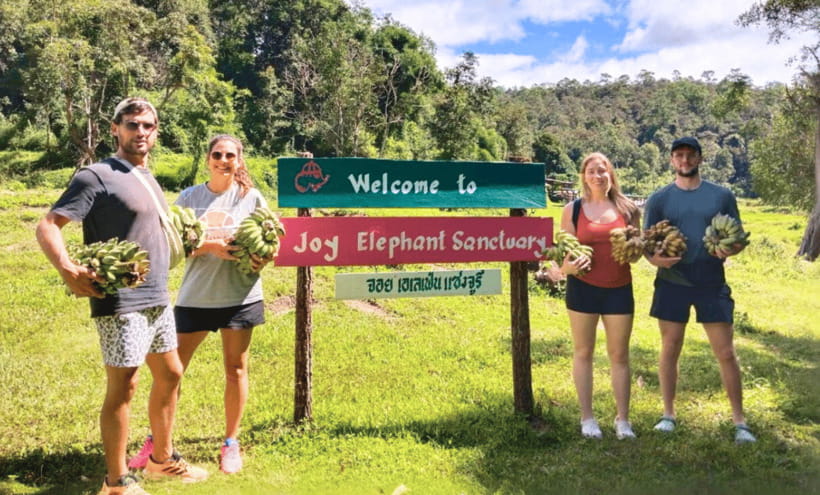
This is a half-day style experience that still feels like a full outing. You start from Mueang Chiang Mai District, then you’re transferred by minivan toward Mae Wang District. The ride takes about 1.5 hours each way, so you’re trading some “scroll time” for countryside scenery and a real change of pace.
The sanctuary day is designed around natural behavior. You’re not here for selfies with tricks or mud-pit showmanship. The focus is on observing elephants doing elephant things—walking, foraging, and using space in a way that makes sense for the herd.
If you’re trying to pick one elephant activity that leans ethical and low-pressure, this is the kind of option that usually lands well because it’s built around boundaries: close enough to notice how the elephants behave, far enough that you’re not crowding or controlling them.
You can also read our reviews of more tours and experiences in Chiang Mai.

Getting there: the long-ish van ride that pays off
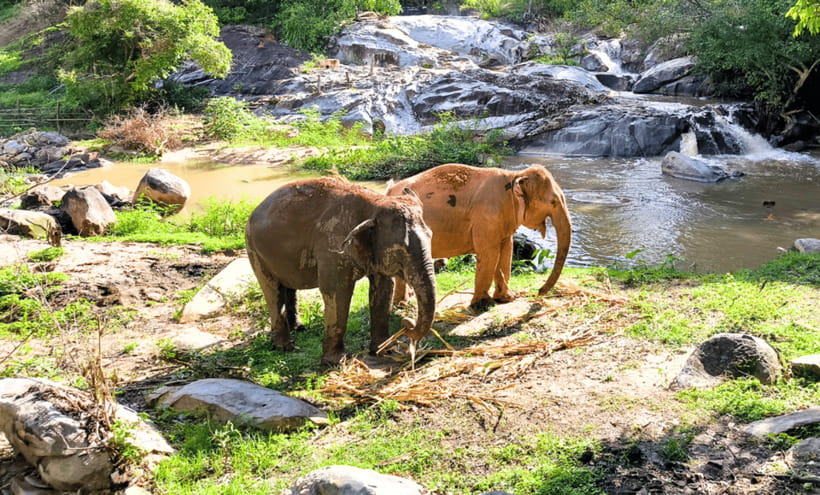
Pickup is from your accommodation area inside a 5 km radius of Chiang Mai’s Old City, using a minivan. Then you head out to the Mae Wang District. With the total schedule running about 7 hours, you should think of this as: travel time, elephant time, waterfall time, then travel home.
Some people get hung up on the drive. Here’s my practical take: yes, it’s a chunk of the day. But that same time is part of why the experience feels different from city zoos or short photo stops. You’re going somewhere calmer—closer to where the natural setting matters.
One more practical note: bring those shoes you can get slightly muddy in. The walk isn’t described as a strenuous hike, but it is in the jungle area, and comfort matters.
The elephant feeding session: how to do it the right way
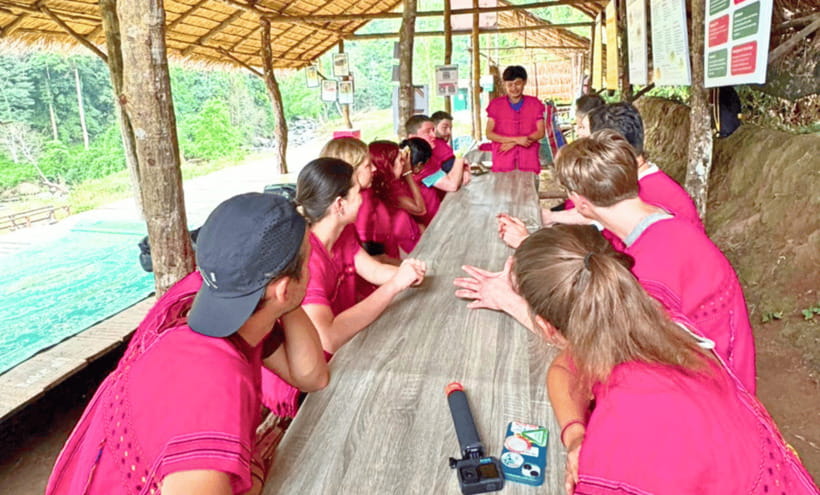
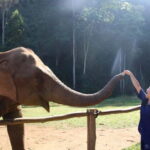
Your day starts with a guided introduction and hands-on preparation before you feed. This is one of the most meaningful parts because you’re not just watching from behind glass—you’re participating in a caregiver role under staff direction.
The rules here are what make it feel truly “sanctuary” instead of “attraction.” You’re not meant to pet the elephants, you’re not meant to ride them, and you’re not meant to treat them like theme park props. The experience is built around respect and distance—close observation, not contact.
When feeding is done responsibly, you’ll notice details you might miss otherwise:
- How elephants take food in a calm, unhurried way
- How the herd moves as a unit
- How staff keep the interaction structured so animals aren’t overwhelmed
In short, this is a chance to learn how ethical tourism works in practice, not just in marketing.
Watching elephants forage: walking with their pace, not yours
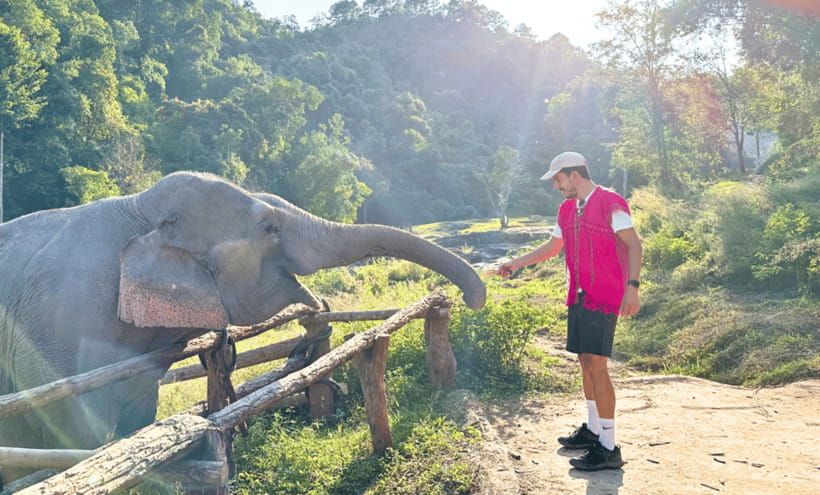
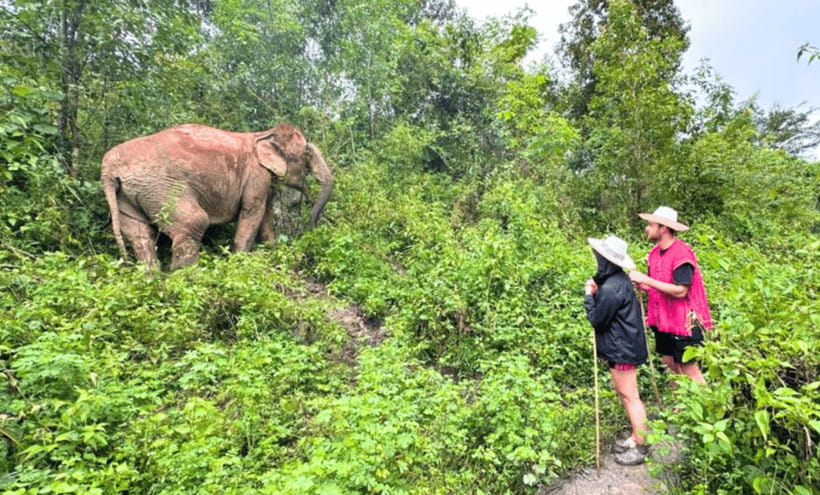
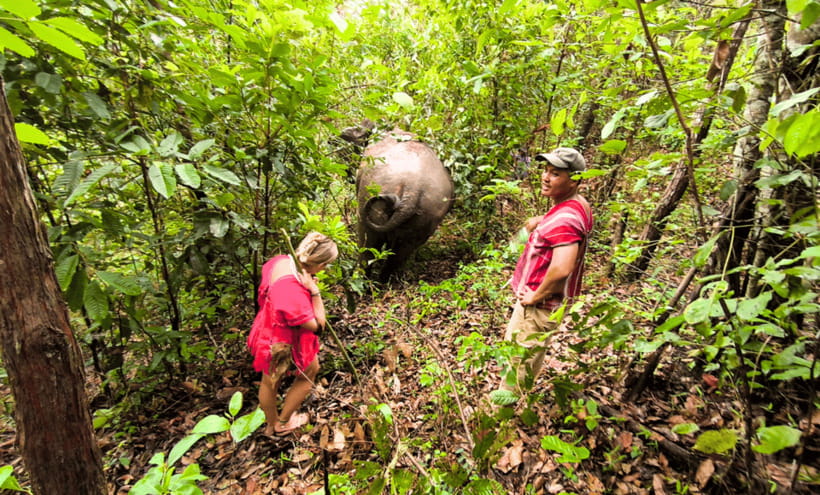
After feeding, you head into the jungle area. You’ll be guided through wildlife viewing and you may walk alongside the elephants as they forage. The big idea is simple: you follow the herd’s rhythm.
This part is often what people remember most because elephants don’t move like tour buses. They pause. They sniff. They decide. And your job is to notice rather than direct.
It also helps that the program is designed with that “keep things calm” philosophy. Many guests stress that the elephants aren’t pressured into actions like bathing or forced performance. That difference matters because it changes the entire tone of the day. It feels like you’re sharing a space responsibly, not staging a moment for your camera.
If you’re the kind of traveler who gets frustrated by rigid schedules, you’ll probably like this. The pacing is slower than the usual grab-and-go excursion.
Lunch break in Mae Wang: practical fuel before the waterfall
Lunch is included and lasts about 30 minutes. It’s served after the guided wildlife-viewing block and before the return journey to Chiang Mai.
Guests describe the meal as Thai comfort food, including pad Thai and fresh fruits. Even if you’re not a huge “lunch person” on tours, this timing is smart. You’ll want energy for the rest of the day, especially if you take photos, walk a bit, and might cool down by the waterfall area afterward.
One tip: if you’re prone to motion sickness or you tend to get hungry early, plan a small breakfast before pickup. One review detail flags that the word lunch can be a little misleading on some days, because the full meal might not happen immediately. So get your stomach ready.

Waterfall time with herbal tea: no elephant bathing, pure downtime
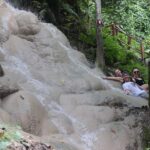
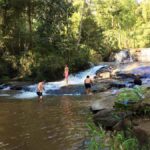
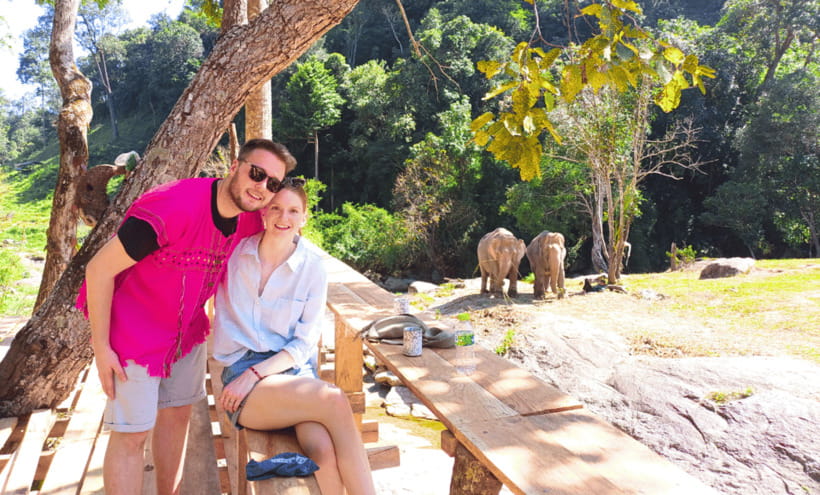
The program wraps with a break at a waterfall, paired with herbal tea. This is where your day feels like it changes gears: from “elephant focus” to “breathe and reset.”
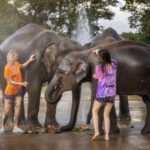
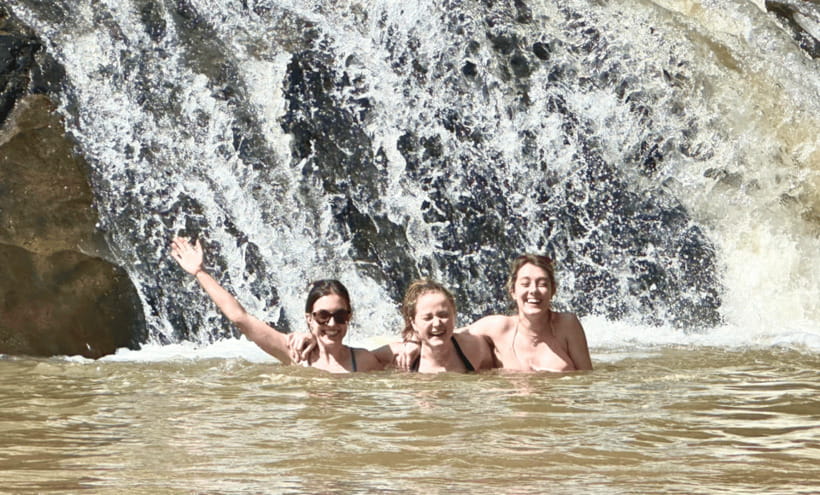
A clear rule is built in: there’s no elephant bathing. That’s important for two reasons. First, it keeps the day ethical and non-performative. Second, it means the waterfall break is about you resting and cooling off, while the elephants remain in their natural routines.
Many guests suggest bringing swimwear and sandals and some plan for changing clothes. The day includes a towel, so you’re not scrambling for basics. If conditions allow, this is typically the moment people take a dip and let the jungle heat roll off.
And if you’re worried about disappointment because a waterfall might not match the biggest-photo expectations, don’t. The value here isn’t a massive cinematic waterfall. The value is the combination: elephants nearby earlier, then a quiet nature break afterward.
The Thai handmade souvenir: Ya Dom-style herb inhalers
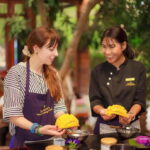
One of the nicest “not just another photo” parts of this day is the craft activity. You’ll make your own Thai cultural handmade souvenir, described as an herb-inhaler style craft often referred to as Ya Dom.
Why this is worth your time: it’s small, practical, and rooted in something local. You leave with an object you understand, made during the trip, and it becomes an easy conversation piece later.
Also, it’s a good wind-down after active parts of the day. If your legs are tired, this is a gentle ending.
Who this experience is best for (and who should skip it)
This tour fits best if you:
- Want an ethical elephant encounter focused on observation
- Prefer calm rules over crowd chaos
- Like guided structure but still want the elephants’ behavior to set the tempo
- Would enjoy nature time plus a cultural craft, not just animal photos
You might want to look at something else if you:
- Need wheelchair accessibility. This one is not suitable for wheelchair users.
- Have very limited mobility and struggle with jungle walking. Comfortable shoes are a must.
- Expect riding, bathing, or hands-on “touching” experiences. Those aren’t part of this program.
Price and value: is $54 reasonable for what you get?
At about $54 per person for a half-day elephant observation experience, the value is strong when you factor in what’s included.
You’re not only buying elephant viewing. Your package includes:
- Round-trip hotel pickup and drop-off within 5 km of Chiang Mai Old City
- An English-speaking guide
- Lunch plus water
- Elephant food
- Towel and insurance
That’s the kind of bundle that often saves you money compared to cobbling together separate transport, a meal, and a guided activity. Plus, the ethical framework reduces the chance you’ll end up with an experience that feels exploitative or rushed.
In other words: you’re paying for transportation, guidance, and the ethical “how” of elephant interaction, not just the chance to stand near elephants.
Tips to make your day smoother (and more comfortable)
Here’s how I’d prep based on what the day asks of you:
- Wear comfortable shoes you don’t mind getting wet or dusty
- Pack insect repellent and sunscreen; the jungle time means sun and bugs are real
- Bring swimwear and a change of clothes if you want the waterfall cool-off
- Plan for a bit of walking on uneven ground
- If you have allergies, bring your own medication
Also, stick to the clear rules. No pets. No explosive substances. It sounds basic, but those boundaries protect both the animals and the group.
Rating signal: 4.9 with 450 reviews for a reason
This program has a strong rating—4.9 with hundreds of ratings. The consistent themes are what you’d hope for: animals appear well cared for, guides explain elephant behavior clearly, and the day avoids the big unethical elephant practices like bathing or riding.
When a tour earns that kind of consistency, it usually means the ethics aren’t just a slogan. It’s how the day runs.
Should you book the Chiang Mai ethical half-day elephant sanctuary?
If your goal is to see elephants in a way that feels respectful—feeding, observation, and jungle foraging without riding, touching, or bathing—then yes, I’d book this. It’s a well-structured day with practical inclusions (pickup, lunch, water, towel), plus a cultural craft that gives you something meaningful to take home.
Before you click confirm, double-check you can handle jungle walking and that you fit the program’s accessibility needs. If you’re comfortable with that, you’re likely to leave with a clearer understanding of elephant behavior and what ethical tourism should look like in real life.
FAQ
How long is the Chiang Mai Joy Elephant Sanctuary half-day program?
The experience is listed as lasting about 7 hours total, with morning or afternoon session options. That total time includes transfer time from Chiang Mai.
Where does hotel pickup happen?
Pickup and drop-off are included for accommodations within 5 km of Chiang Mai’s Old City. Transport is by minivan.
What’s included in the price?
Included are hotel pickup and drop-off, an English guide, lunch, water, elephant food, a towel, and insurance.
Do I get to feed the elephants?
Yes. You’ll prepare food and feed the elephants as part of the ethical observation program.
Can I touch or pet the elephants?
The program’s activity rules emphasize respect and do not include touching/petting. Feeding and observation are the intended interactions.
Is elephant bathing part of the experience?
No. The waterfall portion is specifically noted as having no elephant bathing.
Will there be time to swim?
You’re instructed to bring swimwear, and you’ll have a break at the waterfall area. That suggests a cooling-off swim option as part of the day, aside from the no-bathing rule for elephants.
What kind of souvenir craft do I make?
You’ll craft your own Thai cultural handmade souvenir. Guests describe it as Ya Dom-style herb inhalers made from local spices and herbs.
What should I bring with me?
Bring comfortable shoes, swimwear, a change of clothes, sandals, sunscreen, and insect repellent. Also bring your own allergy medication if you need it.
Is this activity wheelchair accessible?
No. It’s not suitable for wheelchair users.