REVIEW · CHIANG MAI
Chiang Mai: Doi Inthanon Park and Pha Dok Siew Trail Trek
Book on GetYourGuide →Operated by Chiang Mai Footsteps Travel · Bookable on GetYourGuide
A cool-mountain trek in one packed day. This Chiang Mai outing combines Thailand’s highest peak, pagoda views, and a guided jungle walk on the Pha Dok Siew Nature Trail. You also get real village stops, including coffee tasting at Baan Mae Klang Luang and time around hill-tribe rice terraces.
I especially like the mix of jungle walking and cultural stops. You’re not just rushing viewpoints; you’ll also spend time at local markets and village areas, then end at Wachirathan Waterfall. The second big win for me is the small-group pace (up to 12 people) with an English-speaking guide who helps make sense of what you’re seeing.
One drawback to keep in mind: the day moves fast. The hike is 2–3 hours on narrow jungle paths, and the higher-altitude areas can be chilly or misty, which can limit summit and pagoda views.
In This Review
- Key things you’ll notice on this Doi Inthanon day
- Why Doi Inthanon feels cooler and calmer than Chiang Mai
- Getting to the park: pickup timing and the real-life drive
- Doi Inthanon summit stop: the high point, done efficiently
- Monastery and the King’s and Queen’s Pagodas: the view can change fast
- Hmong Market lunch and village shopping: where the day gets human-scale
- Pha Dok Siew Nature Trail: the highlight for many people
- Karen Hill tribe terraces: farming you can actually see working
- Baan Mae Klang Luang coffee tasting: a break with a purpose
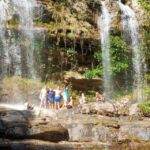
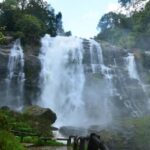
- Wachirathan Waterfall: the payoff at the end of the day
- What you should pack (and what matters most)
- Price and value: why $61 can feel like a deal
- Who should book this tour, and who might not
- Should you book this Chiang Mai Doi Inthanon and Pha Dok Siew tour?
- FAQ
- How long is the tour?
- Where does the tour start?
- Is the trek part hard?
- What’s included besides the hike?
- Do I need to pay for the national park?
- Will I have time for the pagodas and waterfall?
- What language is the guide?
- What should I bring for weather and comfort?
- Is there flexibility if my plans change?
Key things you’ll notice on this Doi Inthanon day
- Small-group touring (max 12) with an English live guide to keep the day feeling personal
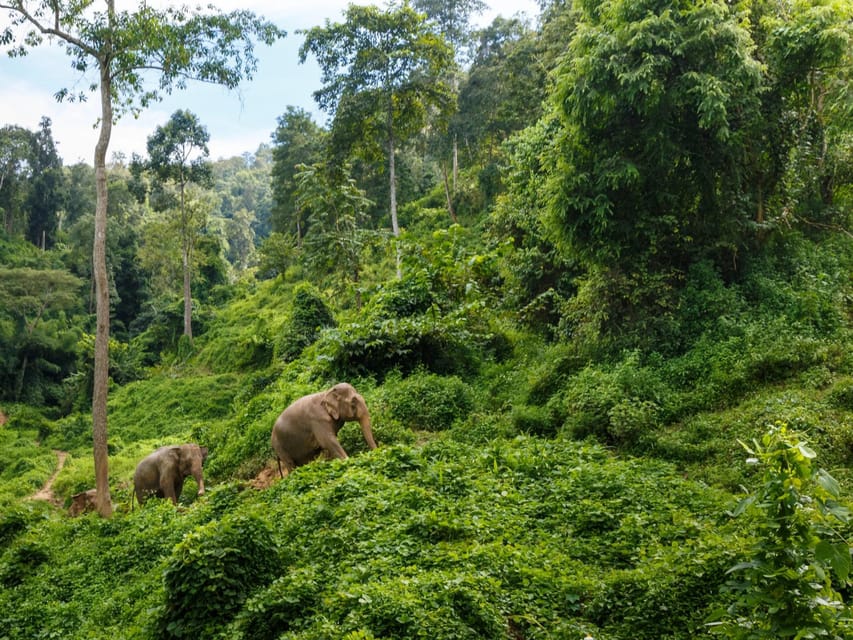
- Pha Dok Siew Nature Trail for a calmer, scenic jungle hike with plenty of photo stops
- Hill-tribe experiences: Karen terrace farming and village areas you can actually wander through
- Doi Inthanon highlights in one loop: summit, monastery stop, King’s and Queen’s Pagodas
- Coffee tasting at Baan Mae Klang Luang that feels tied to the setting instead of tacked on
- Wachirathan Waterfall as a satisfying finishing point, often more impressive in rainy weather
Why Doi Inthanon feels cooler and calmer than Chiang Mai
Chiang Mai is warm, busy, and flat-out loud in the best way. Then you ride up into Doi Inthanon National Park, where the air turns noticeably cooler and the pace shifts. Even the short scenic stops feel like they sit inside a different mood, not just a checklist.
I like that this tour keeps that “up in the mountains” feeling for most of the day. You get the high-peak moment, the forest trail, and then the waterfall payoff, all without having to plan transport or timing on your own.
You can also read our reviews of more hiking tours in Chiang Mai
Getting to the park: pickup timing and the real-life drive
The day starts early. Pickup is optional, and if you use it you’ll be collected sometime between 7:00 and 7:30 AM, with the tour starting at Baan Meesuk in Chiang Mai old town if you’re meeting there.
You’ll be in a van for travel time along the way (the route includes a longer drive segment), and traffic on the return can affect how quickly you get back into the city. The good news is the format is built around one full-day loop, so you’re not hopping between multiple operators or coordinating schedules.
Practical tip: if you’re sensitive to long drives, bring water and something simple to snack on. Even with included lunch, you don’t want to hit the trail hungry.
Doi Inthanon summit stop: the high point, done efficiently
Thailand’s highest peak is the headline: Doi Inthanon rises to about 2,565 meters. On this tour, you’ll get a brief summit visit (around 15 minutes) with scenic viewing on the way.
That short timing is exactly what you want if you’re trying to fit more than one highlight into a day. It’s not meant to turn into a long summit expedition, but it still gives you the sense of reaching the top—plus the photos you’ll want even if the weather is foggy.
Bring a light jacket. Temperatures can drop at higher altitudes, and reviews also flag that mist can limit visibility on certain days. If you end up in cloud cover, treat the summit as a viewpoint for atmosphere, not just a clear panorama.
Monastery and the King’s and Queen’s Pagodas: the view can change fast
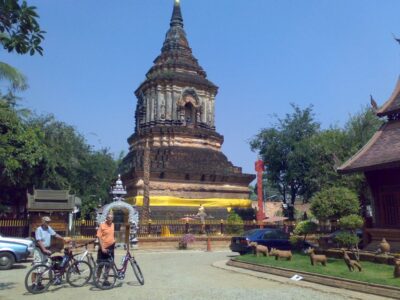
After the summit area, the route includes a monastery sightseeing stop (about 30 minutes). This part helps break up the drive and gives you a calmer pause before you head into the more active section of the day.
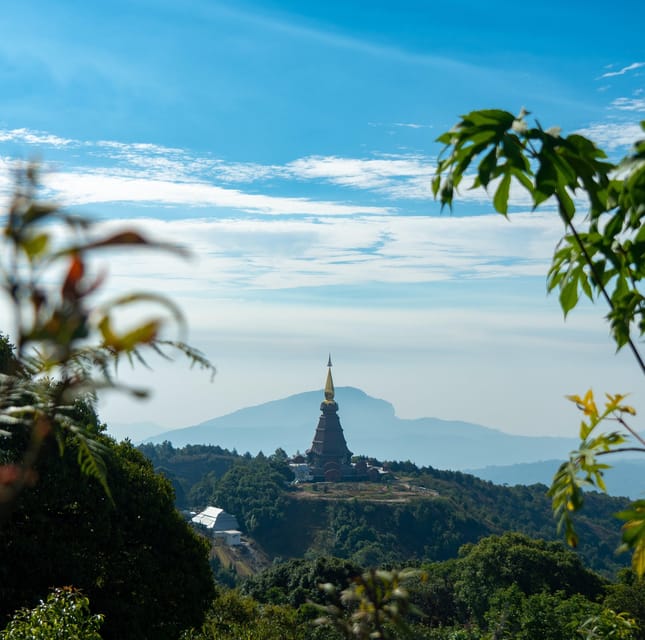
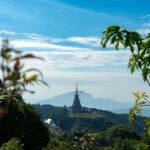
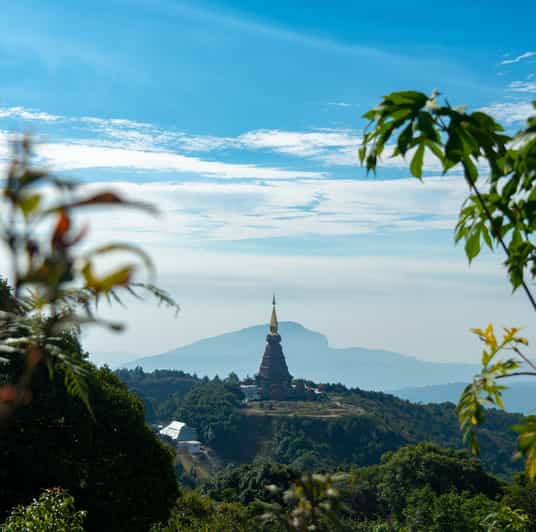
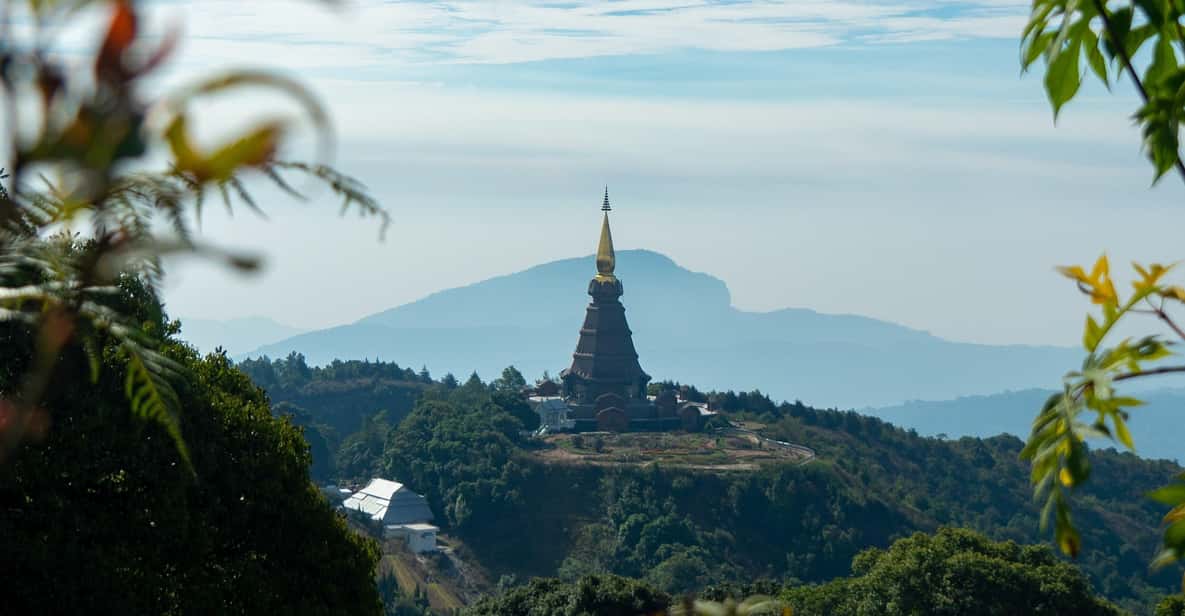
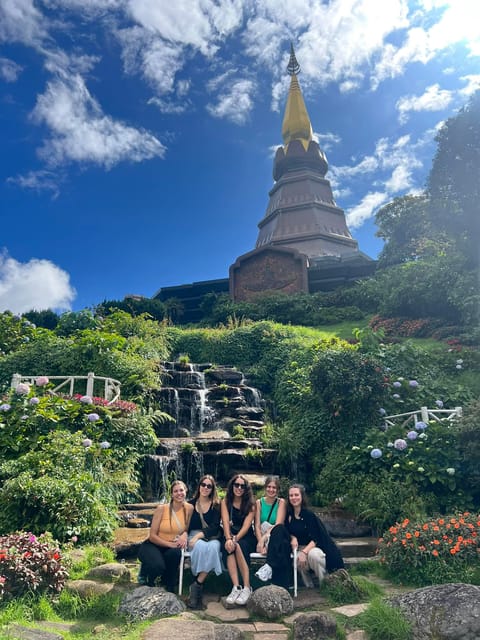
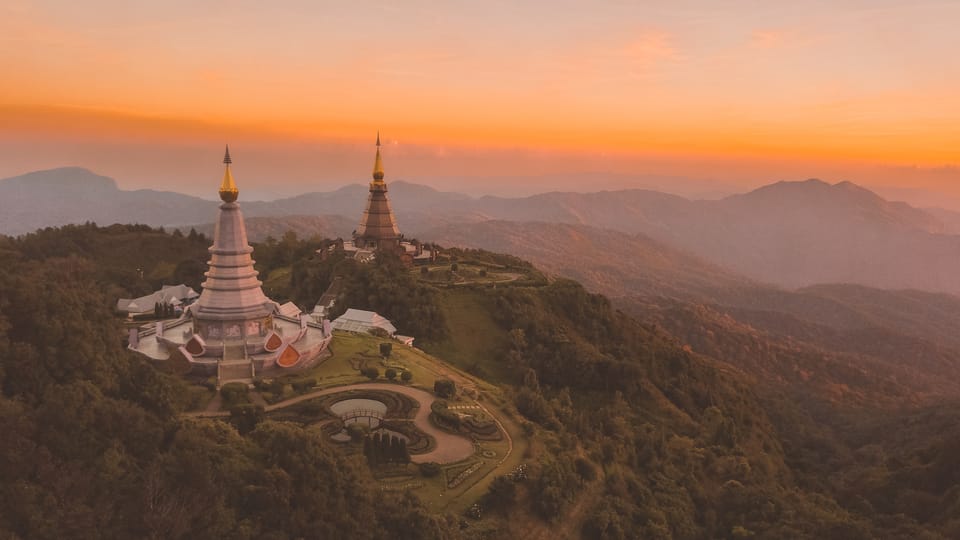
Later, you’ll see the King’s and Queen’s Pagodas, two of the most recognizable monuments in the park area. They’re designed for viewing, but weather plays a big role. If the day is misty or rainy, you might see less of the valley—still beautiful, just less dramatic.
This is one of those places where a short visit is normal, so don’t expect “slow travel” pacing. Think of it as a meaningful stop, then move on.
Hmong Market lunch and village shopping: where the day gets human-scale
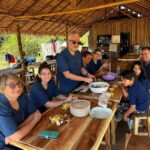
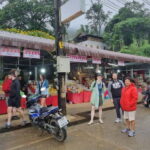
Your lunch is part of the village experience. The plan includes a traditional village stop for shopping (around 15 minutes), then lunch in a village area (about 30 minutes). You’ll also have time connected to the Hmong Market for local food and products.
I like the way this gives you a break from constant movement. You’re not only eating; you’re also seeing what people are buying and using—fresh produce, seasonal fruits, and little items you can take home.
A quick caution: village stops can be short, and some areas are geared toward visitors. Still, you can make it feel more real by taking your time with what’s offered and asking basic questions through your guide—where ingredients come from, what the seasonal produce is, and what villagers grow here.




Pha Dok Siew Nature Trail: the highlight for many people
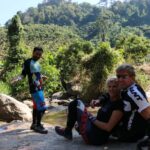
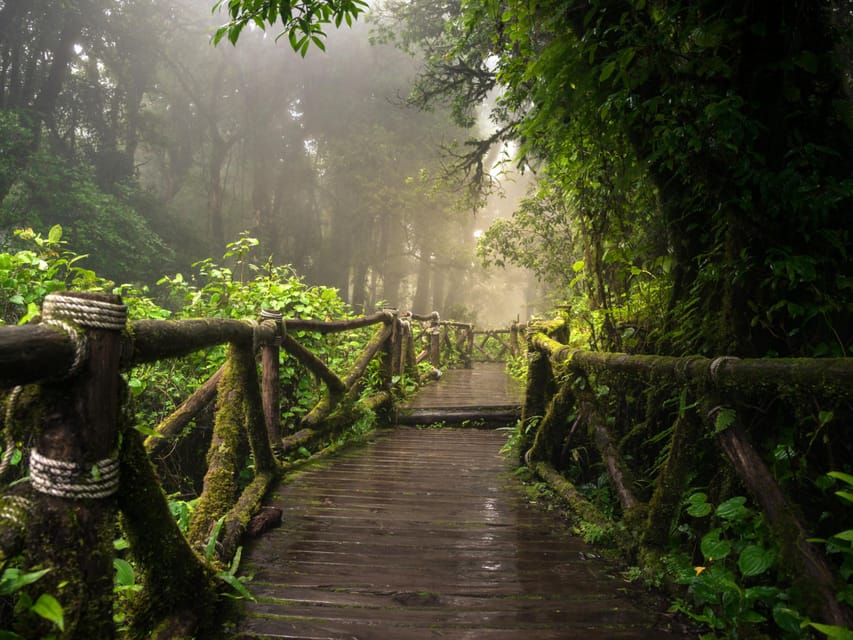
If you want the most “in-the-forest” portion of the day, it’s the Pha Dok Siew Nature Trail. It’s guided, with hiking and scenic views along the way, and it typically takes about 2 hours on the schedule (the overall trek window is stated as 2–3 hours, depending on pace and conditions).
This walk is described as serene and beautiful, but it’s not a stroll. The paths can be narrow and jungle-like, so hiking shoes matter. The good part is that the route isn’t presented as extreme, and many people find it enjoyable rather than punishing.
My favorite practical takeaway here: plan for uneven footing and keep your pace steady. If it has rained, some sections can be slick. Wear footwear you trust, and use insect repellent. In a humid forest, you’ll appreciate not having to think about bugs every five minutes.
Karen Hill tribe terraces: farming you can actually see working
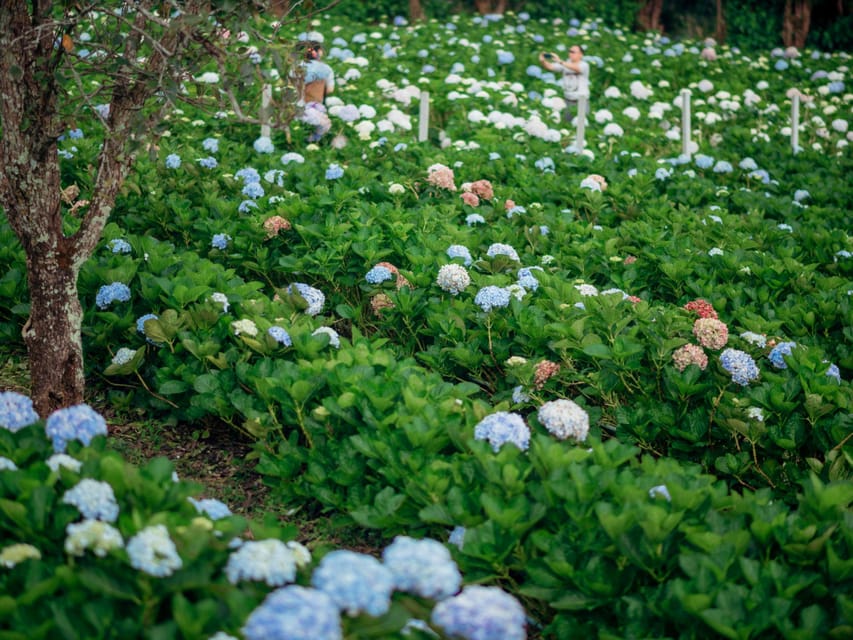
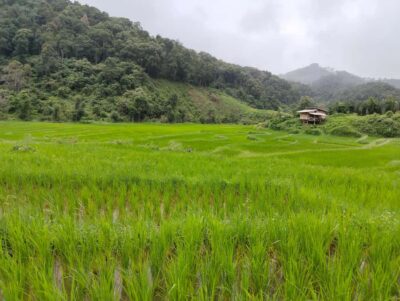
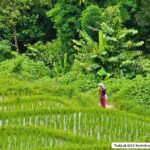
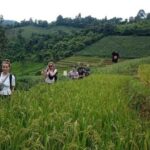
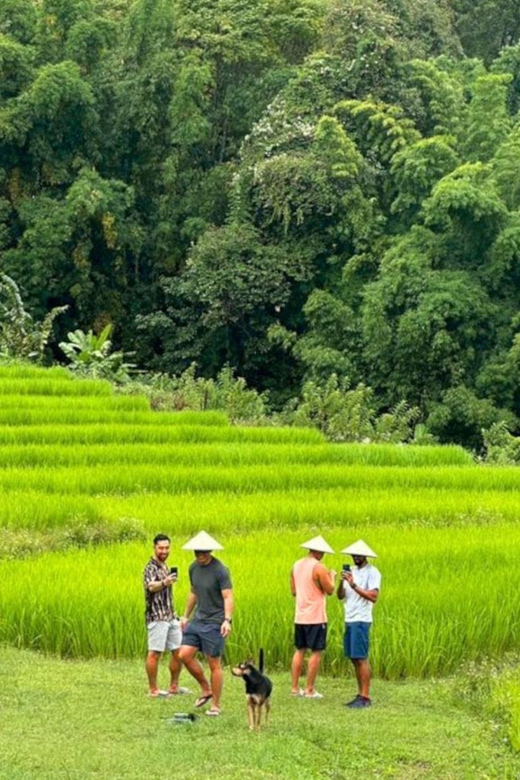
After the forest walk, the tour includes visiting the Karen Hill tribe area, with a focus on traditional farming methods on terrace rice fields. This is one of the cultural elements that feels tangible because you’re seeing the landscape as something people work with daily.
Even if parts of the visit are tailored to visitors, the core idea is clear: terraces are not decoration here. They’re a practical solution that helps manage water and soil on steep ground, and your guide can point out how the farming fits the local environment.
What makes this stop valuable is the contrast with the trail. On the walk, you’re watching forest life. At the terraces, you’re seeing how people shape the land to make food possible in these mountain conditions.
Baan Mae Klang Luang coffee tasting: a break with a purpose
Next comes coffee tasting at Baan Mae Klang Luang. This is a short, focused experience (around 15 minutes) where you can sample freshly brewed coffee in the hills.
This stop works well in the tour rhythm. After hiking and village visits, you get a warm, calming moment that still relates to the region. If you like coffee (or just enjoy learning where flavors come from), this is the kind of tasting that feels more grounded than a generic souvenir stop.
Tip: treat it as part of the cultural experience, not only a drink. Ask your guide what makes local coffee different, and how people handle the process from plant to cup.
Wachirathan Waterfall: the payoff at the end of the day
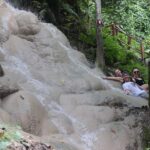
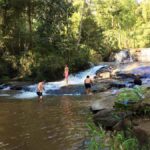
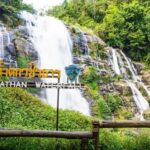
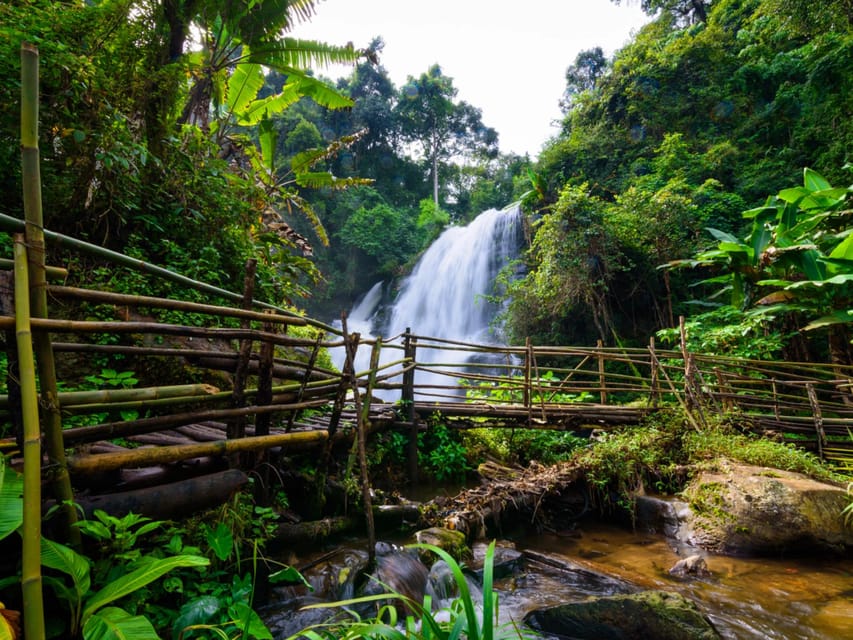
Wachirathan Waterfall is the final big sightseeing hit. The schedule gives you a visit with scenic viewing on the way (about 15 minutes listed), and then you head back to Chiang Mai.
Waterfall timing matters. When it’s raining, the falls can be louder and more powerful, and the spray can be part of the fun. When visibility is limited, you may need to accept that the photos won’t be postcard-perfect, but the sound and force are still memorable.
One practical note: you might want to wear shoes that can handle wet surfaces. Even if the walk is short, you don’t want to worry about slipping or soaking your footwear.
What you should pack (and what matters most)
The tour gives a clear packing list, and I agree with it. Wear comfortable clothes that can get dirty, and bring insect repellent, a hat, sunglasses, sunscreen, and a camera.
For shoes, plan for hiking footwear. The Pha Dok Siew trail involves narrow jungle paths, and you’ll feel better with grip and ankle support.
Also pack a light jacket or long-sleeve layer. Higher altitudes can feel cold, and misty mountain weather can creep in fast.
If you want the day to feel smooth, also bring water. The plan includes lunch and coffee tasting, but you’ll still want hydration before and during the trail portion.
Price and value: why $61 can feel like a deal
At about $61 per person, this tour packs in a lot of built-in value. You’re paying for hotel pickup and drop-off, van transport, a guide, national park admission, lunch, coffee tasting, and travel accident insurance.
For a day that includes the summit area, pagodas, a guided jungle hike, market time, a village lunch, a coffee tasting, and Wachirathan Waterfall, the pricing makes sense. The key is the structure: one day, one route, one guide, and multiple major stops without you having to arrange transport or park entry yourself.
Small group size (max 12) also matters. It usually means less waiting and a better chance to ask questions during the trail and village visits.
Who should book this tour, and who might not
This tour is a great fit if you want a full Chiang Mai mountain day with a real trail experience and cultural stops. It’s especially good for nature lovers who still want more than walking in the woods, like markets, terraces, and coffee tasting.
If you have mobility impairments, the hike and terrain make it not suitable. Even if the trail isn’t described as brutally hard, the narrow paths mean you’ll need stable footing.
Also consider weather. If you hate cold mornings or fog, you’ll still be fine with the right clothing, but you may get less dramatic views from the summit and pagoda areas.
Should you book this Chiang Mai Doi Inthanon and Pha Dok Siew tour?
I’d book it if you want one day that covers the park’s big hits without feeling like you’re doing separate day trips. The combination of Pha Dok Siew’s guided trail plus the village and coffee experience makes it feel balanced, not just scenic.
I’d think twice if you prefer slow pacing and long stays at fewer places. The day is active and time is limited at each stop, so it rewards people who like variety and moving through a route.
If you’re aiming for the best mix of mountains, forests, waterfalls, and hill-tribe culture from Chiang Mai, this is a solid choice.
FAQ
How long is the tour?
The experience runs for one day.
Where does the tour start?
You can meet at Baan Meesuk in Chiang Mai old town, or choose hotel pickup (pickup is between 7:00 AM and 7:30 AM).
Is the trek part hard?
The Pha Dok Siew Nature Trail takes about 2–3 hours and uses narrow jungle paths. Comfortable hiking shoes and insect repellent are important. The tour is not listed as suitable for mobility impairments.
What’s included besides the hike?
Lunch, coffee tasting at Baan Mae Klang Luang, guide service, national park admission, hotel pickup and drop-off, and travel accident insurance are included.
Do I need to pay for the national park?
National park admission for Doi Inthanon National Park is included.
Will I have time for the pagodas and waterfall?
Yes. The route includes the King’s and Queen’s Pagodas area and a visit to Wachirathan Waterfall near the end of the day.
What language is the guide?
The live guide speaks English.
What should I bring for weather and comfort?
Bring a hat, sunglasses, sunscreen, jacket (temperatures can drop higher up), hiking shoes, insect repellent, and comfortable clothes that can get dirty.
Is there flexibility if my plans change?
Free cancellation is available up to 24 hours in advance for a full refund, and there’s also an option to reserve now and pay later.