REVIEW · CHIANG MAI
Chiang Mai: 2-Days Chiang Mai Amazing Trek
Book on GetYourGuide →Operated by Thai Eco Trek Adventures · Bookable on GetYourGuide
Two days, and Chiang Mai changes shape. I love the contrast of Doi Suthep Temple views with quiet forest stops, and I also like the real-life rhythm of a Karen hill tribe homestay with a home-cooked meal. The one drawback to plan for: the trekking is moderate and the overnight stay is basic, so you’ll want the right gear and comfort items.
You’ll also get a very hands-on feel for northern Thailand—temples in the mountains, trails through green countryside, and a bamboo raft float that slows everything down. If you’re the type who likes learning by walking (plants, herbs, farming practices, and local wildlife), this tour is built for you.
In This Review
- Key things to know before you go
- Why this 2-day Chiang Mai trek feels different
- Doi Suthep Temple and Wat Pha Lat: mountain spirituality, two very different moods
- Day 1 forest trek: riverside paths, terraced farmland, and a hidden waterfall
- Karen hill tribe homestay: cozy evening comfort with basic basics
- Day 2 jungle trek: streams, waterfalls, and herbal medicine lessons
- Bamboo rafting on a traditional raft: calm river time after two active days
- Price and value: is $108 worth a temple, homestay, trekking, and rafting?
- What to bring (and what you’ll be glad you packed)
- Who should book this tour (and who should skip it)
- Should you book Chiang Mai: 2-Days Chiang Mai Amazing Trek?
- FAQ
- How long is the Chiang Mai eco trekking experience?
- What’s included in the price?
- Is the trek difficult?
- Where do you stay overnight?
- What meals are provided?
- Do I need to bring my own gear?
- Is the tour guided in English?
Key things to know before you go
- Doi Suthep + Wat Pha Lat: a famous temple plus a quieter jungle retreat
- Forest trekking with waterfall stops: paths with streams, terraced farmland, and nature lessons
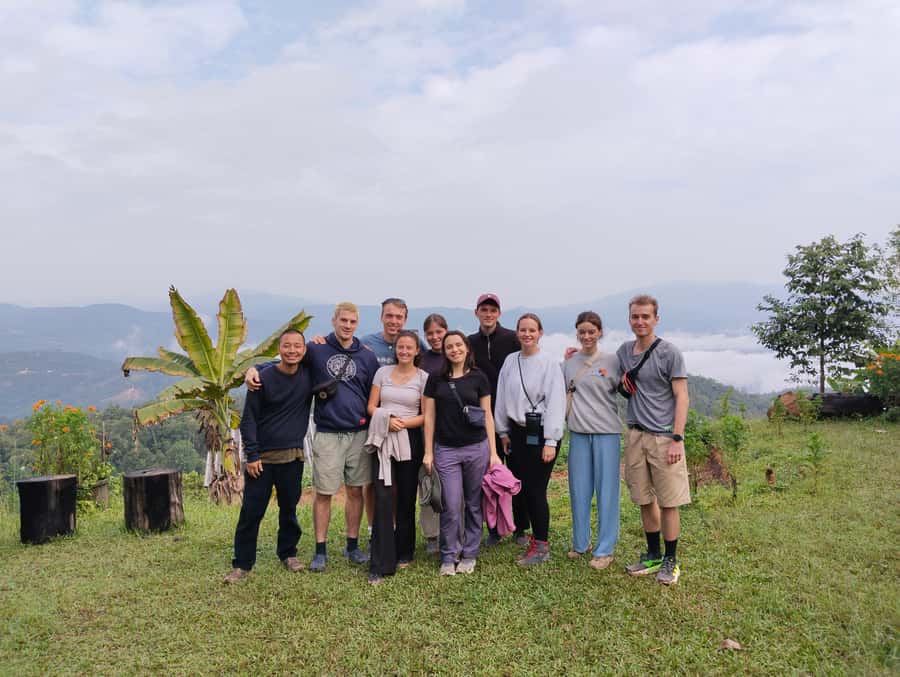
- Karen hill tribe homestay: meet the community and eat what’s cooked at home
- Herbal medicine and biodiversity talk: practical field learning, not classroom stuff
- Traditional bamboo rafting: a gentle river finale with wildlife-spotting opportunities
- Bring comfort items for the night: basic accommodation means you should pack for it
Why this 2-day Chiang Mai trek feels different
This is not just a sightseeing loop. It’s a short, focused eco-trek that mixes big-name mountain temples with real countryside walking, then ends with a calm bamboo rafting ride. You get to see how people live when the day isn’t built around tourist checkpoints.
What I like most is the pacing. You’re active, but there are nature breaks built into the route—waterfalls, riverside sections, and scenic farmland. That keeps it from feeling like nonstop effort, and it makes the learning moments land better. You also spend a night in a hill tribe village, which changes the whole feel of the trip from daytime entertainment to an actual community experience.
The trade-off is comfort. The homestay is basic, and that’s part of the deal. If you come in expecting a hotel bed and modern bathroom comforts, you’ll be disappointed. If you come in ready for simpler lodging and a genuine rural evening, you’ll probably love it.
You can also read our reviews of more hiking tours in Chiang Mai
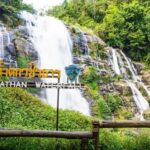
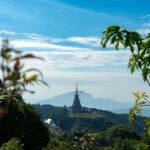
Doi Suthep Temple and Wat Pha Lat: mountain spirituality, two very different moods
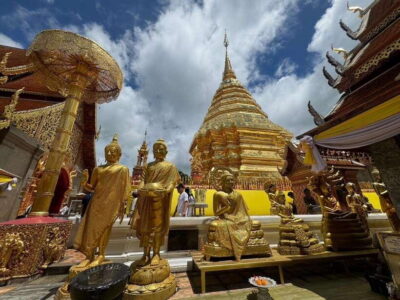
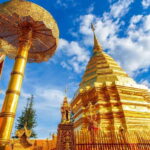
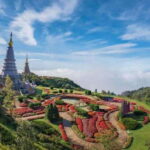
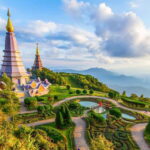
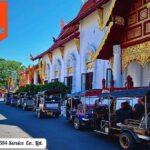
Day one starts by taking you up the mountain to Doi Suthep Temple, one of Chiang Mai’s most iconic religious sites. Expect sweeping views over the region and a chance to appreciate the Lanna-style architecture and the spiritual weight of a place locals respect.
Then you shift to something quieter: Wat Pha Lat, a peaceful temple experience tucked into a natural setting. This contrast matters. Doi Suthep gives you the major landmark energy and the panorama. Wat Pha Lat gives you calm and a more retreat-like mood—less about crowds, more about atmosphere.
Practical tip: bring something for sun exposure. The temple portion is on mountain terrain with outdoor time, and you’ll want a hat and sunscreen to stay comfortable during photo breaks.
Day 1 forest trek: riverside paths, terraced farmland, and a hidden waterfall
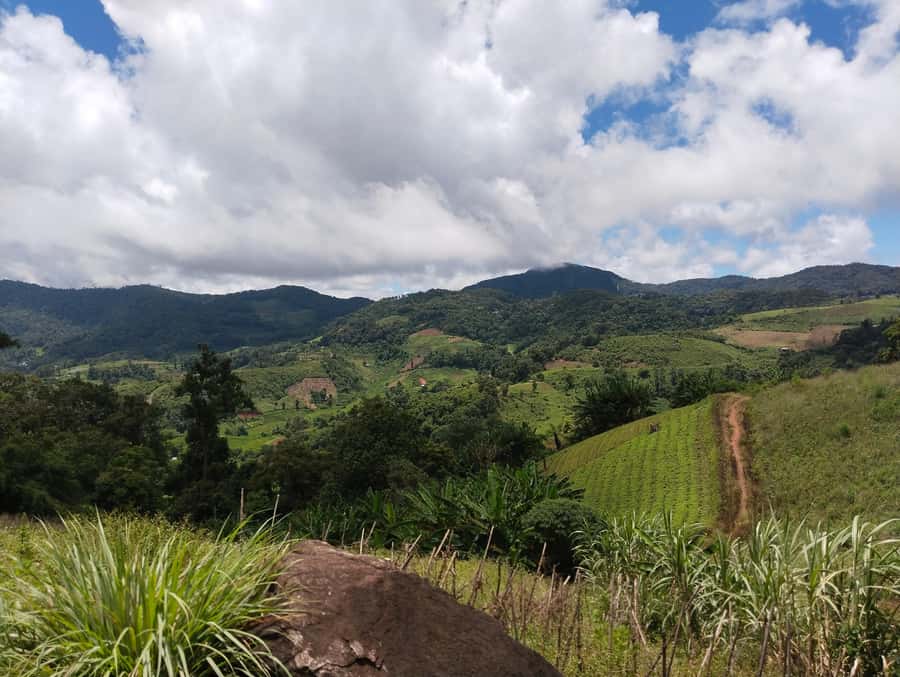
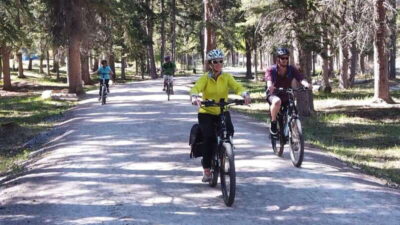
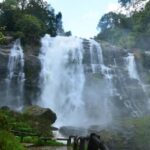
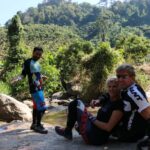
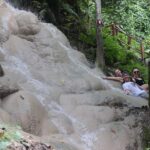
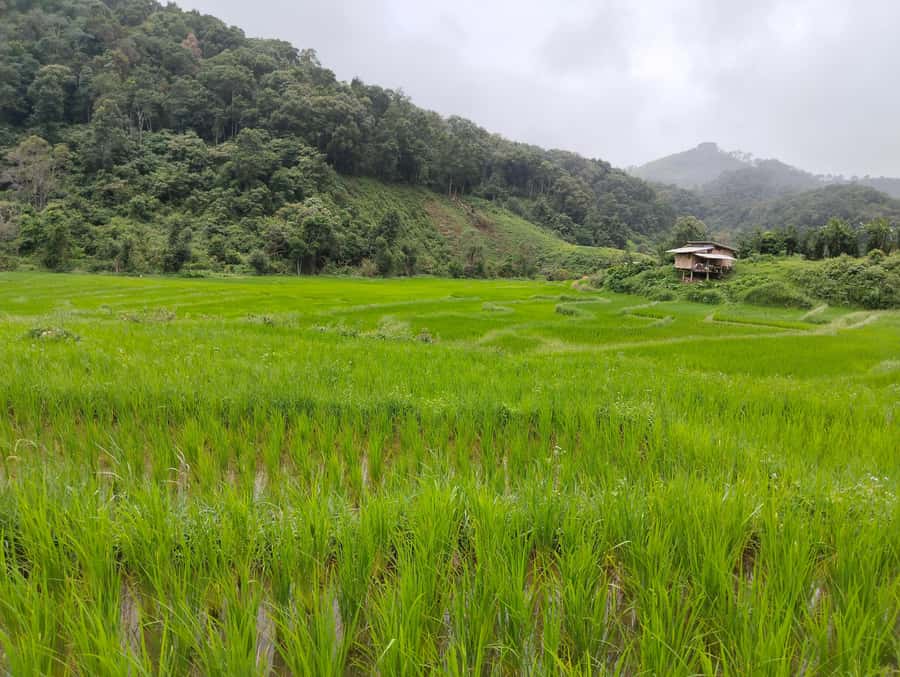
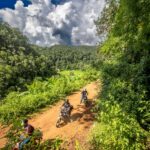
After the temple time, you move into the trekking portion through lush forest and countryside trails. The route follows riverside walking and turns into a hike toward a hidden jungle waterfall. Even when the path is steady, you’ll be walking on mountain terrain, so sturdy footwear matters more than you’d think.
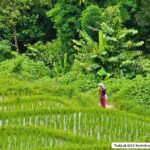
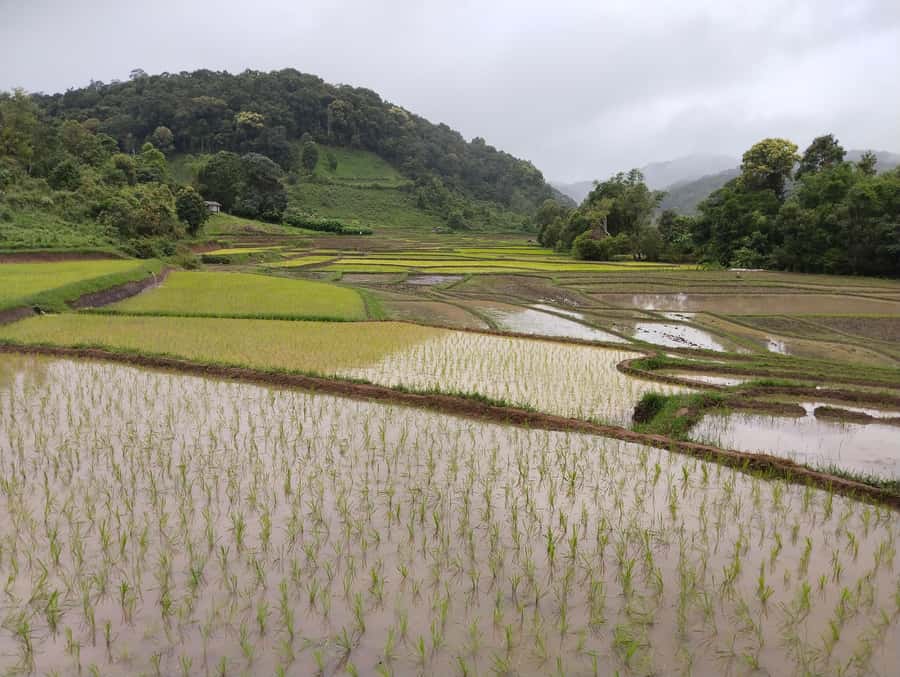
One of the best parts of day one is the way it connects nature to daily life. Along the trails, you’ll get explanations tied to what you’re actually seeing—native plants, local ecosystems, and sustainable farming practices. The terraced farmland stops aren’t just for photos; they explain how the landscape is shaped for growing food on hillside slopes.
Here’s the reality check to plan for: the trek is described as moderate physical activity. It’s not sold as technical mountaineering, but it is mountain hiking. If your shoes are wrong or you’re underprepared for uneven ground, you’ll feel it.
Also, keep your water handy. A bottle is essential here, especially with humid forest air and sun exposure in open temple sections.
Karen hill tribe homestay: cozy evening comfort with basic basics
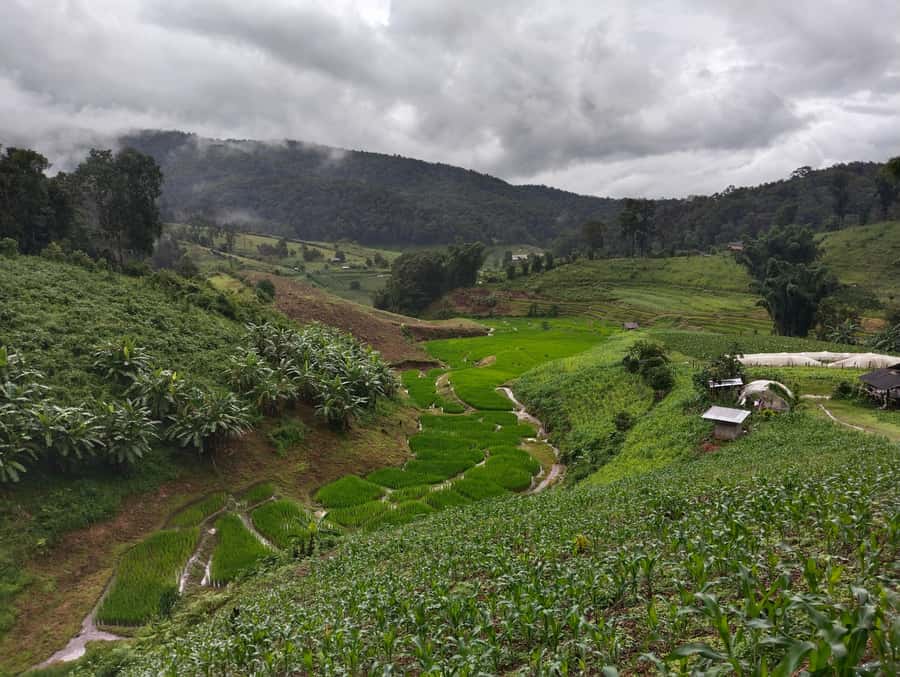
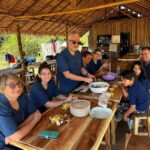
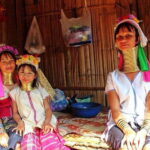
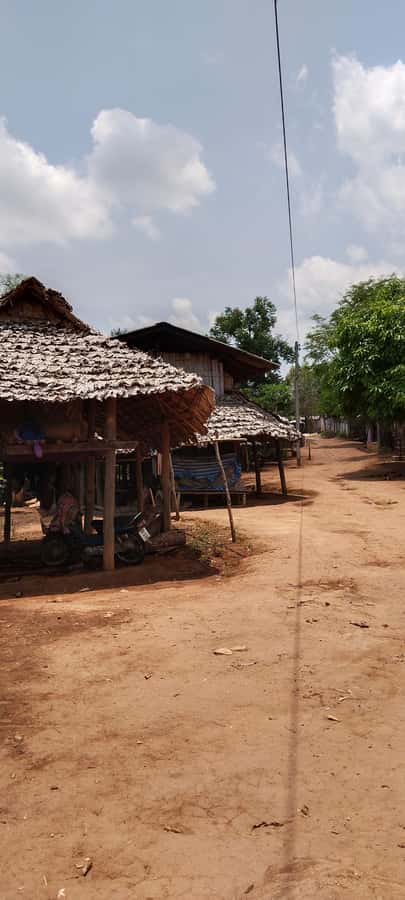
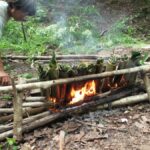
At the end of day one, you arrive in a Karen hill tribe village surrounded by mountains. This is where the trip becomes personal. You meet locals, then you share an evening meal that’s cooked at home.
The overnight setup is basic. Think cozy, but not hotel-style. One helpful piece of advice: the homestay may feel more like a simple village shelter than a traditional guest room. If you rely on specific comfort items, pack for it—soap, a towel, and toilet paper can make a big difference.
You’ll also likely sleep under stars and in a setting where insects are part of the environment. One group experience notes a mosquito net was available, which is a big plus. Still, insect repellent and breathable clothes are smart, because no one wants to spend the evening swatting bugs.
The upside? The dinner and breakfast are a real window into how the community hosts visitors. The meals aren’t described as buffet-style restaurant choices. They’re home-cooked and tied to local rhythms—exactly why many people book this tour in the first place.
Day 2 jungle trek: streams, waterfalls, and herbal medicine lessons
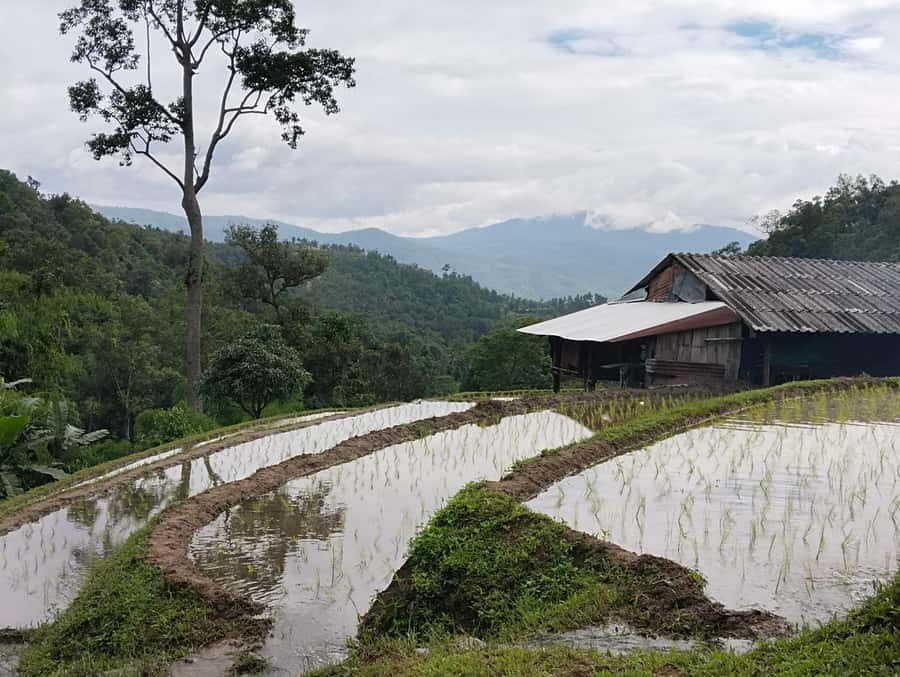
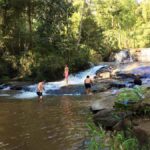
Day two begins with a homemade breakfast in the village, then you head back out into forest terrain. This half of the tour keeps you away from main roads and into smaller trails—winding paths, small stream crossings, and additional waterfall stops as you go off the beaten route.
This is also where the education angle becomes more practical. You learn about local herbal medicine and how the region’s plants connect to everyday knowledge and biodiversity. It’s the kind of information that makes you look at the forest differently after you’ve been walking in it for hours.
If you’re traveling with kids or you want a gentler pace, the structure includes waterfall pauses and changing terrain, which can help break up the effort. The trekking is still moderate, but those natural “checkpoints” keep energy up.
What to watch: small stream crossings can be slippery if the ground is wet. Wear shoes with grip and bring clothes that handle damp conditions. You don’t need to dress for polar expeditions, but you do want comfort that doesn’t punish you when the trail shifts.
You can also read our reviews of more tours and experiences in Chiang Mai

Bamboo rafting on a traditional raft: calm river time after two active days
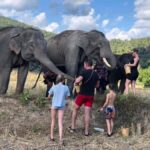
After the second trek portion and a Thai lunch in a relaxed setting, you switch to the slower side of the trip: bamboo rafting. You’ll float downriver on a traditional bamboo raft through jungle scenery, with a chance to spot local wildlife along the way.
This part works because it functions like recovery. You’ve already walked and climbed on day one and day two. The rafting is described as gentle and scenic, so it’s a chance to breathe, take photos, and settle your body after the hike.
Practical advice: treat it like a warm-weather water activity. You’ll want your essentials ready—sunscreen, hat, and a camera strategy that accounts for splashes and movement. If you’re sensitive about getting wet, keep that in mind when you pack.
Price and value: is $108 worth a temple, homestay, trekking, and rafting?
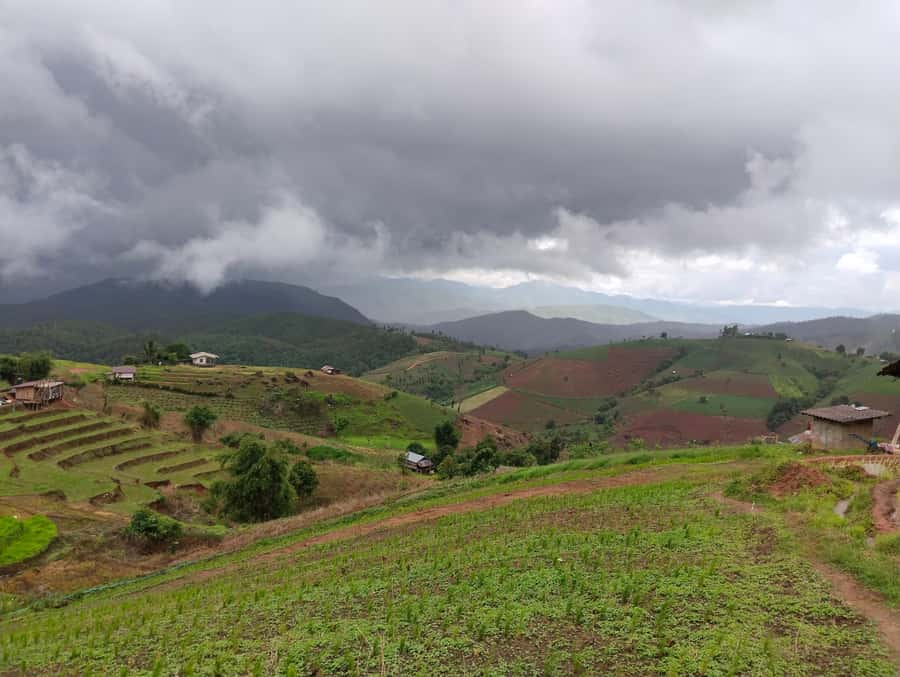
At around $108 per person, this tour packs in a lot for a short trip: hotel pick-up and drop-off, an English-speaking live guide, meals on both days (lunches, plus dinner and breakfast), plus the paid experiences—eco trekking, Doi Suthep Temple, Wat Pha Lat, local market time, Karen village homestay, and bamboo rafting.
Where the value really shows up is in the mix. You’re paying for more than transportation and a couple temple photos. You’re paying for:
- guided time during hikes (where safety and interpretation matter),
- community-based overnight lodging (instead of just day trips),
- and the bamboo rafting experience (not just walking beside a river).
If your travel style is “short on time, heavy on meaningful experiences,” the price makes sense. If you’re hoping for hotel-level comfort and minimal walking, it will feel less like a bargain and more like an upgrade you don’t need.
What to bring (and what you’ll be glad you packed)
This tour is simple on paper, but your comfort depends on smart packing. Use the official “bring” list as a baseline, then add a few practical extras based on what’s helpful in basic village stays.
Bring:
- Comfortable shoes with grip (non-negotiable for mountain trails)
- A hat and sunscreen for outdoor temple and forest time
- Water (you’ll want it during hikes)
- Insect repellent
- Comfortable clothes you can get a little dusty
- Camera
Also consider comfort items for the homestay. If you value cleanliness and small daily routines, packing soap, a towel, and toilet paper can make the overnight portion much easier to enjoy.
One last practical thing: keep your day bag organized. You’ll bounce between temple areas, forest walking, and river time. If you hunt for items constantly, you lose the whole relaxed rhythm.
Who should book this tour (and who should skip it)

This tour is a great fit if you:
- want a real eco-trek vibe without technical hiking demands,
- like combining temples with countryside walking,
- enjoy learning by seeing plants, farms, and herbs in context,
- and you’re comfortable with basic accommodation for one night.
You might skip it if you:
- need hotel-standard bedding and bathrooms,
- have very limited mobility and can’t handle moderate mountain paths,
- or you’re not excited about outdoor trekking and insect conditions.
If you want one trip that gives Chiang Mai more than just a city-highlight list, this delivers.
Should you book Chiang Mai: 2-Days Chiang Mai Amazing Trek?
I’d book it if you’re traveling with a mindset like yours: short on time, but big on experiences that feel grounded in northern Thailand. The combination of Doi Suthep, the quieter Wat Pha Lat, a Karen village homestay, waterfall treks, and a bamboo raft finish is a strong package for the money.
Just go in prepared. Good shoes, insect repellent, and basic-homestay comfort items make the difference between a “great story” and a “why didn’t I pack better” moment. If you do that, you’ll leave with a very specific kind of memory: temple views in the clouds, forest trails underfoot, and an evening that feels more like visiting a community than buying a postcard.
FAQ
How long is the Chiang Mai eco trekking experience?
It runs for 2 days.
What’s included in the price?
The tour includes hotel pick-up and drop-off, a live tour guide, lunch on both days, dinner on day one, breakfast on day two, eco trekking, bamboo rafting, visits to Doi Suthep Temple and Wat Pha Lat, a local market visit, and a hill tribe village homestay.
Is the trek difficult?
The trek involves moderate physical activity. It’s not described as technically difficult, but it does include mountain paths.
Where do you stay overnight?
You stay overnight in a Karen hill tribe village. Accommodation is basic.
What meals are provided?
You get lunch on both days, dinner on day one, and breakfast on day two.
Do I need to bring my own gear?
Yes. Bring comfortable shoes, a hat, camera, sunscreen, water, comfortable clothes, and insect repellent.
Is the tour guided in English?
Yes, the tour language is English.