REVIEW · CHIANG MAI
Chiang Mai 2-Day: Good Morning Elephant & Overnight Homestay
Book on GetYourGuide →Operated by PON ELEPHANT (THAILAND) CO., LTD. · Bookable on GetYourGuide
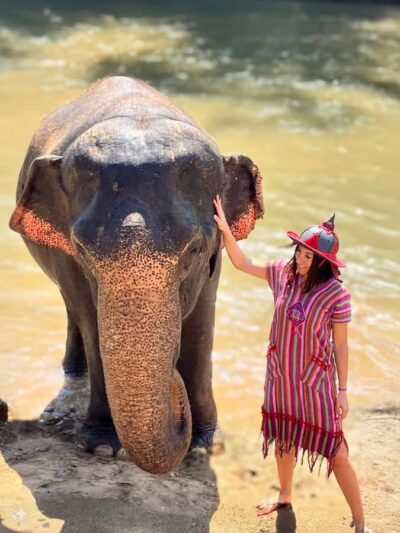
Waking up to elephants is hard to top. This two-day Chiang Mai stay pairs an elephant sanctuary visit with an overnight in the Mae Wang area, so you get real time with the animals instead of a quick meet-and-go. I especially like the way the day is paced around elephant routines, including the memorable morning greeting when the elephants are right there.
I also love the human side of the experience: you share dinner with your host family by the campfire, then you start the next day with breakfast on a terrace looking out to the rainforest and elephants. Guides and caretakers with names like Saki, Noi, YaYA, Mr Hot, Pat, Nop, and Hot show up across this program in a big, caring way, and the small group size (limited to 14) helps it feel personal.
One consideration: this tour includes feeding and bathing elephants in the Mae Wang River, so if you want zero contact or zero bathing, you should ask how interaction works for your comfort level before you book. Also note that if you book solo, you may need to share a room with another guest of the same gender.
In This Review
- Key things to know before you go
- Why the overnight in Mae Wang changes everything
- Getting to Pon Elephant Thailand: the Mae Wang Valley drive
- Day 1: elephants first, then homestay dinner under the trees
- What you’ll likely feel on night one
- Day 2: the good morning routine, mahout lessons, and river bathing
- Mae Wang Waterfall swim and bamboo rafting on the river
- Price and what you truly get for $128 per person
- Guides and the feel of the elephant team
- What to pack and what the weather can do
- Ethics and interaction style: how to match the program to your comfort
- Should you book Chiang Mai 2-Day: Good Morning Elephant & Overnight Homestay?
- FAQ
- How long is the Chiang Mai 2-day elephant experience?
- What time do we return to Chiang Mai on day two?
- What’s included in the price?
- Is the group small?
- If I book solo, do I get my own room?
- What elephant activities are part of the program?
- What should I bring with me?
- FAQ
- Is there free cancellation?
- Can I reserve now and pay later?
Key things to know before you go
- Overnight first, photos second: you wake up with elephants on your schedule, not a day-trip schedule
- Mae Wang Valley drive sets the mood: rice fields, winding rivers, and valleys before the sanctuary time
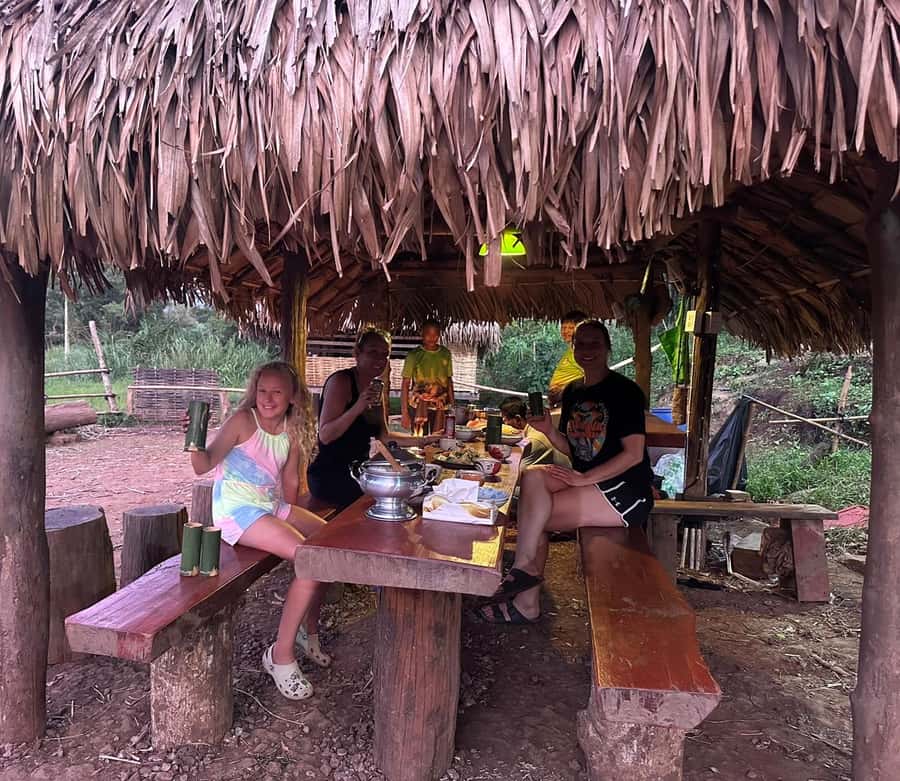
- Campfire dinner with a host family: you’re not just watching nature, you’re living inside it for a night
- Elephant care lessons at sunrise: history, mahouts, safe approaching, and how rescued elephants are cared for
- Mae Wang River + bamboo rafting: a 40–50 minute raft ride that keeps the experience moving
- Small group energy: limited to 14 people, so you actually get time to ask questions
Why the overnight in Mae Wang changes everything
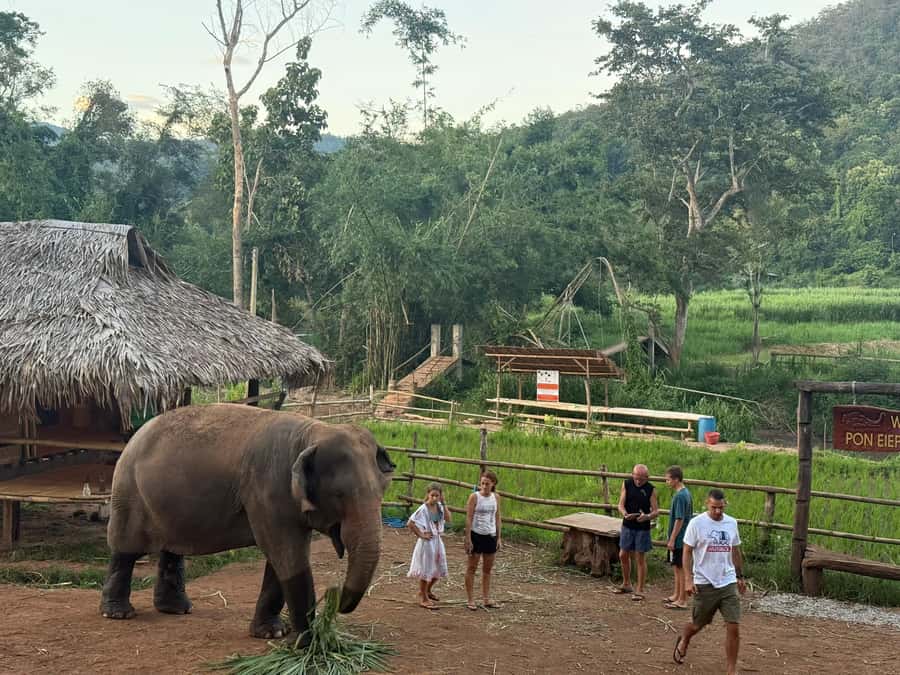
In Chiang Mai, it’s easy to do something elephant-themed and still feel like you barely touched the experience. This one flips the formula. You don’t just arrive, pose, and leave. You stay overnight near the elephants, so the best moments are the quiet ones: early light, slow walks, and the sounds of the forest after dark.
That extra time matters for two reasons. First, elephants don’t run on our tour clock. A sanctuary-style visit with an overnight lets you watch the day unfold as the animals move and feed. Second, the homestay night makes it feel like a real exchange with the place. Dinner with your host family and campfire time turns the trip from a “tour” into a short stay in rural Thailand.
The experience also has a strong “quality over quantity” feel. Even with multiple activities packed in, the group moves together with breaks built in. You’re not hustled from one photo spot to the next like a conveyor belt.
You can also read our reviews of more tours and experiences in Chiang Mai
Getting to Pon Elephant Thailand: the Mae Wang Valley drive
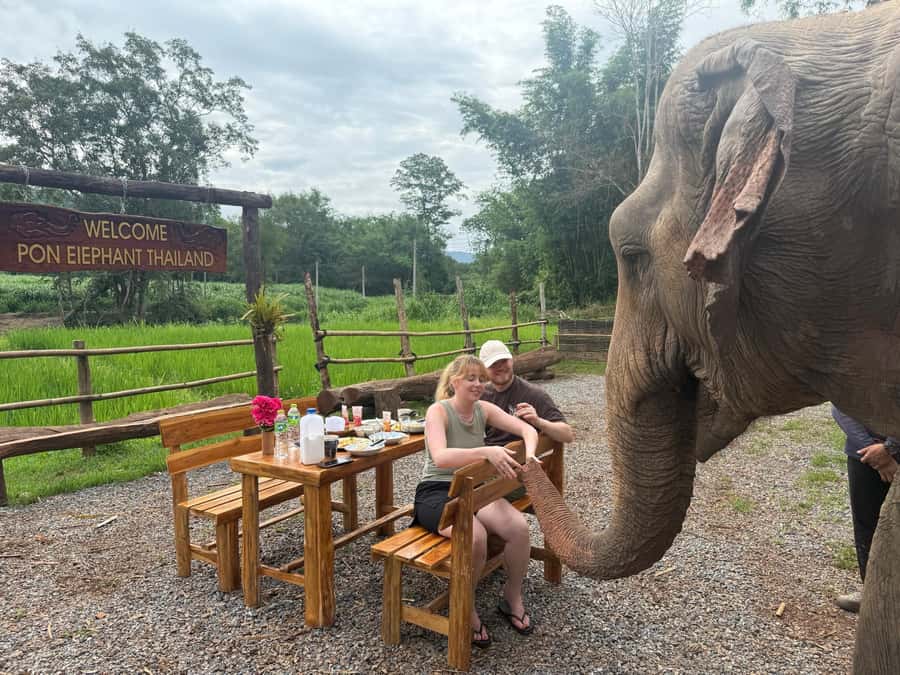
You’re picked up from your accommodation in Chiang Mai by van in the afternoon. Then it’s a scenic drive about 1.5 hours south into the Mae Wang Valley. Expect valleys, rice fields, and winding rivers along the way.
Why I think this matters: the drive is your mental warm-up. After days in the city, the transition is the point. It also helps you arrive without that stiff, rushed feeling you get when an itinerary starts immediately with a busy schedule.
When you reach Pon Elephant Thailand, you’re warmly welcomed and guided into the ethical elephant keeper’s area. This is where the program starts moving from “elephants as an attraction” into “elephants as living residents of a sanctuary.”
Day 1: elephants first, then homestay dinner under the trees
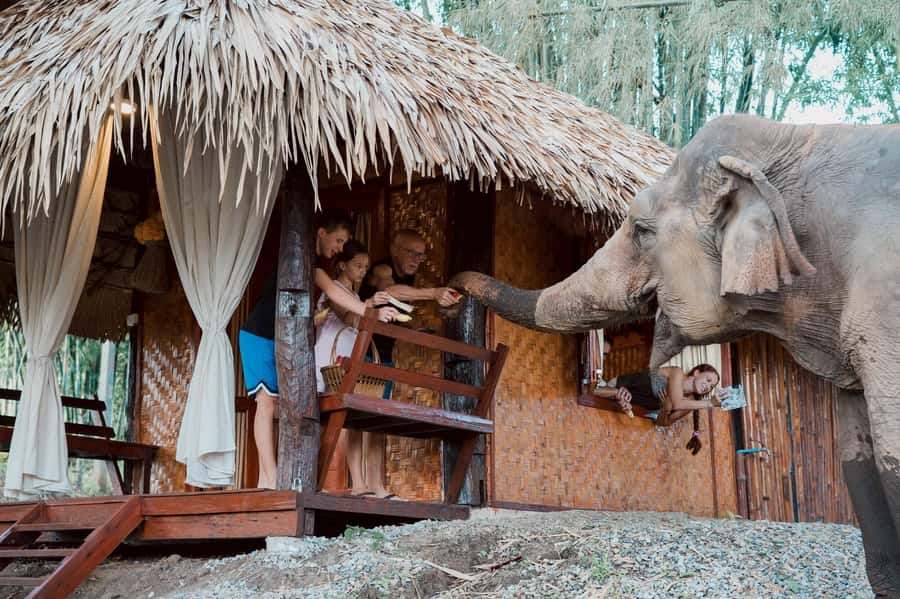
Day 1 is built around introductions and getting comfortable with the elephants’ world. After you meet the elephants in the jungle village area, you’ll have time to bathe and relax at your leisure. The tone here is practical and respectful—less showmanship, more caretaker rhythm.
You also explore the keeper’s area before the evening program begins. This early block is important because it sets expectations. You get a feel for how the sanctuary works: rescued elephants living in a natural setting with adult and baby elephants nearby.
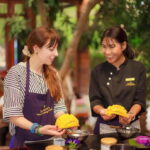
Then comes the part many people remember most: you help your guide prepare a delicious dinner, and you eat with your host family. It’s not just a meal stop. You’re part of the evening flow—conversation, campfire time, and the jungle sounds at night.
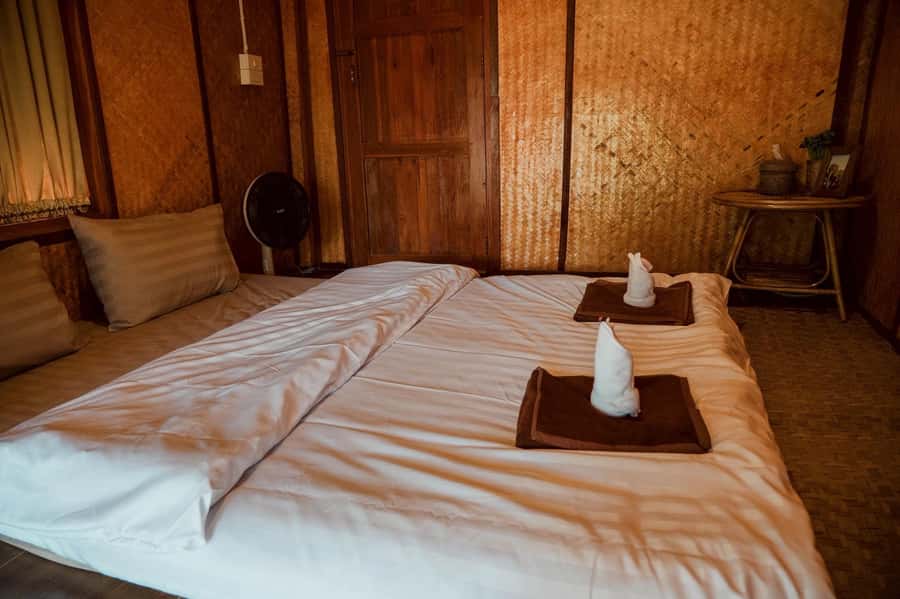
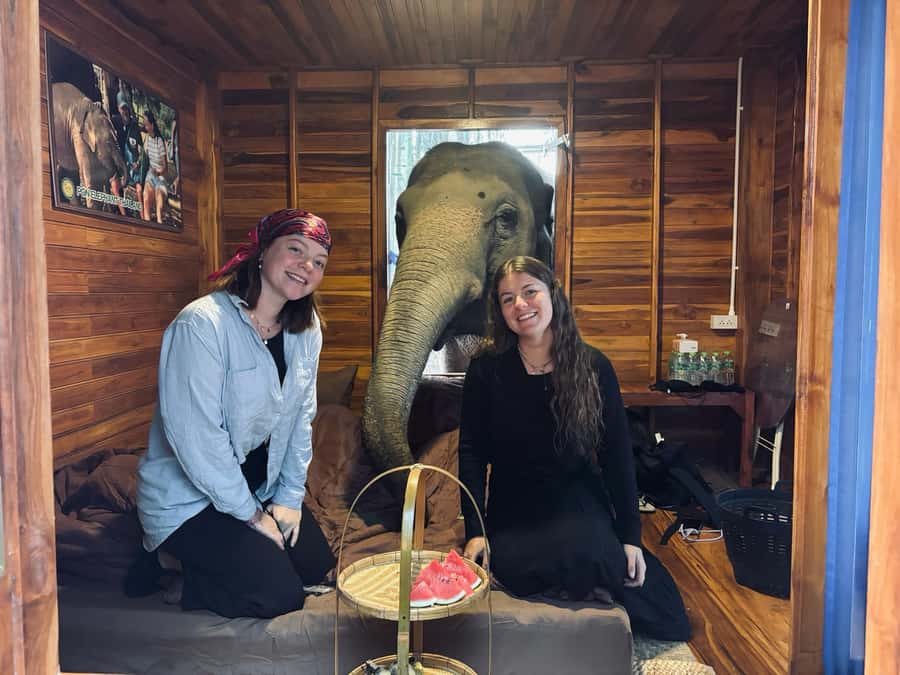
Sleeping is flexible. You can end the day in your own private room in a wooden cabin or in a tent, depending on your setup. Either way, the goal is the same: a restful night in the forest with elephants close enough that you can feel the place instead of just visiting it.
What you’ll likely feel on night one
- Calmer than you expect. The overnight changes your pace.
- More curious. You start noticing small behavior cues—what they’re interested in, how they move, and how the caretakers respond.
Day 2: the good morning routine, mahout lessons, and river bathing
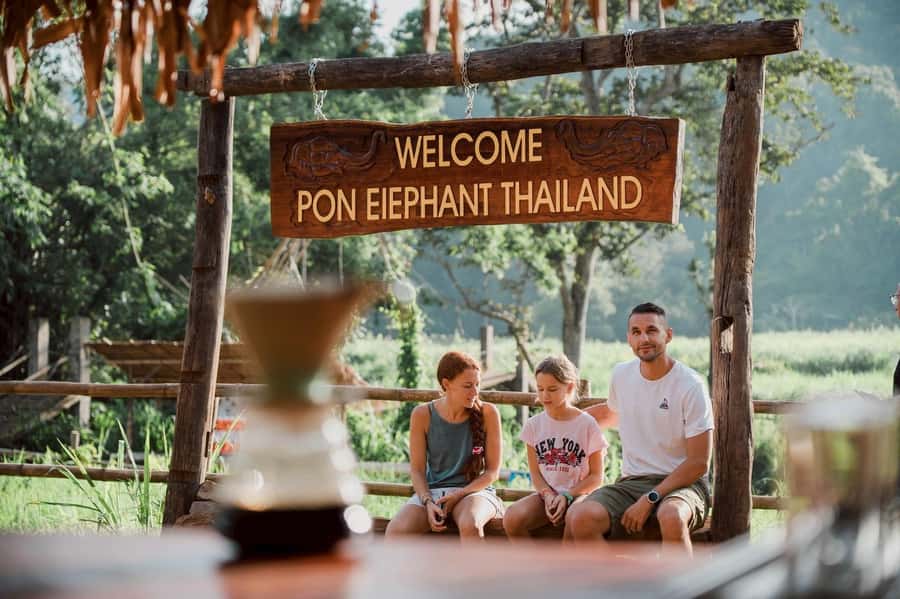
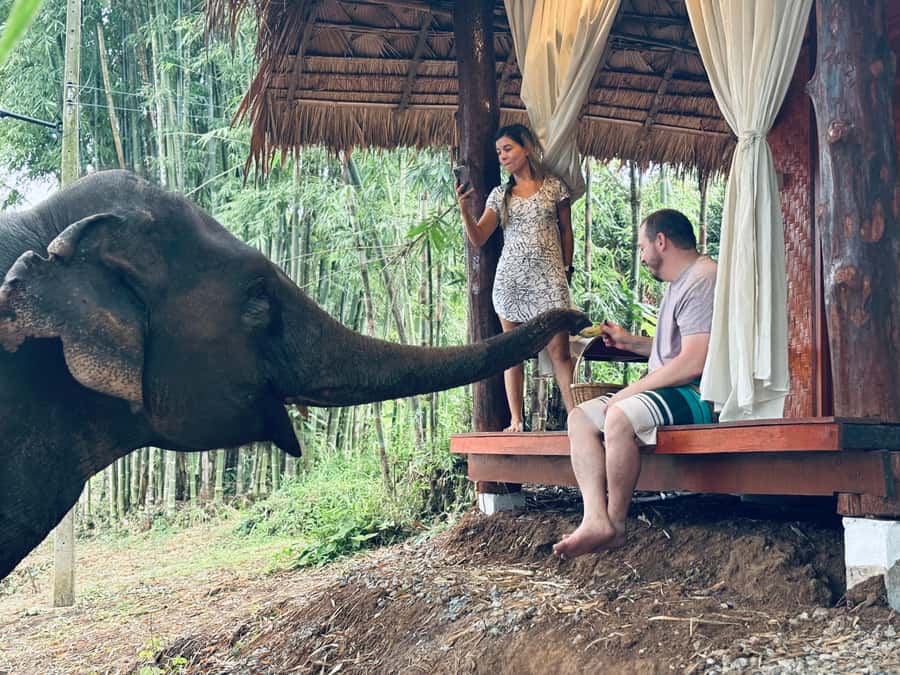
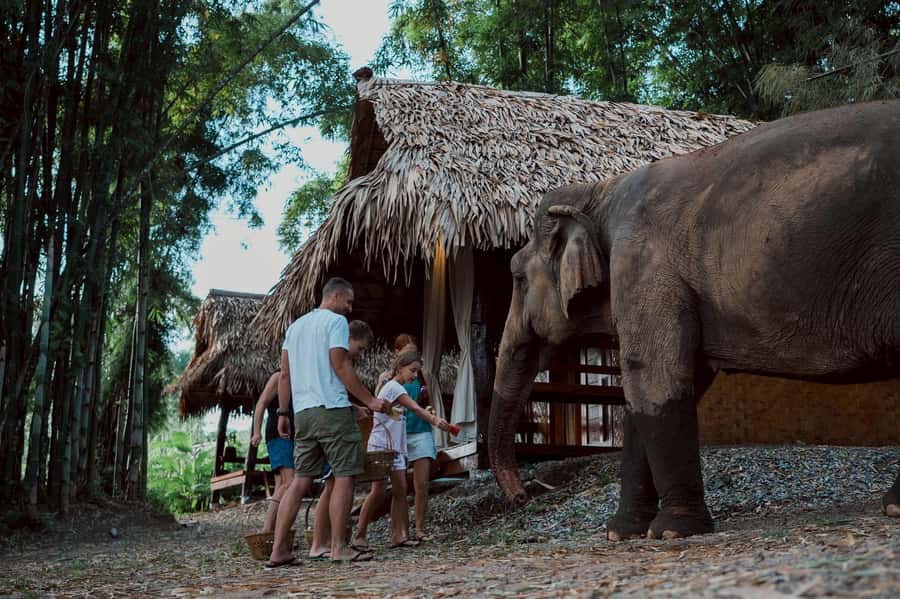
Day 2 starts early. You’ll breathe fresh air right at the homestay and get a front-row moment as the elephants chant or greet in the morning directly in front of your bedroom area. It’s a photo moment, sure, but it’s also a wow moment in person—especially if you’ve only ever seen elephants from a distance.
After that, breakfast is served on the terrace with rainforest views and elephant sightings. This is one of those rare travel setups where breakfast feels like an activity, not a routine.
Then the program shifts into learning. You’ll go through:
- history and traditional culture of elephants and mahouts
- talk content about Asian elephants and the sanctuary’s background
- how rescued elephants are cared for and how caretakers communicate with them
- how to approach elephants safely (with guidance from the team)
This is where the experience becomes more than just close-up time. You’ll understand the “why” behind the rules and the slower pace—why the caretakers choose certain approaches and why safety and care come first.
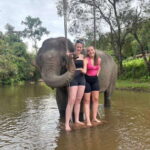
Next you move into the hands-on part: feeding and bathing elephants in the Mae Wang River. You follow slow-walking elephants and observe how they search for food in the forest. The day’s tempo stays steady, not frantic, which makes it easier to actually notice elephant behavior instead of only chasing the next shot.
A quick reality check: since bathing is part of the river time, plan your comfort level. If you don’t want to participate, you should say so to your guide. This isn’t a water park style setup; you’ll be doing it in a sanctuary context, with caretakers guiding what’s appropriate.
You can also read our reviews of more tours and experiences in Chiang Mai


Mae Wang Waterfall swim and bamboo rafting on the river
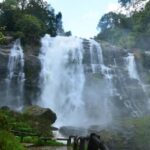
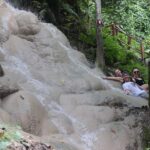
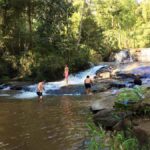
After the elephant activities, you collect your luggage and wrap up your time at Pon Elephant Thailand. Before heading back toward Chiang Mai, you stop at Mae Wang Waterfall.
The waterfall visit includes time for a swim, which is a fun break after the morning elephant-focused block. Just remember that the day still has to end with a return drive, so you’ll want to keep an eye on your time and clothes.
Then you change clothes and go bamboo rafting on the Mae Wang River. The ride is typically 40–50 minutes. It’s long enough to feel like an experience, but not so long that it drags after a full two days.
Finally, you return to Chiang Mai by van, about 1.5 hours, arriving around 5:00 PM. You’ll finish with photos, video, and that lingering elephant calm in your head—even if your legs are tired.
Price and what you truly get for $128 per person
At around $128 per person for two days, this is one of those deals that makes sense once you price it out.
You’re not just paying for an elephant encounter. Your inclusions cover:
- round-trip van transfers in Chiang Mai City
- an English-speaking tour guide
- all meals and drinking water (1 lunch, 1 dinner, 1 breakfast)
- 1 night of accommodation
- accident insurance
- elephant sanctuary visit
- waterfall visit
- bamboo rafting
For many people, the real value is the combination: overnight + meals + sanctuary time + river rafting + waterfall in two days, all handled with a guide. You also get a small group experience limited to 14 participants, which helps reduce that “everyone stands in line” feeling.
Is it a bargain compared to a city-based half-day? Not exactly. But compared to booking multiple separate activities (elephants, homestay, rafting, transfers) and paying for meals yourself, it adds up.
Guides and the feel of the elephant team
One of the strongest signals in the feedback is how much the guides and caretakers shape the experience. Names that come up again and again include Saki, Noi, YaYA, Mr Hot, Pat, Nop, and Hot.
What I like about this matters: when someone is explaining mahouts, rescued elephant care, and safe approaching, the person behind the information changes everything. The better guides here are the ones who slow the pace and answer questions instead of rushing you through.
The same goes for the homestay hosts. Dinner with your host family, plus sleeping on-site, makes the staff and hosts feel like part of the program rather than a background detail.
What to pack and what the weather can do
The essentials aren’t included, and the jungle can be a lot more practical than you expect.
Plan to bring:
- insect repellent
- a hat
- a torch
- a towel
- sunglasses
- extra clothes
Also bring a small day pack and one carry-on size bag (22″ x 14″ x 9″ / 115cm). If you show up with a backpack big enough to take over the van space, you’ll feel it during transfers.
For footwear, expect some walking and river-area time. Some people recommend good shoes, especially for the waterfall area.
Even in Thailand, evenings can get chilly in the cooler season. Bring a layer you’ll actually wear.
Ethics and interaction style: how to match the program to your comfort
This tour is designed as an ethical elephant sanctuary visit with rescued elephants. You’ll be taught safe approaching and elephant care, and you’ll watch the animals roam and search for food.
At the same time, the program includes feeding and bathing elephants in the Mae Wang River. That means it’s not a hands-off, watch-only experience.
So here’s my practical advice. Before you book, decide what matters more to you:
- Do you want guided, hands-on time with caretakers teaching you how to interact safely?
- Or do you want a strictly no-bathing, no-touch stance?
If you’re in the second camp, contact the provider ahead of time and ask how interaction participation works for your preferences. You’ll enjoy the experience more when your comfort level and the activities match.
Should you book Chiang Mai 2-Day: Good Morning Elephant & Overnight Homestay?
I’d book this if you want the best chance of feeling like you truly visited the elephants’ world. The overnight changes the whole flavor, and the mix of elephant time, host-family dinner, waterfall, and bamboo rafting makes it strong value.
You should skip or ask extra questions if you want a totally hands-off approach, because feeding and bathing are part of the plan. If you’re sensitive to interaction style, get clarity early so expectations stay aligned.
Also consider your travel style. This isn’t a luxury-relax retreat. It’s nature-forward, and you’ll be outside a lot—yet the structure and guidance help it feel safe and not chaotic.
If you love elephants, want a real homestay night, and don’t mind getting a little dirty for river fun, this one is a very solid choice.
FAQ
How long is the Chiang Mai 2-day elephant experience?
It runs for 2 days.
What time do we return to Chiang Mai on day two?
You’ll return to Chiang Mai around 5:00 PM.
What’s included in the price?
Hotel pickup and drop-off, round-trip van transfers in Chiang Mai City, an English-speaking tour guide, all meals and drinking water (1 lunch, 1 dinner, and 1 breakfast), 1 night of accommodation, accident insurance, an elephant sanctuary visit, a waterfall visit, and bamboo rafting.
Is the group small?
Yes. It’s limited to 14 participants.
If I book solo, do I get my own room?
Not necessarily. If you book as a single person, you must be prepared to share with another guest of the same gender.
What elephant activities are part of the program?
You’ll have an elephant sanctuary visit and you’ll feed and bathe elephants in the Mae Wang River, with additional guided elephant learning and safe-approach instruction.
What should I bring with me?
Bring insect repellent, a hat, a torch, a towel, sunglasses, and extra clothes. You’ll also need a small day pack and one carry-on bag within the stated size limits.
FAQ
Is there free cancellation?
Yes. You can cancel up to 24 hours in advance for a full refund.
Can I reserve now and pay later?
Yes. The option to reserve now and pay later is listed.