REVIEW · CHIANG MAI
Chiang Mai: Doi Suthep, Wat Umong, and Pha Lat Sunrise Tour
Book on GetYourGuide →Operated by TripGuru Thailand · Bookable on GetYourGuide
Four hours, three temples, one early sunrise.
This tour is a smart way to see Chiang Mai’s most important religious stops without spending your whole day in traffic. I love how Doi Suthep is timed for sunrise, so you get that first light on the city before crowds fully arrive. I also like that the day moves from big, famous icons to quieter places like jungle Wat Pha Lat.
Your best moments hinge on one thing: you’ll earn them with effort. You’ll climb 309 steps to Doi Suthep, and you’ll want to dress for temple rules that forbid shorts and sleeveless tops. If you’re expecting a relaxed morning stroll, this one may feel more like an early workout.
Still, the experience is hard to beat for the money. For around $32, you’re getting hotel pickup/drop-off, air-conditioned transport, a guide, entry fees, water in a glass bottle, and carbon-emission offset credits.
In This Review
- Quick Takes You’ll Actually Use
- Why the Doi Suthep Sunrise Hits Different
- Climbing 309 Steps: What to Wear and How to Pace It
- Van Time Isn’t Wasted: How the Morning Gets Moving
- Kruba Srivichai Monument: A Monk-Linked Story Stop
- Wat Pha Lat: The Jungle Temple Atmosphere You Can Feel
- Wat Umong’s 1297 Tunnels: Forest, Chedi, and Underground Quiet
- What $32 Buys You (and What You’ll Probably Pay Extra)
- Sustainable Details That Actually Change Your Day
- Small Group Energy: Why You’ll Enjoy It More
- Temple Etiquette Basics (So You Don’t Get Stuck)
- Who This Tour Suits Best
- Should You Book This Chiang Mai Temple Sunrise Tour?
- FAQ
- Where does the tour meet if I choose the meeting point option?
- Is hotel pickup available?
- How long is the tour?
- What’s included in the price?
- What should I bring?
- Are there any clothing restrictions?
- What languages are the guides available in?
Quick Takes You’ll Actually Use
- Sunrise access at Doi Suthep: timing matters for views and calm.
- Guides with real monk-life context: some guides have lived with monks for years.
- Wat Pha Lat’s jungle quiet: you trade crowds for atmosphere and shade.
- Wat Umong tunnels from 1297: an underground temple contrast you won’t forget.
- Low-impact details that aren’t just marketing: glass bottled water and carbon offsets.
Why the Doi Suthep Sunrise Hits Different
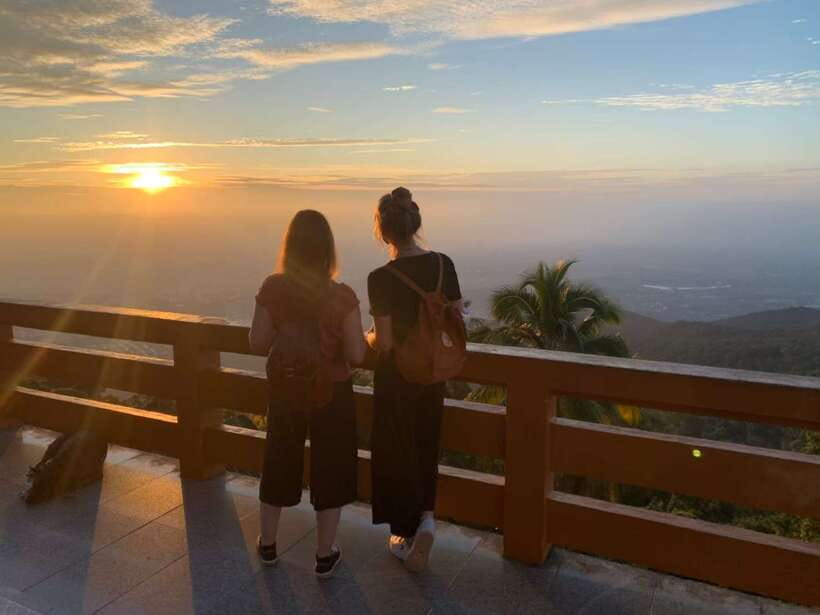
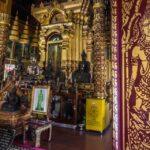
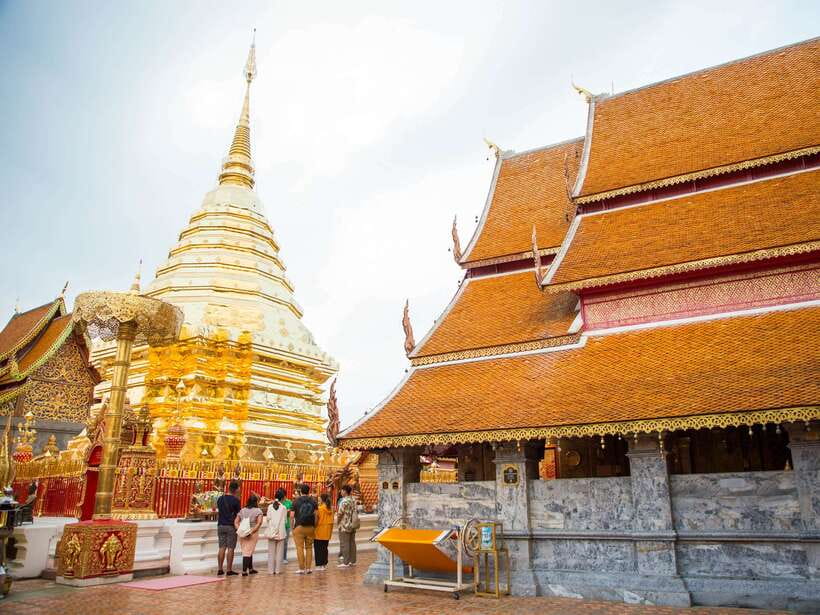
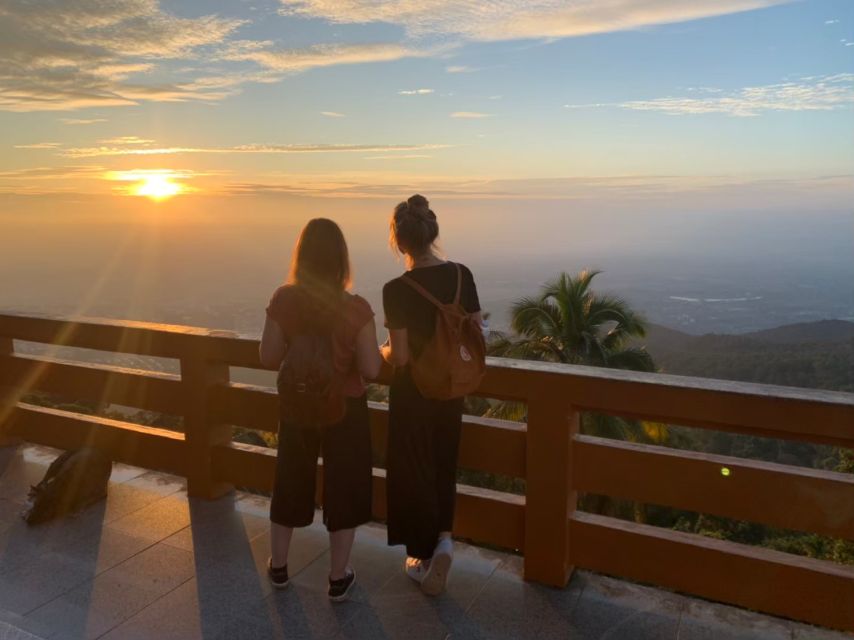
Doi Suthep is the Chiang Mai temple you’ve probably seen in photos. What you might not expect is how much better it feels when the world is still waking up. The tour takes you up early so you can watch golden light spread across the city and the temple complex feels more personal.
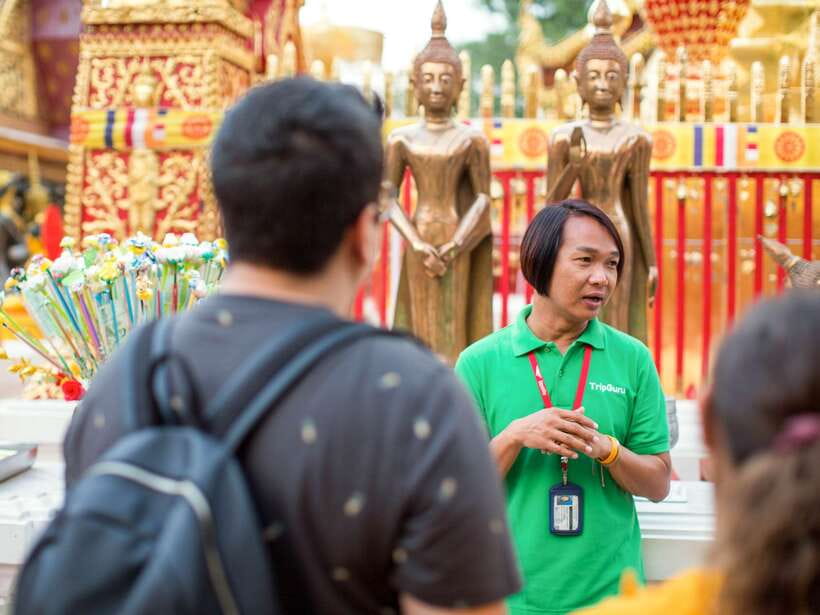
The guide portion makes this more than a sight-seeing stop. With a good guide, you’re not only looking at architecture—you’re learning why the place matters, and you’re figuring out where to stand for the best sunrise angles and photos.
One detail I’d consider a bonus: you often hear and see morning temple life. In past runs, guides have shared moments like monks chanting and other pre-day rituals. It’s not just pretty—it’s quietly moving.
You can also read our reviews of more tours and experiences in Chiang Mai
Climbing 309 Steps: What to Wear and How to Pace It
You’ll climb 309 steps to reach the main area at Wat Phra That Doi Suthep. This is the part that makes people either love the tour or dread it, so plan for it. Wear comfortable shoes you can trust on stone stairs, and bring sunglasses and sunscreen even if you start in low light.
Also: temple dress rules are real here. The tour indicates you can’t wear shorts, short skirts, or sleeveless shirts, and some stops restrict clothing that exposes shoulders, underarms, back, or knees. For me, the simplest move is to wear breathable long pants or leggings plus a shirt that covers your shoulders.
Timing helps your pacing. Going early often means cooler air and fewer people flowing uphill. Even then, don’t rush. Take breaks if you need them—your photos and your view will still be there when you catch your breath.
Van Time Isn’t Wasted: How the Morning Gets Moving
There’s about one hour of van travel built into the half-day format. This matters because it lets the tour hit the right starting window for sunrise and reduces the chaos of planning your own route.
The ride is in an air-conditioned vehicle, which is a relief when you start out chilly and then warm up after the steps. I also like that the transport is repeatedly rated highly, because bad driving on mountain roads is not a small issue.
If you’re booking for a family or mixed group, this is one of the more convenient ways to get everyone from Old City area access to temple hilltops without negotiating local transport.
Kruba Srivichai Monument: A Monk-Linked Story Stop
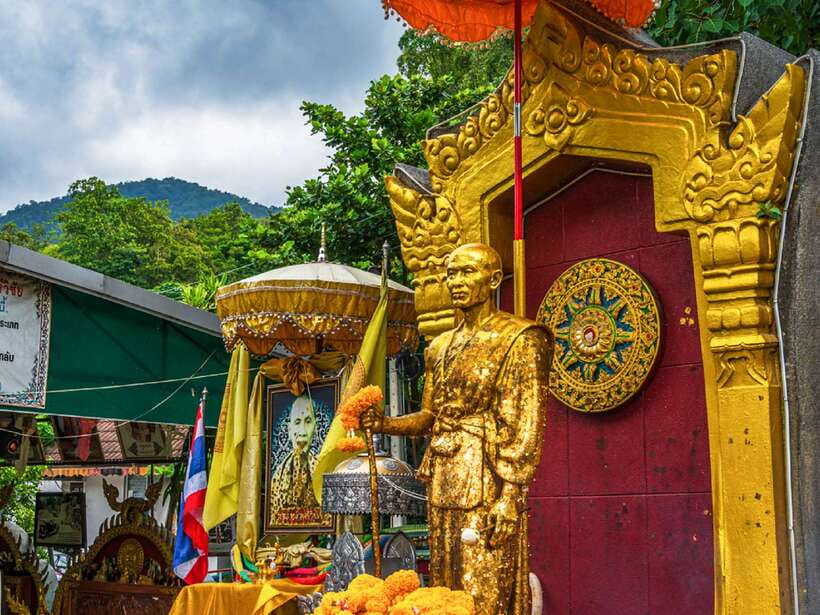
After Doi Suthep, you’ll visit the Kruba Srivichai Monument. This stop is short—about 30 minutes—but it adds context that makes the rest of the morning click.
The key idea is that Kruba Srivichai is connected to the monk tradition in northern Thailand, and your guide is there to translate what you’re seeing into something you can understand. Expect explanations about the lives and roles of Thai monks, not just a plaque read-and-go photo moment.
If your goal is cultural understanding, this is the bridge stop. It turns the big, well-known temple into a bigger story about faith, teaching, and community in the region.
Wat Pha Lat: The Jungle Temple Atmosphere You Can Feel
Next comes Wat Pha Lat, often described as a hidden temple in the jungle. The vibe is very different from Doi Suthep. Here, you’re surrounded by nature and you’ll move through a calmer, more shaded space filled with shrines and statues.
This stop lasts about one hour, which is enough time to slow down and look without feeling stuck. I like that it doesn’t try to turn into a marathon. You’ll walk, take photos, and let the quiet do its work.
One practical consideration: in rare cases, Wat Pha Lat may not be accessible due to closures. If that happens, a guide may adjust the route on the spot while still keeping the spirit of the tour intact. I’d treat this as a reminder to pack a little flexibility into your morning.




Wat Umong’s 1297 Tunnels: Forest, Chedi, and Underground Quiet
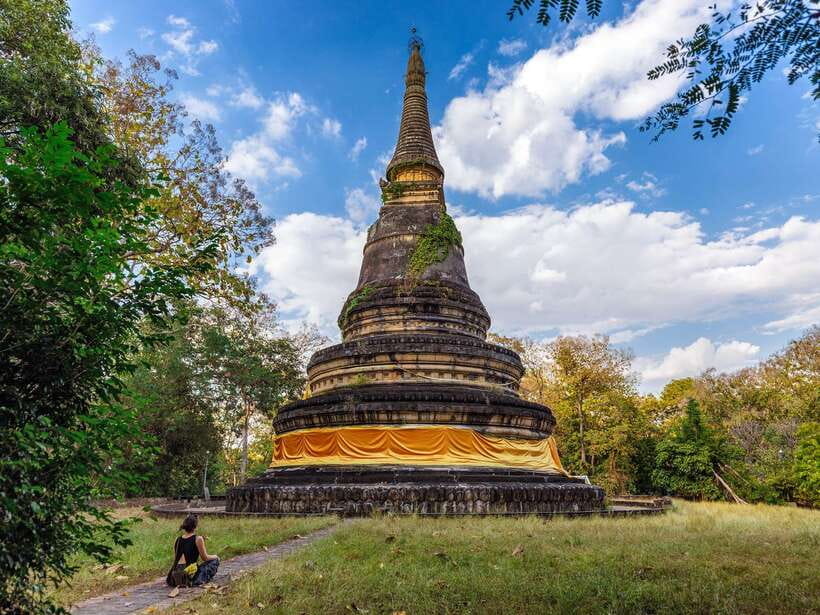
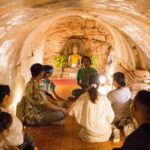
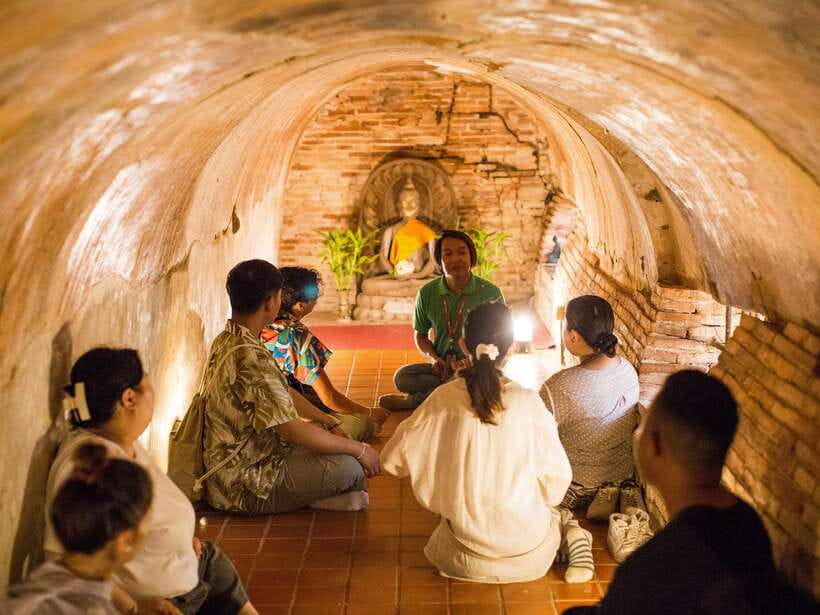
The last temple stop is Wat Umong, a temple complex with roots going back to 1297. If Doi Suthep is the icon and Wat Pha Lat is the jungle calm, Wat Umong is the odd-but-incredible contrast: forest paths plus underground tunnels.
You’ll spend about one hour here, which gives you time to explore the wooded areas and see the chedi architecture. The underground spaces change the soundscape. Even if you’re not religious, the environment helps you feel the difference in how this temple is lived in day to day.
A heads-up: you’ll want shoes with traction and a bit of grip. Tunnels and shaded paths can feel damp or slippery, so go steady and let your guide set the pace.
What $32 Buys You (and What You’ll Probably Pay Extra)
At about $32 per person for around 4 hours, the value is in what’s included. You get:
- hotel pickup and drop-off
- air-conditioned transport
- a tour guide
- entry fees
- a glass bottle of drinking water
- carbon emissions offset credits
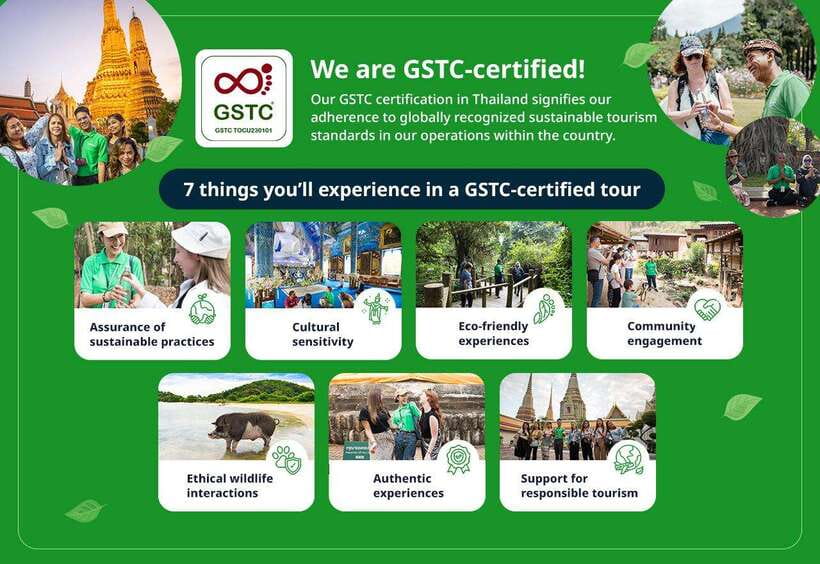
That last part matters more than you might think. A tour that builds in carbon offsets and uses glass bottle water is at least making an effort to reduce typical tourism waste. It’s also aligned with a GSTC-certified approach, which signals that sustainability isn’t only a slogan.
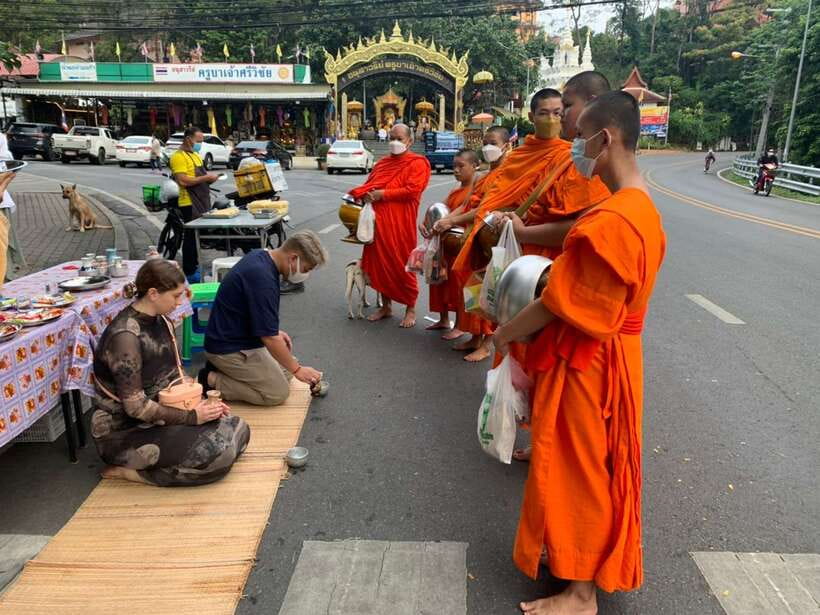
What costs extra? The biggest item is temple offerings, which are optional. You may also want snacks or drinks since meals aren’t included. Some guides plan a quick pit stop for basics before or during the morning, especially so you can buy small items for monks if you want to participate.
The tour also comes with a bit of “be ready” time. You’ll want cash on hand, since temple situations often run smoother with small bills available.
Sustainable Details That Actually Change Your Day
This isn’t a tour that only says the right words. It includes practical sustainability actions you can point to.
First: water in glass bottles. That reduces single-use plastic, and it’s one less thing you have to manage during a morning walk. Second: carbon emissions offset credits for every tour, which helps counterbalance transport and other impacts.
The best part is what these details signal. You’re not just touring temples—you’re being nudged toward a more respectful way of moving through sacred spaces. That shows up in the pace, the time spent listening, and how you’re guided around offering practices.
Small Group Energy: Why You’ll Enjoy It More
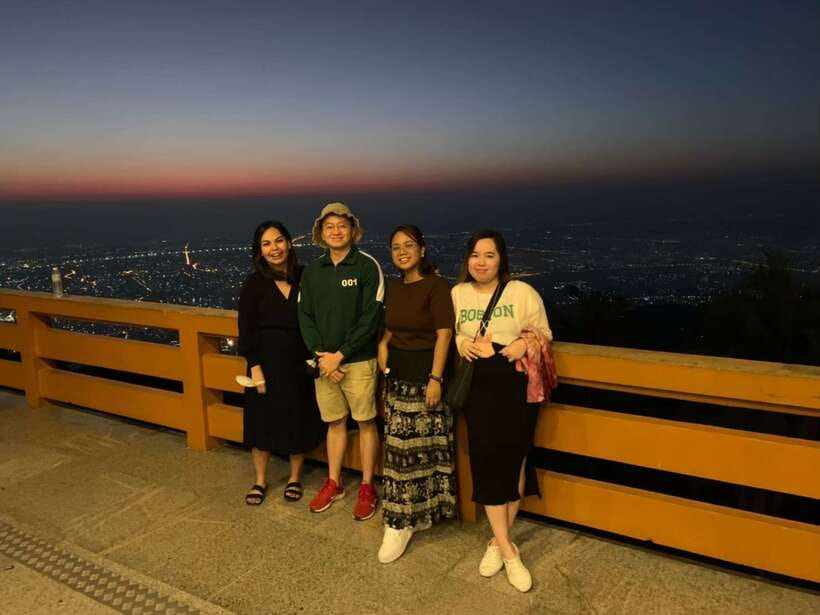
This tour offers a small-group setup. That changes the experience because you get more time for questions and less rushing at each stop.
In real-world terms, when the group is small, it’s easier to find quiet viewing positions at Doi Suthep. It’s also easier to keep a respectful flow inside the temples. If you’re the type who hates being herded, this setup is a big win.
Guides can also make a difference. Some guides bring deep personal connection to Buddhism, including stories like a guide who lived with monks for years. Others focus on practical sunrise positioning, with tips on the best places to watch the first light. Either way, you’re not stuck with generic explanations.
Temple Etiquette Basics (So You Don’t Get Stuck)
Even if you read nothing else, remember three things:
- Cover up: no shorts, no sleeveless tops, and avoid clothing that reveals shoulders/underarms/back/knees inside certain locations.
- Go slow on steps: 309 steps isn’t a race.
- Bring what you need: insect repellent, sunscreen, hat, and a camera.
If you’re thinking about offering, do it respectfully. The tour notes temple offerings as optional, and guides may help you understand what’s appropriate.
And for the mindset: the early start is part of the deal. If you arrive grumpy, the temples will still be beautiful, but you’ll miss the calm that makes sunrise worth it.
Who This Tour Suits Best
I’d suggest this tour if you want a compact morning that covers major highlights without planning your own route. It’s especially good for:
- first-timers in Chiang Mai who want Doi Suthep plus lesser-seen temples
- people who prefer smaller groups
- anyone who likes temple atmosphere and early-morning quiet
- travelers who care about sustainability details like carbon offsets and low-waste water
You might rethink it if:
- you have knee issues or struggle with stairs
- you need very flexible timing with no early start
- you prefer relaxed, minimal walking and no dress-code constraints
Should You Book This Chiang Mai Temple Sunrise Tour?
Yes, if you’re ready for an early morning and you want three distinct temple experiences in one efficient half-day. The value is strong for what’s included at this price point, and sunrise timing at Doi Suthep is the kind of moment you can’t easily replicate on your own without coordination.
Book it if you enjoy learning along the way. The guide component is a real part of the value here—especially when they’re able to explain not only what you’re seeing, but why it matters.
Hold off if stairs and temple dress rules will be hard for you. If you go, go prepared. Bring the right clothes, comfortable shoes, and a little patience for early starts.
FAQ
Where does the tour meet if I choose the meeting point option?
You meet your guide at the Tha Pae Gate, in front of McDonald’s. The tour provides a map link, and your guide will be holding a TripGuru sign.
Is hotel pickup available?
Pickup is optional. It’s available from major areas of downtown Chiang Mai within a 5 km radius of the Tha Pae Gate and surrounding Old City areas. Pickup is only offered from hotels or registered accommodations.
How long is the tour?
The duration is listed as 4 hours.
What’s included in the price?
Included are hotel pickup and drop-off, air-conditioned transportation, a tour guide, entry fees, a glass bottle of drinking water, and carbon emissions offset credits.
What should I bring?
Bring comfortable shoes, sunglasses, a hat, a camera, sunscreen, insect repellent, and cash.
Are there any clothing restrictions?
Yes. Shorts, short skirts, and sleeveless shirts are not allowed, and some locations also restrict clothing that exposes shoulders, underarms, back, and knees.
What languages are the guides available in?
The tour offers a live guide in English and Spanish.
If you want, tell me your travel dates and where you’re staying in Chiang Mai (rough area is fine). I can help you decide whether the early start will be practical for your schedule and what to wear for the likely morning weather.