REVIEW · CHIANG MAI
Chiang Mai: Elephant Sanctuary & Suthep Temple Sunrise View
Book on GetYourGuide →Operated by Joy Elephant Sanctuary · Bookable on GetYourGuide
A sunrise with temples and elephants in one day is rare. This Chiang Mai trip strings together Wat Phra That Doi Suthep at first light and an ethical elephant observation day with Joy Elephant Sanctuary, plus a Karen-guided feeding moment and a Thai craft to take home.
Two things I love: you get a real morning in a sacred place (not a rushed photo stop), and the elephant time is framed as respectful observation and feeding, not gimmicks. One thing to consider: it’s a full 11-hour day in the morning up on the mountain, so comfortable shoes and a bit of stamina matter.
You’ll start in the Old City area by minivan, then switch vehicles for the sanctuary leg. Along the way, the guide’s English explanations connect the big sights to daily life in Northern Thailand, from Buddhism basics to how people live alongside elephants in the Mae Wang area. The day mixes calm (sunrise, tea by a waterfall) with hands-on moments (Karen clothing and preparing elephant food).
In This Review
- Key points to know before you go
- Sunrise at Wat Phra That Doi Suthep: the golden start
- Breakfast and temple walk: where the time actually goes
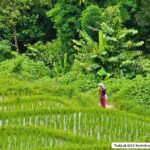
- Mae Wang District: leaving the city for elephant country
- Joy Elephant Sanctuary: Karen guidance and ethical elephant feeding
- Waterfall tea break: the calm reset you’ll be glad you planned for
- Lunch and workshop: two ways to take Chiang Mai home
- Price and logistics: what $78 really covers
- What to pack (so the day stays comfortable)
- Who this is best for (and who should skip it)
- Should you book this tour?
- FAQ
- How long is the Chiang Mai Elephant Sanctuary and Doi Suthep sunrise tour?
- Is pickup included, and where does it cover?
- What language is the tour guide?
- Does the tour include Doi Suthep entry?
- What meals are included during the day?
- Does the tour include elephant food?
- What should I bring and what clothing is not allowed?
- Is the tour wheelchair accessible?
Key points to know before you go
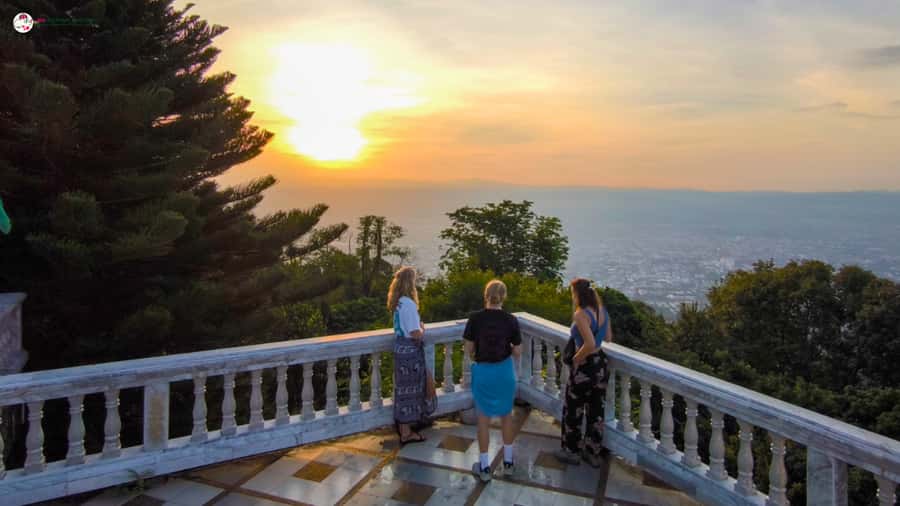
- Sunrise at Doi Suthep gives you the golden look and the calmer temple vibe before the crowds
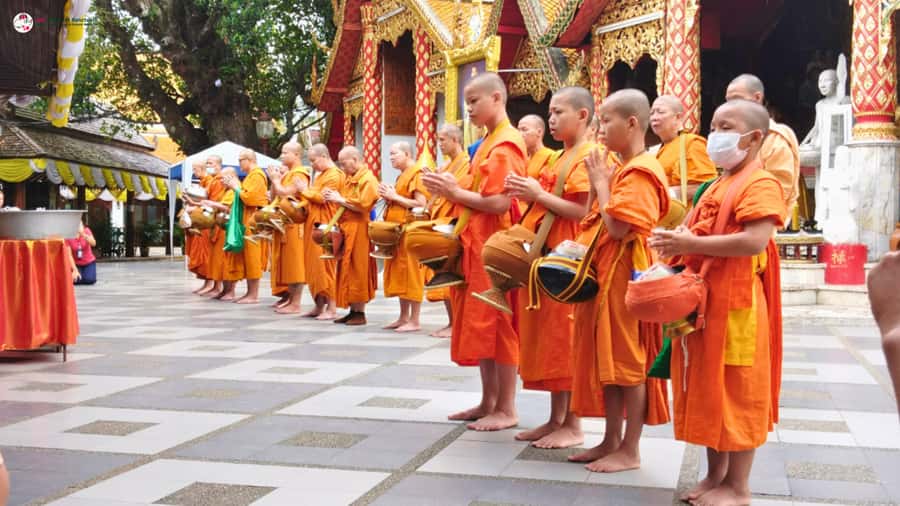
- Alms-giving set included adds a meaningful Buddhist moment, explained by your guide
- Joy Elephant Sanctuary is observation-first, with feeding and learning rather than stressful handling
- Karen clothing and elephant learning brings local context, not just animal time
- Waterfall tea break is built in, so you can cool down and reset
- Handmade Thai souvenir workshop means you leave with something you helped make
Sunrise at Wat Phra That Doi Suthep: the golden start
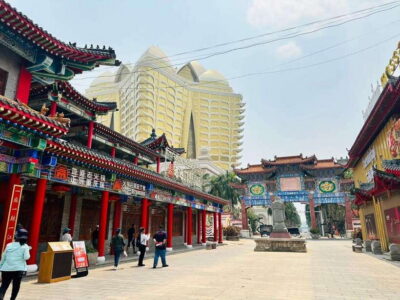
If you only do one big temple in Chiang Mai, Doi Suthep is a strong pick. This tour starts when the light is still soft, and Wat Phra That Doi Suthep looks especially good in sunrise conditions. Think gold glow, crisp air, and a slower rhythm than the usual daytime temple scramble.
The guide leads you through the sunrise segment for about two hours, so you’re not just dropped off and told to take pictures. You also get an alms-giving ceremony moment, with the tour including an alms offering set. That matters because it turns the visit into something you understand, not something you just watch from the edge.
Practical tip: dress for the change in weather. Even in Thailand, mountaintops can feel cooler early in the morning, then warmer as the day goes on. Wear layers you can manage, and stick to shoes that won’t punish you on uneven stone.
You can also read our reviews of more tours and experiences in Chiang Mai
Breakfast and temple walk: where the time actually goes
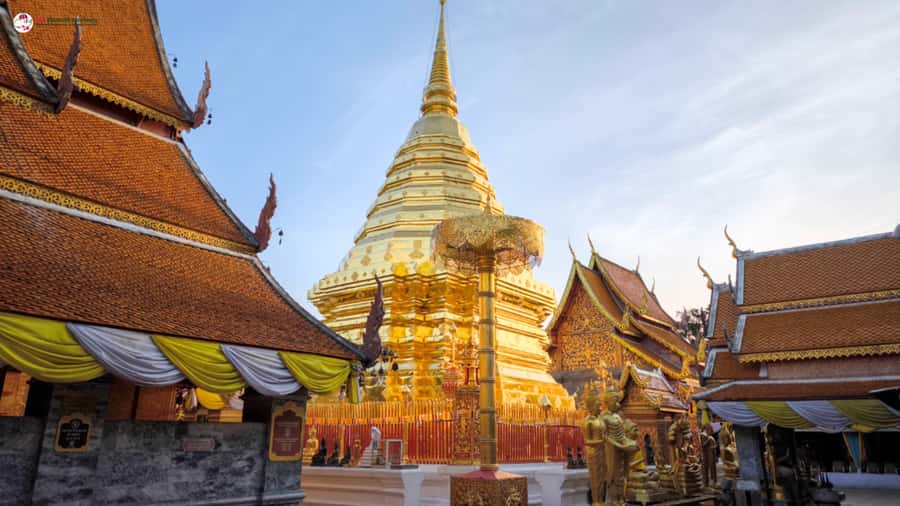
After the sunrise viewing, you get breakfast right at/near the temple area, with regional food served as part of the experience. It’s a good setup because you’ll already have been awake for a while, and you’ll likely be walking some steps and pathways once you shift from viewing to exploring.
Then comes the guided walk, about one hour. This is where Doi Suthep becomes more than scenery: your guide explains what you’re seeing and what Buddhism teaches through the temple’s layout and rituals. You’ll get a clearer sense of why pilgrims come here and what the symbols mean, rather than just hearing generic facts.
What I’d watch for: temple rules and modesty. In Thailand, you’ll usually be expected to cover shoulders and avoid bare legs in sacred areas. This tour also has a clear clothing restriction list overall, including no shorts, no short skirts, and no sleeveless shirts. If you plan ahead, you’ll avoid that awkward moment of deciding whether you can cover up enough.
Mae Wang District: leaving the city for elephant country
Once the temple portion ends, you’re in transit for about an hour by van. That travel time is part of the value: it gets you out of the city’s pace and into Northern Thailand’s more rural setting, where elephant conservation and local communities intersect.
In Mae Wang District, the schedule gives you about 2.5 hours for the guided portion tied to the Joy Elephant Sanctuary day. This is not a quick roadside stop. The program is structured around learning, observing, and then participating in a responsible way.
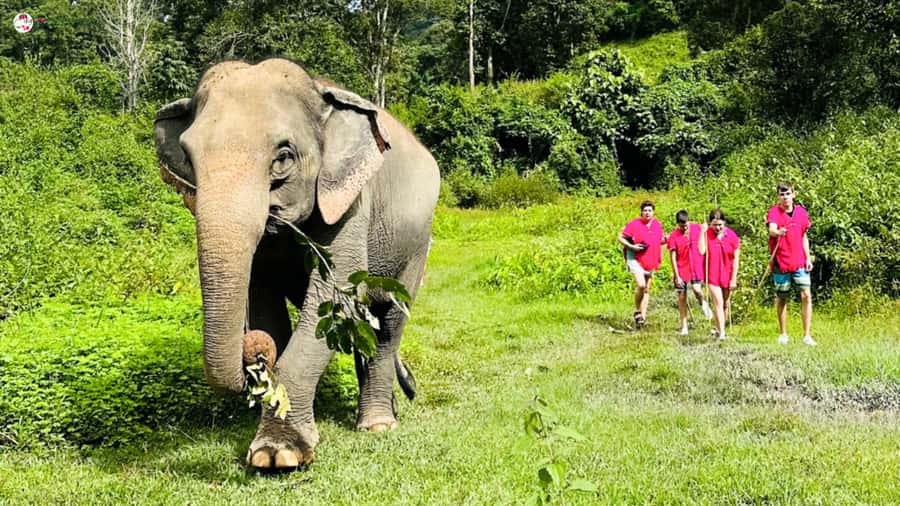
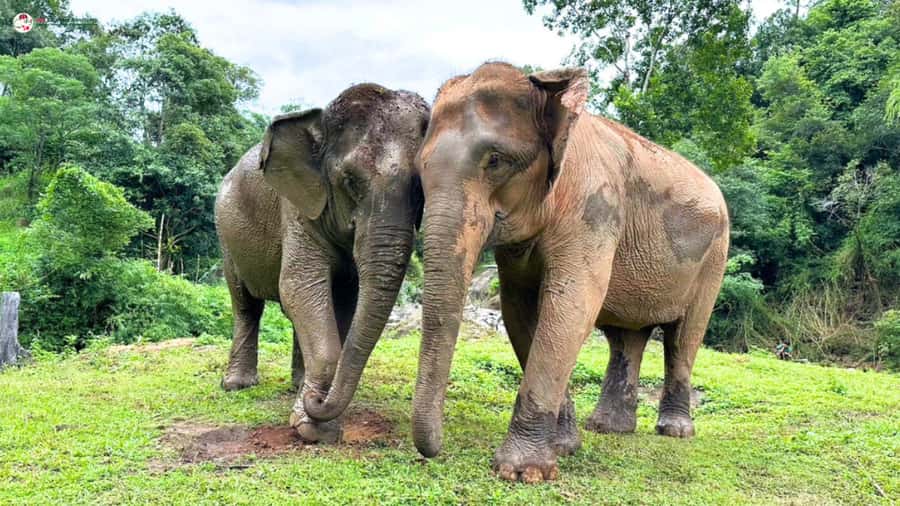
As you move through this part of the day, it helps to keep your expectations aligned. The goal is to see elephants in their environment and understand the role humans play in protecting them. The program style is elephant observation, and the feeding experience is meant to be gentle and controlled.
Joy Elephant Sanctuary: Karen guidance and ethical elephant feeding
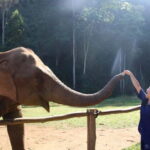
Here’s the heart of the day. Joy Elephant Sanctuary’s elephant time is set up around observation and feeding, with an emphasis on elephant welfare. You’ll travel in a 12-seater air-conditioned van, and for the final approach you switch to a roofed 4×4 truck for about 10 minutes to reach the sanctuary. That change is practical: it’s how you get closer to the area where the elephants roam.
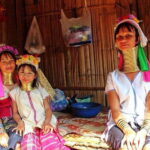
One of the best details is the cultural layer: you change into Karen clothing and learn about the elephants from the Karen tribe. That’s not just a costume moment. It’s tied to understanding the people who live with elephants and how traditional knowledge connects to daily care.
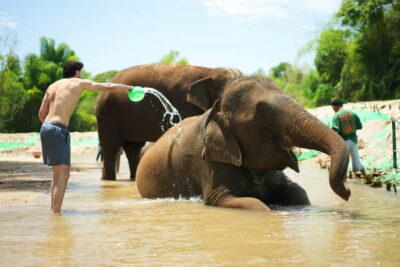
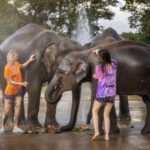
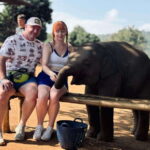
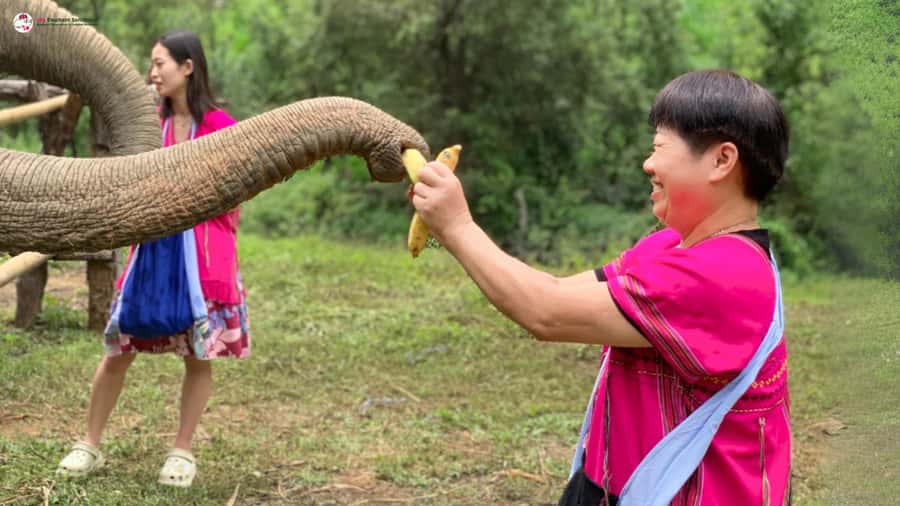
Then you’ll help prepare elephant food and take part in feeding. The focus is on respectful interaction. I really like that there’s no elephant bathing or attention-grabbing handling that can leave animals stressed. The day is serious about welfare, and that shows in the way the program is structured around observation first.
Important for your comfort: the sanctuary day includes time outdoors and near water. Bring the items this tour asks for because they’re there for a reason. If you pack your change of clothes and swimwear, you’ll be much more comfortable if you end up getting splashed at any point during the day around the waterfall area.
Waterfall tea break: the calm reset you’ll be glad you planned for
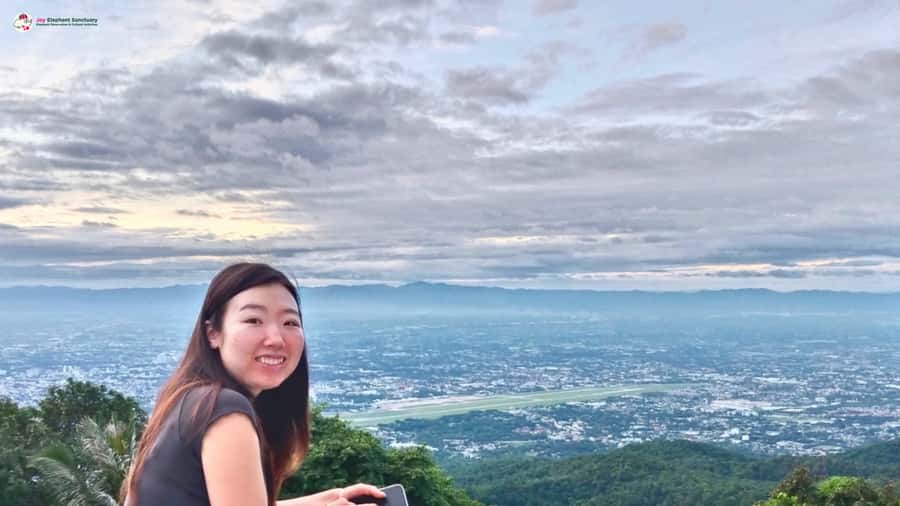
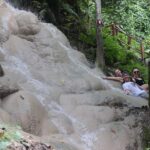
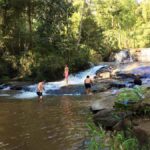
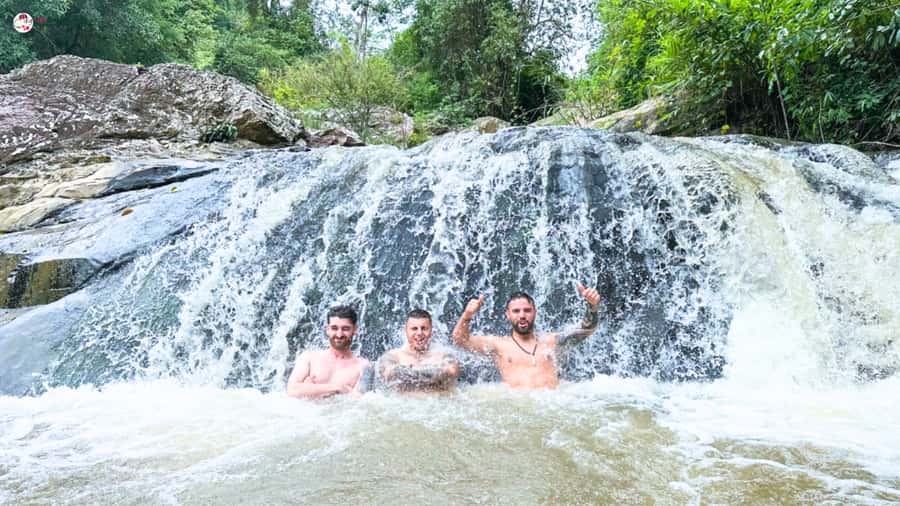
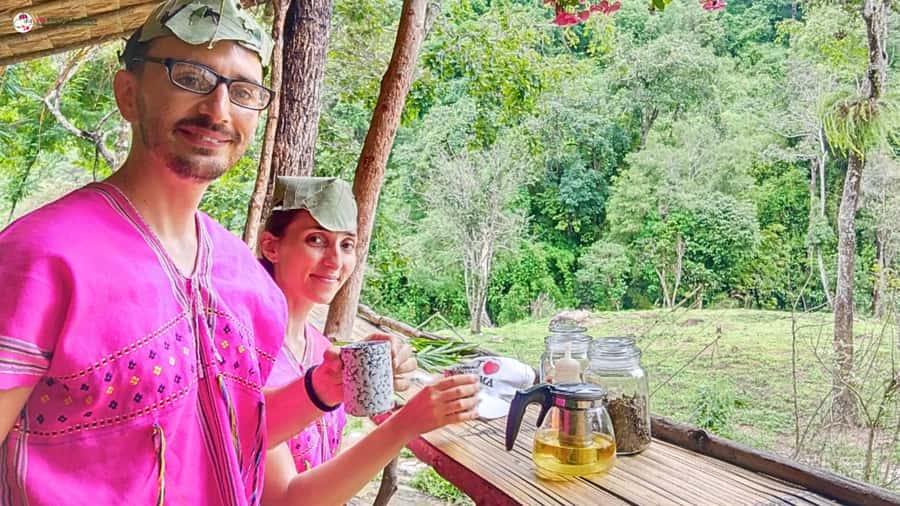
Not every elephant tour gives you a real break. This one does. There’s a tea and guided walk block (about one hour) in the Mae Wang portion that includes a refresh moment at a waterfall.
You’ll enjoy herbal tea and get a chance to watch elephants in the area while you slow down. That’s a big deal because after sunrise and temple walking, you’re ready for a breather. And after focused animal time, you also need space to just observe without constantly moving.
If you’re thinking about photos, here’s a practical mindset: don’t treat this as a race to capture every view. The value is in watching how the elephants move and feed in their own rhythm. The waterfall break helps you step out of the go-go tour mode and actually notice things.
Lunch and workshop: two ways to take Chiang Mai home
Between elephant-focused time and the tea/walk segment, you get lunch (about 30 minutes). It’s included, so you’re not stuck hunting for food on your own while the schedule moves forward. A short lunch helps the day stay on track without wasting your energy.
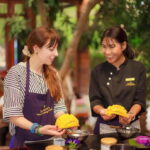
Then you get a workshop where you craft a handmade Thai cultural souvenir. This is worth paying attention to because it’s not just buying something at a stall. The tour experience builds in time for you to make a gift, so you’ll understand what it is and why it matters.
If you like practical souvenirs, this is the kind that feels more personal than a typical magnet-and-silk-stall pattern. And it’s also a good activity for people who don’t want the whole day to be temples and animals.
Price and logistics: what $78 really covers
The price is $78 per person for an 11-hour day, and it’s one of those tours where the value depends on what you hate doing on vacation.
Here’s what you’re getting for your money:
- Round-trip transfer for accommodations within 5 km of Chiang Mai’s Old City
- An English-speaking tour guide
- Doi Suthep ticket and an alms offering set
- Breakfast and a complimentary local meal, plus drinking water
- Elephant’s food and snacks, plus towel
- Insurance
When I look at value, I ask: how much would I pay to arrange a driver, tickets, guide help, meals, and the sanctuary entry/experience? This tour bundles those costs, and the schedule is built so you don’t lose half a day to logistics.
The one pricing reality check: pickup is included only within a 5 km radius of the Old City. If you’re staying farther out, you’ll likely need a surcharge. Also, the day is active, so you’ll want good shoes and sunscreen.
Vehicle-wise, the mix of a minivan and a 4×4 truck is normal for sanctuary access. It’s not luxury, but it’s functional and helps you reach the area safely.
What to pack (so the day stays comfortable)
This is one of those tours where packing like a grown-up makes everything better. Bring:
- Comfortable shoes (you’ll do walking on temple paths and outdoors)
- Swimwear and a change of clothes
- Sandals (useful for parts of the day, especially around water)
- Sunscreen
- Insect repellent
Also consider bringing allergy medication if you need it. The tour specifically notes that you should bring your own if you have allergies.
And respect the dress rules:
- No shorts, no short skirts, and no sleeveless shirts
- Pets are not allowed
If you want the smoothest experience, wear breathable pants or long-coverage clothing that still feels cool.
Who this is best for (and who should skip it)
This day suits you if you want a Chiang Mai hit-list that’s more than two separate tourist checkboxes. It’s great for people who:
- Care about ethical elephant tourism
- Enjoy cultural context, especially Buddhism
- Like hands-on experiences like the souvenir workshop and food prep
It may not be ideal if you:
- Need wheelchair access. The tour is not suitable for wheelchair users
- Want a light, short outing. This is a full 11-hour day with early morning mountain time
If you’re traveling with mixed preferences, this itinerary also helps because it offers both spiritual culture (sunrise Doi Suthep) and nature/animal education (Mae Wang and Joy Elephant Sanctuary) without turning either section into chaos.
Should you book this tour?
I’d book this if you want a single-day plan that combines serious temple time with responsible elephant observation. The standout value is the pairing: you start with sunrise at Wat Phra That Doi Suthep and end with an elephant program that’s focused on welfare, not showy behavior. Add in the Karen clothing learning moment, the waterfall tea reset, and the handmade souvenir workshop, and you get a full story you can actually remember.
I’d skip it only if the morning mountain time sounds like a hassle or if you can’t manage a full-day schedule outdoors. Otherwise, for a first visit to Chiang Mai, this is the kind of day that feels both meaningful and practical.
FAQ
How long is the Chiang Mai Elephant Sanctuary and Doi Suthep sunrise tour?
The experience lasts 11 hours.
Is pickup included, and where does it cover?
Round-trip transfer is included for accommodations within 5 km of Chiang Mai’s Old City. Pickup outside that range may include a surcharge.
What language is the tour guide?
The tour includes an English-speaking tour guide.
Does the tour include Doi Suthep entry?
Yes. Your Doi Suthep ticket is included.
What meals are included during the day?
Breakfast is included after the sunrise portion, and there is also a complimentary local meal. Lunch is included during the Mae Wang portion.
Does the tour include elephant food?
Yes. Elephant food and snacks are included.
What should I bring and what clothing is not allowed?
Bring comfortable shoes, swimwear, change of clothes, sandals, sunscreen, and insect repellent. Shorts, short skirts, and sleeveless shirts are not allowed.
Is the tour wheelchair accessible?
No. The tour is not suitable for wheelchair users.