REVIEW · BANFF
Banff: Morning Whitewater Rafting Tour in Horseshoe Canyon
Book on GetYourGuide →Operated by Discover Banff Tours · Bookable on GetYourGuide
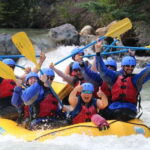
First, you’ll feel the river before you ever touch it. Horseshoe Canyon on the Bow River is built for real whitewater fun, with class 3–4 rapids, shale canyon walls, and the kind of glacier-fed water that soaks you fast. I love that the trip mixes big excitement with real structure: safety talk, gear fitting, and a short practice paddle before you hit the rough stuff. I also love the human touch of the day—the guides keep things fun and focused, and you might raft with energetic pros like Tim, Adam, Georgia, or Richard. One thing to consider: you will get soaked, and you should be comfortable with cold, wet rafting plus a bit of walking to and from the water.
In This Review
- Horseshoe Canyon Rafting: The Sweet Spot Between Thrill and Real Scenery
- Key Things That Make This Tour Worth Your Morning
- Why Horseshoe Canyon on the Bow River Feels Like a Real Adventure
- The 4-Hour Game Plan: From Wetsuit Up to High-Five Finish
- What the River Section Really Feels Like: Calm, Rapids, and Shale Cliffs
- Midway Cliff Jump Choice: Medium, Big, or Watch
- Guides, Safety, and Why Their Energy Matters
- Equipment You Don’t Have to Worry About
- Price and Value: Is $109 a Good Deal for 4 Hours?
- Who This Tour Fits Best (And Who Should Rethink It)
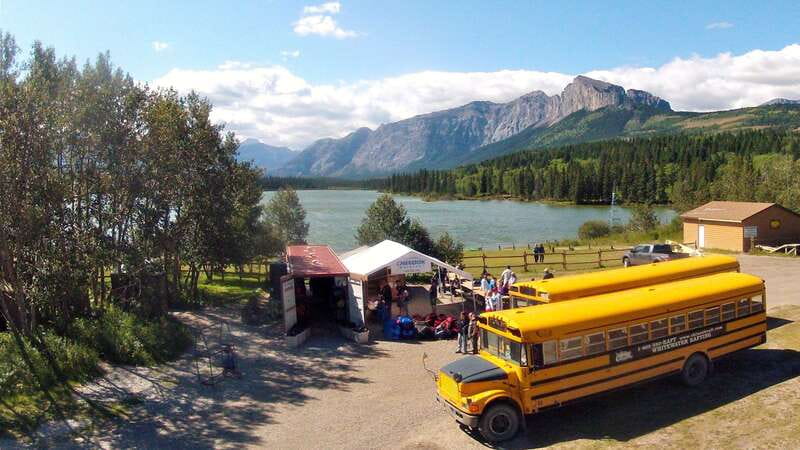
- Getting There: Meeting Point and What to Plan for
- Quick Booking Checklist: What to Bring and How to Show Up Ready
- Should You Book This Morning Whitewater Rafting Tour?
- FAQ
- What is the duration and how much time is spent on the river?
- What’s included in the $109 per person?
- Do I need to bring lunch?
- Where is the meeting point?
- What are the age and weight requirements?
- Is the cliff jump required?
Horseshoe Canyon Rafting: The Sweet Spot Between Thrill and Real Scenery
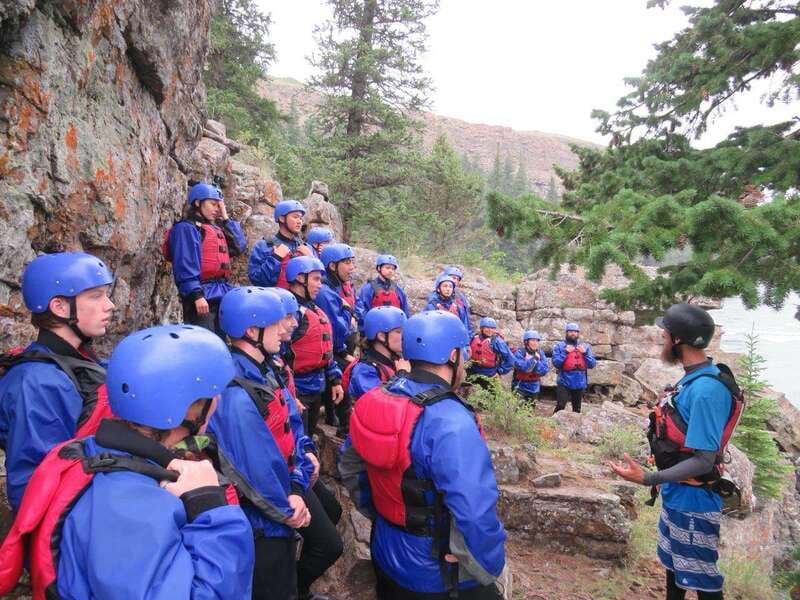
This tour is designed around a short, punchy time commitment: about 4 hours total, with 1.5–2 hours on the river. The route through the Horseshoe Canyon section of the Bow River is where the views and the adrenaline line up—calm stretches for pacing yourself, then rapid sections where you’ll follow your guide’s commands through frothy waves and shale cliffs. I like that they also build in an optional cliff jump midway, so you can choose your level: jump in yourself, go for the medium or big option, or simply watch others take the plunge.
The main drawback for some people is the physical side. You’ll need to be in decent shape and you should have reasonable swimming ability. If you’re not used to cold-water activities or being jostled, plan for it up front so the experience feels exciting instead of stressful.
Key Things That Make This Tour Worth Your Morning
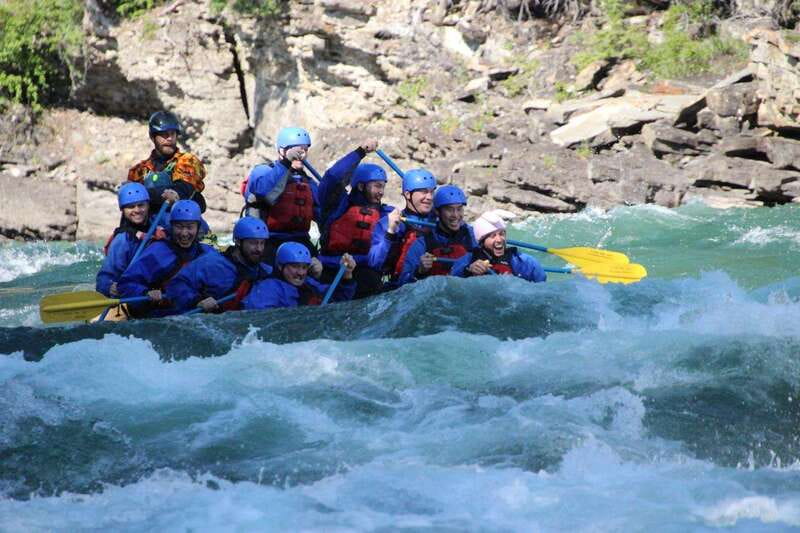
- Class 3–4 rapids in Horseshoe Canyon: you get both calm paddling and real whitewater time
- Optional cliff jump mid-trip: medium or big jump, or watch from the raft
- Full gear package included: wetsuit, life jacket, helmet, rain jacket, booties, gloves
- Guides who keep it safe and fun: people like Tim, Adam, Georgia, and Richard are known for strong energy
- Snacks and a hot drink at the Chinook base: simple comfort after you’re soaked
- Photography included: complimentary photos available online after your tour
You can also read our reviews of more tours and experiences in Banff
Why Horseshoe Canyon on the Bow River Feels Like a Real Adventure
There’s a difference between rafting that’s mostly sightseeing and rafting that feels like actual outdoor play. This trip leans hard into the adventure side without forgetting that you still want the canyon scenery and those big Canadian photo moments.
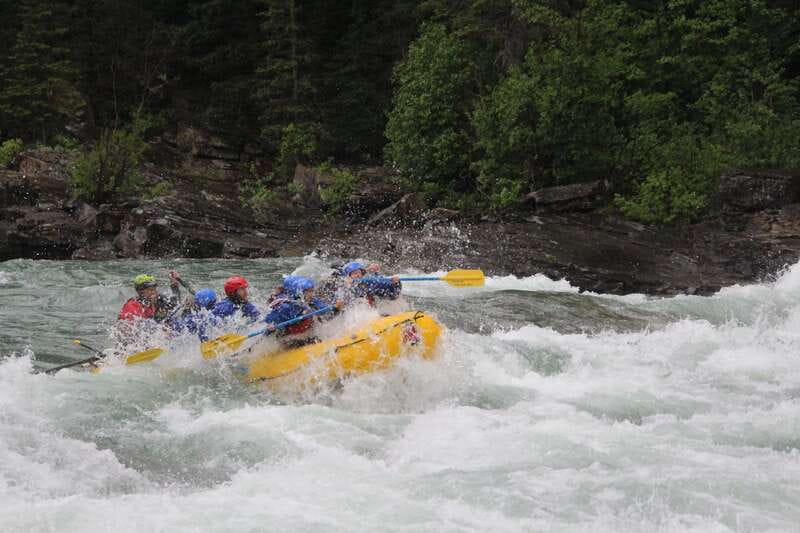
Horseshoe Canyon sits on the Bow River, and the water is glacier-fed. That matters because it’s cold and lively, and the river reacts with bigger waves. The tour is built around that: you’ll get stretches that let you breathe, then sections where class 3–4 rapids kick in. Expect getting wet. Not politely wet. Proper rafting-soaked.
Then there are the “surprise” details that make the day feel more than just sport. The highlights mention locations where Hollywood movies have been shot. Even if you don’t care about film trivia, it adds a fun extra layer to the canyon passing moments—you’re out there in a place that’s been used as a dramatic backdrop.
The 4-Hour Game Plan: From Wetsuit Up to High-Five Finish
This is a half-day tour, designed to hit the river and get you back with energy intact.
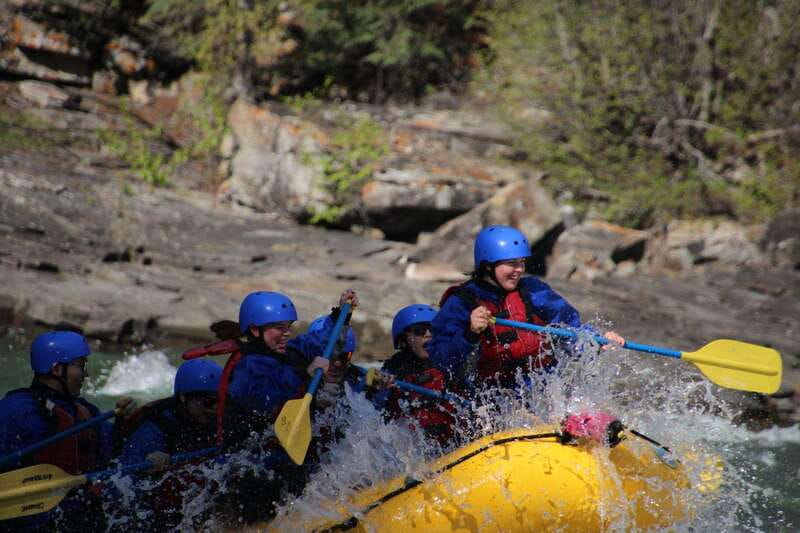
First, you fit into your gear. You’ll get a wetsuit, life jacket, helmet, rain jacket, wetsuit booties, and gloves. They also include a short safety instruction and a practice paddle, which is smart if it’s your first time. A lot of people underestimate how different rafting feels from normal paddling—your timing, posture, and paddling rhythm all matter.
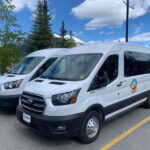
Next comes transport by bus to the starting point on the Bow River. The bus is described as a short ride from the base. Transportation from Banff or Canmore is not included, so you’ll want to plan getting to the meeting point on your own.
Then the river time begins. During the 4 hours, you’ll spend about 1.5–2 hours on the water. That’s plenty for real rapids without turning your day into a full-day slog.
As you paddle, your guides teach technique and group timing during the calmer sections. After the thrill parts, you finish at the endpoint, return to the river base, and get the post-ride routine: high fives, snacks, and optional return transport.
What the River Section Really Feels Like: Calm, Rapids, and Shale Cliffs
The heart of the day is the Horseshoe Canyon rafting stretch on the Bow River. You should plan for a mix of water moods.
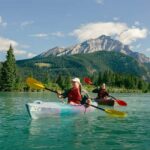
Start with calm sections where you can get your bearings. This is where you learn what your paddle should feel like in the raft and how your guide wants the group to move. You also get time to look around: the tour data specifically calls out watching for wildlife. Think eagles soaring overhead and deer along the riverbanks. These sightings can be brief, but they make the river feel alive instead of just loud.
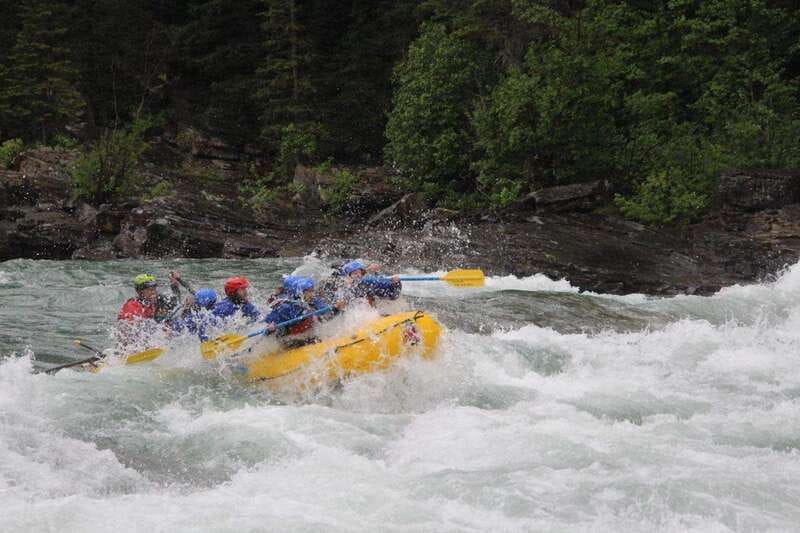
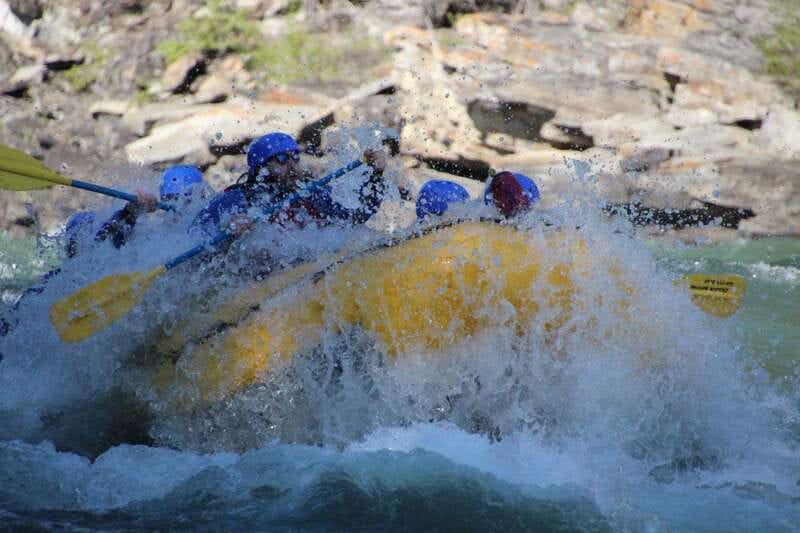
Then it comes to the main event: whitewater. The trip runs class 3–4, with frothy rapids and big waves. Your guide directs the raft through the action, navigating through shale canyons and shale cliffs. That mix of geology and water is part of the thrill—your raft is right in the canyon lines, close enough to feel how narrow and rugged it can be.
If you’re prone to nerves, focus on one thing: listen first, paddle second. These guides do safety and timing for a reason. You’ll get instructions and you’ll use them right away.
Midway Cliff Jump Choice: Medium, Big, or Watch
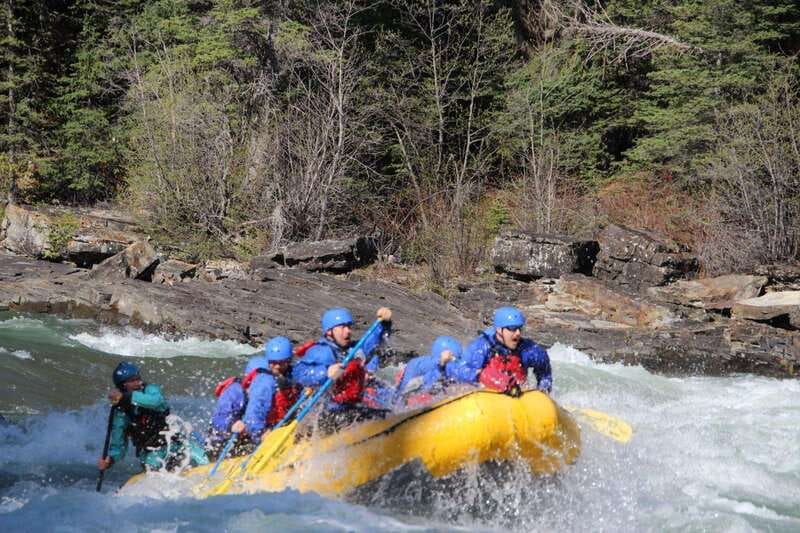
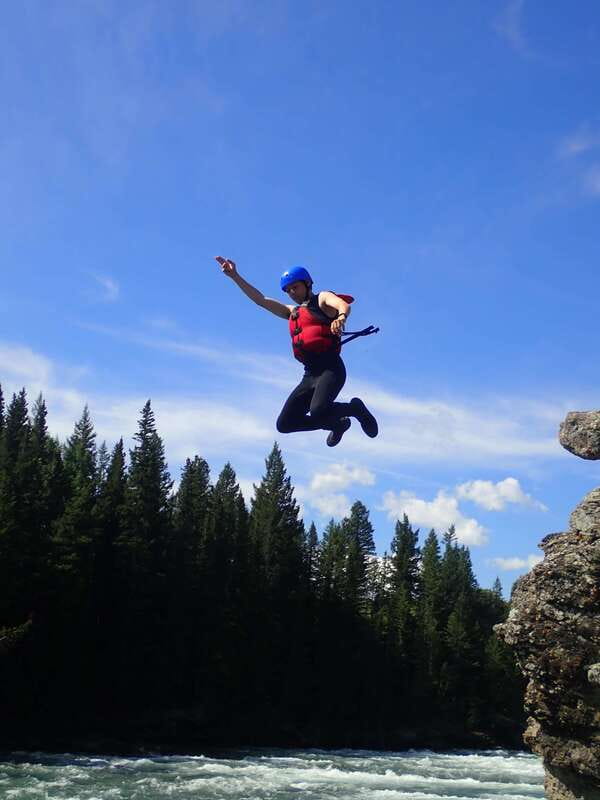
About halfway through the river portion, there’s an optional cliff jump into the glacier-fed Bow River.
Here’s the useful part for your decision-making: you’re not forced into jumping. Your options are:
- jump if you want the full adrenaline hit
- choose a medium or big cliff jump depending on comfort level
- or simply enjoy watching others take the plunge
This is the kind of built-in choice that makes the day work for mixed groups. Someone who wants the thrill can take it; someone who prefers to keep things safer can still participate by being part of the cheering crowd.
If you do jump, you’re jumping into cold, active water. That means you should treat it like a serious moment, not a casual photo stop. Secure your balance, listen to the guide’s instructions, and make your peace with being splashed again even if you hit the water cleanly.


Guides, Safety, and Why Their Energy Matters
This tour stands or falls on the guide team. The overall rating is high, and the comments consistently circle back to guides who mix professionalism with fun.
You’ll get professional river guides on each raft, plus safety instructions and a practice paddle. That’s the baseline. Where it gets better is how guides keep the group from turning tense once the rapids start.
Names that pop up in the provided tour feedback include Tim, Adam, Adrian, Gav, Georgia, David, Gavin, Josh, Jordan, Richard, and others. The common thread is that guides create a calm, organized feeling—while still turning the day into a laugh-and-splash story afterward.
Also, these rafts typically carry 8–11 people per raft plus the guide. If the group is larger than that, you’ll be split into two rafts. Smaller raft groups usually mean you get better instruction and a more personal feel during the action.
Equipment You Don’t Have to Worry About
Rafting with the right gear makes a huge difference. Here, you’re covered, which is part of the value.
Included gear:
- wetsuit
- life jacket
- helmet
- rain jacket
- wetsuit booties
- gloves
- plus light snacks and refreshments
You also get complimentary photos available online after your tour. That’s worth thinking about. When you’re focused on paddling and staying balanced, you’ll miss a lot of the moments you want photos of. Having them provided saves effort later.
What’s on you:
- warm clothing
- swimwear
- a towel
- daypack
- personal medication
Plan to bring a towel you’ll actually use after you change. Also, bring swimwear even if you think the wetsuit covers everything—your comfort is better when you start with the right base layer.
Price and Value: Is $109 a Good Deal for 4 Hours?
At $109 per person for a roughly 4-hour outing, the value comes from what’s included and how much real river time you get.
You’re not just paying for the excitement. You’re paying for:
- pro guiding and safety instruction
- time on the water (1.5–2 hours on the river)
- a full wet-and-cold gear kit
- river fees
- snacks and refreshments
- complimentary photos
The tour does not include lunch, so you’ll want to plan for that. But the gear, photos, and guide-led instruction are the big ticket items that would cost extra if you had to assemble everything yourself.
If you’re the type who hates spending your trip day running around to rent equipment or figure out directions, this package-style setup helps. You show up, get fitted, get briefed, and go make the story.
Who This Tour Fits Best (And Who Should Rethink It)
This rafting trip is designed for people who want structured adventure.
It’s best for:
- people comfortable with water sports and class 3–4 intensity
- groups that include a range of comfort levels (because cliff-jump options include watching)
- anyone who enjoys active mornings: you’re moving, paddling, and reacting the whole time
It’s not suitable for:
- children under 12
- pregnant women
- people over 350 lbs (159 kg)
- people under 88 lbs (40 kg)
- anyone who can’t meet the minimum physical and swimming ability expectations
You also need to know the minor rules. The minimum age is 12, but if a guest is unaccompanied by an adult then the minimum age rises to 16. Unaccompanied minors are not allowed.
If you’re new to rafting, that practice paddle and the guide instruction will help. Still, be honest with yourself: if you hate cold water or panic easily when things get bouncy, you might find the whitewater portion stressful.
Getting There: Meeting Point and What to Plan for
The meeting point is Nakoda Lodge, Highway 1A, Morley, AB (T0L 1N0). You’re asked to print driving directions ahead of time.
Transportation from Banff or Canmore is not included. That’s the part you’ll want to handle early. If you’re staying in Banff, plan your ride or transfer so you arrive on time and don’t start the morning rushed.
On the day, you’ll be bused a short distance to the starting point on the Bow River. So you’re not walking the full way, but you should still expect some physical movement.
One provided comment notes that there can be a gravel-road hike component to reach the river and a return carry portion. That may not be identical for every group, but it’s a good signal to show up ready for uneven footing.
Quick Booking Checklist: What to Bring and How to Show Up Ready
Before you go, do a simple gear check:
Bring:
- warm clothing
- swimwear
- towel
- daypack
- personal medication
Wear:
- whatever warm layers you can manage under a wetsuit setup
- expect cold air and wet gear during the day
Know before you go:
- minimum age 12 (or 16 if unaccompanied by an adult)
- minimum weight per person 90 lbs (data also lists 88 lbs in another spot, so if you’re close, confirm directly)
- maximum weight per person 350 lbs
- groups run with 8–11 people per raft
Language is English for the live tour guide.
Should You Book This Morning Whitewater Rafting Tour?
If you want a half-day rafting hit—real rapids, canyon walls, and an optional cliff jump—this tour makes a lot of sense. The combination of included gear, professional guiding, and meaningful river time (1.5–2 hours) is what makes the $109 feel fair.
I’d book it if:
- you’re excited by class 3–4 intensity
- you’re okay getting wet and cold for a few hours
- you like the idea of wildlife-spotting and canyon views between rapid sections
I’d think twice if:
- you’re not comfortable swimming or handling cold water
- you’re looking for a gentler, mostly scenic float
- you’re worried about the physical demands of getting to and from the river area
For the right person, it’s the kind of Banff-region morning that turns into a story on repeat.
FAQ
What is the duration and how much time is spent on the river?
The total tour duration is about 4 hours, with roughly 1.5–2 hours spent rafting on the river.
What’s included in the $109 per person?
Your booking includes rafting time and guiding, safety instruction and practice paddle, river fee, complimentary online photos, light snacks and refreshments, and all key rafting gear like wetsuit, life jacket, helmet, rain jacket, booties, and gloves.
Do I need to bring lunch?
No. Lunch is not included.
Where is the meeting point?
You meet at Nakoda Lodge on Highway 1A in Morley, AB T0L 1N0. Driving directions should be printed ahead of time.
What are the age and weight requirements?
The minimum age is 12 years. If someone is unaccompanied by an adult, the minimum age is 16. Weight limits are listed as a minimum around 88–90 lbs and a maximum of 350 lbs. You should confirm your fit if you are near the thresholds.
Is the cliff jump required?
No. The cliff jump is optional. You can choose a medium or big jump, or you can watch others take it.