REVIEW · BANFF
Banff: Morning or Afternoon Johnston Canyon Icewalk
Book on GetYourGuide →Operated by Discover Banff Tours · Bookable on GetYourGuide
Frozen falls with real guidance. This Johnston Canyon icewalk turns a half-day in Banff into a focused winter outing: you ride out along the Bow Valley Parkway, then hike right up to the ice formations with help from a certified guide. I like that you’re not just walking for views—you’re walking for the story of how this canyon became what you see today.
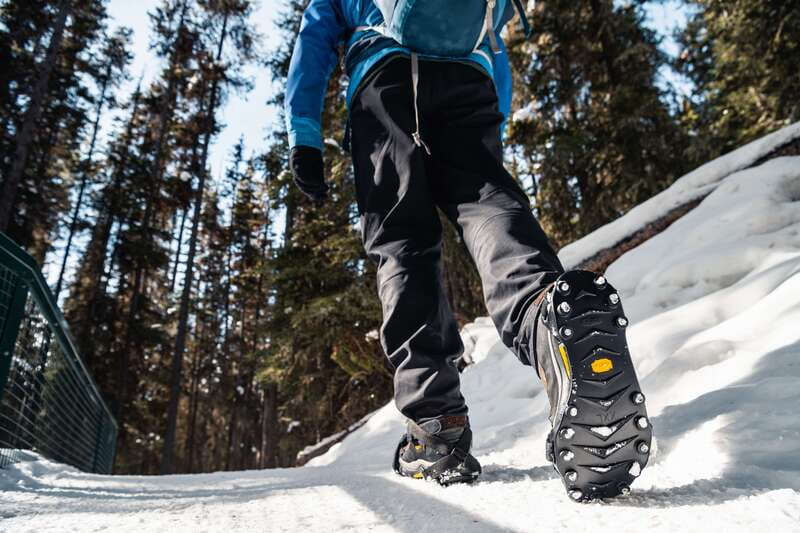
I also like the practical safety pieces. Ice cleats go on over your boots at the trailhead, plus you get hiking poles, so you can move confidently on icy steps and slick canyon edges. Guides such as Jeff and Neill are known for pacing the group well and answering questions while you’re still warm enough to enjoy the stops.
One possible drawback: the trail is popular, so you can run into crowds at the most photogenic spots. Winter conditions also mean you’ll want to accept that a cold day is part of the deal, even with the warm-up break.
In This Review
- Key highlights worth planning for
- Bow Valley Parkway pickup ride: a scenic warm-up before the hike
- Ice cleats, poles, and winter footing that feels manageable
- Johnston Canyon Upper Falls: steel catwalks and giant ice pillars
- Lower Falls and the optional cave viewpoint
- Hot chocolate and maple cookies: the break that keeps you enjoying the cold
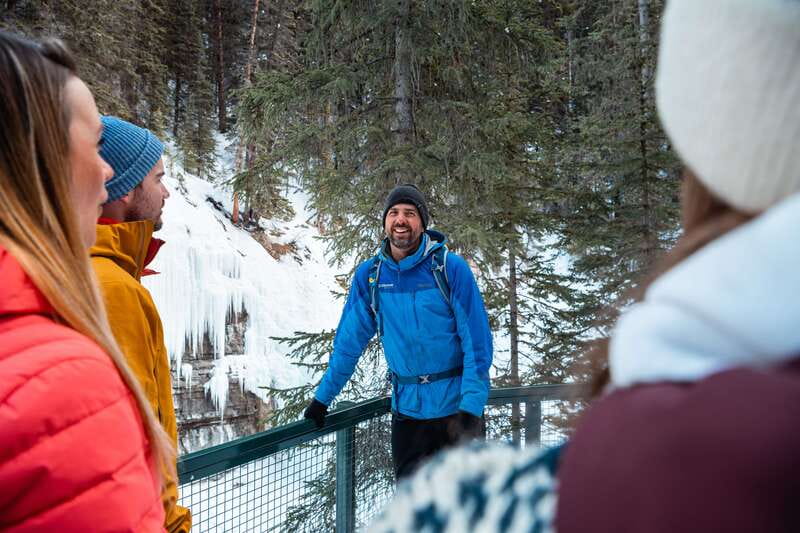
- Your guide’s role: geology, history, and real-world Banff stories
- Afternoon vs morning: how to choose your start time
- Price and value: what $79 buys you in winter
- Who this Johnston Canyon icewalk suits best
- Practical tips before you go (so the cold stays fun)
- Should you book this Johnston Canyon icewalk with pickup?
- FAQ
- How long is the Johnston Canyon Icewalk tour?
- How far do you hike, and how much elevation is involved?
- Is ice equipment provided?
- Where do I meet the tour in Banff?
- What should I wear and bring in winter?
- Are there age limits?
- Can I bring luggage or large bags?
Key highlights worth planning for
- Small-group tours (max 12) keep the hike controlled, with time for questions and safer footing.
- Bow Valley Parkway scenic drive adds wildlife and ecosystem talk before you even reach the canyon.
- Ice cleats + poles are provided, which makes a real difference on icy steel sections.
- Upper Falls is the showstopper, with catwalk views down to the ice-and-river below.
- Lower Falls includes an optional cave feature for a different angle.
- Hot chocolate and maple cookies give you a deserved reset before heading back down.
Bow Valley Parkway pickup ride: a scenic warm-up before the hike
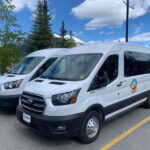
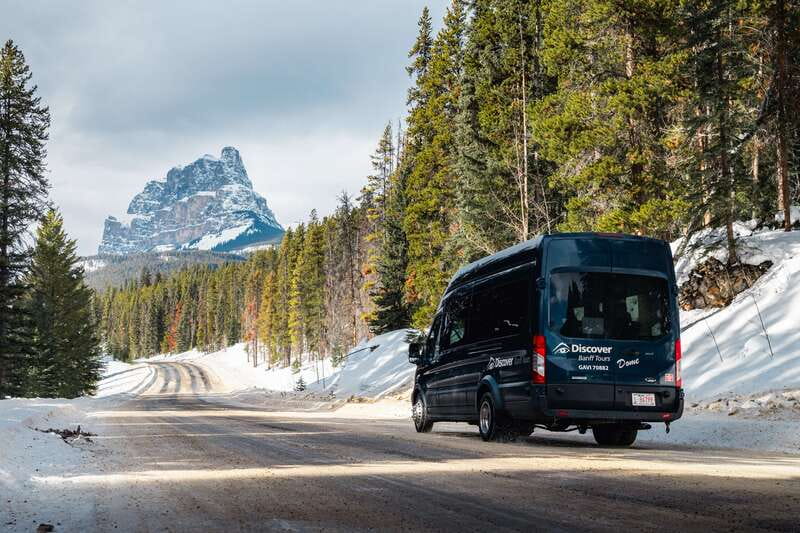
Your day starts with pickup in Banff at the Mount Royal Hotel area, then you head into the Bow Valley Parkway. Even before Johnston Canyon, I think this matters: it’s where the guide can set context for what you’re about to see—Banff’s winter environment, the canyon’s setting, and what to watch for in the valley.
This is also where wildlife spotting can happen. On days when elk or other animals are active, the drive becomes more than a transfer. If you’re the kind of person who enjoys quick pauses to scan a treeline, this part of the tour is actually a nice payoff.
The downside is minor but real: in winter, vehicle windows can fog up, which can limit how much you see during the ride. If you care about photos from the minibus, bring the mindset that the real camera work happens at the canyon stops, not from inside the van.
You can also read our reviews of more tours and experiences in Banff
Ice cleats, poles, and winter footing that feels manageable
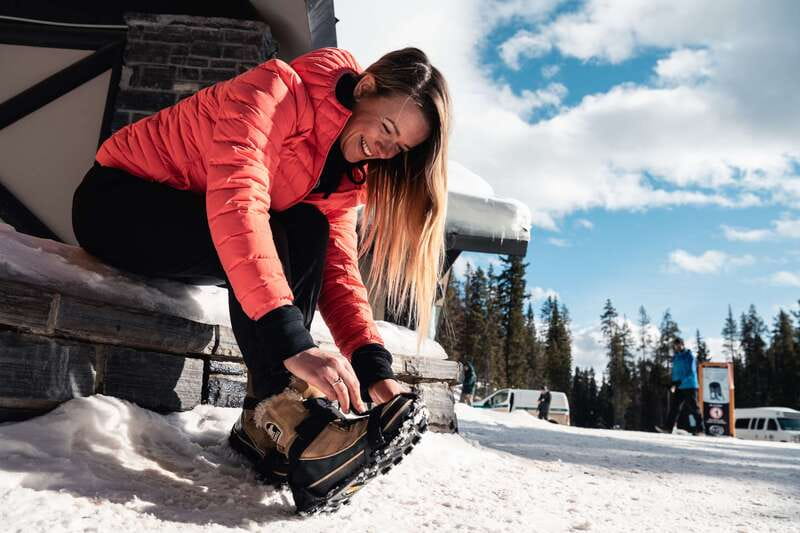
At the Johnston Canyon trailhead, your guide shows you how to put on ice cleats over your winter boots. That step is huge. Winter hiking sounds simple until you hit a slick patch or a steep, icy edge—cleats turn a stressful moment into routine movement.
You’ll also be given hiking poles. I like poles on this kind of trail because they reduce strain on knees and help on short climbs and descents. That’s especially relevant for anyone who doesn’t hike often but still wants a winter goal.
The hike is described as moderate, with a total of 5.4 kilometers and 135 meters of elevation gain. It’s not a summit day, but it’s also not just a stroll. Dress for traction and warmth: thermal layers, a winter jacket, snow pants, waterproof winter boots, and gloves or mittens.
One more practical note: the tour doesn’t allow luggage or large bags. Bring only what you can comfortably carry with winter clothing on (think a small day pack, water, and a layer you can manage without fuss).
Johnston Canyon Upper Falls: steel catwalks and giant ice pillars
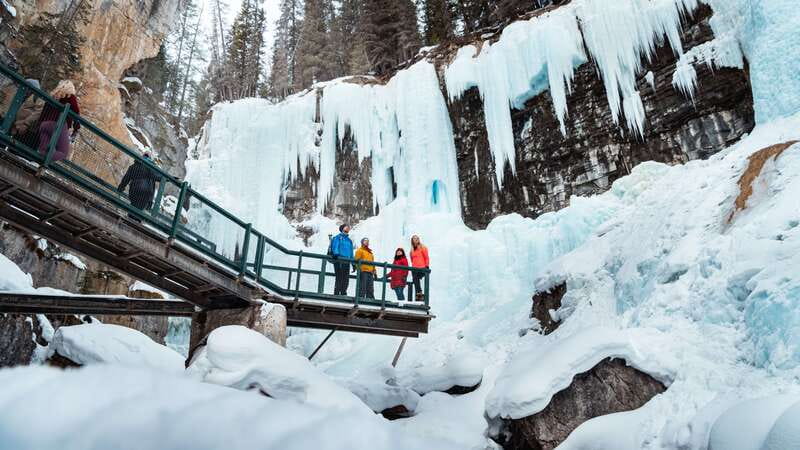
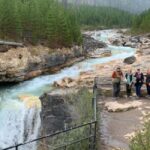
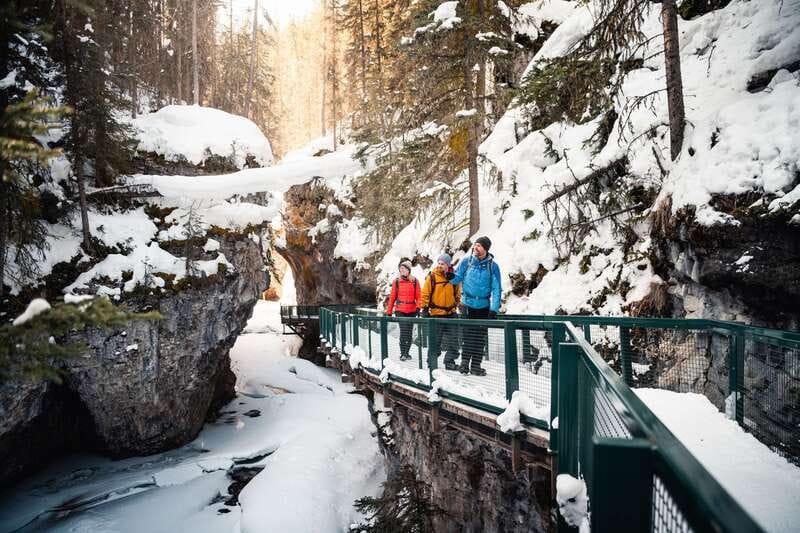
This is the core of the experience. You hike the canyon for about 2 hours to the Upper Falls area, starting with a 2.7-kilometer climb portion and that 135-meter elevation gain. As you go, you’ll walk along steel catwalks built into the canyon walls, which lets you look down into the ice and the river below.
Why I think this is so valuable: the catwalks change the hiking game. You’re not just trekking through a snowy corridor—you’re moving through a structured viewing experience where the canyon “opens up” in stages. Each section reveals a slightly different look at the frozen flow and the rock walls that hold it.
When you reach the Upper Falls, the ice formations become the highlight—those towering frozen columns are what most people come for. Ice climbers are sometimes seen scaling the frozen pillars, which adds another layer of excitement if you spot them.
You’ll also get a brief stop at the upper deck with a small refreshment break. This stop is timed so you can admire the view without rushing. It’s a good moment to step back, take photos, and let your breathing calm down before you begin the return.
Lower Falls and the optional cave viewpoint
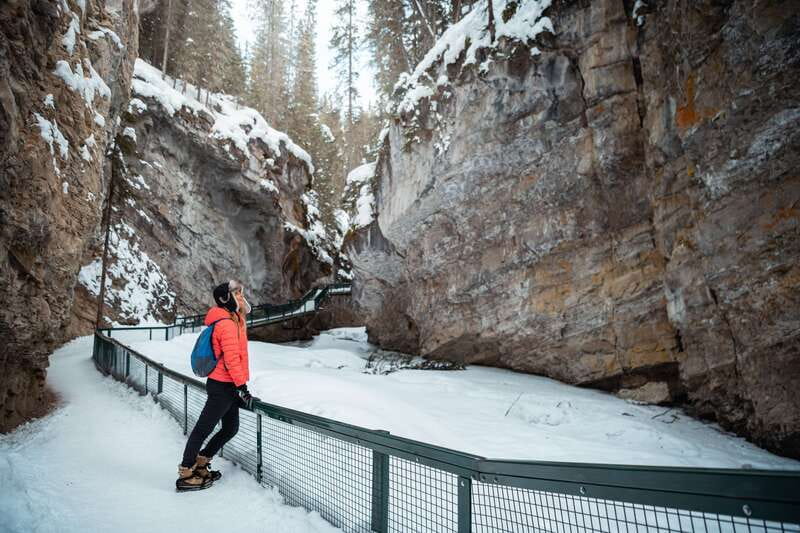
On the way back, you’ll stop at the Lower Falls. This section is shorter but still atmospheric, especially when the falls are partially frozen and still moving.
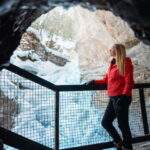
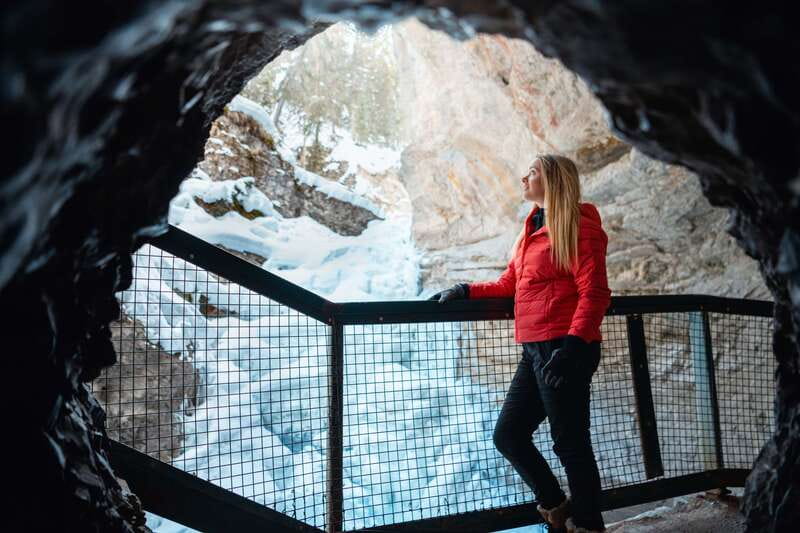
Here’s where the tour’s rhythm helps. You’re not only powering through; you’re collecting viewpoints. The lower area includes an option to walk through a natural cave feature for a unique view. If conditions feel good and the guide says it’s safe to proceed, this is the kind of detour that turns a good walk into a memorable one.
If you want the most time here, consider choosing the afternoon slot. It’s often easier to linger at lookouts instead of feeling like you’re constantly moving to keep up. (Even with a guided pace, winter crowds can influence timing at the most popular decks.)
One consideration: because Johnston Canyon is well known, this is where you may see more people. The tour can’t control public foot traffic on a famous trail, but you’ll usually feel safer and more organized on the guided route and stops.
Hot chocolate and maple cookies: the break that keeps you enjoying the cold
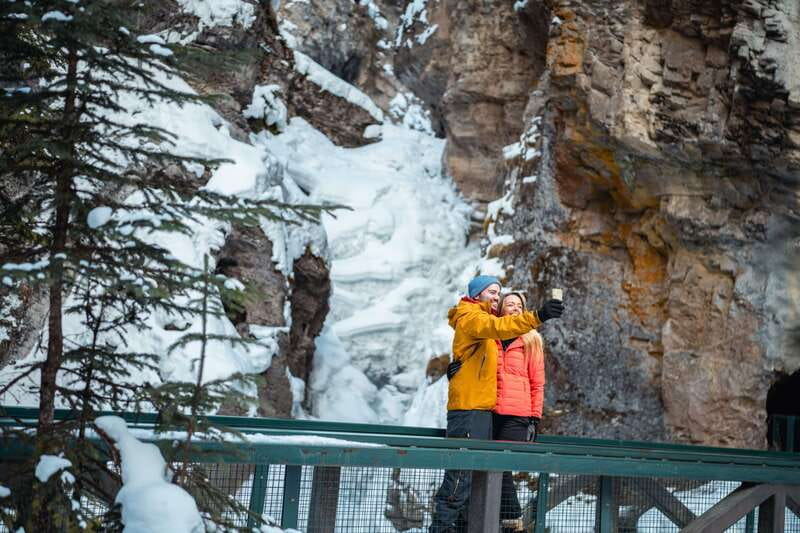
Midway through the experience, you warm up with hot chocolate and maple cookies. I love that they don’t treat this as an afterthought. In winter, energy dips fast, and warmth isn’t only comfort—it’s what keeps your enjoyment up so you can focus on the canyon.
This break also helps with pacing. You’ll get a moment to stand in one place, look around, and let the route settle into your memory. It’s the kind of rest that makes the return hike feel easier, even if your legs are getting tired.
If you’re prone to feeling chilled, don’t try to “push through” without the warm-up. Take it as part of the plan.


Your guide’s role: geology, history, and real-world Banff stories
The tour isn’t just walking from point A to point B. Your certified guide adds interpretation along the way—history and geology of the canyon, plus what’s happening in the broader Banff area during winter.
I especially like when guides explain the clues you’re seeing as you hike. You’ll learn how Johnston Canyon was formed and get help noticing the features that make the frozen falls look the way they do. On tours led by guides like Rob, Tim, or Emma, the vibe tends to be both practical and conversational: you can ask questions, and the answers connect the scenery to the science.
Some guides also bring a wildlife angle to the drive and walk. That ecosystem perspective can make the whole outing feel more “joined up” rather than just a photo stop.
And yes, the best guides also manage safety actively. People have noted instances where guides helped them at the top when it got very icy. That’s exactly what you want on a winter hike: attention when conditions tighten, not just encouragement when it’s easy.
Afternoon vs morning: how to choose your start time
This experience runs as a morning or afternoon session, and I’d choose based on your goal: fewer crowds vs slower savoring.
- If you want the morning, it’s often a solid choice for starting early and getting in before the day’s bigger wave. It can feel less crowded at the first viewpoints.
- If you want the afternoon, go in expecting a slower rhythm at lookout points. One guide-led experience described that the afternoon slot can give you more time at the upper viewpoints.
Either way, you’ll still get the same core route: Upper Falls catwalks, Lower Falls stop, hot chocolate break, and the return to Banff.
Price and value: what $79 buys you in winter
At about $79 per person for a 4-hour tour, this isn’t a “cheap add-on,” but it often feels fair for what you get.
Here’s the value math I see:
- Pickup and drop-off in Banff removes the burden of winter logistics and driving.
- Ice cleats and hiking poles are included, which you’d otherwise have to rent or improvise.
- A small group (max 12) and a certified guide mean you’re not guessing your way through icy spots.
- You also get interpretation: geology, canyon formation, and local stories that help you understand what you’re seeing.
Could you drive yourself and do it on your own? Some people do, and parking can be available. But doing it independently means you’re on your own for winter gear choice, pacing, and knowing what to look for while the canyon swallows your time with its beauty.
For me, the decision is simple: if you want a winter hike with safety support and a guided explanation, the price starts to make sense fast.
Who this Johnston Canyon icewalk suits best
This tour is a good fit for anyone who wants a winter hike that’s structured, scenic, and not overly technical.
You’ll likely love it if:
- You want to walk on the canyon catwalks without planning transportation yourself.
- You appreciate guides who explain how landscapes form, not just where to stand for photos.
- You want safety tools built into the experience, not “maybe you packed the right gear.”
It may not be for you if:
- You’re someone who dislikes crowds on famous trails.
- You want a fully low-effort outing. This is moderate hiking, and winter footing requires real attention.
Age rules matter too. The minimum age is 8, and anyone 15 and under must be accompanied by someone 18+. If you’re planning this for kids, make sure you’re comfortable with the winter clothing expectations and the waiver requirements for adults and minors.
Practical tips before you go (so the cold stays fun)
Use the tour’s clothing guidance as your checklist. Bring:
- Thermal clothing and warm layers
- Winter jacket, snow pants
- Scarf
- Warm shoes or waterproof boots with good traction
And don’t forget winter reality: even with cleats, you’ll still move at a safe pace. If you wear thick layers, that’s fine. Just make sure your boots feel secure once the cleats go on.
Also plan for your gear to be simple. Since luggage or large bags aren’t allowed, travel light and keep your essentials close.
Should you book this Johnston Canyon icewalk with pickup?
I’d book it if you’re visiting Banff in winter and want the Johnston Canyon ice formations without the stress of planning transportation and safety gear. The combination of ice cleats + poles, the steel catwalk route to Upper Falls, and the guided geology makes it feel more like a curated winter hike than a random trail walk.
Skip it if you hate crowded viewpoints or you’re already set up to drive yourself and you don’t need a guide to help you interpret what you’ll see. But if you’re looking for a half-day that’s both scenic and organized, this one is a strong bet.
FAQ
How long is the Johnston Canyon Icewalk tour?
The tour runs for about 4 hours.
How far do you hike, and how much elevation is involved?
The total hike is about 5.4 kilometers with 135 meters of elevation gain. The portion to Upper Falls is described as 2.7 kilometers.
Is ice equipment provided?
Yes. You’ll get ice cleats for your boots and hiking poles for the hike.
Where do I meet the tour in Banff?
Meet behind the Mount Royal Hotel at 138 Banff Ave, at the public bus parking spot. You should arrive about 5 minutes before the 8:12 AM or 1:12 PM pickup time.
What should I wear and bring in winter?
Bring thermal and warm clothing, winter jacket, snow pants, scarf, warm shoes, hats, mittens, and waterproof winter boots.
Are there age limits?
Yes. The minimum age is 8. Children aged 15 and under must have someone 18 years and older with them.
Can I bring luggage or large bags?
No. Luggage or large bags are not allowed on this tour.