REVIEW · CHIANG MAI
From Chiang Mai: Elephant Care Program and Nursery Tour
Book on GetYourGuide →Operated by Elephant Retirement Park Chiang Mai · Bookable on GetYourGuide
Elephants and a mud spa sound like fun, right? This Chiang Mai elephant care program mixes close encounters with real rescue-and-welfare education, not silly tricks. You get to watch elephants play in the mud pool, and you learn how their behavior guides what happens next. I love the rescue-focused approach and the fact that the day centers on the elephants choices, not forced performance.
Two things I especially liked: the chance to get hands-on (preparing food and feeding the elephants) and the way guides explain what you are seeing while you are there. Names I saw tied to the experience include Francesco and Tin, and the staff style comes through fast: friendly, practical, and safety-minded. One drawback to plan around: if you forget the basics in the packing list, you may not be able to fully join the mud-and-bath part of the day.
In This Review
- Key Highlights Worth Your Morning
- Why This Elephant Sanctuary Day Feels Real in Chiang Mai
- The Morning Flow: Pick-Up, Local Clothes, and the Mae Tang Drive
- Elephant Care Education: Watching First, Then Helping
- Feeding Time and Baby Elephant Moments That Stick With You
- The Mud Pool, Sand Spa, and Elephant Bath: Yes, It Gets Messy
- Thai Buffet Lunch: A Real Reset After Elephant Time
- Transportation Back to Chiang Mai: Smooth, Short, and Practical
- Price and Value: Is $53 Worth It?
- What to Pack So You Can Do Everything (Without Regretting It)
- Who This Tour Fits Best (And Who Might Want to Skip It)
- My Booking Recommendation: Should You Go?
- FAQ
- How long is the Elephant Care Program and Nursery Tour?
- Where does the tour depart from, and is hotel pick-up included?
- Is lunch included, and is it vegetarian?
- Do I get to feed the elephants?
- Will the elephants be forced to do activities?
- What activities happen during the mud and bath part of the day?
- What should I bring to fully enjoy the experience?
- Is there an English-speaking guide?
Key Highlights Worth Your Morning
- Ethical, rescue-based care with activities that run only when elephants want to participate
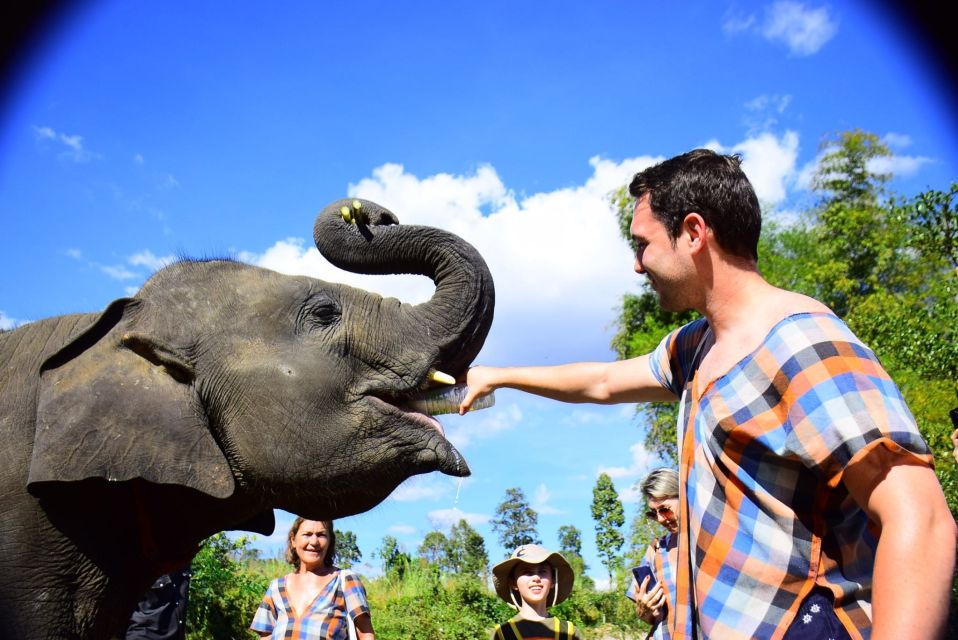
- Feeding and healthy treat prep so you are doing real care tasks, not just posing
- Mud pool, sand spa, and bath time that turn into a memorable, wet photo moment
- Baby elephant interaction plus up-close observation of rescued elephants’ behavior
- Thai buffet lunch and shower so you can reset before the drive back to Chiang Mai
Why This Elephant Sanctuary Day Feels Real in Chiang Mai
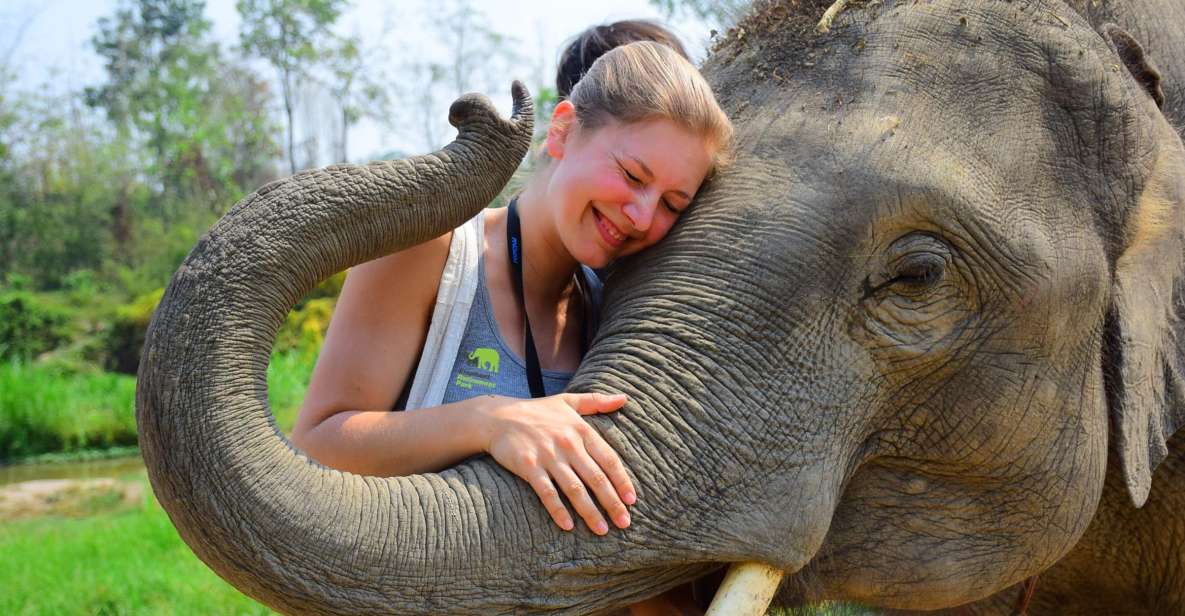
If you have ever wondered whether elephant tourism can be more than a photo booth, this is the kind of day that helps you sort it out. The Elephant Retirement Park Chiang Mai experience is built around rescued elephants, with specialists explaining how the animals are cared for and how you should respond in the moment. The big vibe here is gentle and practical: you are learning the elephants rhythms, not forcing yours on them.
I also like that the day is not built around long, hard selling. You start with straightforward guidance, you get real time with the elephants, and then you finish with a satisfying Thai meal and a clean path back to the city. When people talk about a hands-on experience, this one actually earns the phrase.
There is also a clear focus on welfare. You do not come to watch animals performing. You come to observe behavior, feed, and join in care activities when the elephants indicate they are comfortable.
You can also read our reviews of more tours and experiences in Chiang Mai.

The Morning Flow: Pick-Up, Local Clothes, and the Mae Tang Drive
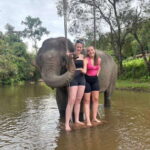
Most days start with a hotel pick-up in Chiang Mai city center. The included transfer covers hotels within about 5 kilometers of the Old Town area, and if your hotel is outside the pick-up zone, the operator says you should contact staff after booking. After pick-up, you take a roughly 1-hour drive to the countryside in the Mae Tang district.
That drive matters more than you might think. It is enough time to get oriented, but not so long that the day feels like a commute marathon. You also get drinks along the way, including water plus coffee and tea.
Once you arrive, you change into local clothing. This is one of those small steps that makes the day feel more like a working sanctuary visit than a staged attraction. Then your guide sets the tone for the day: what to expect from the elephants, how to stay calm, and when you will do feeding and care tasks.
If your guide is Francesco, Tin, Disney, or another member of the team, you will likely hear a similar theme: the elephants’ behavior controls the pace. That message repeats during the day, and it is worth taking it seriously. It is not just a rule. It is how the experience works.
Elephant Care Education: Watching First, Then Helping
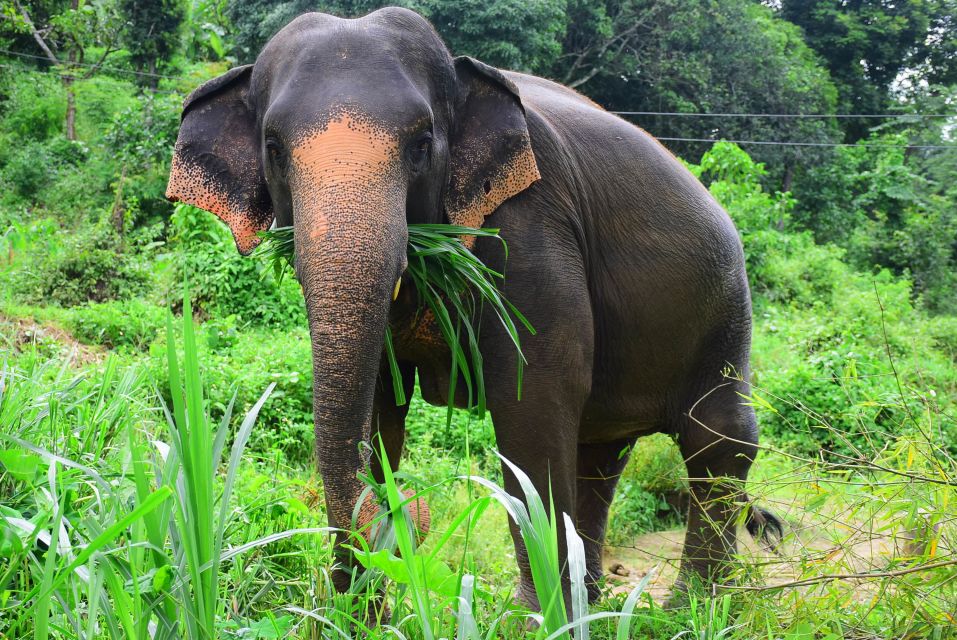
After you are set with the right mindset, the program shifts into observation and practical guidance. You learn about rescued elephants and what their behavior can signal: comfort, curiosity, rest, and boundaries. This is where you stop treating elephants like props and start treating them like sentient, decision-making animals.
Then comes your first chance to help. You prepare food and healthy treats and feed the elephants afterward. You are not just handing out snacks; the guide explains what you are doing and why it matters for routine and wellbeing. In several accounts, people also mention making items like medicine balls, which turns the day into something closer to caretaking than entertainment.
You will probably notice a recurring detail: the staff and caregivers treat safety as the default. That means you move when instructed, you follow the group, and you keep space when the elephants move.
Also, the day is not designed so you must force interaction with every elephant. The program notes that elephants are not forced to do any activity they do not want to do. In practice, that often means you might wait a bit, watch, and then join in when it feels right.
Feeding Time and Baby Elephant Moments That Stick With You
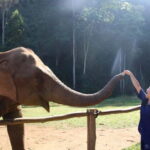
Feeding is usually the part people remember most. You get close enough to feel the scale of these animals, and you get to see how different individuals behave. Some elephants are calm and steady; others are playful and curious. You are watching real personalities, not a single script.
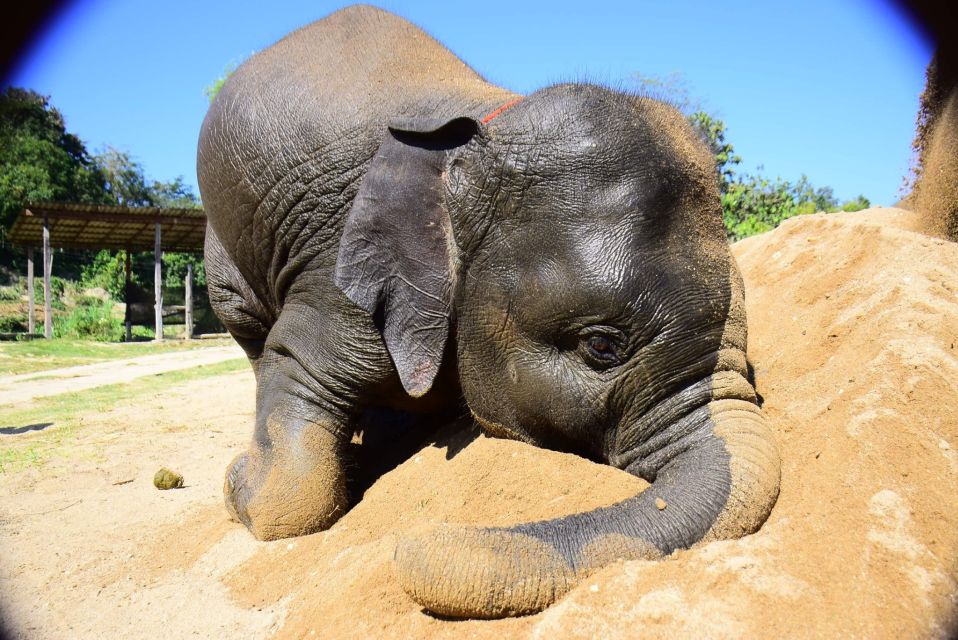
Baby elephant moments add a special layer. The program highlights play time and photos with baby elephants, and many accounts describe the delight of meeting younger elephants during the walk or care activities. It is one thing to see elephants in pictures. It is another to see how babies interact with caregivers and how their energy changes the whole moment.
If you want a more intimate feel, this tour can deliver. Some accounts mention a smaller number of elephants in the care group and a guest-to-elephant ratio that feels intimate rather than crowded. Still, do not assume it will feel like a private tour every single day. On certain dates, groups can be larger (some people mention a group size around 20–25). The program can still feel special, but it helps to set expectations.
The Mud Pool, Sand Spa, and Elephant Bath: Yes, It Gets Messy
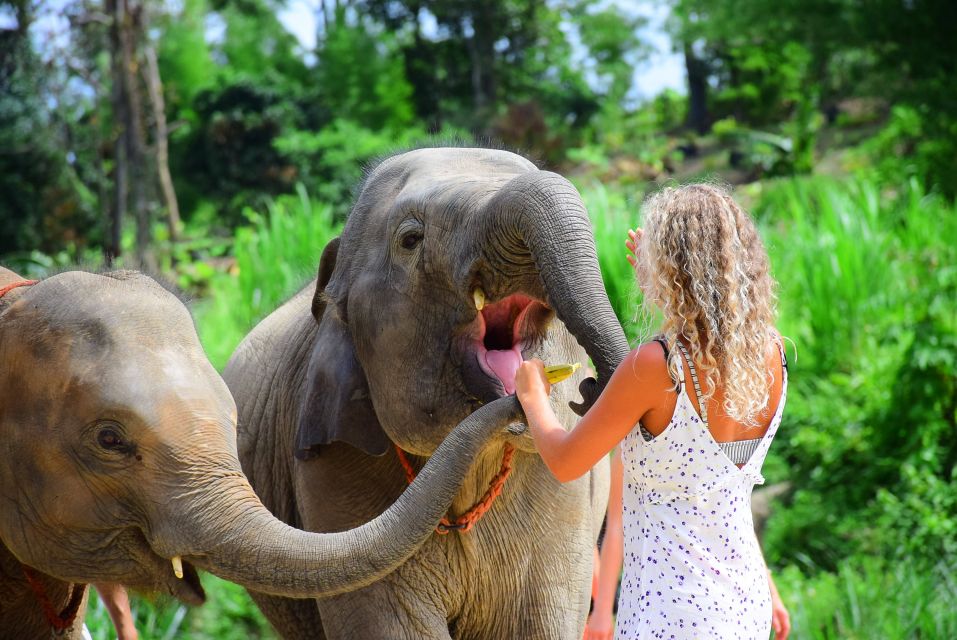
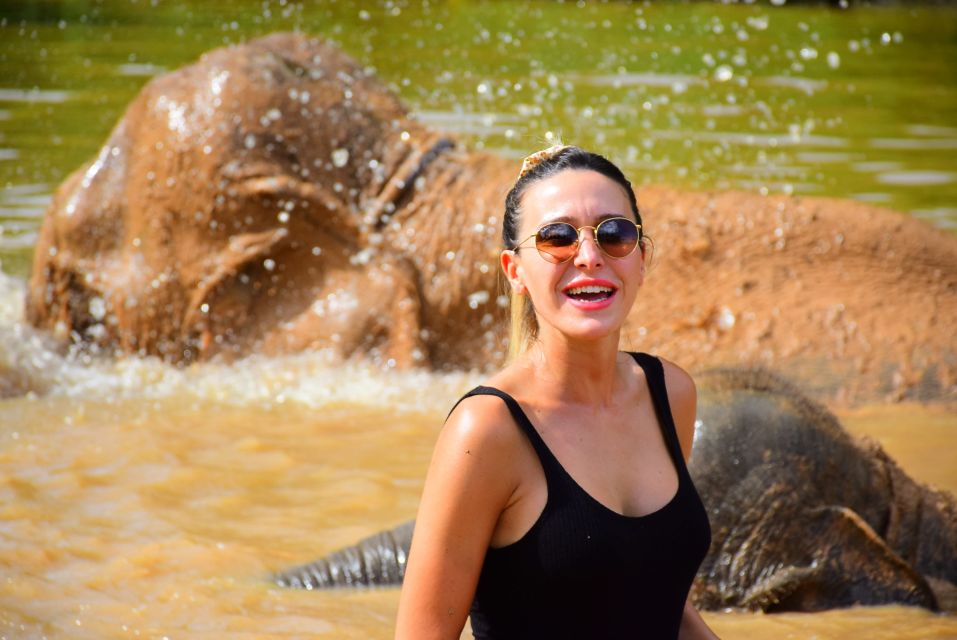
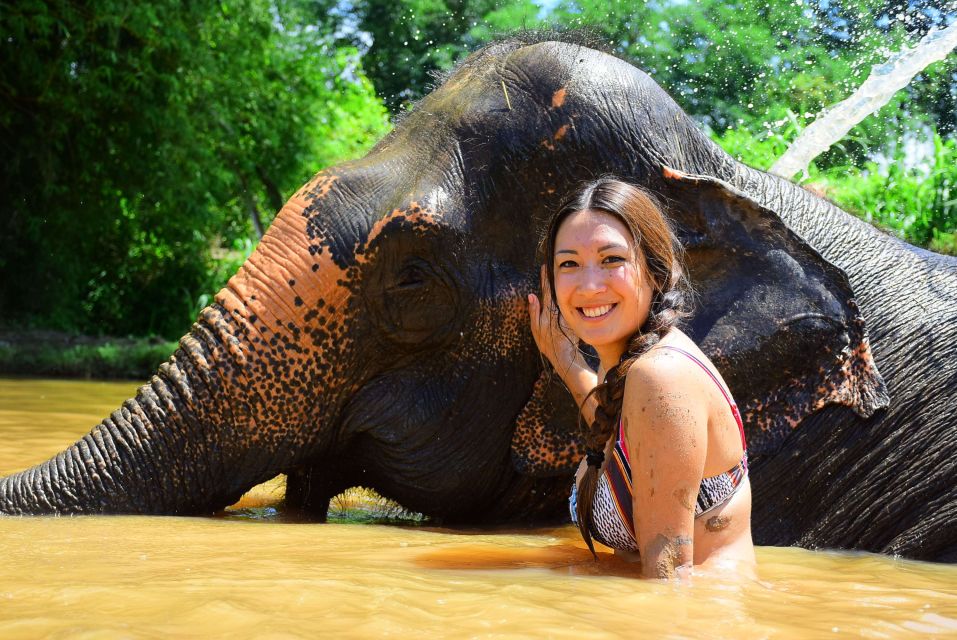
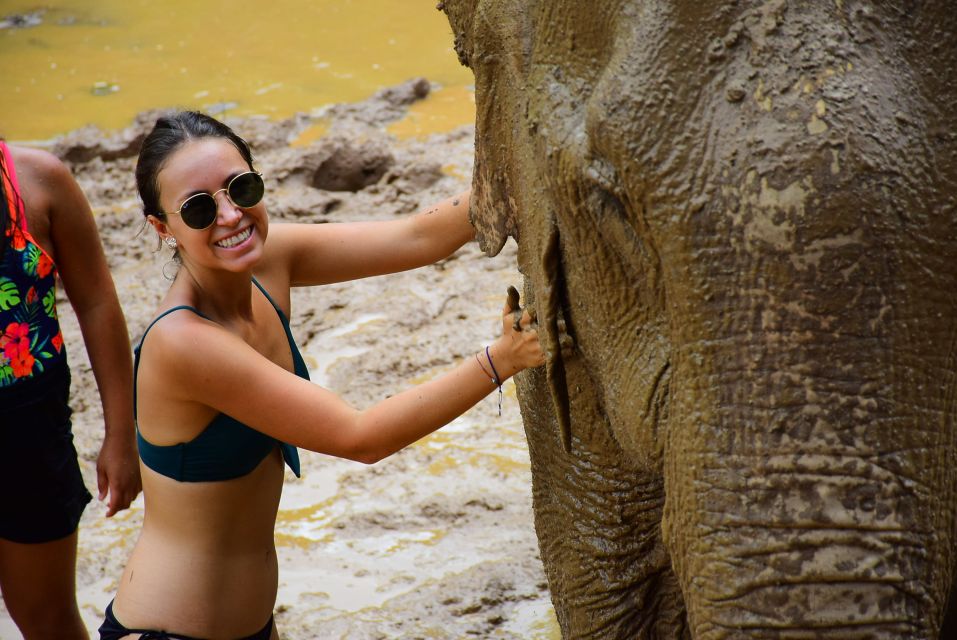
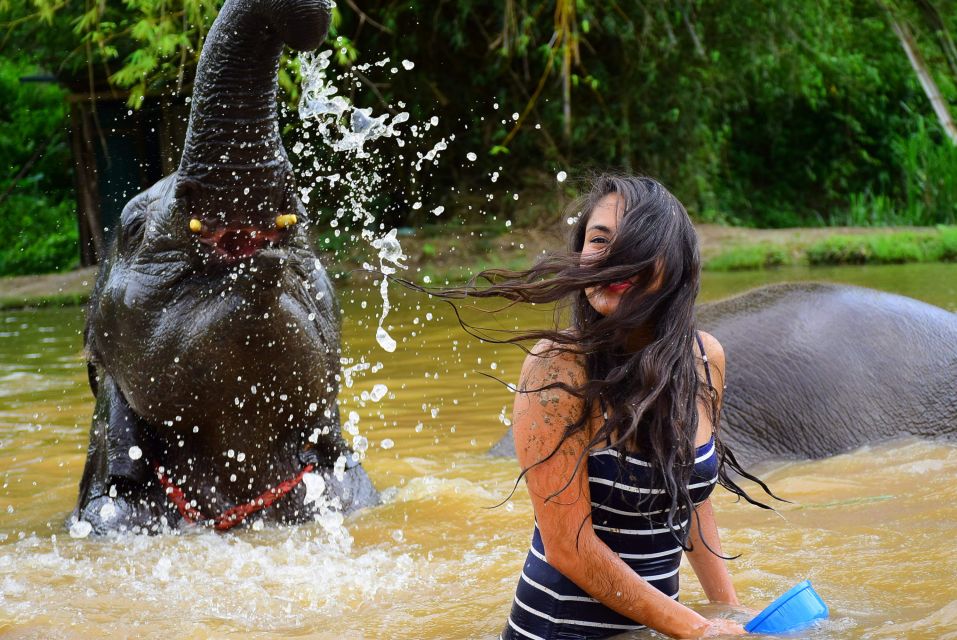
Now for the headline act: mud and water. After feeding and care prep, you walk to the mud and sand spa area. This is where you watch elephants play in the mud pool and then join in activities like mud treatments and bathing, based on what the elephants choose to do.
This is also where your packing list becomes life advice. Many participants stress the same point: bring swimwear and a change of clothes. People who show up under-prepared sometimes miss the mud-bath portion because they are uncomfortable getting soaked or do not have a dry outfit ready afterward. If you want the full experience, treat this like a swimming day with extra rules, not a casual photo stop.
What makes this part worthwhile is the behavior. You are not just watching splashing. You are seeing elephants actively participate in a comfort routine, with staff managing the process and you taking cues from the animals’ body language. Then, once the wet activities are done, you get access to showers and support for getting cleaned up again.
And yes, you will likely get photographed. Multiple people mention an on-site photographer capturing the day, and photo packages are sold separately after. If you hate surprise add-ons, decide ahead of time what you want to spend. If you love memories, it can be a simple way to leave with a set of well-timed images from the mud-bath moment.

Thai Buffet Lunch: A Real Reset After Elephant Time
After the elephant time, you change back out of your local clothing, shower, and head to lunch. The tour includes a Thai buffet lunch and is vegetarian-friendly, and people describe it as tasty and filling. In some accounts, the meal includes items like pad Thai and vegetable fried rice, though the exact spread can vary with the day.
Lunch is not just food here. It is your break from the stimulation of being close to large animals. You will appreciate the reset if the first half of the tour felt intense (and it might). It also helps you enjoy the afternoon without rushing.
Drinks are covered earlier in the day, and the overall program keeps you hydrated, which matters if you are getting wet and spending time outdoors.
Transportation Back to Chiang Mai: Smooth, Short, and Practical
Once lunch wraps up, you start the return drive to Chiang Mai city center. The ride is about an hour, so you do not feel like you are stuck on a bus for the rest of the day.
Some accounts mention comfort level in the van as a mixed detail, with one person noting the seats felt comfortable but also pointing out things like seatbelts. That tells me your best move is the simple one: bring a light layer and wear comfortable slip-on shoes. You are in and out of vehicles and facilities, and you will walk more than you expect.
When you get back, you are usually done for the day. This is a good option if you want one standout activity without surrendering your whole itinerary.
Price and Value: Is $53 Worth It?
At about $53 per person for a 5–6 hour program, this sits in the mid-range for Chiang Mai elephant experiences. What makes it feel like value is what you get for the price: round-trip transportation from central Chiang Mai, an English-speaking live guide, drinking water plus coffee/tea, feeding food and healthy treats, a Thai buffet lunch, and a structured day that includes mud pool and bath time.
You are also paying for the staff expertise and the welfare framework. The program notes that visits support the work and future elephant rescues, and multiple accounts describe the place as clean and well run. When the focus is care and education, you are not just buying access. You are buying a day that tries to do things the right way.
The only cost you should consider beyond the base price is optional photography. Several people mention purchasing photo sets after the visit, with reported prices varying (one person mentions around 800 baht for 250+ photos, and another mentions around 500 baht for about 70 photos). Plan for that possibility if you want those images.
What to Pack So You Can Do Everything (Without Regretting It)
Here is what the experience specifically says to bring, and I strongly agree with it:
- Swimwear (for the mud pool and bath)
- Change of clothes (this is the big one)
- Flip-flops (easy in and out)
- Insect repellent
- Personal medication
Also, since you will likely end up carrying wet items, bring a small bag to keep damp clothes separate. It makes the shower and travel back more comfortable.
If you want the simplest strategy: pack like you are going swimming in the tropics plus you need dry clothes for dinner later.
Who This Tour Fits Best (And Who Might Want to Skip It)
This program is ideal if you want a hands-on day with rescued elephants and you care about welfare-style tourism. You will probably enjoy it most if you like learning from specialists and you want real time with elephants doing their own thing.
It also suits people who want structure. The day has clear steps: meet and feed, care tasks, mud play, shower, and Thai lunch. That flow helps you relax and enjoy the moments instead of guessing what happens next.
You might want to think twice if you dislike getting wet or you have mobility issues that make bathing and changing difficult. This is not a sit-in-a-chair, watch from afar situation. It is close contact with a wildlife-adjacent routine, and comfort matters.
My Booking Recommendation: Should You Go?
Yes, I would book this if you want an ethical Chiang Mai elephant experience that goes beyond photos. The best parts are the care-based interaction: feeding, treat prep, observation, and then the mud-and-bath activities that happen in the elephants’ comfort zones.
Book it especially if you will pack correctly. Bring swimwear and a change of clothes and you will leave with the full set of memories: muddy, laughing, and informed.
If you want a quick decision checklist:
- You want to feed and care alongside elephants
- You are okay with a wet day
- You want a guide-led explanation in English
- You are fine paying extra only if you choose the photo package
FAQ
How long is the Elephant Care Program and Nursery Tour?
The duration is about 5 to 6 hours.
Where does the tour depart from, and is hotel pick-up included?
Round-trip hotel transfers are included for hotels within about 5 kilometers of the Old Town. If your hotel is outside the pick-up service area, you should contact staff after booking.
Is lunch included, and is it vegetarian?
Yes. A vegetarian Thai buffet lunch is included.
Do I get to feed the elephants?
Yes. You will prepare food and then feed the elephants as part of the program.
Will the elephants be forced to do activities?
No. The program notes that elephants are not forced to do any activity they do not want to do.
What activities happen during the mud and bath part of the day?
You will join the elephants at a mud and sand spa where they play and you may participate in mud treatments and washing/bathing activities, based on what the elephants choose.
What should I bring to fully enjoy the experience?
Bring swimwear, a change of clothes, flip-flops, insect repellent, and any personal medication.
Is there an English-speaking guide?
Yes. The live tour guide is English-speaking.