REVIEW · POKHARA
4 Day Poon Hill Trek from Pokhara
Book on GetYourGuide →Operated by Peak to Peak Treks · Bookable on GetYourGuide
Sunrise from Poon Hill feels like magic. This is a short trek in Nepal’s Annapurna region that mixes Himalaya views with village life, and you spend your best moments watching the mountains glow at dawn. I also love how the route ends in Ghandruk, a classic Gurung village where the culture feels close and real. One consideration: you’ll climb thousands of steps to reach Poon Hill.
I like that the trip is built for motion without turning it into a grind. You’ll start with an early drive from Pokhara to Nayapul, then walk through river valleys, rhododendron and oak forests, and traditional settlements. And with a live English/Hindi guide (English speaking trekking guide), you’re not guessing your way through the day.
You can do it as a 2–4 day trek, but the typical rhythm follows four days: Nayapul → Tikhedhunga → Ghorepani → Poon Hill → Tadapani → Ghandruk → back to Pokhara. Meals aren’t included, so budget for food on the trail, typically around 3500 Rs per person per day if you’re buying meals during the hike.
In This Review
- Key things to know before you go
- Why this Poon Hill trek works so well for a short trip
- Day-by-day: from Pokhara to Tikhedhunga (Day 1)
- Day 2: Ulleri’s stone stairs and the walk into Ghorepani
- Day 3: Poon Hill sunrise (3,210m) and the route to Tadapani
- Day 4: Ghandruk village culture and the drive back to Pokhara
- Price and logistics: what you’re really paying for
- Guest houses and meals: how to keep days comfortable
- Packing and fitness: the thousand-step reality
- Private trip energy: when it’s worth choosing your own pace
- Who this 2–4 day Poon Hill trek suits best
- Should you book this Poon Hill trek from Pokhara?
- FAQ
- How long is the Poon Hill trek from Pokhara?
- Where does the trek start and end?
- What is the highest point on the trek?
- Is a guide included?
- Are trekking permits and TIMS card included?
- Are meals included in the price?
- What kind of accommodation do you get?
- What should I bring, and what is not allowed?
Key things to know before you go
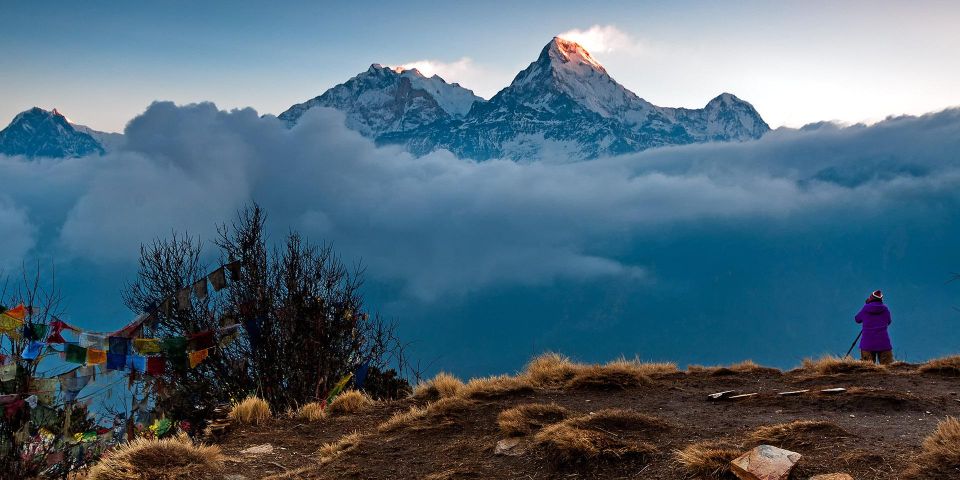
- Poon Hill sunrise at 3,210m: expect an early-morning hike so you catch the best light
- Guest-house sleeping every night: comfortable enough for a short trek, with basic village comforts
- Steep step sections: especially the stone stairs up to Ulleri on day 2
- Rhododendron and oak forests: the trail has shade and texture, not just stone and dust
- Permits handled for you: trekking permit and TIMS card are included
- Private or small-group options: choose the vibe that fits your pace
Why this Poon Hill trek works so well for a short trip
If you want Annapurna views without committing to a long multi-week trek, Poon Hill is one of the best shortcuts. The trail is short by Himalayan standards, but it still gives you that classic “Nepal in motion” feeling: early light, village stops, and forest hiking between viewpoint moments.
What makes this route especially enjoyable is the balance between effort and reward. Day 1 and Day 2 build you into the region gradually—walking along the Bhurungdi River and then climbing into higher scenery—so by Day 3 you’re in position for the big payoff. Then Day 4 keeps things gentle enough to finish on a cultural high note in Ghandruk before returning to Pokhara by drive.
This also fits real-world travel schedules. You’re starting from Pokhara, where it’s easy to organize transport and where most trekking logistics are simple. Plus, because this is a guided trek with permits included, you can focus on walking and scenery instead of paperwork.
You can also read our reviews of more hiking tours in Pokhara
Day-by-day: from Pokhara to Tikhedhunga (Day 1)
Your trek starts with a drive from Pokhara to Nayapul. It’s typically about 1.5 to 2 hours, and that short transfer matters because it gets you on the trail quickly. You’ll begin walking through Birethanti, a larger village area that feels lively compared to the quieter hamlets later on.
From there, the hike follows the Bhurungdi River and gradually climbs to Tikhedhunga (1,540m). This part is a good warm-up day. You’re not yet facing the highest step counts, but you are building rhythm: steady uphill, changing views through the valley, and the sense that you’re gradually trading road noise for mountain air.
For me, this is the part that sets the tone. If you arrive in a relaxed mindset, Day 1 makes the rest of the trek feel achievable. If you push too hard on day 1, the steps later can feel harsher than they need to.
That said, Tikhedhunga is where you’ll settle for the night in a guest house. Guest-house lodging is basic, but it’s practical for a short trek: you can get out early, eat when you need, and rest your legs before the next day’s climb.
Day 2: Ulleri’s stone stairs and the walk into Ghorepani
Day 2 is the day to respect your legs. You’ll ascend steep stone stairs up to Ulleri village. There’s no magic trick here—expect a lot of steps and a steady climb, which is exactly why this trek can be short yet still feel like a real trek.
Once you pass Ulleri, the trail shifts into a forest vibe, moving through rhododendron and oak forests. That change is more than scenery. Trees mean shade, a softer walking environment, and less of that “hot and exposed” feeling you can get on open sections.
You’ll reach Ghorepani (2,750m), a village known for panoramic mountain views. This is the night where your body starts to “know” you’re going higher. It’s also the point where your expectations for Day 3 rise—because Ghorepani is where the story builds toward Poon Hill sunrise.
Practical tip: on day 2, pace your breathing. The uphill steps reward steady effort more than speed. If your guide is experienced, you’ll likely be reminded to take breaks at a comfortable rhythm and keep moving without draining yourself for sunrise.
Day 3: Poon Hill sunrise (3,210m) and the route to Tadapani
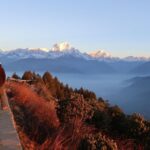
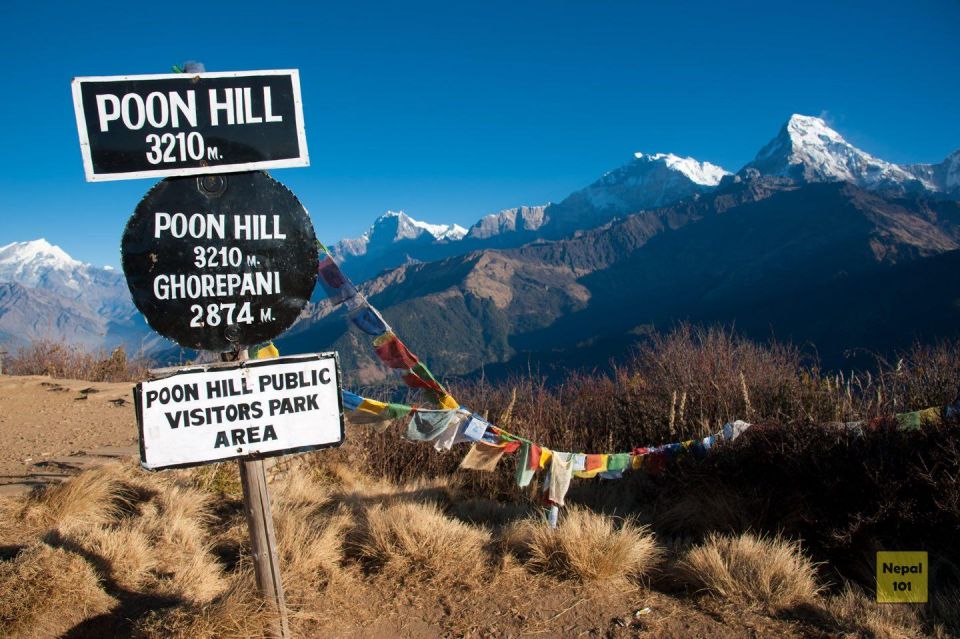
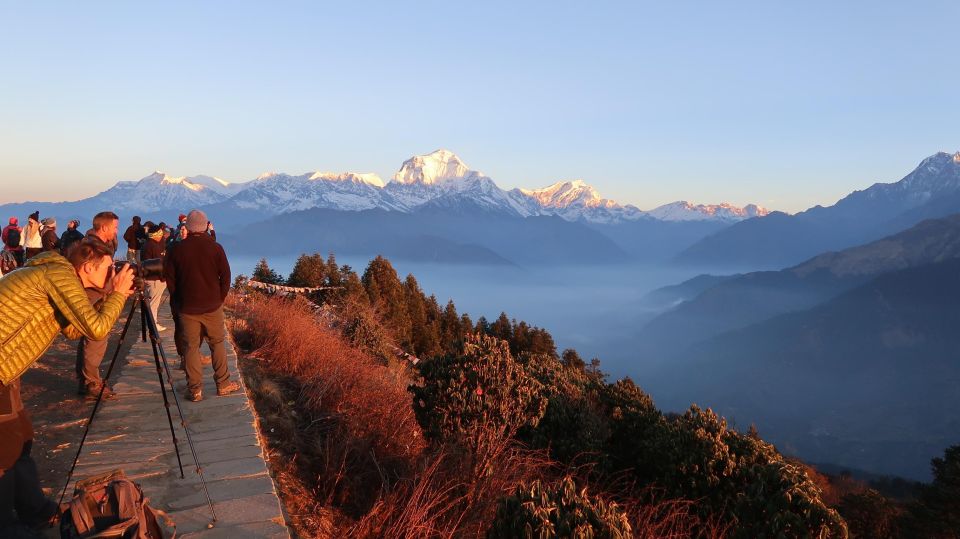
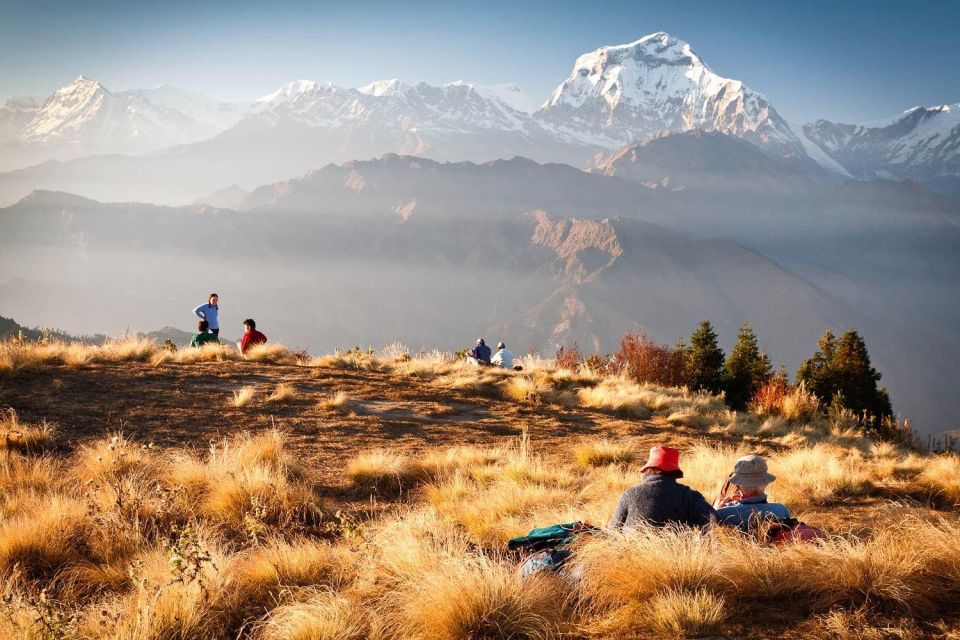
Day 3 starts early: you’ll hike up to Poon Hill (3,210m) for sunrise. That early start is part of why this trek is popular, because sunrise transforms the view from “nice” to “you remember this.” You’re looking out across the Annapurna and Dhaulagiri ranges, and morning light helps separate the peaks into layers.
After breakfast back in Ghorepani, you’ll head toward Tadapani (2,630m). The route continues through rhododendron forest, and the day becomes less about a single viewpoint and more about sustained enjoyment: walking, switching light through trees, and getting new angles of the mountains as the trail turns.
Tadapani is a smart place to spend the night because it keeps you in trekking country without overstretching the day. The altitude is still meaningful, and the atmosphere stays fully in the mountains rather than reverting to lower valley walking.
If you’re sensitive to cold mornings, plan for it. Early starts often mean cooler air at higher points, so bring layers you can handle during the climb and then remove when you warm up.
Day 4: Ghandruk village culture and the drive back to Pokhara
On the final day, you’ll trek from Tadapani to Ghandruk (1,940m). The downhill route is usually more about control than endurance—watch your footing, take your time on descents, and let your knees get their moment to relax.
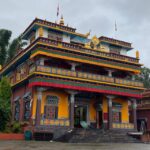
As you approach Ghandruk, the scenery and the atmosphere change. Ghandruk is a charming Gurung village, and this is where you finish with culture instead of just mountain views. You’ll have time to explore the village and get a sense of local life in the Annapurna region—how people live, work, and host hikers on this popular trail.
Then you’ll drive back to Pokhara in the afternoon. That timing matters because it gives you closure without feeling rushed. You end the trek cleanly, with less chaos than you’d have if the return were spread across multiple travel days.
You can also read our reviews of more tours and experiences in Pokhara
Price and logistics: what you’re really paying for
The price is $272 per person, and for a guided, permit-included trek with private vehicle transfers, it’s a fairly straightforward value equation. What you’re buying here is not just the trail—it’s the planning and the admin that can eat time and stress if you try to assemble it yourself.
Here’s what’s included:
- hotel pickup and drop off
- English speaking trekking guide
- all trekking permits and TIMS card
- round trip transfer by private car (Pokhara side)
- guest house accommodation
- private trip
What’s not included:
- meals (available to purchase; roughly 3500 Rs per person per day)
- gratitude (optional)
Why that matters: meals are often the easiest cost to underestimate. If you arrive with a “maybe I’ll buy small snacks” mindset, your budget can drift. If you plan for a daily meal cost from the start, you’ll keep control of the trip.
You also get a guide team that can translate trail reality into understandable pacing. In at least some bookings, the guide Nir is singled out for being attentive, with solid organization. That kind of care shows up in the small things: keeping the timing sensible, checking in on how people are feeling, and making sure you’re ready for early sunrise efforts.
And if plans shift, you get free cancellation up to 24 hours in advance and reserve-and-pay-later options. Keep in mind: those policies are only helpful when you’re flexible, so it’s smart to confirm details when you book.
Guest houses and meals: how to keep days comfortable
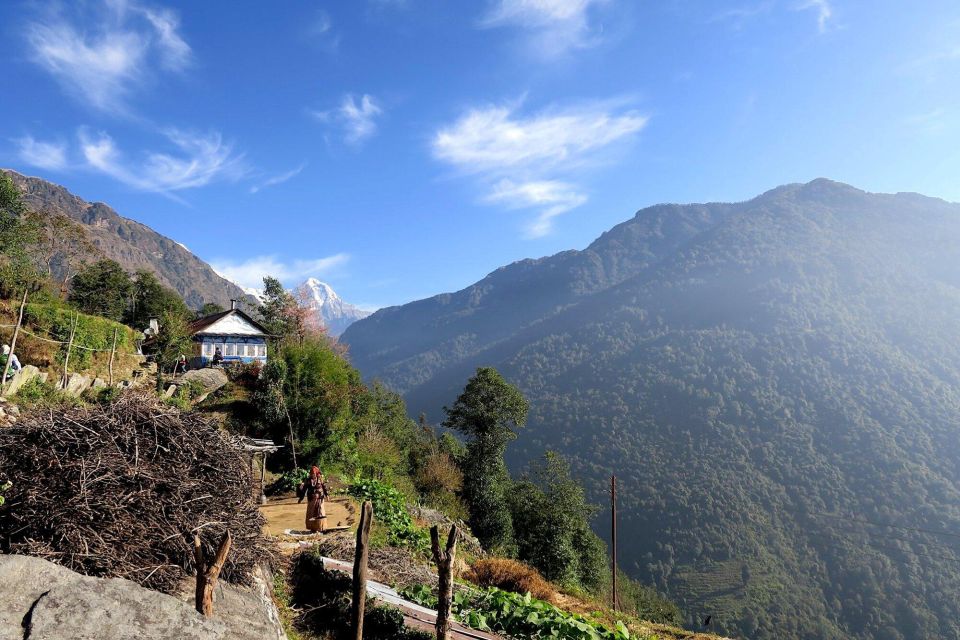
This trek uses guest house lodging each night. That usually means simple rooms, shared facilities, and the kind of comfort that’s meant for trekkers rather than tourists looking for a resort. It’s totally appropriate for a short trek because your time is divided between walking and sleeping, not hanging out in your room.
Meals are not included, and they’re something you’ll handle daily. Since meals cost around 3500 Rs per person per day (based on the provided estimate), I recommend you treat food as part of the trek budget, not an afterthought.
For comfort and energy, aim to eat in a way that supports your next climb:
- a hearty breakfast before the sunrise push (especially on the Poon Hill morning)
- warm meals after the day’s walking
- snacks you can manage during step-heavy sections
You don’t need gourmet food to enjoy the trek. You do need enough fuel and warm drinks to stay steady on cold mornings and long descents.
Packing and fitness: the thousand-step reality
The trek includes serious stair climbing, especially for Poon Hill day access. You’ll also hit thousands of steps to reach the top of Poon Hill, which is explicitly part of the experience.
So pack for your feet and your knees:
- comfortable trekking shoes with good grip
- comfortable clothes you can layer for early cold
- a passport or ID card
- a passport-sized photo
Two important rules:
- no luggage or large bags on the trek
- no drones
If you’re managing mobility limits, note that this trek is not suitable for wheelchair users, and it’s not recommended for pregnant women based on the provided information.
A practical mindset: treat this as an “up-down” hiking trip, not a stroll. You’ll feel it in the legs, but the upside is that the trek gives big views for a relatively short commitment.
Private trip energy: when it’s worth choosing your own pace
This option offers private or small groups. That can matter more than people expect on a trek like this, because the most demanding part is the timing for sunrise. Having a group size that stays manageable helps your guide pace the day and adjust for how everyone is moving.
A private trip can also help if you prefer:
- more time at viewpoints for photos and a calm look
- flexibility with breaks
- a guide who can focus on your questions and comfort
If you’re traveling with friends and want a shared experience without a large group’s rhythm, private works well here.
Who this 2–4 day Poon Hill trek suits best
This trek is ideal if you:
- want a classic Annapurna viewpoint experience without a long trek
- enjoy village walking and short forest sections
- like the idea of a guided plan that takes care of permits
- can handle steep steps and early mornings
It’s also a good match if you’re based in Pokhara and want a clean, end-to-end itinerary that gets you back the afternoon of Day 4.
If your travel style is very leisurely, you might find the steps and early sunrise hike challenging. If you’re comfortable with strenuous stair segments, you’ll likely feel proud of what you accomplish in just a few days.
Should you book this Poon Hill trek from Pokhara?
I’d book it if you want maximum Himalayan payoff for minimal time, and if you’re willing to work with the stair climbing instead of trying to outsmart it. The included guide, permits, and private round-trip transfers are the kind of support that makes the trek feel smooth rather than complicated.
Skip it (or rethink your plan) if steps and early mornings are deal-breakers for you, or if the not-suitable-for-pregnancy and wheelchair restrictions apply to your situation.
If you can handle the stair-heavy parts and plan your budget for meals, this is a smart, well-structured way to experience Poon Hill and the Annapurna region in a short Nepal window.
FAQ
How long is the Poon Hill trek from Pokhara?
The experience is listed as 2 to 4 days. Starting times depend on availability.
Where does the trek start and end?
You’ll be driven from Pokhara to Nayapul to start the trek, and you’ll trek to Ghandruk before driving back to Pokhara in the afternoon.
What is the highest point on the trek?
The highest point is Poon Hill at 3,210m.
Is a guide included?
Yes. An English speaking trekking guide is included, and the live tour guide language is listed as English and Hindi.
Are trekking permits and TIMS card included?
Yes. Trekking permits and the TIMS card are included.
Are meals included in the price?
No. Meals are not included. They are available for purchase at approximately 3500 Rs per person per day.
What kind of accommodation do you get?
You get accommodation in guest houses.
What should I bring, and what is not allowed?
Bring a passport or ID card, comfortable shoes, comfortable clothes, and a passport-sized photo. Large bags or luggage are not allowed, and drones are not allowed.