REVIEW · POKHARA
Afternoon Tibetan cultural tour
Book on GetYourGuide →Operated by The Tibetan Encounter Day Tours (P) Ltd · Bookable on GetYourGuide
A monk’s voice changes how you see Tibet. This afternoon Tibetan cultural tour near Pokhara is guided by Mr. Thupten Gyatso, a Tibetan native who explains daily life in exile through Buddhist practice and refugee community work. You’ll visit monasteries and one nearby Tibetan Refugee Settlement, with time to ask questions and connect symbols to real routines.
I especially like two parts. First, the conversation with a young Buddhist monk—it’s direct, human, and surprisingly practical (vows, study, daily rhythms). Second, the afternoon prayer chanting, where you don’t just hear words, you feel the group energy and learn what the rituals mean in everyday Tibetan life.
One consideration: this is a culture-and-faith focused half day. If you want nonstop scenic views, this schedule trades some sightseeing time for monasteries, a family home meal, and structured prayer moments.
In This Review
- Key Points to Know Before You Go
- Why This Tibetan Cultural Tour in Pokhara Feels Personal
- Meet Mr. Thupten Gyatso: the Guide Who Makes Symbols Click
- Pema Ts’al Sakya Monastic Institute: First Look at Monastic Life
- Tashi Palkhel Tibetan Settlement: Seeing Culture Survive in Exile
- Talking to a Young Monk: The Moment That Makes It Stick
- Afternoon Prayer Chanting at a Monastery: What You Really Hear
- Tibetan Butter Tea and Tsampa: Tasting the Culture with Context
- Price and Logistics: Is $56 Worth It for a 4-Hour Tour?
- Who This Tour Suits Best (And Who Might Want Another Option)
- Should You Book This Tibetan Cultural Tour Near Pokhara?
- FAQ
- How long is the afternoon Tibetan cultural tour?
- How much does the tour cost?
- Where do you get picked up?
- Is the tour group small?
- What language is the guide?
- What are the main activities you’ll do during the tour?
- Do you visit more than one monastery?
- What food and drinks are included?
- What Buddhist symbols does the guide explain?
- Is it suitable for young children or wheelchair users?
Key Points to Know Before You Go
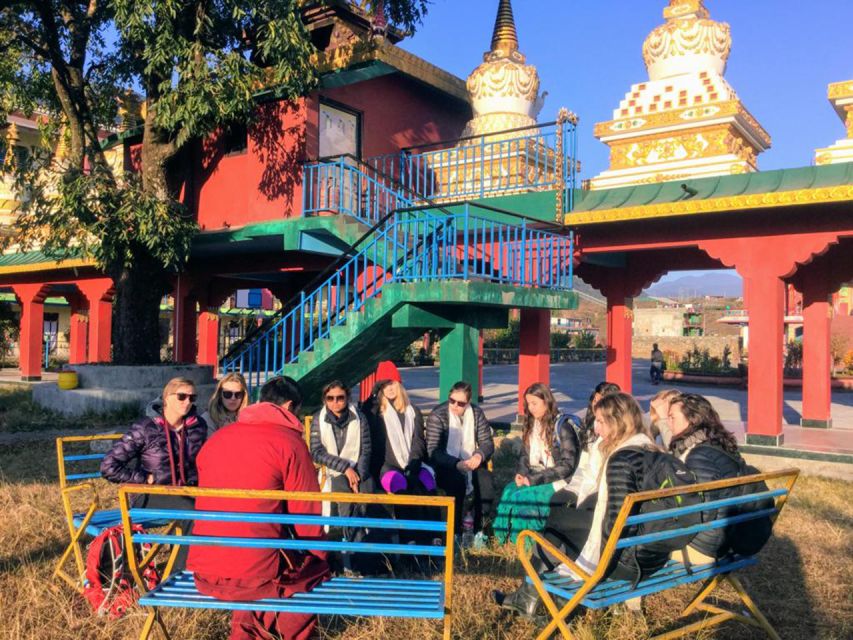
- Small group (up to 8) means more chances to ask questions, not just listen.
- Mr. Thupten Gyatso connects Buddhism, Tibetan symbols, and refugee life in plain, story-based explanations.
- Prayer chanting with monks is a real cultural moment, not a performance for tourists.
- Tibetan butter tea and tsampa come with context, so you taste culture instead of just eating snacks.
- You’ll learn what everyday Buddhist symbols mean, including prayer wheels, prayer flags, and stupas.
Why This Tibetan Cultural Tour in Pokhara Feels Personal
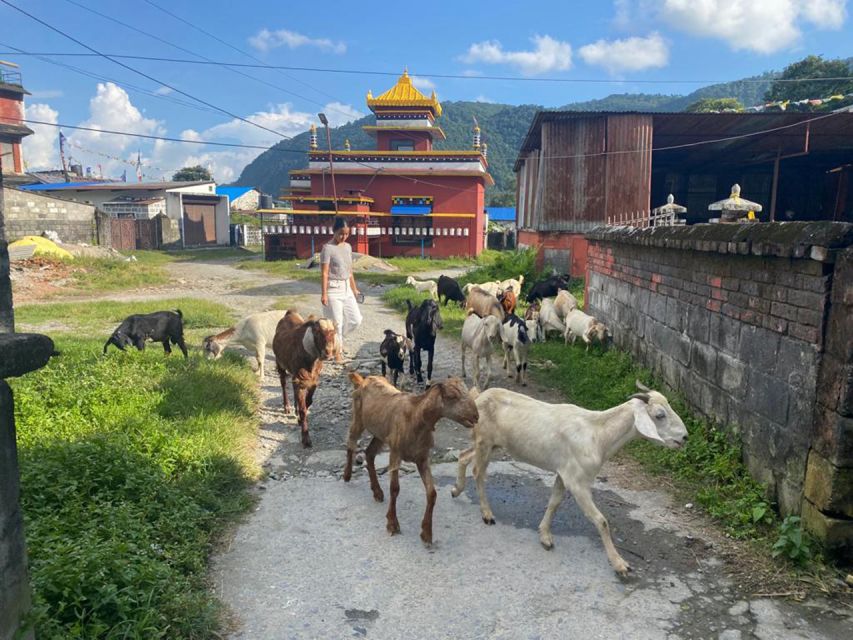
Most Pokhara tours move fast and explain later. This one moves slower on purpose, and the “why” matters. You’ll be in a small group, guided by Mr. Thupten Gyatso, and you’ll keep hearing the same theme from different angles: Tibetan culture lives through language, teaching, symbols, and community—even far from the places people originally call home.
The tour’s greatest strength is how it turns abstract religion into daily habits. You don’t only look at Buddhist objects. You learn how they show up in thought, speech, and movement. The monk conversation makes it even more real, because you’re hearing from someone who’s still in the system—still studying, still practicing, still living the schedule.
You can also read our reviews of more tours and experiences in Pokhara.
Meet Mr. Thupten Gyatso: the Guide Who Makes Symbols Click
Mr. Thupten Gyatso is central to the experience. From the drive through to the tea table, he doesn’t just list facts; he ties Buddhist ideas to what you’re seeing right then. That matters because Tibetan culture can look full of shapes, colors, and repeating patterns. Without context, it can feel like decoration.
With Mr. Thupten, those details become vocabulary. You’ll learn what certain Buddhist signs and symbols represent in daily life, including the prayer wheel, prayer flags, and stupas. The point isn’t trivia. The point is understanding why people use these symbols repeatedly—because repetition is part of how practice becomes mindset.
Pema Ts’al Sakya Monastic Institute: First Look at Monastic Life
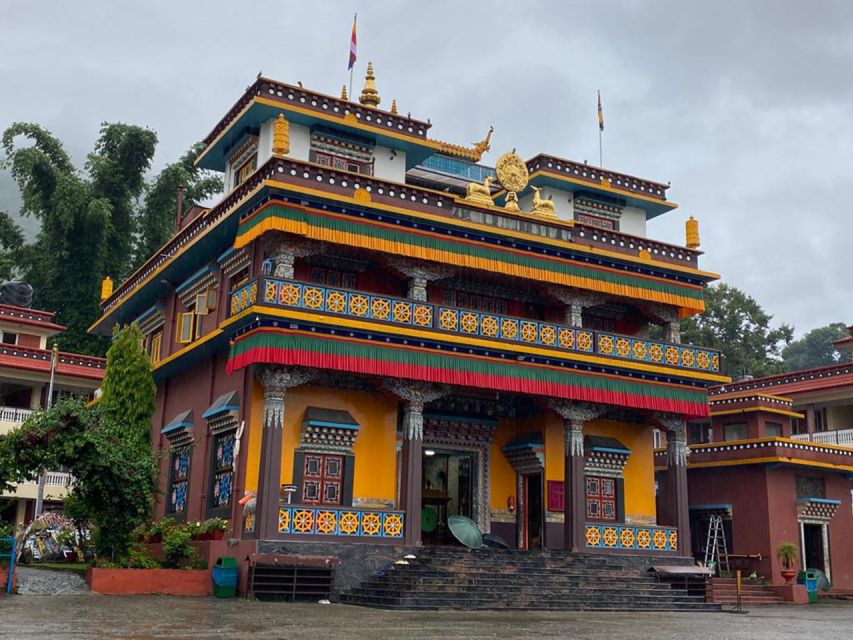
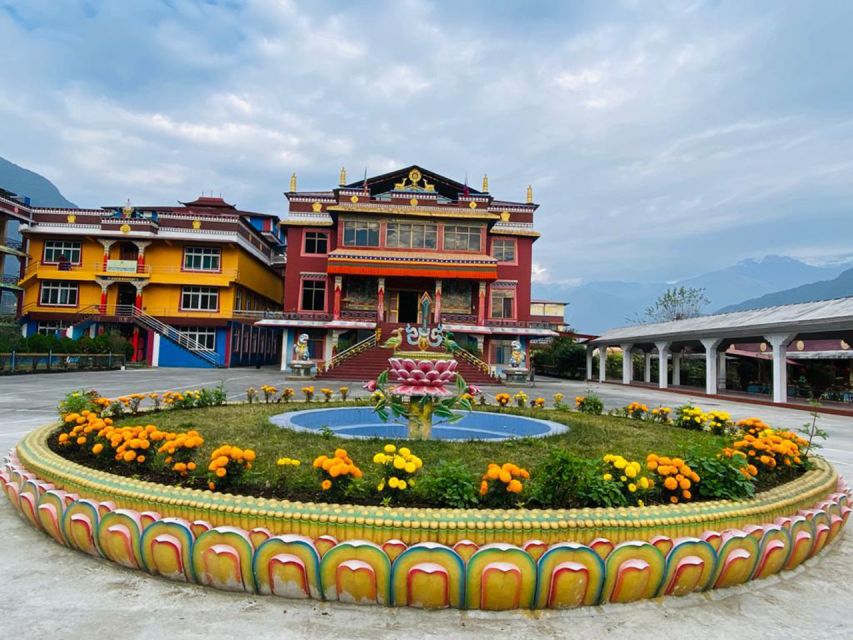
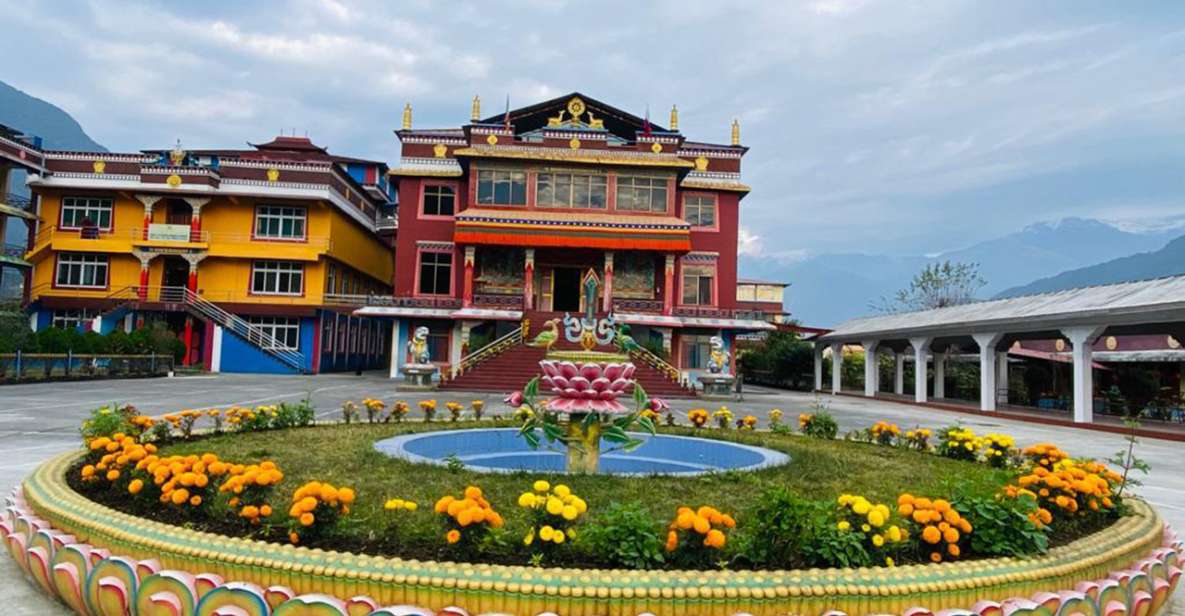
Your afternoon begins with pickup from the Lakeside area, then a scenic drive toward Pema Ts’al Sakya Monastic Institute. You’ll have a photo stop and a guided walk through the grounds. Even though it’s the first stop, it already sets the tone: monasteries here aren’t just buildings. They’re learning spaces and practice spaces.
One of the smartest things about starting at a monastery is how it trains your eyes. Before you go into the settlement, you start noticing how Buddhist objects work as cues. You might be shown or guided through customs like walking clockwise around sacred spaces, and you may hear how items like prayer wheels fit into devotional routines. These aren’t random rules. They reflect a consistent way of moving through respect and intention.
If you’re the type who likes structure, you’ll appreciate the pacing: drive, orientation, walk, then you’re off to the settlement. You won’t feel lost, and you won’t feel rushed into the next photo spot.
Tashi Palkhel Tibetan Settlement: Seeing Culture Survive in Exile
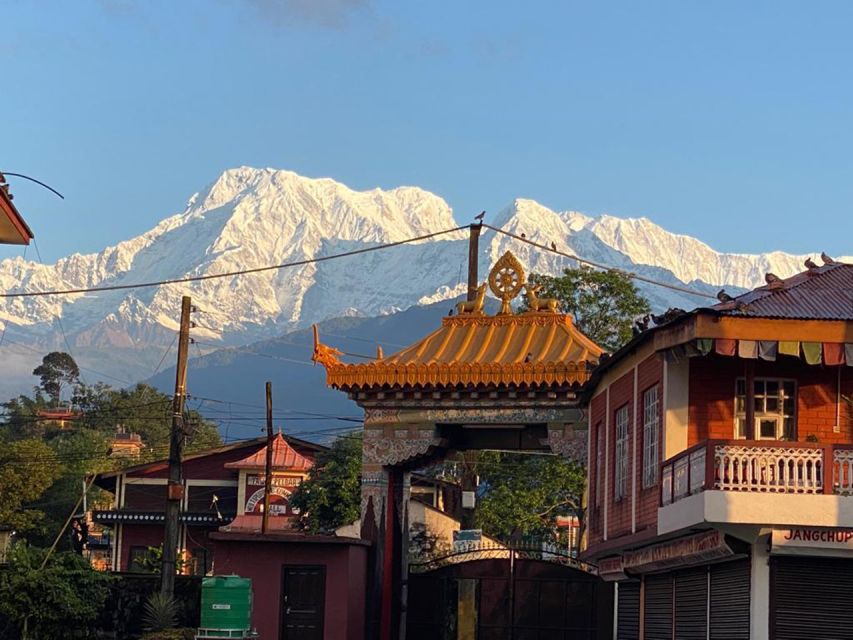
Next you’ll head to Tashi Palkhel Tibetan Settlement. This is where the tour turns from “religion as art” into “religion as living system.” You’ll get photo stops, a guided tour, and time to walk around. Along the way, the guide connects how Tibetan communities have maintained their language, identity, and Buddhist traditions in Nepal.
This part is valuable for two reasons. First, it shows that refugee life isn’t only hardship. It’s also daily education, teaching, and cultural continuity. Second, it gives you a chance to understand why people guard traditions with such care. When you’re far from your origin, culture becomes a portable home.
There’s also food included here. The tour builds in snacks and a pause that feels like a real break instead of a rushed stop. You’ll likely spend a bit of time tasting and learning what you’re eating, which helps you remember the settlement not just as scenery, but as a place with routines and hospitality.
Talking to a Young Monk: The Moment That Makes It Stick
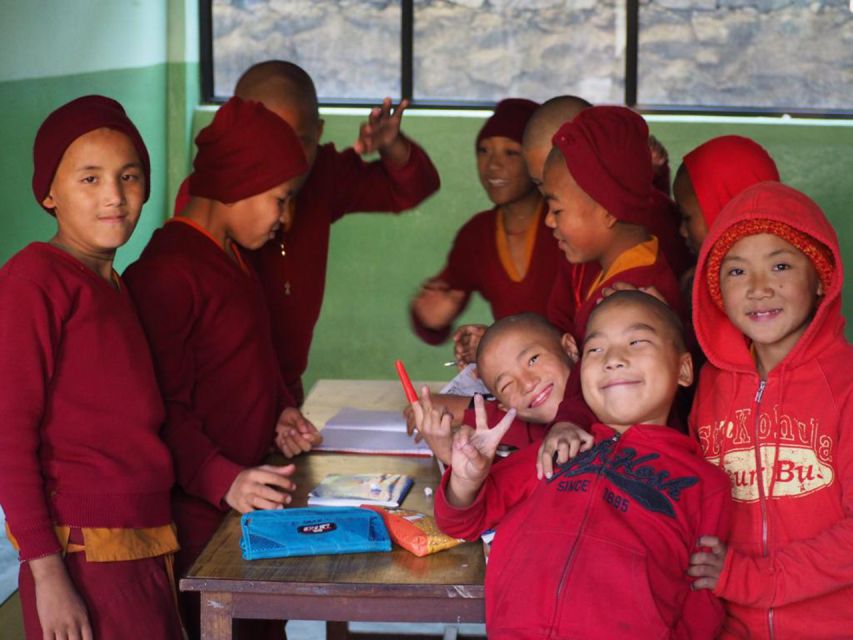
A major highlight is the chance to interact with a young Buddhist monk and have a genuine conversation about monastic life. You’ll learn how he studies, what daily activities look like, and what it means to follow monastic vows. This isn’t a staged Q&A where answers stay vague. The whole point is getting a clearer view into how that life works from the inside.
What I like about this segment is how it changes your questions. After listening and asking, you start thinking differently about practice. Instead of asking only what the rituals are, you start asking why the schedule matters—how discipline shapes attention and how education shapes compassion.
The monk conversation also gives context for the chanting later. When you understand even a little about study and vows, the prayer feels less like sound and more like work.

Afternoon Prayer Chanting at a Monastery: What You Really Hear
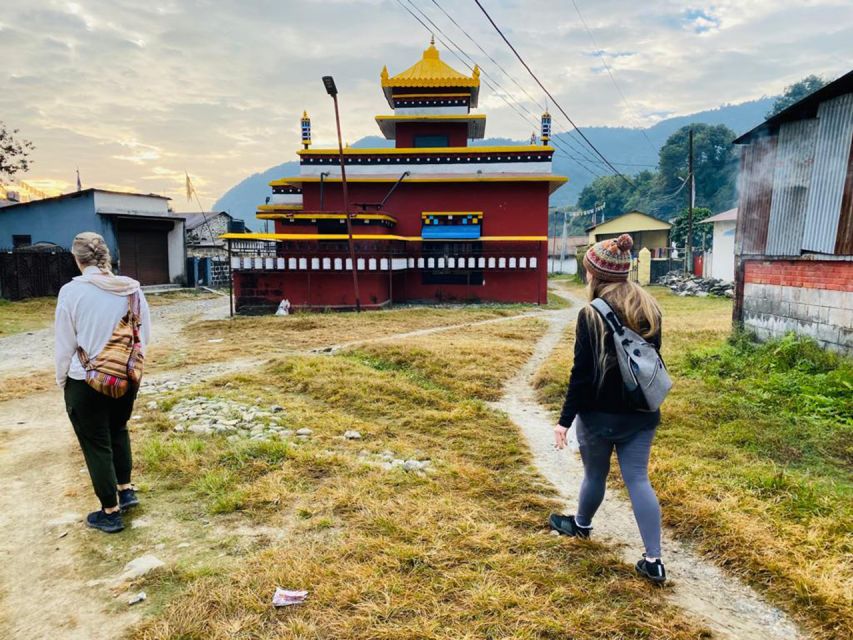
Later, you’ll visit another monastery and attend afternoon group prayer chanting. This is one of those experiences where the setting does half the storytelling. The group chant includes instruments, and you can feel the physical vibration of the prayers in the room.
This is where you should manage expectations. If you’re hoping for a silent, museum-style religious visit, this will be louder and more immersive in a physical sense than that. If you’re open to it, though, the chanting is a moving slice of Tibetan practice. You’re seeing a living rhythm—people practicing together, following cues, and making devotion collective.
Also, the guide’s role here matters. He’ll connect what you’re hearing and seeing to what it means. That keeps it from turning into background noise.
Tibetan Butter Tea and Tsampa: Tasting the Culture with Context
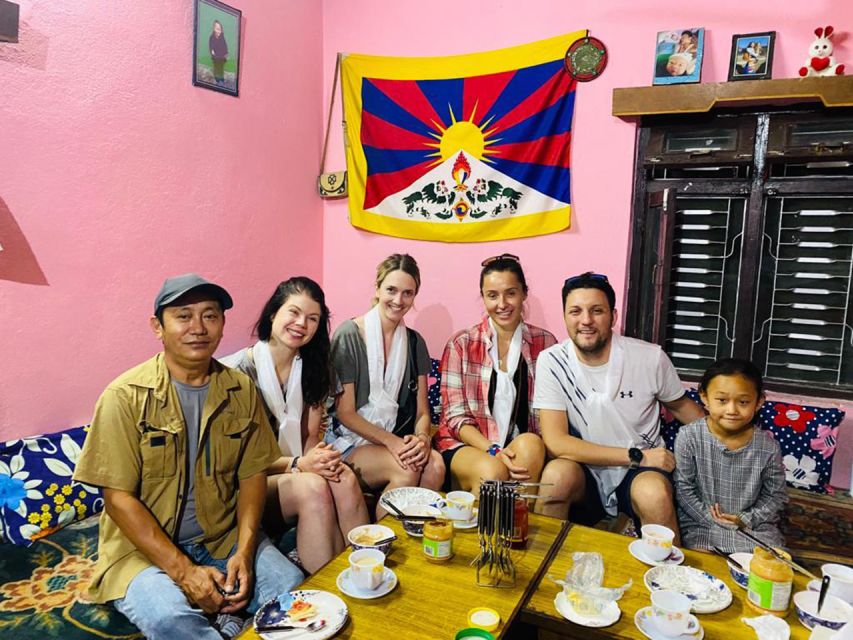
The tour ends with food and tea at a local Tibetan family home. This isn’t an optional add-on. It’s part of the lesson plan. You’ll try authentic Tibetan butter tea, often made with salted butter tea, plus tsampa (roasted barley flour), and Tibetan homemade bread with honey, butter, and peanut butter.
Here’s why this stop is worth your appetite: your guide explains the food as part of culture, not just as “local snacks.” You learn how flavors fit daily life in the refugee settlement—simple, nourishing, and meant to be shared. That shared moment is important. After monasteries and symbols, the kitchen is where you finally feel how ordinary life supports practice.
Practical tip: don’t schedule a heavy dinner immediately afterward. The tea and food can be filling, especially once you add bread and barley-based items.
Price and Logistics: Is $56 Worth It for a 4-Hour Tour?
At $56 per person for about 4 hours, this is priced like a cultural education experience with structured access—guide, transportation, monastery visits, monk conversation, chanting time, and Tibetan snacks/tea.
You’re getting value in a few specific ways:
- You’re not paying extra for the core access. Pickup within the Lakeside area, monastery stops, chanting, and the family tea component are all included.
- Small group size (up to 8) means the monk chat and symbol explanations aren’t swallowed by a crowd.
- Mr. Thupten Gyatso’s storytelling is the glue. A plain sightseeing version of this would cost less, but you’d lose the meaning that ties everything together.
The one logistical detail to note is pickup. Included pickup/drop-off is for hotels around Lakeside. If your hotel is outside that area, there’s an additional transportation fee based on location. If you’re staying outside Lakeside, factor that in before you compare prices.
Who This Tour Suits Best (And Who Might Want Another Option)
This tour fits best if you:
- Want a Tibetan cultural and Buddhist-focused experience, not a checklist of landmarks.
- Like direct conversations and Q&A, especially with a monk.
- Enjoy food when it comes with meaning, not just taste.
- Prefer small groups and a guide who explains what you’re seeing.
You might choose something else if you:
- Want mostly scenic walking outdoors. This route is mostly cultural sites and indoor/ritual moments.
- Need full wheelchair access. The tour isn’t suitable for wheelchair users.
- Are traveling with kids under 5. It’s not suitable for that age group.
Should You Book This Tibetan Cultural Tour Near Pokhara?
If you want Pokhara to feel more grounded in people and belief than in views alone, I think you’ll be glad you booked this. The combination of monastery education, a real monk conversation, afternoon prayer chanting, and a family-home tea stop creates a full picture in just 4 hours.
Book it if your goal is understanding how Tibetan identity and Buddhist practice live on in exile. Skip it only if you’re mainly chasing long scenic outings or if religious chanting and monastery routines aren’t your thing.
If you do book, bring your best question list. Mr. Thupten’s whole format works best when you’re curious and ready to ask.
FAQ
How long is the afternoon Tibetan cultural tour?
It runs for about 4 hours, starting from pickup around the Lakeside area.
How much does the tour cost?
The price is $56 per person.
Where do you get picked up?
Pickup and drop-off are included for hotels around Pokhara Lakeside. If your hotel is outside the Lakeside area, an extra transportation fee applies based on your location.
Is the tour group small?
Yes. It’s a small group limited to 8 participants.
What language is the guide?
The live tour guide speaks English.
What are the main activities you’ll do during the tour?
You’ll visit a Tibetan refugee settlement, visit monasteries, attend afternoon group prayer chanting, have a conversation with a young monk, and enjoy Tibetan butter tea and snacks at a local Tibetan family home.
Do you visit more than one monastery?
Yes. You’ll visit Pema Ts’al Sakya Monastic Institute and also another monastery where you attend afternoon group prayer chanting.
What food and drinks are included?
You’ll have Tibetan butter tea and traditional snacks/food tasting, including items like tsampa (roasted barley flour) and Tibetan homemade bread with honey, butter, and peanut butter.
What Buddhist symbols does the guide explain?
You’ll learn the meanings of Buddhist symbols used in daily life, including prayer wheels, prayer flags, and stupas.
Is it suitable for young children or wheelchair users?
It is not suitable for children under 5, and it is not suitable for wheelchair users.