REVIEW · POKHARA
Pokhara Day Bus Sightseeing 8 points
Book on GetYourGuide →Operated by Holyland Adventure Tours and Travels Pvt Ltd · Bookable on GetYourGuide
One bus. Eight big Pokhara moments. Pumdikot viewpoints, World Peace Pagoda views, and major religious sites packed into a budget-friendly half-day is a smart way to get oriented fast. I like how the route mixes spirituality, nature, and history without asking you to plan a thing. The trade-off is simple: the timing is tight, and English commentary may be limited.
If you’re staying around Lakeside, pickup and drop make this easy to slot into your day. I also appreciate that the price includes transport, a driver, and basic tour costs, so you can focus on the sights. Just keep your expectations realistic about the bus and guidance, especially if you want lots of detailed English explanations.
In This Review
- Key points you’ll care about
- A Budget 4-Hour Loop Around Pokhara’s Most Iconic Sites
- Pickup at Lakeside and the Timing That Sets the Tone
- Pumdikot Mahadev Viewpoint: Your First Big Panoramic Moment
- World Peace Pagoda Over Phewa Lake (with Annapurna Range Views)
- Davis Falls: Water Drama and an Underground Tunnel
- Mahendra Cave and Gupteshwor Mahadev: Stalactites, Stalagmites, Sacred Space
- Seti River Gorge: Limestone Carving You Can See from a Bridge
- Bindabasini Temple and the Shiva-Spiritual Theme
- Phewa Lake Finale: A Calm Close with Optional Boat Time
- Bus Comfort, Guide English, and What the $19 Covers
- Who This Tour Suits Best (and Who Should Skip)
- Quick Checklist: What to Bring for a Smooth Half-Day
- Should You Book This Pokhara Day Bus Tour?
- FAQ
- What is the price for the Pokhara Day Bus Sightseeing?
- How long does the tour take?
- What time does the tour start?
- Where do pickup and drop happen?
- What are the main stops included in the 8-point route?
- Are entry fees and food included in the price?
- Is transportation included?
- What languages will the guide/greeter speak?
- What should I bring, and what is not allowed?
Key points you’ll care about
- Eight iconic stops in about four hours, starting from Pokhara’s Lakeside area.
- Big viewpoint payoffs at Pumdikot and the World Peace Pagoda over Phewa Lake and the Annapurna range.
- Naturally dramatic sights: Davis Falls, Seti River Gorge, and limestone-carved scenery.
- Caves + temples: Mahendra Cave (with Gupteshwor Mahadev) and Shiva-focused religious stops.
- Value-focused pricing: $19 includes pickup/drop and transportation, but entry fees and food are extra.
- Not ideal for motion sickness, claustrophobia, or limited mobility (and some people may find the vehicle old).
A Budget 4-Hour Loop Around Pokhara’s Most Iconic Sites
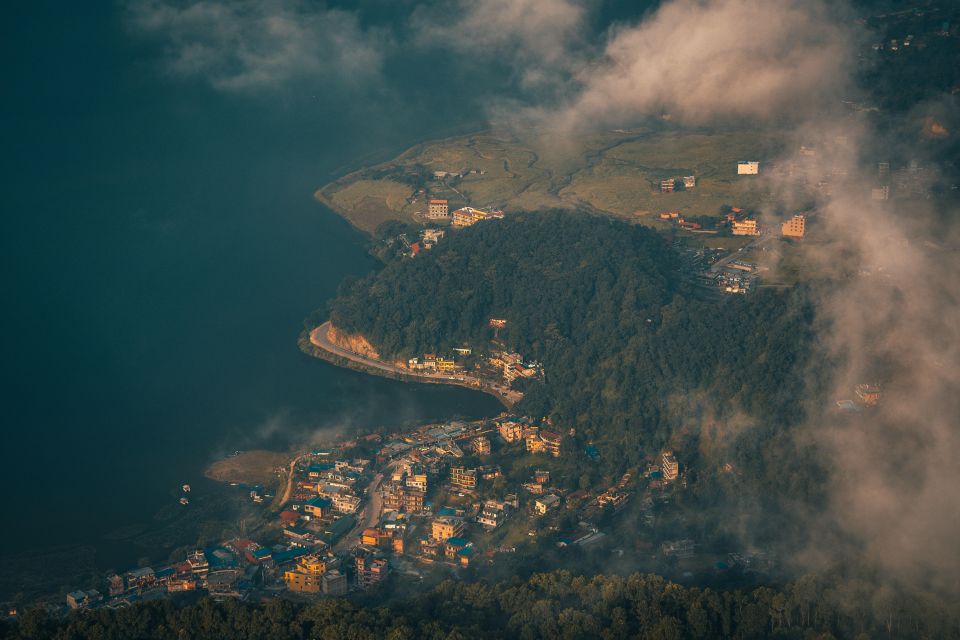
This is a four-hour Pokhara day trip built for travelers who want a lot of highlights without paying for a private car. For $19, you’re buying speed and structure: you show up, get driven between the “must-see” places, and spend time at each stop instead of negotiating transport all day.
The best part is how the route tells Pokhara’s story in three themes. First you get the mountain and lake viewpoints, then you hit the spiritual sites tied to Shiva, and finally you see the water and geology that make the region feel so alive. It’s a nice mix when your time is limited or you’re trying to understand where everything fits.
One catch: because the schedule is packed, you won’t linger. If you like slow, unhurried sightseeing, you might end up sprinting between photo angles and cave steps. If you’re okay with that trade, this tour can feel like excellent value.
You can also read our reviews of more tours and experiences in Pokhara.
Pickup at Lakeside and the Timing That Sets the Tone
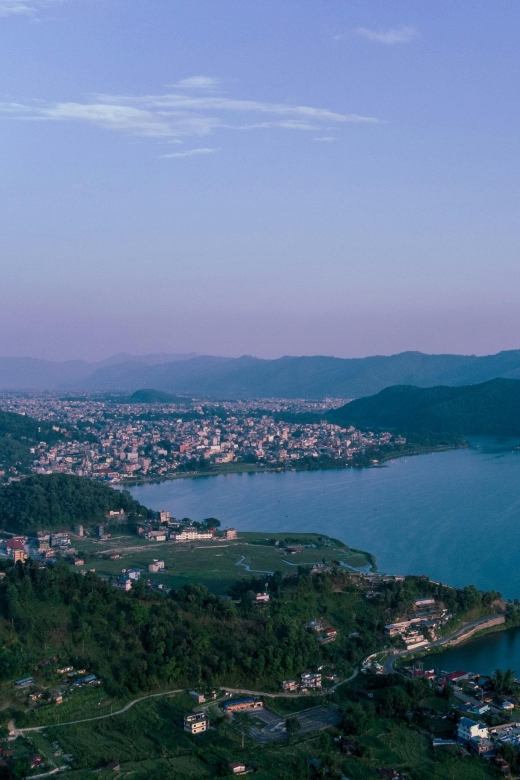
Pickup starts around 9:00 am local time from the Lakeside area, and you’re advised to be ready at least 20 minutes early (around 8:40 am). This matters because a tour like this depends on hitting each stop in the right order; small delays ripple across the whole day.
You’ll need to confirm your pickup point by sharing your hotel name, street address, and contact number. The tour requests you contact them about a day before, or even as close as an hour prior, so the driver knows exactly where to meet you.
Once you’re on the bus, expect short travel periods between sights. There’s even a dedicated stretch of time on the coach, which helps explain why each stop is timed rather than open-ended. In plain terms: you’re buying access to multiple locations fast.
Pumdikot Mahadev Viewpoint: Your First Big Panoramic Moment
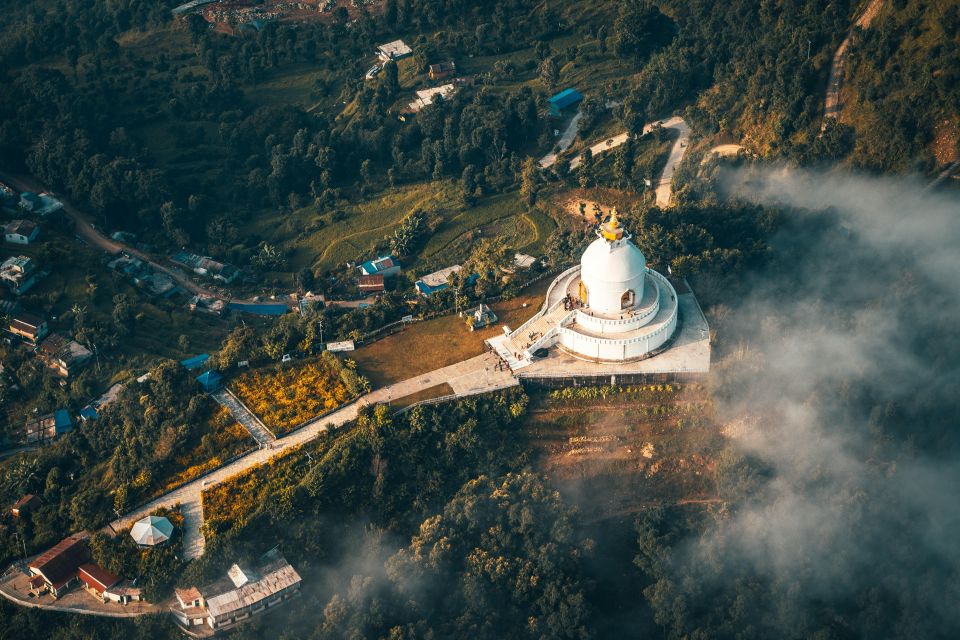
The day opens with Pumdikot Mahadev View Point, including the Shiva statue experience. This stop is all about views. From an elevated position, you’ll get wide looks down toward the Pokhara valley and surrounding mountain scenery.
The viewpoint is a great “orientation stop.” Even if you’ve only been in Pokhara for a day, looking out from here helps you understand the geography: where the lake sits, how the valleys fold in, and why people come for both scenery and spirituality.
Practical note: you’ll want comfortable shoes. Viewpoints around hills and temples often involve uneven ground and some walking time. If you rush this part, you’ll miss the best photo angles.
World Peace Pagoda Over Phewa Lake (with Annapurna Range Views)
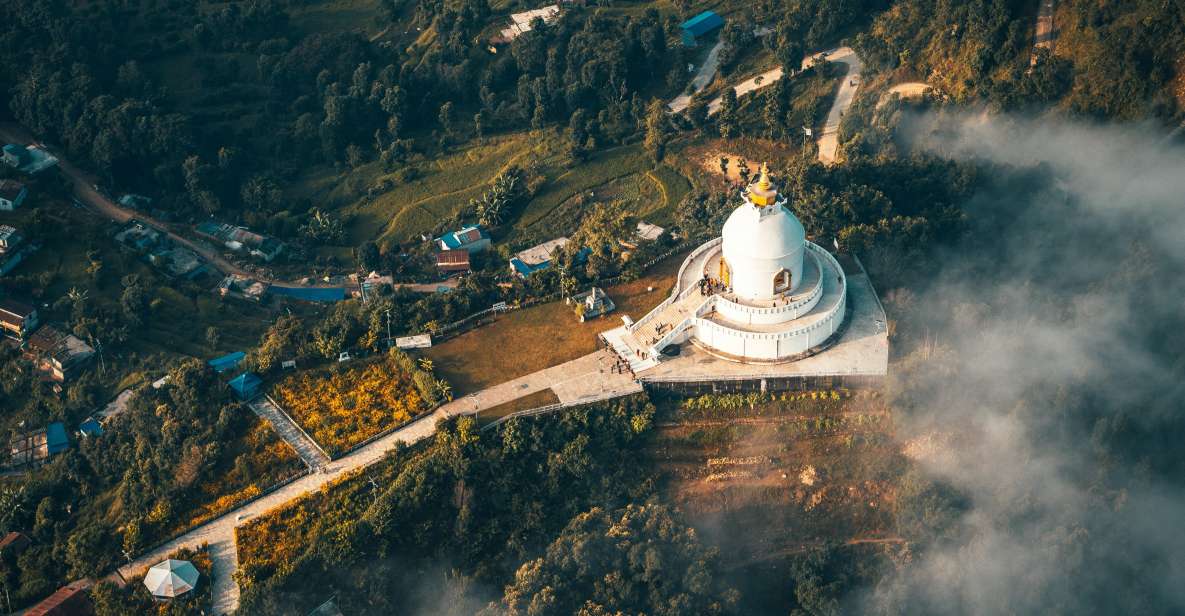
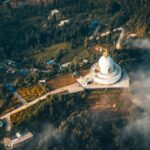
Next up is the World Peace Pagoda, positioned above Phewa Lake. The reward here is a classic Pokhara combo: lake foreground, mountains behind, and a calm, sacred atmosphere.
This stop also connects the tour themes nicely. It’s not just scenery; it’s a place where the mood shifts from sightseeing mode into something more reflective. Even if you don’t follow the local traditions, you’ll likely feel the difference once you’re there.
The tour includes guided time, but language support can vary. If your main goal is detailed English history, you should plan for a more general explanation. Still, the physical views themselves are the anchor of this stop.
Davis Falls: Water Drama and an Underground Tunnel
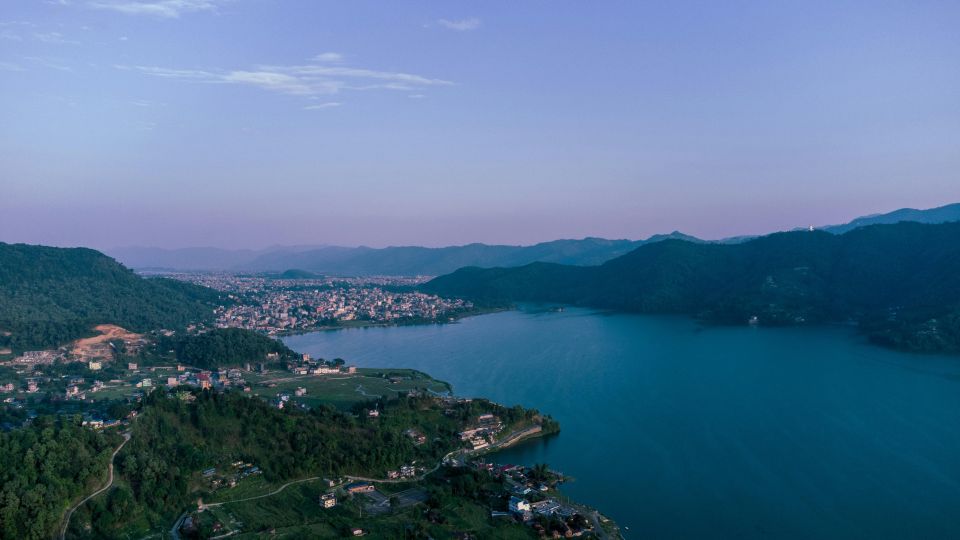
Then you’ll head to Davis Falls, known for its powerful cascade and the unique underground tunnel behavior. This is one of those “Pokhara in fast motion” sights: water hits, vanishes, and reappears in a way that makes the flow feel both natural and mysterious.
It’s a strong choice for a short itinerary because you don’t need much time to understand why it’s famous. You can stand back, watch the water’s force, and take photos without committing to long walks.
If you’re sensitive to crowds or if you prefer quieter moments, aim to visit during the time your group arrives rather than waiting around. The tour time here is short, so get your pictures, then take in the sound and movement.

Mahendra Cave and Gupteshwor Mahadev: Stalactites, Stalagmites, Sacred Space
Mahendra Cave is a highlight on this route for a reason: it’s known for stalactite and stalagmite formations, plus the sacred Gupteshwor Mahadev Cave within the complex. Caves can feel like a natural cathedral—cooler air, rock textures, and a sense of “how does water and time do this?”
You’ll want to plan for the realities of cave visits. Even when a tour schedules one hour, you may spend part of that time moving through corridors, waiting your turn, and finding the best viewpoints inside. Comfortable shoes matter again—cave areas can be slippery or uneven.
Also, the tour description lists claustrophobia as a no-go. If you’re the type who hates tight spaces, don’t try to “push through” this one. This isn’t a stretch goal; it’s a safety and comfort issue.
There’s an extra twist in the timing: the plan sets time for Mahendra Cave more than once. In practice, that can mean you get a longer window or a second look depending on how the schedule runs that day.
Seti River Gorge: Limestone Carving You Can See from a Bridge
The next stop is the Seti River Gorge, where you can appreciate the deep cut through limestone rocks. This is a geology moment built into a sightseeing day. The gorge’s value comes from seeing evidence of slow natural processes—water carving down over time.
There’s a bridge viewpoint included, which keeps this stop from becoming a long hike. You can take photos and appreciate the scale without needing high stamina.
If you like “proof” sights—places where nature’s handiwork is visibly dramatic—this one delivers. Just remember the tour is timed, so don’t expect a long back-and-forth photo session.
Bindabasini Temple and the Shiva-Spiritual Theme
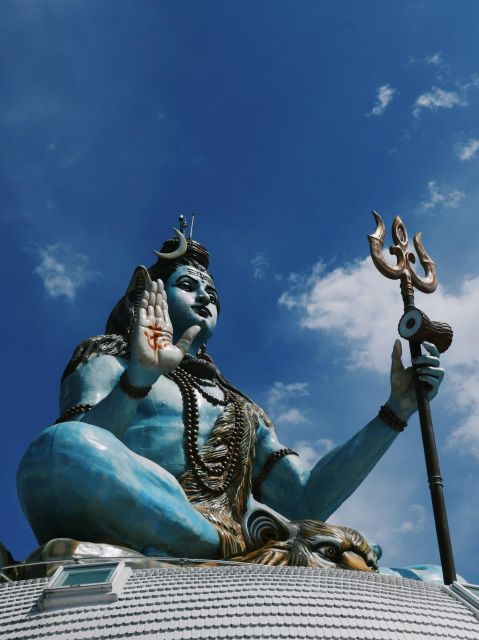
Then you’ll visit Bindabasini Temple, described as ancient and central to the spiritual atmosphere of Pokhara. This is where the day becomes less about cliffs and more about cultural presence.
This stop is usually a good reset from the outdoor sights. You’re indoors or sheltered areas, you slow down your pace, and you get a better feel for why Pokhara isn’t just lakes and mountains. It’s also a place with active religious life.
This route also keeps the Shiva theme going with Pumdikot Mahadev at the start and includes mention of a Mahadev Temple stop as part of the overall eight-point idea. So if you’re interested in religious geography—how different sacred sites relate—you’ll likely enjoy the consistency.
Dress matters here. The tour requires comfortable clothing and disallows things that would be disrespectful, so keep it practical and modest.
Phewa Lake Finale: A Calm Close with Optional Boat Time
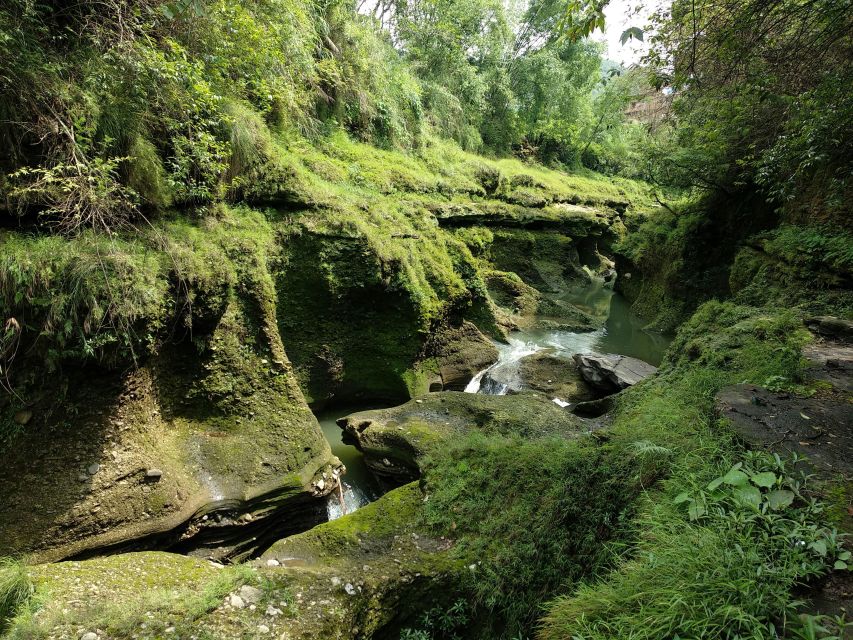
To end, the tour finishes at Phewa Lake, with about one hour for guided time. This is a gentle landing after caves and falls. You can take in the shoreline, do some relaxed walking, and enjoy the lake’s atmosphere.
The tour description notes you can consider a boat ride here, though entry fees and activities aren’t included in the basic price. If you’re curious, this is the time to ask locally what’s available and how long it lasts.
Even if you skip the boat, you’ll probably appreciate having lake time at the end. Views can tire you out, and a calm finish makes the entire half-day feel smoother.
Bus Comfort, Guide English, and What the $19 Covers
Here’s where expectations matter. The tour includes pickup and drop, fuel, taxes, and service charge, plus an experienced driver and a local guide/greeter who can speak Nepali, Hindi, and English.
That said, English commentary may not be detailed. One past experience flagged that the person guiding timing back and forth may not provide a lot of English explanation. Another note mentioned the bus can feel old or not super clean. So if you’re picky about vehicle comfort, don’t assume it matches what you’d expect from a western tour bus.
My practical advice:
- Bring a small face towel or wet wipes for the ride.
- Expect more guidance on logistics than deep history if your English needs are specific.
- If you need a quieter ride, ask for the best seat at pickup rather than waiting until the bus fills up.
The value equation works like this: for $19, you’re paying for transport plus access to timed stops. You’re not paying for museum-level entry fees or meals. So to avoid surprises, budget extra for entry fees at specific sites and food if you want snacks.
Who This Tour Suits Best (and Who Should Skip)
This day trip is best for you if you want:
- a fast introduction to Pokhara without arranging multiple tickets and drivers
- a route that covers viewpoints, caves, falls, gorge scenery, and temples
- an affordable way to spend a morning and still have the afternoon open
It’s not a fit if you have concerns around:
- mobility impairments or wheelchair use
- back problems, heart problems, or high blood pressure
- motion sickness or a sensitive stomach on curvy roads
- claustrophobia (cave time is part of the plan)
- visually impaired needs (this isn’t designed with that in mind)
- vegans, since the tour is listed as not suitable for vegans even though food isn’t included
Also, there are clear rules about behavior: no smoking in the vehicle, no alcohol or drugs, and no littering or making excessive noise. If you travel with kids, note that the tour isn’t suitable for babies under one year, and baby carriages aren’t allowed.
Quick Checklist: What to Bring for a Smooth Half-Day
The tour gives a simple packing list, and it’s worth following. Bring:
- comfortable shoes (you’ll move around at viewpoints and in cave areas)
- comfortable clothes
- a charged smartphone for photos and navigation
- passport or ID card (a copy is accepted)
- a small garbage bag so you don’t end up stuck with trash while walking
Also, because this is timed, keep your bag light. You’ll want quick access to water and your phone rather than rummaging at each stop.
One more practical thought: if you’re going to use the lake area at the end, you might want sunscreen and a light layer. Weather can shift in Pokhara, and caves won’t help much with sun protection.
Should You Book This Pokhara Day Bus Tour?
If your goal is value + variety in a short morning, this one makes sense. You get a well-known set of Pokhara highlights in one organized flow, starting at Lakeside and ending at Phewa Lake, with viewpoints and sacred stops in between.
I’d avoid it if:
- you need strong English narration and detailed history at each site
- you’re sensitive to tight spaces (Mahendra Cave)
- you have motion sickness or health limitations listed by the tour
One more reality check: the overall rating sits around 3.5 out of 5 based on past feedback, with many positive notes about organization and hitting the planned points. At the same time, a few comments point to bus condition and limited English support. So, treat it as a budget sightseeing bus, not a high-touch cultural lecture.
If that matches your style, book it and use the day for what it’s best at: big views, meaningful stops, and a strong Pokhara overview before your next move.
FAQ
What is the price for the Pokhara Day Bus Sightseeing?
The tour costs $19 per person.
How long does the tour take?
The duration is 4 hours.
What time does the tour start?
It starts around 9:00 am local time.
Where do pickup and drop happen?
Pickup and drop are from Lakeside (Pokhara). You need to confirm the exact pickup address with the operator using your hotel name, street address, and contact number.
What are the main stops included in the 8-point route?
The route includes Pumdikot Mahadev View Point, World Peace Pagoda, Davis Falls, Seti River Gorge, Mahendra Cave, Bindabasini Temple, Mahadev Temple (listed as part of the experience), and Phewa Lake.
Are entry fees and food included in the price?
No. Entry fees and food are not included.
Is transportation included?
Yes. The tour includes pickup and drop, plus a driver, and fuel, taxes, and service charge.
What languages will the guide/greeter speak?
The host or greeter speaks Nepali, Hindi, and English.
What should I bring, and what is not allowed?
Bring comfortable shoes, comfortable clothes, a charged smartphone, and passport or ID (a copy is accepted). The tour does not allow smoking in the vehicle, intoxication, alcohol/drugs, littering, or making noise, among other listed restrictions.