REVIEW · POKHARA
From Pokhara: 4-Day Annapurna and Poon Hill Himalayan Trek
Book on GetYourGuide →Operated by Fewa Trail Treks and Expedition Pvt Ltd · Bookable on GetYourGuide
Poon Hill sunrise is worth the early wake-up. This 4-day Annapurna trek gives you that big Himalayan payoff, plus slow, human-paced walking through lower-Himalaya forests and villages, led by a licensed English guide. I especially like the mix of views and real village stops that make the hike feel grounded, not just scenic. One thing to keep in mind: roads and schedules can shift after landslides, and you’ll want your guide to manage weather and timing as closely as possible.
You’ll start with a drive from Pokhara into the trekking area, then settle into tea houses at Ghorepani and later Tadapani and Ghandruk. The “main event” is an early climb to Poon Hill for sunrise over the Annapurna Range, followed by a descent and continued trekking toward hot springs in Jhinu. The possible drawback is that the route and starting point can change in rough weather or after damage to access roads, so stay flexible and protect your day-one expectations.
This trek is also not a good fit for everyone: it’s not suitable for pregnant women or people with mobility impairments. If you’re okay with 4 days of uphill and downhill on foot, you’ll likely love the balance here: iconic sights, plus a chance to soak sore legs in the hot springs after you earn it.
In This Review
- Key things that make this trek work
- From Pokhara to Ulleri: Day 1’s climb into Ghorepani
- Poon Hill sunrise: the reason the Annapurna Range feels close
- Tadapani to Jhinu: forests, villages, and the hot spring reward
- Ghandruk to Nayapul: a downhill ending back to Pokhara
- Price and value: what $287 covers and what you must budget
- Day-by-day hiking load: matching your fitness to the schedule
- Weather, landslides, and how to protect your sunrise day
- Who should book this trek (and who should skip it)
- Should you book this 4-Day Annapurna and Poon Hill trek?
- FAQ
- How long is the trek?
- Where do you start and where do you end?
- Is a guide included, and what language do they speak?
- What’s the hardest hiking day?
- Where are the hot springs, and when do you use them?
- What kind of lodging do you stay in?
- Are meals included in the price?
- What documents are needed before the trek?
- What if plans change and I need to cancel?
Key things that make this trek work
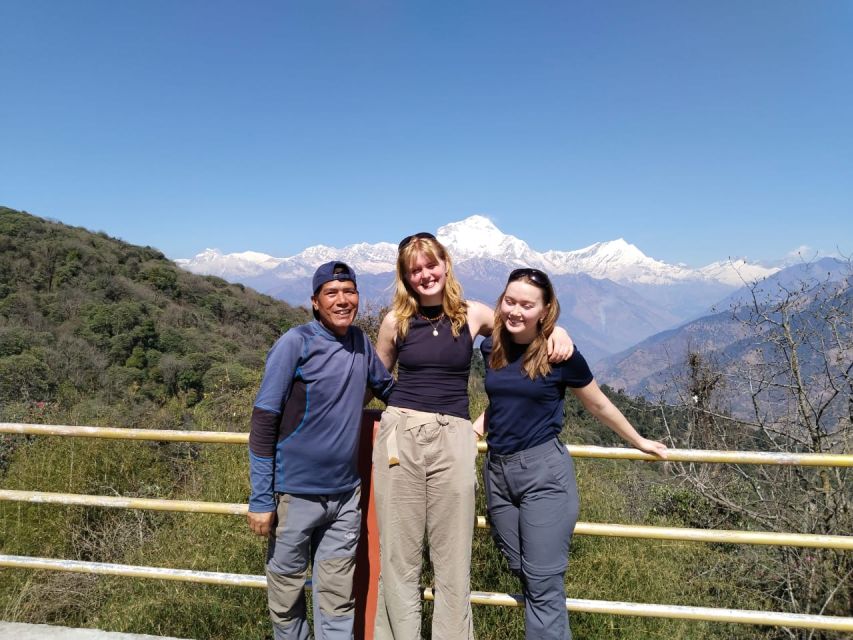
- Poon Hill sunrise: a short pre-dawn climb from Ghorepani for wide Annapurna Range views
- Lowland forest walking: calmer hiking through forest trails instead of only steep ridges
- Jhinu hot springs: a therapeutic dip after a full day of moving
- Ghandruk and Gurung village life: a strong cultural stop alongside the scenery
- Tea house stays: simple lodging that keeps the trek moving at human speed
- Private guide support: licensed English guidance for a smoother, less stressful route
From Pokhara to Ulleri: Day 1’s climb into Ghorepani
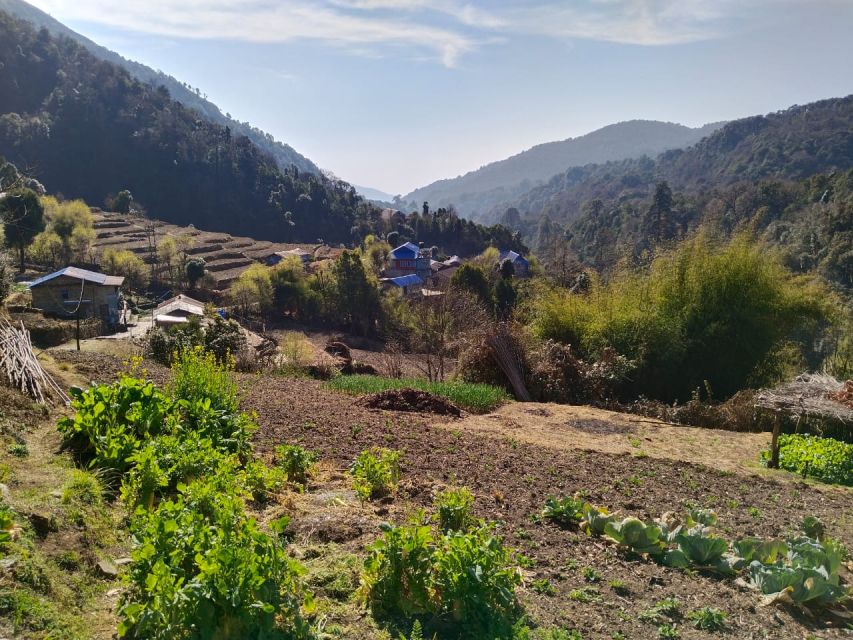
Day 1 begins with hotel pickup in Pokhara by private car or jeep. After breakfast, you’ll drive toward Ulleri, then switch from vehicle to trail and start moving uphill toward Ghorepani. The trek time is about 5 hours, which is enough to feel like you accomplished something without swallowing your whole day.
Ghorepani is a classic base for Poon Hill. You’ll typically get a tea house or guest house overnight, which matters because it keeps your morning simple: you’re already in position for an early start. Tea houses are basic by design—expect small rooms, shared areas, and the kind of comfort that comes from being tired. Your best “comfort hack” is arriving with a warm layer ready, because nights can cool down fast once you’re at trekking altitude.
The main value of Day 1 is rhythm. You’re not rushing to the steepest parts of the Annapurna region. Instead, you ease in with a steady climb and get settled where the sunrise hike starts.
You can also read our reviews of more hiking tours in Pokhara
Poon Hill sunrise: the reason the Annapurna Range feels close
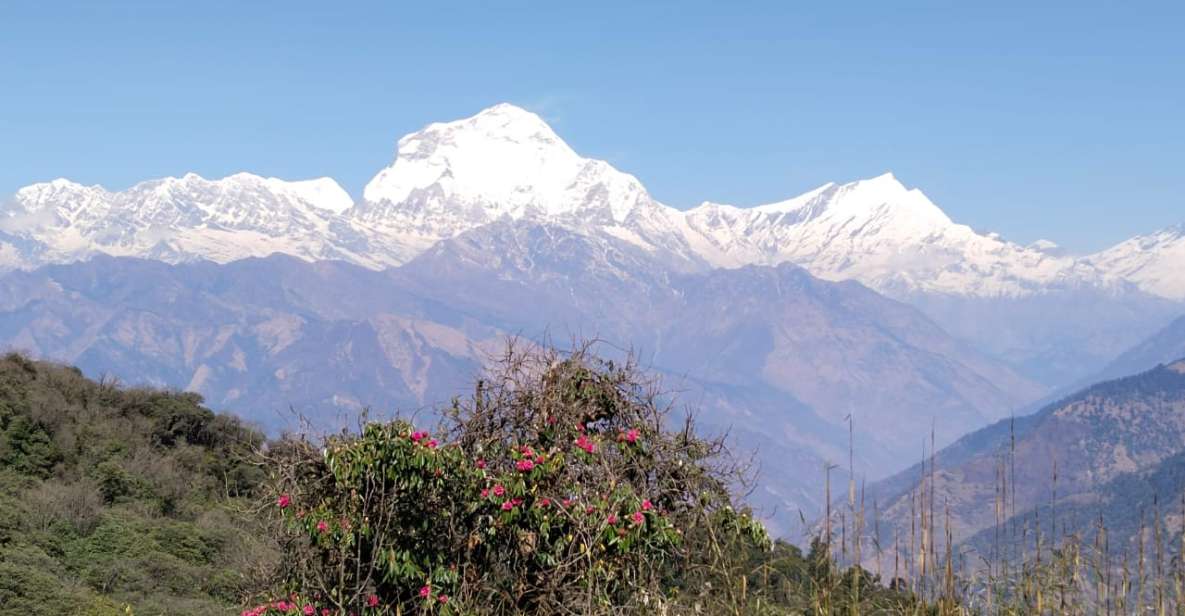
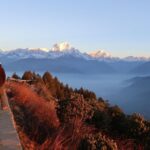
Early on Day 2, you head toward Poon Hill for sunrise. The climb from Ghorepani is about an hour to the top, so it’s more of a focused push than a long grinding ascent. This is where you earn the name of the trek: you’re looking for that clear, panoramic view of the Annapurna Range in the morning light.
What makes Poon Hill special is how wide and readable it feels. You’re not just seeing a mountain tip; you’re getting a sense of how the range stretches and layers behind itself. If your plan is sunrise first and photos second, this is exactly the right order. I’d treat this as your “weather-dependent day.” If clouds roll in, it can mute the view, so you’ll want your guide to pay attention to conditions rather than guess.
Then you come down to Ghorepani, eat breakfast, and continue the trek toward Tadapani. Day 2 hiking is about 6 hours total. This stretch is a shift from the dramatic lookout vibe into a walking day—more downhill and level trail feel, plus the kind of forest path that slows you down in a good way. Tadapani becomes your next overnight point.
Tadapani to Jhinu: forests, villages, and the hot spring reward
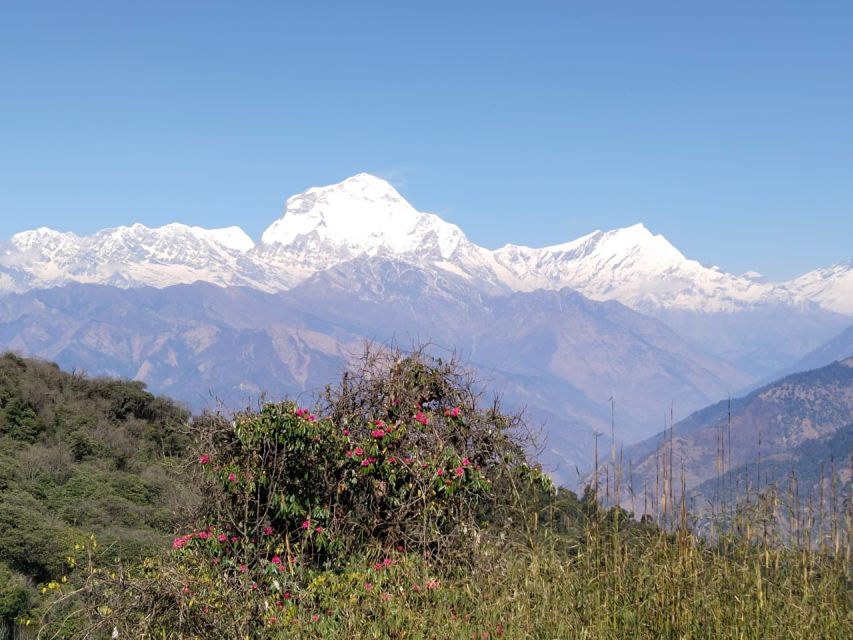
Day 3 starts with moving onwards toward Jhinu for the hot spring bath. The idea is simple: after enough hours on the trail, your body starts asking for help, and Jhinu delivers it. The hot springs are considered therapeutic, and you’ll get a short stay there to bathe and soak.
That soak is more than a fun add-on. It’s also practical recovery. When you’ve been hiking daily, a controlled warm soak can help you feel human again before the final village leg. It’s the kind of payoff that makes you remember this trek as something more than a checklist of viewpoints.
After Jhinu, you continue to Ghandruk, a Gurung village. Day 3 trekking is about 6 to 7 hours. Ghandruk is the cultural anchor of the route here, and the draw is its Gurung architecture and the way the Gurung community has adapted to life in the Himalayan region. You’ll feel that in the village layout and the built form—homes and spaces designed for the reality of mountain weather, terrain, and daily work.
Sleeping in Ghandruk overnight is smart. You finish your day in a place where people actually live, not just a scenic stop with tourist infrastructure. That makes your last morning more relaxed than it would be if you were constantly repositioning.
Ghandruk to Nayapul: a downhill ending back to Pokhara
Day 4 is about getting down to Nayapul, then driving back to Pokhara for drop-off at your hotel. You’re trekking toward the exit point, so the day’s feel changes from climbing-focused to descent-focused. The tour schedule doesn’t list a specific hike-hours number for Day 4, but you should expect a moving, finish-line day.
This ending matters because it shapes how you plan your final meals and your energy. If you’ve done long days 1–3, Day 4 is where you stop thinking about progress on the trail and start thinking about the smooth transition back to roads and real beds.
When you get to Nayapul, the vehicle part takes over. That’s one of the benefits of this trek being only 4 days long: you’re not stuck in continuous logistics for long stretches. You’ll be back in Pokhara to shower, eat well, and sleep without worrying about tomorrow’s wake-up time.
Price and value: what $287 covers and what you must budget
At $287 per person for a 4-day experience, you’re paying for the trekking logistics that make this easier and more reliable than DIY. The included items are doing real work here:
- hotel pickup and drop-off in a private car/jeep
- all necessary permits
- accommodation in tea houses or guest house
- a licensed English-speaking guide
- guide expenses
What’s not included is also important: food and drinks are on purchase. That means your actual daily cost depends on how you eat—tea house meals are usually available, but you should still budget for them as part of your overall trekking plan.
So is it good value? For me, it is, as long as your main goals match the trek’s strengths: Poon Hill sunrise, forest walking, and Jhinu hot springs plus Ghandruk village culture. You’re not paying extra for a long, technical route. You’re paying for someone to handle permits, timing, and the day-to-day navigation while you focus on hiking and photos.
One practical budgeting tip: don’t treat this as a cheap hike where you only pay once. Plan for meals every day, plus warm layers if you discover you under-packed for cooler mornings.
You can also read our reviews of more tours and experiences in Pokhara
Day-by-day hiking load: matching your fitness to the schedule
The hiking times you’ll want to plan around are clear for Days 1–3:
- Day 1: about 5 hours
- Day 2: about 6 hours
- Day 3: about 6 to 7 hours
That range is the “sweet spot” for many people who want a real trekking experience without committing to weeks. You should still assume uphill and downhill every day, especially around sunrise and village transitions. Your best preparation is footwear that’s already broken in, plus a pace that keeps your breathing steady rather than spiking on climbs.
Also note who this is not for: the trek is listed as not suitable for pregnant women and not suitable for people with mobility impairments. If any part of your plan involves reducing walking, this route probably won’t flex enough to make it comfortable.
If you’re healthy, used to walking 1–2 hours at a time, and okay with cold mornings, this is a manageable challenge. It’s not a stroll, but it’s also not the kind of expedition that requires serious high-altitude training based on technical descriptions alone.
Weather, landslides, and how to protect your sunrise day
Annapurna region trekking is exposed to real-world conditions. One practical lesson from the experience of guide operations: itineraries can change when road access is affected, including when a landslide damages routes. In one case, the starting point was farther down the mountain than scheduled, which removed an item from the plan and cost someone an entire day.
You can’t control nature. But you can reduce disappointment by doing two things early:
1) ask your guide how conditions might affect timing on the sunrise day
2) push for a weather-aware plan rather than hoping for luck
If your sunrise plan is the top priority, treat the early start as non-negotiable. Bring warm layers for the pre-dawn hours, and be ready for the view to be partly blocked if clouds move in.
Also, be mentally flexible about the drive segments. When roads are damaged, transfers and starting points can shift. That doesn’t mean you’ll lose the trek—you’ll still hike—but it can alter the order or remove a small scheduled element.
Who should book this trek (and who should skip it)
This is a smart choice if you want a 4-day trek that hits the major emotional highs of the Annapurna region without going long-haul. You’ll likely enjoy it if you:
- care about Poon Hill sunrise as a highlight
- like walking through lower-Himalaya forests rather than only exposed ridgelines
- want cultural context at Ghandruk
- want a natural recovery moment at Jhinu hot springs
It’s not the best fit if you need minimal walking days, have mobility limitations, or are traveling during pregnancy. Also, if you’re the type who hates schedule changes, recognize that mountain access can be unpredictable. You’re choosing a trek in a real mountain region, not a sealed-off theme park route.
Should you book this 4-Day Annapurna and Poon Hill trek?
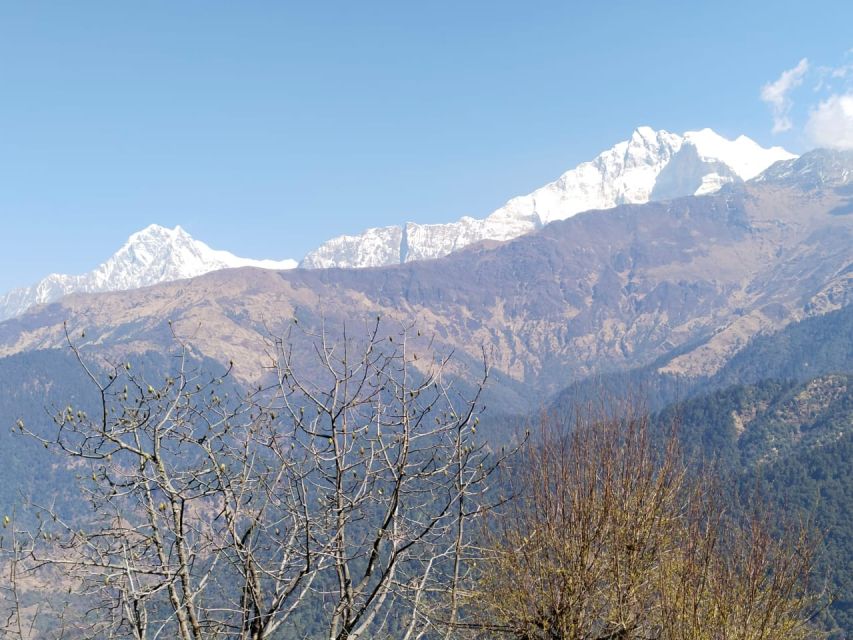
I’d book it if your top goals are the sunrise view, the forest hiking feel, and an actual hot springs soak tied to your effort on the trail. The price makes sense for what’s included: permits, guide, and tea house lodging plus pickup and drop-off, while you handle your own meals and drinks.
I would not book it if you’re relying on everything being perfectly fixed to the minute. Road damage and weather can force adjustments, and the trek’s design still requires real hiking time each day.
One final checklist before you go: send your passport details at least 24 hours before the tour so permits are prepared. Then pack for early cold mornings, and keep your expectations flexible. If you do that, this 4-day route can feel like a condensed version of the Annapurna experience—big views, human villages, and a soak in hot water when you’re ready for recovery.
FAQ
How long is the trek?
The experience runs for 4 days.
Where do you start and where do you end?
You’re picked up in Pokhara and driven toward Ulleri for the first hiking day. The tour ends with a drive from Nayapul back to Pokhara, where you’ll be dropped off at your hotel.
Is a guide included, and what language do they speak?
Yes. The trek includes a licensed English-speaking guide.
What’s the hardest hiking day?
Days 2 and 3 are the longer hiking days. Day 1 is about 5 hours, Day 2 is about 6 hours, and Day 3 is about 6 to 7 hours.
Where are the hot springs, and when do you use them?
The trek includes a bathing stop at the hot springs in Jhinu on Day 3.
What kind of lodging do you stay in?
You stay in tea houses or guest houses during the trek.
Are meals included in the price?
No. Food and drinks are not included, but they’re available on purchase.
What documents are needed before the trek?
You need your passport (a copy is accepted). You also must provide passport details at least 24 hours before the tour so permits can be prepared.
What if plans change and I need to cancel?
Free cancellation is available up to 24 hours in advance for a full refund.