REVIEW · CHIANG MAI
Chiang Mai: Day for Elephant Observation Only Half-day Trip
Book on GetYourGuide →Operated by Living Green Elephant Sanctuary Chiang Mai and Chonburi · Bookable on GetYourGuide
Elephants are better when you watch, not steer. This half-day outing at Big Boy Elephant Sanctuary near Doi Inthanon centers on ethical observation and real hands-on care. I like that the day builds toward simple, meaningful tasks like elephant food prep and vitamin ball feeding. A possible drawback: it is not suitable for everyone, especially if you have back issues or mobility limits.
Two things I truly appreciate are the sanctuary’s strict no-control rules and the calm feeling of being close without pressuring the elephants. On my favorite moments, guide Su’s stories made elephant behavior feel practical, not preachy, and you’re constantly reminded the animals decide the pace. The day is also paired with a Pad Thai workshop, so you get a solid food win alongside the wildlife focus. One thing to think about: your time depends on the pickup window, and the total day runs about 6–7 hours once you include transfers.
If you want elephants treated like family members of the forest—not like entertainment—this trip is one of the better ways to do it around Chiang Mai.
In This Review
- Key points worth knowing before you go
- Big Boy Sanctuary’s no-control approach, explained in plain terms
- The 6–7 hour day: pickup windows and how the timing really works
- Elephant education briefing: what you learn before you feed
- Elephant food prep: turning natural ingredients into meals
- Ethical feeding experience: getting close while elephants stay in charge
- Elephant vitamin workshop and habitat care activities
- Pad Thai workshop: your lunch with an elephant-care backdrop
- Who this trip is best for (and who should skip it)
- Price and value: what $46 buys you in Chiang Mai
- Practical tips: how to make your day smoother
- Should you book Big Boy Elephant Observation in Chiang Mai?
- FAQ
- Where is this elephant experience located?
- How long is the program?
- What are the pickup time windows?
- Do you ride the elephants or control their walking?
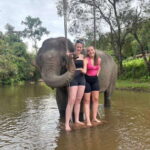
- Is elephant bathing included or required?
- What activities do I do during the day?
- What should I bring and what is not allowed?
- Is it suitable for everyone?
Key points worth knowing before you go
- No riding, no controlled walking, no forced bathing keeps the day humane and calm.
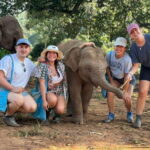
- Close observation without touching means you get photos while the elephants keep their space.
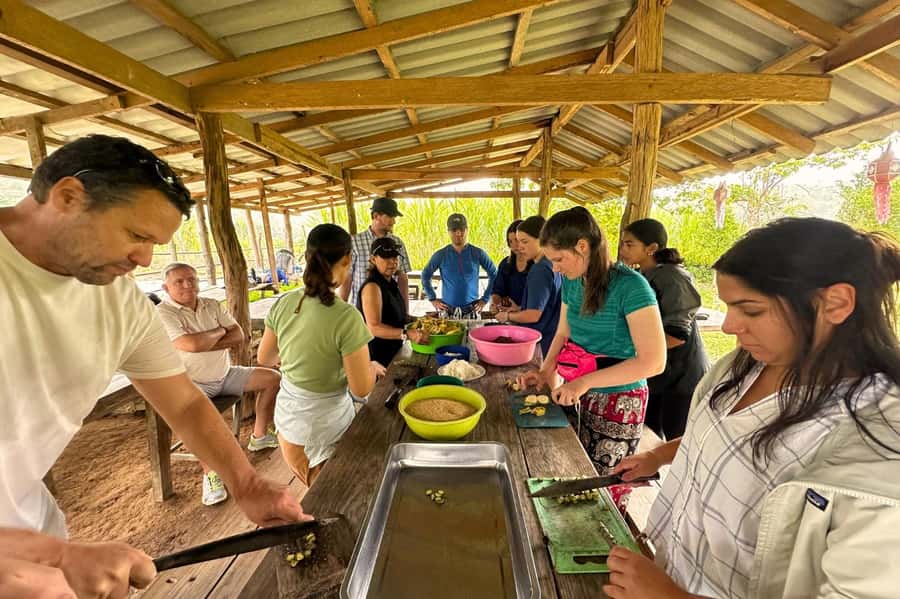
- Help prepare natural elephant food and make vitamin balls as part of habitat care.
- Pad Thai cooking workshop + lunch gives you a real payoff beyond watching animals.
- Su and the team share elephant care stories that explain behavior, especially for elderly or sick elephants.
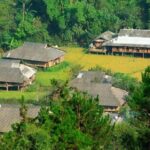
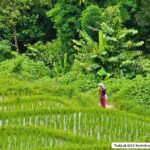
- Hillside setting with a stream adds a peaceful, off-the-beaten-path feel.
Big Boy Sanctuary’s no-control approach, explained in plain terms
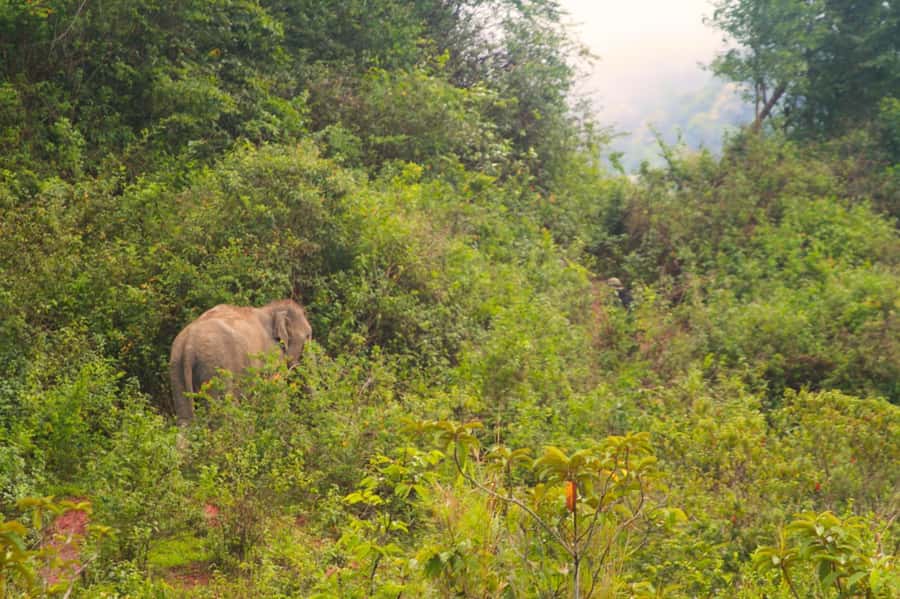
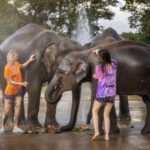
Big Boy Elephant Sanctuary near Doi Inthanon is built on a simple idea: elephants should live as naturally as possible, without humans controlling their movements or routines. That shows up immediately in what you do not do. You are not doing elephant riding. You are not doing controlled walking. You are not performing mandatory bathing. You also are not commanding elephants to follow orders.
In practice, this changes the vibe from the start. Instead of feeling like you’re managing animals, you’re acting more like a quiet helper. You prepare food, you observe, you feed when it’s appropriate, and you step back when the elephants decide they’re done. That may sound small, but it’s the difference between an attraction and a sanctuary.
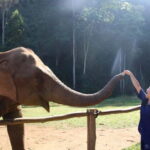
You’ll also notice a clear boundary around contact. You can get close enough for good photos, but you cannot touch the elephants. That keeps things safer for both sides. It also helps you see the elephants as individuals instead of props.
This approach matters because it aligns with what ethical elephant care tries to protect: natural social behavior, stress reduction, and routines that don’t rely on humans forcing actions.
You can also read our reviews of more tours and experiences in Chiang Mai


The 6–7 hour day: pickup windows and how the timing really works
This is sold as a half-day trip, but Chiang Mai timing has a way of stretching plans. The program runs about 6–7 hours total, and that includes transportation time. Your voucher will show a reference time, split into two options:
- Morning: pickup within 07:00–14:30
- Afternoon: pickup within 11:00–18:30
Your exact pickup time is confirmed 1 day before, based on guest count and hotel locations. So if your hotel is a bit outside the city, plan for a slightly earlier or later window than you expect.
I suggest you treat this like a day trip with a late start or early finish, not a quick morning activity. It’s much less stressful if you eat a light breakfast or lunch before pickup (depending on your slot), bring water, and keep your phone charged for photo opportunities.
Elephant education briefing: what you learn before you feed
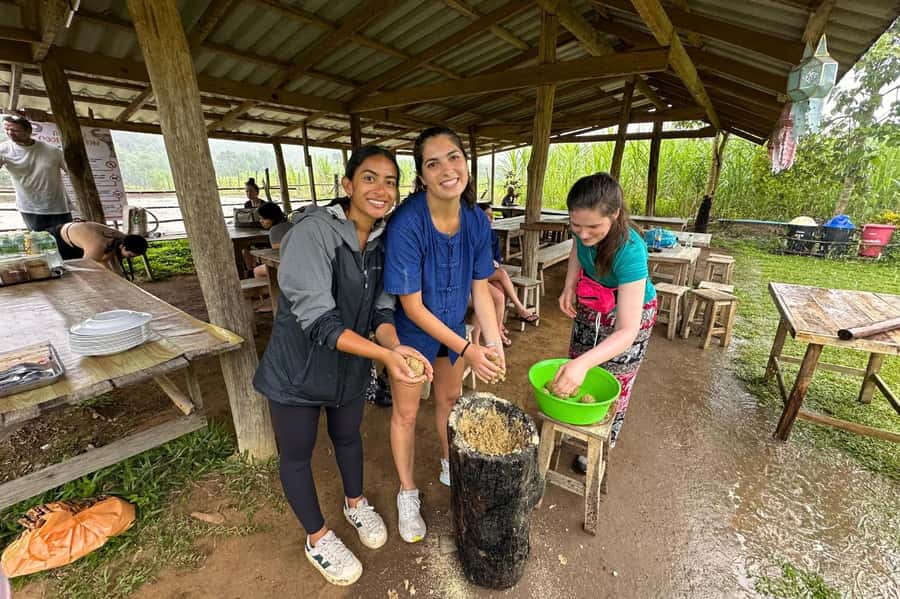
Before any hands-on part, you get an elephant education briefing. This is where the sanctuary mindset comes through. The focus is on elephant lives in a natural setting and on how care works when the goal is welfare, not performance.
A detail I’d call out: you’ll hear stories and practical insights from people who have real experience with elephant behavior and health. The conversation includes how older or sick elephants may be supported, and what that means day to day. This type of context helps your later feeding tasks feel grounded. You’re not just handing over food; you’re participating in a care routine.
You’ll also learn what “ethical” looks like in action. At Big Boy, ethical is not a slogan—it’s built into the rules and the pace of the day.
Elephant food prep: turning natural ingredients into meals
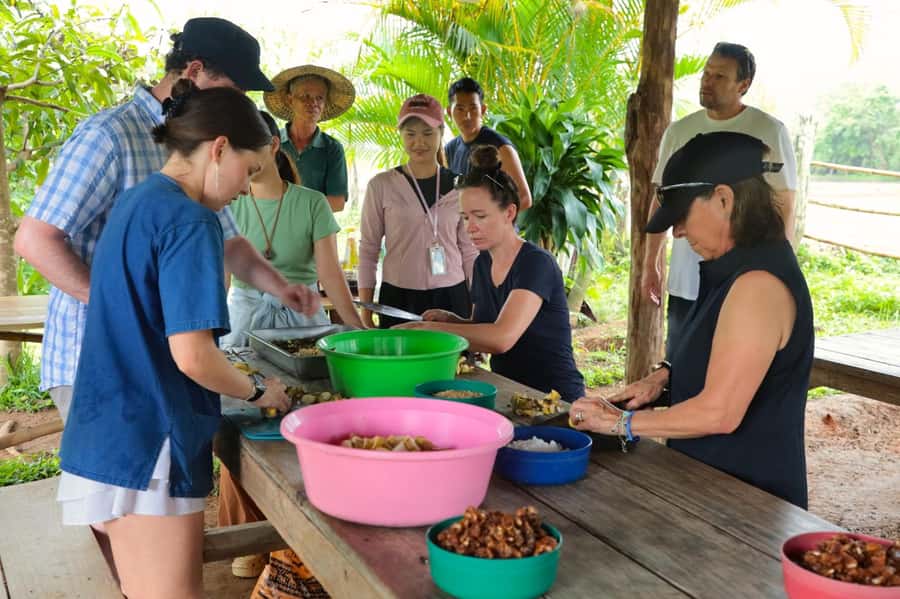
One of the most satisfying parts of the program is elephant food preparation. You work together to create meals using natural materials. The point isn’t fancy cooking. It’s understanding what these animals eat in a way that fits their needs and routine.
In the process, you’ll get practical, up-close time with the team before feeding begins. You’ll also learn that feeding here is about care and observation, not about forcing interaction.
You might prepare items like natural greens and bamboo shoots, and you’ll also make vitamin-related food items later. The overall sequence matters: food prep comes before you get near the elephants, so the feeding moment feels intentional instead of rushed.
Wear comfortable clothes and shoes you can stand in for a while. The sanctuary is outdoors, and the work happens in real mountain conditions, not a covered studio.
Ethical feeding experience: getting close while elephants stay in charge
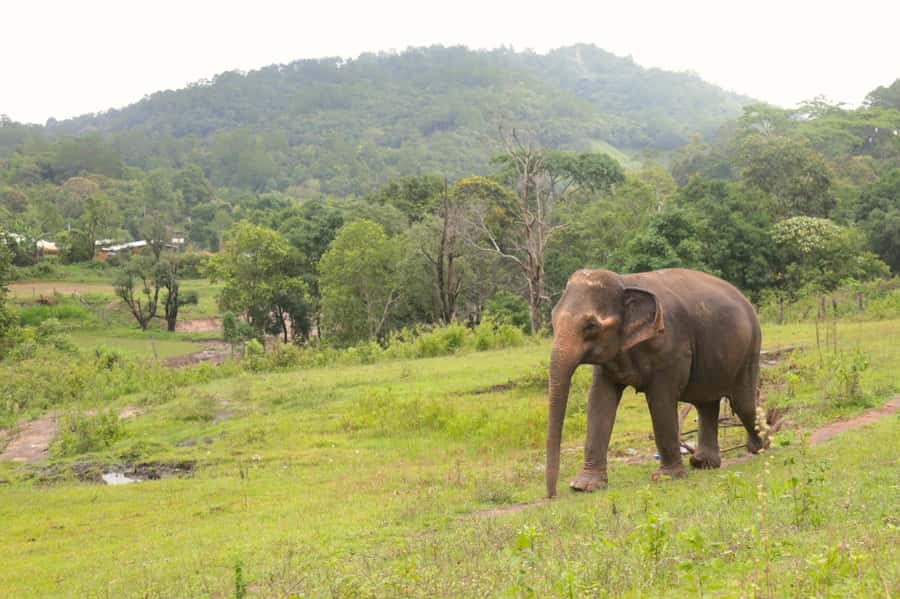
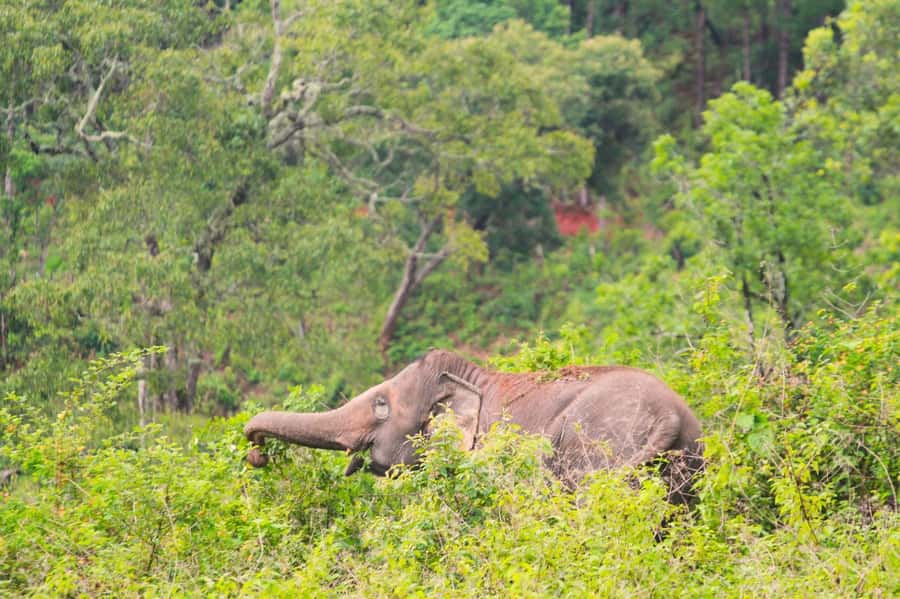
When it’s time for feeding, you’ll be brought up close enough to see how the elephants respond. The big promise is simple: no control. That means you don’t herd them, walk them, or press them into positions.
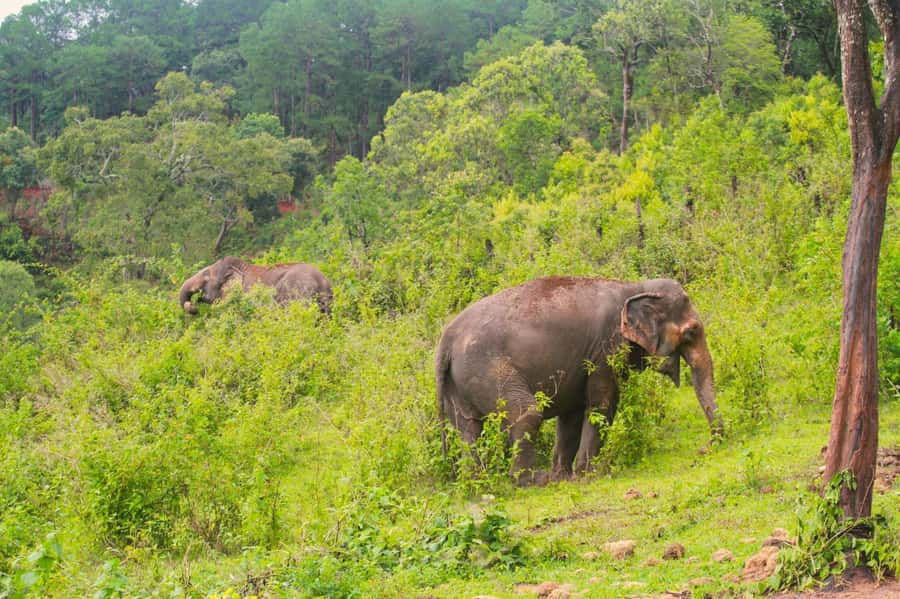
You feed them with the food you prepared, and you observe what they do next—how they eat, move, and interact with each other. You get to experience the natural rhythm of elephants living together as a family unit. If you came to see real elephant behavior, this is where it clicks.
You should expect the elephants to set boundaries. They may approach, pause, or move away based on mood, weather, and how they’re feeling that day. That’s normal here and part of the ethical design.
Also note the rules you must follow. Smoking is not allowed, and flash photography is not allowed. Those limits help keep the elephants calmer and the experience more respectful.
You can also read our reviews of more tours and experiences in Chiang Mai




Elephant vitamin workshop and habitat care activities
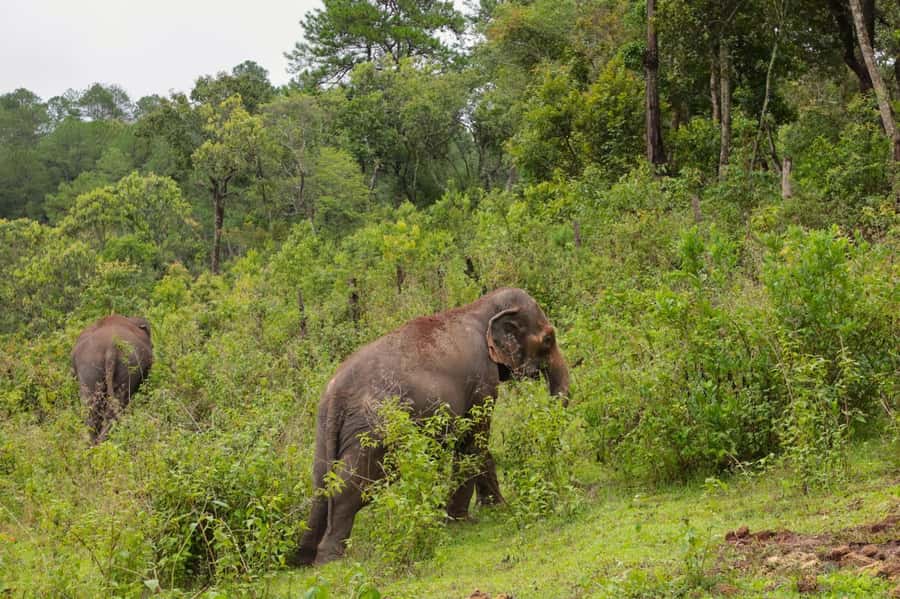
A key piece of the day is the elephant vitamin workshop, followed by vitamin feeding. You’ll make vitamin balls as part of daily care. Then you feed them when the team guides you on the safe timing and distance.
It’s a small task, but it lands emotionally. You’re not “saving” anyone with one photo. You’re contributing to ongoing care, which is how sanctuaries actually work.
You’ll also do habitat care activities—small tasks that support the environment and the elephants’ routine. The day stays focused on what matters for daily welfare: food, monitoring, and keeping interactions in the elephants’ comfort zone.
This is also where you’ll understand the sanctuary’s conservation mission more clearly. The goal is not only rescuing elephants, but supporting long-term well-being through care practices that mimic natural living as much as possible.
Pad Thai workshop: your lunch with an elephant-care backdrop
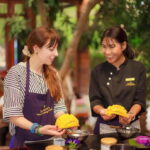
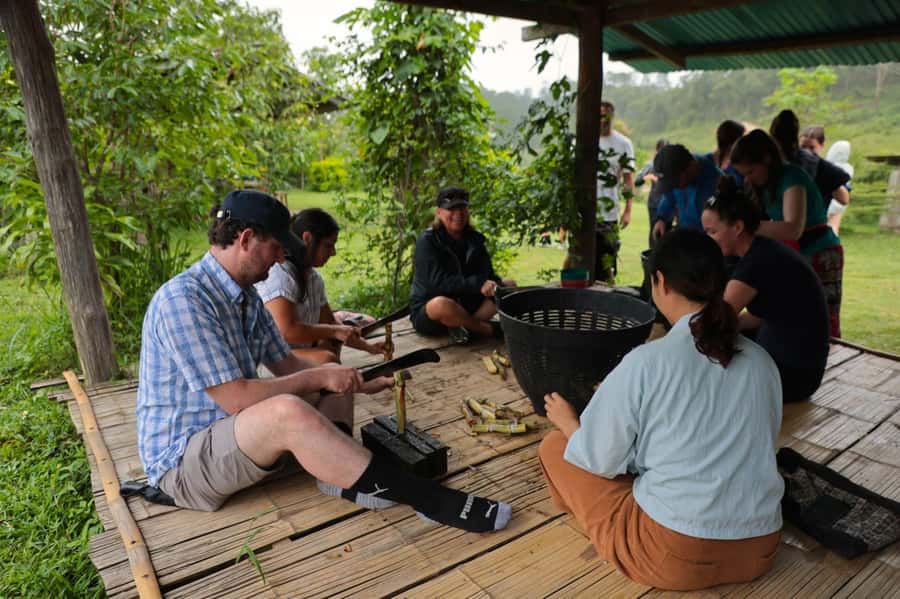
Then comes a pleasant twist: after the elephant side of the day, you get an authentic Pad Thai cooking workshop. You’ll learn to make the dish under the guidance of local culinary experts, using a recipe passed down through generations.
This part is more than a tourist meal. It’s structured like a real cooking class: you master key steps, combine ingredients in the right order, and finish with lunch you helped create. And yes, you’re likely eating while you’re still thinking about the elephants nearby—because the day’s flow keeps them in your mind.
If you’re the type who wants your animal time and your food time to both be memorable, this pairing works. It turns a wildlife visit into a full cultural day without adding extra gimmicks.
Who this trip is best for (and who should skip it)
This is a good fit if you:
- Want ethical elephant observation rather than performance.
- Like hands-on activities that support animal care, even if the tasks are simple.
- Enjoy Thai food classes and want a solid meal included in the same half-day.
It may not be a good fit if you:
- Are pregnant (not suitable).
- Have back problems (not suitable).
- Have mobility impairments (not suitable).
That last point is important. Even without specific accessibility details, the day includes outdoor walking and standing while doing tasks and observing animals. Comfortable shoes are not optional.
Price and value: what $46 buys you in Chiang Mai
At about $46 per person, this trip sits in the “reasonable for what you do” range, especially compared with elephant outings that can cost more while offering rides or highly controlled interactions.
Here’s why the value works:
- You’re paying for a humane observation model with real care tasks.
- The day includes elephant education, feeding prep, vitamin feeding, and habitat care.
- The Pad Thai cooking workshop and lunch add a full food activity without needing a separate booking.
You also get a meaningful atmosphere. The small-group feel reported in experiences like this matters because it reduces chaos and lets you pay attention, instead of rushing for photos.
Practical tips: how to make your day smoother
Bring:
- Comfortable shoes
- Sun hat
- Camera
- Insect repellent
- A refillable water bottle (hydration matters outdoors)
Plan around rules:
- No smoking
- No flash photography
Packing mindset:
- You’ll likely spend time outdoors for both observation and prep activities.
- Keep your phone and camera straps secure and ready. The best shots often come when you’re relaxed and watching, not when you’re trying to stage something.
And one more thing: arrive on time for your pickup. The schedule is built around the day’s flow with the elephants.
Should you book Big Boy Elephant Observation in Chiang Mai?
Yes, you should consider booking if your priority is elephants living with minimal human control and if you want more than a basic photo stop. The combination of close observation, hands-on care tasks like vitamin ball feeding, and a real Pad Thai class makes the day feel like two meaningful experiences packed together.
Skip it if the outdoor walking and standing could be uncomfortable for you, or if you prefer a more structured, fast-paced tour where you never wait for animals to decide their own timing.
If you’re trying to choose between an elephant attraction and an ethical sanctuary experience, this one is built around the choice you want: observe first, help second, and let the elephants set the pace.
FAQ
Where is this elephant experience located?
It takes place at Big Boy Elephant Sanctuary near Doi Inthanon National Park in Chiang Mai Province, Thailand.
How long is the program?
The total program duration is about 6–7 hours, and that includes transportation time.
What are the pickup time windows?
You’ll be assigned either a morning window (07:00–14:30) or an afternoon window (11:00–18:30). Your exact pickup time is confirmed 1 day before based on your hotel and guest count.
Do you ride the elephants or control their walking?
No. The experience follows a no-control policy, including no elephant riding and no controlled walking.
Is elephant bathing included or required?
No mandatory bathing is part of this experience.
What activities do I do during the day?
You’ll do an elephant education briefing, help prepare elephant food, participate in ethical feeding, take part in vitamin-related activities like vitamin ball feeding, and do habitat care tasks. You also join a Pad Thai cooking workshop with lunch.
What should I bring and what is not allowed?
Bring comfortable shoes, a sun hat, a camera, and insect repellent, plus a refillable water bottle if possible. Smoking is not allowed, and flash photography is not allowed.
Is it suitable for everyone?
It is not suitable for pregnant women, people with back problems, or people with mobility impairments.