REVIEW · CHIANG MAI
Chiang Mai: Elephant Dream Project Sanctuary – Half-Day
Book on GetYourGuide →Operated by Elephantdreamproject · Bookable on GetYourGuide
Elephant time, but on their terms. This half-day trip to the Elephant Dream Project in Chiang Mai Province is built around elephants choosing what to do, not humans staging a show. I love the jungle walk style of visiting, where you follow gentle guidance and watch real behavior up close. I also like that the day is run by a local team tied to the elephants, with an English guide (often JJ) who explains what you’re seeing. One catch: you’ll still be walking on uneven ground, and this isn’t the right fit if you want the easy, cart-to-photos style.
You’ll start early, get picked up from your Chiang Mai hotel, and spend about 1 hour 45 minutes driving into the mountains before the day turns into something calmer and more hands-on in the best way. Expect feeding, learning, and time in the village. Many people come for the elephants; I think the real win is how clearly the day is structured to keep things respectful and low-pressure.
At $51 per person for about 4 hours (roundtrip transfers, lunch, entry tickets, water, and elephant feed included), it can feel like good value compared with the pricier “activity-packed” tours that add on extras. Still, if you’re looking for riding or fast-fire entertainment, you’ll likely feel like you went to the wrong place—this tour is intentionally not that.
In This Review
- Key highlights you’ll remember
- Why Elephant Dream Project feels different from the usual elephant tours
- Morning pickup and the mountain drive out of Chiang Mai city
- Arriving at 9:30: introductions, purpose, and how to read what you’re seeing
- Feeding elephants and walking their jungle route
- Lunch in the village: Thai flavors and a welcome reset
- River time, bathing observations, and what you should expect for photos
- Price and value: what $51 buys you in a 4-hour half day
- What to bring so the day stays easy (and not gross)
- Who should book this (and who should skip it)
- Should you book Elephant Dream Project Sanctuary Half-Day?
- FAQ
- What is the duration of the Elephant Dream Project Half-Day tour?
- What time is hotel pickup in Chiang Mai?
- How long does it take to drive to the sanctuary?
- What activities do you do with the elephants?
- Is lunch included, and what do you eat?
- What is included in the tour price?
- Are soft drinks included?
- What should I bring?
- Can I cancel and get a full refund?
- Who is the tour not suitable for?
Key highlights you’ll remember
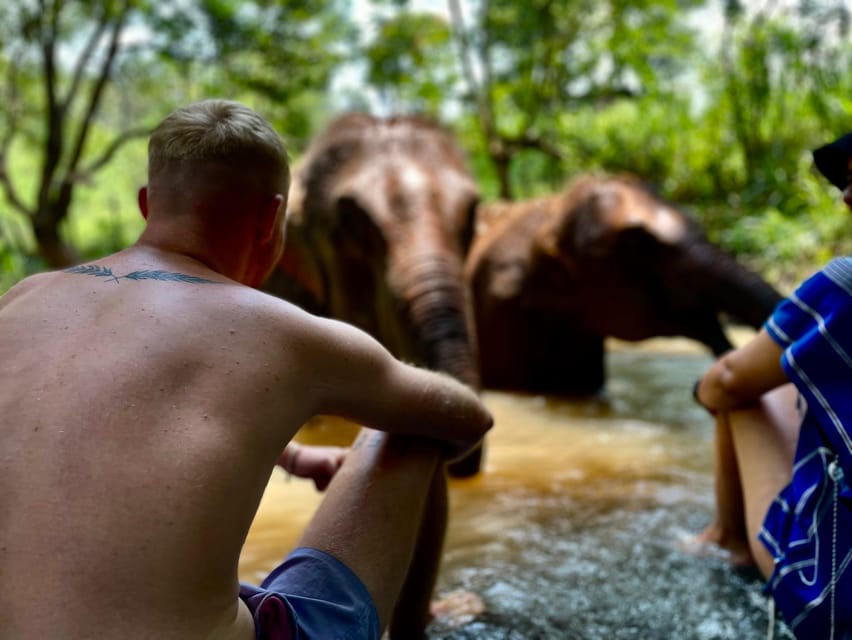
- Ethics-first schedule: elephants are guided gently, with no forcing just for tourist fun
- Follow-the-elephants jungle walking: see their natural habitat and how they move through it
- English-led experience with JJ: learn elephant behavior and care from the on-the-ground guide
- Feeding is part of the day: you’ll help provide food, then watch the elephants respond calmly
- Thai lunch with seasonal fruit: included, filling, and a nice break from the morning schedule
- Local village time: you’ll spend time with the people and see everyday life in the area
Why Elephant Dream Project feels different from the usual elephant tours
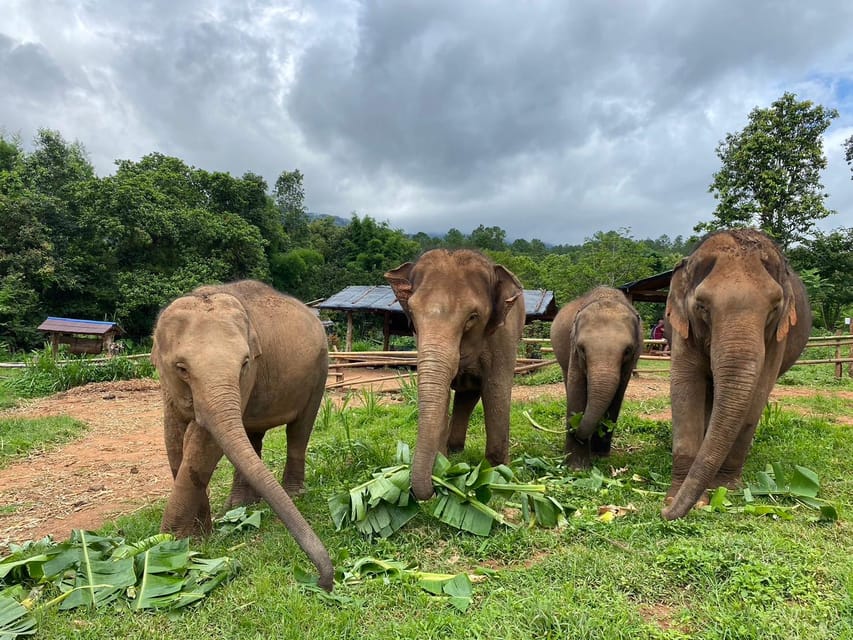
If you’ve researched elephant tourism in Thailand, you already know the keyword is ethics. What I appreciate here is that the experience is set up around the elephants’ comfort. The tour guidance explicitly focuses on elephant happiness in a natural setting, with no forcing for entertaining.
From what you’ll see during the visit, the animals aren’t treated like props. Feeding is allowed, and you can walk alongside them in the jungle, but the day stays respectful and guided. Several details show this is locally run and personal: reviews mention the owner as Mr Dee, and the guide JJ, and people describe the sanctuary as family-run with elephants treated like part of the household rather than inventory.
That matters because it changes your whole mindset. Instead of racing through a checklist of staged moments, you slow down. You pay attention to cues—when elephants want to approach, when they move away, and how the staff reads the situation. That’s a better use of your time and your money, even if it means the experience is less flashy than some alternatives.
You can also read our reviews of more tours and experiences in Chiang Mai



Morning pickup and the mountain drive out of Chiang Mai city
Your day starts in Chiang Mai city. Pickup is scheduled between 7:00 and 7:30 AM, and you’ll be asked to wait in the hotel lobby about 5 minutes before your pickup window. Look out for the Elephant Dream Project car.
Then comes the drive—about 1.45 hours to reach the sanctuary area. This isn’t just transportation; it’s part of the atmosphere shift. You’re leaving the city behind and heading into a more rural, mountainous environment. Some reviews mention safe, professional driving and a small-van feel (one person described a 9-seat van), which helps the trip feel less like cattle transport.
Practical tip: treat this as the start of your “wear-ready” time. Put on sunscreen before you leave, pack insect repellent, and bring your change of clothes in a bag you can grab quickly. Once you’re in the jungle, you’ll want to move comfortably without digging through your backpack.
If you’re sensitive to early mornings, this is still doable, but you should plan for it. This half-day isn’t a lie-in brunch. It’s an early start and then a meaningful stretch of time with elephants.
Arriving at 9:30: introductions, purpose, and how to read what you’re seeing
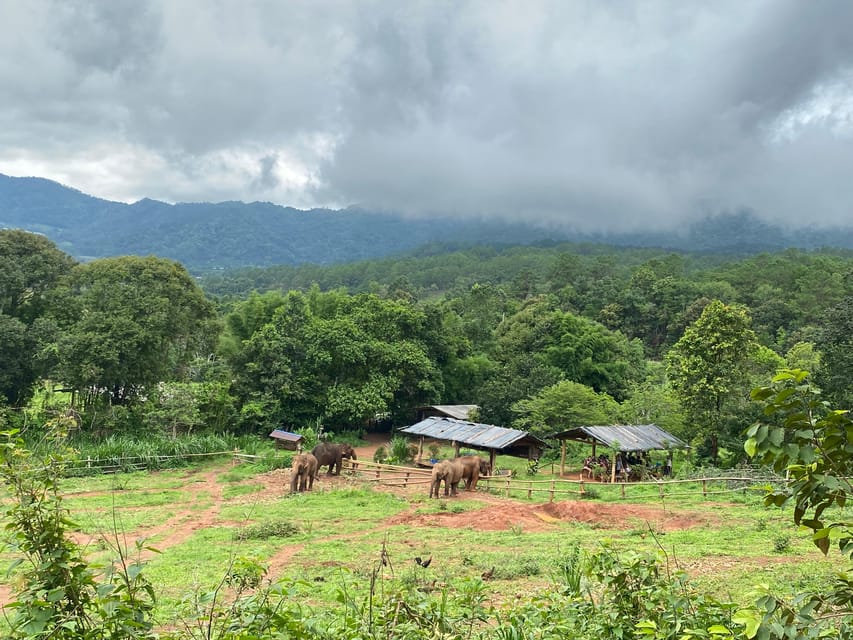
You’ll arrive around 9:30 AM. The first part of the visit is an introduction from an expert local tour guide about elephants and the Elephant Dream Project’s purpose. In reviews, the guide JJ is repeatedly praised for being upbeat and genuinely invested in the team’s approach.
This isn’t just small talk. You get context for how the sanctuary works and why the elephants’ behavior matters. Some guidance you may hear is about elephant comfort with humans, and why the staff encourages calm, respectful interaction. The overall message is: if the elephants don’t want to participate, they’re not forced into it.
For you, this is the moment to set your expectations correctly. Don’t expect a rapid-fire show. Expect instruction, observation, and gentle coordination. Follow the guide’s pace. If you’re told to stand back or move carefully, do it right away. That helps both safety and the emotional tone of the day.
Also, remember that the introduction is your safety net for the rest of the morning. You’ll move into feeding and jungle walking soon after, and you’ll be happier if you understand what the team wants you to do and why.
Feeding elephants and walking their jungle route
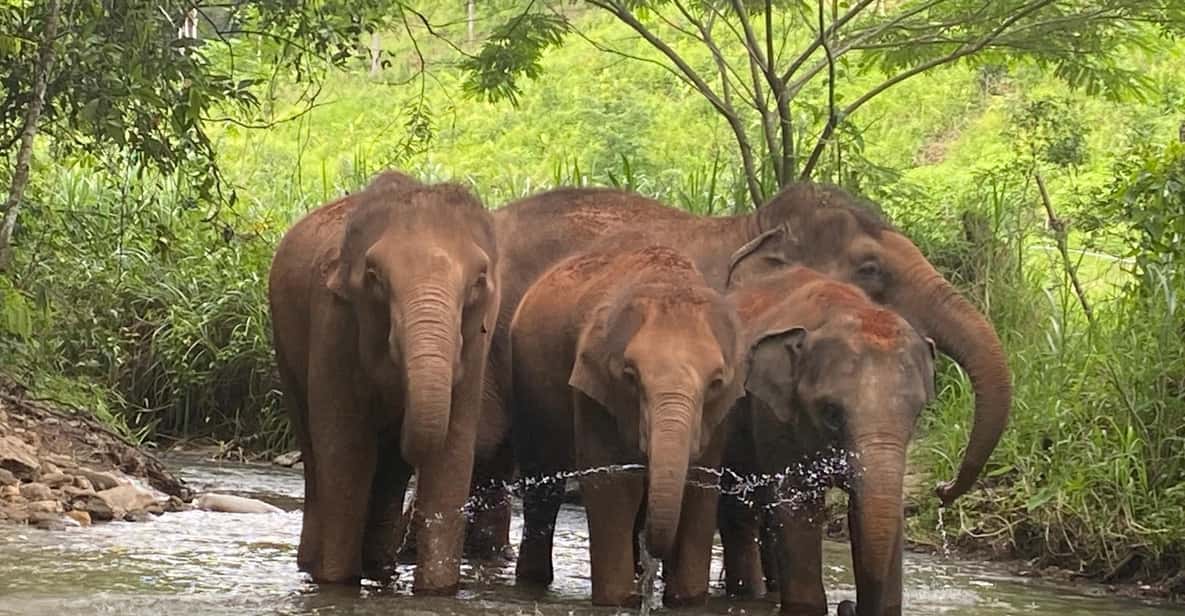
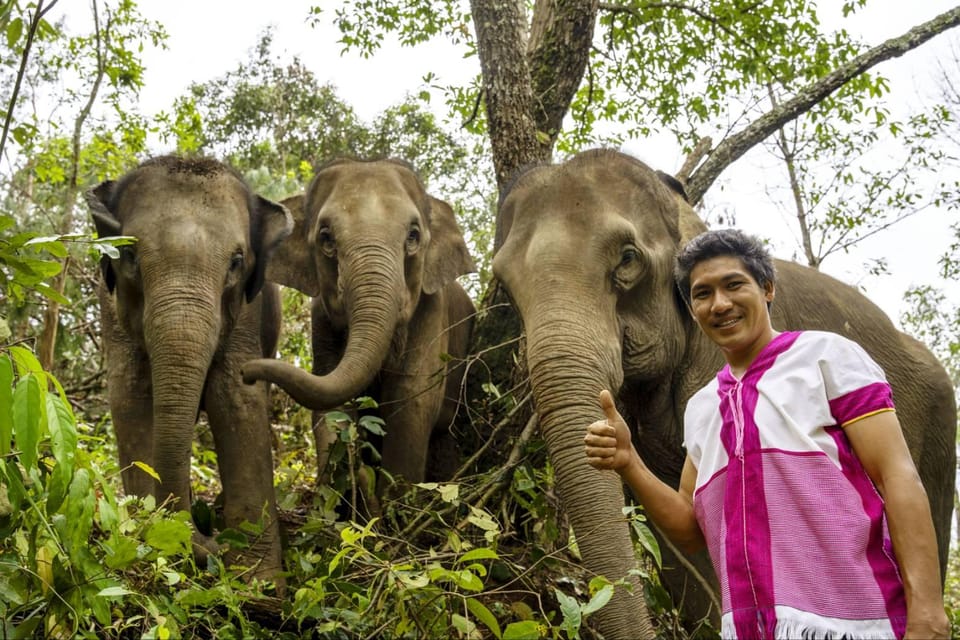
The heart of the tour is the time you spend with the elephants in their natural habitats. The experience is designed around a few core activities: feed the elephants, walk with them in the jungle, and learn from the guide while you observe.
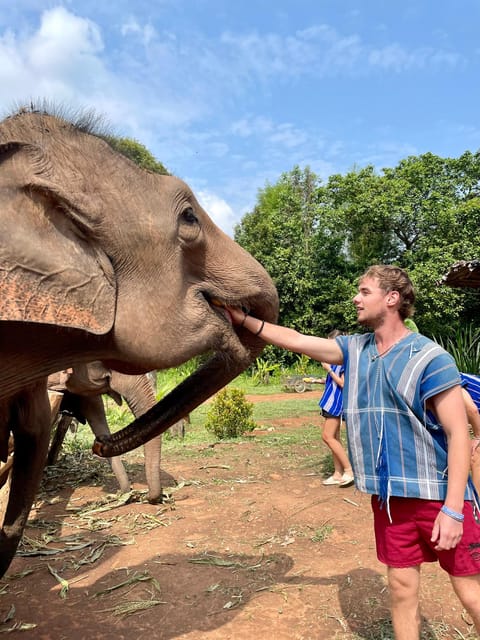
Feeding is one of those rare animal encounters where you feel the reality of scale. Elephants eat a lot, and the staff provides the food as part of the included package. You’re there to offer food in the right way and at the right distance, not to interact in a hands-on, grab-and-pose mode.
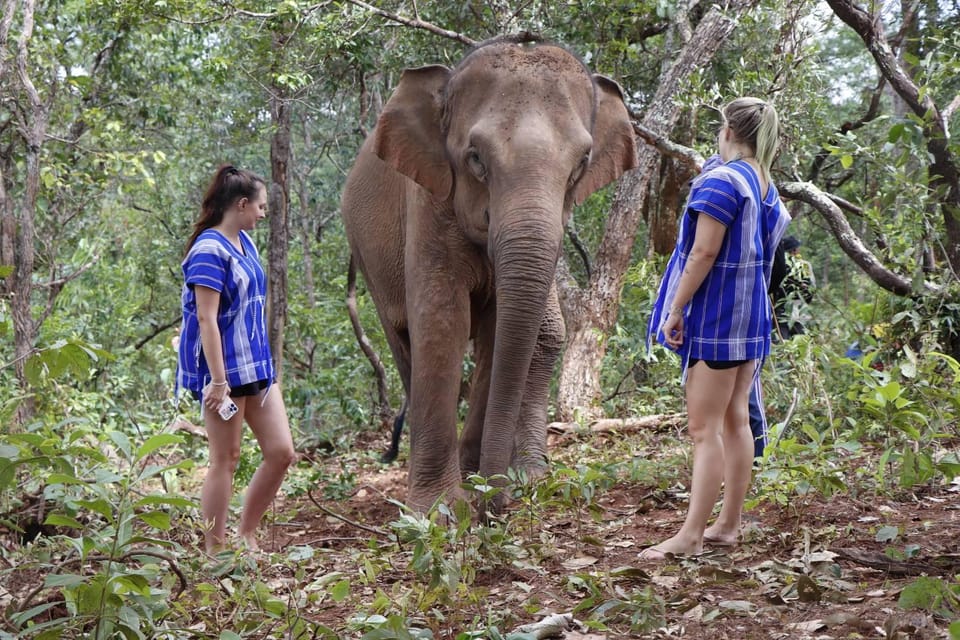
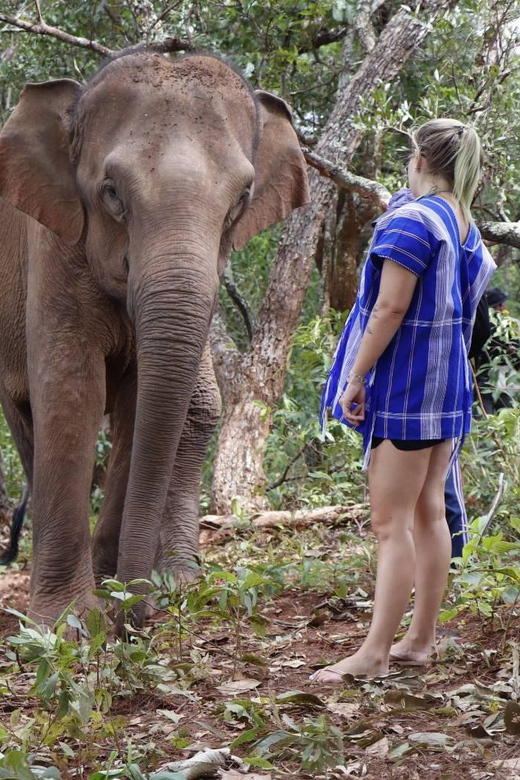
Then you walk. Many reviews describe a walk in the jungle or even up toward higher ground, plus time near a river area. Whatever the exact path on your day, the key point is that you’re moving through uneven outdoor terrain with elephants nearby, following the guide’s direction.
That’s why the recommended footwear is hiking shoes. A few reviews specifically mention how underfoot conditions can get slippery. If you wear flip-flops or soft city sneakers, you’ll be uncomfortable and you might slow the group down. You don’t want that.
The ethical vibe also shows up here. Elephants are allowed to decide. If they choose not to approach or participate fully, the staff doesn’t force it. That keeps the day from becoming a performance, and it’s a big reason this sanctuary earns such high praise.
Lunch in the village: Thai flavors and a welcome reset
Around 12:00 PM, you’ll enjoy lunch with Thai food and seasonal fruits. Lunch is included, and water is included too. This break is more than a timer marker—it’s where the day becomes grounded again after the morning’s attention and movement.
Some reviews describe the meal as hosted on site by the owner, which adds a family-run feel. Even if your day isn’t exactly like that, you’re still eating in a local setting tied to the sanctuary operation, not inside a sterile tourist restaurant.
What I like about including lunch is that you’re less likely to scramble for food after the jungle time. It’s also easier on your schedule. By the time you sit down, you’ve probably worked up an appetite.
One small note: soft drinks aren’t included. If you like soda or juice, plan to buy it separately. For most people, water is enough here, but it’s good to know before you assume.



River time, bathing observations, and what you should expect for photos
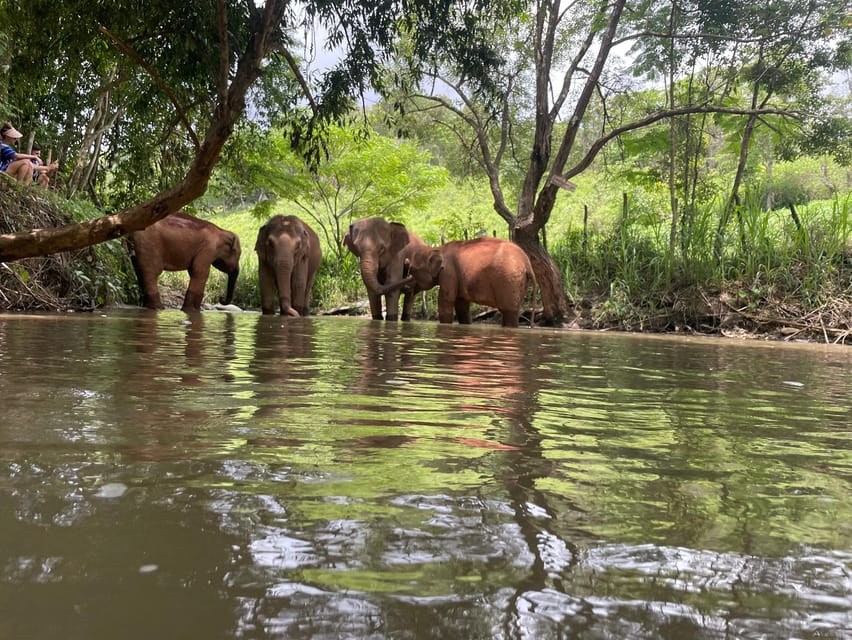
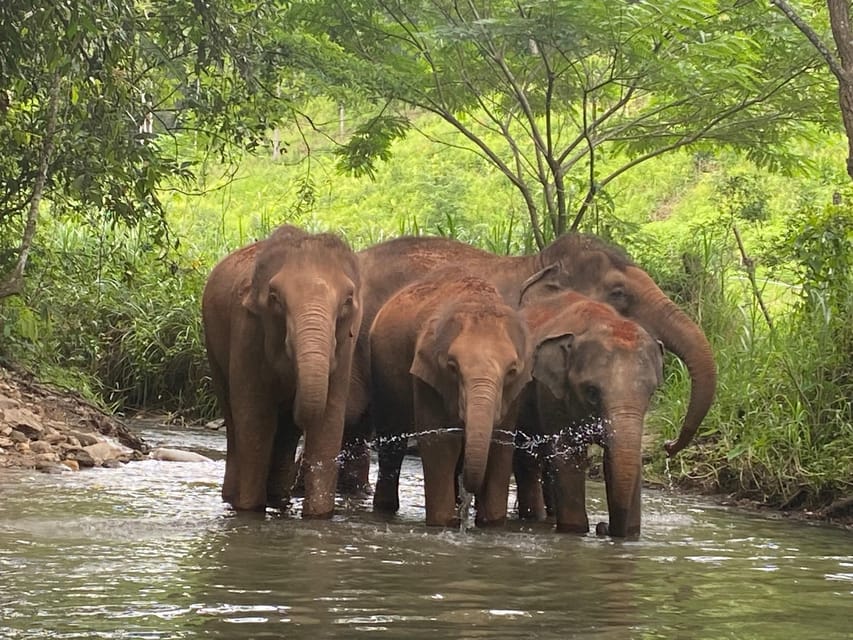
Your visit centers on feeding and walking, but you might also get chances to observe extra elephant behavior. Reviews mention watching elephants wash or bathe themselves and drink from a river. The important part for your expectations: you shouldn’t plan on getting into the water with them.
Some people even point out that bathing sounds magical until you remember that you’d be standing in elephant waste. So the setup stays observational and respectful, which is exactly what you want from an ethics-first sanctuary.
For photos, you’ll likely get better shots by staying relaxed and letting the elephant come into your frame rather than pushing closer. The team’s instructions exist for a reason. You’ll get jaw-dropping pictures either way, but you’ll also protect the calm energy that makes the experience feel real.
Bring a little common sense: your phone and camera should be protected from splashes, especially if elephants are washing nearby. If you get a smock or cover, use it. If you don’t, just plan to keep your clothing and gear practical.
Price and value: what $51 buys you in a 4-hour half day
$51 per person for a half-day can sound either reasonable or high, depending on what you compare it to. Here’s the value math that matters: the price includes roundtrip transfer in Chiang Mai, lunch, water, entry tickets, and food for feeding the elephants.
Those details add up quickly. If you were to do transport, pay entry fees elsewhere, and buy lunch, you’d spend a chunk of that budget fast. This tour keeps your costs wrapped into one clear total.
The other value lever is time. This experience is about 4 hours total, with a big chunk of it spent out of town in the sanctuary area. You get a meaningful elephant encounter without losing your whole day to a long itinerary.
The “watch your expectations” downside is that it’s not packed with flashy extras like riding. The activities are intentionally tied to elephant wellbeing and natural behavior. If that’s what you came for, the price starts to feel fair. If you came for hands-on entertainment, you may feel shortchanged.
What to bring so the day stays easy (and not gross)
This is a jungle day, so pack like you’re going outside, not like you’re heading to a museum. The tour suggests: change of clothes, a towel, hiking shoes, sunscreen, and insect repellent.
I’d add a couple simple habits based on how these days tend to go. Bring your towel even if you think you won’t need it. Water and washing are part of elephant behavior you may observe, and you may also get splashes or mud on the ground during walking.
Bring a plastic bag for wet clothes. If you end up with a soggy shirt after the morning, you’ll be grateful on the return drive.
If you’re prone to slipping, tie your shoes tightly and keep your eyes on your footing. Even if the staff is careful, the jungle doesn’t care about your footwear choices.
Who should book this (and who should skip it)
This tour is best for you if you:
- want an elephant experience that focuses on welfare and gentle guidance
- are happy with walking and observing rather than riding
- like learning and having time to ask questions during a structured morning
- enjoy Thai food enough that lunch feels like a real part of the day, not an afterthought
It’s also a good choice if you’re specifically trying to avoid the “tricks and performance” model. The tour guidance is clear about operating based on natural happiness and without forcing elephants for entertaining.
Skip it if you can’t handle uneven ground. The tour is listed as not suitable for wheelchair users, and it isn’t recommended for people over 80 years or over 95 years. That age note matters because the day includes walking and time outdoors.
And if you want bathing where you’re hands-on in the water, this isn’t that kind of experience based on the way it’s described. You’re there to watch and participate appropriately, not to jump in.
Should you book Elephant Dream Project Sanctuary Half-Day?
If your top priority is ethical elephant tourism, I think this is a strong pick. The biggest reason is the structure: feeding and walking are part of your experience, but the day is framed around elephant choice and wellbeing, with guidance from an English-speaking local team such as JJ.
You should book if you’re comfortable with an early start, can wear proper shoes, and want a half-day that leaves room to enjoy Chiang Mai later. You’ll come away with memories that feel grounded in real behavior, not just selfies from a staged moment.
You might skip it if you’re expecting riding, lots of non-stop entertainment, or a super-easy stroll on perfect surfaces. This tour is simple, outdoor, and respectful. It rewards the mindset that slows down and pays attention.
FAQ
What is the duration of the Elephant Dream Project Half-Day tour?
The tour lasts about 4 hours.
What time is hotel pickup in Chiang Mai?
Pickup is scheduled from 7:00 to 7:30 AM.
How long does it take to drive to the sanctuary?
The drive is about 1.45 hours one way.
What activities do you do with the elephants?
You feed the elephants, walk with them in the jungle, and learn about elephants with the guide.
Is lunch included, and what do you eat?
Yes. Lunch is included and features Thai food plus seasonal fruits.
What is included in the tour price?
Included items are roundtrip transfer in Chiang Mai, lunch, water, food for feeding elephants, and entry tickets.
Are soft drinks included?
No, soft drinks are not included.
What should I bring?
Bring change of clothes, a towel, hiking shoes, sunscreen, and insect repellent.
Can I cancel and get a full refund?
Yes. Free cancellation is available up to 24 hours in advance for a full refund.
Who is the tour not suitable for?
It is not suitable for wheelchair users and people over 80 years old or over 95 years old.