REVIEW · POKHARA
From Pokhara: Budget 2 Night 3 days Poon hill trek
Book on GetYourGuide →Operated by couch adventure nepal (CAN) · Bookable on GetYourGuide
Big mountains, small-time plan. This 3-day Poon Hill trek from Pokhara is a smart hit of Himalaya scenery: I love the sunrise payoff and the easy-to-manage teahouse nights. You also get a route through rhododendron forests and Gurung villages that feels genuinely local, not just a viewpoint sprint.
The biggest consideration is effort. Even on the moderate trail, you’ll walk steep sections and do a pre-dawn hike to Poon Hill, and clouds can sometimes blur the view. Guides such as Prakash and Birendra Thapa are often praised for keeping things calm and comfortable, which helps a lot when you’re tired.
In This Review
- Key reasons this Poon Hill trek is worth your time
- Why Poon Hill is the best quick route to Annapurna and Dhaulagiri views
- Pokhara to Kilu: a short drive that changes how the trek feels
- Day 1 to Tadapani (2,630m): forests, Ghandruk, and a view-earned night
- Day 2 to Ghorepani (2,850m): rhododendron paths and Deurali Pass energy
- Sunrise at Poon Hill (3,210m): the 45–60 minute hike that changes everything
- Ulleri to Pokhara: why the return route matters for your last day
- Teahouses, warm meals, and what to budget for food
- Pace, difficulty, and who this trek fits best
- Guides, safety, and how to pack like you mean it
- Price and value: does $179 per person make sense?
- Should you book this Budget 2 Night Poon Hill trek?
- FAQ
- What’s the starting area for the trek?
- How long is the trek?
- What’s included in the price?
- Is food included?
- What altitude will I reach?
- How difficult is the hiking?
- What kind of sunrise do I get at Poon Hill?
- What months are best for clear mountain views?
- What should I bring?
- Is this trek suitable for everyone?
Key reasons this Poon Hill trek is worth your time
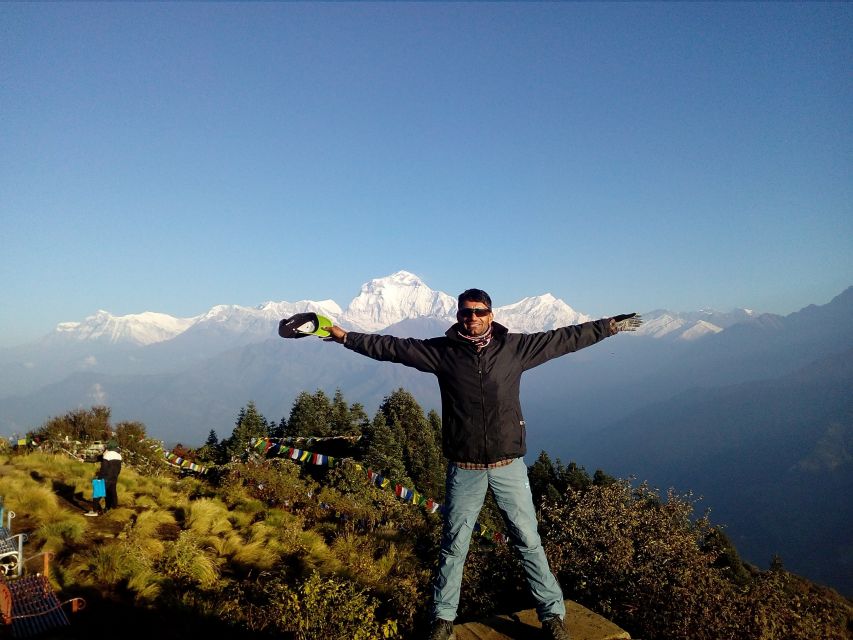
- Sunrise from Poon Hill (3,210m): the classic panorama over the Annapurna and Dhaulagiri ranges
- Rhododendron + Gurung villages: forest hiking plus village culture on the same days
- Flexible walking days: enough time to enjoy the scenery without turning it into a grind
- Teahouse stays: warm meals and simple rooms after long downhill stretches
- Private guiding, shared return: you get personal support without paying for everything twice
Why Poon Hill is the best quick route to Annapurna and Dhaulagiri views
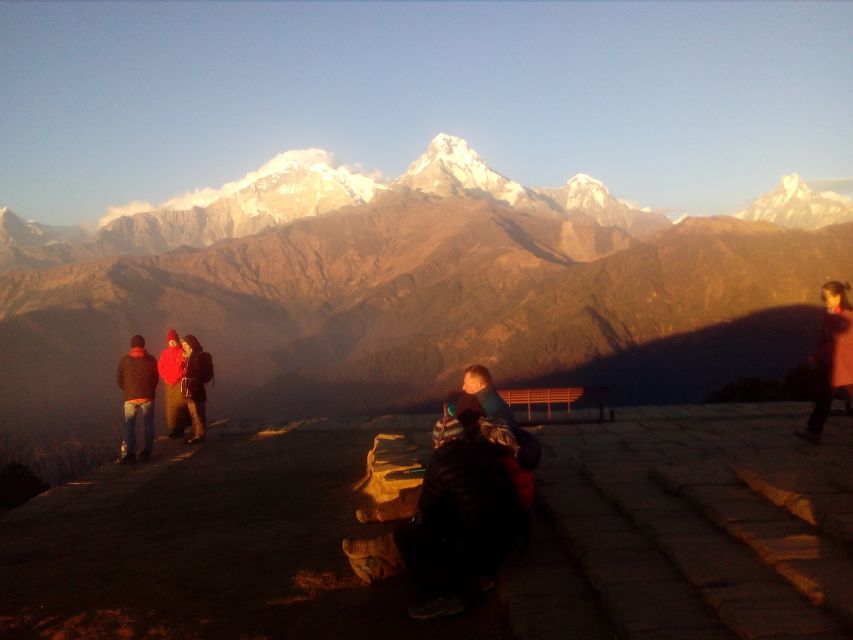
If you’re short on vacation days, Poon Hill is the kind of trek that makes sense. In just 2 nights, you’re in the right neighborhood for some of the most famous mountain views in Nepal. You start at village elevations, hike through forests and terraces, then hit the viewpoint area early morning when the light turns the peaks gold.
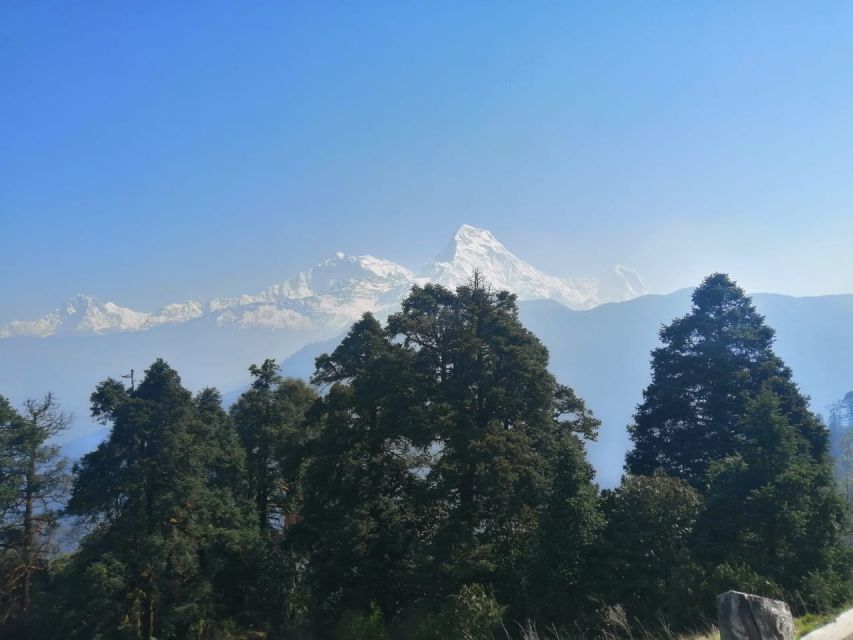
What I like most for your planning: this is not a big technical trek. It’s built around moderate hiking and clear timing, so you can focus on the experience rather than worrying about gear complexity. And you’ll still get memorable moments like Machhapuchhre (Fishtail) showing up in the distance, and Annapurna South and Hiunchuli laid out across the horizon.
Also, the route has variety. One day you’re climbing through dense forest. Another day you’re moving along ridges and village paths. Then you finish with a long, satisfying descent. That mix keeps your brain awake even when your legs are bargaining.
You can also read our reviews of more tours and experiences in Pokhara.
Pokhara to Kilu: a short drive that changes how the trek feels
Your day starts with a drive from lakeside Pokhara to Kilu (about 2–3 hours). This transfer matters more than it sounds. Leaving early means you begin trekking with daylight and less stress, and you also ease into the altitude gradually.
On the way, you’ll pass terraced fields, rivers, and traditional settlements. It’s not just scenery for photos. It’s your first lesson in how life is arranged on these hills: steep slopes, farming terraces, and small communities tucked into the contours. That context makes the later village stops feel more than just scenic stops.
One practical note: you’re in a private transfer for this leg. That’s a nice value boost because you avoid the extra hassle of coordinating public transport at the start of a trek.
Day 1 to Tadapani (2,630m): forests, Ghandruk, and a view-earned night
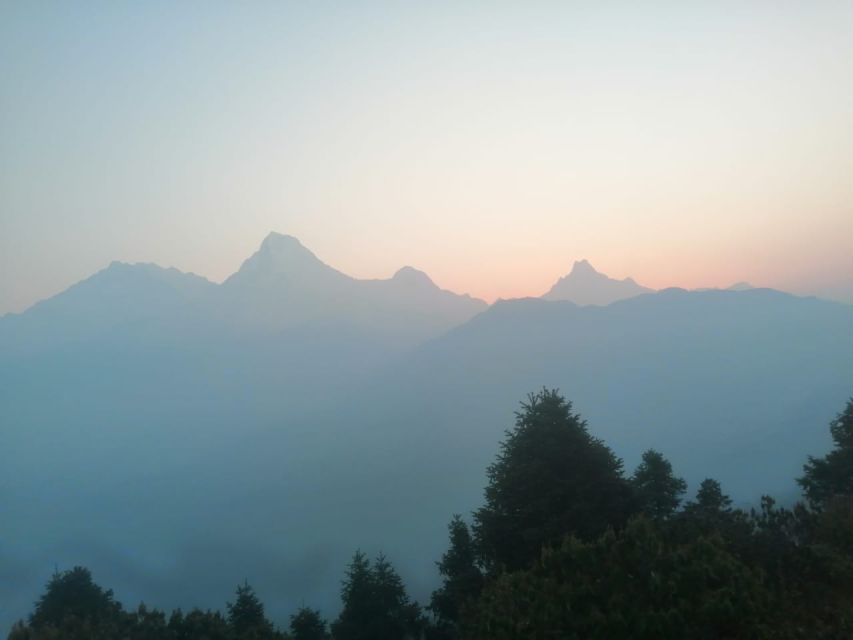
Day 1 is the big warm-up. You drive to Kilu, then hike to Tadapani (about 5–6 hours). The trail climbs through lush rhododendron and oak forests, which is a real gift if you like walking under shade instead of frying in the sun.
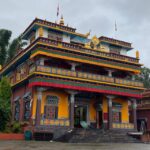
You’ll pass through Ghandruk, one of those Gurung villages that feels built for slow wandering. It’s known for local culture and strong mountain views of the Annapurna region. Even if you don’t go deep into sightseeing, simply passing through helps you understand why people love this trek: you’re moving through living communities, not just following a line on a map.
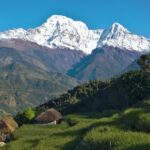
As the afternoon progresses, the forest path gradually opens up at intervals. You may spot Machhapuchhre (Fishtail) and parts of the Annapurna peaks through breaks in the trees. Then you reach Tadapani, a quieter hilltop village with panoramic views of Annapurna South, Machhapuchhre, and Hiunchuli.
Your evening here is the right kind of reward. You check into a guesthouse, eat a warm meal, and rest. This matters because the next day starts early in the morning for sunrise hiking prep. When your body is tired, being in a comfortable base village is worth more than one extra photo opportunity.
Day 2 to Ghorepani (2,850m): rhododendron paths and Deurali Pass energy
Day 2 covers Tadapani to Ghorepani (about 5–6 hours) and brings you closer to the main viewpoint area. After waking up, you get a first dose of sunrise over the Himalayas before breakfast. That’s the kind of rhythm I like: instead of rushing, you let the mountains play the opening scene.
From there, the trail takes you through rhododendron forests and ridges, passing small settlements. In spring (March to May), you’re more likely to see blooming rhododendrons, which adds color and a softer mood to the climb.
You’ll also reach Deurali Pass along the way. The pass section is where the hike starts to feel more serious, because you’re committing to elevation gain rather than floating along. The good news is the trek is paced for a moderate level, so you’re not expected to sprint or tackle anything technical.
Then the route shifts to a more gentle descent into Ghorepani (still a climb day overall, just with a more balanced feeling). Ghorepani is where trekkers gather before the Poon Hill sunrise hike. You’ll likely notice the village energy building: people checking gear, comparing layers, and planning their timing.
That means your evening is simple and useful. You get an early dinner, then rest. Think of it as your pre-sunrise training camp, minus the paperwork.
Sunrise at Poon Hill (3,210m): the 45–60 minute hike that changes everything
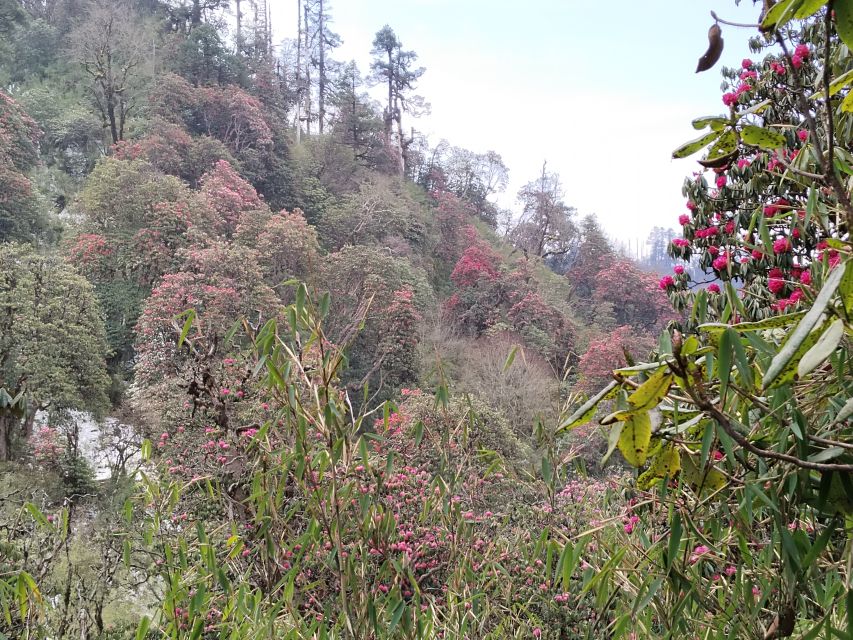
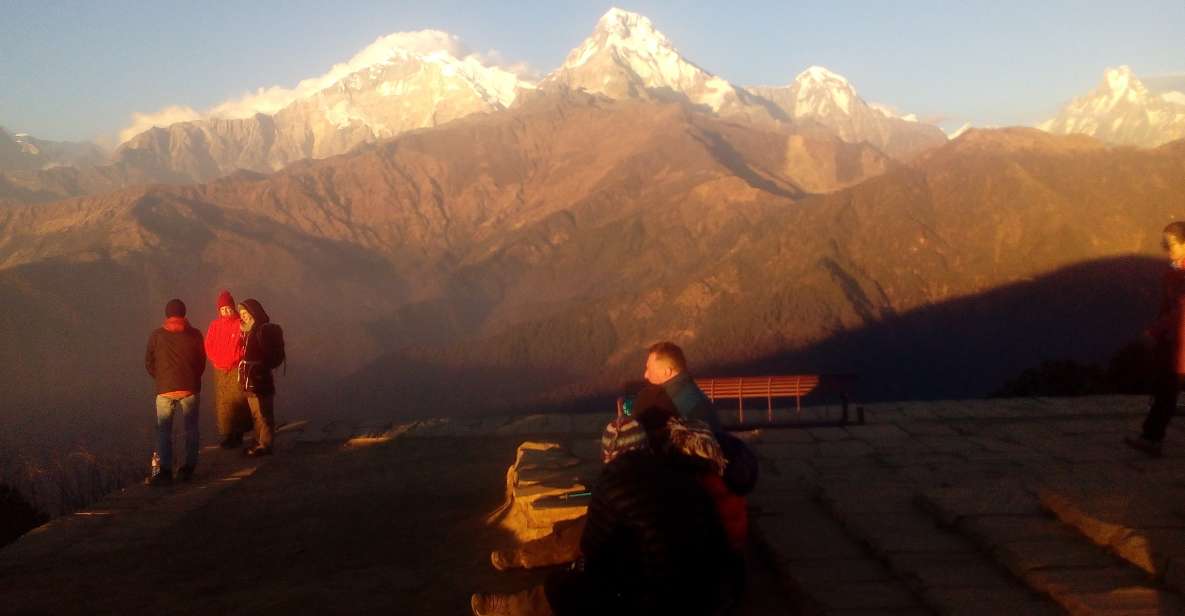
Early morning starts with a pre-dawn hike, usually 45 minutes to 1 hour, to Poon Hill (3,210m). This is the part everyone talks about for a reason. When the sky clears and the light hits the snow-capped peaks, the whole region feels engineered for spectacle.
From Poon Hill, you’re aiming your eyes at the Annapurna and Dhaulagiri ranges. You’re also looking for specific silhouettes and peaks: Annapurna South, Hiunchuli, Machhapuchhre (Fishtail), and Dhaulagiri. The route’s timing is designed so you see golden hues spreading across the mountains rather than just gray silhouettes in the dark.
Here’s a reality check that’s still worth it: clouds can happen. If weather isn’t perfect, the view might be muted. But even then, the morning still gives you mountain presence and a sense of altitude that feels different from lower viewpoints.
After sunrise, you hike back down to Ghorepani for breakfast. Then your trek day becomes a descent: you follow the downhill trail through forests and villages, including Nangethanti and Banthanti. You finally reach Ulleri, known for stone-paved steps and traditional Magar village character.
If you’re wondering what “the trek is moderate” really means, this is your answer. Sunrise is the peak effort moment, and then the rest of the day is long and leg-tiring downhill walking. Your knees will notice. Plan to take it slow.
You can also read our reviews of more hiking tours in Pokhara
Ulleri to Pokhara: why the return route matters for your last day
From Ulleri, you head back to Pokhara by shared jeep or local bus. This shared transport choice helps keep the trek within a budget, but it also means you’re dealing with a more variable schedule than the private transfer on day 1.
The upside is you finish in Pokhara by late afternoon, so you can recover, shower, and eat city food without feeling like your vacation is one long commute. And you still get a scenic drive, which helps your brain transition from trekking mode back to normal life.
If you hate waiting, just be mentally ready for the usual “mountain schedule” vibe. It’s not chaotic, but you’re not in a train-on-the-dot world.
Teahouses, warm meals, and what to budget for food
Throughout the trek, you’ll sleep in guesthouses (teahouse-style lodging). These rooms are simple. The value isn’t luxury. The value is that you’re not carrying cooking gear, and you have a warm meal waiting after hiking.
Meals and drinks are not included, so you’ll buy what you want along the way. This is normal for the region, and it gives you control over your spending. If you want easy budgeting, bring some extra cash so you’re not stuck trying to haggle for change late in the day.
Warm local hospitality is a highlight for many people. You’ll likely feel comfortable asking for extra blankets or water, and guides help keep the process smooth. On cold mornings (especially during pre-dawn starts), having someone who knows what to expect from guesthouses can make the experience feel less stressful.
Pace, difficulty, and who this trek fits best
This is designed as a moderate trek, ideal for beginners and families who want a taste of high-mountain Nepal without jumping into something longer and more demanding.
The walking hours give you a realistic sense of effort:
- Day 1: around 5–6 hours from Kilu to Tadapani
- Day 2: around 5–6 hours from Tadapani to Ghorepani
- Day 3: a short uphill pre-dawn segment plus a longer downhill trek from Ghorepani to Ulleri
So it’s not a short walk. It’s a manageable one.
If you’re fit, the days will feel like a workout with scenery. If you’re newer to hiking, you’ll benefit from a guide who sets a pace you can sustain. Several guides associated with this trek are praised for attentiveness and encouragement, including Milan Rai, Bikram, and Gobinda S. That matters because a steady pace makes the difference between finishing strong and fading early.
One more fit note from the provided information: this trek is not suitable for pregnant women and wheelchair users. Also, pets are not allowed.
Guides, safety, and how to pack like you mean it
You’ll have a professional English-speaking trekking guide (English, Hindi, Nepali) and you’ll also get an emergency first aid kit with the guide. This isn’t the same as traveling with a medic, but it does create a basic safety net for common trekking issues.
For your personal safety and comfort, pack based on the altitude mornings and the fact that weather can shift fast. The essentials listed are:
- Passport or ID card
- Warm clothing
- Comfortable shoes
- Cash
Warm clothing is the big one for this route. Pre-dawn at Poon Hill can feel colder than you expect. Even if Pokhara is warm, the mountains don’t care about your plans.
Cash matters because meals and drinks are purchased along the way. Also, having cash prevents the classic trekking problem of trying to pay when you’re tired, cold, and the store only takes what it takes.
Shoes matter too. The stone steps near Ulleri and the mixed trail surfaces can be rough on poor footwear. Comfortable, grippy shoes save your feet and your mood.
If you’re a solo traveler, you’ll likely feel better when you connect with a guide who’s confident, attentive, and willing to adjust pace. Names tied to praised experiences include Prakash and Kabindra, both described as helpful and supportive in the mountain routine. Choose based on communication too. You want someone who can answer questions clearly and keep you organized.
Price and value: does $179 per person make sense?
At $179 per person for a 3-day, 2-night experience, the value comes from what’s bundled and what isn’t.
Included in this price:
- Hotel pickup and drop-off in lakeside Pokhara areas
- Professional English-speaking trekking guide
- Trekking permit and official documents
- Guesthouse accommodation during the trek
- Pokhara to Kilu transfer by private vehicle
- Ulleri to Pokhara transfer by shared jeep or bus
- Private tour
- Emergency first aid kit
- Entrance fees at Poon Hill
Not included:
- Food and drinks (you purchase meals along the way)
Here’s the smart way to think about it: you’re paying for transportation, guide time, paperwork, and lodging structure. Those are exactly the items that are hardest to DIY neatly if you’re short on time and don’t want to manage every booking yourself.
If you were to piece this together on your own, you’d still spend money on permits, transport, and at least some coordination help. So the price is easiest to justify if you want a smooth start, a real guide on the trail, and the Poon Hill entrance part handled for you.
Should you book this Budget 2 Night Poon Hill trek?
Book it if you want:
- High-impact scenery in only 3 days
- A moderate hike that’s suitable for beginners and families
- Sunrise at Poon Hill plus village walking through Gurung areas
- A guide-led experience with documents and permits handled
Skip (or pick another option) if:
- You hate early mornings or long downhill walking
- You need an accessibility-friendly route (this one isn’t for wheelchair users)
- You’re sensitive to cold weather and can’t pack warm layers
One final planning tip: choose the season you’ll travel. The best windows are spring (March–May) and autumn (September–November) for more stable weather and clearer views, though mountain conditions can always shift.
If your dates are flexible, the trek is listed with free cancellation up to 24 hours in advance and reserve & pay later, which lowers risk when you’re waiting for weather.
FAQ
What’s the starting area for the trek?
You’ll be picked up from hotels in lakeside Pokhara areas with a name card, then driven to Kilu to begin the trek.
How long is the trek?
It’s a 3-day / 2-night trek.
What’s included in the price?
Hotel pickup and drop-off in lakeside Pokhara areas, an English-speaking guide, trekking permit and official documents, guesthouse accommodation during the trek, Pokhara to Kilu transfer by private vehicle, Ulleri to Pokhara transfer by shared jeep or bus, private tour, an emergency first aid kit (with the guide), and entrance fees at Poon Hill.
Is food included?
No. Food and drinks are available for purchase during the trek.
What altitude will I reach?
Poon Hill is 3,210m. Your route includes elevations like Tadapani at 2,630m and Ghorepani at 2,850m.
How difficult is the hiking?
It’s described as moderate and suitable for beginners and families.
What kind of sunrise do I get at Poon Hill?
You’ll hike early for sunrise views over the Annapurna and Dhaulagiri ranges, including peaks such as Annapurna South, Hiunchuli, Machhapuchhre (Fishtail), and Dhaulagiri.
What months are best for clear mountain views?
Spring (March to May) and autumn (September to November) are the best seasons for more stable weather and clearer views.
What should I bring?
Bring a passport or ID card, warm clothing, comfortable shoes, and cash.
Is this trek suitable for everyone?
It’s not suitable for pregnant women or wheelchair users. Pets are also not allowed.