REVIEW · CHIANG MAI
Chiang Mai: Historical and Culture Exploration Walking Tour
Book on GetYourGuide →Operated by Discova Thailand · Bookable on GetYourGuide
Chiang Mai’s origins live in plain sight. This walking tour maps the city’s founding story onto real places you can see and photograph, starting at the Three Kings Monument and tracing the Lanna Kingdom through temple art, symbols, and daily spiritual life. I love how the guide connects what you’re looking at to why it matters.
The second thing I really like is the focus on the big hitters that many first-timers rush through. You get a proper visit to Wat Chedi Luang, including a chance to see the Buddha inside and hear talks from monks, not just pass-by sightseeing. One consideration: the tour isn’t set up for wheelchair users.
In This Review
- Key Highlights You’ll Feel Fast
- Finding Your Bearings at Three Kings Monument
- Wat Phra Singh: Northern Thai Art and the Dragon Pagoda
- Wat Chedi Luang: Ruins, the Buddha Inside, and Monk Talks
- How the Small Group Makes It Worth Your $15
- Timing, Heat, and Temple-Ready Outfit Choices
- Temple Tours That Actually Teach You How to Look
- Who Should Book This Walk (and Who Might Skip It)
- Should You Book This Chiang Mai Old City Tour?
- FAQ
- Where does the tour meet?
- How long is the guided walking tour?
- How much does it cost?
- What’s included in the price?
- Is hotel pickup and drop-off included?
- What language is the tour guide?
- What should I wear and avoid wearing?
- Is the tour wheelchair accessible?
Key Highlights You’ll Feel Fast
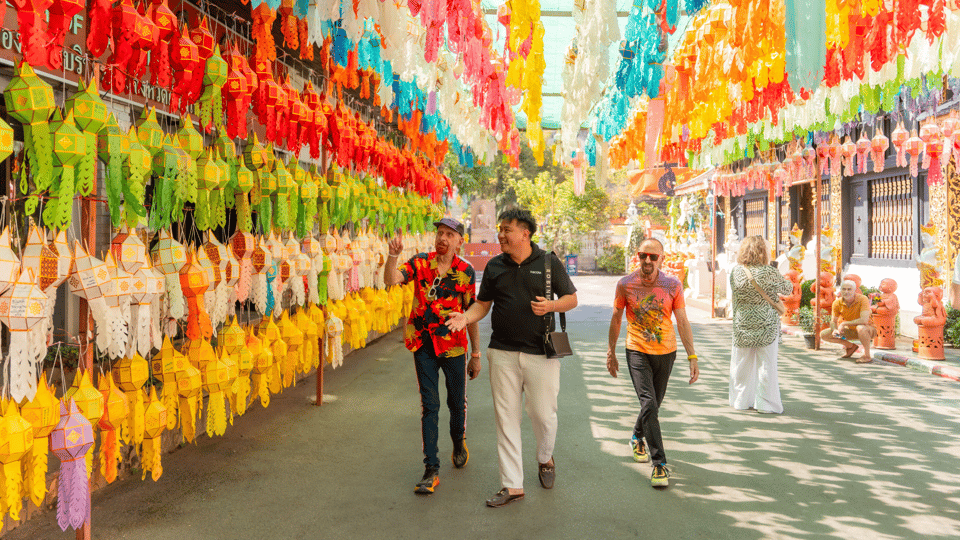
- Three Kings Monument orientation that sets up King Mangrai and the founding of Chiang Mai
- Wat Phra Singh’s northern Thai details, from woodcarving to mural styles you don’t see elsewhere
- Lanna symbolism in plain view, including the pagoda tied to people born in the Year of the Dragon
- Wat Chedi Luang’s 600-year-old ruins plus time to look closely at the chedi and the Buddha inside
- Small group pacing (up to 8 people) that makes questions easy and photos less rushed
Finding Your Bearings at Three Kings Monument
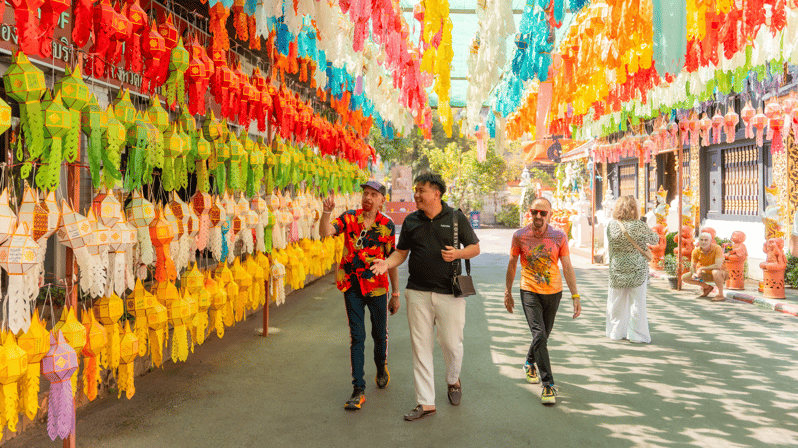
Most Chiang Mai visits start with temples and end with photos. This one starts with orientation, right where the old city’s story points inward: the Three Kings Monument. You’ll get a short safety briefing, then learn the basics you’ll keep using all tour—who King Mangrai was and how Chiang Mai became a key city in the Lanna Kingdom.
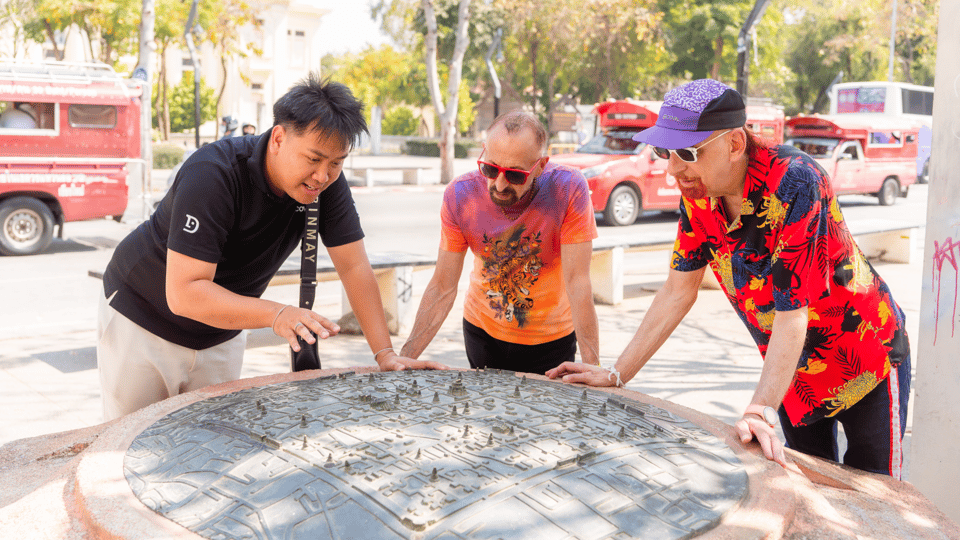
It’s a smart first step because the old city can feel like a maze if you show up with only a map. Here, you’re given a simple thread: history links to culture, and culture shows up in temple design and everyday practice. The guide also gives you a sense of what to watch for as you move from stop to stop.
Practical tip: arrive a few minutes early so you don’t feel rushed right at the start. Wear comfortable shoes because you’ll be walking and standing for meaningful chunks of the tour.
You can also read our reviews of more walking tours in Chiang Mai
Wat Phra Singh: Northern Thai Art and the Dragon Pagoda
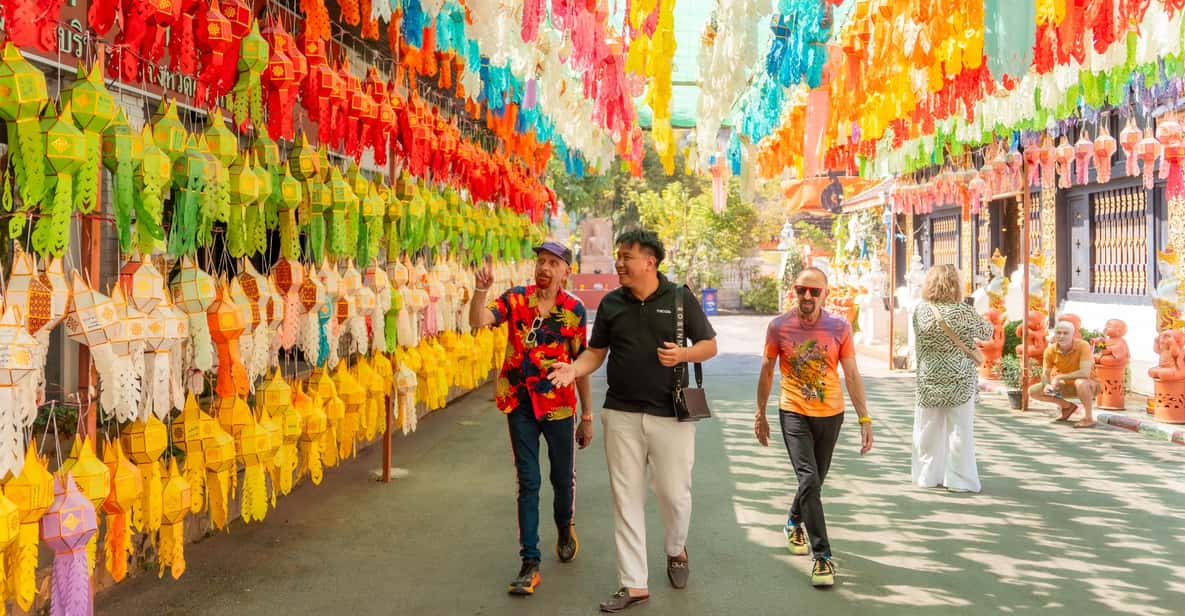
Your first temple stop is Wat Phra Singh, the second most revered temple in Chiang Mai. The attraction isn’t just the size—it’s the look. You’ll see distinctive architecture with intricate woodcarvings and northern Thai-style murals, which are a different visual language from what you’ll notice in Bangkok or southern Thailand.
The visit includes time for two key areas: the Lai Kam Assembly Hall and the pagoda connected to a special cultural symbol. That pagoda represents individuals born in the Year of the Dragon, which turns temple sightseeing into something more personal than decoration. Even if you’re not from a Thai astrology tradition, it helps you understand how belief systems can become part of identity, family stories, and temple symbolism.
What I like about this stop is how it teaches you to see. A lot of temple tours stop at, Here’s a building. This one encourages you to notice the craft work—wood details, mural style, and the way the buildings guide your movement.
One gentle caution: the tour doesn’t allow shorts or short skirts. Plan your outfit around temple rules so you’re not scrambling to cover up partway through.
Wat Chedi Luang: Ruins, the Buddha Inside, and Monk Talks
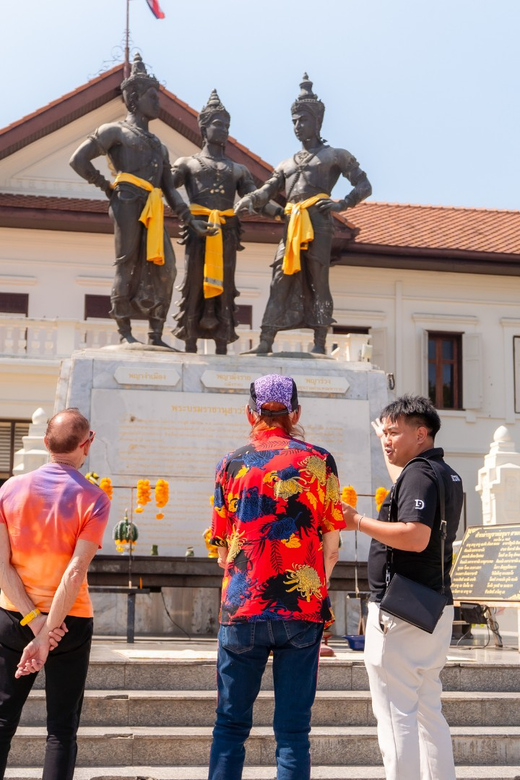
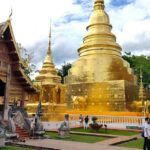
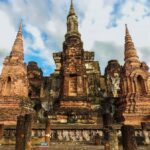
Then comes the star of the tour: Wat Chedi Luang. This site is about 600 years old, and the chedi area carries deep links to Chiang Mai’s founding era, originally built by King Mangrai. The ruins give it texture. It’s not a polished, new temple. It feels historical in a way that makes you slow down and look at the shapes and damage like part of the story, not a problem.
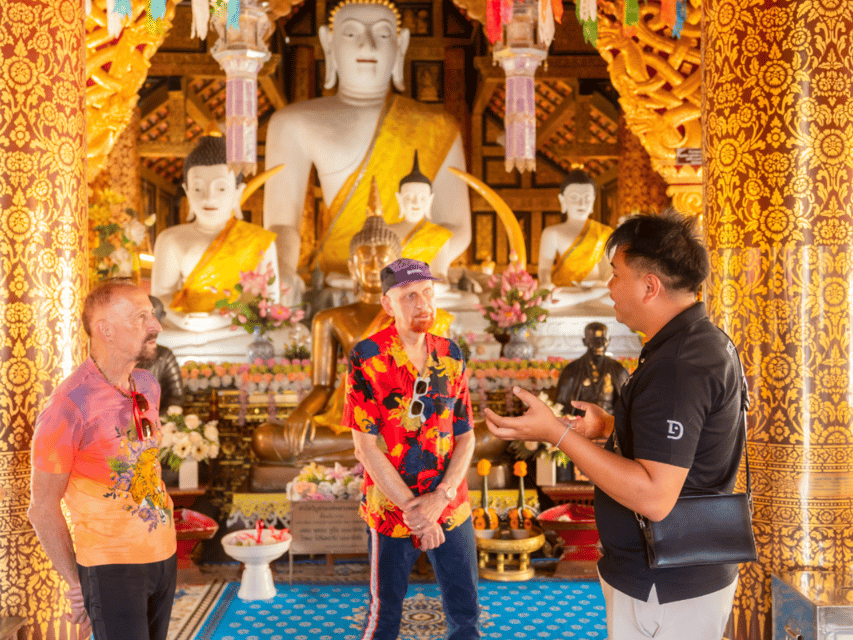
You’ll spend walking time to reach the main temple areas, then a guided visit that’s long enough to do more than skim. You’ll be able to gaze at the impressive chedi and also view the Buddha inside. That combination matters: the chedi gives you the big architectural “why,” and the Buddha inside brings you back to the spiritual focus that has kept these places relevant for generations.
Another meaningful part: you may get the chance to listen to talks by monks. Even if you don’t catch every word, the tone and purpose usually land. It’s the difference between a sightseeing checklist and a real connection to how people experience Buddhism in daily life.
If you care about photos, this is the stop where you’ll likely want to take your time. The setting offers angles for both wide shots (chedi structure) and closer moments (temple interiors and the Buddha area), especially if your guide helps you time your viewing.
How the Small Group Makes It Worth Your $15
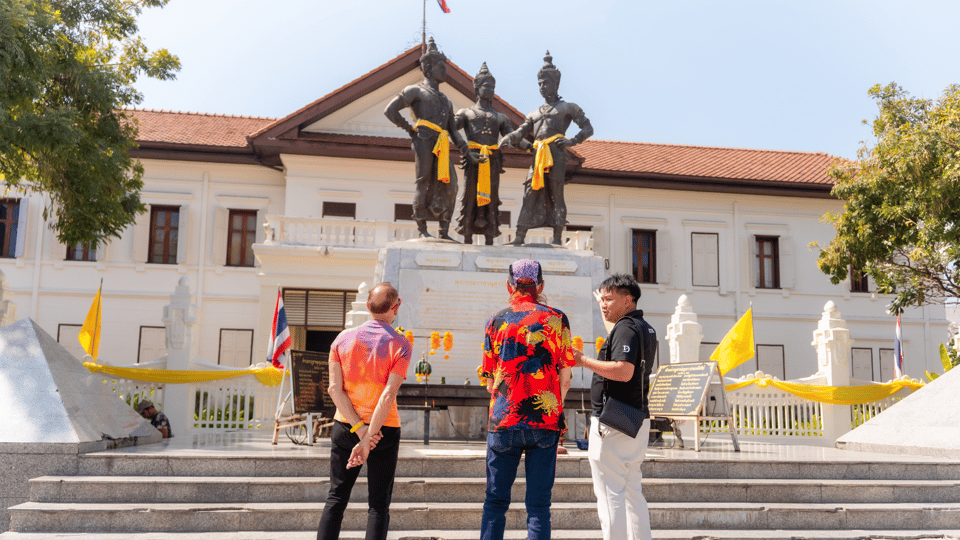
This is priced at $15 per person, and for Chiang Mai, that’s a practical deal when you look at what’s included. You’re not just buying a guide; you’re getting an English-speaking tour guide, entry tickets, water, and tour insurance. For people doing only one or two old-city experiences, that “entry included” part can be the difference between feeling like you got value versus feeling like you paid extra at every gate.
The small-group size—limited to 8 participants—also changes the feel. In a big group, you’re stuck waiting your turn to ask questions. Here, you can actually clarify something as you go. The reviews highlight that guides like Bim (and other guides named Emmy and Farm) often keep the energy friendly and the explanations clear, with enough space for questions to pop up naturally.
You’ll also notice pacing helps. The tour is built around walks between major sites plus guided time at each stop. That keeps you moving, but not sprinting.
One more real-world note from the way guides work: some guides may arrange short tuk-tuk rides to reduce walking when it helps. That’s not something you should plan around like it’s guaranteed, but it’s a nice perk when it’s offered.
Timing, Heat, and Temple-Ready Outfit Choices
Chiang Mai can get hot, and temples tend to mean standing in the open. A helpful strategy is choosing a tour time that reduces heat stress. I like the idea of late afternoon departures because you can catch softer light and feel less worn out before you even start.
One review mentioned a 5pm tour as a good pick to avoid the worst of the heat and still see temples near golden hour. Even if your schedule is different, the lesson stays the same: late day often feels more comfortable for temple walks.
For what to bring, keep it simple:
- Comfortable shoes you can walk in for stretches of time
- A camera if you want to capture details like murals and carved wood
- Comfortable clothes that still respect the dress expectations
And stick to the rules: no shorts or short skirts. If you’re planning a day that includes beachwear or night-out clothes, switch earlier than you think you need to.
You can also read our reviews of more historical tours in Chiang Mai
Temple Tours That Actually Teach You How to Look
The best part of this experience isn’t that you visit three famous sites. It’s how the tour helps you interpret what you see. You learn how spirituality shapes the city’s physical design, and you get clues to the Lanna way of life through temple layout, symbolic pagodas, and the founding story behind major landmarks.
At Three Kings Monument, you’re given names and origins. At Wat Phra Singh, you’re shown northern Thai aesthetics and cultural symbolism tied to birth-year beliefs. At Wat Chedi Luang, you get age, ruins, a Buddha interior, and the chance to hear monk talks.
That flow matters because it trains your attention. By the end, temples won’t just look impressive. They’ll feel purposeful.
Who Should Book This Walk (and Who Might Skip It)
Book this if you:
- Want an easy, well-paced way to understand the old city beyond street names
- Like temples but also want context—art styles, symbols, and spiritual lifestyle
- Prefer a small group where you can ask questions without feeling pushed along
You might skip it if you:
- Need wheelchair accessibility, since the tour isn’t suitable for wheelchair users
- Want a completely independent, self-guided route with no guided explanations (this tour is built for walking with a guide)
Should You Book This Chiang Mai Old City Tour?
If you want a first-timer-friendly way to connect Chiang Mai’s old city temples to the Lanna story, this tour is a strong pick. The value stands out because entry tickets, water, and insurance are included, and the small group size keeps the experience personal.
It’s also a nice match for people who care about details—murals, carvings, symbols, and temple interiors—rather than only ticking off major landmarks. Just plan your outfit for temple rules and be ready for a solid walking day.
FAQ
Where does the tour meet?
The tour meets at Three Kings Monument. Your guide will be waiting there, so it’s best to arrive on time.
How long is the guided walking tour?
The tour runs for about 2.5 hours.
How much does it cost?
The price is $15 per person.
What’s included in the price?
The tour includes an English-speaking tour guide, entrance tickets, water, and tour insurance.
Is hotel pickup and drop-off included?
No. Hotel pickup and drop-off are not included.
What language is the tour guide?
The tour is available with English and Thai live guides.
What should I wear and avoid wearing?
Bring comfortable shoes and comfortable clothes. Shorts and short skirts are not allowed.
Is the tour wheelchair accessible?
No. The tour is not suitable for wheelchair users.