REVIEW · CHIANG MAI
Chiang Mai: National Elephant Care, Rafting, & Ziplines Trip
Book on GetYourGuide →Operated by Chiang Mai Butler Services · Bookable on GetYourGuide
Elephants, river, and zipline in one day. What makes this outing stand out is the pairing of national elephant care with real outdoors time, plus an easy schedule that runs about 6 hours from hotel pickup.
I especially like the close, calm elephant contact and the chance to learn what they eat and how they live, not just pose and move on. Another big win is the small-group feel, capped at 10 participants, so the guide can actually explain what you’re seeing.
One possible drawback: you’re outdoors for long stretches, and you’ll want your sunscreen and change of clothes ready for both river time and the forest zipline area.
In This Review
- Key highlights to know before you go
- How the Chiang Mai day plan stays manageable
- You’ll choose: rafting or zipline (and that’s the point)
- National Elephant Care at Mae Wang: what you actually learn
- The contact style: time with elephants, not tricks
- A guide name to look out for
- Making a herbal vitamin ball for elephants
- What to do with your camera
- Bamboo rafting on the Mae Wang River: short, sweet, scenic
- What to consider
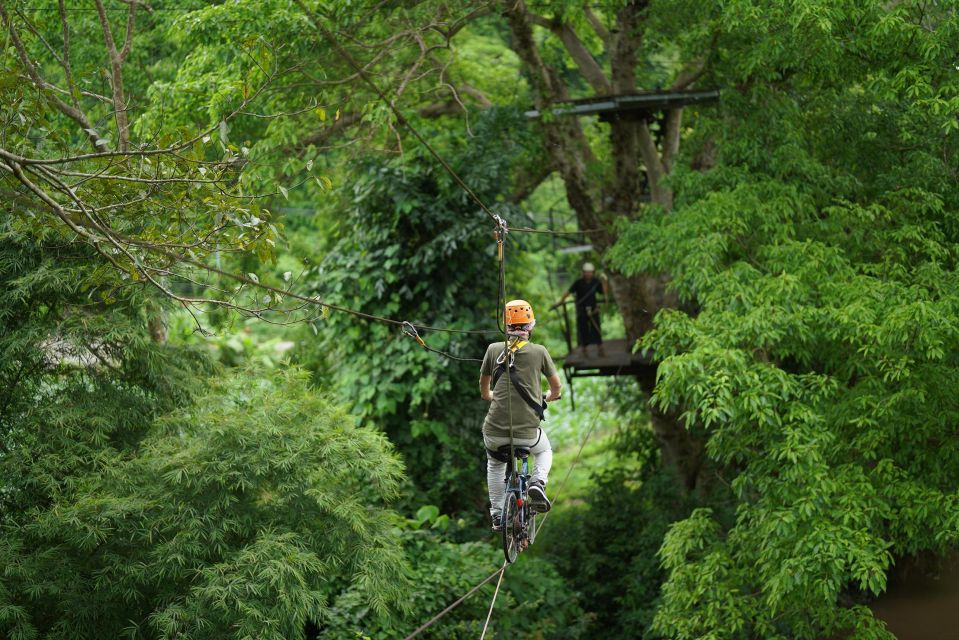
- Mae Wang Zipline Adventure: a full forest course, not just one line
- The Karen village add-on
- Safety and instructions
- Photos and videos
- Lunch by the river: where the day actually slows down
- What I’d do during lunch
- Price and what you’re really paying for
- Small-group time has a price, too
- What to bring so the day feels easy
- Who this tour suits best
- Should you book the Chiang Mai elephant and river-and-zipline tour?
- FAQ
- What time is hotel pickup?
- How long is the tour?
- Do I have to choose bamboo rafting or ziplining?
- Is lunch included?
- How many people are in the group?
- What should I bring?
- Is there free cancellation?
Key highlights to know before you go
- Close elephant contact with daily-routine learning, including riverside bathing/mud spa and elephant-care basics
- Herbal vitamin-ball making, a hands-on way to understand feeding and elephant diet
- Choose your adventure: 45-minute bamboo rafting or the Mae Wang zipline course
- Zipline options in the trees, with multiple zip routes plus abseil and sky-ride style activities
- Lunch served by the river and a proper pause before heading back to Chiang Mai
How the Chiang Mai day plan stays manageable
This is a classic Chiang Mai “all killer, no wasted time” setup. You get picked up from your hotel between 08:00 and 08:40, then you ride south of Chiang Mai toward the Mae Wang Elephant Habitat Park (about 1 hour and 20 minutes). That long-ish transfer matters, because it helps you get to a more focused setting for elephant care rather than squeezing the experience into city limits.
The whole day is built around momentum. You start with elephants, then switch into either bamboo rafting or zipline adventure, and you end with a Thai buffet lunch by the river. Expect to move through parts of the day at a steady pace, but it doesn’t feel rushed in the way shorter tours sometimes do.
Group size is also a quiet strength here. With up to 10 people, you’re not fighting for attention when your English-speaking guide is explaining elephant routines, how to care for them properly, and what you should watch for during bathing/mud spa time.
You can also read our reviews of more tours and experiences in Chiang Mai.


You’ll choose: rafting or zipline (and that’s the point)
The schedule is flexible in a useful way. You can do bamboo rafting (about 45 minutes on the Mae Wang River) or the Mae Wang zipline adventure in the Mae Wang Valley. If you’re trying to decide, pick based on your body and your mood. Rafting is more relaxed and scenic. Zipline is active and height-focused, with a structured course in the forest.
National Elephant Care at Mae Wang: what you actually learn
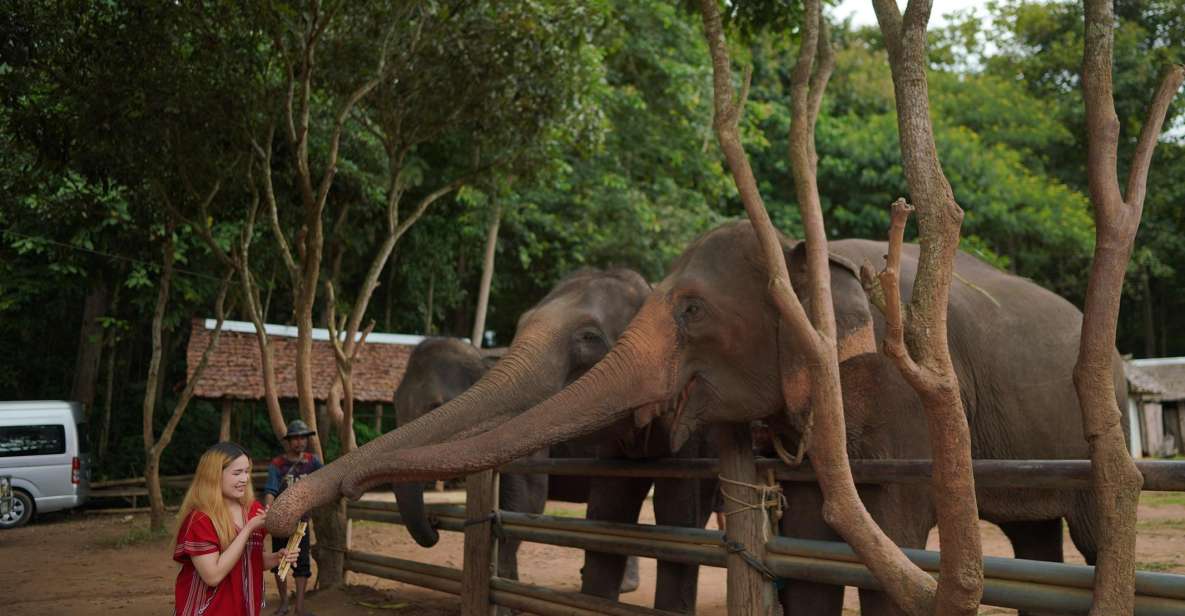
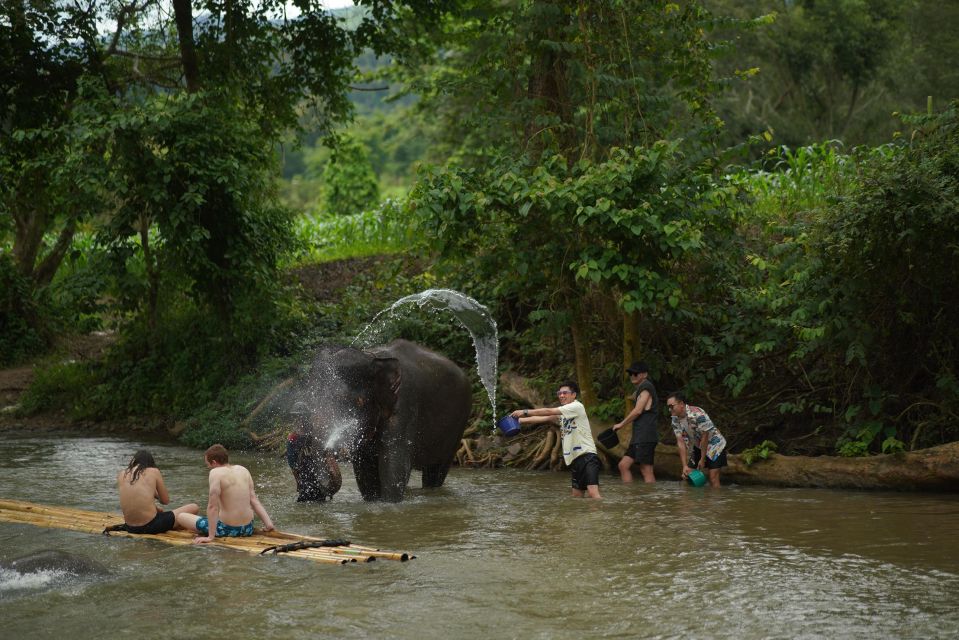
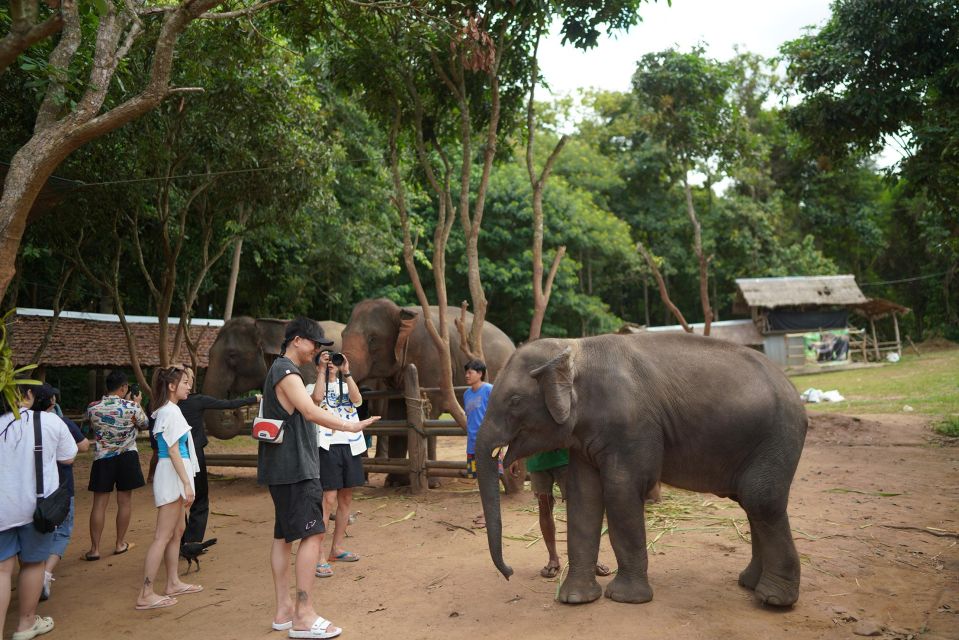
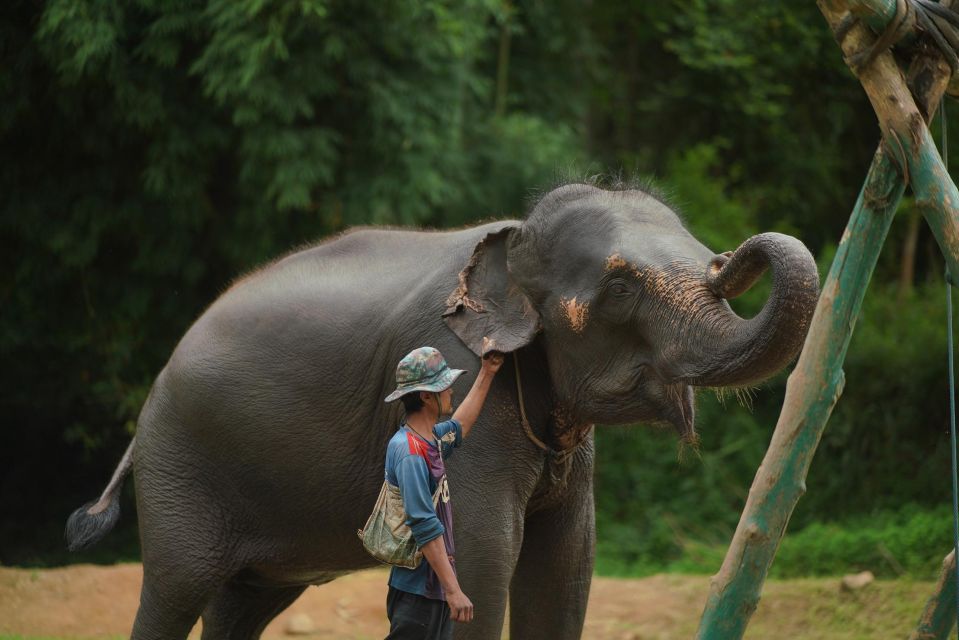
The elephant portion is the emotional anchor of the day. You’ll spend time with the elephant families and get a guided explanation of both facts and physical appearance. The guide also covers their natural routines, including riverside bathing and mud spa time, and how elephants are cared for properly by professionals.
What I like about this approach is that it turns “watching animals” into real understanding. You’re not just seeing elephants; you’re being taught how to interpret what you observe. Even the diet talk gives helpful context for what you might notice during feeding. The elephants eat throughout the day, roughly 150–300 kg (about 10% of their weight), with food made up of grasses, leaves, fruits, twigs, tree bark, and roots.
You also get practical insight into elephant feeding mechanics. Their strong trunks help them grasp and pull food, while their large molars grind tougher plant materials. That kind of detail makes the experience feel less like a show and more like learning how the whole system works.
The contact style: time with elephants, not tricks
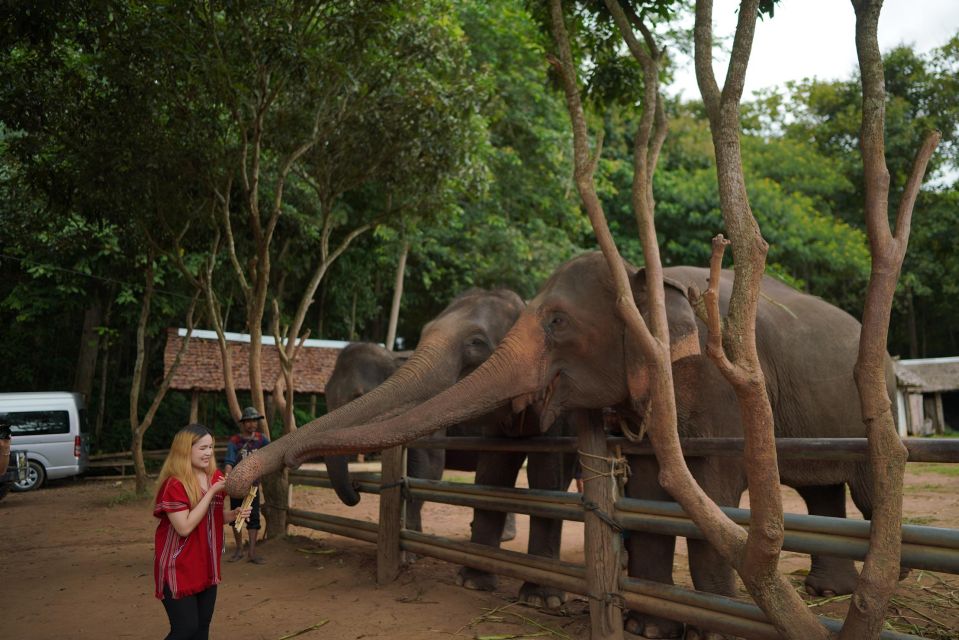
From the feedback, the elephant time is described as respectful and unforced. People highlight being allowed to feed, walk with the elephants, wash them, and take part in making a vitamin ball. That’s exactly the difference you want to look for on an animal day in Thailand: activity that’s about care and routine, not performance.
Also, watch for how the guide guides your attention. The best moments tend to be when you’re told what to observe, not when you’re just taking photos.
A guide name to look out for
English-speaking guides are part of the package, and past experiences mention names like John and Nop. Either way, plan to ask questions as you go. This is one of those tours where good questions get you better answers, fast.


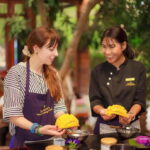
Making a herbal vitamin ball for elephants
This is one of the most memorable pieces because it connects the learning to a physical action. You’ll be guided through making a herbal vitamin ball for the elephants. Even if you’ve never worked with animal feed ingredients before, the guide’s role keeps it grounded: you’re not guessing, you’re making something the elephants will eat as part of their daily care.
The value here isn’t just the craft. It’s the cause-and-effect moment: learning about elephant diet and routine, then participating in feeding in a controlled, respectful way.
What to do with your camera
Since you’ll be doing hands-on work, you’ll likely spend less time filming and more time looking. If you do want photos, keep your phone or camera ready, but give yourself permission to put it away when the guide is explaining what’s happening. Most of the meaningful details are verbal.
Bamboo rafting on the Mae Wang River: short, sweet, scenic
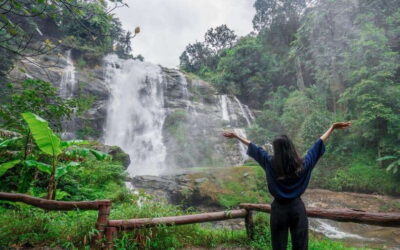
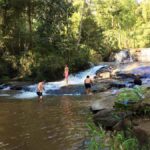
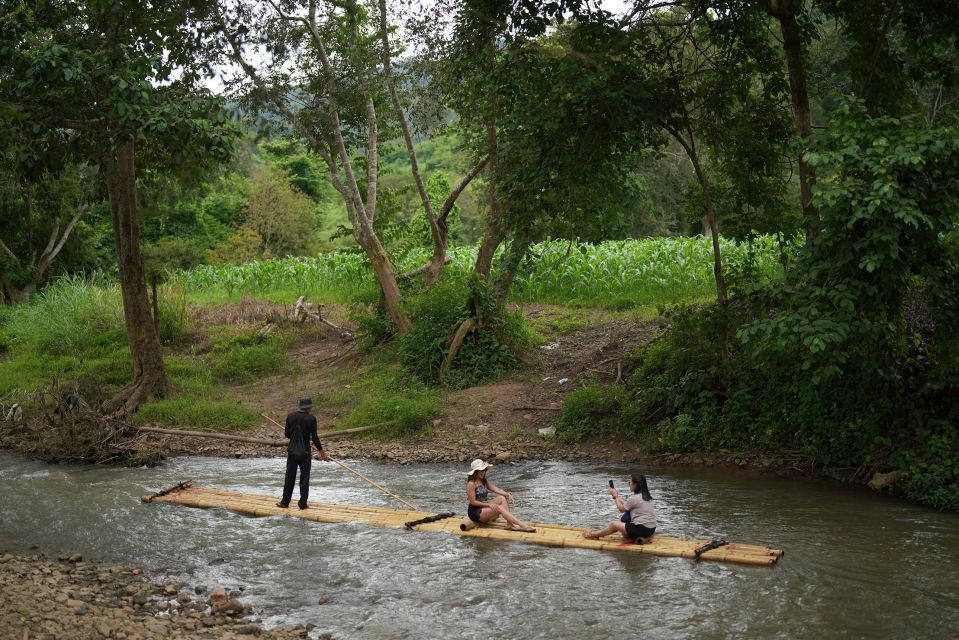
If you choose rafting, you’ll head out for an exploration on the Mae Wang River for about 45 minutes. This part is typically calmer than the zipline option, with a strong emphasis on sightseeing through the river scenery.
The practical benefit of choosing rafting is that it breaks up the intensity of elephant time. Elephants are close and hands-on. Rafting lets you reset with moving water, open views, and a chance to breathe between activities.
What to consider
Because it’s river time, you’ll be dealing with water and humidity. The tour asks you to bring a towel and a change of clothes, which is a good sign that they expect you to get at least a little damp. Bring the basics they list and you’ll be fine.
If you’re traveling with limited tolerance for heights or movement, rafting can be the safer bet. If you want adrenaline, zipline will scratch that itch instead.
Mae Wang Zipline Adventure: a full forest course, not just one line
If you pick the zipline, you’ll move from the elephant area into the forest zone for the Mae Wang Zipline Adventure in the Mae Wang Valley. The setting matters: it’s described as dense forest with views over the meandering Mae River below. That gives the course a sense of place, not just a line you ride and forget.
What makes this course interesting is the mix of elements. You’re not only doing standard ziplines. The adventure area includes:
- 6 ziplines
- 1 abseil
- 2 spiral staircases
- a tree house
- air skateboarding and air bicycle areas
- a 360 panoramic view
In other words, it’s designed as a sequence. You’ll spend time moving between platforms, crossing different structures, and getting those forest-and-river views from multiple angles.
The Karen village add-on
The highlights mention 15 platforms and free entry to the long neck Karen village. That’s a useful bonus if you want at least one cultural stop in the middle of the active day.
Safety and instructions
Past feedback emphasizes clear instructions and a sense of safety during the zipline portion. You’ll be guided during the course, and there are staff members on hand to help you get oriented quickly.
Photos and videos
One nice perk from the experience notes: staff may take photos and video during the zipline so you can bring them home afterward. If that matters to you, ask what’s possible on the day you join.
Lunch by the river: where the day actually slows down
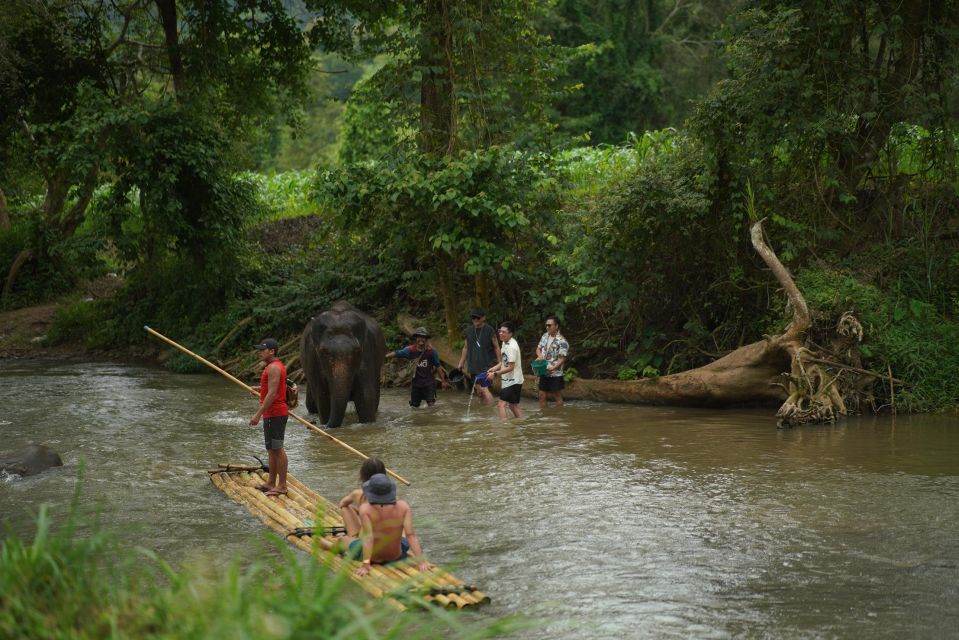
After rafting or zipline, you’ll enjoy a Thai buffet lunch in an idyllic river setting and get a chance to rest before the transfer back. This break is more than just fuel. After being in the sun and moving around, you’ll appreciate sitting somewhere calm for a while.
People also describe the lunch as plentiful and freshly cooked, with lots of tasty variety for a buffet. That matters because buffet lunches can be hit-or-miss on tours. Here, the feedback points toward a better-than-average meal.
What I’d do during lunch
If you’re doing zipline, use lunch to hydrate and loosen up. If you’re doing rafting, use it to dry off a bit and cool down. Either way, you’ll feel better on the ride back to Chiang Mai with a calm reset.
Price and what you’re really paying for
At $51 per person for about 6 hours, this sits in the “good value” category for Chiang Mai. You’re not only paying for a guide and transport. You’re also paying for:
- elephant care entry
- the guided elephant learning experience
- the zipline adventure entry (if you choose it) or the rafting activity
- Thai buffet lunch
- water
- English live guide and an English audio guide
That’s the key value calculation: a day with elephant care plus a major activity and lunch usually costs much more if booked as separate pieces. Bundling it is why this tour can feel like a bargain.
Small-group time has a price, too
The tour caps groups at 10. That’s not free. It’s part of what you’re paying for, and it makes a difference when a guide is explaining elephant routines and keeping everyone safe during active time.
What to bring so the day feels easy
The tour checklist is simple and smart. Pack:
- Sunglasses
- Change of clothes
- Towel
- Sunscreen
- Sportswear
- Daypack
This is exactly what you need for a day mixing elephant care, river time, and zipline/forest structures. If you arrive with the listed items, you’ll avoid the usual “why didn’t I bring that” frustration.
Who this tour suits best
This is a great fit if you want a single day in Chiang Mai that hits three goals: animals, scenery, and active outdoors fun.
You’ll probably love it if:
- You want close elephant encounters paired with learning, not just sightseeing
- You like the idea of either bamboo rafting or zipline depending on your energy
- You want an organized day with pickup, tickets, and lunch handled
It may be less ideal if:
- You strongly dislike getting damp from river activities
- You prefer slower days with fewer transitions between activities
- You want total flexibility to change plans mid-day (the rafting/zipline choice is part of the structure)
Should you book the Chiang Mai elephant and river-and-zipline tour?
If your dream Chiang Mai day includes elephants plus one outdoor adventure, this is a strong booking choice. The elephant portion comes with real guidance, including diet and routine information, and the day stays structured enough that you don’t waste time hunting for tickets or coordinating transport.
I’d book it if you’re comfortable spending a full morning pickup to afternoon return and you can handle sun exposure and movement. If you’re on the fence between rafting and zipline, choose the one that matches your energy level. The tour is designed so either option works as the main activity after elephant care.
FAQ
What time is hotel pickup?
Pickup is scheduled between 08:00 and 08:40 from your accommodation in Chiang Mai.
How long is the tour?
The total duration is about 6 hours.
Do I have to choose bamboo rafting or ziplining?
Yes. The tour offers an option between bamboo rafting and the Mae Wang zipline adventure.
Is lunch included?
Yes. You get a Thai buffet lunch.
How many people are in the group?
The group is small, limited to 10 participants.
What should I bring?
Bring sunglasses, a change of clothes, a towel, sunscreen, sportswear, and a daypack.
Is there free cancellation?
You can cancel up to 24 hours in advance for a full refund.